|
5 May 2026 | International Labour Organisation
As digitalization and artificial intelligence (AI), the green transition, and demographic shifts reshape labour markets worldwide, a new ILO report calls on governments to raise lifelong learning to a central pillar of economic and social policy. Drawing on new worker surveys, online vacancy analysis, institutional data and a review of 174 studies on what works in training, the report, Lifelong learning and skills for the future, warns that without stronger investment in inclusive learning systems, these transformations risk widening inequalities between and within countries.
| |
5 May 2026 | UN News
It can be annoying when the wifi signal is cut, but what about if everything digital we rely on were to crash suddenly – from satellites to life-support systems in hospitals? That’s the nightmare scenario that the UN is trying to avoid, in a call to all Member States to work together to avoid the cascading impacts of a “digital pandemic.” The risks to all of us are real and they have already been observed on Earth and in space, including a solar storm that narrowly missed Earth in 2012 that could have knocked out power grids and communications across entire continents.
| | |
4 May 2026 | Teacher Magazine
‘Learning does not happen when the machine does the thinking for you.’ With generative AI reshaping the educational landscape, Teacher columnist and OECD Director of Education and Skills Andreas Schleicher discusses the importance of age-appropriate guardrails, data protection and human judgement to ensure GenAI becomes a scaffold for learning, not a crutch.
| |
30 April 2026 | UNESCO
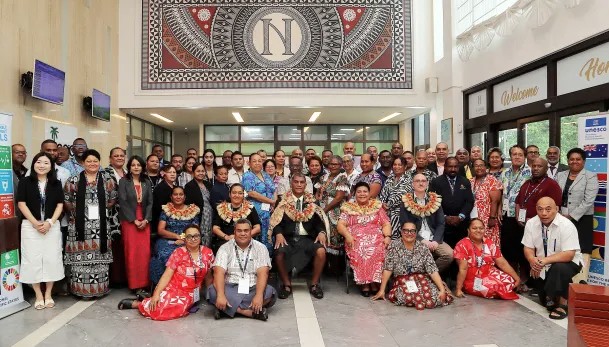
Organized under the Pacific Regional Education Framework (PacREF) and funded by the Global Partnership for Education (GPE), the consultation brought together policymakers, curriculum specialists, teacher educators and development partners from Pacific Island countries, including Fiji, the Federated States of Micronesia, Kiribati, Nauru, Niue, Palau, the Republic of the Marshall Islands, Papua New Guinea, Samoa, Solomon Islands, Tokelau, Tonga, Tuvalu and Vanuatu.
| |
2 April 2026 | UN Economic Commission for Africa
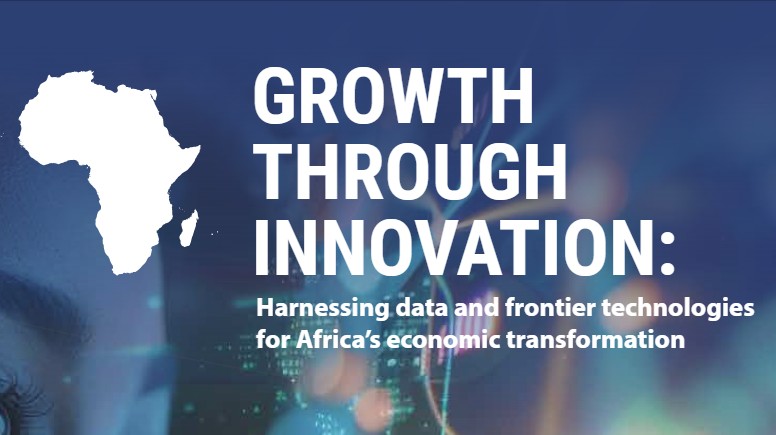
The report examines how data and frontier technologies can accelerate Africa’s economic transformation by enhancing productivity, strengthening industrial capabilities, and supporting diversification. It analyses the potential of digital platforms, artificial intelligence, advanced manufacturing, and energy technologies to improve competitiveness across sectors. It outlines policy priorities, investment needs, and the importance of regional integration – particularly through the African Continental Free Trade Area – to foster innovation-driven, inclusive, and sustainable development.
| |
28 April 2026 | UNESCO
Around the world, some people are faced with unprecedented flows of information while others have no sufficient access to it. Constant flows of information or the absence of freedom of information shape real-world decisions about health, education, safety, elections, gender equality, peace and the future of our societies. More than ever, people need competencies to know how to verify and intelligently engage with information.
| | |
6 May 2026 | New Era Live, Namibia
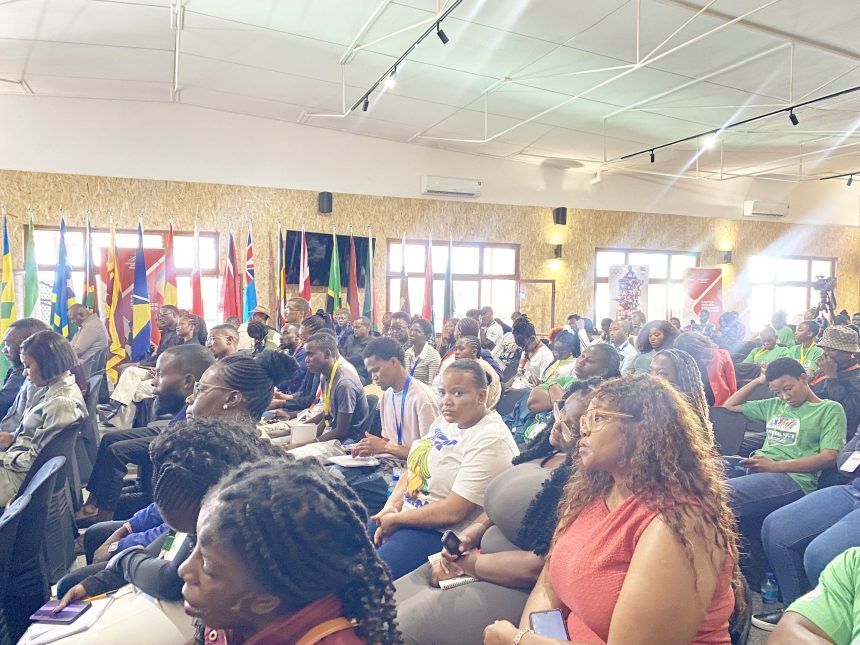
During the Commonwealth Day event on the final day of the National Youth Week at the Windhoek Showgrounds, leaders called on young Namibians to take advantage of global opportunities while remaining grounded and using the skills acquired to develop Namibia. Discussions at the event focused on education, international cooperation, and youth participation in shaping the future of Namibia and the wider Commonwealth.
| | |
Government launches health education policy to bridge skills gap
30 April 2026 | New Vision, Uganda
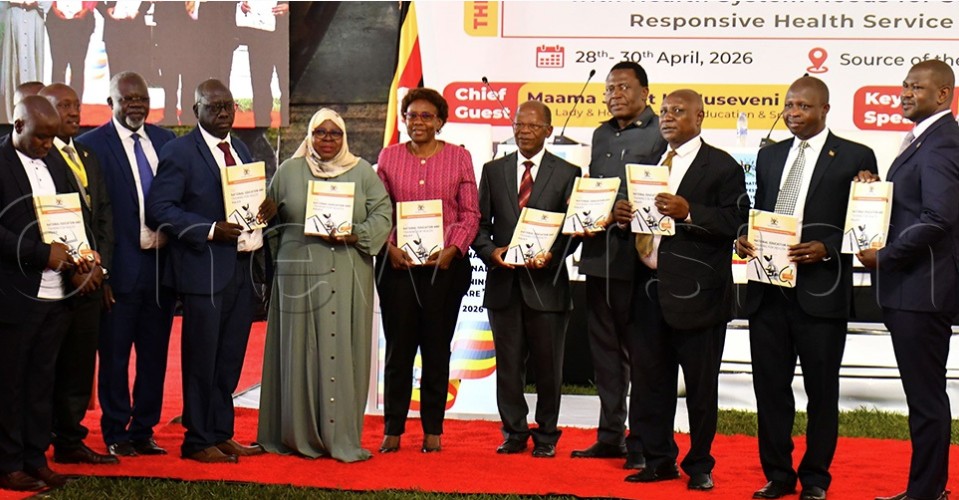
The Government has officially launched the National Education and Training for Health Policy 2025, a strategic framework designed to overhaul the training of health professionals and align their skills with the urgent demands of the country's healthcare system. A shift towards competence and specialisation. Representing First Lady and Ministry of Education and Sports Maama Janet Kataaha Museveni, higher education state minister Dr John Chrysostom Muyingo emphasised that the era of supply-driven education is over.
| | |
2 May 2026 | The New Times, Rwanda
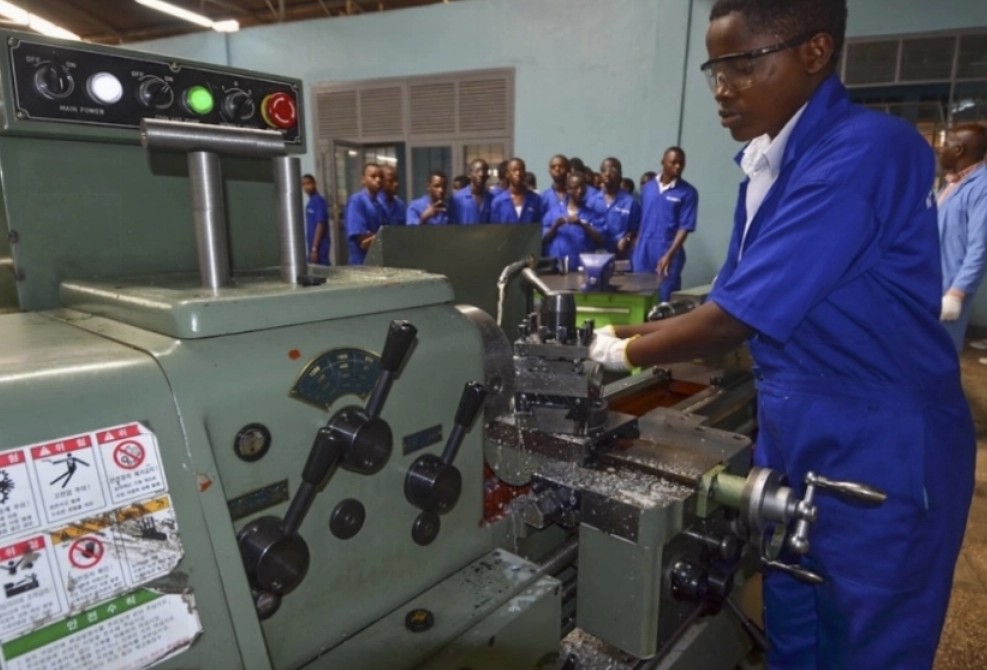
The new five-year National Employment and Skills Strategy (NESS), which will run until 2029, aims to support the creation of more than 500,000 jobs through Micro, Small and Medium Enterprises (MSMEs), with a particular focus on young people who are ‘Not in Education, Employment, or Training’ (NEET), according to Christine Nkulikiyinka, the Minister of Public Service and Labour.
| | |
30 April 2026 | Government of Mauritius
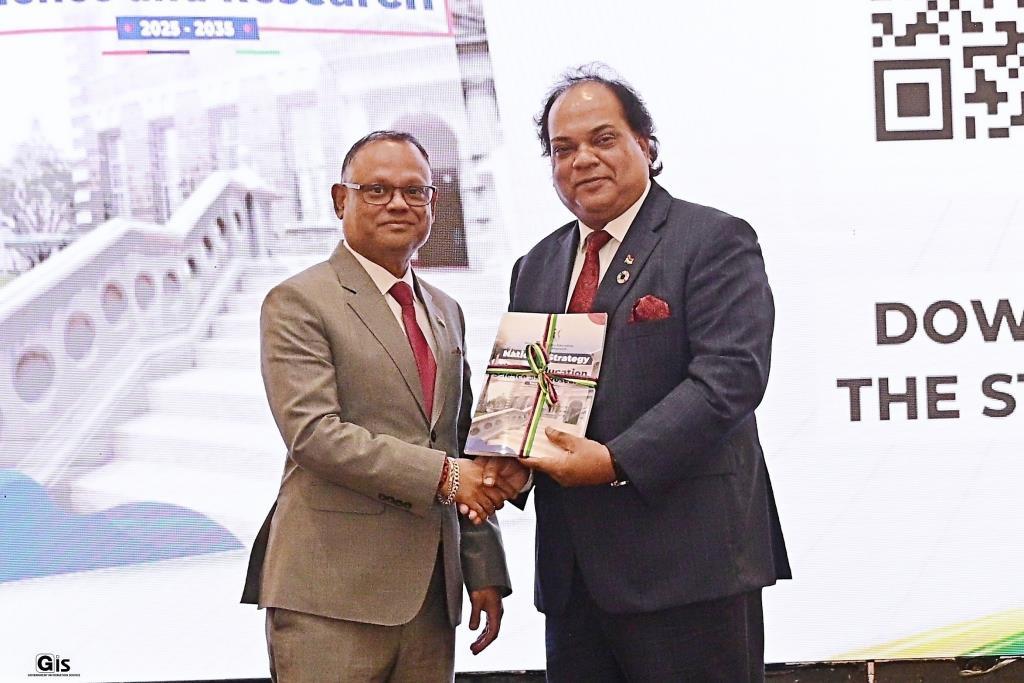
The National Strategy for Higher Education and Research 2025-2035, serving as a comprehensive roadmap to guide the development and transformation of the higher education sector in Mauritius, was unveiled by the Honourable Minister of Tertiary Education, Science and Research, Dr Kaviraj Sharma Sukon, at the Intercontinental Resort Mauritius in Balaclava.
Video: Launch of the National Strategy for Higher Education, Science and Research
| |
29 April 2026 | Press Information Bureau, India
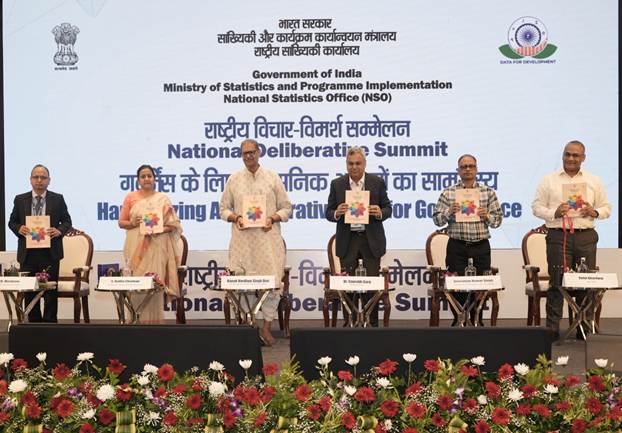
Ministry of Statistics and Programme Implementation (MoSPI), Government of India, released the 27th edition of its publication titled “Women and Men in India 2025: Selected Indicators and Data” at the National Deliberative Summit on “Data for Development,” on 29th April 2026 at Bhubaneswar, Odisha. The publication presents a comprehensive overview of the status of women and men in India through a compilation of selected indicators across key domains, including population, education, health, economic participation, decision-making, violence against women, and other gender-related issues, drawing upon inputs from various Ministries, Departments and organisations.
| | |
14 April 2026 | UNESCO
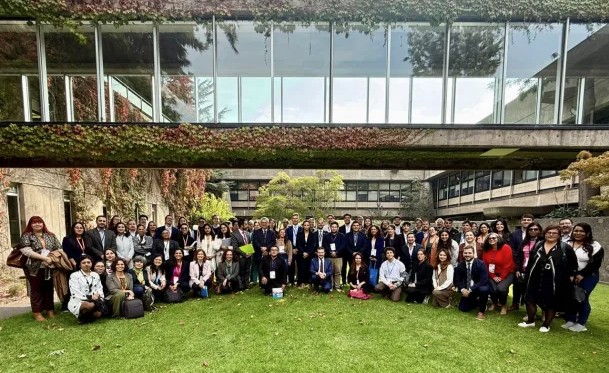
UNESCO launched the Observatory on Artificial Intelligence in Education for Latin America and the Caribbean on 14 April, a regional platform designed to support States in integrating artificial intelligence (AI) into their education systems, with a focus on equity, quality and sustainable development. The launch took place at ECLAC headquarters in Santiago, Chile, as part of the 2026 Forum of the Countries of Latin America and the Caribbean on Sustainable Development.
| |
|
5 May 2026 | Commonwealth of Learning
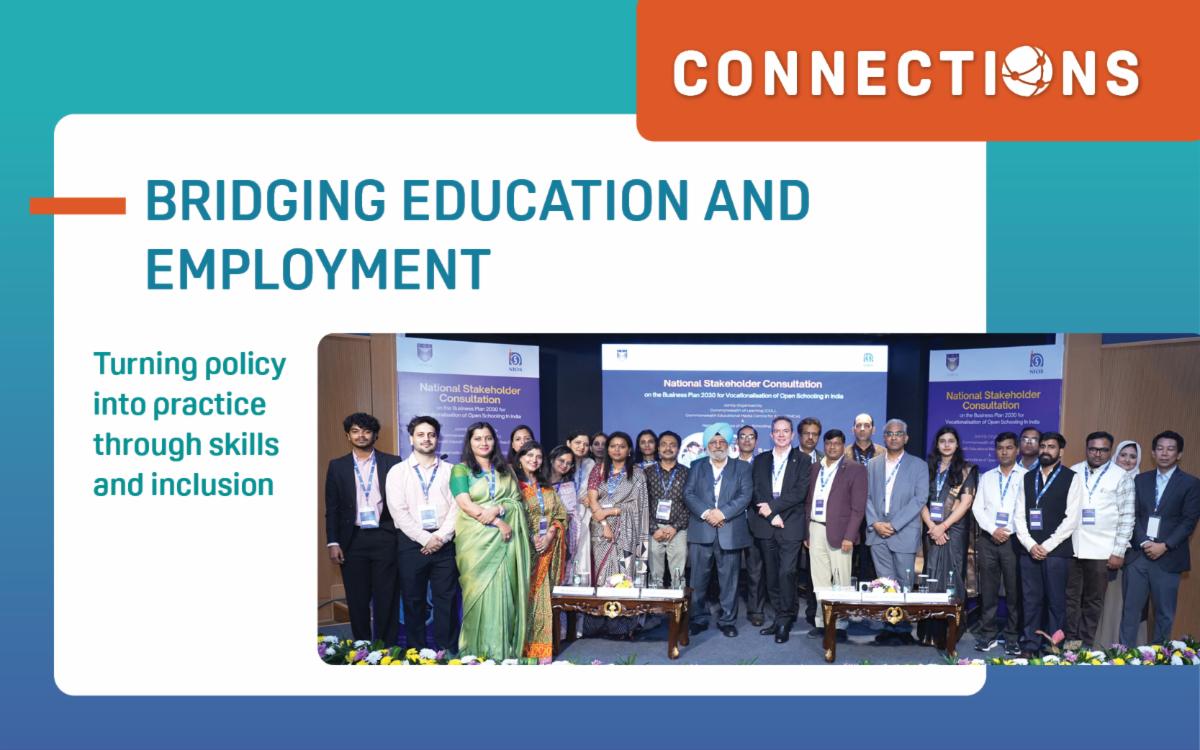
COL is working to advance its mission as a transformative force in inclusive, technology-enabled education and skills development across eight Commonwealth countries in Asia. Aligned with India’s National Education Policy (NEP) 2020, COL, through its regional centre, the Commonwealth Educational Media Centre for Asia (CEMCA), has focused on bridging the gap between traditional educational outcomes and the evolving needs of the global labour market.
| |
April 2026 | Commonwealth of Learning
Looking for fresh insights into how open learning is evolving across the Commonwealth? The April 2026 issue of Connections is now live. This edition highlights institutional, national, and regional shifts in education, with reflections from India and the Caribbean on rethinking access, quality, and innovation. We have also included perspectives from our partners, including the Commonwealth Foundation’s new Director-General and the Vice-Chancellor of the University of South Africa.
| | This news service is curated from key news sources by the Commonwealth of Learning for information purposes only and does not constitute endorsement or verification of the linked content. All images are owned by the respective copyright holders. | | | | |