|
April 2026 | UNESCO
Artificial intelligence is already transforming the way we learn, teach and communicate. In this new issue, The UNESCO Courier explores the promises, the limits and the challenges of this revolution that is reshaping education, language, creativity – and even parenting. Should we view AI as a threat to our intellectual autonomy, or as an opportunity to better serve humanity?
| | |
2026 | World Bank
Human capital —people’s health, skills, knowledge, and experience— is the foundation of economic growth and poverty reduction and of a workforce ready for the jobs of the future. Yet progress in building human capital has slowed, and in many places, declined. This report brings new evidence on how human capital is formed, showing that homes, neighborhoods, and workplaces play a central role. By understanding how skills develop across these settings, countries can better target policies and investments, use resources more effectively, and strengthen outcomes for people and economies alike.
| | |
March 2026 | UNESCO
A regional leader in tertiary participation facing new pressures. Tertiary education enrolment in Fiji has seen remarkable progress since the early 2000s. The gross enrolment ratio increased from just 14% in 2005 to 69% by 2014. Growth continued steadily, peaking at nearly 84% in 2020 before declining in 2021, coinciding with the onset of the COVID-19 pandemic.
| |
8 April 2026 | Commonwealth Secretariat
Small Island Developing States (SIDS) stand on the frontline of the global climate crisis, facing a convergence of environmental, economic and institutional challenges that disproportionately threaten their sustainable development pathways. Despite contributing minimally to global greenhouse gas emissions, SIDS have demonstrated strong climate ambition through their Nationally Determined Contributions (NDCs).
| | |
PM Anwar urges faster course approvals to meet tech demands
5 April 2026 | The Sun, Malaysia
Prime Minister Anwar Ibrahim has called on educational institutions to accelerate the introduction of new courses and disciplines to produce more skilled local experts. He stated this is essential to ensure the country does not fall behind in development, particularly in high-technology fields, citing that universities currently take too long to approve new programmes.
| | |
UTech president wants end to TVET stigma
8 April 2026 | The Jamaica Gleaner
Dr Kevin Brown, president of The University of Technology, Jamaica (UTech), has joined calls for an end to the stigma that currently exists against technical and vocational education and training (TVET) subjects in Jamaica’s education system, saying these subjects are key to becoming a technological leader on the global stage.
| |
5 April 2026 | Eswatini Sunday
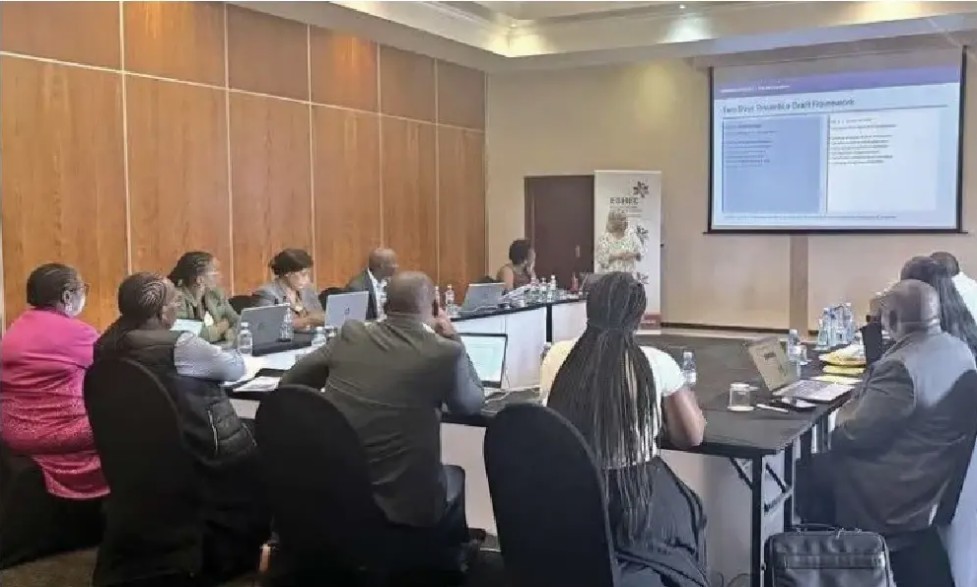
The Eswatini Higher Education Council (ESHEC), in collaboration with the Commonwealth of Learning (COL), has convened a high-level, twoday consultative workshop to drive the development of a National Framework for Micro-credentials. The gathering, brings together a powerhouse of stakeholders, including the Eswatini Qualifications Authority (EQA), the Ministry of Education and Training (MOET), industry leaders, and representatives from the Technical and Vocational Education and Training (TVET) sector.
| | |
27 March 2026 | World Bank
In 2021, a secondary school graduate named Pelagie Abayikunda began teaching primary school French in Kigali, Rwanda. Under the Quality Basic Education for Human Capital Development (QBE) project, the Ministry of Education (MINEDUC) had recently completed construction of over 22,000 classrooms. To ensure all classrooms had teachers, the hiring criteria were temporarily relaxed, allowing Pelagie to teach even without having studied at a Teacher Training College (TTC).
| | |
30 March 2026 | Government of Mauritius
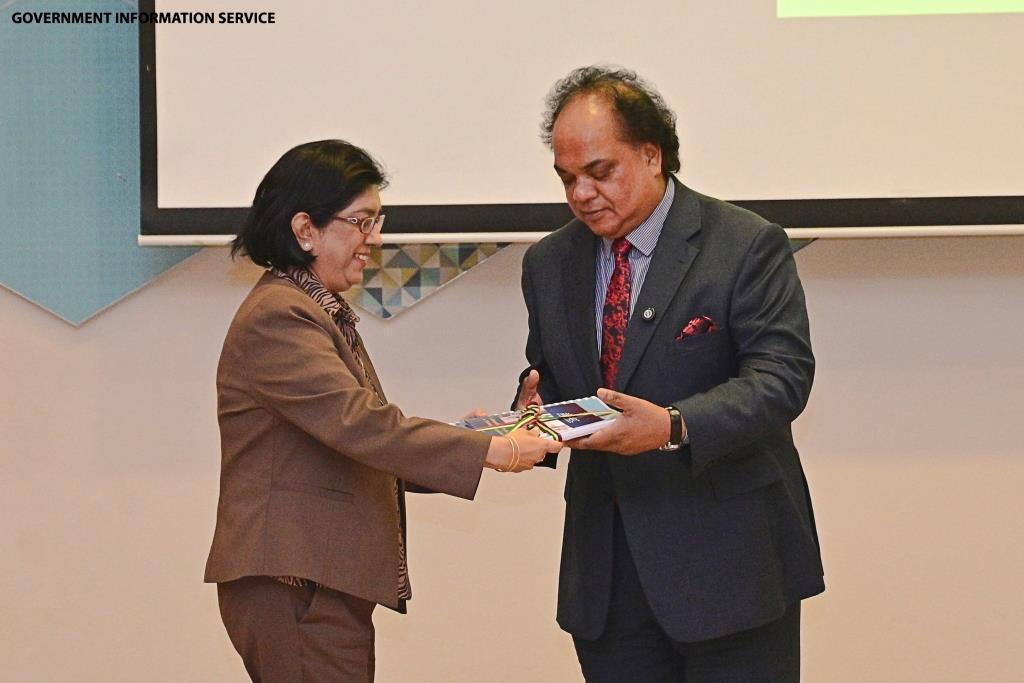
A workshop focusing on the approval and recognition of Micro‑Credentials, organised by the Higher Education Commission (HEC), kickstarted this morning, in Ebène. It aims to refine the mechanisms for approval and recognition of micro‑credentials, strengthen sector readiness, and advance Mauritius’ positioning as a regional knowledge hub. The event brought together representatives from the industry, higher education institutions, ministries, regulatory bodies, and international experts to discuss the standards, approval, and recognition processes for micro‑credentials in Mauritius.
| | |
1 April 2026 | Tech Africa News
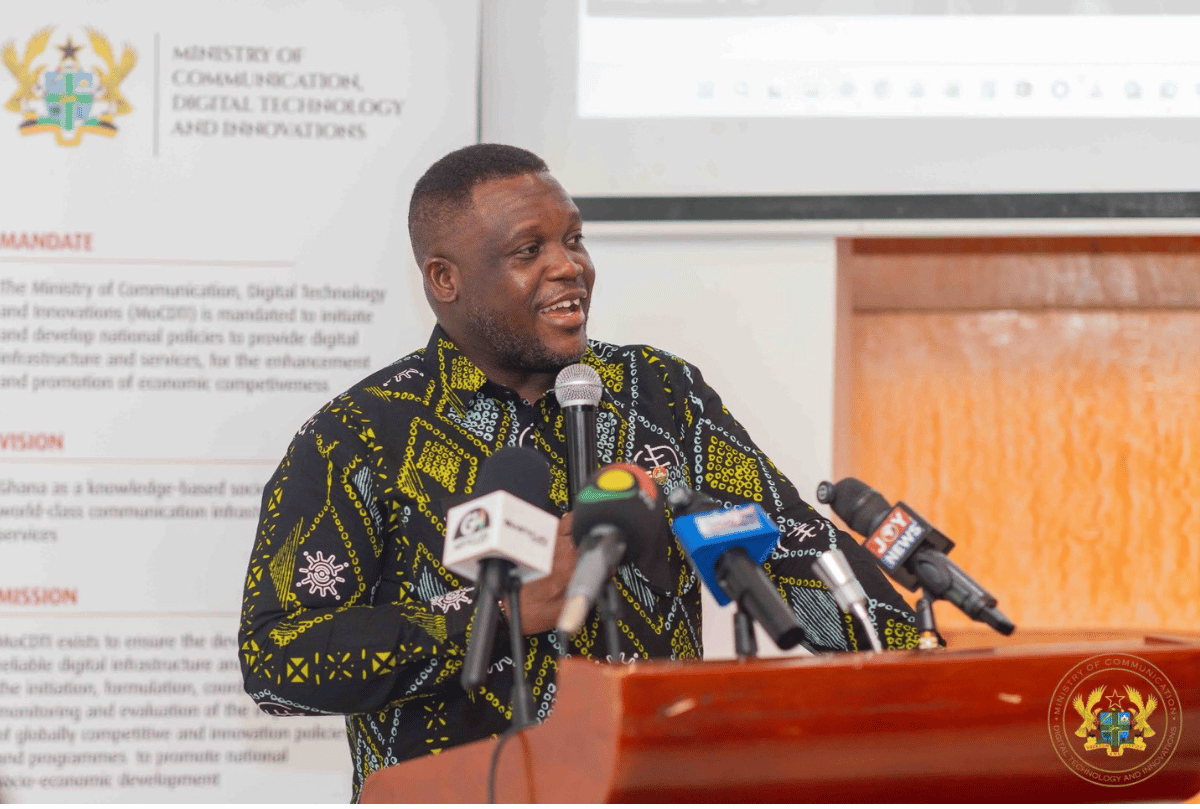
Ghana has taken a major step toward strengthening its digital economy, following Cabinet approval of a $250 million investment to establish a national artificial intelligence (AI) computing centre aimed at accelerating innovation across key sectors. Announced by Samuel Nartey George, Minister for Communication, Digital Technology and Innovations, the initiative is designed to position Ghana as a leading hub for responsible AI development in Africa.
| | |
30 March 2026 | Informant, Namibia
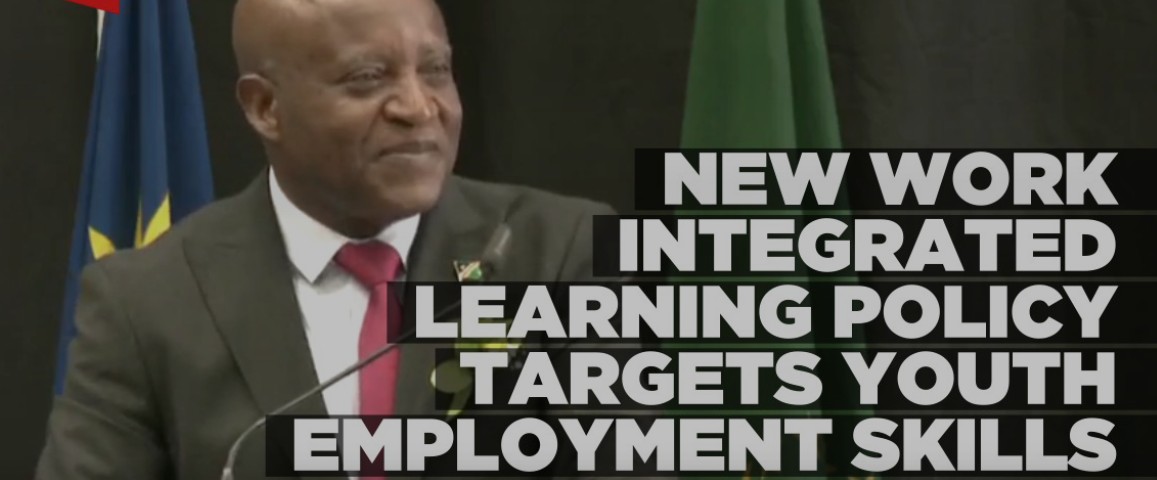
Prime Minister Dr Elijah Ngurare has officially launched Namibia’s National Work Integrated Learning (WIL) Policy 2025–2030, aimed at bridging the gap between education and employment by equipping young people with practical workplace experience. Speaking at the launch in Windhoek, Ngurare said the policy marks a significant step towards addressing youth unemployment and aligning education with labour market needs. He added that while Namibia has prioritised education since independence, many graduates still struggle to transition into the workforce due to limited practical exposure.
| |
30 March 2026 | International Labour Organization
Zambia has unveiled a comprehensive suite of skills development tools designed to strengthen industry‑aligned training and improve employability across key economic sectors. The launch event, held in Livingstone and attended by apprentices and host enterprises from the mining, energy, tourism and agriculture sectors, marked the introduction of the National Critical Skills List, Sector Skills Strategies, three Sector Skills Bodies and the pilot National Apprenticeship Programme.
| |
1 April 2026 | Arise News
The Federal Government, in partnership with the United Nations Development Programme (UNDP), is set to transform Nigerian universities into hubs for artificial intelligence (AI), innovation, and digital talent development. Vice President Kashim Shettima will on April 7, 2026, officially launch the first University Innovation Pods (UNIPOD) in Africa at the University of Lagos, marking the beginning of the initiative.
| | |
Submission deadline: 30 April 2026 | Commonwealth of Learning
COL has launched a new call for applications for its COL Chairs Programme. Through this initiative, COL appoints distinguished experts from across the Commonwealth to advance research, innovation and thought leadership in its areas of competence. Established in 2010, the programme supports the development of effective Open and Distance Learning (ODL) and Technology-Enabled Education and training through advocacy, research and capacity building across the Commonwealth.
| | |
Event date: 15 April 2026 at 14:30 WAT | Commonwealth of Learning
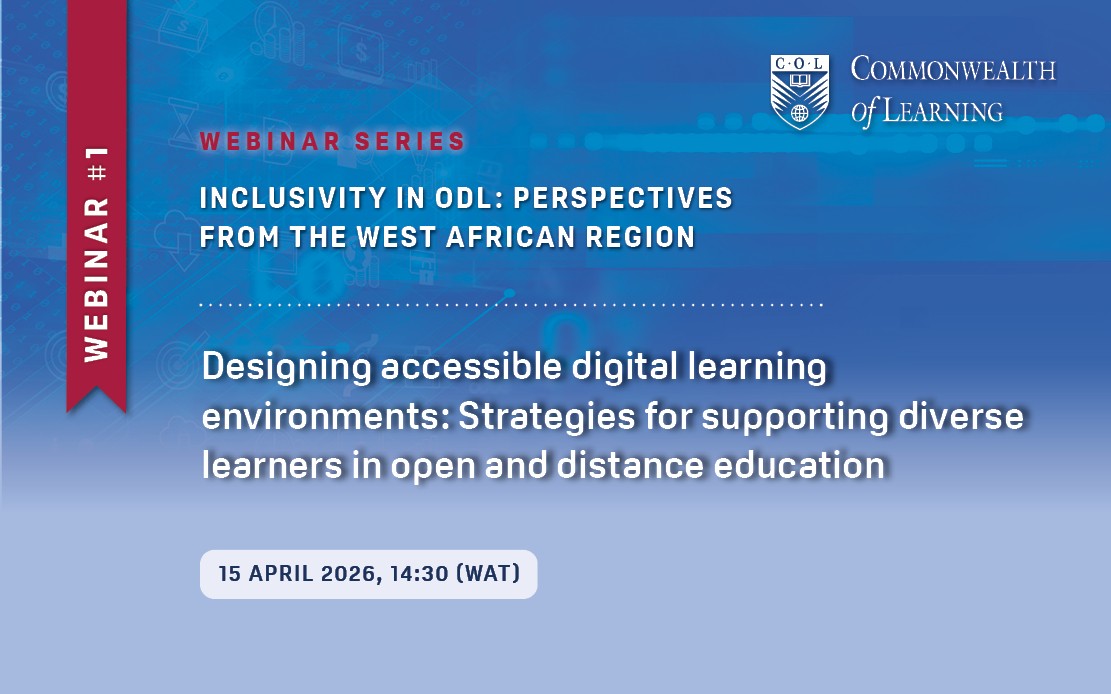
COL’s upcoming webinar, “Designing accessible digital learning environments: Strategies for supporting diverse learners in Open and Distance Education,” provides a regional platform for dialogue and knowledge sharing on learner support, while advancing inclusive, accessible, and responsive support systems. It features the work and expertise of Professor Kevin Usman Anoh, Deputy Director of the Open and Distance Learning Center at the University of Calabar, Nigeria, and is part of COL’s new bi-monthly webinar series showcasing ODL perspectives from the West African region.
| | |
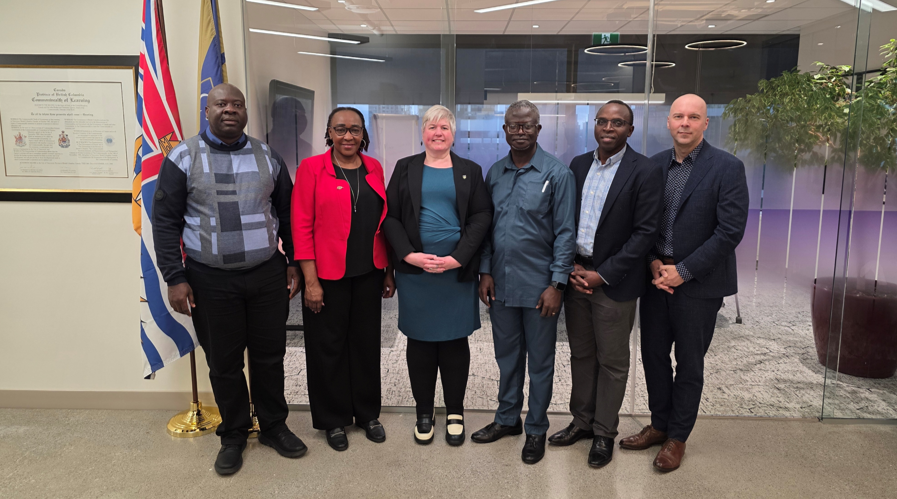
WESCO visit to COL highlights a shared vision for AI in education
8 April 2026| Commonwealth of Learning
We are living through a period of heightened global uncertainty. From climate and food insecurity to global health challenges and democratic instability, chronic inequities are deepening, widening access gaps to quality education. As the only intergovernmental organisation solely dedicated to expanding education through distance learning and Technology-Enabled Learning, COL recognises the importance of approaching digitalisation and technological innovation both ethically and strategically to design learning solutions that deliver impact.
| | This news service is curated from key news sources by the Commonwealth of Learning for information purposes only and does not constitute endorsement or verification of the linked content. All images are owned by the respective copyright holders. | | | | |