|
2 June 2026 | World Bank Blogs
AI is here. Over three billion people globally use generative AI like ChatGPT or Baidu’s Erni Bot monthly. AI helped researchers discover new proteins (and get a Nobel prize) and AI tutors enabled students in Nigeria catch up 2 years’ of learning progress in only 6 weeks. Yet so far AI’s impact on aggregate jobs or growth has been limited. Past waves of technology led to enormous progress but also left many behind.
| | |
4 June 2026 | Commonwealth Secretariat
A team from the Commonwealth Secretariat visited Botswana and Namibia recently as part of a country engagement exercise to create awareness and build capacity around a national data coordination framework. The visit to the two countries has reinforced our resolve as a family to hold each other’s hand in this journey of strengthening national data systems. This mission highlighted that we cannot go it alone.
| |
8 June 2026 | African Union Commission
The African Union Commission, through the Department of Education, Science, Technology and Innovation, will host the Innovating Education in Africa Expo 2026 from 13 to 14 July 2026 at the African Union Commission Headquarters in Addis Ababa, Ethiopia. The Expo will serve as a continental policy dialogue, exhibition and campaign platform to advance a digital future for education and skills development across Africa.
| |
2 June 2026 | National Centre for Social Research
Since BSA began in 1983, the higher education sector in the UK has expanded, with a degree required for an increasing number of jobs. This expansion has come at a cost, with the introduction of tuition fees in 1998, top-up fees in 2004, and the trebling of the maximum fee cap in 2012. In recent decades, the number of graduate-level vacancies has shrunk and the ‘graduate premium’ (the additional earnings graduates can expect to attain) has fallen. Universities are also struggling financially and have increasingly turned to recruiting international students. How has the public in England reacted to these developments?
|
4 June 2026 | PMN, New Zealand
A Pacific P-TECH facilitator says young people need stronger digital and AI skills to keep up with fast-changing tech and warns Pacific learners risk being left behind without proper support. Artificial Intelligence or AI is moving fast and a Pacific technology educator says young people need to understand it now, not later.
| |
9 June 2026 | SKN Pulse, St Kitts and Nevis
As the OECS Programme for Educational Advancement and Relevant Learning (OECS PEARL) approaches the end of its official project-phase on 30 June 2026, the OECS Commission announces the launch of a Communication for Development campaign titled "The OECS PEARL Legacy".
| |
eLearning conference: Africa must invest in digital infrastructure — Dr Apaak
8 June 2026 | Daily Graphic, Ghana
The Deputy Minister of Education, Dr Clement Abas Apaak, has said Africa must invest in its own digital infrastructure and expertise if it hopes to achieve technological independence. He identified the lack of African-owned digital infrastructure as one of the greatest obstacles to the continent's technological ambitions.
| |
|
7 June 2026 | This Day, Nigeria
In a bid to unlock opportunities for Nigeria’s growing youth population, the National Technical and Vocational Education and Training (TVET) has concluded plans to hold its 2026 conference that will also advance skills, create employment opportunities, and have industrial growth.
| | |
6 June 2026 | The Gleaner, Jamaica
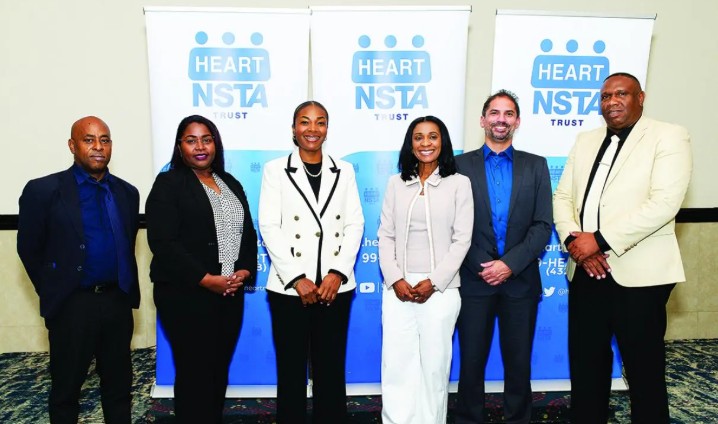
The HEART/NSTA Trust has digitised three level two courses under a CARICOM-led pilot to standardise TVET across member states. Jamaica, alongside Grenada, Barbados and Trinidad and Tobago, took part in the initiative. The programmes, uploaded to the agency’s Moodle platform, have been available for delivery since 18 May across designated HEART/NSTA Trust institutions.
| |
5 June 2026 | Commonwealth of Learning
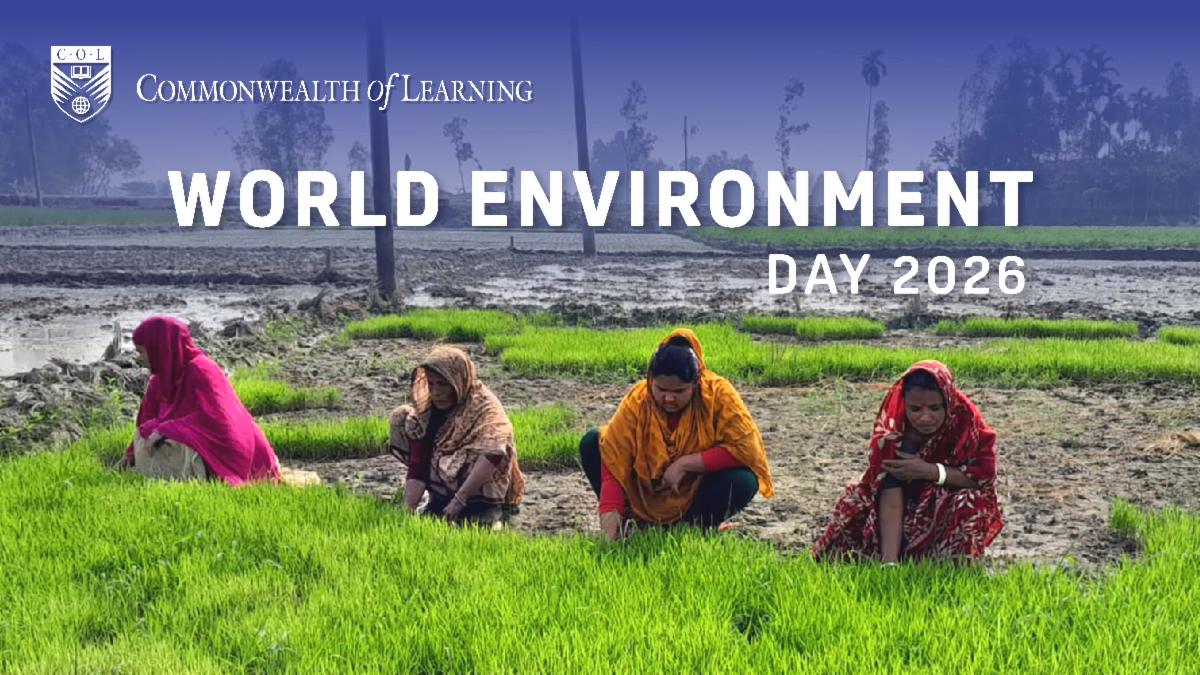
Across the Commonwealth, the effects of climate change are becoming impossible to ignore. Communities are facing more frequent floods, storms, wildfires, and other environmental challenges that threaten lives and livelihoods. Women and girls are among those most impacted, facing interruptions to education, difficulties accessing healthcare, and fewer opportunities to earn an income. Yet their voices remain underrepresented in decisions about how communities respond to and prepare for these challenges.
| |
9 June 2026 | Commonwealth of Learning
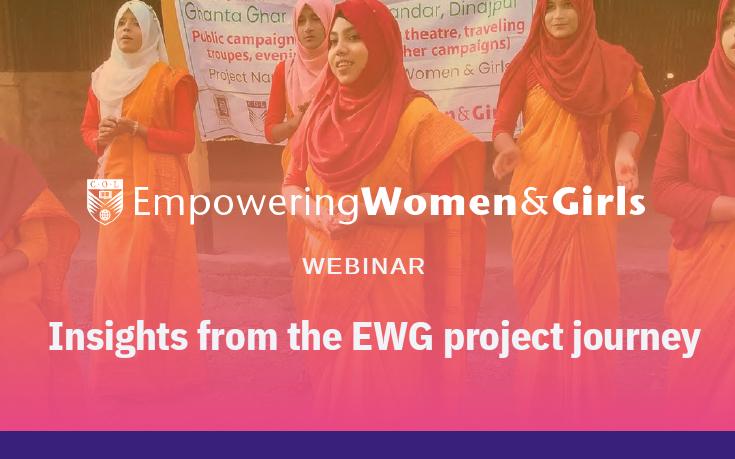
Over the past three years, the Empowering Women and Girls project has empowered women and girls across five countries by delivering vocational and life skills training and creating pathways to employment and entrepreneurship opportunities. On 16 June, we will host a webinar that tells the story of our journey so far. From key achievements and lessons learned to the impact of our work, the session will reflect on what we have accomplished and how human rights, gender equality, environmental protection, and inclusion have guided our approach.
| |
9 June 2026 | Commonwealth of Learning
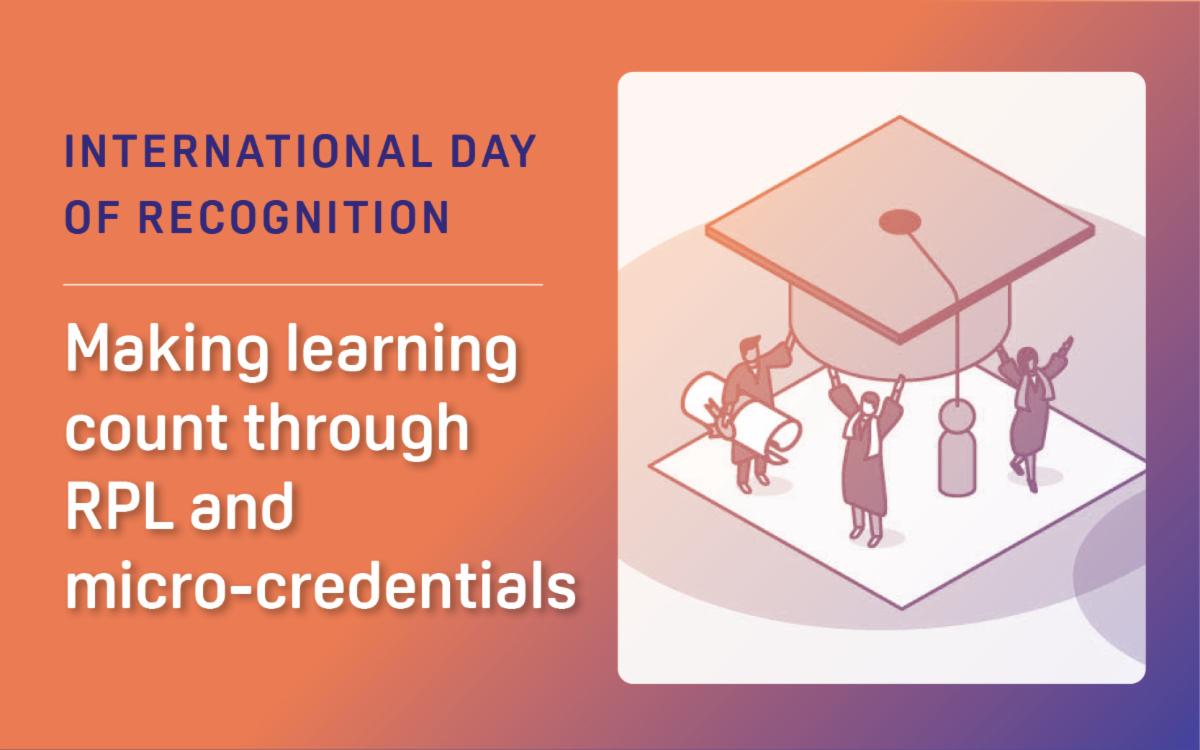
Learning not only takes place in classrooms but in workplaces and communities, including online and blended learning platforms that connect learners from all over the Commonwealth. For the first time, on the inaugural International Day of Recognition, people around the world are being invited to celebrate the simple but transformative idea that people learn everywhere, and that all forms of learning count.
| | This news service is curated from key news sources by the Commonwealth of Learning for information purposes only and does not constitute endorsement or verification of the linked content. All images are owned by the respective copyright holders. | | | | |