|
Education strategy: Shaping the future
of learning
September 2026 | UNICEF
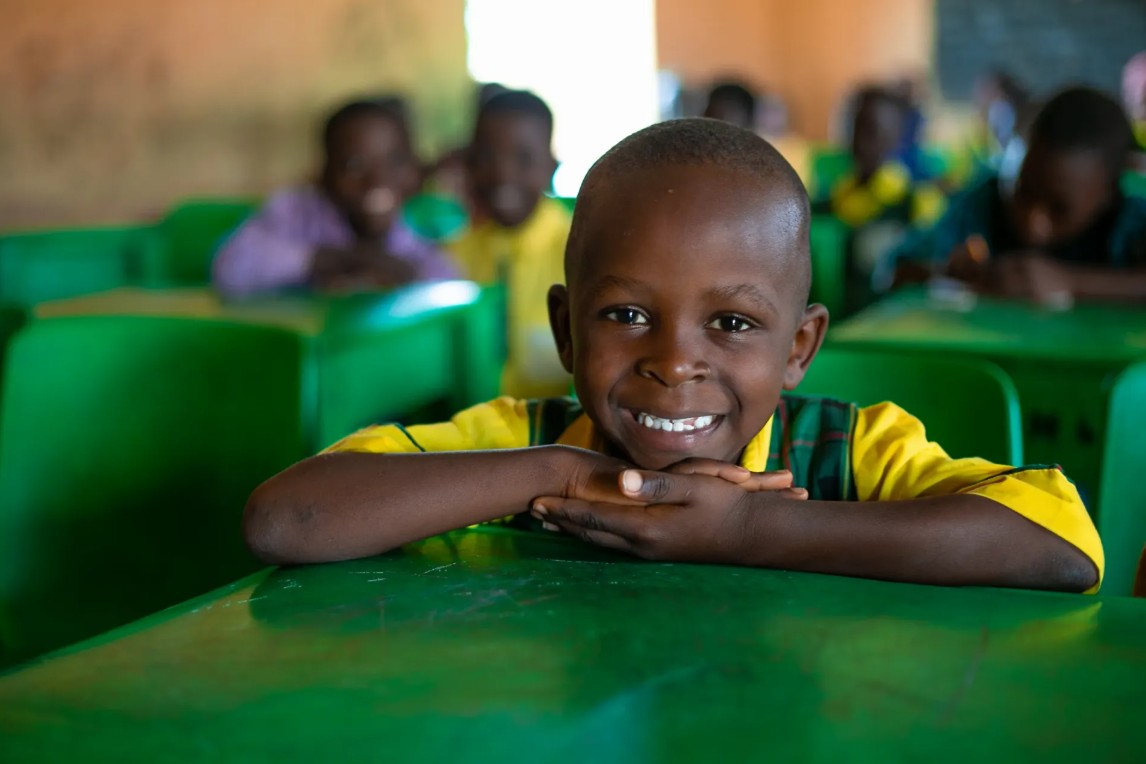
With fewer than five years remaining to achieve SDG 4, the global learning crisis has become one of the defining challenges of our time. Across the world, education systems are facing a profound challenge in ensuring that every child achieves meaningful learning outcomes, with millions still not gaining the knowledge, skills and opportunities they need to thrive. At the same time, rapid technological, social and environmental change is raising a more fundamental question: can education systems designed for an earlier era prepare children for the future they will inherit?
| | |
31 August 2026 | UNESCO
Featuring 12 research articles and an editorial by the guest-editors, the bumper special issue spans formal, non-formal, higher and lifelong learning contexts, illustrating how global citizenship education (GCE) ‘is enacted across diverse cultural, political and institutional settings’ while advancing ‘new understandings of ethical responsibility, democratic participation, epistemic plurality and social transformation’.
| | |
Secretary-General's Opening Remarks: Launch of the Commonwealth Foundation Strategic Plan 2026-2031
3 September 2026 | Commonwealth Secretariat
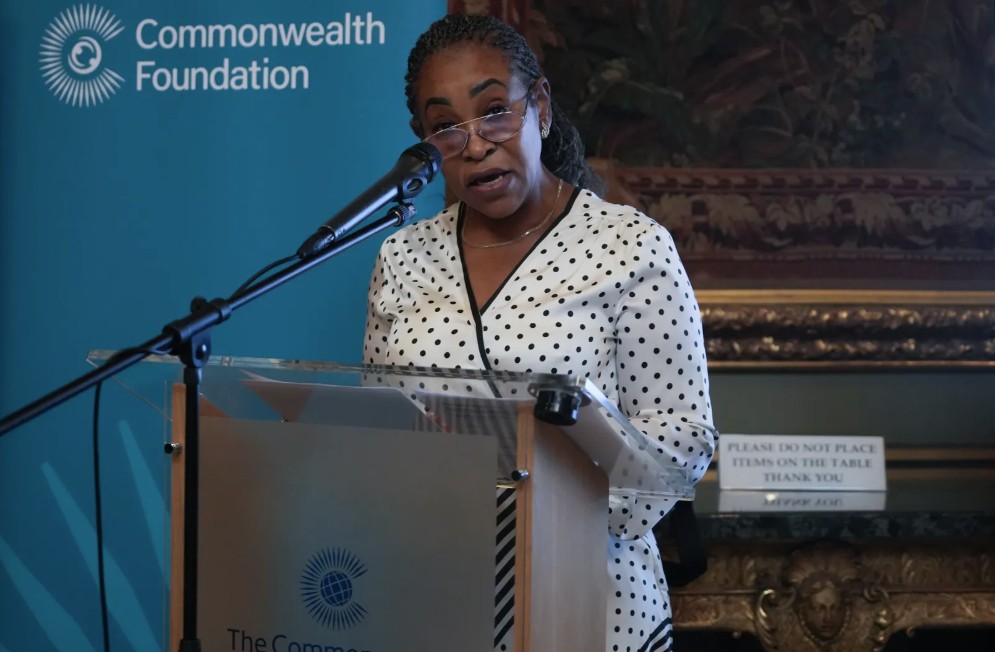
"It is a pleasure to mark this important moment for the Commonwealth Foundation. Congratulations to everyone who has helped shape this new Strategic Plan. It is the product of an inclusive process of consultation across the Commonwealth, and you can be proud of what you have achieved. The Plan sets out an ambitious agenda. Strengthening civil society, supporting creative practitioners, and connecting them with governments so they can influence public debate and policy for the better. For people and planet, and for the Commonwealth’s shared prosperity agenda."
| |
Who should set the rules for AI? The UN is pushing for a safer digital future
16 September 2026 | UN News
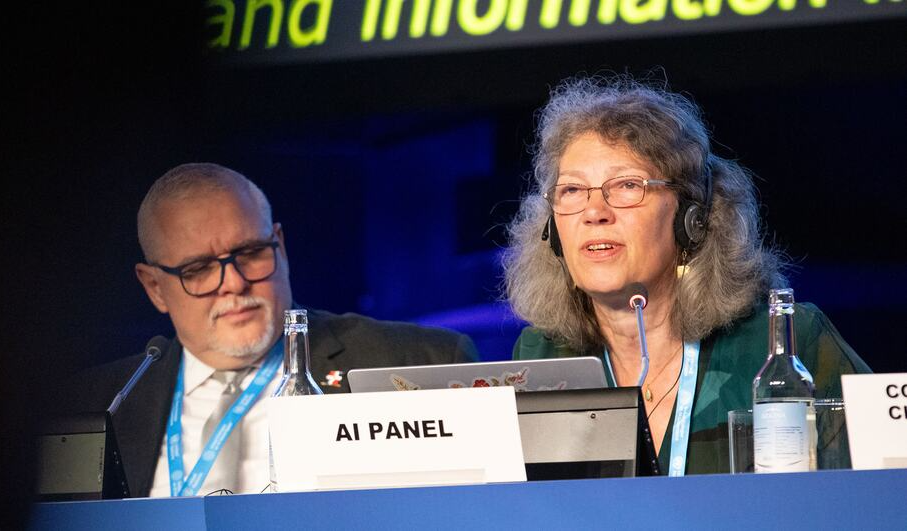
Artificial intelligence is advancing rapidly, raising questions about how societies and governments can capture its benefits while managing risks that often extend beyond national borders. Those concerns intensified after a former researcher at the AI company Anthropic warned on 8 September that AI could pose an existential threat to humanity. For the UN, the best way to address AI’s global risks is to bring countries together to adopt shared principles and commitments on AI governance.
| |
International TVET conference puts youths and skills at global centre
11 September 2026 | Kenya News Agency
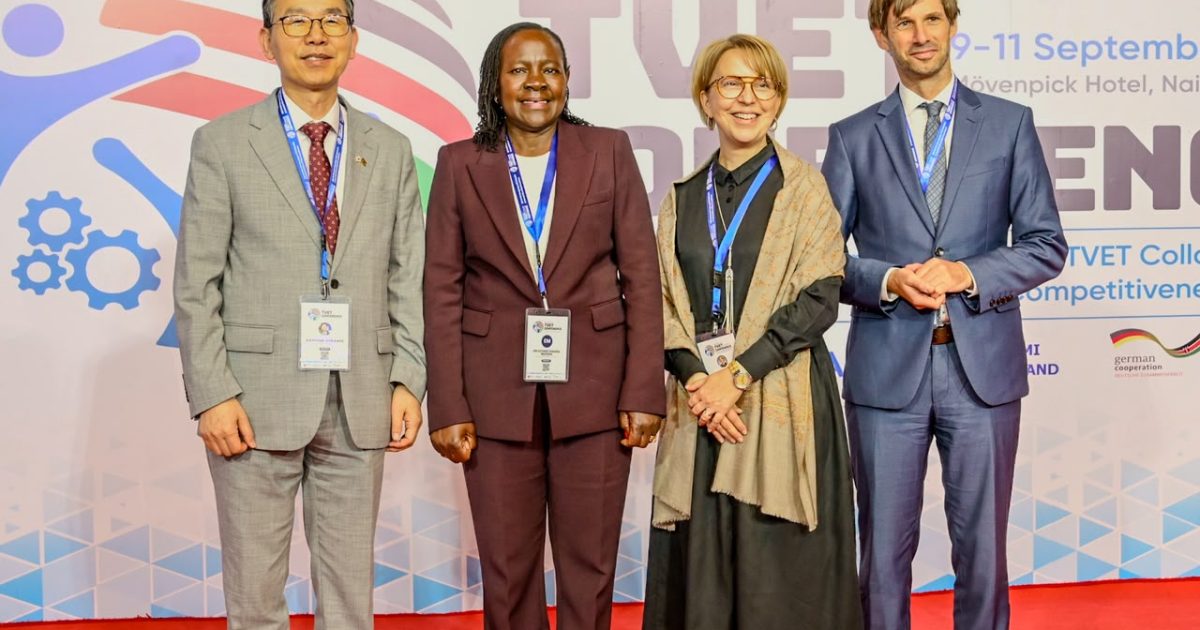
The Government has called for stronger collaboration between technical and vocational education and training (TVET) institutions and industry to equip young people with practical skills for employment, enterprise and global competitiveness. The call was made by Education Cabinet Secretary Julius Migos Ogamba in a speech read on his behalf by Principal Secretary, State Department for TVET, Dr Esther Moria, during the opening of the three-day International TVET Conference 2026 at Mövenpick Hotel, Nairobi.
| | |
‘Embrace innovative distance learning’
16 September 2026 | Daily News, Tanzania
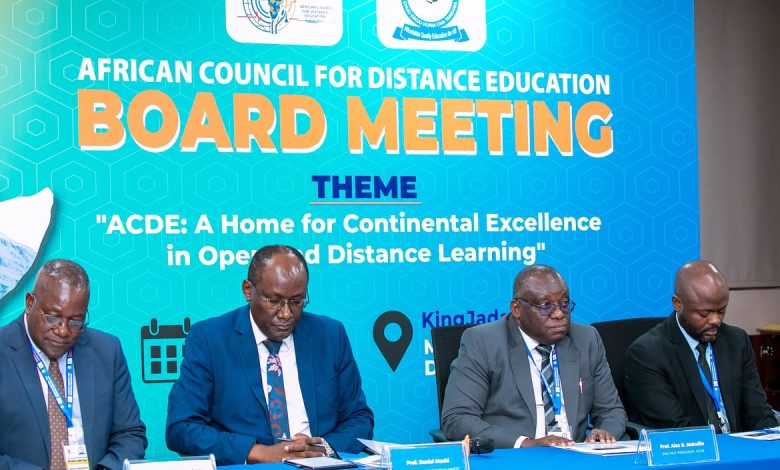
African universities have been urged to embrace artificial intelligence and innovative distance-learning models to expand access to affordable and quality higher education for the continent’s rapidly growing youth population. Deputy Permanent Secretary in the Ministry of Education, Science and Technology, Professor Daniel Mushi, made the call yesterday at the ongoing 57th Board Meeting of the African Council for Distance Education, hosted by the Open University of Tanzania in Dar es Salaam.
| |
Ghana moves to close digital skills gap by embedding digital certifications in universities
11 September 2026 | Ecofin Agency
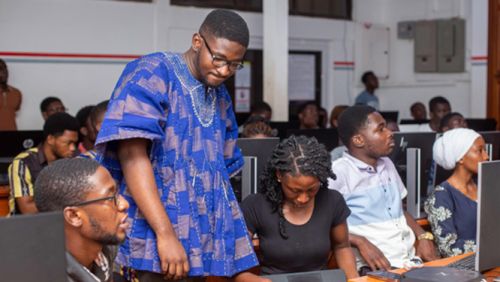
Ghana signed agreements with 11 universities to integrate certifications from its One Million Coders Programme into degree and diploma programmes, expanding efforts to equip students with practical digital skills before they enter the labor market. Minister for Communication, Digital Technology and Innovations, Samuel Nartey George, announced the partnerships on 7 September during the Government Accountability Series at Jubilee House in Accra.
| |
|
17 September 2026 | NDTV
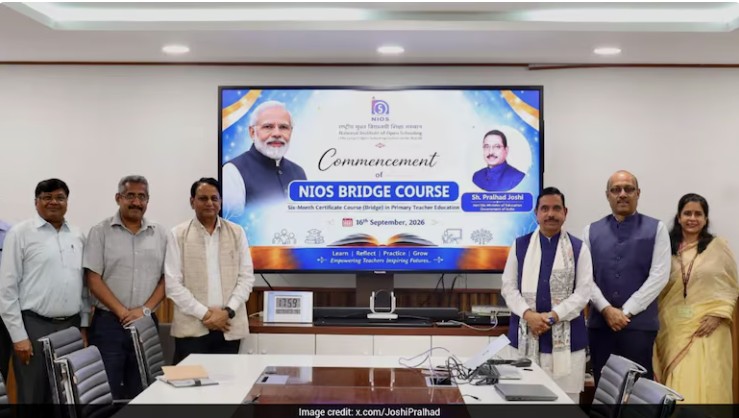
The Union Minister of Education, Pralhad Joshi, launched a six-month certificate (Bridge) course offered by the National Institute of Open Schooling (NIOS) in Primary Teacher Education (PTE) for in-service primary teachers appointed with BEd qualification. According to official information, the course will focus on the professional development of working primary teachers having BEd degrees to become eligible for teaching at primary level. As per the official document, the course is thoughtfully designed to enhance the pedagogical competencies and classroom effectiveness of teachers, enabling them to cater to the diverse learning needs of young children.
| |
16 September 2026 | Guyana Chronicle
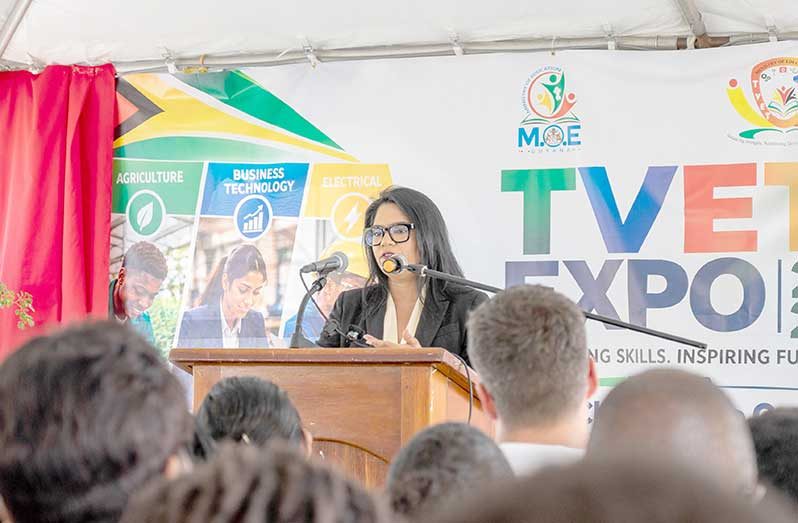
The Government plans to establish a Technical and Vocational Education and Training (TVET) centre in every region of Guyana by the end of 2026, as it moves to expand access to skills training and better prepare young people for employment and entrepreneurship. Minister of Education, Sonia Parag, made the announcement on Tuesday during the opening of the TVET Fair and Exposition 2026 at the Arthur Chung Conference Centre, Liliendaal, East Coast Demerara.
| | |
A ten-year partnership for flexible learning across ten Pacific Island countries
15 September 2026 | Commonwealth of Learning
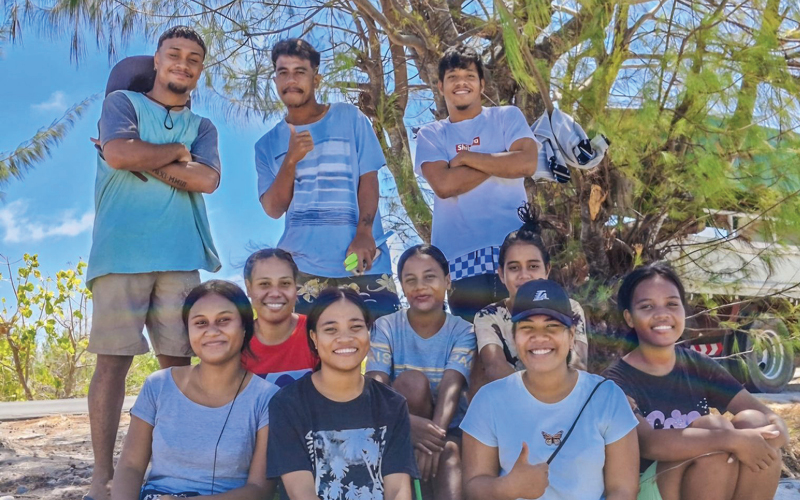
In a 10×10 investment, New Zealand is working with the Commonwealth of Learning and Pacific Partners to build on the success of flexible learning for skills and youth for the next ten years across ten Pacific Island countries. With the support of New Zealand’s Ministry of Foreign Affairs and Trade (MFAT), the Commonwealth of Learning (COL) is launching Phase 2 of the Pacific Partnership for Open, Distance and Flexible Learning (PP ODFL), a decade-long effort to strengthen education and skills across the Pacific.
| |
A generation rising: Caribbean youth build a resilient future through robotics solutions across borders and blue waters
15 September 2026 | Commonwealth of Learning
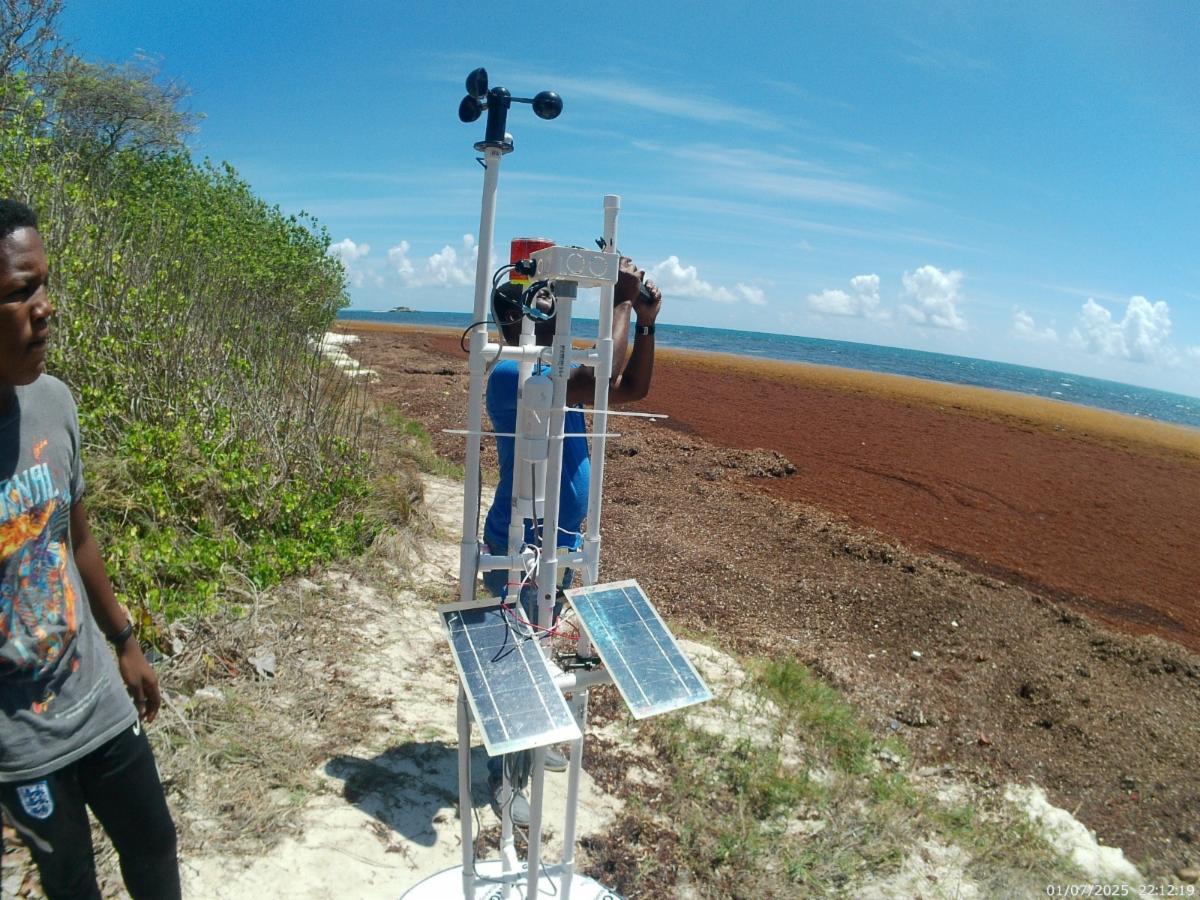
“I hope to learn a lot more about what robotics is like in other Caribbean countries. To be in groups with so many different people and perspectives is exciting to me.” These words from Myah Taylor-Marshall, a 21-year-old student at the University of the West Indies, Cave Hill Campus, captured the spirit in the virtual room as young people gathered in late August for the opening of the Robotics Design and Prototype phase of the Youth Robotics for Blue-Green Resilience and Prosperity Project.
| |
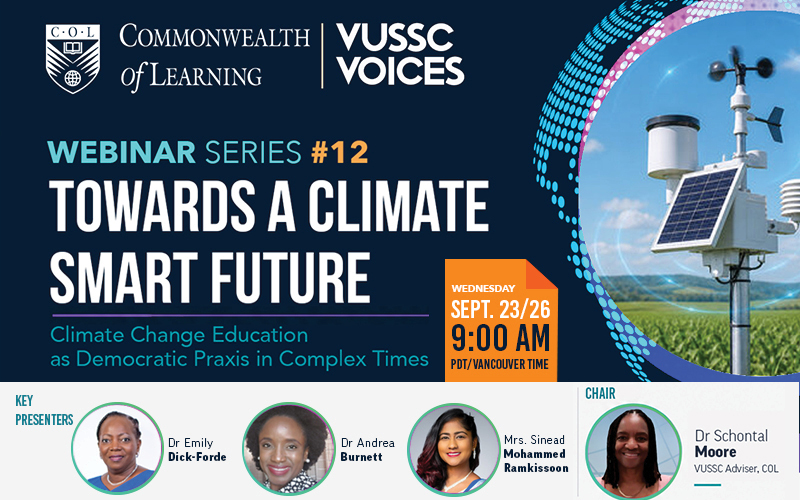
VUSSC Voices webinar #12:
Towards a climate-smart future
Webinar Date: 23 September 2026 at 9:00 am PT | Commonwealth of Learning
VUSSC Voices, a webinar series highlighting expert voices from COL’s Virtual University for Small States of the Commonwealth (VUSSC) network, returns with its 12th webinar on climate-smart futures. The online session will be chaired by Dr Schontal Moore, Adviser: VUSSC, COL, and will feature a presentation on “Climate change education as democratic praxis in complex times” from a team at the University of the West Indies Global Campus. The VUSSC Voices series expands and strengthens alliances among VUSSC stakeholders, facilitates knowledge sharing, and encourages collaborative responses to shared challenges through open and distance learning.
| |
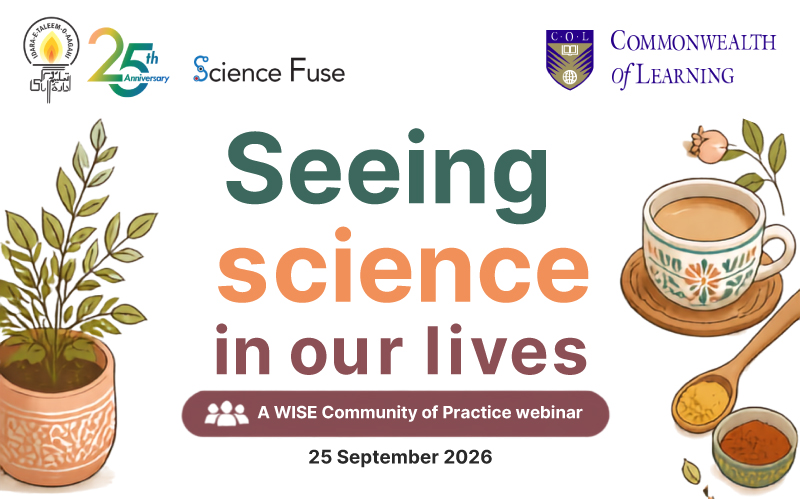
WiSE webinar: Seeing science in our lives
Webinar Date: 25 September 2026 at 9:00 am EDT / 6:00 am PT | Commonwealth of Learning
Organised by Idara-e-Taleem-o-Aagahi (ITA) & Science Fuse, in partnership with the Commonwealth of Learning, this upcoming webinar on 25 September 2026 brings together organisations and practitioners from across the Commonwealth to explore what determines an interest in science among girls and young women. The session will begin with personal reflection on how people understand their own relationship with science, before introducing the concept of Science Capital and the role that everyday knowledge, experiences and relationships play in shaping engagement with science.
| | |
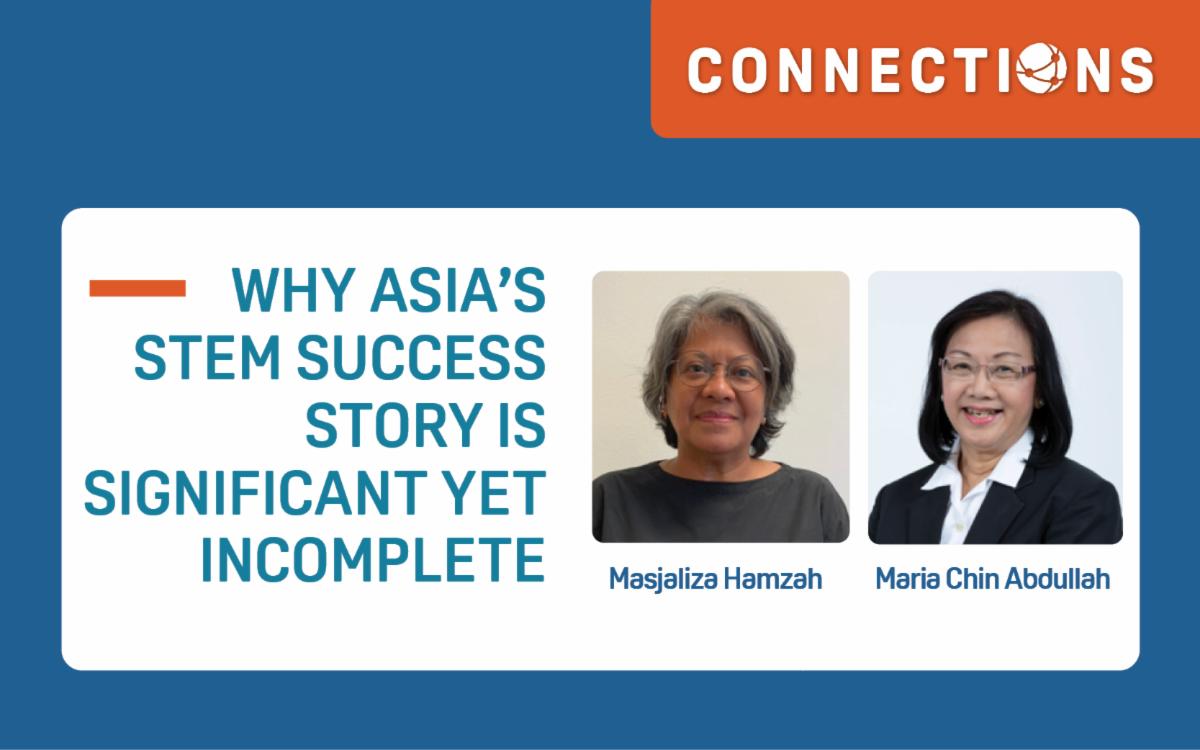
Why Asia’s STEM success story is significant
yet incomplete
10 September 2026 | Commonwealth of Learning
Asia remains relatively disadvantaged in gender equality in education. However, women’s participation in STEM tells a different, more complex story, marked by both progress and persistent challenges. In Brunei Darussalam, nearly half of STEM graduates are women, and women outnumber men at the postgraduate level by wide margins. In Malaysia, women account for 54 per cent of STEM graduates, exceeding the global average. The story is similar in India, where girls account for 43 per cent of enrolment in graduate-level STEM programmes, compared with a global average of 35 per cent.
| | This news service is curated from key news sources by the Commonwealth of Learning for information purposes only and does not constitute endorsement or verification of the linked content. All images are owned by the respective copyright holders. | | | | |