|
Pre-CHOGM lecture by the
Commonwealth Secretary-General:
The Commonwealth's moment
21 October 2026 | Commonwealth Secretariat
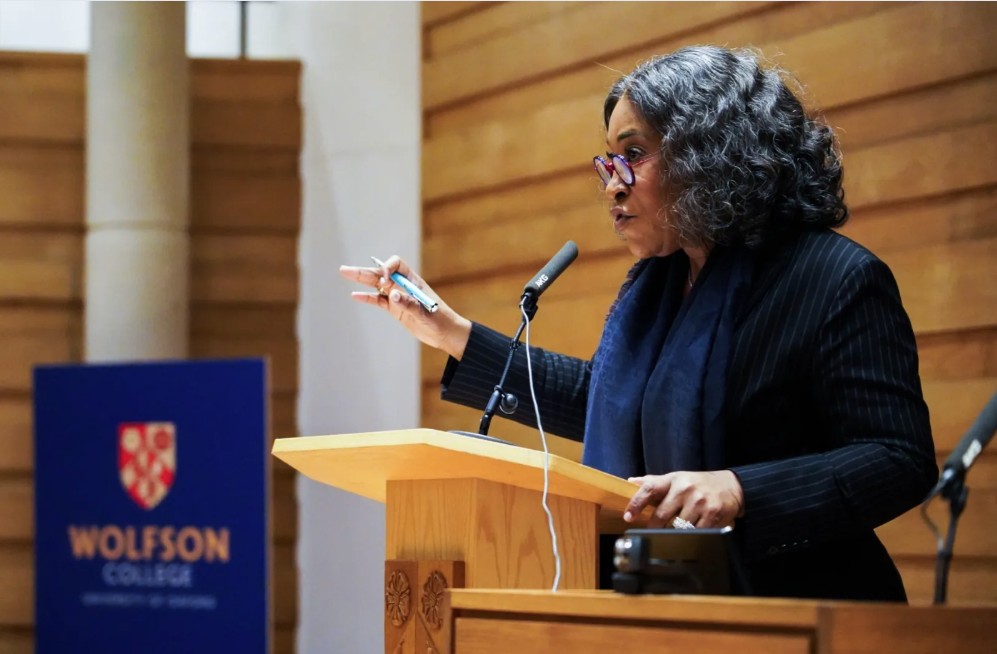
Pre-CHOGM lecture by the Commonwealth Secretary-General, Hon Shirley Botchwey at Wolfson College, Oxford University. "When I stood to be Secretary-General of the Commonwealth of Nations, I said it should aim to be the second-most consequential international organisation after the United Nations. Eighteen months into my term, I stand by that ambition. Indeed, my conviction has only deepened that this is a moment of historic opportunity. There is a gap in the multilateral system, between universal institutions too often hamstrung by great power rivalries and regional blocs that lack global reach. Our organisation is tailor-made to fill that gap."
| |
|
Investing in People: Social Investments across Africa's Demographic Transitions
21 October 2026 | UNESCO
This policy paper examines how social investment can determine whether sub-Saharan Africa transforms its youthful population into a demographic dividend or a demographic burden. The demographic dividend refers to the temporary boost to economic growth that occurs when a declining share of dependants enables a larger working-age population to drive productivity, savings and investment. A ratio of 1.7 working-age people per dependant typically indicates that a country has entered the demographic dividend window.
| |
Accessible Textbooks for Every Child:
How implementation research and
AI-assisted production are removing
barriers to inclusive education
October 2026 | UNICEF
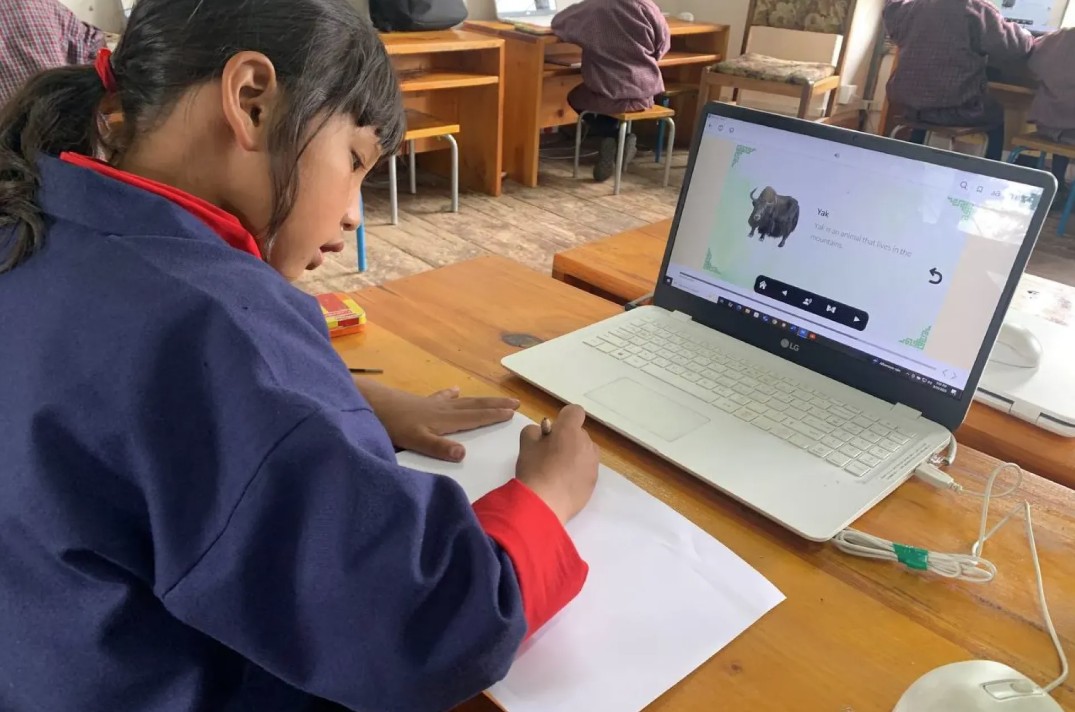
Nearly 240 million children worldwide live with disabilities, yet many face barriers to education. Children with disabilities aged 10 to 17 are 49 per cent more likely than their peers to have never attended school. For those in school, inaccessible textbooks can limit participation and learning. UNICEF’s Accessible Digital Textbooks initiative helps governments adapt curriculum-aligned textbooks into flexible digital resources that children with and without disabilities can use together. Features such as audio narration, sign-language videos, simplified text and image descriptions offer different ways to access the same curriculum.
| | |
The global AI divide: Higher education’s readiness gap
17 October 2026 | University World News
While much of the global higher education debate around generative artificial intelligence has focused on academic integrity, a comparative study across seven countries reveals a broader challenge: universities are at vastly different stages of AI readiness. A study policy brief highlights significant disparities in institutional policy, student attitudes and infrastructure across Colombia, Ghana, India, Kazakhstan, Qatar, Spain and the United States. These differences threaten to create new inequalities in how effectively universities can adopt and govern AI technologies.
| |
Summary Report: AI in Education, Research and Skills Development Roundtable
September 2026 | ITU
Artificial intelligence is rapidly emerging as a general-purpose capability across higher education, reshaping how universities teach, assess learning, conduct research, develop talent, support lifelong learning and advance their public-interest mandate. The roundtable examined this transformation from the perspectives of university leadership, industry and international cooperation. Universities occupy a distinctive position in the AI ecosystem. They are users of AI in teaching and research, producers of AI knowledge and talent, and custodians of academic values, including integrity, rigour, openness, inclusion and service to society.
| |
Commonwealth Case Studies on Sea Level Rise: Common Themes Report
21 October 2026 | Commonwealth Secretariat
This report draws together the findings of five country case studies on sea level rise commissioned by the Commonwealth Secretariat’s Climate Change and Oceans Directorate and updated in 2026: Guyana, Kiribati, Papua New Guinea, Tonga and Tuvalu. Spanning a low-lying mainland coastal plain in South America and four Pacific small island developing states (SIDS), the five studies together offer a comparative view of how Commonwealth coastal nations are experiencing, and responding to, rising seas.
| |
|
AI will not wait for the Caribbean: The time for regional action is now
27 September 2026 | Nevis Island Administration
A few short years ago, the Nevis Island Administration harboured ambitions of introducing coding in all Nevis schools. Today, we are told that such ideas have become obsolete, as some AI tools can code better than most humans. There are moments in history when a new technology fundamentally changes the way societies are organised, economies function, and human beings work, learn and interact. There are moments in history when a new technology fundamentally changes the way societies are organised, economies function, and human beings work, learn and interact. AI is such a technology. It has arrived, and it is here to stay. The question confronting our Caribbean civilisation is therefore no longer whether AI will transform our lives. The more important question is whether we will shape that transformation- or simply allow it to happen to us.
| |
COL, NOUN warn of barriers to inclusive education, push assistive technology
13 October 2026 | Channel Network Afrique, Nigeria
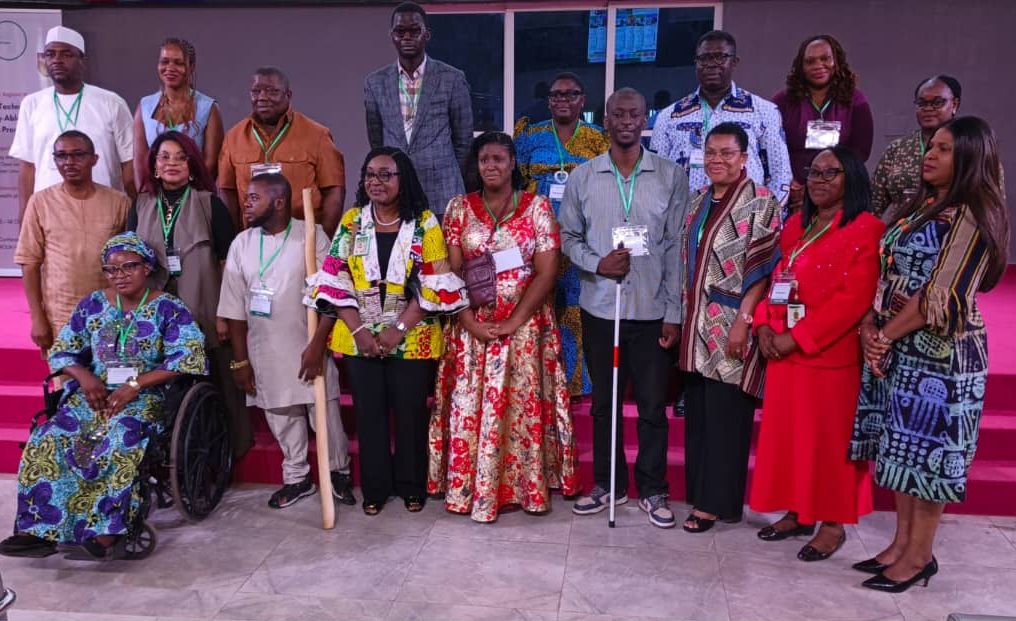
The Commonwealth of Learning (COL) and the National Open University of Nigeria (NOUN) have called on higher education institutions across West Africa to adopt assistive technologies to remove barriers preventing learners with disabilities from accessing quality education. The institutions made the call on Tuesday at a two-day regional workshop on assistive technologies for learners with disabilities in open and distance learning (ODL) institutions in West Africa, organised by the Regional Training and Research Institute for Distance and Open Learning (RETRIDOL), NOUN, in collaboration with COL.
| |
Government launches five-year data strategy ahead of AI adoption
21 October 2026 | Monitor, Uganda
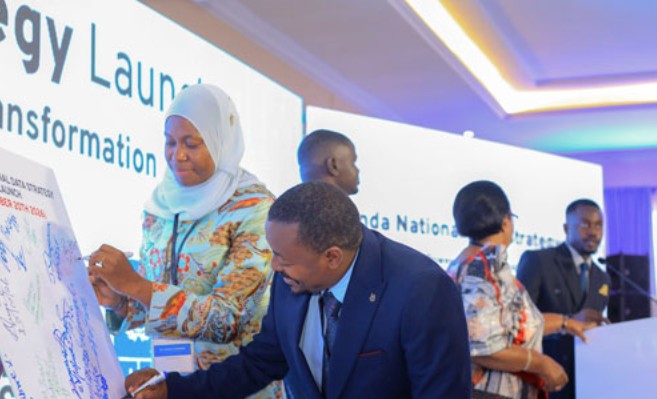
The Ministry of ICT and National Guidance has launched a five-year National Data Strategy designed to overhaul how government institutions collect, store, and share information, laying the groundwork for Uganda’s upcoming National AI Strategy. The new roadmap seeks to eliminate fragmented data systems, curb wasteful duplication, and enhance the quality of information used for public sector planning and service delivery across the country.
| |
Nigeria trains nearly 250,000 in technical, vocational skills
21 October 2026 | Voice of Nigeria
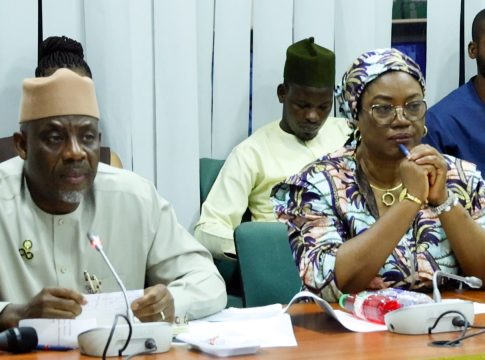
The Minister of Education, Dr Maruf Tunji Alausa, has reaffirmed the Nigerian Government’s commitment to strengthening Technical and Vocational Education and Training (TVET), disclosing that nearly 250,000 Nigerians are undergoing skills training across more than 1,200 accredited training centres nationwide. Dr Alausa made this known during an engagement with the House of Representatives Committee on Polytechnic and Higher Technical Education, chaired by Fuad Kayode Laguda.
| | |
Sri Lanka to renew agreement with Asia-Pacific Body to strengthen vocational education
13 October 2026 | Newswire, Sri Lanka
The government has decided to renew a Memorandum of Understanding (MoU) between Sri Lanka’s Tertiary and Vocational Education Commission (TVEC) and the Philippines-based Asia-Pacific Accreditation and Certification Commission (APACC) to strengthen the country’s technical and vocational education and training sector. The Cabinet of Ministers has approved a proposal submitted by Prime Minister Harini Amarasuriya, in her capacity as Minister of Education, Higher Education and Vocational Education, to proceed with signing the new agreement.
| |
USP hub targets digital skills gap
22 October 2026 | Fiji Sun
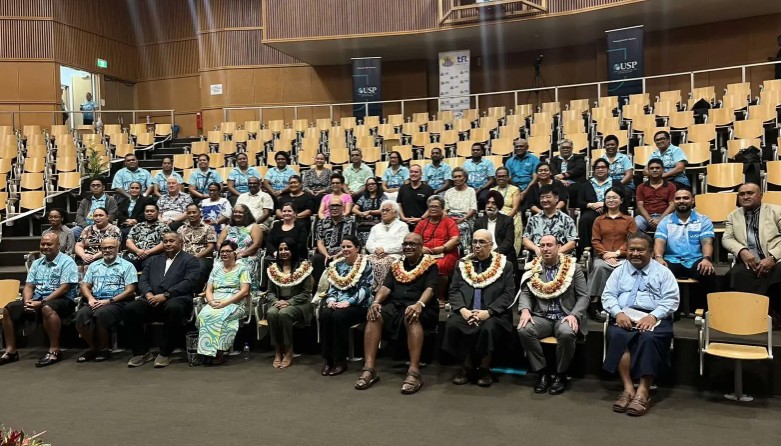
The University of the South Pacific’s new Digital Skills Innovation Hub is expected to prepare students for digital careers by strengthening their skills in cybersecurity, networking and digital innovation. Deputy Prime Minister Manoa Kamikamica said the hub would provide students with opportunities to gain industry-recognised certifications, undertake internships and develop practical skills to meet Fiji’s growing digital needs.
| | |
Digital pathways open new futures for young women in India
21 October 2026 | Commonwealth of Learning
In a quiet town in Uttar Pradesh, as the clock strikes 4:00 p.m., a young woman opens her mobile phone. Her day has already been long, divided between university lectures and a relentless cycle of household chores, but her second shift is just beginning. She is one of more than 1,500 women enrolled in the COL-CEMCA programme SheLEADS: Digital Pathways to Employment, a nine-month online initiative designed to answer a deceptively simple question: What does it take to move a young woman from wanting to work to being ready to work?
| | This news service is curated from key news sources by the Commonwealth of Learning for information purposes only and does not constitute endorsement or verification of the linked content. All images are owned by the respective copyright holders. | | | | |