|
New open-access book showcases
next-generation thinking on climate futures
14 July 2026 | University of Leeds
A new open-access book, developed through the Priestley Climate Scholars programme at the University of Leeds, brings together diverse perspectives on one of society's greatest challenges: how to build fairer and more sustainable climate futures. Climate Futures Across Disciplines: A Next Generation Approach, co-edited by Professor Richard Beardsworth, Professor Viktoria Spaiser and Susan Ann Samuel, is now freely available to read online.
| | |
July 2026 | Commonwealth Secretariat
Twenty young people are in the running for the 2026 Commonwealth Youth Awards in recognition of their efforts to advance the Sustainable Development Goals (SDGs) in their communities. Those shortlisted include social entrepreneurs, journalists, environmental advocates, writers, innovators and human rights activists from all five regions of the Commonwealth. They were shortlisted from 977 entries received last year.
| | |
13 July 2026 | The Association of Commonwealth Universities
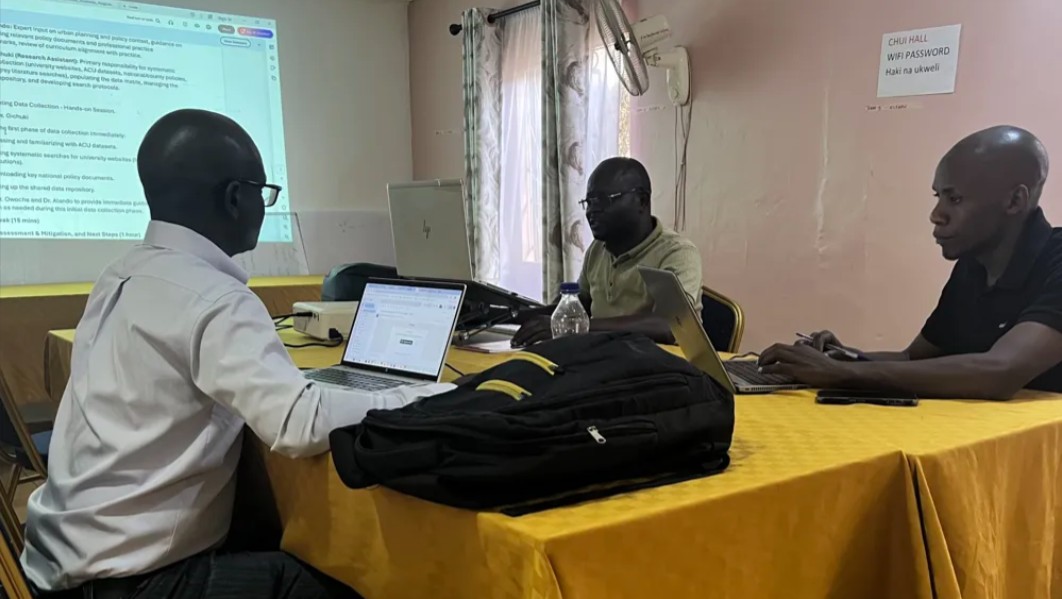
One county official told us: ‘Your graduates can design cities, but they struggle to explain how those plans will be financed’. That single observation exposed a gap our curricula had not fully addressed. As cities across the Commonwealth expand under fiscal, climate, and governance pressures, universities must produce graduates who contribute directly to sustainable urban transformation. In Kenya, this challenge sits at the heart of devolved governance, where 47 counties must plan, finance, and implement complex programmes under limited resources.
| | |
17 July 2026 | iAfrica
The Common Market for Eastern and Southern Africa has begun a series of national consultations to develop a harmonized regional AI strategy across its 21 member states, part of a broader push by the bloc to align rules that support AI adoption and digital growth from Egypt in the north to Eswatini in the south. The initiative sits within the Inclusive Digitalization in Eastern and Southern Africa (IDEA) programme, a $2.48 billion World Bank–backed initiative covering more than 15 countries in the region.
| |
15 July 2026 | UNESCO
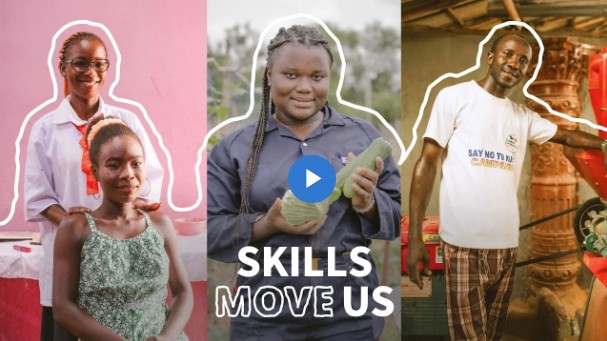
From potential to possibility, from training to income: when individuals have opportunities, communities can be transformed. UNESCO supports learners, educators and institutions around the world to build the skills needed for work, entrepreneurship and a sustainable future. Mohamed Preecious Gbondo is an entrepreneur in agro-processing in Sierra Leone. He created a job for himself after taking part in technical and vocational training (TVET), paired with entrepreneurship training, with support of UNESCO — a programme designed leaving graduates not only ready for jobs, but able to build something of their own.
| |
16 July 2026 | Windhoek Observer, Namibia
The Namibia Training Authority (NTA) has committed N$1.05 million to strengthen pre-vocational education at seven secondary schools, as the government steps up efforts to address the mismatch between education and labour market demands. Under the initiative, each school will receive N$150,000 to improve the delivery of technical and vocational subjects, procure practical training equipment and expose learners to vocational career opportunities.
| |
FG unveils mobile learning initiative for
female teachers
20 July 2026 | Punch News, Nigeria
The Federal Government has partnered with the UNESCO International Institute for Capacity Building in Africa and the Pan-African University to launch a mobile learning initiative aimed at strengthening the professional development of teachers, particularly women, across Nigeria and four other African countries. The initiative was unveiled on Monday with the commencement of a three-day Master Training Programme in Abuja, designed to equip teachers and school leaders with innovative mobile learning tools to improve the quality of education.
| |
17 July 2026 | Newswire, Sri Lanka
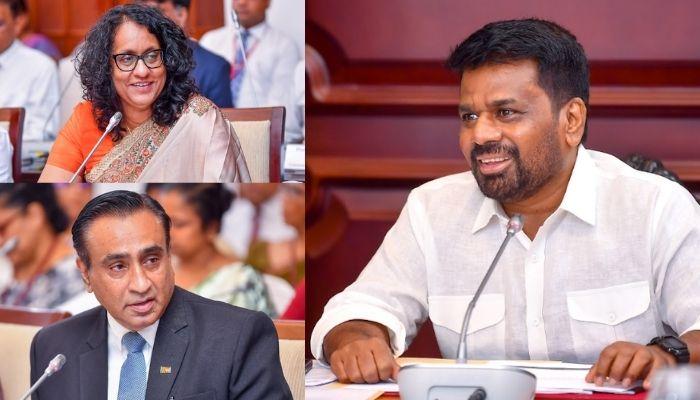
President Anura Kumara Dissanayake emphasised that greater priority must be given to strengthening Sri Lanka’s vocational education sector in parallel with the country’s ongoing education reforms, stating that the Government is prepared to allocate the necessary funding through the 2027 Budget. The President made these remarks today (17 July) during a meeting at the Presidential Secretariat to review the progress of projects implemented under the 2026 Budget allocations for the Ministry of Education, Higher Education and Vocational Education and to discuss the Ministry’s funding requirements ahead of the 2027 Budget.
| |
14 July 2026 | Malay Mail
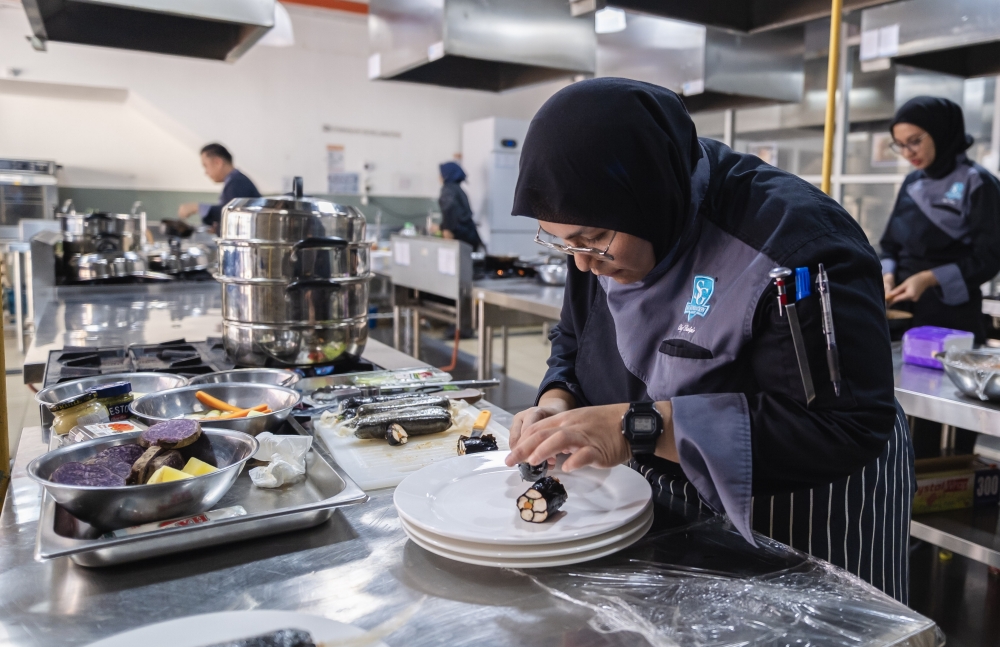
The implementation of Technical and Vocational Education and Training (TVET) 2.0 will be strengthened through an accreditation transformation that includes direct recognition from key industry players, the Dewan Rakyat was told today. Deputy Rural and Regional Development Minister Datuk Rubiah Wang said the strategic approach is crucial to ensuring TVET learning competency standards remain aligned with actual labour market needs, while boosting graduate employability and addressing skills mismatches.
| |
22 July 2026 | The National, Papua New Guinea
The Digital Transformation Summit 2026 in Port Moresby marks a significant milestone in Papua New Guinea’s digital journey and reinforces the country’s growing role in shaping the Pacific’s digital future. Opened by Prime Minister James Marape alongside Information and Communications Technology (ICT) Minister Robert Naguri, the summit reflects strong political commitment to accelerating digital transformation and strengthening the nation’s ICT sector.
| | |
21 July 2026 | Dominica News Online
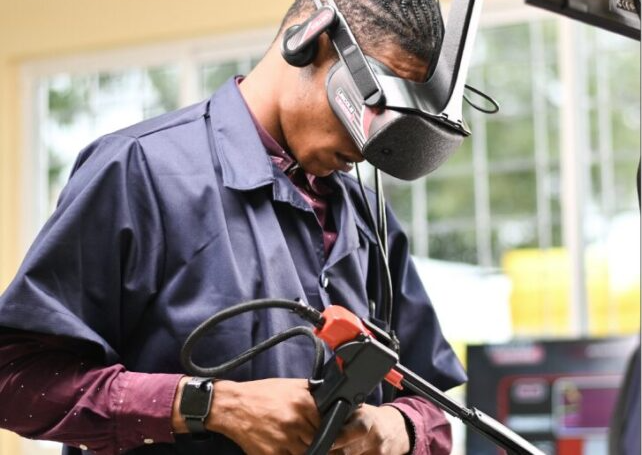
A regional initiative aimed at modernising technical and vocational education across the Caribbean has come to a successful close, leaving behind a sustainable framework to support digital learning and strengthen workforce development throughout the region. According to a CARICOM press release, the Digitalisation of Technical and Vocational Education and Training (TVET) Delivery Project has demonstrated how regional collaboration can create practical, home-grown solutions that meet the unique needs of Member States.
| | |
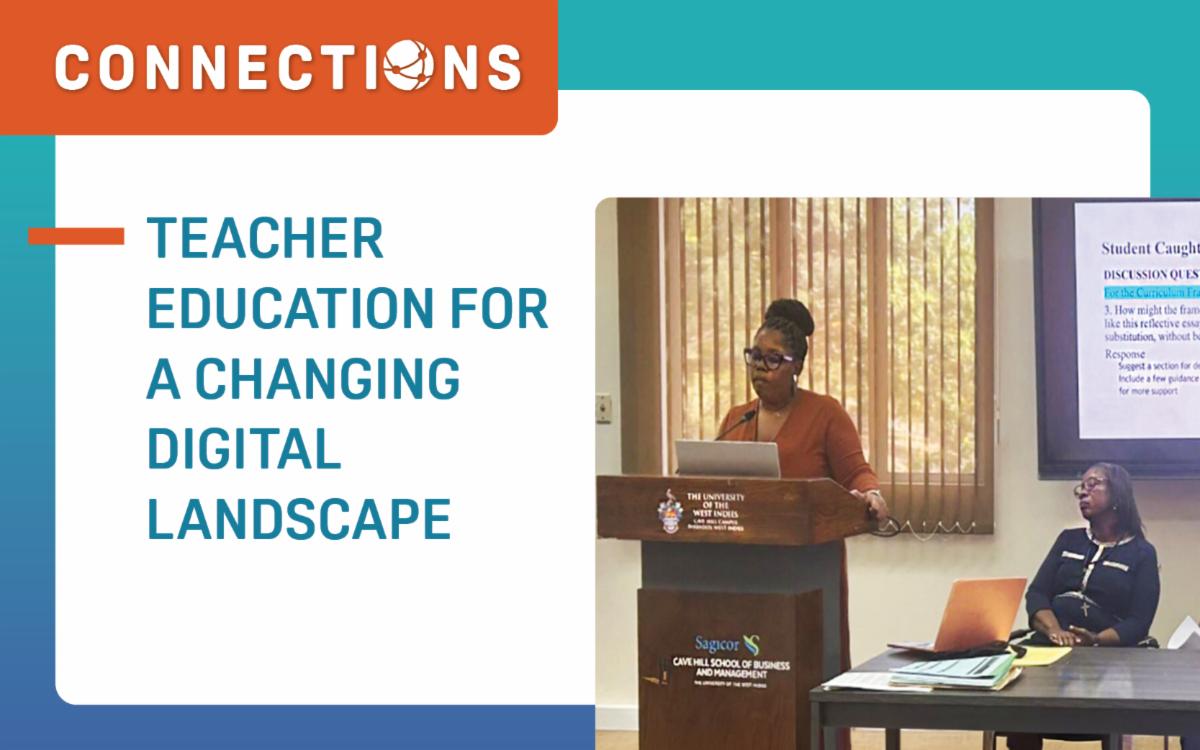
Teacher education for a changing digital landscape: How the Eastern Caribbean is
co-developing frameworks, policy, and
practice for responsible AI use
22 July 2026 | Commonwealth of Learning
In the Eastern Caribbean, the conversation about artificial intelligence in teacher education is shifting beyond novelty towards structured governance and accountability. The question is no longer whether AI should be used, but how its application can be guided and aligned with the public good. This speaks to the significance of COL’s support for The University of the West Indies, Cave Hill Campus, in Barbados, through the Eastern Caribbean Joint Board of Teacher Education, in developing three public goods: an AI curriculum framework, an AI policy, and an AI code of conduct.
| | This news service is curated from key news sources by the Commonwealth of Learning for information purposes only and does not constitute endorsement or verification of the linked content. All images are owned by the respective copyright holders. | | | | |