|
March 2026 | UNESCO
As the 2030 deadline approaches and multilateralism is under strain, there is a need to use data and narratives to understand the diverse pathways countries have taken towards SDG 4. This edition of the Global Education Monitoring Report is the first in the three‑part Countdown to 2030 series, designed to take stock of education progress in access and equity (2026), quality and learning (2027) and relevance (2028/9). Together, these three editions will assess how education systems open doors, nurture knowledge and prepare learners for a world full of uncertainties – and thus help frame the debate on the post‑2030 education agenda.
| | |
March 2026 | UNESCO
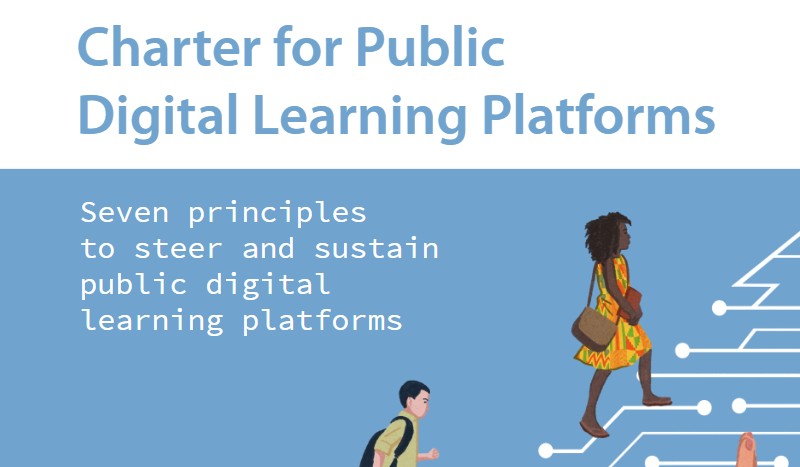
The UNESCO-UNICEF-ITU Charter encourages governments and their partners to establish, improve, and sustain digital learning platforms that support education as a human right and a public good. It clarifies purposes for digital learning platforms and recommends seven principles to guide the development and governance of platforms that complement and enrich wider systems of education. The Charter is an output of the Gateways to Public Digital Learning Initiative which helps countries ensure that public education is supported in online as well offline environments.
| | |
From control to design: Rethinking assessment in the AI age
25 March 2026 | University World News
Across the world, universities are working out how to respond to the challenge of generative artificial intelligence (GenAI) on student learning. Nowhere has this disruption been felt more acutely than in assessment, where questions of integrity, authorship and evidence of learning sit at the core of institutional credibility. This article uses ‘AI’ broadly, with particular attention to GenAI because of its implications for teaching, learning and assessment.
| |
|
23 March 2026 | St Kitts & Nevis Observer
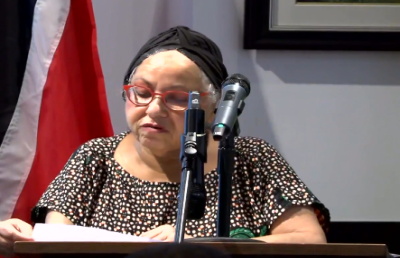
Port of Spain, Trinidad - The Assistant Secretary-General, Human and Social Development at the Guyana-based Caribbean Community (CARICOM) Secretariat, Alison Drayton, Monday said micro-credentials are assuming strategic importance in the CARICOM region. Addressing the Commonwealth of Learning CARICOM Micro-Credentials Sub-Framework Development and Planning for Caribbean Registry Roadmap opening ceremony here, Drayton expressed her appreciation to the Technical Working Group for the “diligence, expertise, and collaborative” spirit that have gone into the preparation of the Draft Framework before the delegates.
| | |
22 March 2026 | Jamaica Observer
The Organisation of Eastern Caribbean States (OECS) has developed and deployed an artificial intelligence-powered learning ecosystem, giving the region greater control over how students are taught and how educational data is managed. “In a time when many countries are still debating the implications of AI [artificial intelligence] in education, the OECS has taken a decisive step forward — we are not thinking about digital transformation in education, we have built it.
| | |
20 March 2026 | News Room, Guyana
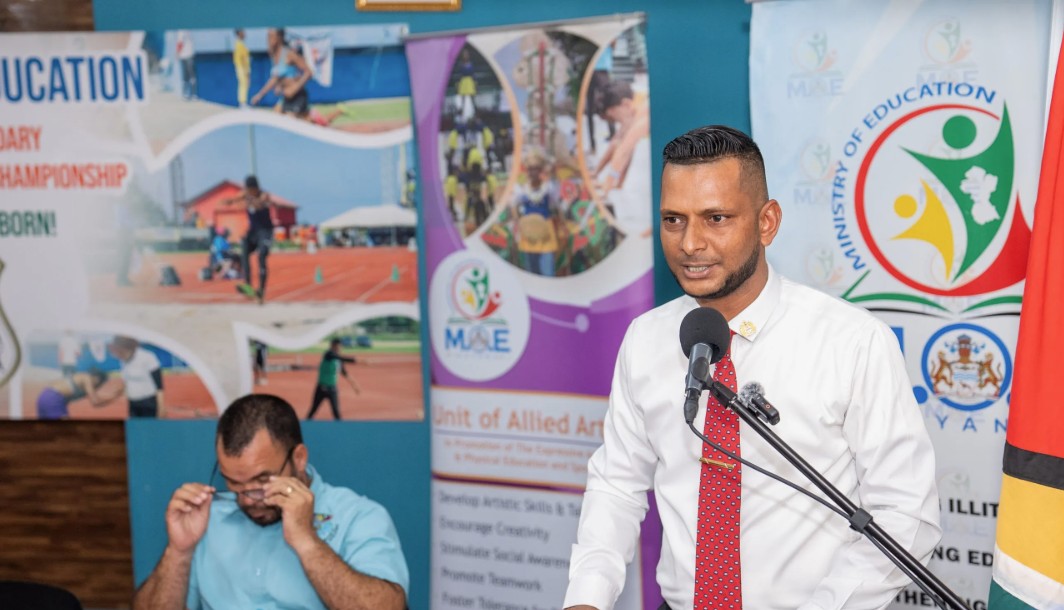
Guyana recorded a major milestone in technical education last year, with 800 Caribbean Vocational Qualification (CVQ) certificates awarded to secondary school students. Ritesh Tularam, the Deputy Chief Executive Officer (Technical), on Thursday said this is the largest amount of certificates awarded for secondary schools in the country’s history. “We have moved from nine schools to 94 schools in this country…Last year Guyana recorded for the first time in its history, 800 CVQ certificates at the secondary school level,” Tularam said.
| | |
26 March 2026 | The Point, The Gambia
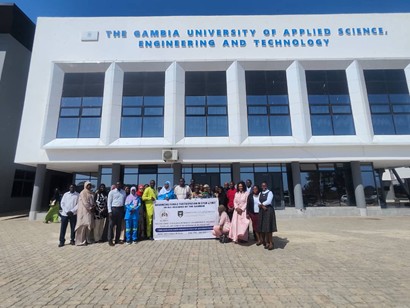
The Ministry of Higher Education, Research, Science and Technology (MoHERST), in partnership with the Commonwealth of Learning for Sustainable Development, has launched a two-day mentorship and capacity-building programme aimed at tackling gender inequality in science and technical education. The initiative, held at the USET campus in Brikama, targets lecturers, tutors, and gender focal points, with a focus on building gender-responsive mentorship systems in Science, Technology, Engineering and Mathematics (STEM) and Technical and Vocational Education and Training (TVET).
| |
26 March 2026 | The Citizen, Tanzania
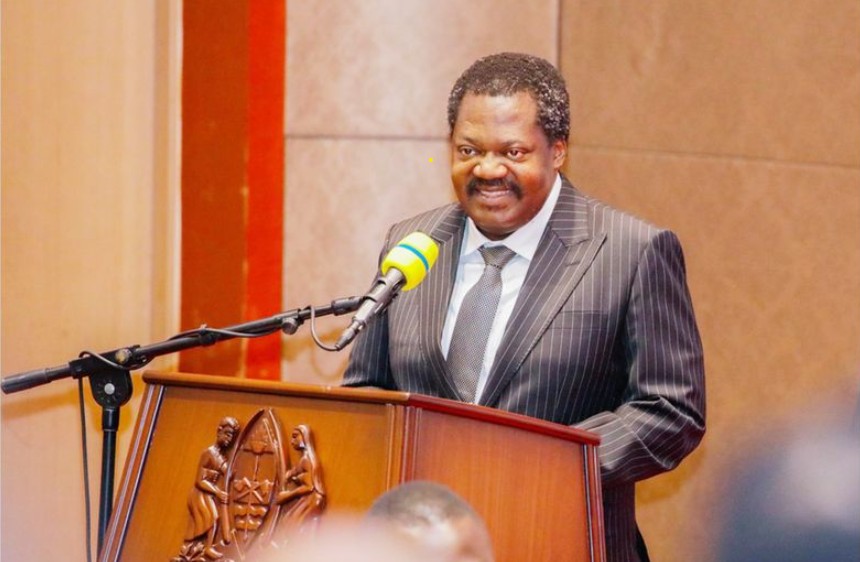
Dar es Salaam. Tanzania's ability to transform its education system over the next 25 years will depend on whether the country can match bold policy reforms with equally strong investment in infrastructure, teachers and learning resources, The Citizen has learnt. This was the central message at the International Conference on Education Policy and Curricular Reforms held at the University of Dar es Salaam (UDSM) yesterday where leaders warned the implementation - not policy design, will determine success.
| |
20 March 2026 | Press Information Bureau, India
In a significant step towards realising the vision of Viksit Bharat 2047 and strengthening the foundations of an Aatmanirbhar Bharat, as articulated by the Prime Minister Shri Narendra Modi, the Department of School Education and Literacy (DoSEL), Ministry of Education, Government of India, is set to launch a nationwide drive to identify and enrol out-of-school and dropout children. The National Education Policy (NEP) 2020 sets a target of achieving 100% Gross Enrolment Ratio (GER) from pre-school to secondary level by 2030.
| | |
23 March 2026 | Pacific Media Network, New Zealand
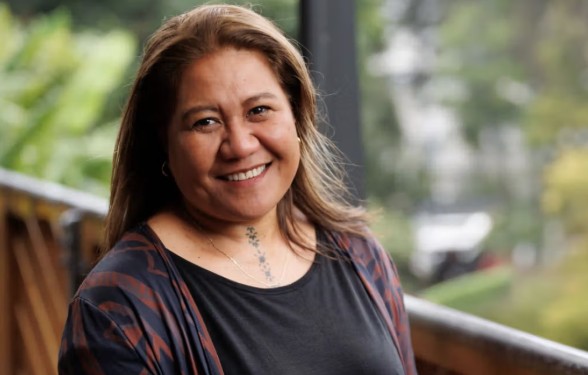
The Pacific, often described as the Blue Pacific Continent, is a vast ocean region defined by shared cultures, kinship, history, and responsibility. Across the Blue Pacific, a quiet but important shift is unfolding. For example, Pacific universities, in many respects, are already exhibiting the qualities of what is now being described across higher education globally, as a ‘fourth-generation university’. Institutions defined not only by teaching and research, but by real engagement and partnership with communities, governments and students; institutions that are globally networked, culturally grounded and rooted in social transformation.
| | |
23 March 2026 | Commonwealth of Learning
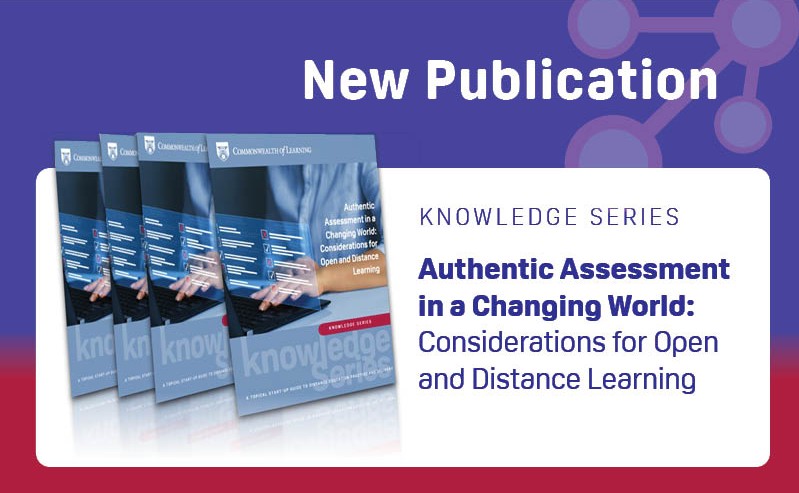
COL has released a new publication as part of its Knowledge Series, Authentic Assessment in a Changing World: Considerations for Open and Distance Learning, offering timely guidance for institutions, educators, policymakers, and governments rethinking assessment in a context shaped by generative AI, widening social inequalities, and rapid change. The authors argue that authentic assessment is no longer simply an alternative to conventional examinations, but rather a practical necessity.
| | |
25 March 2026 | Commonwealth of Learning
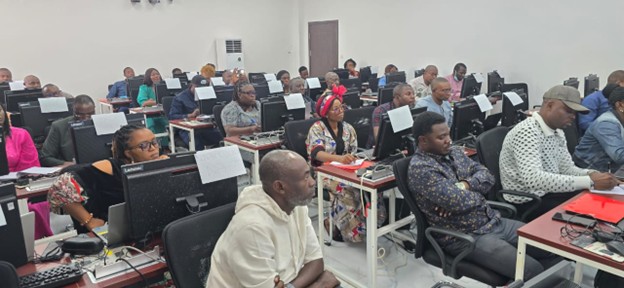
COL, through its regional centre in West Africa, the Regional Training and Research Institute for Distance and Open Learning (RETRIDOL), has been working with the University of Bamenda (UBa) in Cameroon to advance Open and Distance Learning (ODL) and expand access to inclusive and quality higher education. COL’s ODL initiative in Cameroon began following a 2023 regional workshop facilitated by RETRIDOL. Following the workshop, participating stakeholders from Cameroon requested COL’s technical assistance to develop a National ODL Policy. Shortly after, in 2024, COL partnered with the Ministry of Higher Education (MoHE) to convene a capacity-building session to advance Cameroon’s national ODL policy agenda.
| | This news service is curated from key news sources by the Commonwealth of Learning for information purposes only and does not constitute endorsement or verification of the linked content. All images are owned by the respective copyright holders. | | | | |