|
AI and cognitive offloading: supporting teachers to shape AI’s impact on learning
29 June 2026 | Education International
Artificial intelligence (AI) is unlocking both opportunities and challenges for education, with teachers on the front line of this paradox navigating questions of how to best use AI for learning and knowledge gain. The report I recently authored with Pr. Jason M. Lodge, Artificial intelligence, cognitive offloading and implications for education, investigates a profound new challenge: the risk that students will outsource too much of the cognitive work that is crucial to establishing the knowledge, skill and ‘thinking infrastructure’ that enables both schooling success and lifelong capacity for learning and understanding.
| | |
29 June 2026 | Commonwealth Secretariat
Over the past decade, collective action on climate and sustainable development has moved firmly into the mainstream because of scientific evidence, multilateralism, activism and extreme weather events-induced urgency. This growing awareness has also produced a sombre consequence: a pervasive sense of dread. In 2017, the American Psychological Association popularised the term “eco-anxiety” to describe the grief, fear, anger, and helplessness associated with climate disruption.
| |
1 July 2026 | UN News
Just a few years ago, it could answer questions or generate text. Today, it can write computer code, analyse vast amounts of data, create realistic images and videos, help scientists discover new medicines and increasingly act on its own with little human supervision. However, while AI's capabilities are accelerating, experts say that the rules ensuring AI is used safely are struggling to keep pace. That is the conclusion of the preliminary report by the UN Independent International Scientific Panel on Artificial Intelligence launched on Wednesday.
| | |
23 June 2026 | Economic World Forum
Now in its 14th edition, the Top 10 Emerging Technologies of 2026 report identifies the scientific advances approaching the moment when they are ready to change the world. Technologies are selected for their novelty, development progress and potential impact, through a rigorous process drawing on the expertise of world-leading scientists, technologists and innovation leaders.
| |
29 June 2026 | PNG Education News
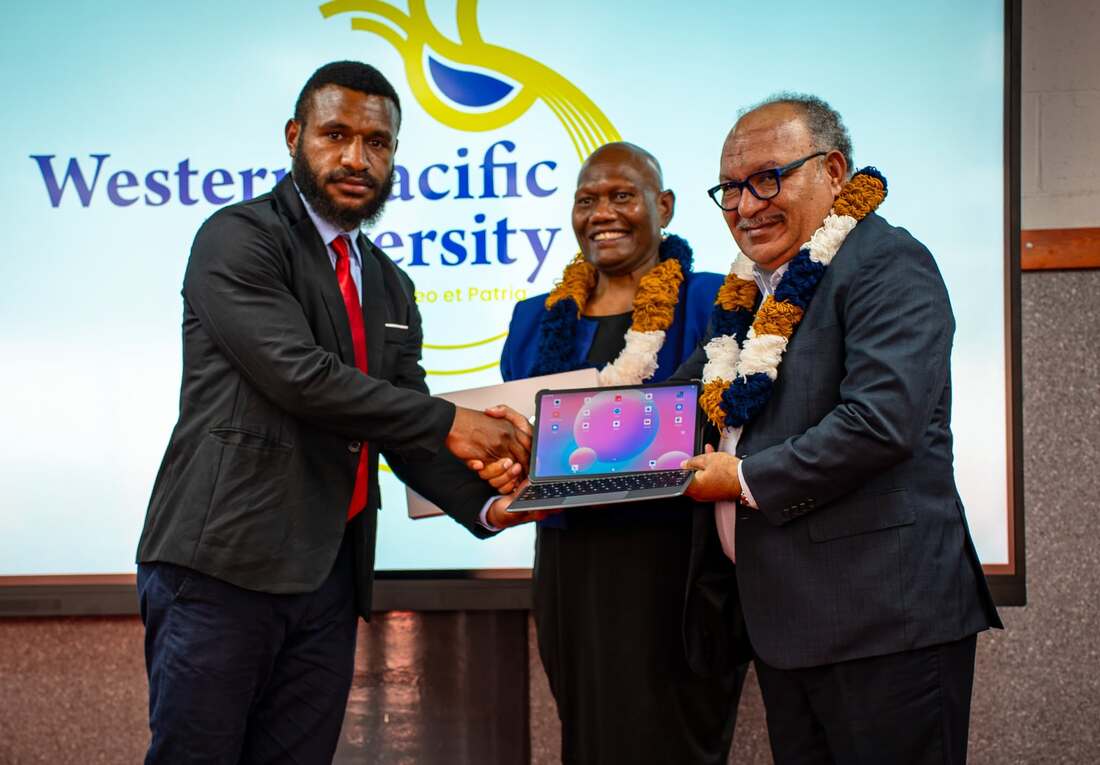
Students at Western Pacific University are set to benefit from a major digital education upgrade after the institution launched an AI-powered knowledge platform alongside SmartX Digital Learning Tablets in PNG. The project highlights the university's commitment to creating a technology-enabled learning environment designed to improve educational access and equip graduates with skills needed in a rapidly evolving digital world.
| | |
How education leadership transforms Guyana’s schools
25 June 2026 | UNESCO
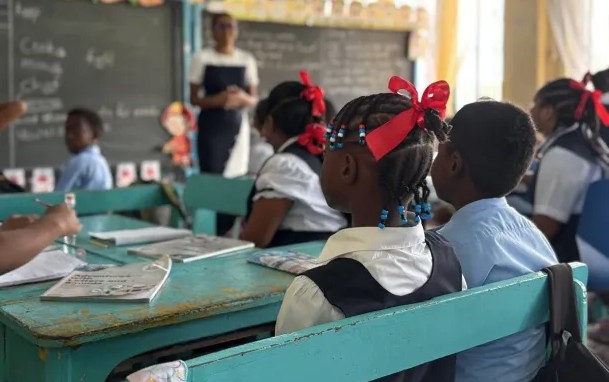
“We are moving beyond just building schools to transforming classroom outcomes,” says Usha Rudradat, Education Officer in Education District 11, North Georgetown, Guyana. At the core of Guyana’s education reform is the growing recognition that effective leadership is essential to improving teaching and learning. School and district leaders are increasingly seen as the natural bridge between everyday classroom practice and national education policy, and as the drivers of sustainable improvement.
| |
|
FG trains technical educators to bridge skills gap
29 June 2026 | Punch News, Nigeria
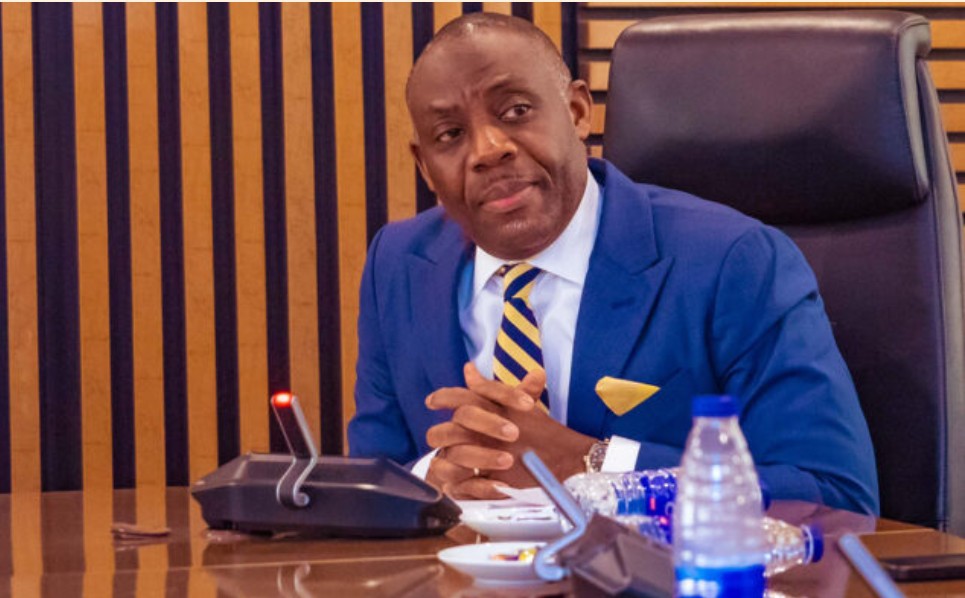
The Federal Government has launched a Train-the-Trainers programme aimed at strengthening Technical and Vocational Education and Training in Nigeria as part of efforts to bridge the country’s skills gap and improve youth employability. The initiative, implemented by the Federal Ministry of Education in partnership with the National Board for Technical Education, is training technical educators from federal and selected state technical colleges in pedagogy and assessment.
| | |
27 June 2026 | Intergovernmental Authority on Development
The Intergovernmental Authority on Development (IGAD), through its Technical and Vocational Education and Training (TVET) Mutual Recognition Pilot with support from GIZ, commenced a two-day Regional Qualifications Selection Workshop under the IGAD Qualifications Framework (IGADQF) in Nairobi, Kenya. The workshop brought together representatives from ministries responsible for TVET and education in Kenya, Somalia, and South Sudan, national qualifications authorities, TVET regulatory bodies, technical experts involved in the research phase, GIZ, and the IGAD Secretariat.
|
27 June 2026 | Eswatini News
‘REAL Conversations. Real Learning. Real Impact’. Emlalatini Development Centre (EDC) has launched a student-led educational podcast, ‘EDC Unfiltered’, to showcase its unique educational ecosystem and raise awareness about Open and Distance Learning (ODL). Originally known as an upgrading school, EDC underwent a significant transformation during the COVID-19 pandemic. To ensure continuity during lockdowns, the institution transitioned from paper-based schooling to technology-enabled education.
| |
26 June 2026 | iAfrica
The Secretary-General of the International Telecommunication Union, Doreen Bogdan-Martin, has praised Mozambique’s progress in advancing its national digital transformation agenda, emphasising the role of connectivity, digitalisation and innovation in driving inclusive economic growth. She made the remarks following high-level engagements with Mozambican leadership, including discussions with President Daniel Chapo, where they explored priorities under the country’s digital development strategy.
| |
28 June 2026 | BSS News, Bangladesh
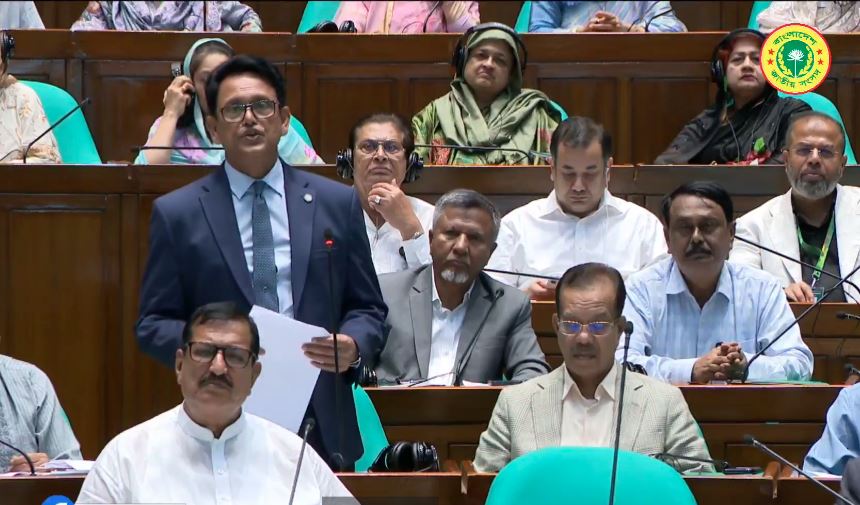
Education Minister Dr. ANM Ehsanul
Hoque Milon today said the proposed national budget for FY2026-27 has attached the highest priority to the education sector, aiming to build a modern, technology-driven and inclusive education system to develop skilled,
humane and digitally competent citizens. Taking part in the general discussion on the proposed budget in the Jatiya Sangsad (JS), he said the government has announced one of the largest education budgets in the country's history to modernise education from primary to higher levels, accelerate digital transformation and ensure equitable access to quality education.
| | |
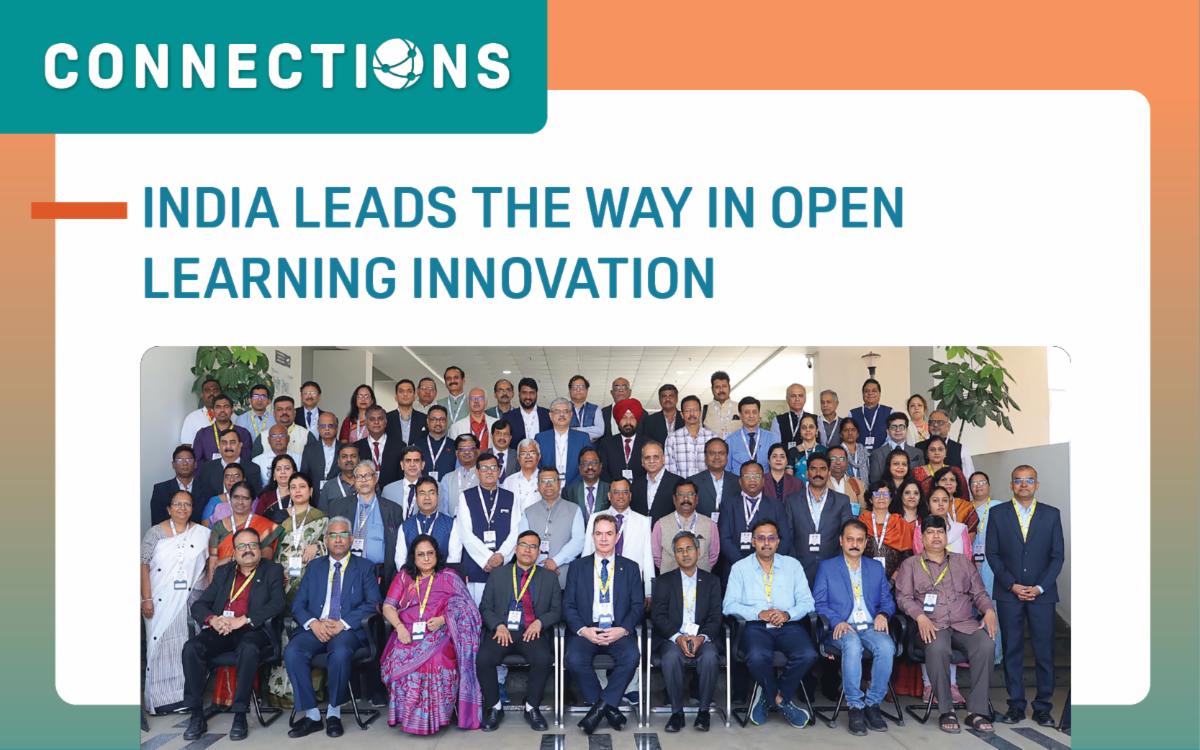
India leads the way in open learning innovation
2 July 2026 | Commonwealth of Learning
Representing half the population of the Commonwealth, the importance of open learning innovation is clearer in India than in any other country. With the challenge of supporting 1.4 billion people, the scale of learning need is recognised by all. India is stepping up to that challenge. Driven by the visionary National Education Policy 2020, India now represents a significant force in global learning innovation.
| |
Beyond the chatbot: Conversational agents and the future of higher education
26 June 2026 | Commonwealth of Learning
Generative artificial intelligence (AI) has become part of everyday life in higher education. Students are using it to write assignments, teachers are using it to develop lesson plans, and many institutions are now using AI tools to answer student questions. As the use of AI tools grows, so too do concerns about their ethical, accessible and informed use. Conversational agents are one of the many AI tools being adopted by colleges and universities to support teaching, learning and student services.
| |
From short courses to lifelong learning pathways: Why micro-credentials need national frameworks
30 June 2026 | Commonwealth of Learning
A learner who obtains a micro-credential should gain more than a digital badge. The learning should be trusted, recognised, and able to open doors to further study, employment, or professional advancement. Yet without a national framework, even high-quality micro-credentials can remain trapped within institutional silos. Post-secondary institutions often use micro-credentials to respond to local skills gaps, certify short courses, or help employers recognise specific competencies.
| | This news service is curated from key news sources by the Commonwealth of Learning for information purposes only and does not constitute endorsement or verification of the linked content. All images are owned by the respective copyright holders. | | | | |