|
May 2026 | OECD
As access to tertiary education has expanded across OECD countries, ensuring students make a smooth transition to tertiary education and successfully complete their studies have become central challenges. These challenges reflect both differences in system design — such as admission models, assessment structures and financial incentives — and increasing uncertainty among young people, combined with the growing diversification of educational pathways.
| | |
1 June 2026 | UNESCO
Across many education systems, millions of children are still excluded from meaningful learning due to lack of inclusive learning materials. Textbooks are often produced in standard print formats, leaving learners who are blind, deaf, or who experience reading or cognitive difficulties without meaningful access to quality learning opportunities. At the system level, accessibility and inclusion are still rarely treated as foundational elements of education. Teachers are expected to include all students, but lack the tools, materials, and training to do so.
| |
28 May 2026 | University World News
In a voluminous, visionary and ambitious document, Mauritius’ Ministry of Tertiary Education, Science and Research has positioned the sector as a global education hub — aligned with the Government of Mauritius Programme 2025–29: A Bridge to the Future. Dr Kaviraj Sharma Sukon, the Minister of Tertiary Education, Science and Research of Mauritius, recently launched the National Strategy for Higher Education, Science and Research covering the decade 2025–35.
| |
2 June 2026 | Commonwealth Secretariat
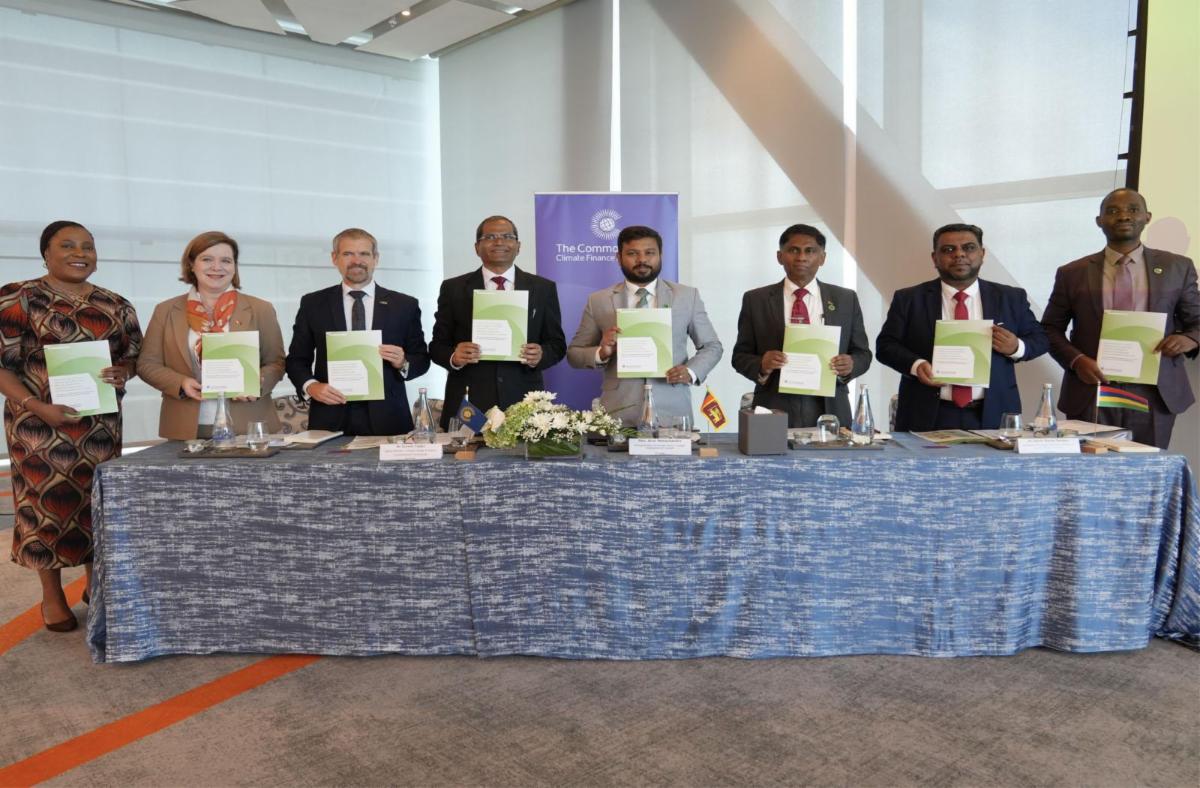
Delegates from across the Commonwealth gathered in Colombo, Sri Lanka, on 28 and 29 May 2026 for the 8th Steering Committee Meeting of the Commonwealth Climate Finance Access Hub (CCFAH), marking a decade of support to member countries in accessing climate finance and building resilience to climate change. Hosted by the Commonwealth Secretariat in collaboration with the Government of Sri Lanka, the meeting brought together government officials, climate finance experts, development partners and representatives of the UNFCCC COP31 Presidency, to review progress, share lessons and identify opportunities to strengthen support for vulnerable countries facing growing climate pressures.
| |
3 June 2026 | WINN FM 98.9, St Kitts and Nevis
The debate centring AI across the creative industry, culture, and education is a complex conflict between technological efficiency and human value. The debate over intellectual property, artistic identity, cultural preservation, and the evolution of learning continues as more individuals rely on AI chatbots for conversation, advice, and general information, and as the availability of AI engines grows. Eric Falt, Regional Director of the UNESCO Caribbean Office, says AI should not be feared but embraced with regulations.
| |
3 June 2026 | Jamaica Information Services
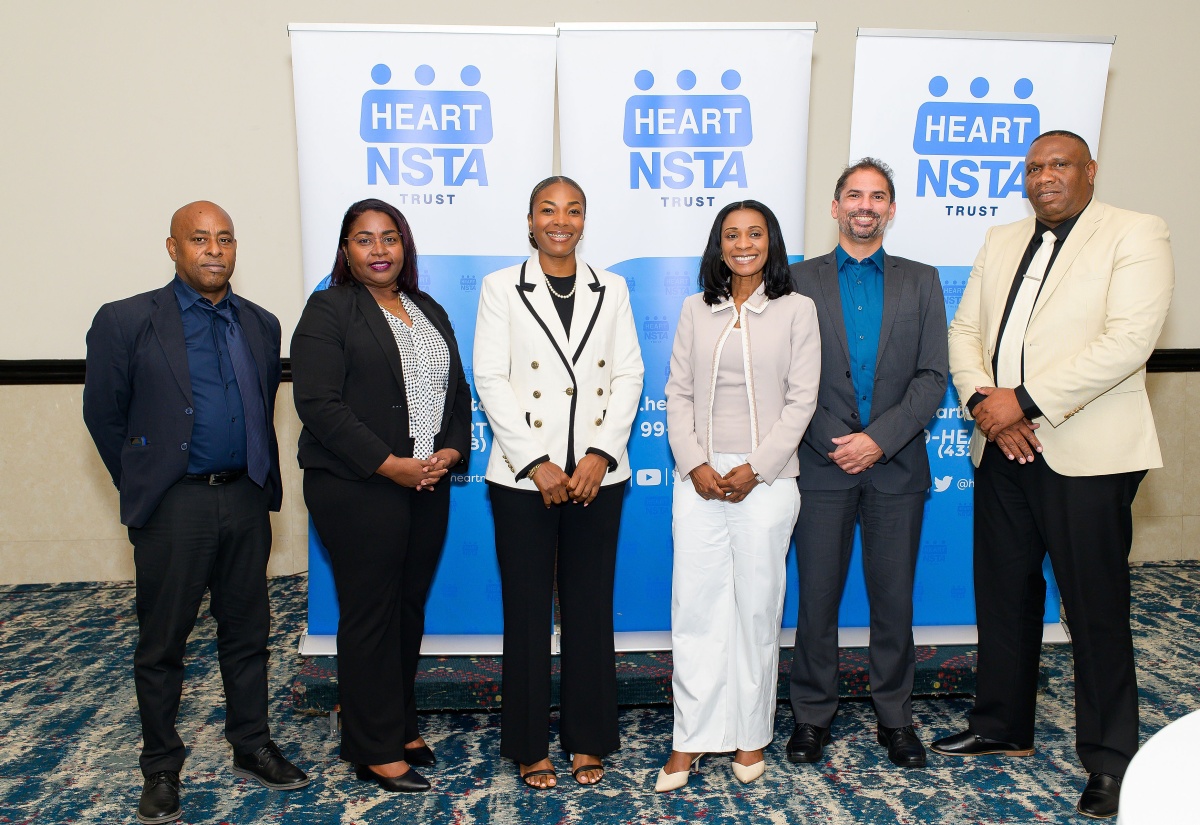
The HEART/NSTA Trust has digitised three of its Level Two courses under a pilot programme initiated by CARICOM to standardise Technical and Vocational Education and Training (TVET) across Member States. Jamaica, Grenada, Barbados, and Trinidad and Tobago participated in the pilot. The digitised programmes were uploaded to the Agency’s Moodle platform and have been available for delivery since May 18, 2026, across designated HEART/NSTA Trust institutions.
| |
STEM and TVET Pedagogical Innovation Bootcamp concludes in Kigali with renewed commitment to strengthening skills development and innovation across Africa
1 June 2026 | Union Africaine
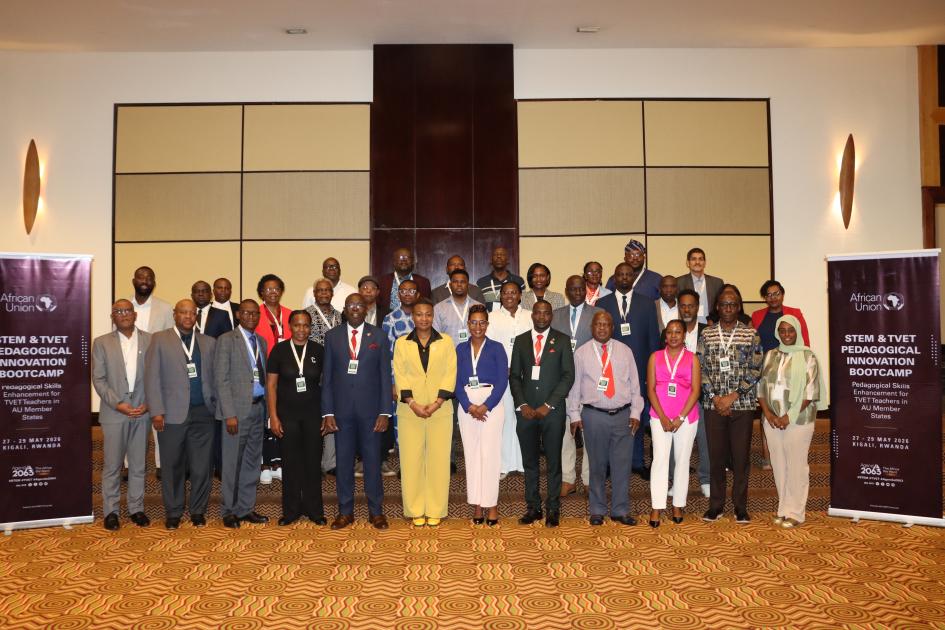
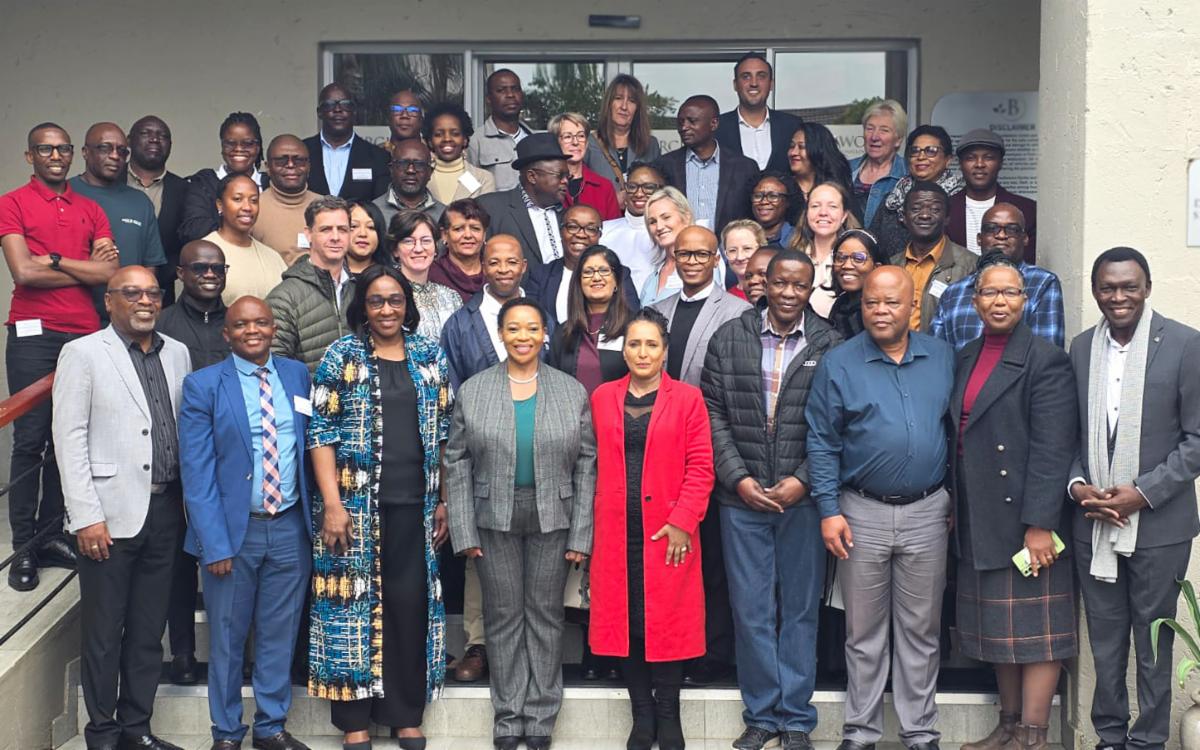
The African Union Commission (AUC), through its Department of Education, Science, Technology and Innovation (ESTI), successfully concluded the Science, Technology, Engineering, and Mathematics (STEM) and Technical and Vocational Education and Training (TVET) Pedagogical Innovation Bootcamp: Pedagogical Skills Enhancement for TVET Teachers in AU Member States, held from 27–29 May 2026 in Kigali, Rwanda.
| |
15 colleges of education get ICT upgrade
2 June 2026 | Leadership, Nigeria
The federal government has distributed Information and Communication Technology (ICT) equipment to 15 federal and state colleges of education across Nigeria’s six geo-political zones to strengthen digital teacher training and improve learning outcomes. The intervention is part of an international collaboration involving the Government of Japan, UNESCO, International Institute for Capacity Building in Africa (IICBA) and the African Union.
| | |
2026 | Teachonline.ca, Canada
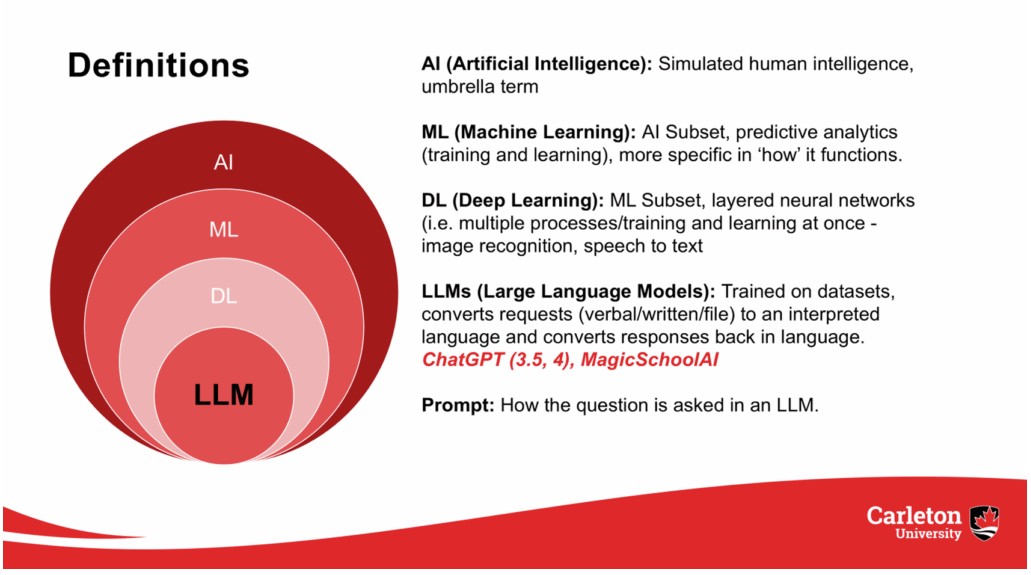
Professor Danielle Manley, Director, Nursing in the Faculty of Science at Carleton University in Ontario, is responsible for creating a Bachelor of Science in Nursing (BScN) program, the first new BScN from a university in Ontario in over 20 years. The three-year degree program is scheduled to launch in September 2025. In collaboration with Carleton’s Teaching and Learning Services, she is strategically incorporating AI in the design of the program as well as integrating it into the teaching and learning outcomes, so graduates are proficient in AI’s effective and ethical use.
| |
4 June 2026 | Prime Minister of Canada
The world is changing rapidly, with intensifying economic competition, accelerating technological change, and a global race to secure the talent, infrastructure, and innovation that will define the future. Artificial intelligence (AI) is at the centre of that transformation, changing how people live and work, how businesses compete, and how countries protect their sovereignty. While Canada has world-class talent and one of the fastest-growing digital sectors in the G7, we are among the slowest countries to adopt AI at scale.
| | |
1 June 2026 | Commonwealth of Learning
As generative AI rapidly reshapes how educational content is created, adapted and shared, teacher education faces a deeper question than access alone. For many years, conversations on OER focused primarily on free materials, open licences and reducing costs. These aspects remain important, but in teacher education, the more urgent challenge is now one of agency.
| | |
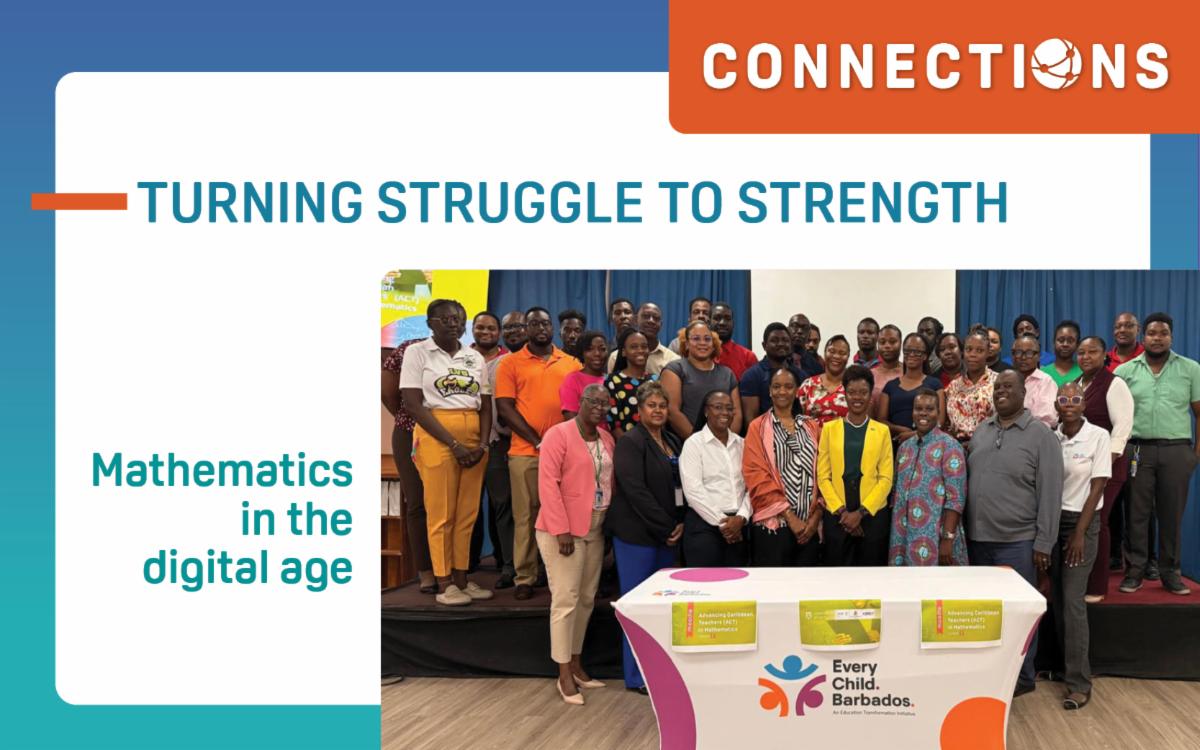
Turning struggle to strength: Mathematics in the digital age
3 June 2026 | Commonwealth of Learning
Mathematics education in the Caribbean is top of mind for educators. Ongoing underperformance at the secondary level, alongside consistently weak outcomes in national numeracy assessments, can narrow the pathways available to learners, particularly into STEAM fields: science, technology, engineering, the arts, and mathematics. In response, the Caribbean Examinations Council (CXC) has been implementing reforms to strengthen the curriculum, enhance teacher development, and better leverage technology to support competency-based learning.
| | This news service is curated from key news sources by the Commonwealth of Learning for information purposes only and does not constitute endorsement or verification of the linked content. All images are owned by the respective copyright holders. | | | | |