Life Transitions and Future Planning
Transitions can feel like gold but can also feel like lead weights. Many long-term studies show that autistic people, on average, live 16 years less than our neurotypical peers, so the weight of those choices can feel that much heavier. Changes in routine and supports can be especially hard for autistic people to navigate. After all, if you can’t even fully trust your instincts, then it can make it seem daunting just to choose college, career paths, or even finances.
The good news is that there are some tools that make those transitions easier. Autistic people tend to thrive on routine, so I use Finch for self-care. I also keep a visual schedule or calendar to ground myself. It also helps to have a transition coordinator, vocational rehab counselor, occupational therapist, or mental health professional you trust to help you plan for school, work, or independent living.
But even with all of these resources, only about 37% of autistic youth enroll in college within six years of leaving high school, according to a 2012 study. That’s why planning early and having a strong support system in place can really make a huge difference. We all know too many autistic students who fall through the cracks during this period of life, and we can change that by being proactive.
So, my encouragement to you is to check in with the autistic teens and young adults in your life. How are they doing? Are they getting the support and services they need in their future plans? High school students especially need to hear that nudge so remind them to ask for guidance, reach out for support, and start taking those small steps toward the life they deserve.
| |
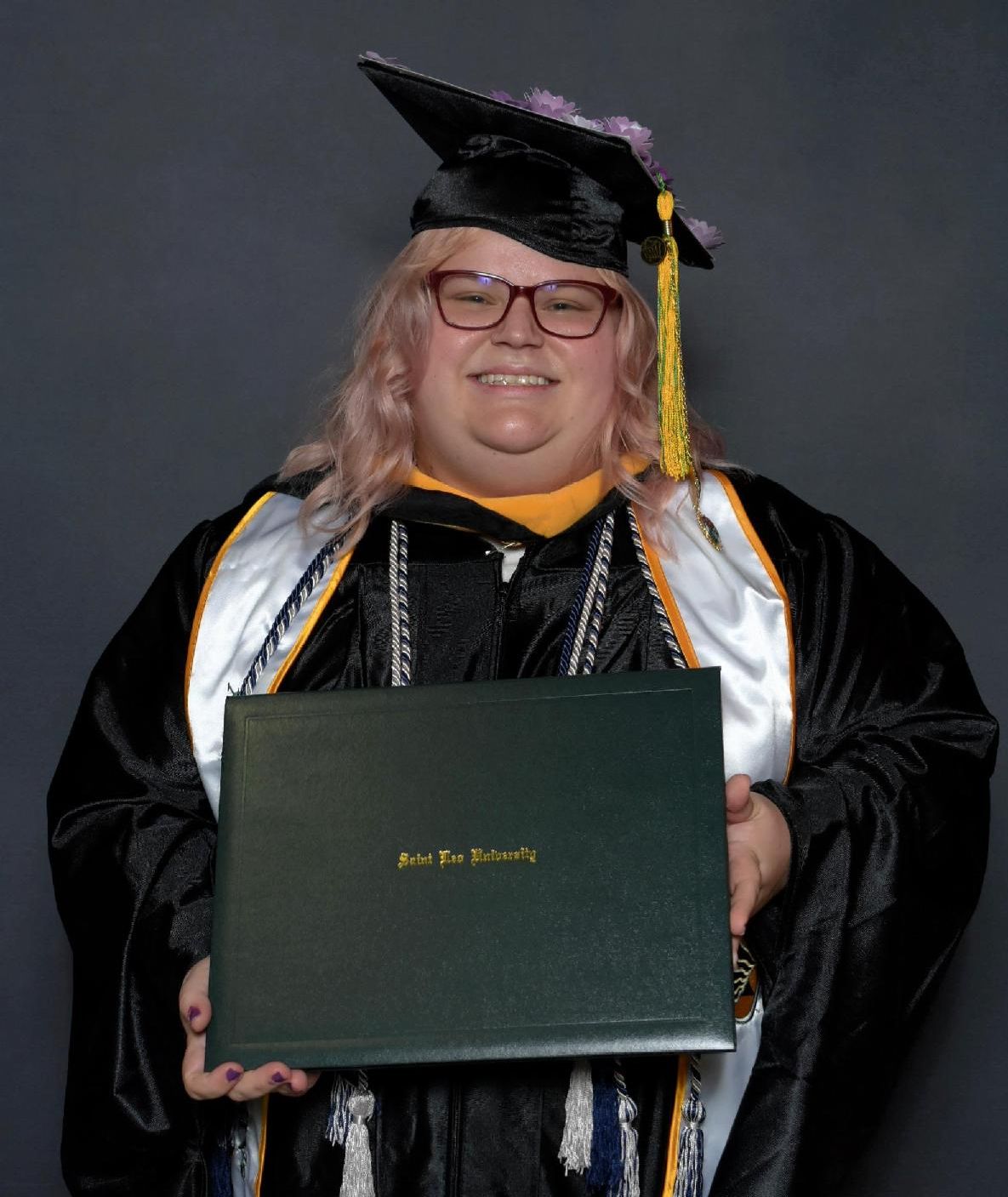
Mandy Pinckley
Prospective Board Member
| | | |
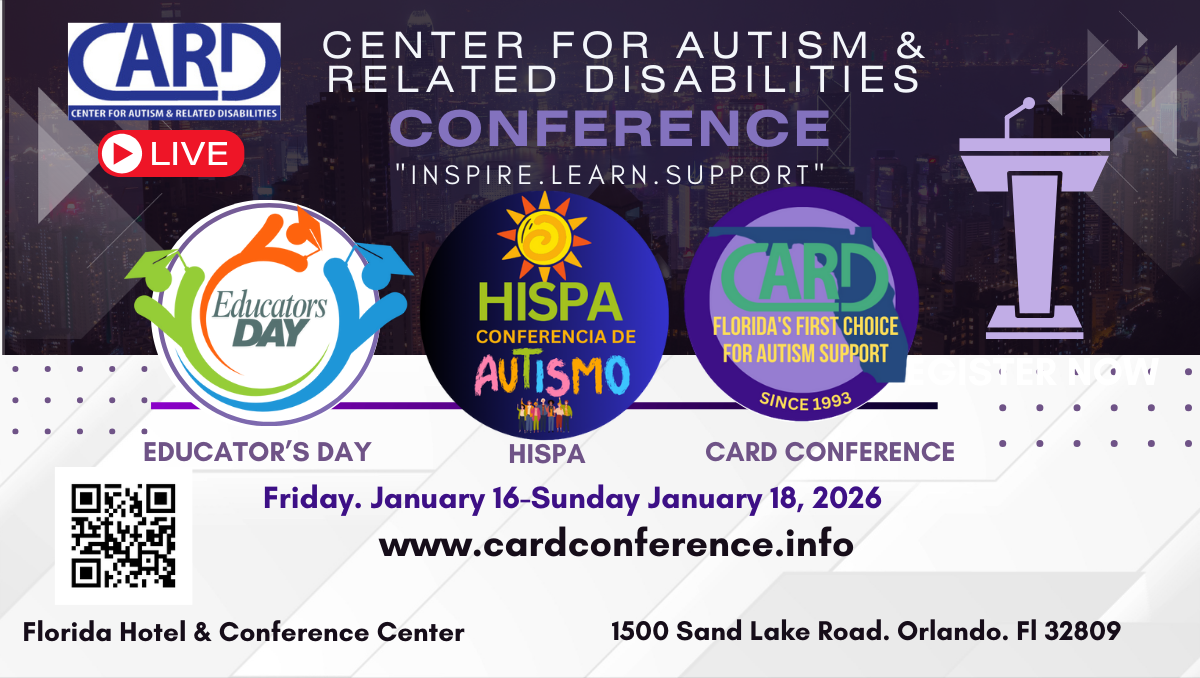
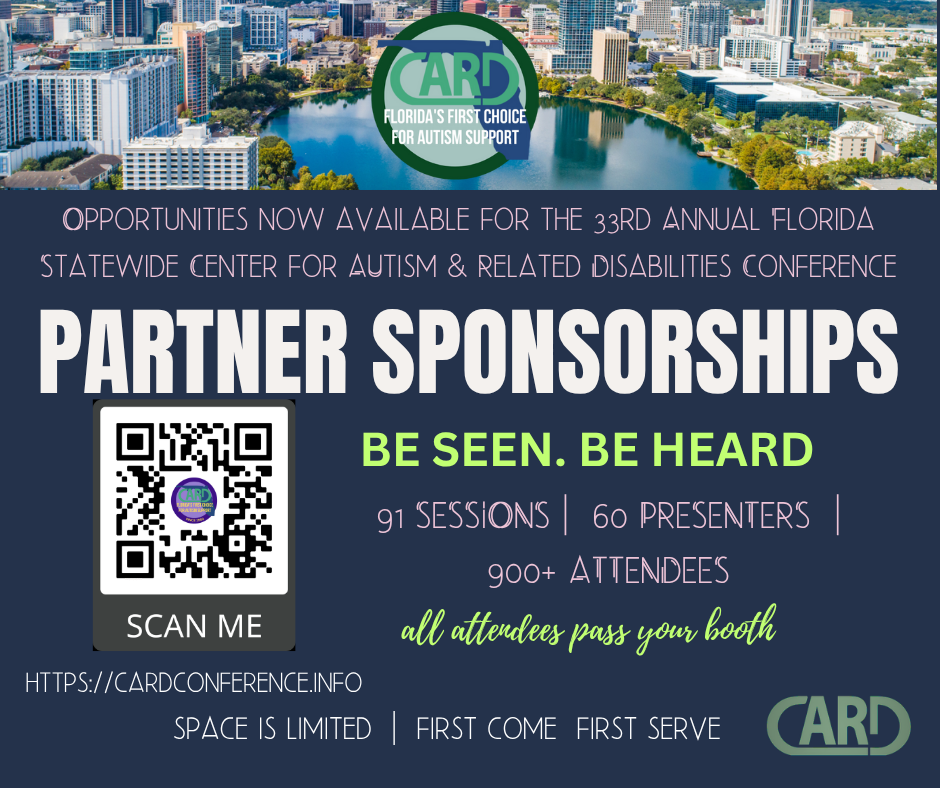
CARD Conference 2026 - January 16-18
Registration for the 33rd Statewide CARD Conference is OPEN NOW! To see all conference offerings, schedule, and to purchase tickets:
| |
| |
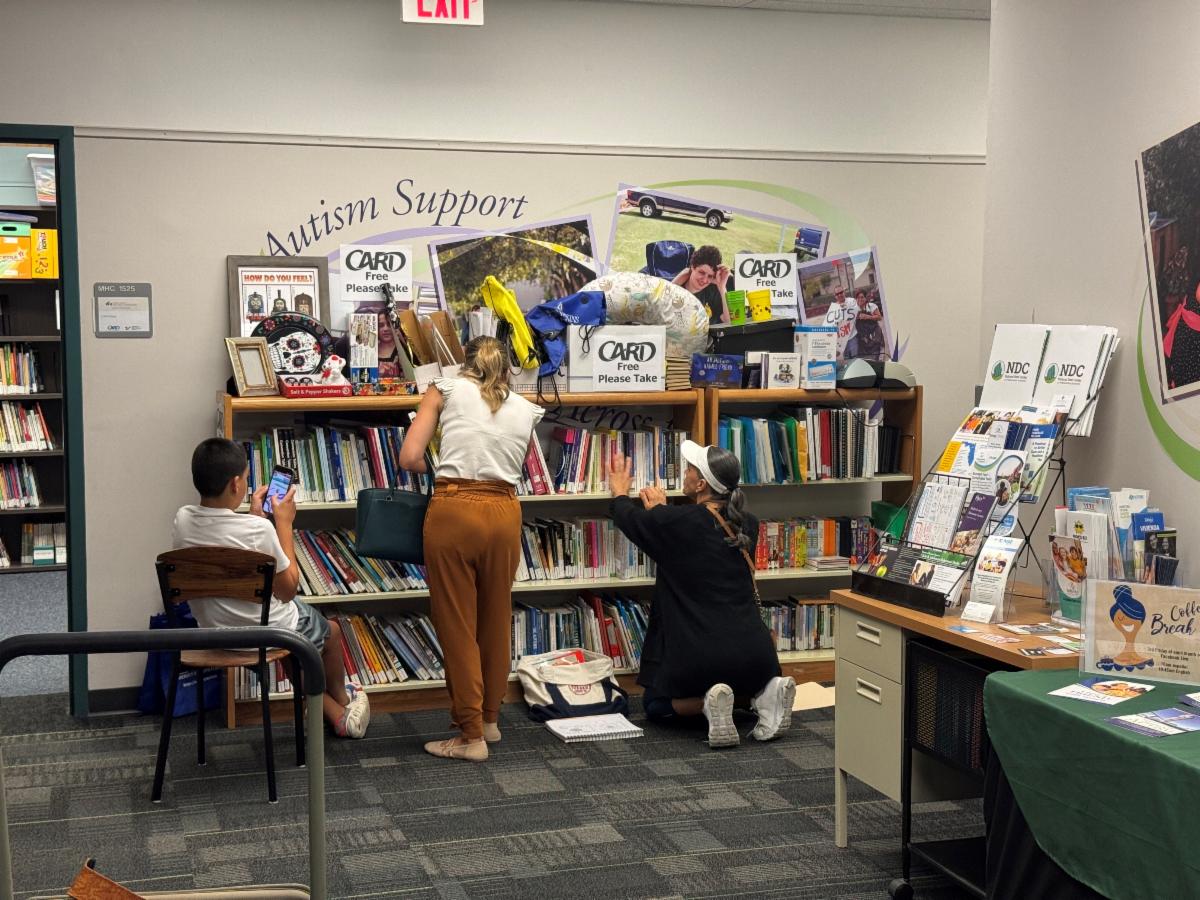
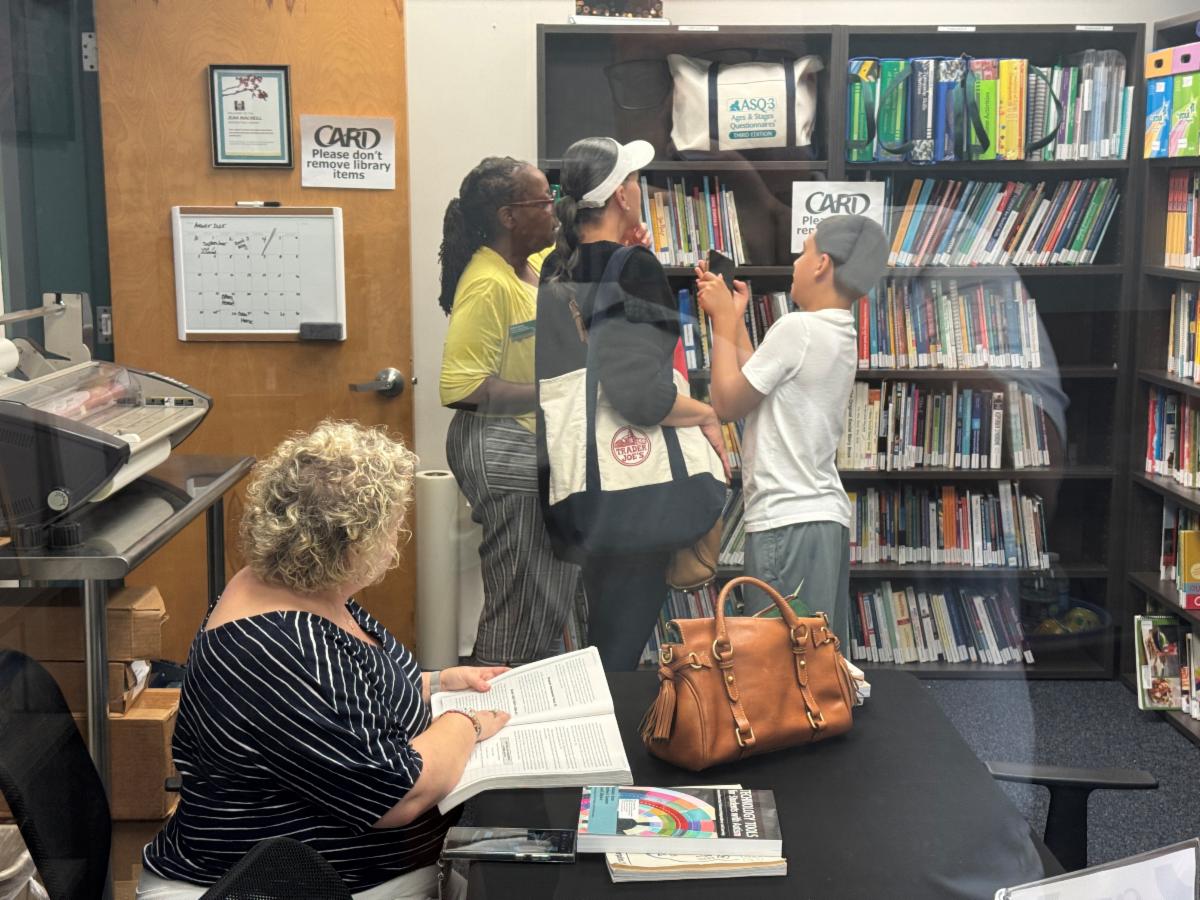
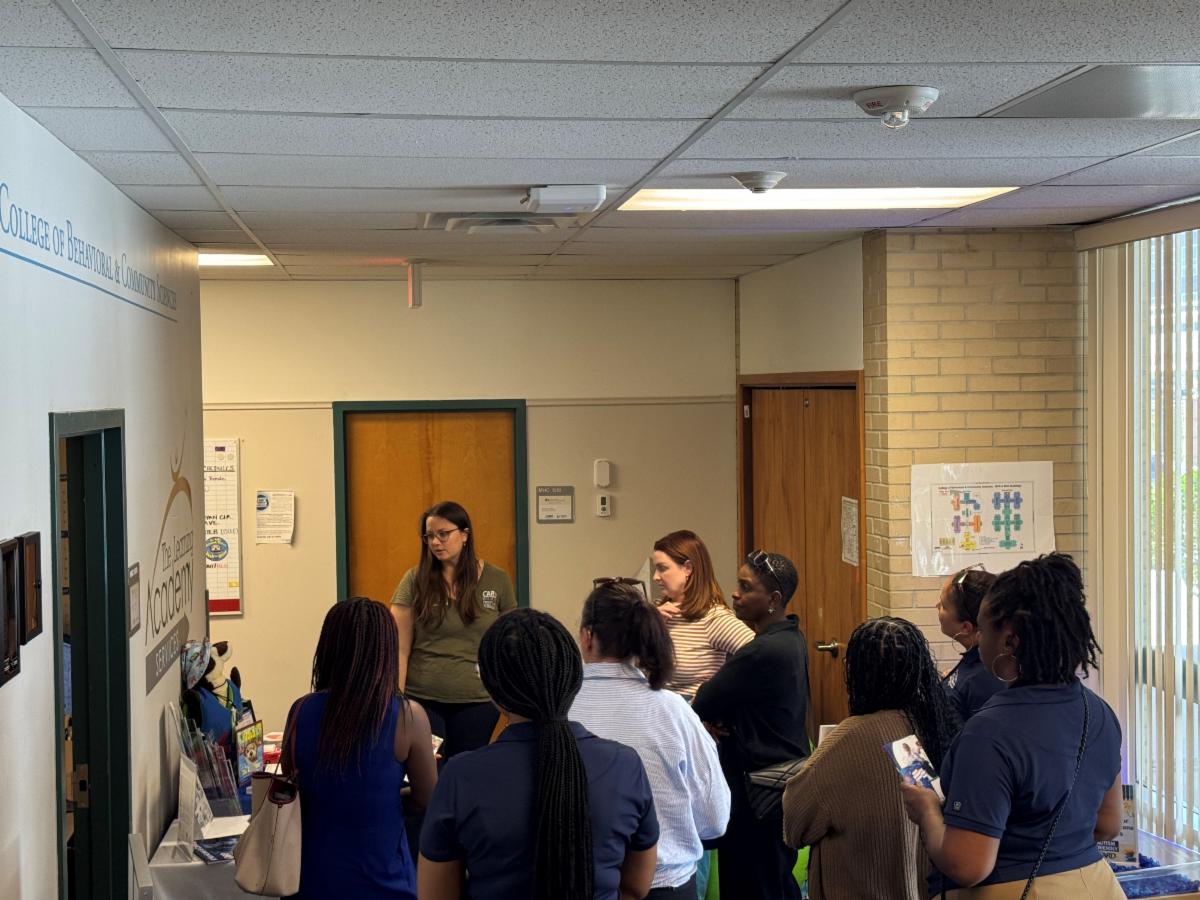
Thank you for attending our Open House events!
Our team was thrilled to connect and share resources with visitors from all over the community.
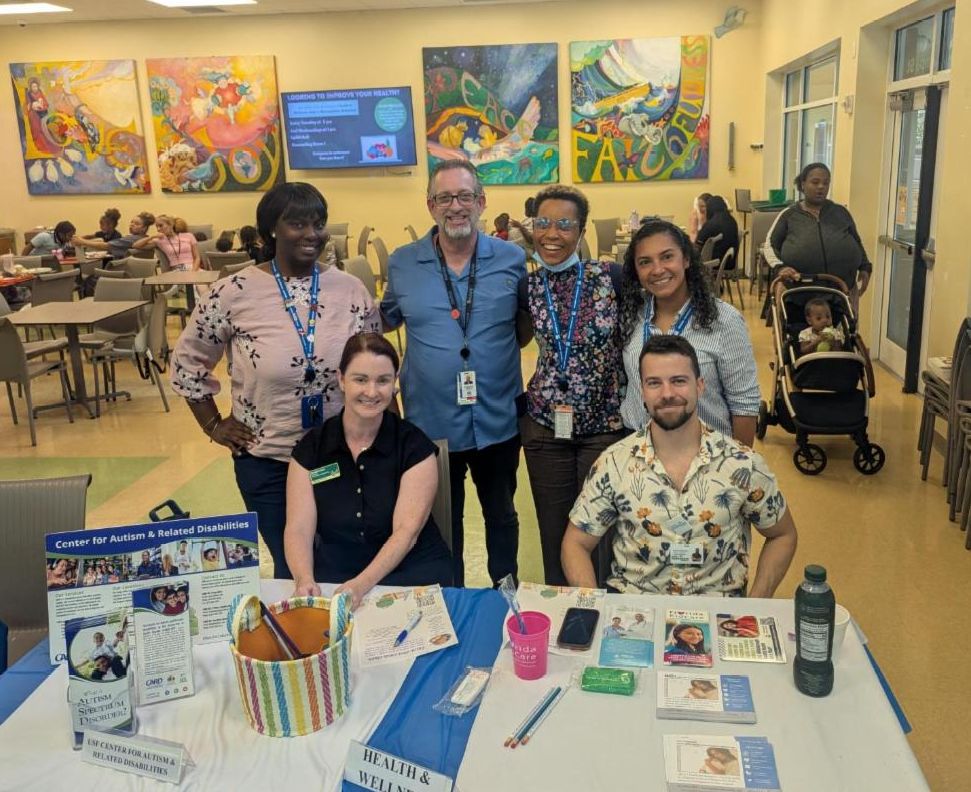
| | | | Liz participated in a Back to School event at Metropolitan Ministries! | | |
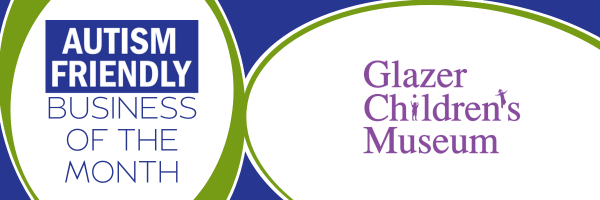
Our Autism Friendly Business of the Month for September is Glazer Children's Museum! 🎉 Over the years, Glazer has been one of our longest-standing and most committed Autism Friendly partners. They have several neurodiversity- affirming supports, including social narratives, "Sunshine Sunday" sensory mornings, and even designated weeks of summer camp! Glazer is always working to improve their accessibility services and make sure every child has the opportunity to learn, play, and belong.
Celebrate 15 years of Glazer with us at their birthday bash on 9/27!
| | | |
Upcoming Sensory-Friendly events:
Sensory Saturday at Museum of Fine Arts, 9/6
Tranquil Tuesday at Selby Gardens, 9/9
Great Connections at Great Explorations Children's Museum, 9/14
Sensory Sunday at Tampa Bay Watch Discovery Center, 9/21
Sensory-Friendly Animal Insider Tour at Busch Gardens, 9/21
Day of Discovery at The Florida Aquarium, 9/25
Sensory Saturday at FloridaRAMA, 9/27
Sensory Sunday at Vertical Ventures, 9/28
Sunshine Sunday at Glazer Children’s Museum, 9/28
Art on the Spectrum at Tampa Museum of Art, 9/28
Sensory-Friendly Sundays at The Dali Museum, 9/28
| |
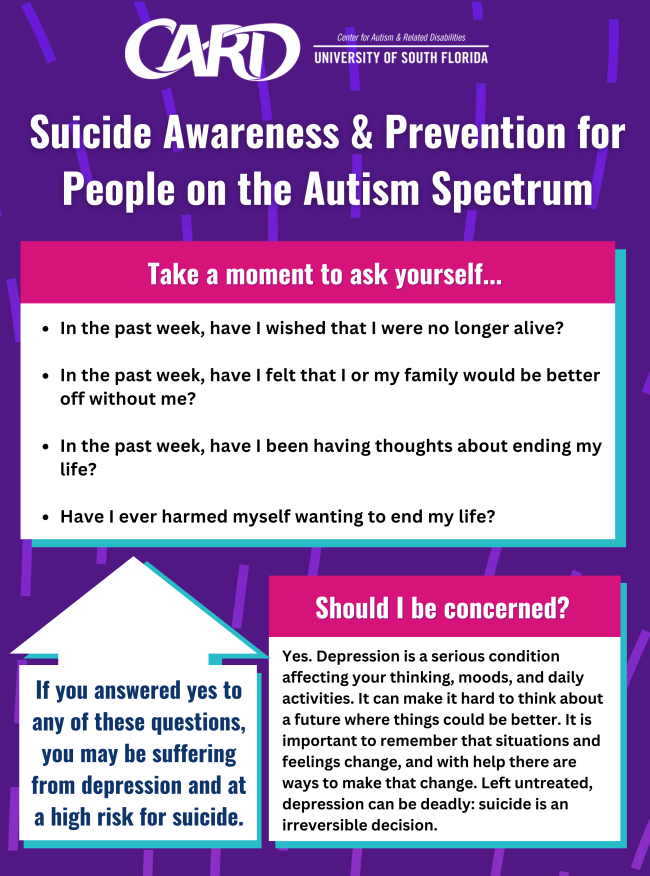
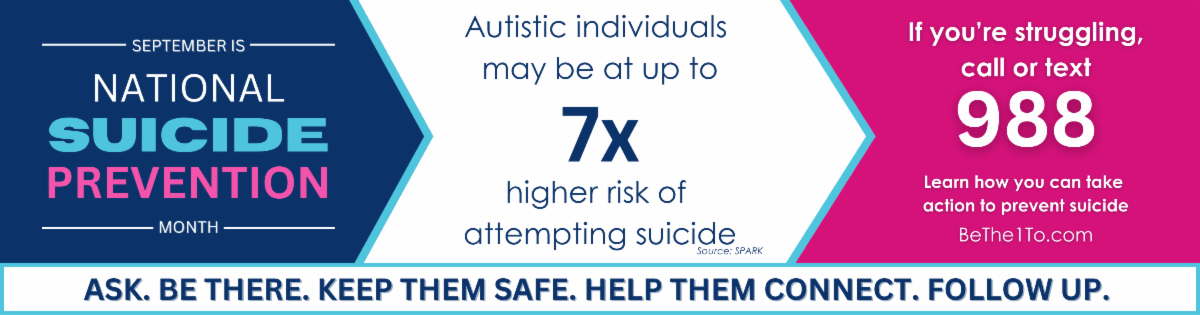
Suicide Prevention
September is National Suicide Prevention Month.
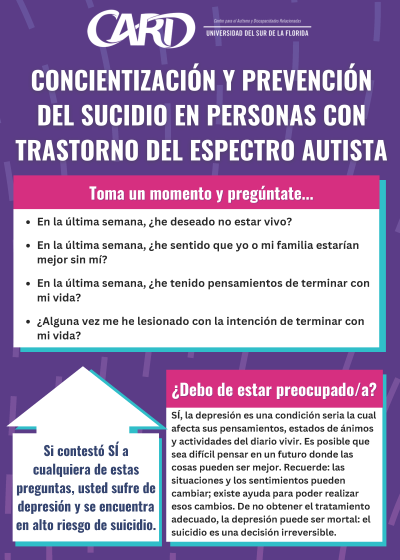
Research shows that autistic individuals are at a greater risk of suicide than their neurotypical peers. Some recent studies suggest that suicidal thoughts may begin at surprisingly young ages in this population. View the following resources to learn more about how you can take action to prevent suicide.
| | | | If you are struggling, call or text 988 for help! | |
Autism & Sleep Research
Insomnia, or trouble sleeping, affects up to 80% of autistic children. Poor sleep in these children can lead to problems like difficulty learning, more challenging behavior, a lower quality of life, and more stress for parents. A type of therapy called cognitive behavioral therapy for insomnia (CBT-I) could help, but it hasn’t been fully tested in school-aged autistic children with sleep issues. Early studies by the team showed that when CBT-I was adapted for autistic children, both the children and their parents slept better and functioned better during the day. However, these studies were small, and more thorough testing is needed. Moreover, one big challenge is access to care—especially for families in rural areas or underserved communities. Thus, the team tried a remote version of the treatment (done over video or phone) and found it also helped with sleep and daily functioning.
We are currently testing a digital version of CBT-I for autistic children and how technology can make care more accessible. This study involves a 2-week baseline during which we will gather information about the child’s sleep to see if the study would be appropriate for them. Then, families may be randomized to immediately complete a 4-week digital behavioral treatment for sleep or 4 weeks later. Follow-up assessments are done immediately after treatment, 1 month later, and 3 months later. Families are compensated for their time.
Click here to learn more about research opportunities in the McRae Sleep Research Lab.
| | | |
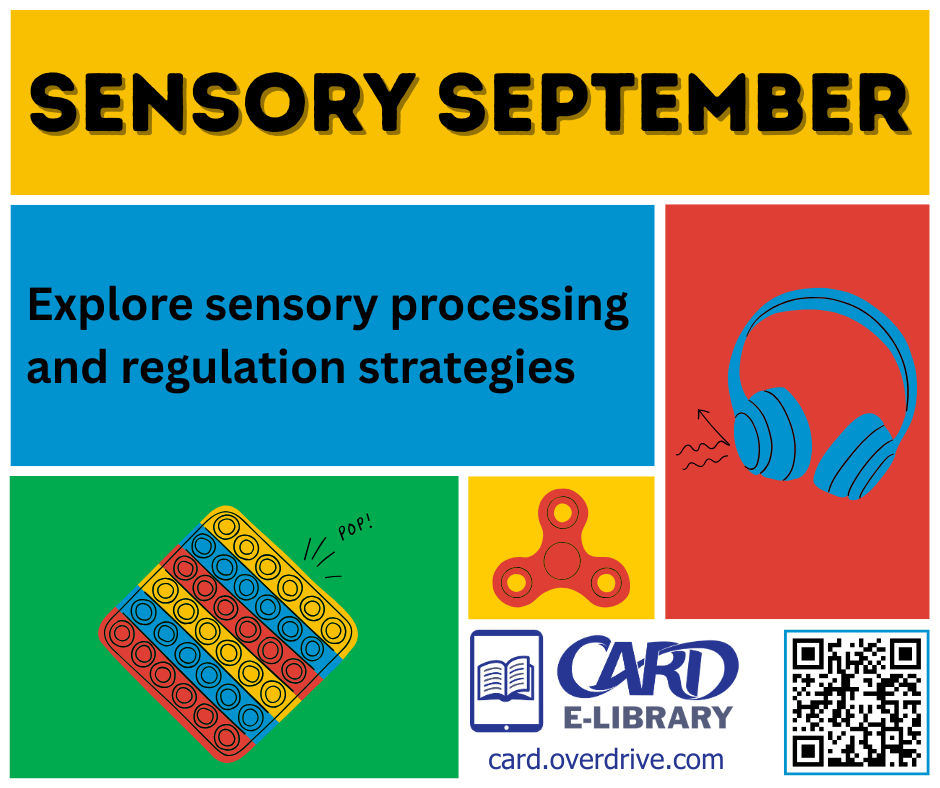
Autism eLibrary
It's Sensory September in the eLibrary! Learn more about sensory processing and strategies to support regulation.
| | |
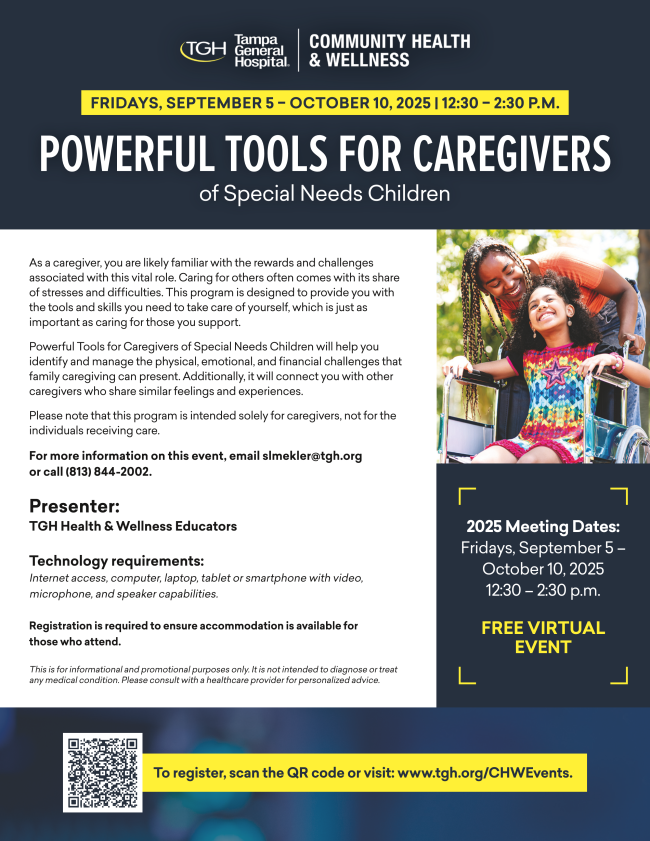
Powerful Tools for Caregivers
Fridays, Sept 5-October 10
12:30-2:30PM
Tampa General Hospital presents these virtual training sessions that aim to help caregivers identify and manage the physical, emotional, and financial challenges that family caregiving can present.
Details & Registration
| | |
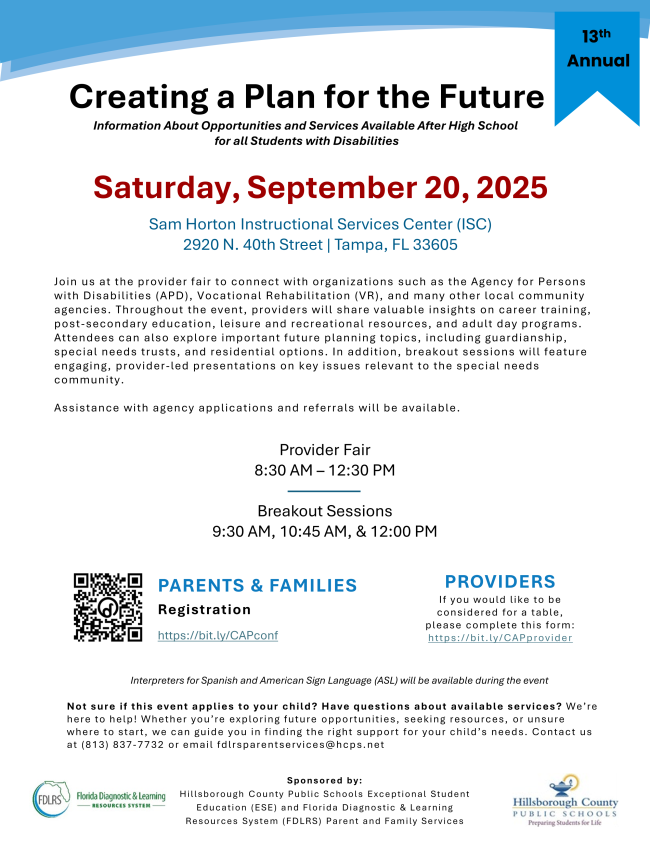
13th Annual Creating a Plan for the Future
Saturday, September 20th
Starting 8:30AM
This event includes a provider fair and information sessions about opportunities and services available after high school for all students with disabilities.
Details & Registration
| | |
MTC Art Gallery Exhibit & Reception
Thursday, September 25th
6-8PM
Celebrate the re-opening of MTC Fine Art Studios, as we joyfully celebrate our commitment to artistic expressions of hope, opportunity, and community, featuring our new exhibit, “Out of this World.”
Details & Registration
| | |
What is a Token Reinforcement System? Webinar provided by Keiser University's Multidisciplinary Center (KUMDC)
Tuesday September 9th at 12PM via Zoom
| |
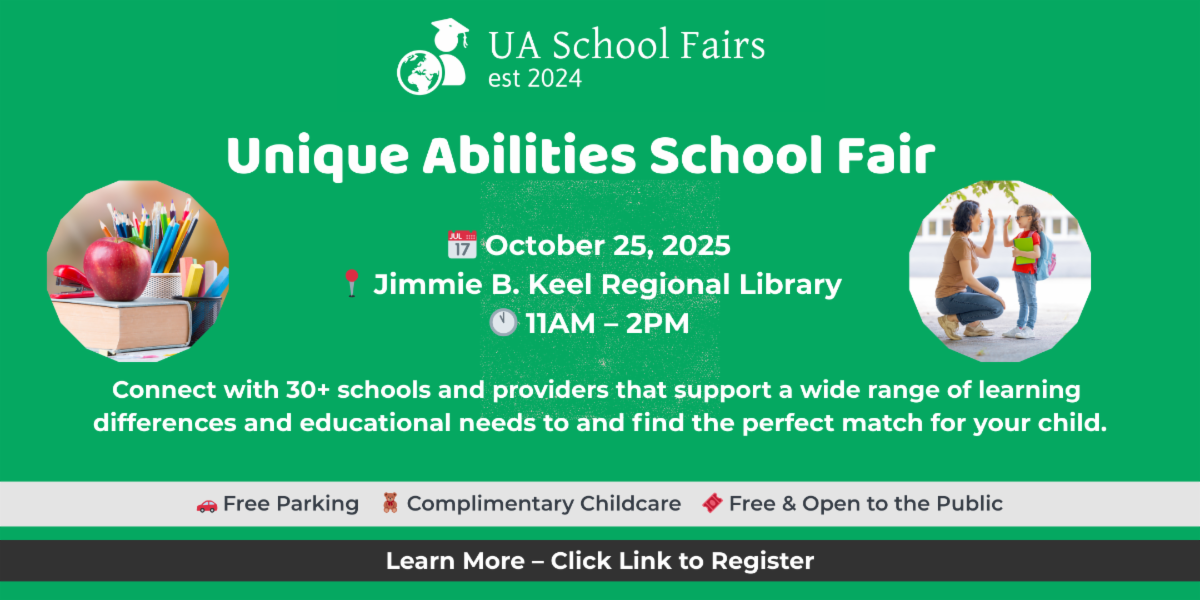
Unique Abilities School Fair
Connect with 30+ schools and providers that support a wide range of learning differences and educational needs to find the perfect match for your child. This free fair offers complimentary childcare and free parking!
Date/Time: October 25, 2025 11AM-2PM
Location: Jimmie B Keel Regional Library
2902 W Bearss Ave, Tampa, FL 33618
| |
Cafecito/Coffee Break
Join us on Facebook Live on the 3rd Friday of each month:
10am - La hora del cafecito (español)
10:45am - Coffee Break with CARD (English)
https://www.facebook.com/cardusf
| |
CARD Presenta: Grupo de Apoyo
Que Haremos: Somos un grupo de apoyo para padres o cuidadores de seres queridos con autismo.
Comienza: Miércoles 28 de agosto a las 7pm. Se llevará a cabo una vez al mes, el 4to miércoles de cada mes.
Duración: continuo
Como Unirse: Para registrarse hacer click aquí
| | |
Autism Eats: Preschool
Caregivers of Children with Baker Act Exams
Spanish Language Communication Intervention
Autism and Mental Health Challenges
View full descriptions and contact information
| | |
The Partnership for Effective Programs for Students with Autism (PEPSA) is an initiative to support educators and schools’ professional development and training, designed to enhance the educational programs for students with ASD.
Follow PEPSA on their social media pages for updates on training opportunities!
| | LAUNCH has been in operation since 2009 and is one of the first transition programs of its kind in the state. LAUNCH has five core areas of focus: a 30-week transition program, employment services, transition programming, innovative technology training and business solutions. | | | | |