|
From The Executive Director
Jason Schwenkler
| | |
Welcome to the The Collective Voice, your quarterly update from the North State Planning and Development Collective at Chico State.
In this edition, you'll learn more about the important grad student research being done in conjunction with our salmonid habitat restoration work along the Sacramento River, and get a glimpse into the adaptive management practices our team is engaging in to ensure the long-term resilience of Chinook salmon and steelhead populations. Our economic development and GIS teams have been hard at work over the last several months, continuing to engage in projects that support the University's 12-County service region and beyond. Be sure to read on to learn more about upcoming training opportunities, and how we're impacting the region through career pathways development and more.
I'm looking forward to continuing our impactful collaboration across the region and with Chico State faculty and staff in 2026. I'd love to learn more about your project ideas for a healthy, vibrant North State, and brainstorm ways the Collective might be able to assist.
Please reach out anytime.
Until then, take care-
Jason
Jason Schwenkler jschwenkler@csuchico.edu
Executive Director, North State Planning and Development Collective California State University, Chico
www.nspdc.csuchico.edu
| |
Grad Student Research Evaluates Food Availability, Habitat Quality for Salmon
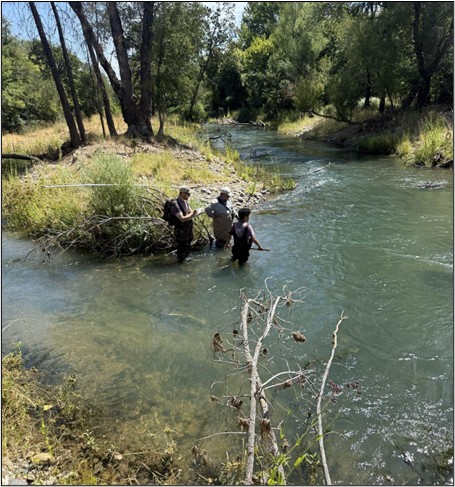
As a part of the Collective's ongoing river restoration efforts, graduate student Jordan Kruger, under the guidance of Dr. Parsa Saffarinia, CSU, Chico Biology Department,
Saffarinia Lab, is studying aquatic insect communities in the natural and constructed side channels on Kapusta Island in the Sacramento River near Redding, California.
The study will help us to evaluate how restored or constructed habitats function in comparison to preserved natural habitats and how they contribute to food availability and habitat quality for juvenile Winter Run Chinook salmon. Aquatic insects and other bottom-dwelling invertebrates are a primary food source for young salmon.
This project evaluates their abundance, community composition, and overall habitat quality across the different channel types. It also assesses water quality to better understand how environmental conditions may influence food resources. Preliminary results suggest that constructed and natural channels support similar invertebrate communities and abundance throughout the year. This is an encouraging result, as it suggests that constructed salmonid habitat will function similarly to high quality remnant natural habitats.
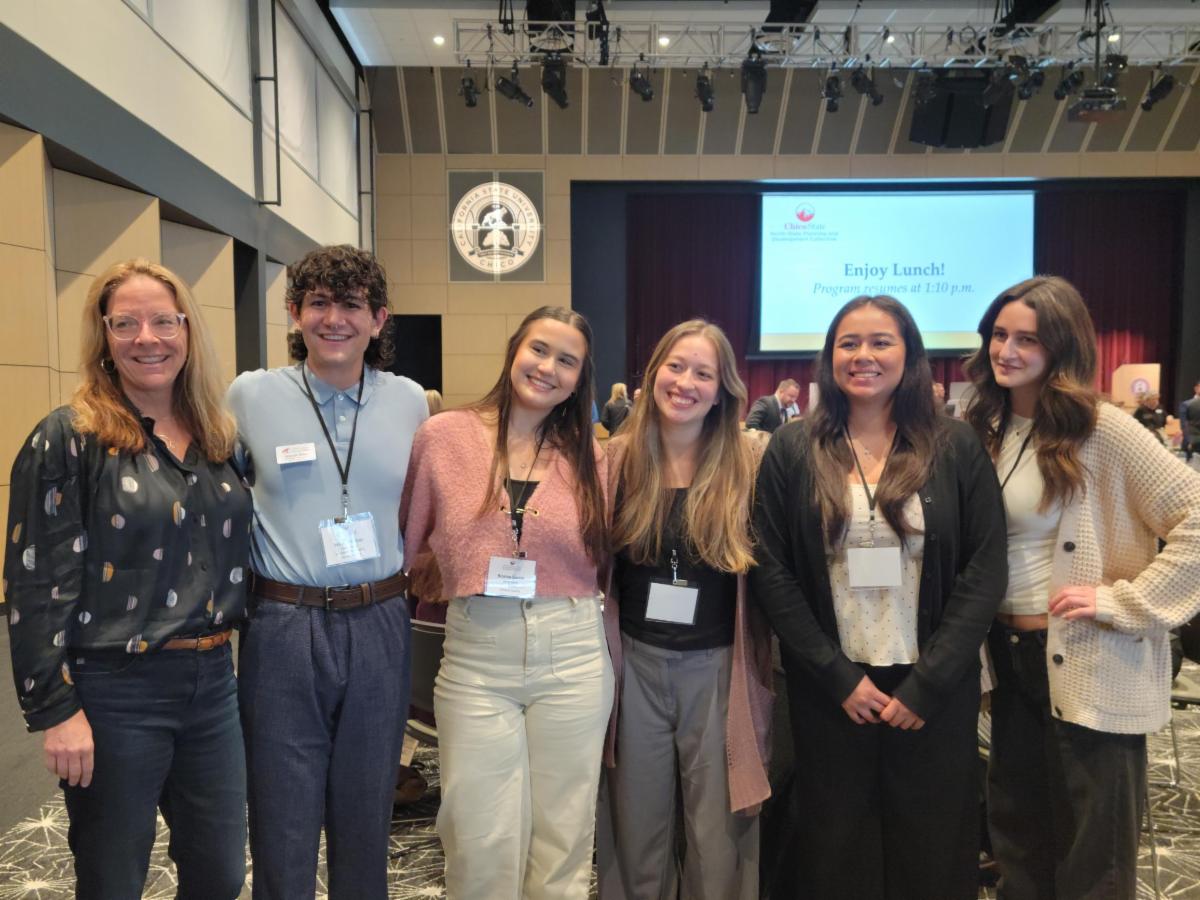
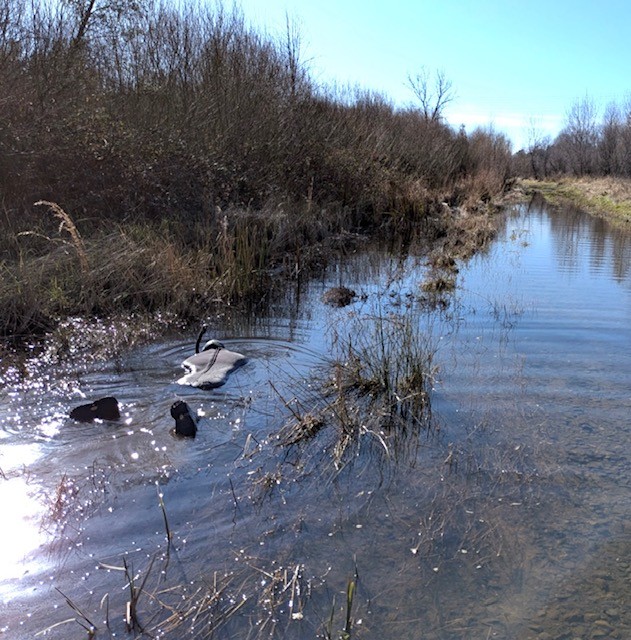
Photo: Guided by Daniel Pickard (center) from CSU Chico’s Aquatic Bioassessment Lab, Grad student Jordan Kruger (left) and undergrad Diego Reyna-Wood (right) practiced SWAMP field protocols in a restored channel during a field day last summer.
| |
From Vision to Funding: Creating a Grant-Ready Farm
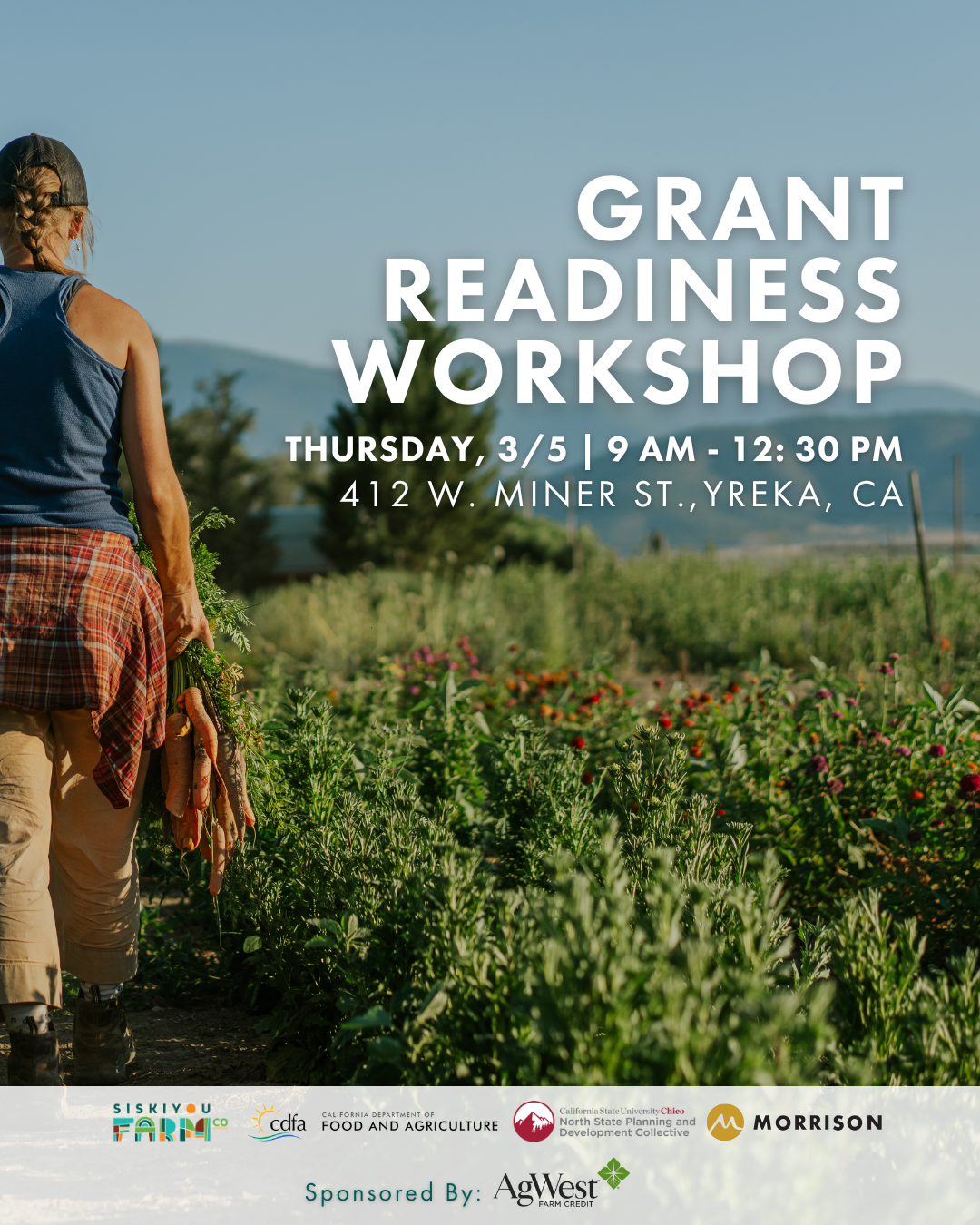
Join us for a half-day, in-person workshop designed to help farms and ranches prepare for grants and manage funding once awarded.
Thursday, March 5, 2026
9:00 AM to 12:30 PM
Siskiyou EDC, Yreka
Topics include grant readiness, grant management, and real-world lessons from producers who have successfully managed grants.
Hosted by Siskiyou Farm Co in partnership with Siskiyou EDC, the North State Planning & Development Collective, Morrison, and CDFA. Sponsored by Ag West.
Learn more and register: Grant Ready Workshop
| | | |
Digital Literacy Classes Address Skills Gap
Across North State
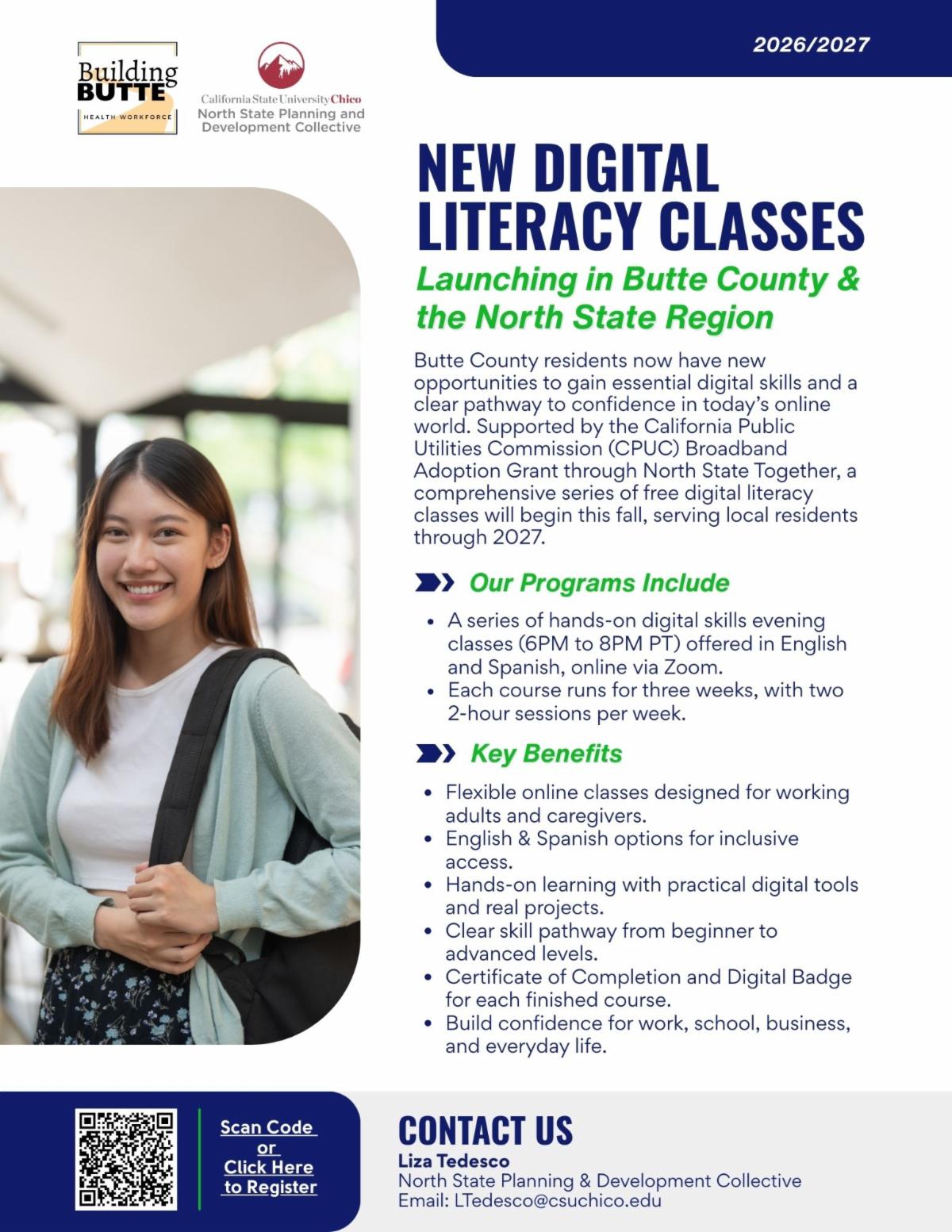
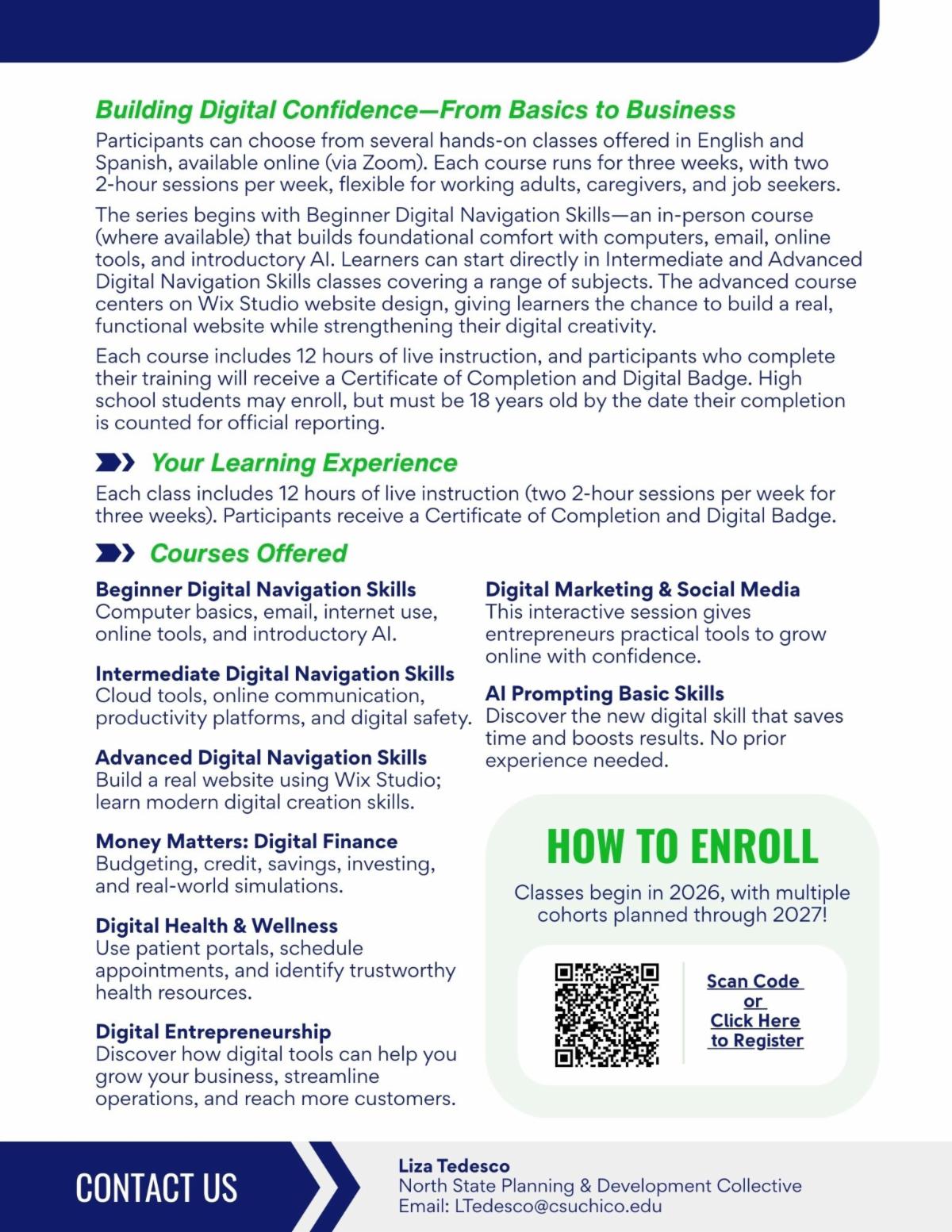
The Collective is pleased to partner on a series of digital literacy classes launching in March 2026, designed to build confidence and give users the tools they need to succeed in the digital world. For more details, see below. To view available dates and register, click here.
| |
|
Economic Forecast, Trends in Economic Development, Explored at 2026 Economic
Forecast Conference
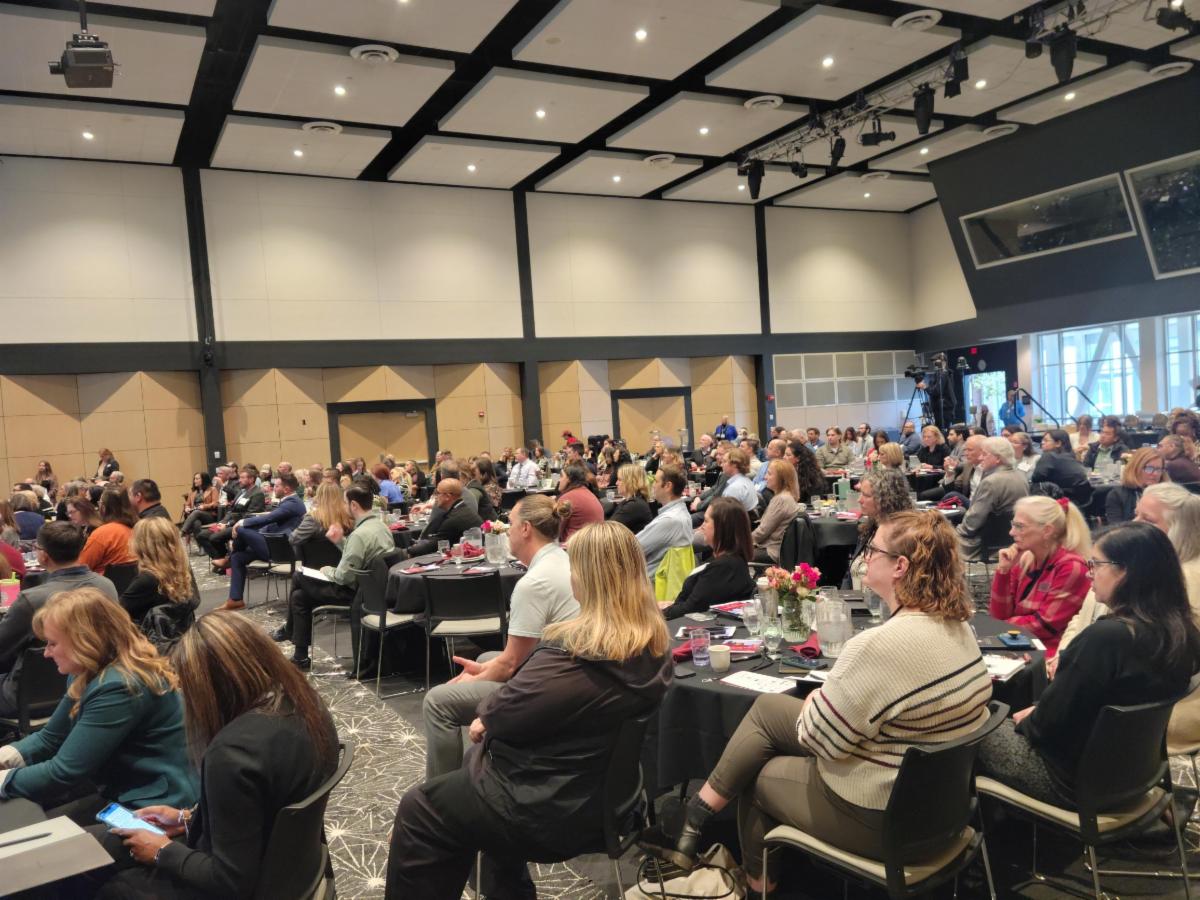
More than 300 leaders from across 13 North State counties came together January 15, 2026 for the Collective's annual Economic Forecast Conference.
"We are honored to convene and connect the region at this annual event, where we explore the economic trends, programs and policies affecting the North State" said Jason Schwenkler, Executive Director for the Collective.
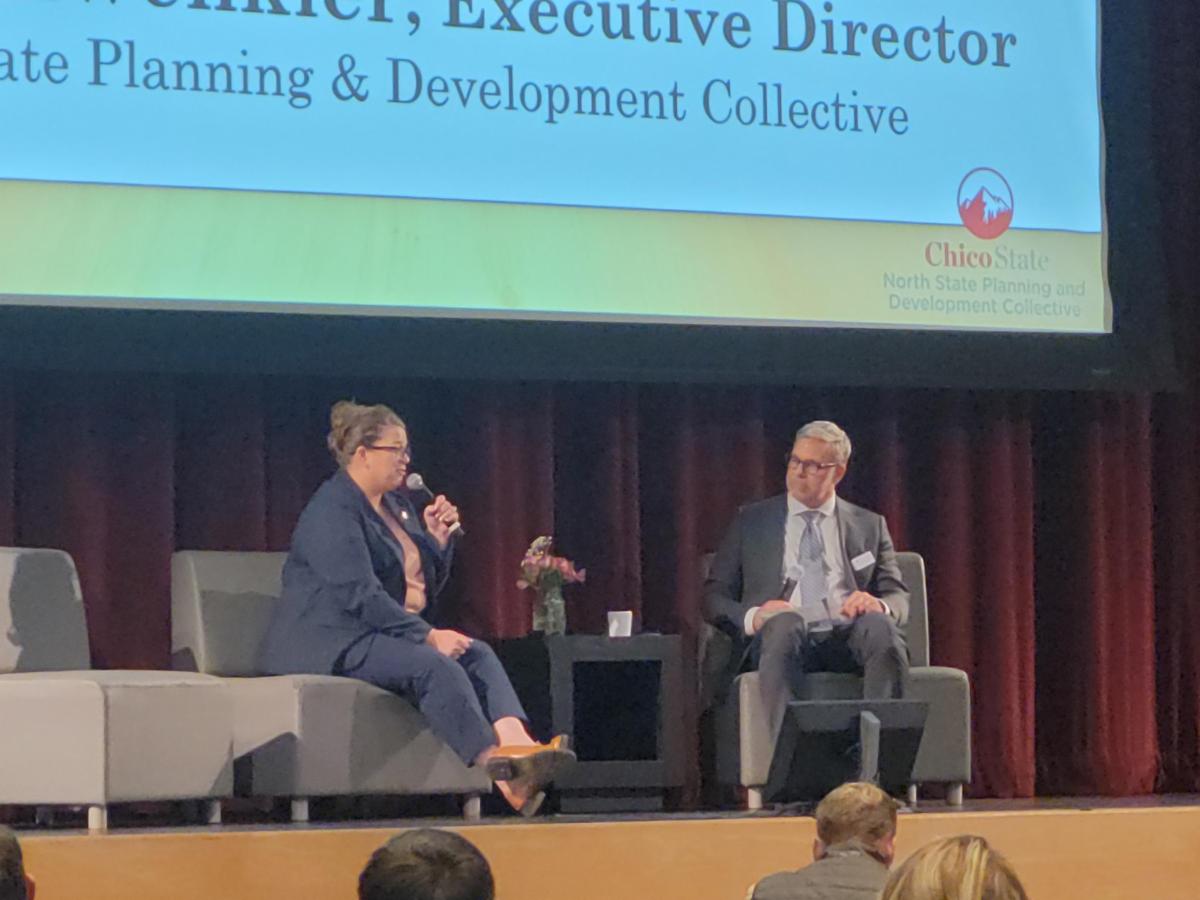
The event was held on the Chico State campus and online, and featured Economist Dr. Robert Eyler, Assemblywoman Heather Hadwick (pictured here with Schwenkler during the afternoon's Fireside Chat), California Secretary of Labor and Workforce Development Stewart Knox and Kate Gordon, CEO of California Forward. Regional speakers included Caleb Griffin from LARP and Josiah Jacobs of the Pit River Tribe who spoke on Food Security issues in the rural North State; Greg William, Founder and Executive Director of the Sierra Buttes Trail Stewardship who highlighted the Connected Communities program and Kathy Garcia, Executive Director of Expect More Tehama and Julie Carriere, Executive Director for Glenn 2 Greatness and Willows Unified School District's Community Schools who discussed Career Pathways in education.
Next year's event will take place Thursday, January 14, 2027 on the Chico State campus. To learn more, contact Alice Patterson.
Special thank you to our 2026 Presenting Sponsor:
| | |
Building Butte Team Explores Healthcare Pathways During First Session of 2026
Sixteen members of Building Butte gathered for their first strategy session of 2026 on February 6, paving the way for continued discussion and action in the coming year. Building Butte was formed in July 2023 as one of 10 county networks in the North State supported by North State Together’s K-16 grant. With the aim of building and highlighting educational pathways for students to access quality jobs, the network focus is on healthcare, specifically Allied health, nursing, and mental health. The group is led by a steering committee that includes representatives from Chico State, Butte College, CTE program at Butte County Office of Education, Chico Unified School District, Rural Healthy California, Enloe Health, Tribal Health, and Youth for Change.
"Identifying career pathways in health care that allow our youth to transition to quality jobs in our region is critical to a viable North State workforce," said Courtney Farrell, Assistant Director for the North State Planning and Development Collective. "Building Butte allows us to come together as a County to explore possibilities, challenges and solutions to these health care pathways," she said.
As its first project, the steering committee is currently working towards taking inventory of the healthcare programs and activities available to Butte County students. This includes healthcare programs at the high school level, CTE classes, and post secondary certifications and degree options.
The Network is especially taking care to include trainings or educational programs that provide instruction on weekends and evenings to accommodate non-traditional students. The inventory is being built out in Tableau as an interactive dashboard that will allow students and families access to career and educational information. The dashboard will also provide students and families with information about scholarships and wraparound services. Once complete, Building Butte will outreach to the communities in Butte County to ensure students, families, and schools are aware of the tool.
The next meeting of Building Butte takes place March 4, 2026. For additional information, email Liza Tedesco, Project Manager.
| | |
Tribal Caucuses and Trainings Strengthen Regional Coordination,
Planning Efforts
Through convening and facilitating Tribal Caucus meetings, the Collective, in conjunction with the Office of Tribal Relations at Chico State, is creating consistent space for Tribal leaders and staff to engage directly in regional planning discussions. This helps ensure Tribal priorities are reflected in initiatives coordinated by the Collective, including workforce development, restoration, hazard mitigation, and GIS planning efforts. The Caucus meetings strengthen government-to-government relationships, improve communication between Tribes and agency partners, and supports greater Tribal participation in regional funding and project development. This coordination leads to stronger alignment across jurisdictions and more effective project outcomes.
The Collective also offers GIS training opportunities tailored for Tribal staff to build internal capacity. Expanding access to mapping and spatial data tools helps Tribes advance land management, cultural resource protection and restoration efforts. Strengthening Tribal GIS capacity improves regional data accuracy and ensures Tribal lands and priorities are properly represented in broader planning efforts. This also reinforces data sovereignty and culturally appropriate data management practices. Together, these efforts demonstrate how we are strengthening Tribal sovereignty while improving regional coordination, collaboration, and long-term project implementation. For more information, email Thomas Mitchum, Tribal Liaison and Engagement Specialist.
| | |
Adaptive Restoration Program Helps Inform
The Future
Submitted by Chad Praetorius, Biologist and Rebekah Casey, Assistant Director, North State Planning and
Development Collective
Clear Creek is one of the few remaining places where threatened spring-run Chinook and steelhead still have a fighting chance. Restoration is underway, but just as important is the science guiding it. Through our partnership with the Yurok Tribe, the Collective's habitat restoration team is leading the wild fisheries monitoring strategy to assess restoration benefits for the fishery as a part of the Tribe's Clear Creek Adaptive Restoration Program (CCARP).
Spring-run Chinook salmon and steelhead evolved in cold, snowmelt-fed mountain streams. That cold, clean water is what allows them to survive, spawn, and rear successfully. Today, dams and water development have cut them off from much of their historic range, and both Central Valley spring-run Chinook and steelhead are now unfortunately listed as threatened. Clear Creek, just west of Redding, is one of the few places where these fish still have access to reliably cold water maintained through releases from Whiskeytown Dam. Spring-run Chinook enter the Sacramento River in the spring, typically between March and June, and begin moving into Clear Creek soon after. They hold in deep pools throughout the summer before spawning in the fall. Steelhead rely on the same cold water for winter spawning and for juvenile rearing that can last one to two years in the creek.
Our team participates as a core member of the CCARP team, a collaborative, tribally-lead technical team of experts and critical stakeholders, working across a five-year grant period (2024–2029). Within this framework, the Collective leads and supports botanical and fisheries surveys and effectiveness monitoring, including aquatic habitat availability and use, species assemblage monitoring, and juvenile salmonid rearing conditions. Before restoration actions move forward, our work establishes baseline conditions through habitat mapping and year-round surveys. After implementation, we return to those same reaches to measure how fish respond. By comparing pre- and post-project conditions, we generate the data needed to evaluate biological outcomes and inform future design decisions.
This is adaptive management in practice. What is learned on the ground shapes future design decisions. Underperforming features are modified, while elements that clearly benefit juvenile salmon and steelhead are repeated and strengthened. In this way, monitoring and restoration stay directly connected, and each phase builds on the last to support real recovery progress for threatened spring-run Chinook and steelhead in Clear Creek. Through our continued partnership with the Yurok Tribe and the project team members, the Collective continues to contribute to restoration efforts in our service region and analyze their benefits as measurable gains for the ecosystem and the long-term resilience of our Chinook salmon and steelhead populations.
| | |
Consortia Releases Preliminary Results of Broadband Workforce
Needs Gap Study
Issues around workforce demand, field readiness, training supply and post-disaster community challenges came to light as a result of a Broadband Workforce Needs Gap Analysis conducted by Consortia staff over the last year. The preliminary results were presented to regional Internet Service Providers (ISPs) at the February 25, 2026 ISP Roundtable meeting and include:
1: Broadband workforce demand is steady and local, but capacity is limited
2: Field readiness matters more than formal degrees
3: Training supply does not align with broadband workforce needs
4: Coordination gaps—not unwillingness—limit workforce development
5: Rural, Tribal, and post-disaster communities face compounded challenges
Summary implications indicate that employers are willing to hire locally, training partners are interested in expanding offerings, and governments support collaboration; however, without applied training pathways, retention supports, and sustained coordination capacity, workforce shortages will continue to be a challenge. For more details about the preliminary results, email Lily McGothern,
Project Manager.
CPUC Broadband Public Feedback Survey Now Available
The California Public Utilities Commission (CPUC) has launched the Broadband Public Feedback Survey. The survey gives residents an opportunity to report their experience with internet service at their home or business, including availability, speed, reliability, and affordability. This feedback will help improve California’s broadband maps and ensure that all communities, especially rural and underserved areas, are accurately represented. to take the survey, click here.
Upcoming CPUC Public Workshop
The California Public Utilities Commission, as part of its implementation of Assembly Bill (AB) 1665, holds annual public workshops to facilitate collaboration among regional consortia, stakeholders, local governments, existing facility-based broadband providers, and consumers regarding cost-effective strategies to reach unserved areas.
Upcoming Workshop
- Wednesday, April 22, 2026, 10:00 A.M. – 2:30 P.M.
- In Person: 505 Van Ness Ave, Auditorium, San Francisco, CA 94102 or
- Online via webcast or conference call-in number
Webcast: https://www.adminmonitor.com/ca/cpuc/
- Conference call-in: 1-800-857-1917, passcode 1673482#
To view the event flyer, click here
| | |
Get Connected Through
Human I-T!
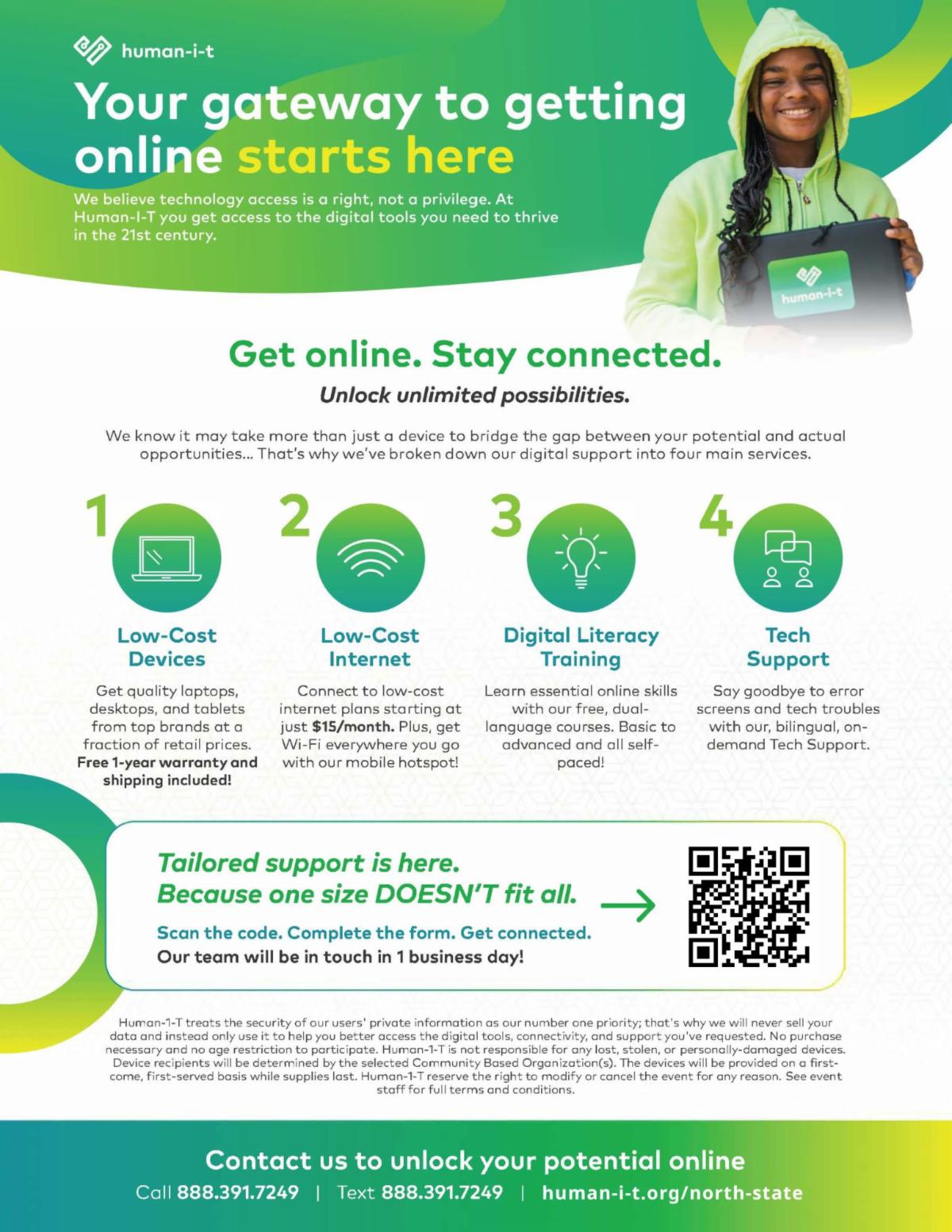
We're pleased to partner with Human-I-T to provide vital digital resources to families across our region. Together, we’re helping households gain access to tools that support growth, education, and connectivity.
What’s Available:
- Affordable high-speed internet
- Low-cost computers and tablets
- Free digital skills training
- Free tech support available in English and Spanish
- Qualified families may even receive a free laptop when they sign up for internet services!
Click here to learn more and sign up
| | | | |