Q1 2026 | The Conduit: Connected Solutions for a Better Built Environment | |
The Linear Diffuser Is the Wrong Size
That was the call.
The linear diffusers were on site.
Framing was complete.
Drywall was up.
And the installer was standing there asking what to do next.
Nothing was wrong with the product.
The submittals had been approved weeks earlier.
But the ceiling opening didn’t match how the diffuser was designed to install.
By the time anyone realized what had happened, the options were limited.
| | Building the Foundation: Where Linear Diffuser Issues Actually Begin | | As part of our Building the Foundation series, we’re stepping back to focus on the fundamentals that shape how HVAC systems get delivered — not just how they perform. | | |
When coordination issues arise around linear diffusers, they’re often blamed on late changes or field mistakes. In reality, most problems start much earlier — when installation requirements weren’t fully aligned with architectural conditions.
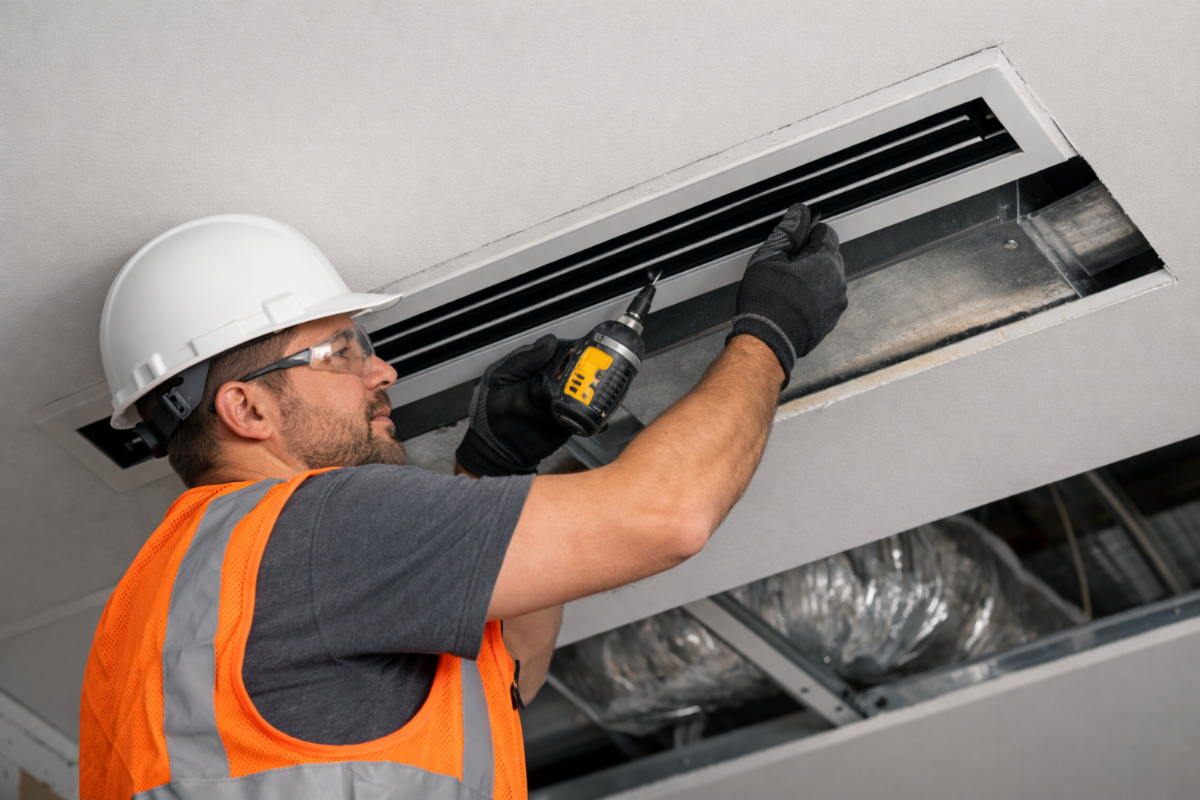
Linear diffusers are different from standard lay-in devices. They depend on:
- A specific ceiling opening size
- A defined mounting method (concealed, mud-in/tape & spackle, surface mount, lay-in T-bar)
- A plenum that often must be installed before drywall
- Coordination between mechanical, framing, and finish trades
Those are fundamentals — and they matter long before material is released.
| | Where the Confusion Usually Happens | | Fundamental Check: Linear Diffuser Coordination | | Before Linear Diffusers Are Released, Confirm: | | |
Application
Surface, Lay-In, Drop Face, Narrow Tee, Concealed Spline, Tape & Spackle
| | | |
Border Size
1/2", 9/16",
3/4", 1-1/8",
1-13/16"
| | |
Slot Configuration
How Many?
What Size?
| | | |
End Boarder Type
End Border, End Cap, Open End, Mitered Ends
| |
|
|
Why This Matters to Contractors and Facilities Teams
Understanding how linear diffusers actually install — not just how they look on plans — reduces downstream risk.
| | | | |
Contractors
For contractors, linear diffuser fundamentals affect installation sequencing, trade coordination, schedule certainty, and labor planning.
| |  | |
Facilities
For facilities teams, these fundamentals often resurface during renovations, tenant improvements, or ceiling modifications where original conditions don’t match drawings.
| | | Seeing the Fundamentals Makes Them Stick | | |
Fundamentals are easiest to understand when they’re visible.
Submittals and cut sheets contain the information — but they don’t always make installation sequencing obvious.
Seeing linear diffusers and plenums in person makes the differences between face size and ceiling opening size clearer. It also reinforces how mounting style affects framing, why plenums must be installed before drywall in certain applications, and where coordination most often breaks down.
Those small details are often the difference between a smooth install — and a reorder.
| | Build the Foundation Before the Ceiling Closes | | |
That’s why hands-on air distribution training matters.
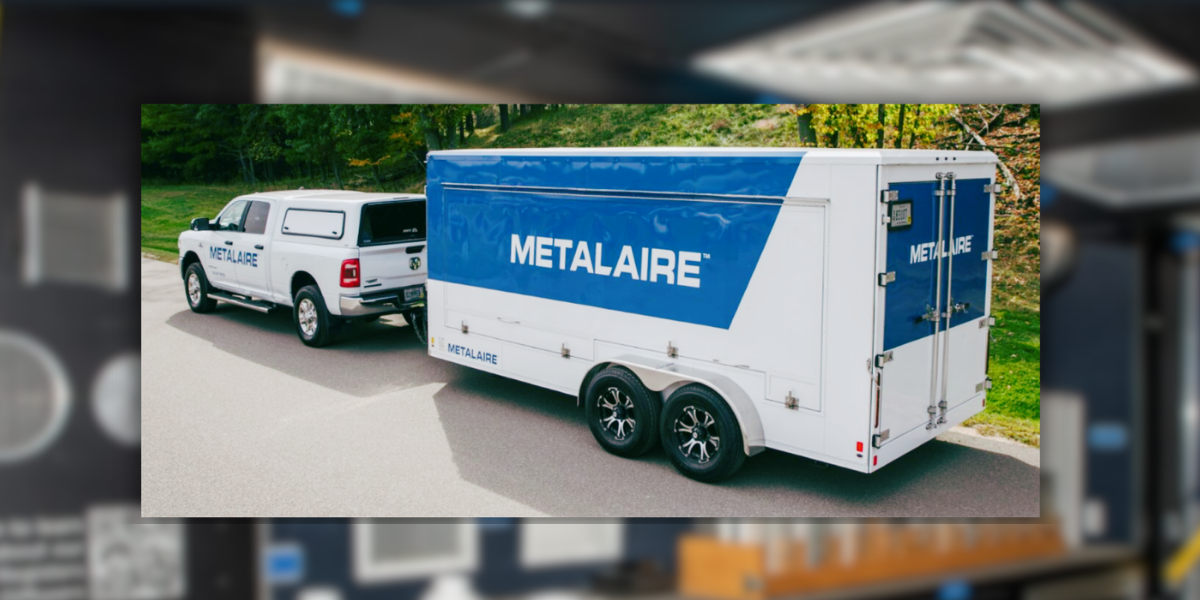
The MetalAire Air Distribution Trailer in Albuquerque and El Paso gives contractors and facilities teams the opportunity to review linear diffuser applications up close, ask coordination questions, and reinforce the fundamentals before they become field issues.
| | |
Register for the MetalAire Air Distribution Trailer
Experience dedicated air distribution training—right at our office—with the MetalAire education center on wheels. This interactive demo trailer offers a hands-on look at grilles, registers, diffusers, air terminal units, and solutions for healthcare, laboratory, and critical environments. Explore products up close, ask questions, and see how MetalAire supports modern HVAC design challenges.
| | Strong systems aren’t built on advanced features alone — they’re built on fundamentals. When installation details are aligned early, projects move smoother, costs stay controlled, and the finished space performs as intended. | | Varitec Solutions, a member of Daikin group | varitecsolutions.com | | | | | | |