Q1 2026 | The Conduit: Connected Solutions for a Better Built Environment | | When Cost Cuts the Vision | | |
Every project begins with intention.
Comfort. Health. Efficiency. Sustainability. A design that reflects both purpose and place.
Then construction begins.
Budgets tighten. Scopes narrow. Systems simplify.
| What once supported long-term performance often becomes whatever meets minimum requirements at the lowest first cost. | |
Most projects don’t fall into the same design-to-budgeting dismantling process because the goals were unrealistic or they failed to meet AIA objectives, ASHRAE code compliance or healthier built environments.
They struggle because tradeoffs happen without a shared understanding of what truly protects performance over time and how that performance will be measured easily acted upon.
| |
When performance isn’t defendable, it’s negotiable.
When goals are not easily actionable by the owner, they become ignored in the day to day.
| | |
These budgetary constraints often result from buildings not being evaluated as a whole. Buildings are not structures with mechanical systems are shoehorned into. They are “living” organic dynamic enclosures with the appropriate design parameters being applied to efficiently meet demand in every zone. These systems are actual relationships between enclosure, air, moisture, load, and occupancy.
When those relationships are value-engineered without shared alignment, the results are familiar:
- Spaces that technically meet temperature but still suffer from occupant discomfort
- Humidity issues that appear months after turnover
- Sustainability goals that are difficult, if not impossible, to verify
- Owners questioning whether the building performs as intended
The issue is rarely poor design. It’s that intent wasn’t tied to measurable outcomes early enough to survive budget pressure.
| | A Lesson From the Empire State Building | | | | |
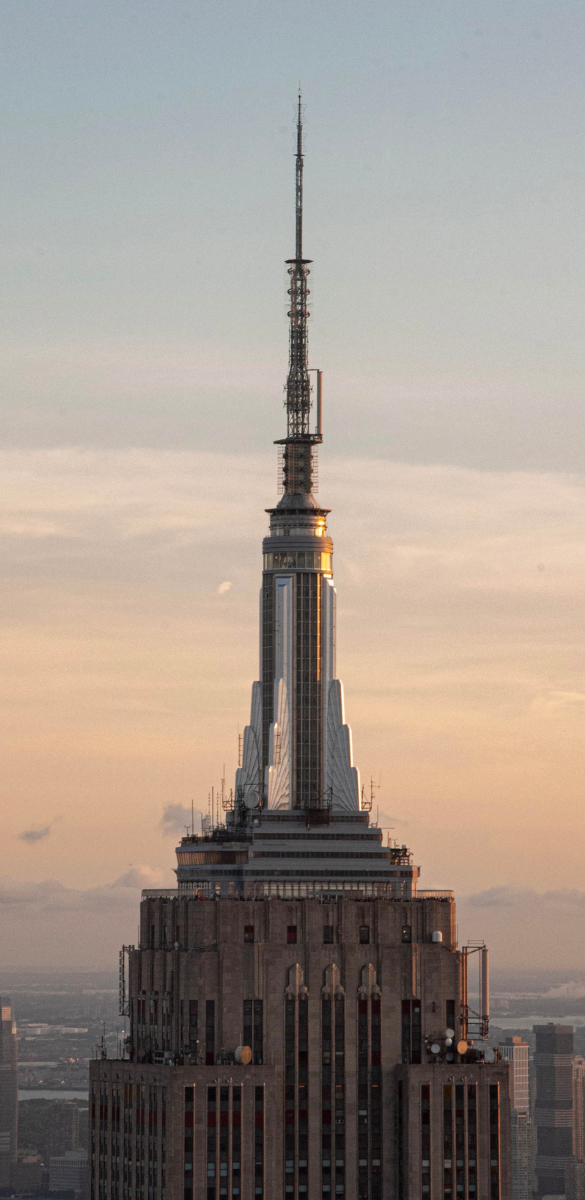
During its major retrofit, the Empire State Building team (owner, architect, and engineer) chose a deeper strategy rather than the lowest upfront cost. The goal wasn’t simply better equipment. It was measurable, long-term performance.
| |
The building ultimately achieved roughly 38% energy reduction and millions in annual savings.
But the real success was alignment. The team shared one objective...
Reduce long-term operating cost through the optimal equipment selection and, even more importantly, verifiable performance.
| |
Because the goal was measurable, it was defendable. Because it was defendable, it survived.
| | That mindset continues today through a whole-building analytics platform that uses operational data to sustain and refine outcomes alongside advances in AI to enable facilities teams and leadership to practically achieve these goals instead of just automating systems. | |
Turning Design Intent Into Defendable Outcomes
| | |
In the end, it comes back to numbers — Engineers see it through psychrometrics: temperature, indoorhumidity, dew point, airflow, and load relationships. Architects see it through energy targets, operational efficiency, and how well a space supports the people inside it.
These decisions ultimately translate into real outcomes: stable comfort, controlled humidity, predictable operating cost and fewer complaint calls.
When outcomes are visible and shared, value engineering becomes a process of protecting performance instead of stripping it away.
| | Steps to Keep “Too Expensive” From Ending the Conversation | | |
DEFINE
a clear energy and performance target and why it matters. Show what the decision protects over time, energy use, IEQ, complaints, operational risk.
| | |
ALIGN
architect, engineer, contractor, and owner before pricing drives decisions. A united front keeps messaging clear.
| | |
DECIDE
how performance will be measured after occupancy. It’s harder to value-engineer outcomes than line items
on a proposal
| | |
CLARIFY
a clear energy and performance target and why it matters. Show what the decision protects over time, energy use, complaints, operational risk.
| | |
COORDINATE
systems and controls together, not in isolation. Coordinate disciplines around shared performance goals, not isolated scopes and as one building, not separate trades.
| | |
Small shifts in framing can preserve intent
| | |
Let’s Talk Before the Opportunity Is Gone
We offer 1:1 educational conversations designed to help owners and architects think through these tradeoffs early while there’s still room to protect performance.
| | |
1:1 Building Performance & Environmental Impacts
A practical discussion on how air, moisture, and temperature interact in real buildings and what matters most to preserve long-term outcomes.
| |  | |
1:1 Buildings Drive Business Results AI for the Future
A forward-looking conversation on how analytics and machine learning can help maintain design intent, verify performance, and support better decisions beyond turnover.
| | | |
If you’re tired of watching good intentions get stripped away and want buildings that quietly do what they were designed to do, this conversation is designed for you.
Let’s protect what matters most.
| | Varitec Solutions, a member of Daikin group | varitecsolutions.com | | | | | | |