| |
| |
|
A Message From Our CEO, Amy Sugimoto
Honoring the Heart of Kinship Care: Celebrating National Kinship Care Month
Dear Friends & Supporters,
September is National Kinship Care Month — a time to honor the grandparents, relatives, and close family friends who open their hearts and homes to children when parents are unable to care for them. These unsung heroes play a vital role in keeping families together, preserving cultural ties, and reducing the trauma that comes with family separation.
A New Law, A New Focus
With the passage of Assembly Bill 562 in January 2026, California made a significant commitment to kinship care. The law prioritizes placing foster youth with kin before entering the foster care system, giving counties 30 days to identify and secure a kinship caregiver before a child is placed in a traditional foster home. This is a meaningful step forward in ensuring children remain connected to those who love them most.
The Scope of Kinship Care
Across the United States, approximately 2.5 million children are being raised by kinship families. The caregivers behind these households are often:
- Grandparents aged 60 or older (59.5% of kinship caregivers)
- Women (approximately 63% of grandparent caregivers)
- Families navigating economic hardship, with 18.3% living below the poverty line
These numbers remind us that kinship caregivers take on an enormous responsibility — often unexpectedly and with limited resources.
How We're Helping: Kinship Allies
We created the Kinship Allies program because we believe every kinship caregiver deserves support. Through this program, we provide navigational resources, emergency funding, and ongoing guidance to help caregivers confidently step into their new role. We know the challenges are real, and we're here every step of the way.
This month, we celebrate and honor every kinship caregiver who shows up — day after day — for the children in their care. You are making a difference that lasts a lifetime.
Gratefully,
| | | | | |
| |
| |
Bite Nite: Step Into Palm Royale
Have you gotten your tickets yet? Our Second Annual Bite Nite is coming Friday, September 25, transporting you to the sun-drenched glamour of the 1960s Palm Royale — all in support of foster youth, at-risk teens, and families in need across our community.
Your all-inclusive ticket covers exquisite bites from twenty of the region's finest restaurants, vintages from renowned wineries, and a classic cocktail from our Old-Fashioned Bar. Bid on exclusive live and silent auction items, enter the raffle, and dance under the stars to classic hits from a live DJ.
📅 September 25, 2026 | 5:00 – 10:00 PM
📍 Rocklin Event Center | 2650 Sunset Blvd, Rocklin
🎟️ Click HERE to purchase your ticket
We still need volunteers! Grab your friends, family, and colleagues and support youth in foster care by signing up HERE.
| | | | |
| |
|
Learn to Recognize a Suicide Crisis
You don't have to be a CASA to make a difference in a young person's life. Whether you're a parent, neighbor, teacher, coach, or simply someone who cares about the kids in your community, Question, Persuade, Refer (QPR) training can give you the tools to recognize a suicide crisis and respond with confidence and compassion.
Suicide is the second leading cause of death among adolescents in California, and youth in foster care face an even greater risk. But intervention can make a difference. Knowing the warning signs—and knowing what to do when you see them—can help connect a young person to the support they need.
Often described as mental health CPR, QPR can be learned in just one to two hours. Like CPR, it equips everyday people to recognize a potentially life-threatening situation, take action, and connect someone with professional help.
The training focuses on three simple steps:
-
Question. Learn what to ask and how to ask it. You don't need to be a therapist to have a direct, caring conversation with someone you're concerned about.
-
Persuade. Learn how to encourage someone experiencing a crisis to accept help, even when they may be hesitant or resistant.
-
Refer. Know how to connect someone with the right local resources, crisis lines, and professional support.
To Write Love on Her Arms (TWLOHA) is offering QPR training for $20, with sessions available September 2, 3, 9, and 15. Register here.
| | | | |
| |
|
Building Better Matches: A New Approach to Volunteer Intake
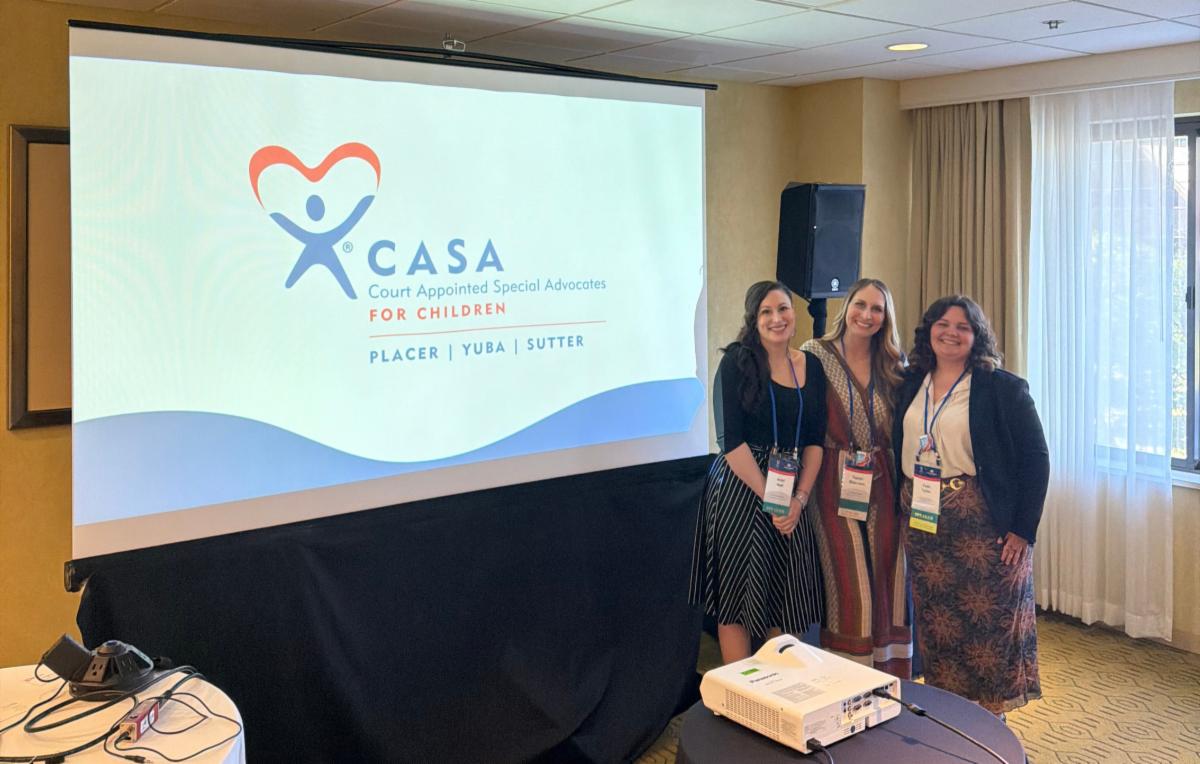
Last week, our team took "More Than a Match" to the California CASA State Conference. Taylor Baierlein, Ariel Neff, and Faith Lyles presented on how CASA of Placer, Yuba & Sutter is rethinking the way we match volunteers with children.
The change starts at intake. Rather than introducing volunteers to a case file, we introduce them to a child: their personality, their interests, what they're looking for in a CASA. It's a shift from paperwork to people.
That shift matters. When a match is built around who a child actually is, not just the facts of their case, the relationship has a stronger foundation from day one. Volunteers feel more prepared. Children feel more seen. And a well-matched advocate is a volunteer who stays.
We're proud to share this work with CASA programs across the state, and even prouder of what it means here at home: better matches, deeper relationships, and better outcomes for the children in foster care we serve.
| | | | |
| |
|
Volunteer Spotlight
Honoring CASA Clare Owen-McComas
Since joining us in 2024, Clare has made a meaningful and measurable difference in the lives of the families we serve. Her work is grounded in two important commitments: building genuine relationships with families and equipping them with practical skills that can strengthen their futures.
Clare’s initiative and expertise led to the creation of Rise and Thrive, our Financial Literacy Group. Through this program, she draws on her own knowledge and experience to help families build financial confidence and develop practical tools for managing their finances. Rise and Thrive exists because Clare saw a need, took the initiative to address it, and has continued to invest her time and energy in making it successful.
Clare’s impact extends beyond her direct work with families. As a trusted advisor to the Family Services team, she shares her professional perspective and experience generously, helping strengthen the team’s ability to support the families we serve. Her willingness to collaborate, share knowledge, and support her colleagues is an important form of leadership.
What stands out most about Clare is her consistency. She shows up, follows through, and brings both expertise and genuine care to every interaction—with families and with the colleagues alongside whom she works.
We are deeply grateful for Clare’s contributions to Family Services and, most importantly, to the families we have the privilege of serving.
*Clare is pictured in the photo alongside her husband, Eddie.
| | | | |
| |
1️⃣ Talking About Suicide: Awareness and Resources
September is Suicide Awareness and Prevention Month. This presentation will include information on warning signs, an explanation of safety plans, resources, and a refresher on steps to take if your youth is expressing that they are suicidal. We will also hold space for candid discussion about engaging in these hard conversations about mental health with the youth we serve.
September 22, 5:30 PM – 7 PM
Yuba City Office: 1634 Poole Blvd, Suite 200
Register HERE
2️⃣ Family Connections: How Important is Family to the Youth We Serve?
Volunteers will learn why kinship and connection are essential to positive outcomes for youth, including increased stability, belonging, and long‑term well-being.
- Learn about Placer County’s approach to identifying, engaging, and supporting lifelong connections—through family finding and engagement.
- Learn how CASA's Family Services and Kinship Services support this.
Walk away with practical strategies every CASA volunteer and CASA case manager can utilize to help strengthen a youth’s connection with family.
September 23, 5 PM – 6:30 PM
Roseville Office: 1430 Blue Oaks Blvd, Suite 260
Register HERE
| | | | |
| |
| |
| |
|
What Research Says About One Consistent Advocate
A new study published in Frontiers in Psychiatry reviewed 61 recent studies on child welfare outcomes and found a clear theme: stability and secure relationships matter. When children have consistent adults in their lives and coordinated support, outcomes improve across mental health, education, and social functioning.
Children in foster care face some of the greatest challenges across these areas. Only about half complete secondary school on time, compared with 80% of peers who have not been involved with the child welfare system. But the research also points to something powerful: supportive, consistent relationships can make a difference.
This is at the heart of what CASA volunteers provide.
A CASA volunteer is a consistent voice throughout a child's case—someone who gets to know their story, shows up, connects the dots between services, and advocates for what they need. While a child may experience changes in placements, schools, caseworkers, and other professionals, their CASA can remain a steady presence.
For children in Placer, Yuba, and Sutter counties navigating foster care, that stability can mean the difference between fragmented services and coordinated care, between feeling overlooked and feeling known, and between isolation and belonging.
One consistent relationship can help a child feel that they are not navigating foster care alone.
Read the full study →
| | | | |
| |
|
Right now, more than 70 children in our community’s foster care system are waiting for one person to show up for them.
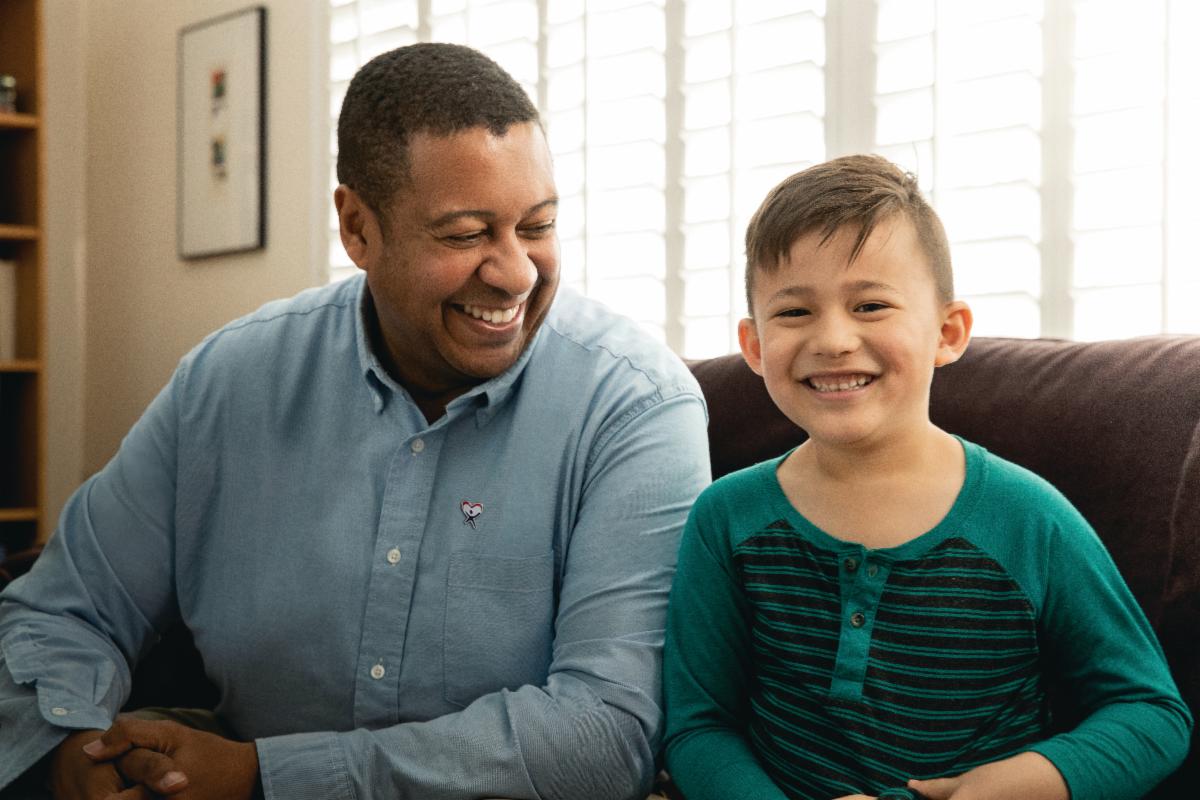
Not a therapist. Not a caseworker. Just one steady adult who remembers their favorite color, shows up to their soccer game, and tells the judge what actually matters to this kid.
Kids with a CASA volunteer are half as likely to re-enter foster care. One consistent, caring adult changes the whole story/
You don't need special credentials. You just need to care about showing up. Email Dana at dana@casaconnect.org to learn more.
| | |
Roseville
1️⃣ October 2026
Dates: Saturdays, October 3 & 10
Time: 9:00 AM – 3:30 PM
Graduation: October 14, 8 AM – 1 PM
2️⃣January 2027
Dates: Saturdays, January 9 & 23
Time: 9:00 AM – 3:30 PM
Graduation: January 27, 8 AM – 1 PM
| |  | |
Yuba City
1️⃣ October/November 2026
Dates: Saturdays, October 24 & November 7
Time: 9:00 AM – 3:30 PM
Graduation: November 12, 8 AM – 1 PM
2️⃣ January 2027
Dates: Saturdays, January 16 & 30
Time: 9:00 AM – 3:30 PM
Graduation: February 4, 8 AM – 1 PM
| | | | |
| |
|
Bring CASA Programs to Your Community
Want to learn more about the CASA volunteer role and how our advocates serve children in foster care in Placer, Yuba & Sutter counties?
We can come to your organization, business, or group.
Contact us to request a presentation, and we'll work with you to find a time that works.
| | | | |
| |
| |
|
Interested in what it takes to be a CASA volunteer? Join us for Coffee with a CASA — where current volunteers share the real moments, challenges, and joys of standing up for youth in foster care.
Yuba City Office: Friday, October 2, at 12:00 PM
1634 Poole Blvd Ste 200, Yuba City
Click HERE to RSVP
Roseville Office: Friday, November 13, at 12:00 PM
1430 Blue Oaks Blvd, Ste 260, Roseville
Click HERE to RSVP
| | | | |
| |
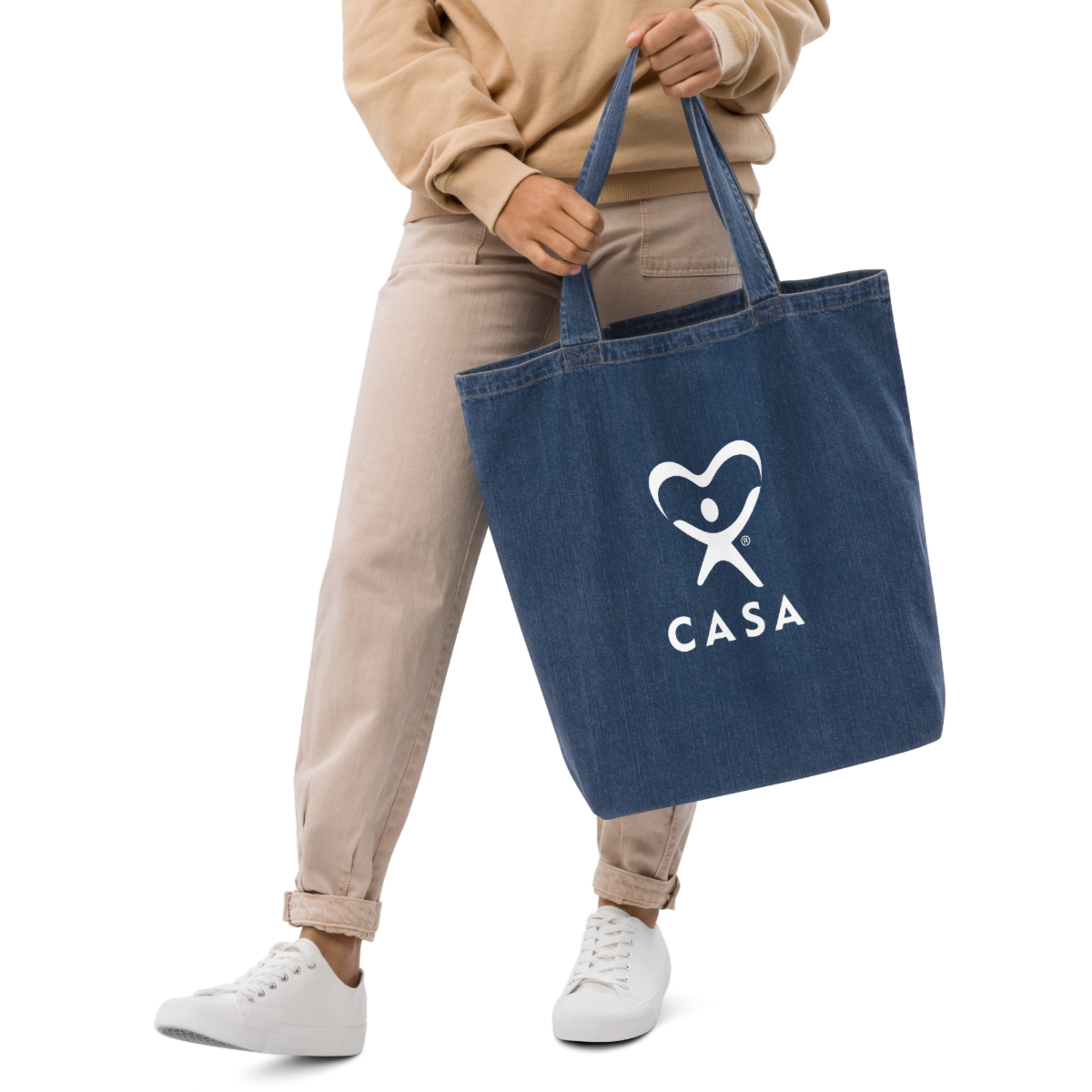
Wear Your Why: The CASA Gear Shop
Looking for a way to show your support for foster youth, at-risk teens, and families in crisis? The CASA Gear Shop has you covered.
Shop the CASA Gear Shop
| | | | |
| |
| |
| |
|
Help Is Available: Community Assistance Programs
Families facing financial strain, food insecurity, or other challenges can find help through local assistance programs. This resource lists trusted community partners offering food, medical and dental care, utilities, housing, and family support services — with eligibility information and direct links to get you connected quickly.
| | | | |
| |
Volunteer Resource: Free & Low-Cost Activities
Looking for budget-friendly ways in Placer County to connect with your CASA youth or family in May?
Click HERE for some simple ideas.
| | | | |
| |
|
State funding cuts have created a waitlist for CASA services, and we need your help to change that. Monthly giving is one of the most powerful ways to ensure foster youth and at-risk children get the support they need, when they need it.
Read More →
| | | | |
| |
| |
| |
What We Do
Every program is built on one belief: connection changes lives.
We offer programs to advocate for children in crisis, strengthen families, and create lasting change — including CASA advocacy, Be Bold mentorship, Family Services, K9s 4 Kids therapy dogs, the CASA Store, and Extracurricular Activity Grants.
Read More →
| | | | |
| |
The People Behind the Mission
Our team is united by a shared commitment to advocacy, connection, and empowerment.
Amy Sugimoto – Chief Executive Officer
Tina Rivera – Senior Operations Director
Erin Anthony – Director of Marketing & Recruitment
Taylor Baierlein – Youth Services Director
Katja Pollmann – Community Engagement Director
Julia Boal – Community Engagement Manager
Dana LoSchiavo – Volunteer Engagement Manager
Ariel Neff – Senior Program Manager
Selena Owen – Family Services Program Manager
Stacy Sewell – Training Manager
April Williams – CASA Operations Manager
| | |
Flor Castellanos – CASA Case Manager
Hannah Clyde – Family Services Program Supervisor
Preston Doyle – Be Bold Case Manager
Aaron Fernandez – Office Administrator
Rhonda Logar – CASA Case Manager
Faith Lyles – CASA Program Supervisor
Heather Manley – CASA Case Manager
Tanya Mark – Family Services Case Manager
De Anna Martin – Family Services Case Manager
Cynthia Matthews – Be Bold Case Manager
Faye Mayer – CASA Case Manager
Ashleigh Monanino – CASA Case Manager
Vickie Nichols – Be Bold Case Manager
Lauren Muhoberac – Be Bold Case Manager
Katie Rineer – CASA Case Manager
Kara Wilson – Volunteer Engagement Coordinator
| | | | |
| |
| |
| |