"Building our Tomorrow, Starting Today!" |
|
Greetings!
Thank you for subscribing to the City of San Diego Development Services Department's (DSD) Construction Insider, a seasonal newsletter containing a collection of articles to keep you up to date on new department programs and other helpful industry news.
|
|
Pair of Revered DSD Employees Retiring on the Same Day |
|
|
|
Tim Daly and his wife, Cecilia |
|
This Friday, Dec. 10, the City will say farewell and fond wishes to two irreplaceable employees from the Development Services Department (DSD). Deputy Director PJ FitzGerald is retiring after 31 years of service, and Assistant Deputy Director Tim Daly is retiring after 25 years.
PJ FitzGerald
As deputy director of the Cannabis Business Division (yes, the acronym is CBD), PJ FitzGerald has been responsible for processing cannabis land-use entitlements and permits, policy implementation, grant solicitation and administration, and spearheading code enforcement/operational compliance for the new division. Additionally, she helped develop and administer the program, including coordination with the State on cannabis business licensing, Cannabis Business Tax support to the City Treasurer, and outreach and communications supporting authorized cannabis businesses within the City limits.
PJ started her sterling career with the City as a junior planner, handling development permits in the Planning Department. In 1992, this section separated from the Planning Department and moved over to DSD, which was brand new at the time. PJ became the first development project manager when that position was created in 1997 and stayed with the Project Management team for almost her entire career, rising through the ranks to become the assistant deputy director, eventually leading the team. She served in that role until last year, when she became the City's first CBD Deputy Director.
"I've always enjoyed the nuts and bolts of the job – the challenge of helping customers get their projects through the permit process, finding workable solutions in what can seem like a regulatory labyrinth, she says. "Above all, DSD has been a tremendous place to craft a meaningful career and curate lifelong friendships with talented and dedicated coworkers. After all these years, DSD is family to me."
Reflecting on her long career, a special highlight is the redevelopment of the former Naval Training Station, now Liberty Station. "It's a huge source of pride," says PJ, "and worth every late-night and contentious public hearing." Her daughter Gwendolyn affectionately became known as the "NTC Baby" because PJ was pregnant with her throughout the early approval process 20 years ago.
"Then, as she grew up, and the former military base transformed into a new community, we would mark milestone achievements for both Liberty Station and Gwen with things that were happening," she recalls. "NTC Baby starts kindergarten, NTC Baby starts high school, gets driver's license, goes to prom, and eventually, NTC Baby goes to college!"
PJ is looking forward to more time traveling, camping, cooking, and visiting her four siblings on the east coast. She'll also spend more time with family, including Chris Zirkle (also a City retiree), their son Konrad, 22, and "NTC Baby"/daughter Gwendolyn, who turns 21 next month.
Tim Daly
Tim Daly's quarter-century with the City started with a two-year stint as a project assistant for the Metropolitan Wastewater Department, now part of the Public Utilities Department (PUD). He spent the next 22 years as a development project manager for DSD. During the last 14 months in his current role as assistant deputy director, he has been responsible for the day-to-day management of 34 professional and administrative positions supporting the project management of discretionary projects for land-use entitlement processing. These include specialized programs for Affordable, Infill Housing and Sustainable Buildings Expedite Program, Public Projects and Wireless Communication Facilities permitting.
"I've enjoyed seeing new improvements and developments come to fruition and then be enjoyed by the public," Tim says. "It's also been great working with other City staff with the same goals to make San Diego an even better place to live, work and play."
Prior to his role here in the City, Tim was worked as a consultant for PUD. He is also a retired senior master sergeant, U.S. Air Force Reserve, where he served for 24 years of combined active duty and reserve service in California, Hawaii, South Korea, Japan, Guam, Alaska and recently Arizona serving as a civil engineering superintendent.
In retirement, Tim will enjoy the extra time to spend with his wife Cecilia (whom he met 19 years ago as a City coworker), his daughter Shannon, who is local, and son Kyle, who lives in North Carolina. He probably won't miss any soccer games or cross country meets for his stepson Evan, a senior at Saint Augustine High School. Add to that list cooking, golfing, surfing, enjoying the beach and beautifying his yard. Suffice to say that Tim is looking forward to dipping his toes into well-rounded ways to spend his days!
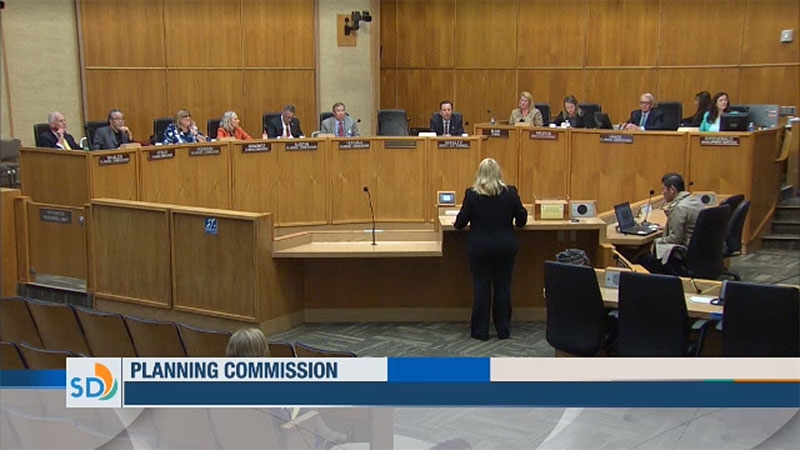
"PJ and Tim combined have spent 56 years with the City," says DSD Director Elyse Lowe. "Their accomplishments are both measurable—they presided over a total of 136 Planning Commission hearings —and immeasurable, in terms of the positive impact they had on their coworkers and their customers. On behalf of DSD, I congratulate PJ and Tim on a job well done, and I wish them many years of good health and good times with family and friends."
|
|
Temporary Becomes Permanent with City Council's Adoption of 'Spaces as Places' |
|
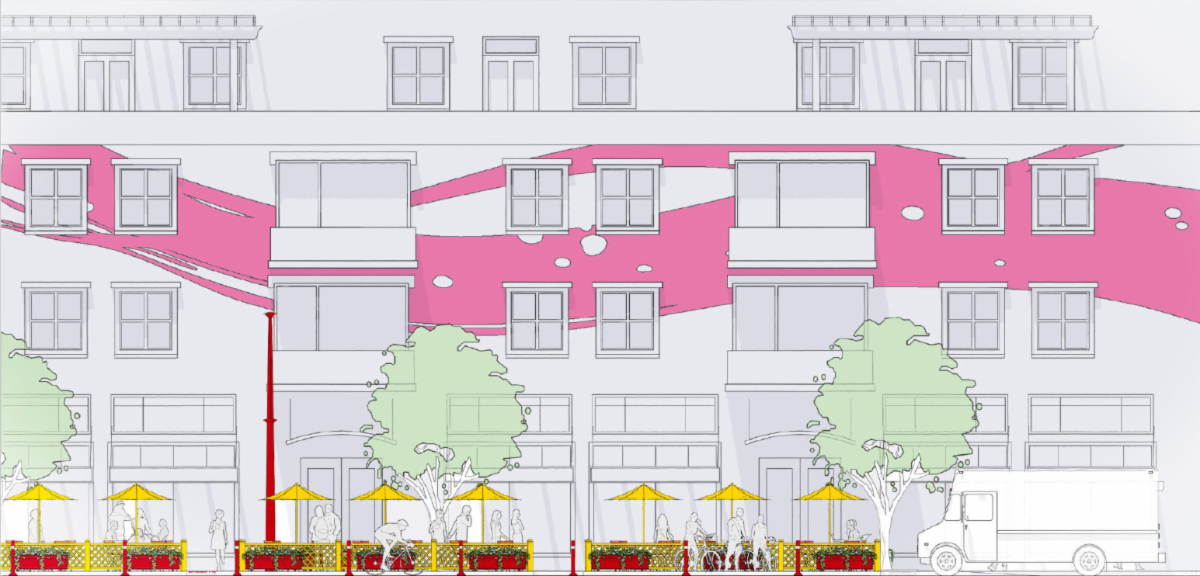
Spaces as Places, an innovative solution to allow businesses and institutions to continue occupying outdoor public spaces in the public right-of-way and private property that were temporarily approved for use in response to the COVID-19 pandemic, has been approved by the City Council.
Devised as a way to transition temporary spaces into permanent facilities with established design and safety standards, the program offers a menu of options to allow for the creation of outdoor areas for dining, walking, biking and other activities. The program targets businesses in traditionally under-served communities to ensure outdoor dining investments and bicycle and pedestrian improvements are equitably distributed across the City.
The City anticipates accepting applications for the new Spaces as Places program by the end of December. The deadline for permitted Temporary Outdoor Business Operations (TOBO) to obtain a Spaces as Places permit is July 13, 2022. After this date, TOBO permits will expire. Learn more.
|
|
Governor Calling for Redevelopment of State-Owned Site into Mixed-Use Community |
|
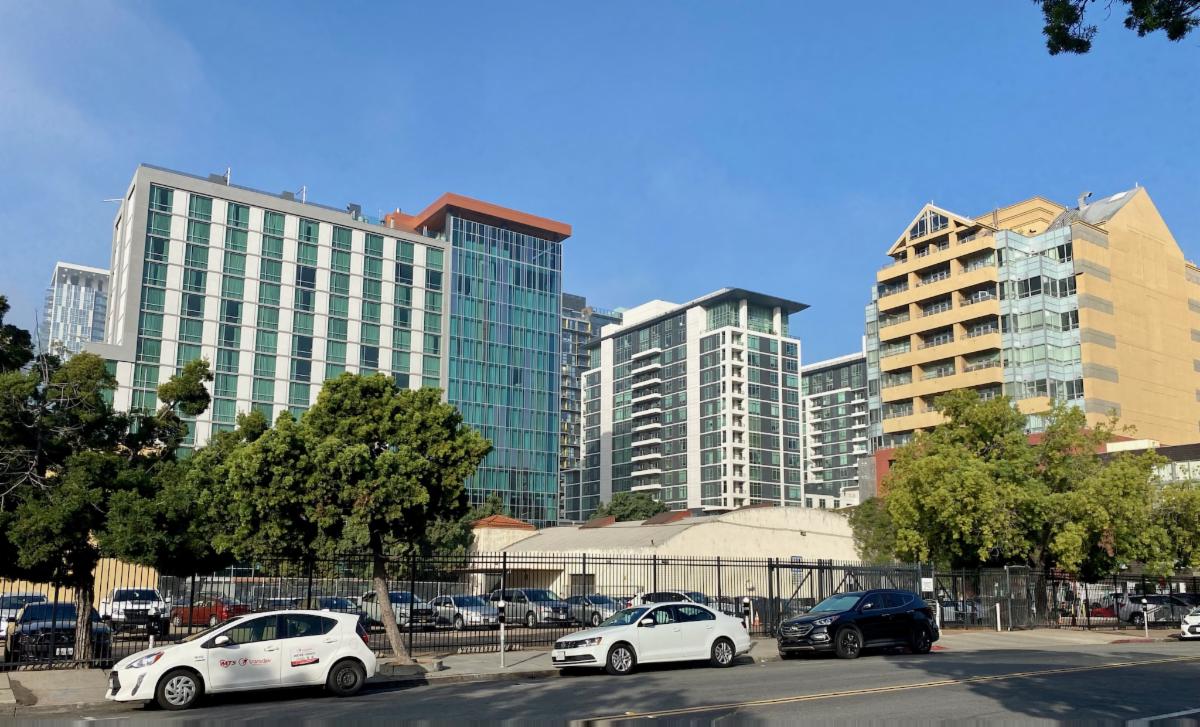
The state of California has issued a request for qualifications for developers capable of redeveloping a state-owned site consisting of two city blocks in downtown San Diego into a mixed-use community. The 2.7-acre site, located at 1350 Front Street, is available because of a 2019 Executive Order signed by Gov. Gavin Newsom.
In partnership with the state, San Diego is also committed to leveraging public lands to tackle the affordable housing crisis. In that spirit, respondents are encouraged to consider Mayor Todd Gloria’s "Homes For All of Us," a major package of initiatives aimed at producing more homes across the City that residents of all income levels can afford.
Interested developers must attend a pre-submittal mandatory meeting on Dec. 7, 2021. Responses to the Request for Qualifications are due Feb. 3, 2022. Read more.
|
|
'Homes For All of Us' Aims to Create Housing Opportunities for all San Diegans |
|
As part of a commitment to tackle the housing crisis and create housing opportunities for all San Diegans, “Homes For All of Us” is a major package of initiatives aimed at producing more homes across the City that residents of all income levels can afford.
"A roof over your head at a price you can afford is the goal of this housing package,” said Mayor Todd Gloria. “Whether you’re a senior who has lived in San Diego for decades or you’re a student getting an education from one of our world-class universities, I want to make sure that there is a future for you here.”
The City’s Planning Department is working on proposed initiatives to expedite the creation of housing options throughout the city for everyone, regardless of age, income or neighborhood. Read more.
|
|
City Offers Rebate to Those Who Convert Lawns |
|
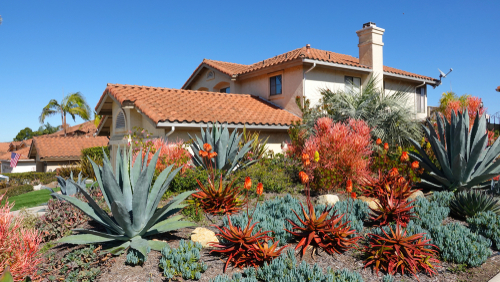
Did you know that keeping a lawn green requires an estimated 44 gallons of water per square foot per year? Luckily, the City offers a $1.25 per square foot rebate to those who convert their lawns. Learn more.
|
|
Barrio Logan Community Plan Update to be Considered by City Council |
|
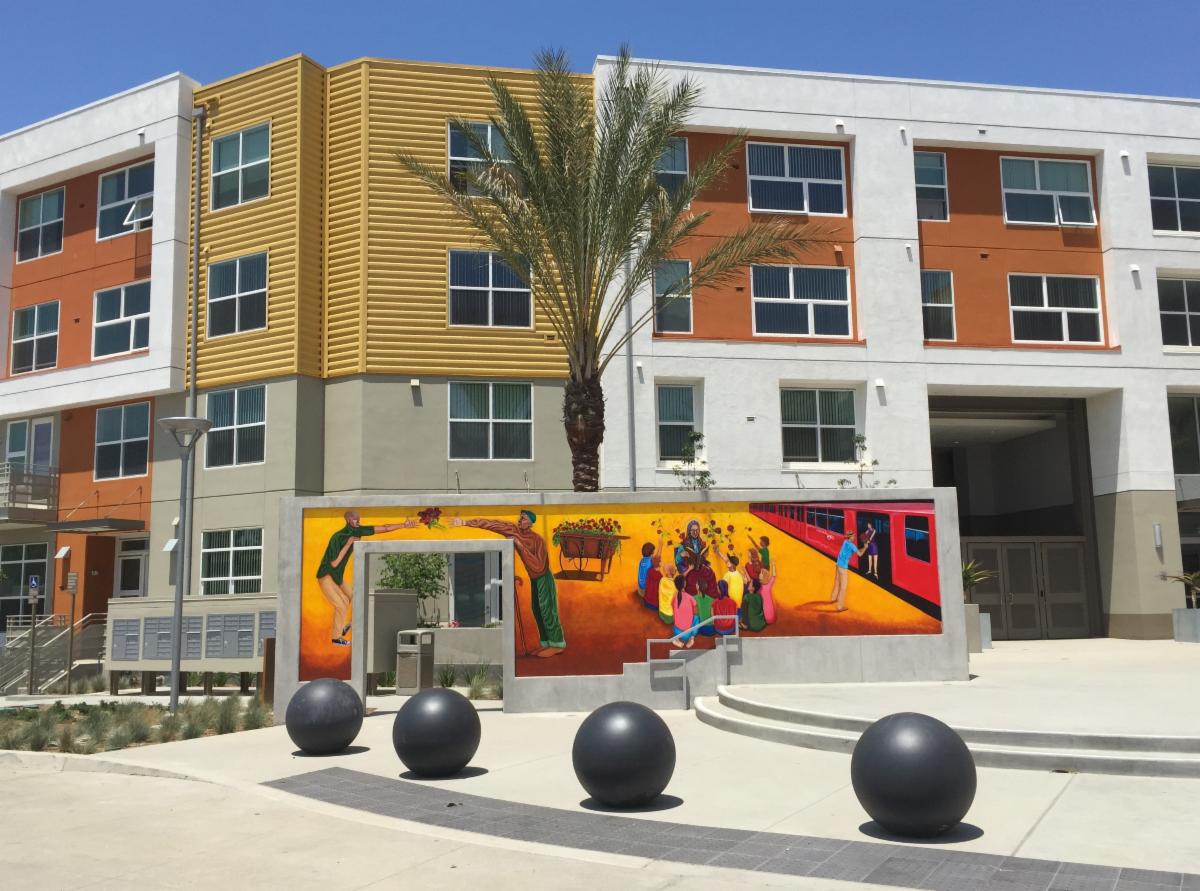
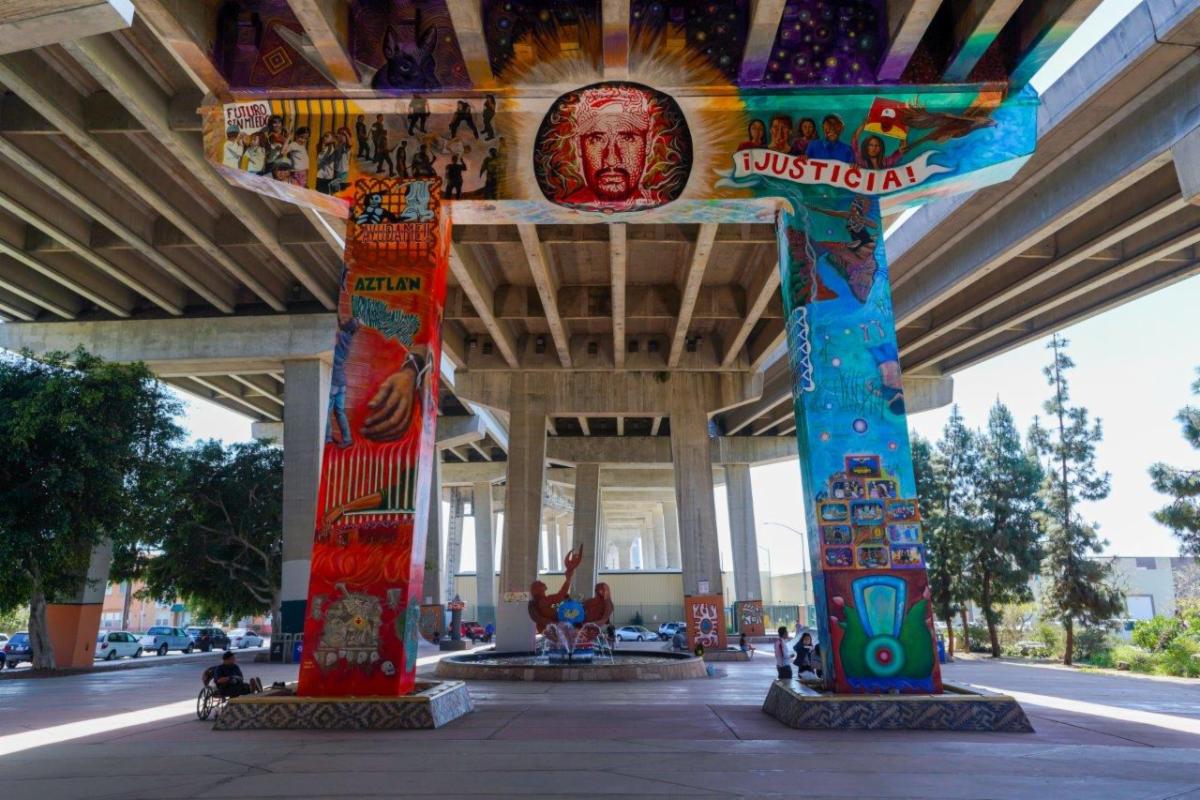
The draft plan provides a comprehensive policy framework for growth and development over the next 20 to 30 years for Barrio Logan. This is the first Community Plan Update advanced by Mayor Todd Gloria's administration. "It breaks new ground with strengthened inclusionary housing requirements and anti-displacement measures to prevent gentrification as the community grows," said Mayor Gloria.
The plan establishes new land-use designations; identifies villages along transit corridors; and contains policies to encourage a multi-modal transportation system, park and recreational areas, and public spaces that celebrate one of San Diego’s most culturally-rich neighborhoods. Read more.
|
|
New Year Welcomes in Updated Fee Schedule |
|
Effective Saturday, Jan. 1, 2022, all Development Services Department (DSD) user fees will increase 6.1% from the prior calendar year to help DSD meet established service levels, provide full-cost recoverability and provide sufficient resources to continue improving the quality of the mandated regulatory review process on recent employee salary increases. Learn more. |
|
Downtown Undergoing a Renaissance of Parks and Public Spaces |
|
Just as downtown San Diego is experiencing a wave of employment and residential developments that will soon transform its skyline, the area is also undergoing a renaissance of parks and public spaces.
As stated in the Downtown Community Plan, open spaces are critical to satisfying the diverse outdoor recreational needs of downtown residents, visitors and its workforce. The Plan identifies a variety of parks and greenways so public open spaces are located within a 5-minute walking distance from any residence or workplace downtown.
The downtown parks and open spaces will include full- and half-block parks with a diversity of active uses, including urban plazas that can support a variety of events and activities, and greenways that provide pedestrian connections and a green respite from the hustle and bustle of an active urban environment. More than half a dozen future park and greenway projects are currently in the design, planning and feasibility stages, with one under construction ( Children’s Park) and another out for bid (East Village Green).
Once completed, these projects will provide for a well-connected network of public spaces and will help in attracting future residents, employees and visitors.
To check out downtown San Diego’s current park projects and to view a map of current and proposed parks, visit the Downtown Development page.
|
|
Construction Update: Pure Water San Diego |
|
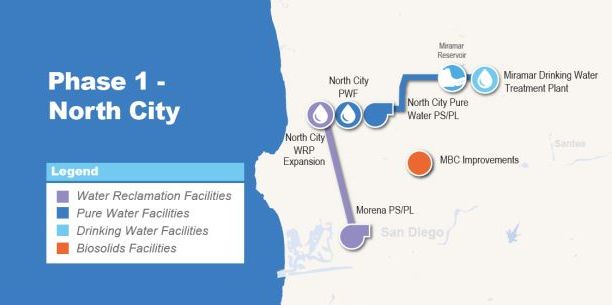
Pure Water San Diego is the City of San Diego's phased, multi-year program that will provide more than 40% of San Diego's water supply locally by the end of 2035. It will use proven water purification technology to clean recycled water to produce safe, high-quality drinking water. The Program offers a cost-effective investment for San Diego's water needs and will provide a reliable, sustainable water supply.
Phase 1 of the Pure Water Program includes several projects that will clean recycled water to produce 30 million gallons per day of high-quality purified water, reducing the City of San Diego’s dependence on imported water. Construction on the North City Pure Water Facility started in April of this year, and now six projects of the 11 remaining Pure Water Phase 1 projects are under construction. Learn more.
|
|
California Recognizes City's EV Charging Station Permitting Process with Top Ranking |
|
"With more residents driving EVs on city streets and a state-mandated zero-emission vehicle strategy requiring all new passenger cars and trucks be zero-emission by 2035, it's important to have a quick turn-around on permit applications to keep up with the increasing demand for EV charging solutions," said DSD Deputy Director and City of San Diego Chief Building Official Kelly Charles.
View a map of streamlined cities here.
|
|
DigAlert Locates Underground Facilities and Utilities in the Public Right of Way for Free |
|
In order to perform any work in the public right of way, you must first locate all utilities and related facilities within a project area prior to any excavation. This is called “potholing,” which is the practice of digging a test hole to expose underground utilities to ascertain the horizontal and vertical location of the facility.
DigAlert performs potholing services, free of charge, ensuring that underground lines and facilities are not disturbed or damaged during a construction project.
DigAlert representatives mark the lines that they own and/or maintain within the right of way, typically up to the private meter. They also mark on private property up to the gas meter, electric service panel or communication connection boxes. This means that private gas, electric and communication lines are not marked by DigAlert. In these cases, the property owner would need to contact a private marking company to locate private lines.
|
|
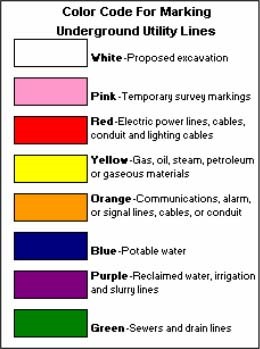
Non-pressurized sewer lines, non-pressurized storm drains, or other non-pressurized drain lines do not have to be marked.
Using these color codes, the utility providers will locate and mark their underground facilities within the delineated area. The depth of the facility is not included in the mark-out, as this is determined during the potholing process.
For more information, visit digalert.org, dial 811 or call 800-422-4133. |
|
Help Available for Permitting and Temporary Placement of Storage Containers |
|
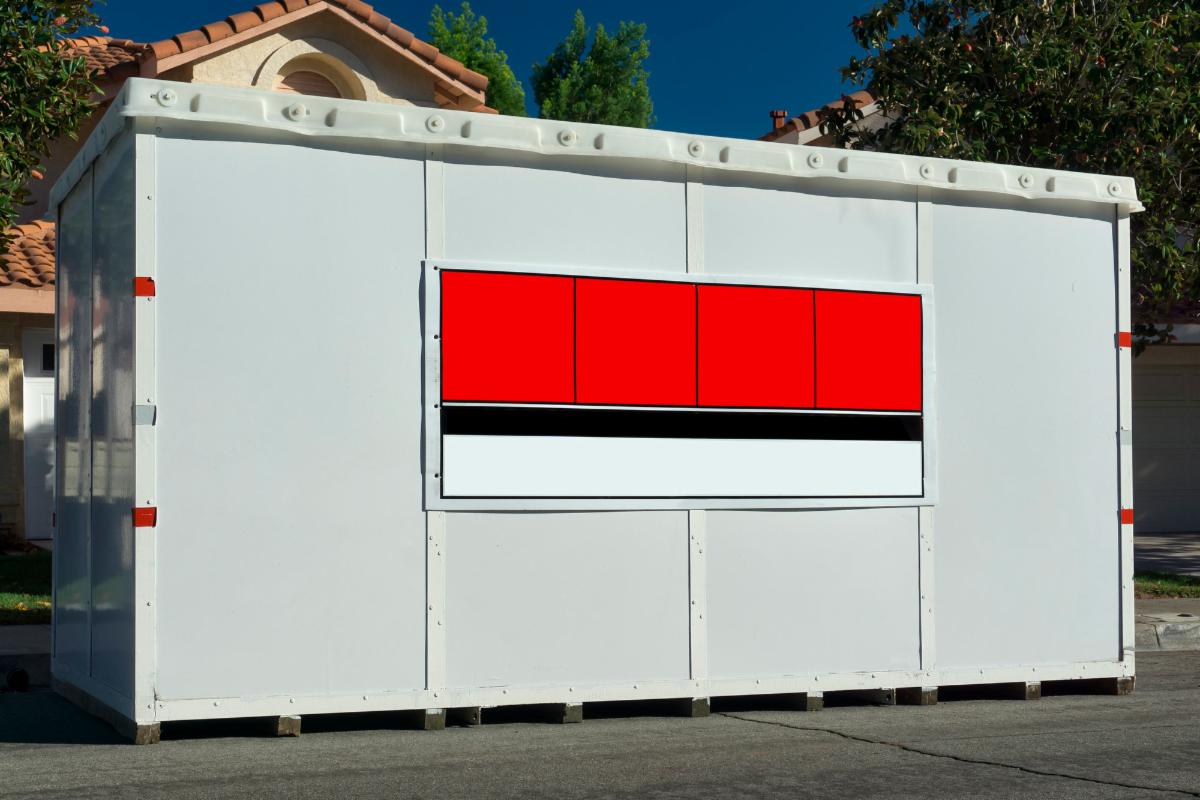
The popularity of portable moving and storage containers, also known as moving pods, has increased dramatically in the past few years. Because they can be conveniently placed almost anywhere, they are frequently used for residential and commercial moves, extra storage opportunities and as temporary storage for construction and home remodeling projects.
In some cases, these pods can be stored or placed entirely on private property during loading and unloading. When this is not possible, the containers may need to be temporarily placed within the public right of way, such as in the street. In these instances, a permit is required.
Storage containers for private use may be placed in the public right of way for up to seven days, with permit approval. In addition, appropriate signage and container placement is required to ensure public safety, traffic flow, sidewalk and public transit accessibility, fire access, etc.
|
|
Code Enforcement Team Not Missing a Beat during COVID-19 |
|
As the COVID-19 pandemic continues, so does the increase in code enforcement requests for investigations. Code Enforcement Division (CED) staff work diligently to improve the quality of life, and safety for those in San Diego neighborhoods and during the pandemic has been no exception.
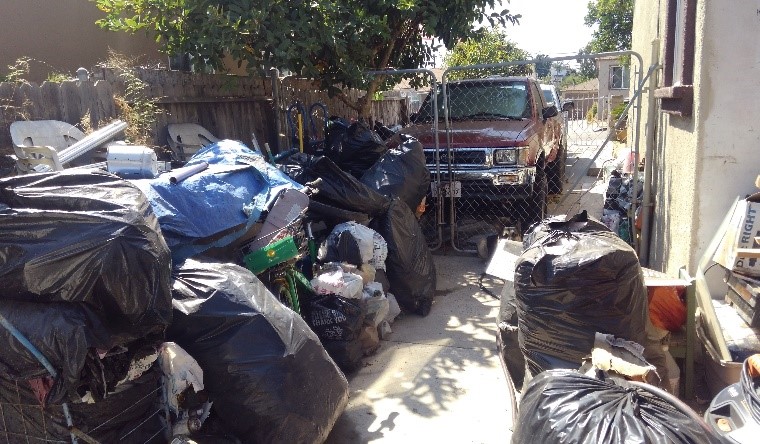
CED staff received a complaint alleging excessive hoarding in the Southeastern area, including that a family member with mental health issues was living in a makeshift tent structure in the rear yard.
Zoning Investigator Patricia Alamillo and Combination Building Inspector Paul Moser confirmed the allegations and promptly noticed the property owner of the observed violations and how to comply. When the property owner did not comply, the case was brought to an abatement hearing and later, with assistance from the Office of the City Attorney, an abatement warrant was issued by the courts.
CED staff continued to stay persistent to gain compliance and collaborated with the City Attorney’s Office, San Diego Police Department, and the City’s abatement contractor to successfully abate the single-family residence. In addition, the family member living in the rear yard was admitted to a county mental health facility for evaluation.
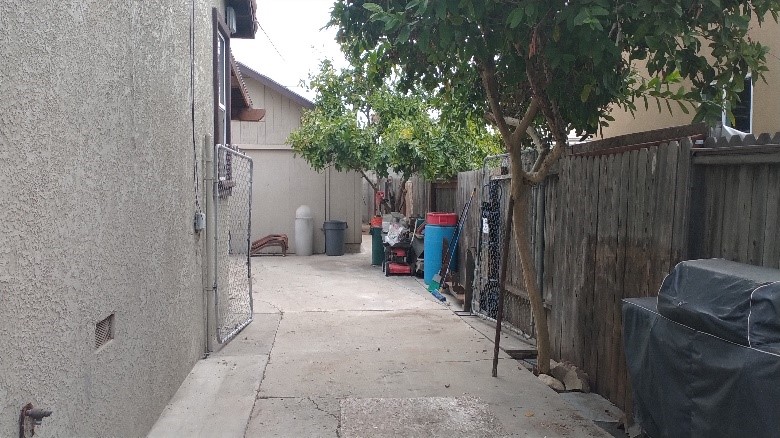
The tremendous efforts, experience and professionalism among all the departments, even while the courts were backed up for months, is what made the abatement a success and without incident. The contracted crew did a great job cleaning up years of hoarding, trash and debris.
CED is glad to finally call this case a victory for the neighboring properties. The property owner and son are happy to have their rear and side yards back to enjoy once again. Said the property owner: “Maybe it’s time to start a new garden.”
Sadly, hoarding cases like this are far too common. Each year, staff does an outstanding job battling to resolve these types of violations. The CED family represents a positive atmosphere and a never-give-up attitude. Code Enforcement staff does it with a smile and never misses a beat even during difficult times.
|
|
Gift Wrapped for Christmas: Discretionary Permits to go all Digital |
|
The Development Services Department (DSD) will upgrade the online permit process for all Discretionary Permit application types, replacing the current online "hybrid submittal process" implemented at the beginning of COVID-19. The target date to launch the new Discretionary Permit is Dec. 20, 2021.
The upgrade will make it more intuitive, easier and faster for customers to apply for new permits, review permit status in real-time, manage deposit accounts and make online payments.
To help customers prepare for the new online system, DSD is holding a series of webinars with live demonstrations on how to apply for a Discretionary Permit. |
|
Mayor Signs Short-Term Vacation Rental Ordinance into Law |
|
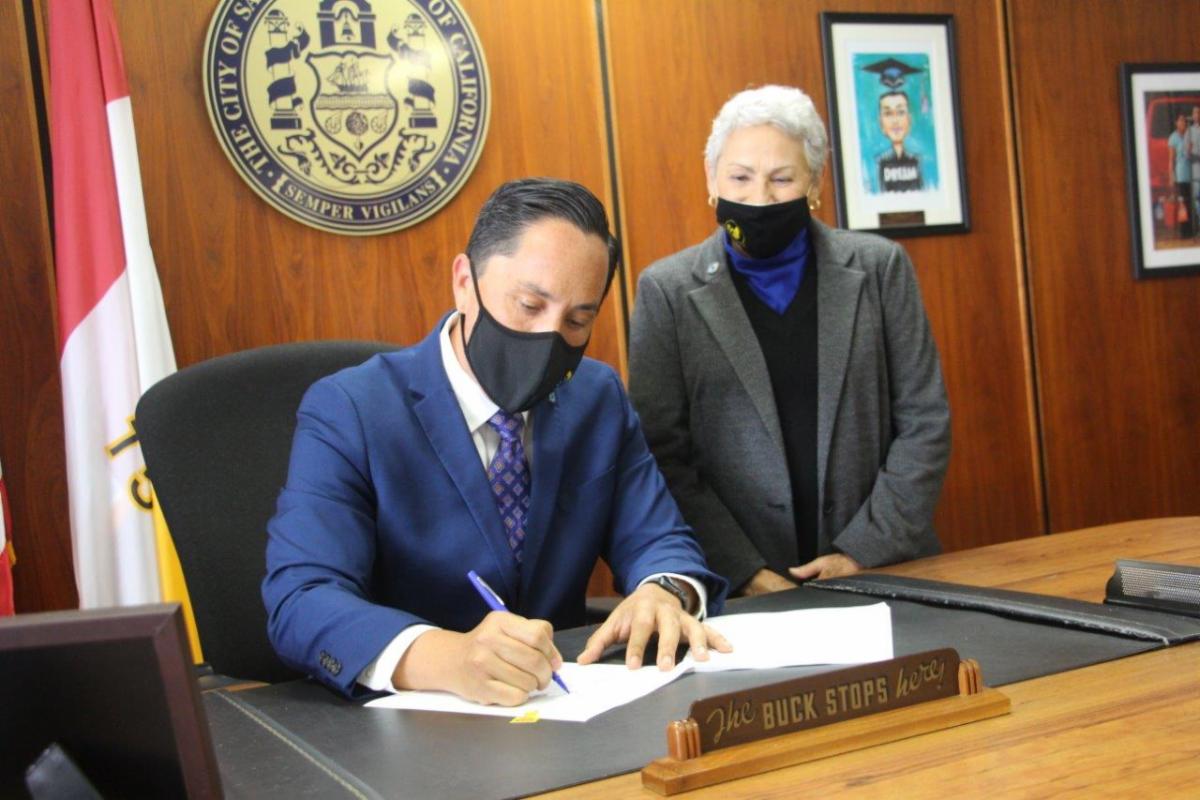
Mayor Todd Gloria signed into law an ordinance regulating short-term vacation rentals. "San Diego finally has a clear set of rules," said Gloria. "Now, the work turns to thoughtful implementation, faithful enforcement and careful monitoring to enhance the quality of life in our neighborhoods.”
The ordinance puts regulations on the books that seek to protect neighborhoods while providing San Diegans with opportunities to rent out their homes, should they choose to do so. Now that the ordinance has been signed into law, City staff will work toward proposing for City Council approval sensible rental license fees and a lottery process for an initial allocation of limited licenses. Read more.
|
|
Project Heart Beat Celebrates 20 Years |
|
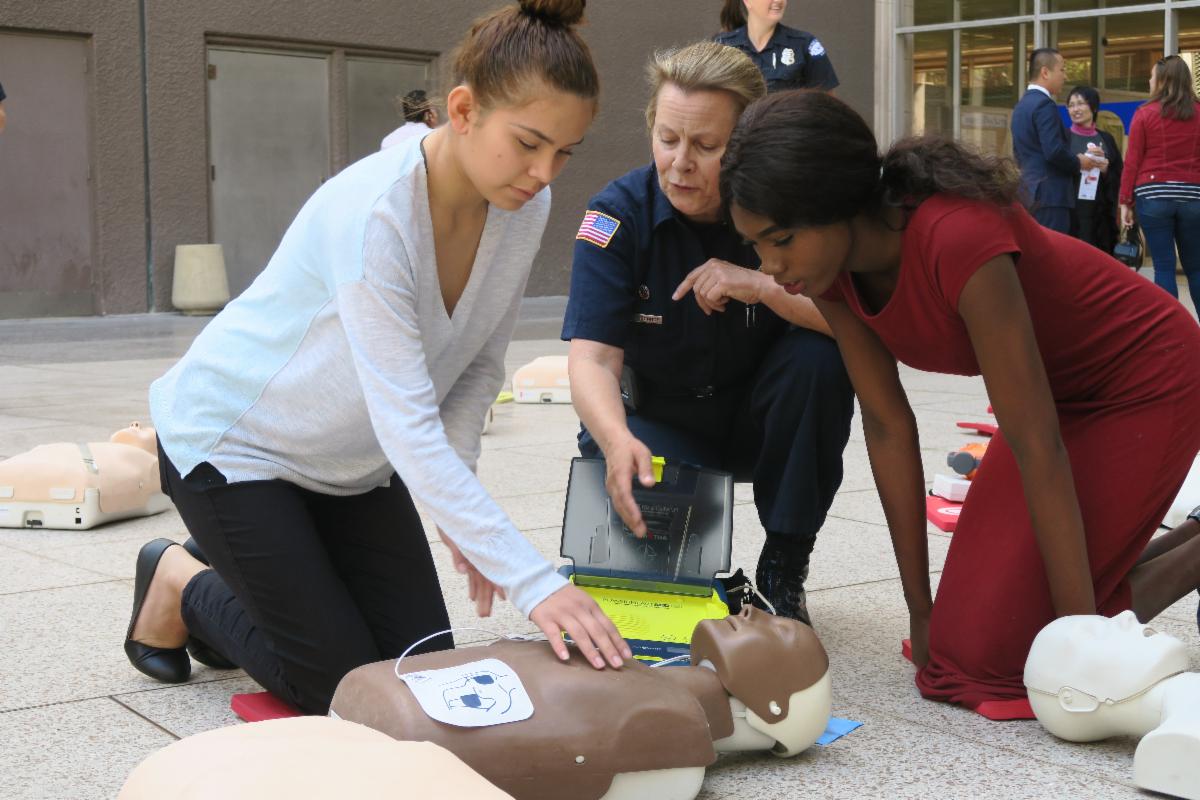
Last month, the City and San Diego Fire-Rescue Department celebrated the 20th anniversary of San Diego Project Heart Beat. The program was initiated to increase the accessibility of automated external defibrillators (AED) citywide and to educate the public on their use, ways to recognize cardiac distress and how to respond to save more lives.
“We are very proud to celebrate this milestone anniversary with San Diego Project Heart Beat,” said Chief Colin Stowell of the City’s Fire-Rescue Department. “Project Heart Beat has made a tremendous difference in saving lives and educating the public about the importance of knowing what to do when sudden cardiac arrest happens.”
The program launched in November 2001 with the goal of placing at least 250 AED units throughout the county by January 2003 to coincide with the City’s hosting of Super Bowl XXXVII. The program’s organizers thought because so many out-of-town visitors would be in San Diego for the big event, it would be the perfect time to launch the program.
The goal was exceeded by nearly 550 AED units. Today, Project Heart Beat has helped place more than 9,500 AEDs throughout the region with the goal of having AEDs as accessible as fire extinguishers. To date, the program has saved nearly 200 lives.
When a person suffers a sudden cardiac arrest, the chance of survival is less than 10% if it occurs outside of a hospital. Studies show the survival rate increases from 30 to 70% when an AED is available and used within three minutes from the onset of the incident.
|
|
Upcoming Customer Webinars |
|
DSD hosts free informational and interactive webinars to help customers learn how to apply step-by-step for permits online, demonstrate new program features and provide helpful tips. Upcoming webinars include:
- How to Apply for a Discretionary Permit Online | Wednesday, Dec. 8 (9 to 10 a.m.)
- How to Apply for a Discretionary Permit Online | Wednesday, Dec. 15 (9 to 10 a.m.)
Please visit DSD's webinars page to find the webinar link and call-in information, view video recordings of past webinars and view other upcoming webinars. |
|
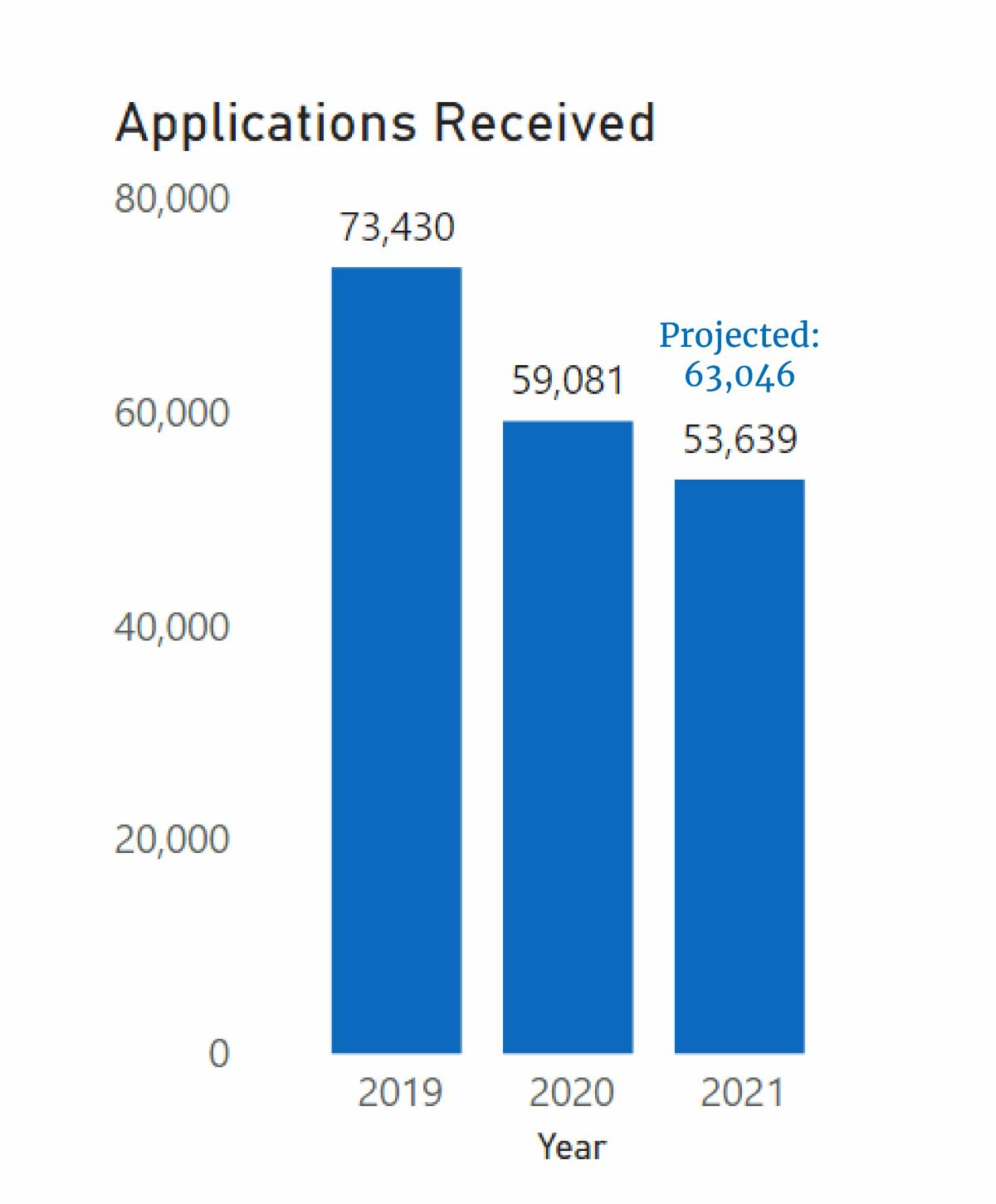
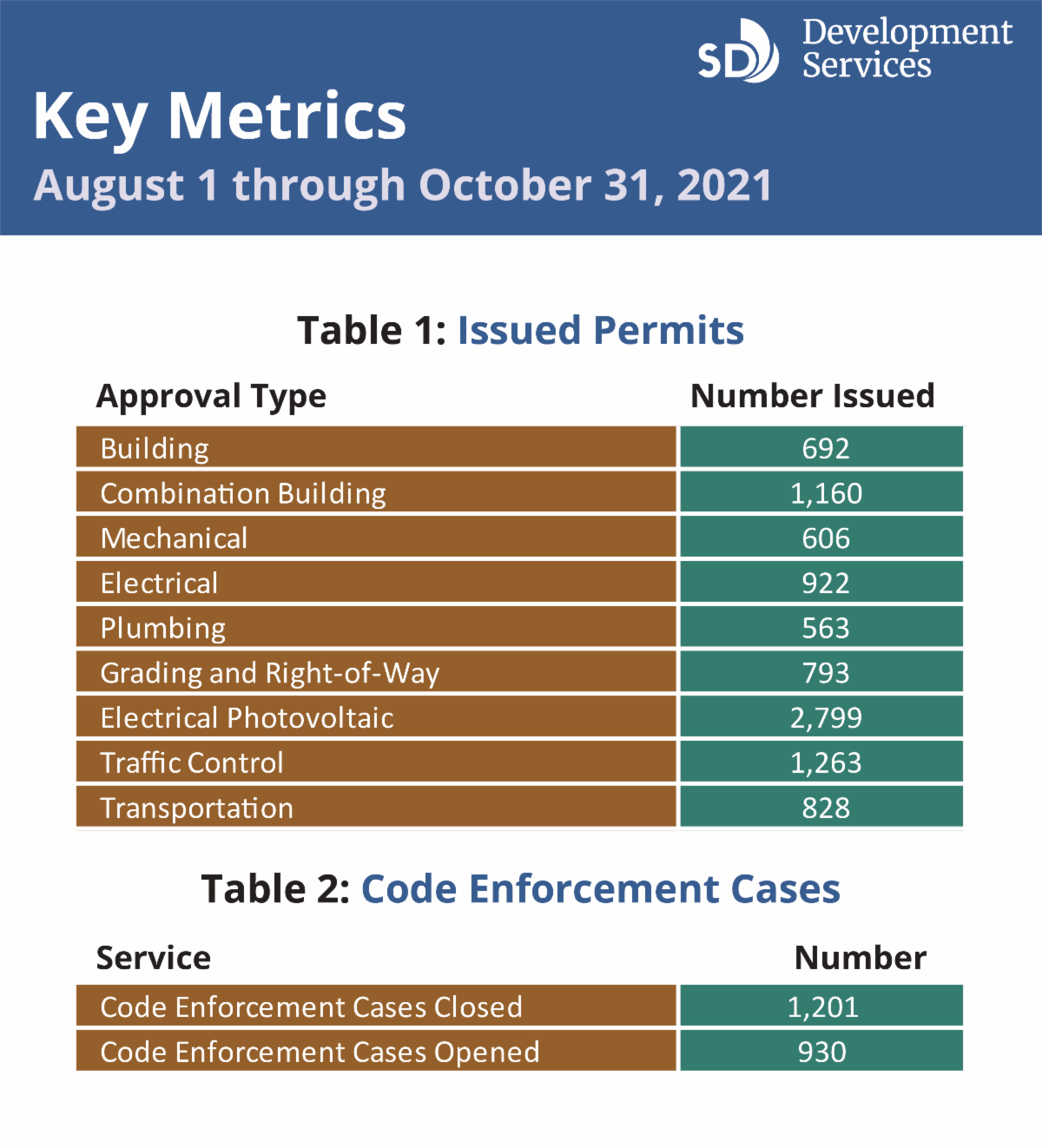
Each year, DSD processes between 50,000 and 70,000 new applications for projects of varied size and complexity, ranging from minor tenant improvements in existing buildings to major master-planned community developments with complex technical and environmental impacts.
DSD also is charged with implementing the City's vision for ensuring compatibility of land uses, providing adequate parks and open space, affordable housing, sufficient transportation options and infrastructure and its climate action goals, among others .
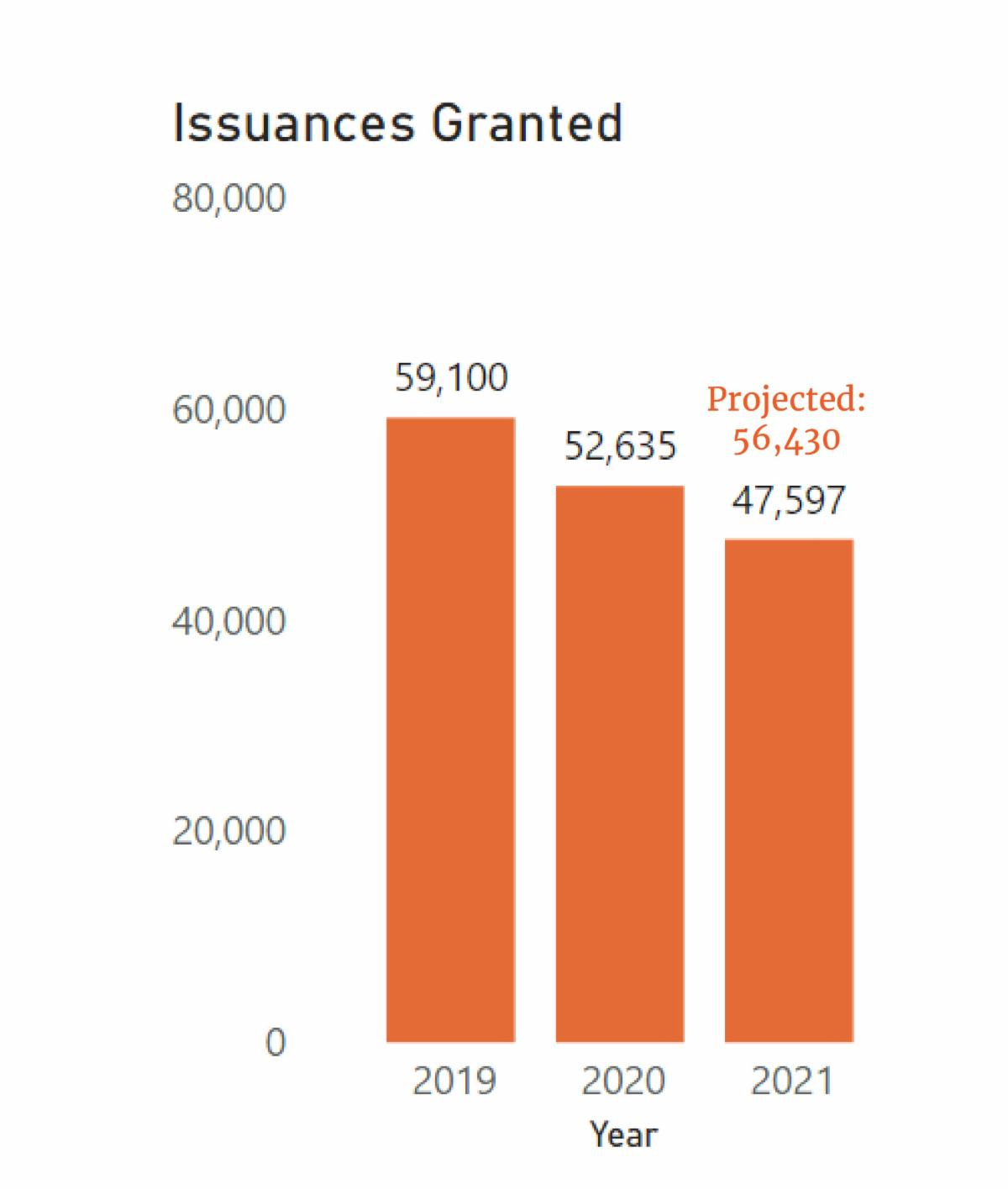
This year, with the unprecedented COVID-19 pandemic and switching to full-cloud permitting, DSD continued to serve customers while leveraging new technologies and creative ideas to keep projects moving. Here are some of the results.
|
|
Development Services
1222 First Ave., San Diego, CA 92101
P: 619-446-5000
|
|
|
|
|
|
|
|