|
BY KENDAL KLOIBER
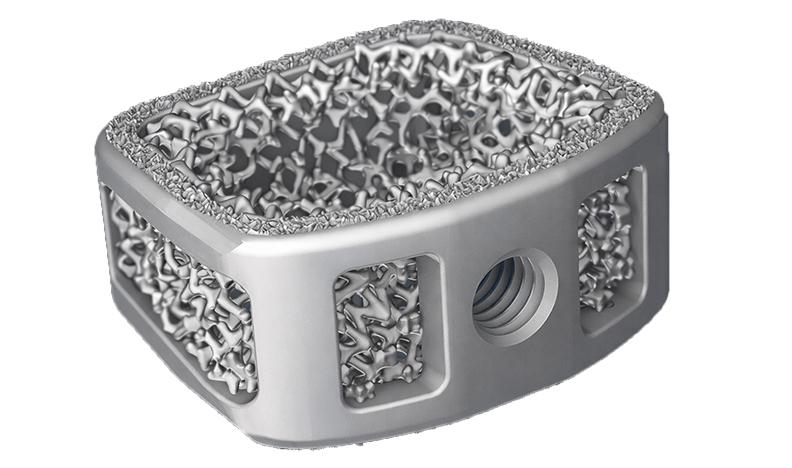
Additive manufacturing is changing how orthopedic implants are designed. Engineers can now build implants with complex internal architectures that increase surface area, promote osseointegration and vascularization, and support biologic fixation — all without sacrificing mechanical strength. Those benefits become especially important in joint replacement revisions involving poor bone quality or in spine applications to address fusion performance and manage implant stiffness. READ MORE
|