The purpose of the Society is the collection, interpretation, preservation, and presentation of information and objects concerning the history of Arlington Heights and its surrounding area. |
Inside this Edition
- A Note From The President
- Society Host 11th Annual Team Trivia Night
-
Museum Director's Report: In My New Era
-
Then and Now: Remembering the Vial Lounge
- Get Involve with the Society!
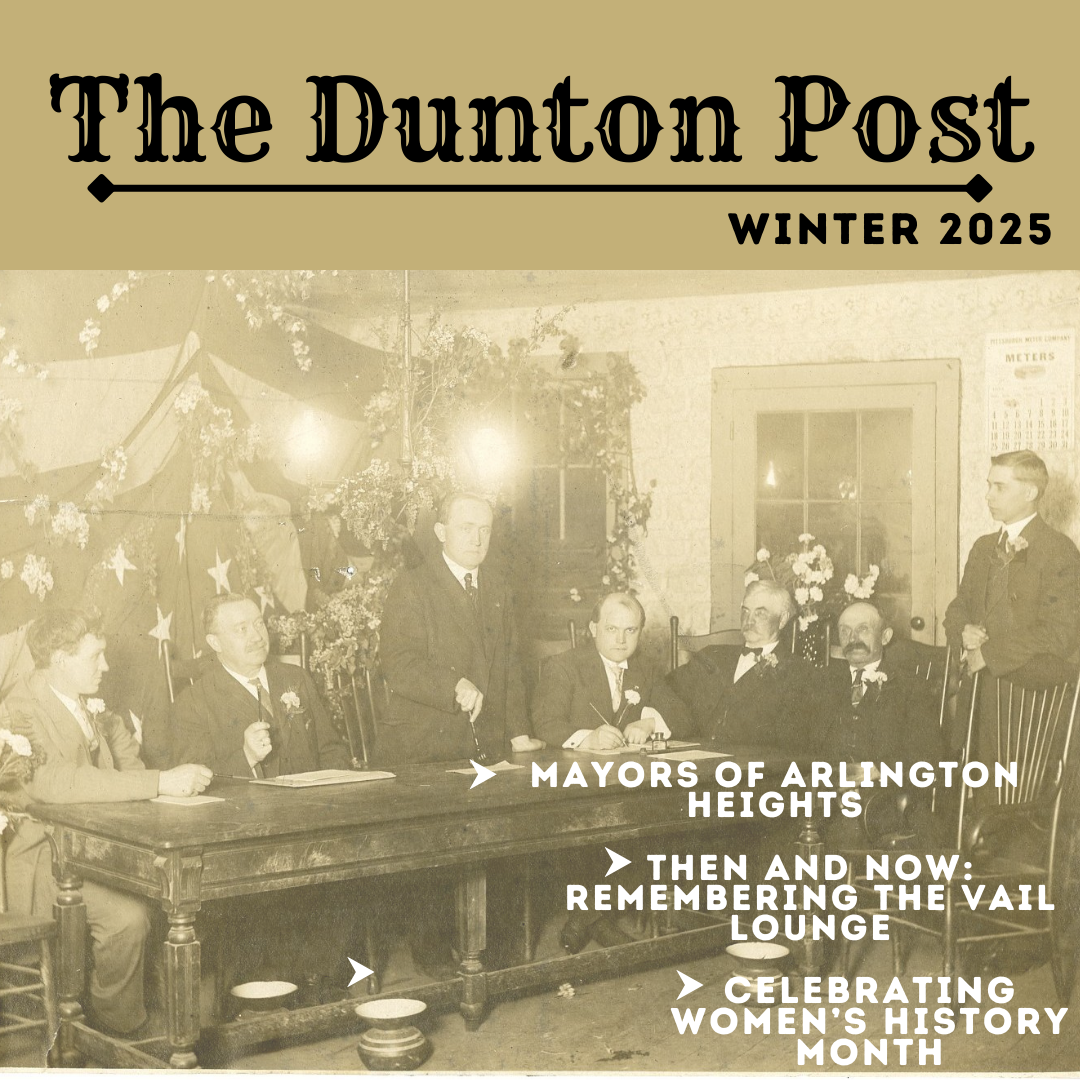
- Mayors Of Arlington Heights
- Celebrating Women's History Month
- 2025 Farmes Market Update
- Volunteer Voice: John and Gloria Amling
- Upcoming Events and Programs
-
A Deep Dive Into Our Archives: The Origins of Roads
| | | |
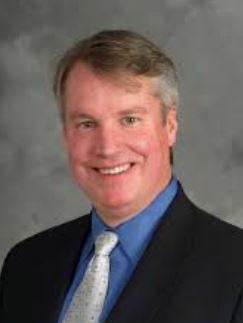
A Note From Our President
By Steve Froehlich
AHHS President
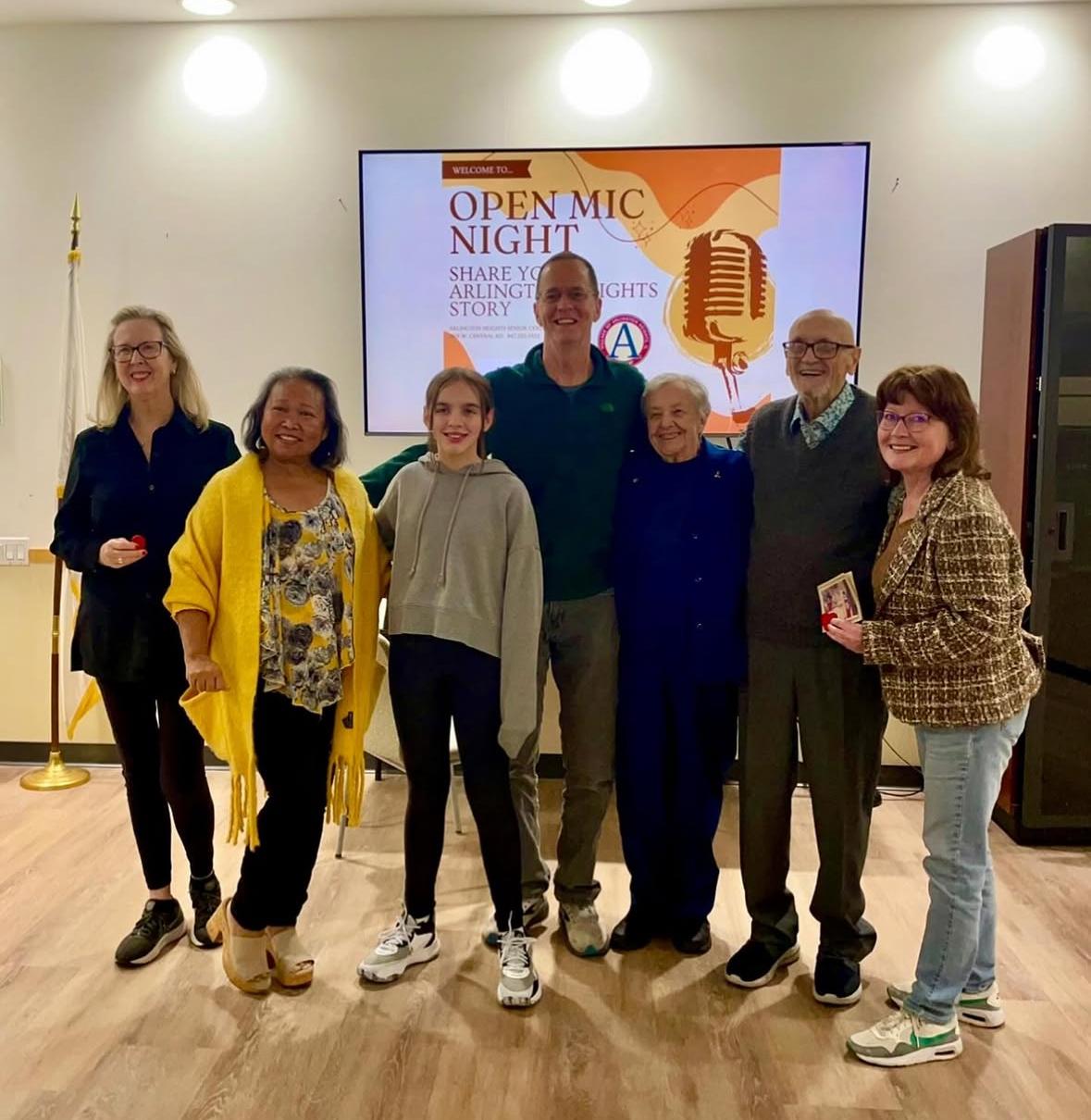
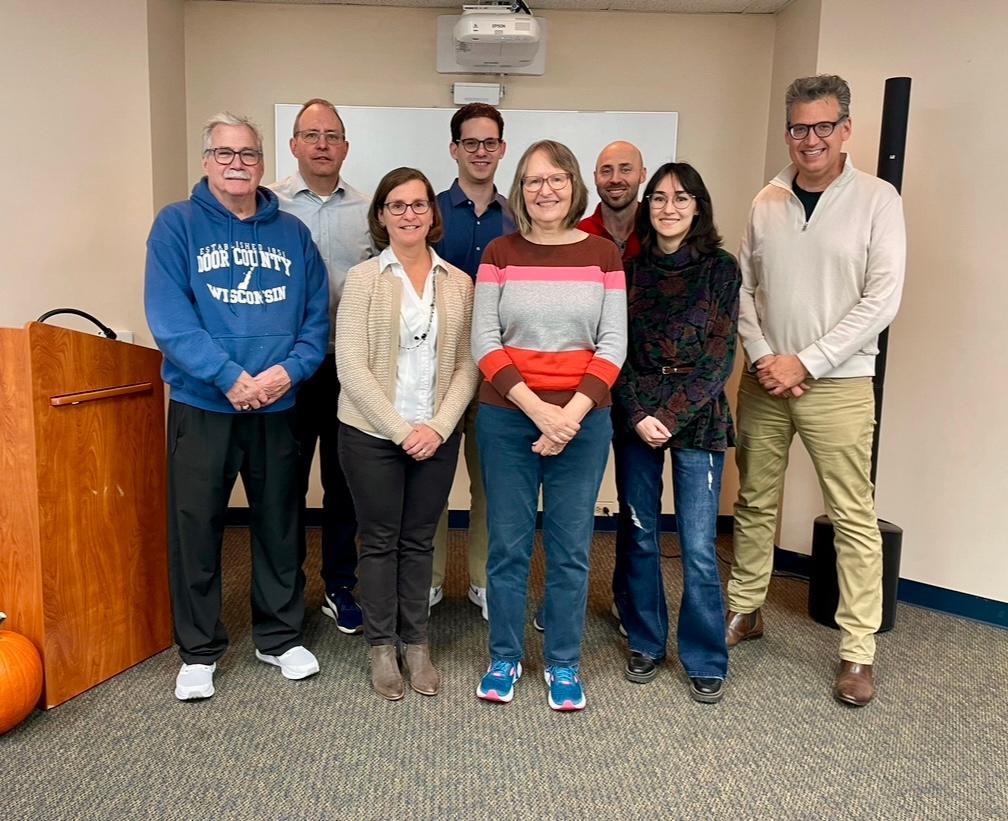
I wanted to introduce myself. I have just started as the president of the Arlington Heights Historical Society. I got involved as a board member less than a year ago when I was captivated by the passion and pride of long-time Arlington Heights residents telling their stories at the society’s open mic night. After that I knew I wanted to contribute.
I’m excited to take on this new challenge as president. Annette and the whole organization have built a great foundation that I hope to expand on. The society has a ton of potential that I am excited to explore. At the same time I’ll work with the team to keep the existing relationships and programs running smoothly.
A little bit about me, my background is in software engineering. I’ve spent many years working as a software engineer and running engineering teams for the Chicago board of trade (CME Group) and most recently Grainger. I also had a brief experience with entrepreneurship where I co-founded a company that provided cryptocurrency index products and ultimately sold it. In the beginning of my career I worked as a researcher in the mathematics and computer science division of Argonne National Laboratory. I’ve been a resident of the northwest suburbs for most of my life and a resident of Arlington Heights since 2018.
I’m Looking forward to working together to improve our community. Feel free to reach out if you want to chat or have any questions.
Best Regards,
Steve Froehlich
| | |
|
Since the Fall
Edition
A Note From Our Curator
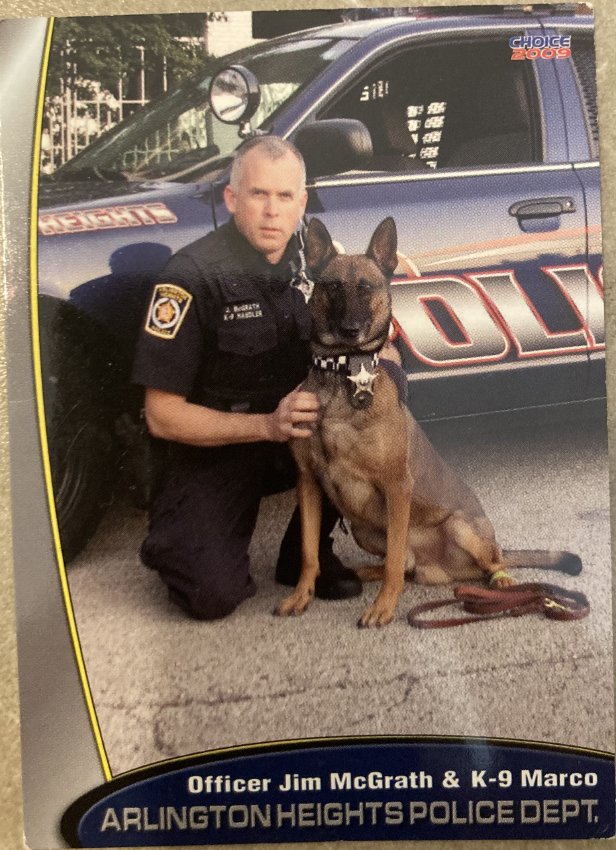
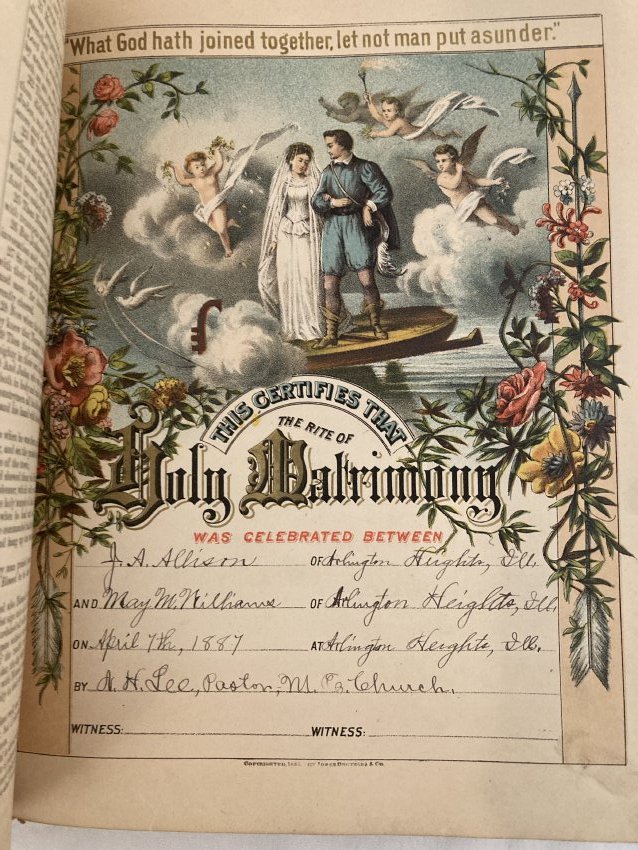
The museum continues to add to the collection through donations that represent the rich history of Arlington Heights and the surrounding suburbs. During the spring a few very special items were received. Recent additions to the collection include:
- Collecting card from the Arlington Heights Police Department featuring Officer McGrath and K-9 Marco (2009)
- Family Bible (1887) that was a wedding present to J. Albert Allison and May Williams (a descendent of the Kennicotts).
| | |
| |
Cemetery Walk
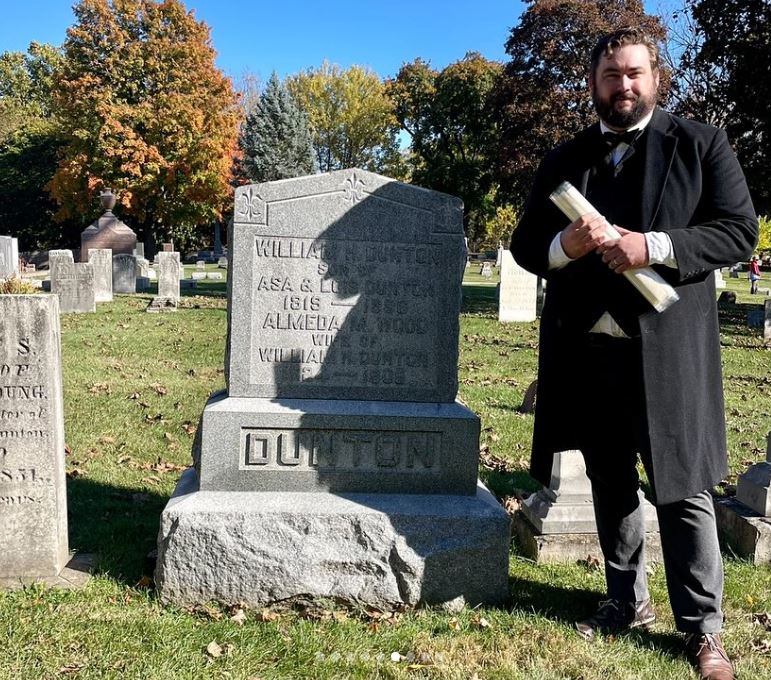
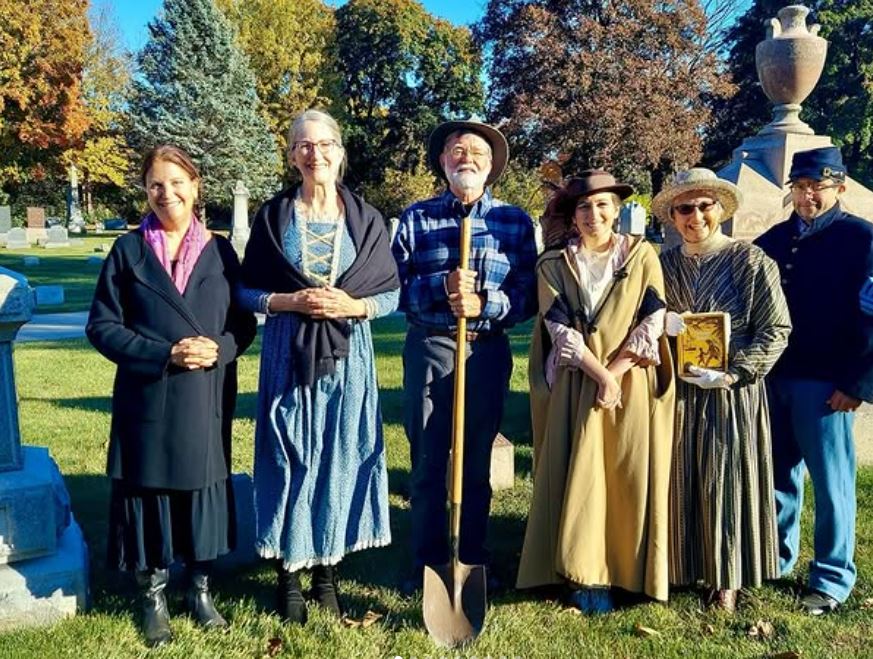
On a perfect fall day, we took a step back in time to meet and learn from notable Arlington Heights residents at the Wheeling Township Cemetery. Participants enjoyed a guided tour as they heard from the great people who helped shape Arlington Heights, such as William Dunton, Charles Sigwalt, members of the Muller family, and more.
Thank you to our volunteers for making this event a huge success!
| | | |
| |
Winter Market
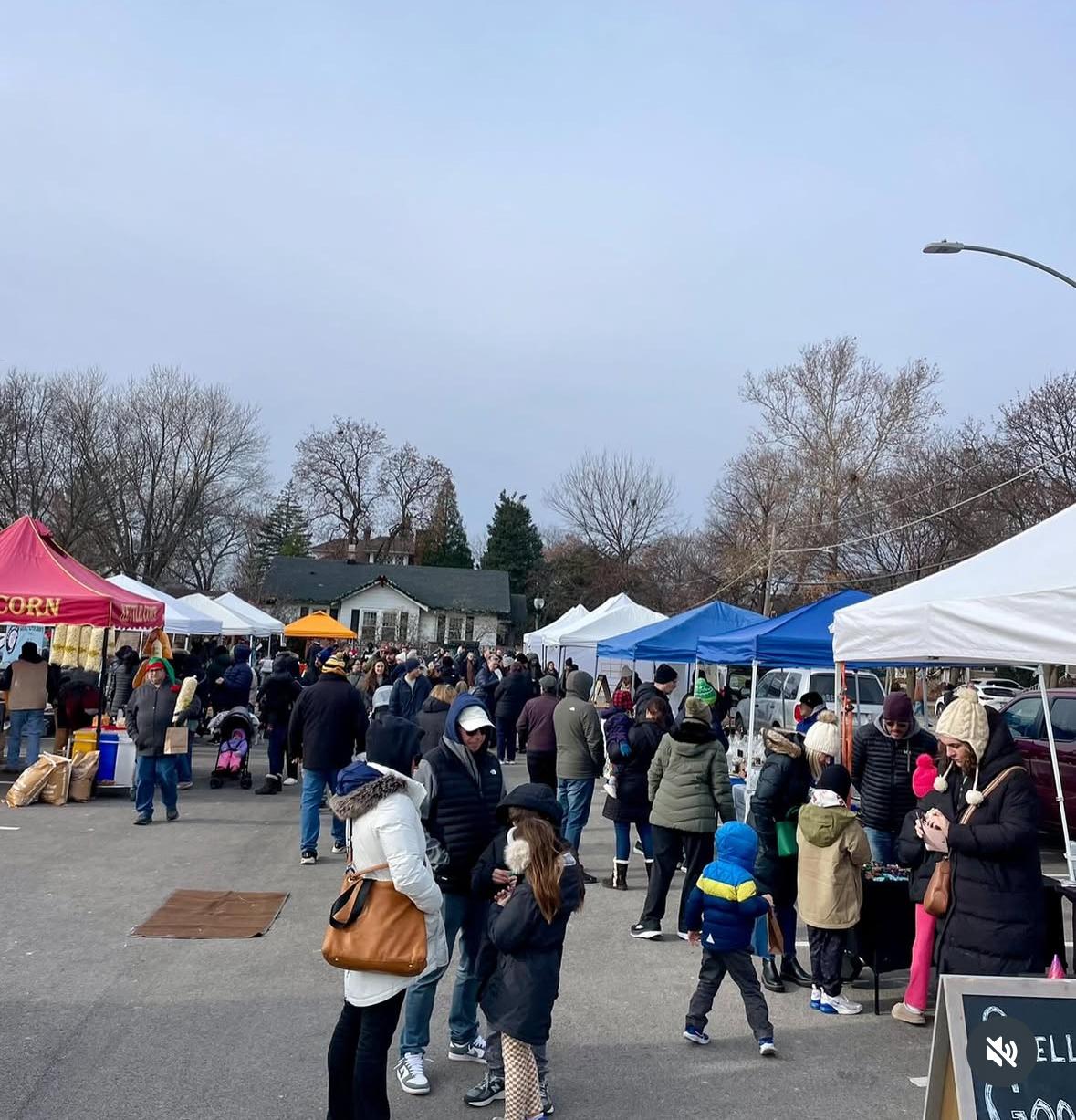
On December 14, The Arlington Heights Historical Society held its first Winter Market in conjunction with the Park District's Winter Frostival event. We had over 20 vendors and 1,100 shoppers join our event. Thanks for everyone who stopped by to support local and help us spread a little holiday cheer!
| | | | |
Society Host 11th Annual Team Trivia Night
By Peter Curtis
AHHS Board Member
| | |
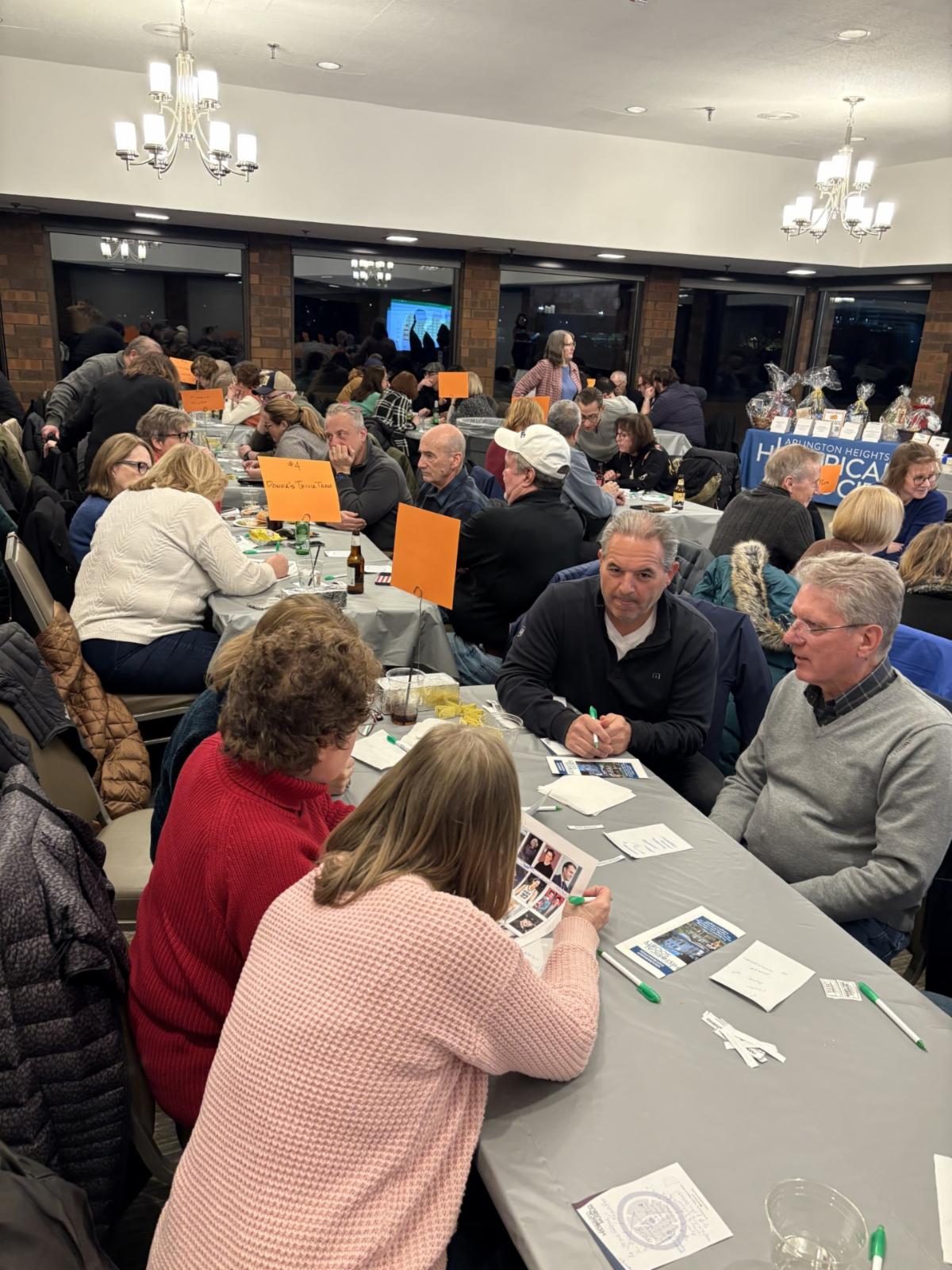
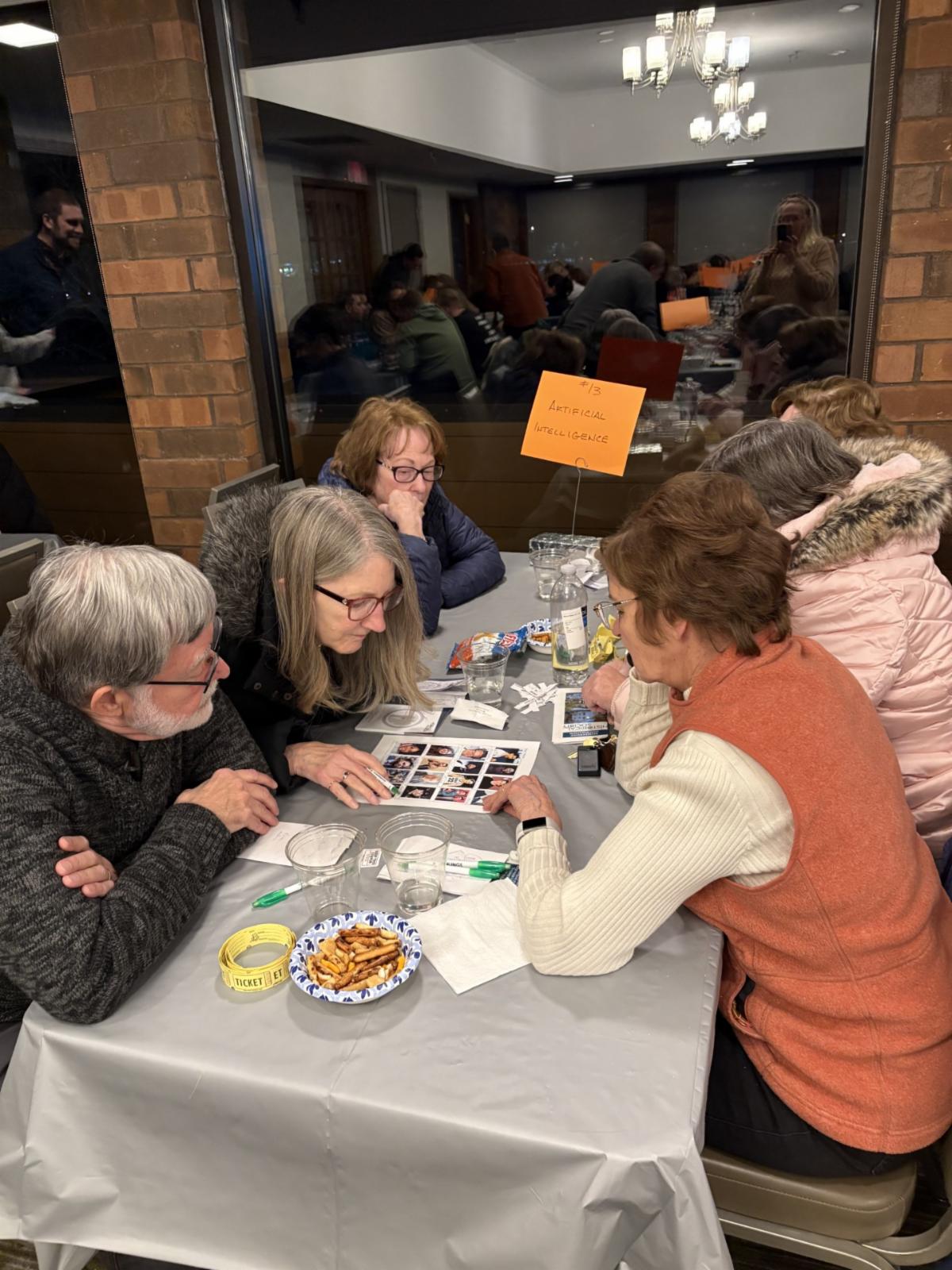
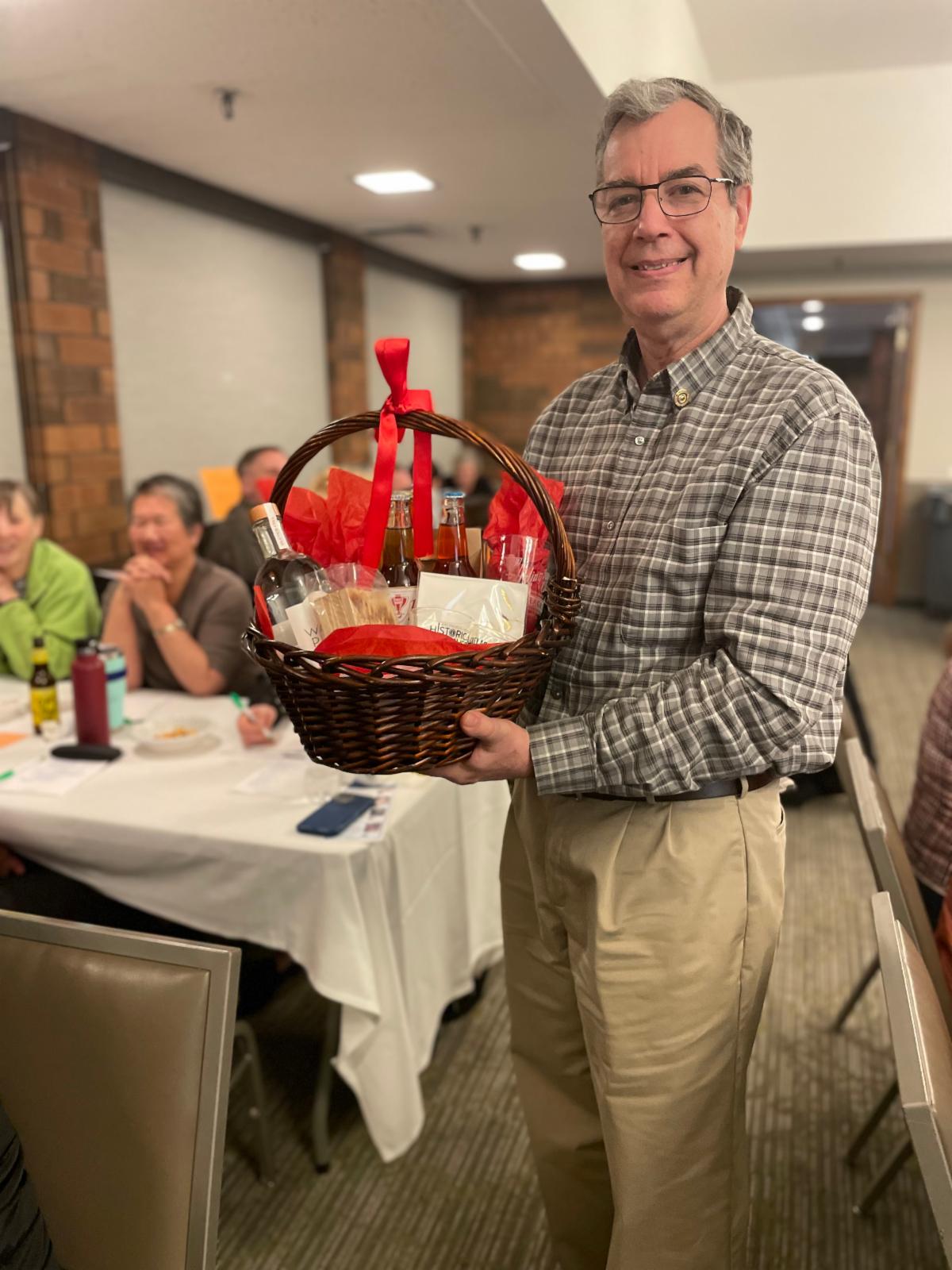
It was Sunday evening, February 16th, when we hosted the 11th Trivia Night. 16 teams, comprised of residents, family member and out of towners enjoyed another very competitive night of fun and trivia.
As in years past, the participants were very generous in their support of the Society – whether buying answers, bribing the MC or purchasing raffle tickets, the Society benefited. We greatly appreciate everyone’s generosity.
The teams battled through nine rounds of questions, from a variety of topics, ranging from Art to World History. Here’s some questions that kept them entertained and guessing: How many times was Ross Geller divorced? And, which is taller, the White House or Buckingham Palace?
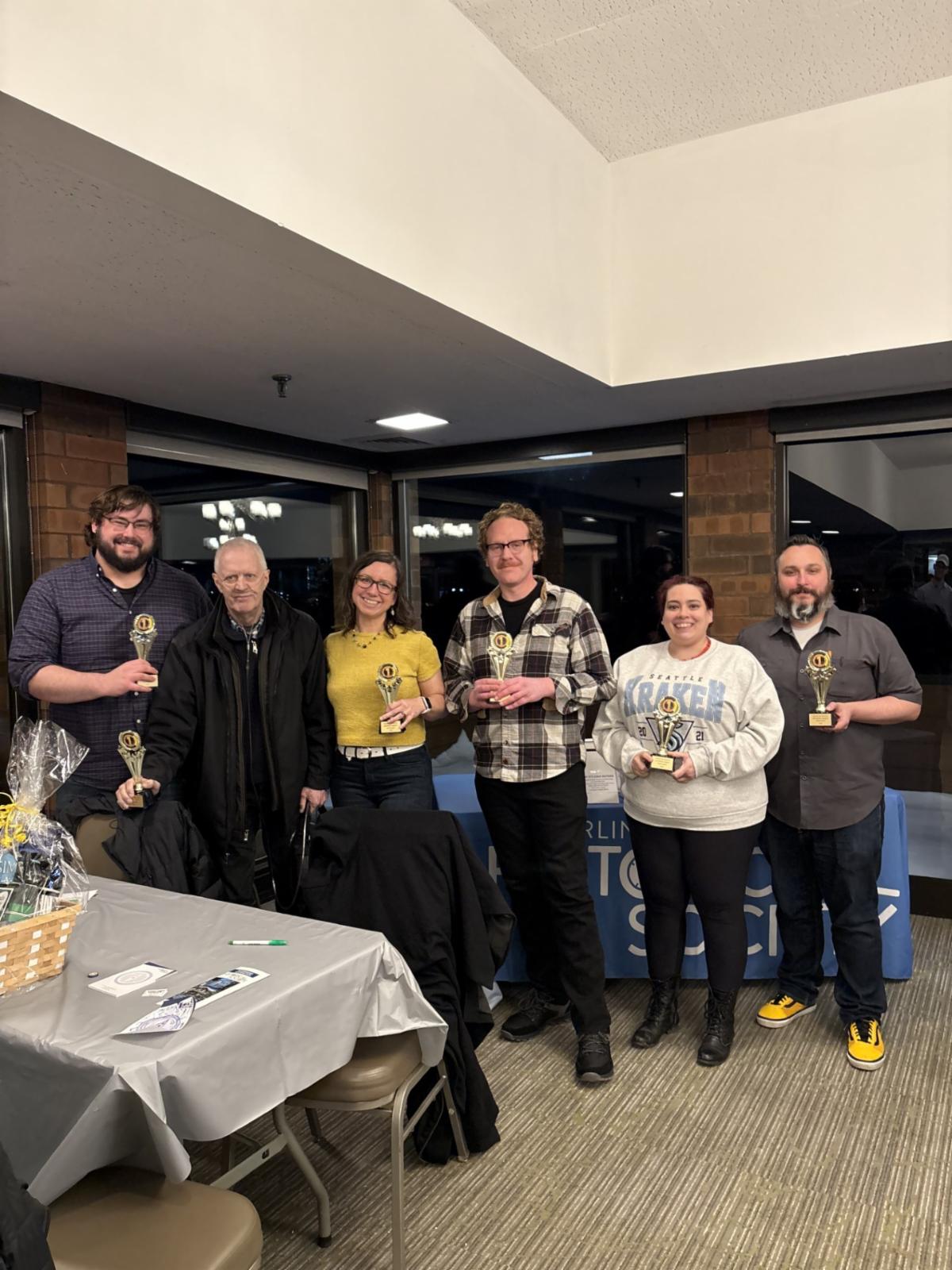
Congratulations and thank you to all that participated. This year’s winning teams were:
· 1st Place – Trivia Newton John
· 2nd Place – Fremont Historians
· 3rd Place – Six Peas
And a special Thank You to all of the volunteers that helped us accomplish one of our best fundraising nights. Whether you helped plan, write questions, buy food or worked that night in the many volunteer roles, thank you for all you do. Your continued support is greatly appreciated.
If we missed you this year, please mark your calendar for February 2026, and we’ll see you on the Sunday after the Super Bowl.
| | |
Museum Director's Report: In my New Era
By Courtney Olson
Museum Director
This era of the Arlington Heights Historical Museum ushers in more progress and new possibilities! I share this era of newness as I am new to the position of Museum Director. I began at the museum in the spring of 2022 in the role of Museum Experience Facilitator where I engaged young historians in a variety of programming. I started my role of Museum Director just after Thanksgiving. I am truly thankful for the opportunity to lead such a dedicated and talented museum team!
We welcomed Assistant Curator Jon Gardner to our team this past November. Jon has been a Museum Experience Facilitator, and an intern working with the collection prior to his new role. We also welcome a new phase of preservation through our upcoming “Dunton Flag” project. Keep an eye out for updates in the coming months as one of the Historical Society’s first collection items is restored to its former glory (hint)!
In this upcoming season, we invite visitors, young and old, to learn more about the history of Arlington Heights through two exhibits this year. “What’s in a name?” will have an opening reception on April 4th. Please join us as we unveil new artifacts on display and tell stories of the people behind the names of our street signs and the village’s early history. We will also have family friendly programming surrounding the event! Mark your calendars for June 14th where we will host an afternoon reception in the spirit of games, fun, and celebrating community while we introduce “People, Parks, and Progress: 100 years of AHPD.”
This March, we will celebrate the history of Girl Scouts and their impact on education and service, and providing a place for women to grow. Spring break sampler camp is right around the corner, and spots are open! Campers will get a taste of our summer explorer camps at the museum with a variety of themes to engage every young learner.
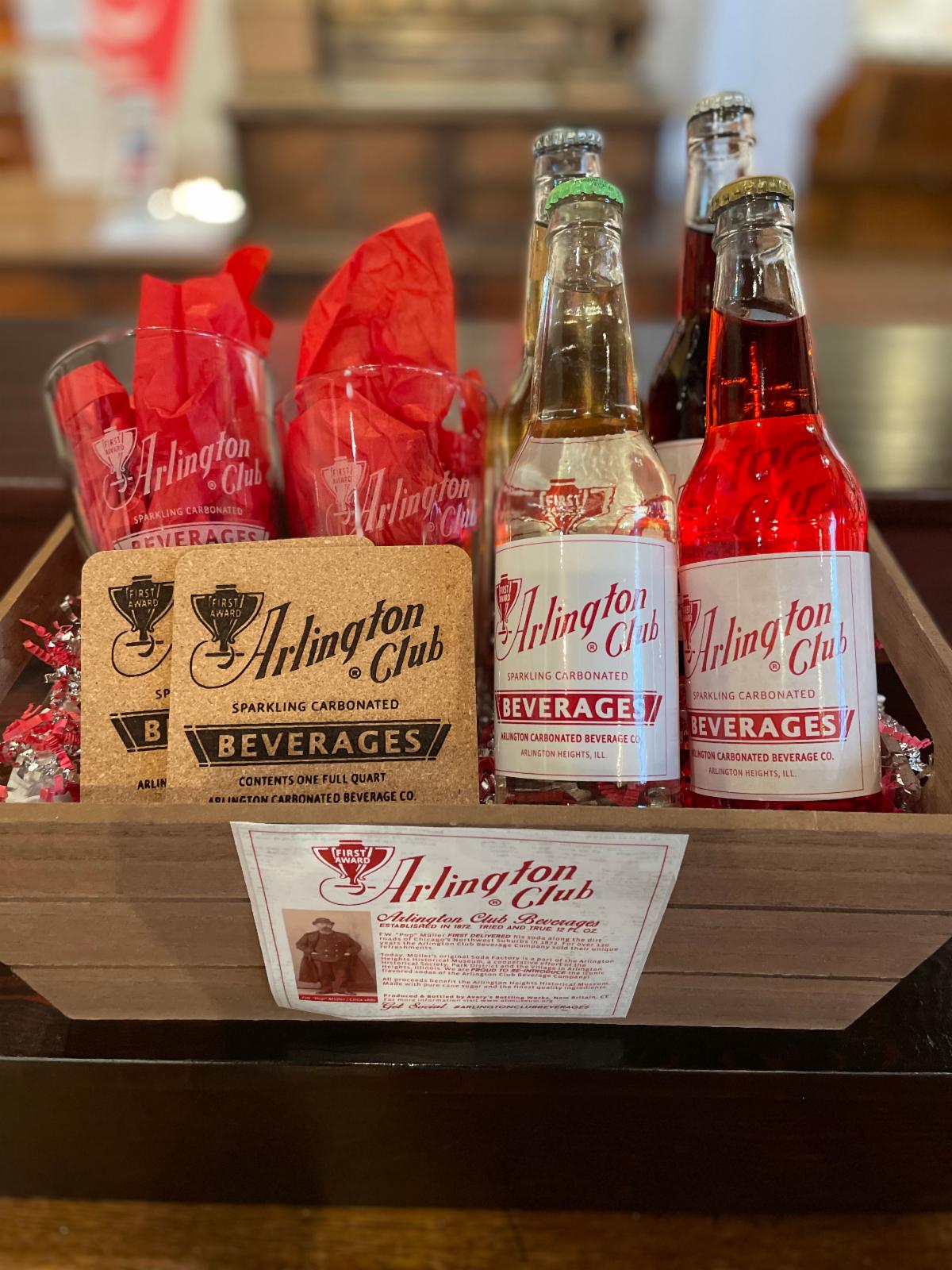
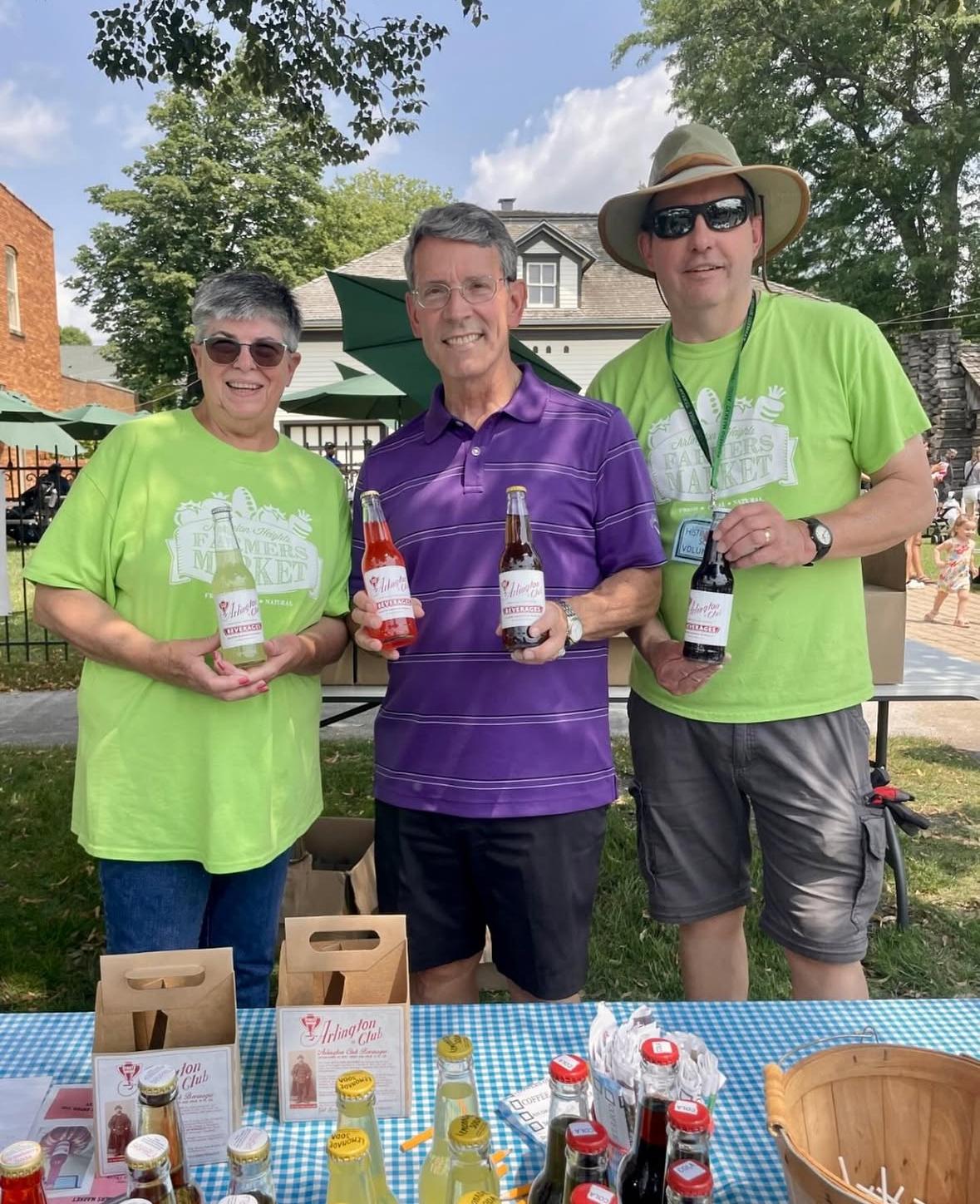
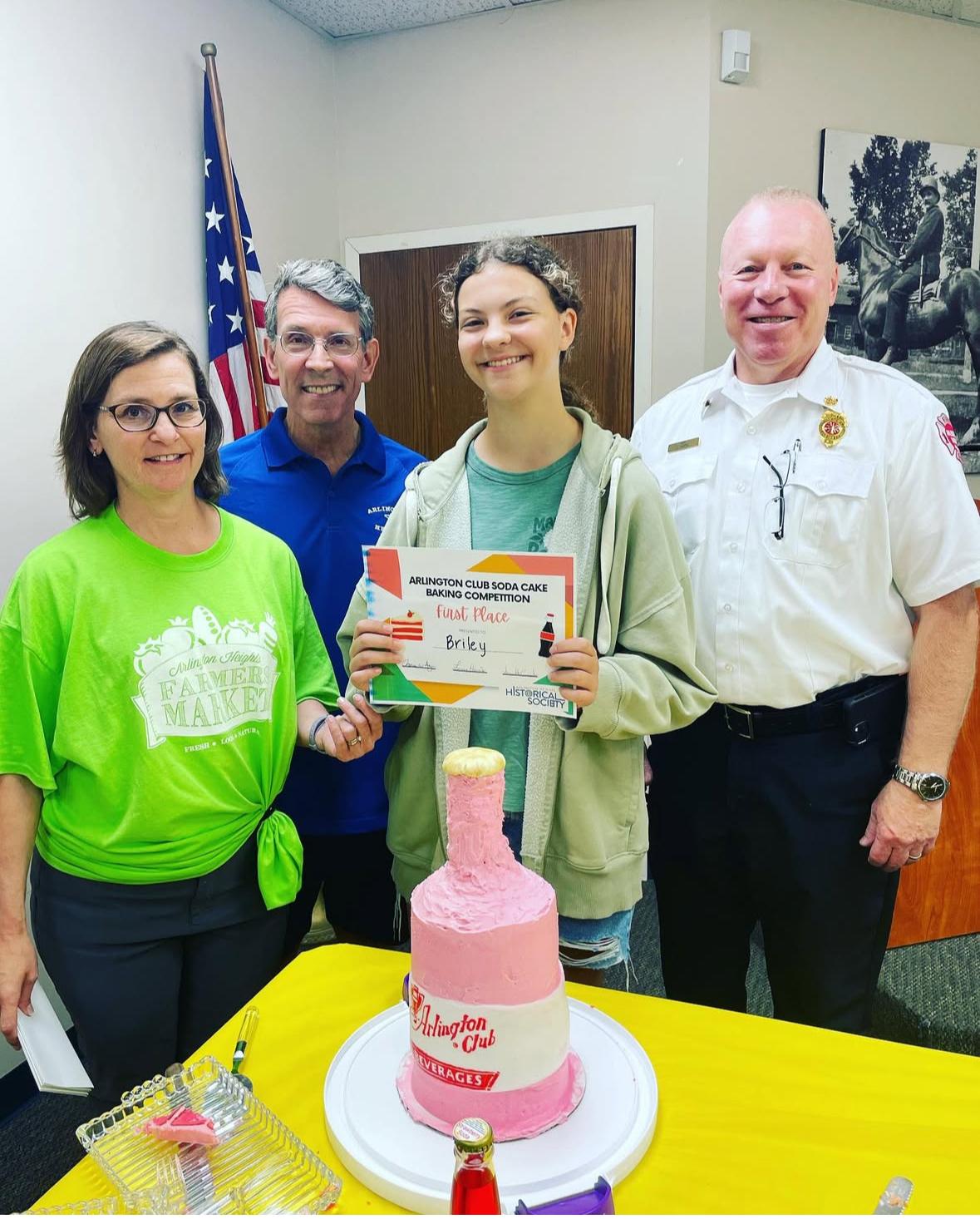
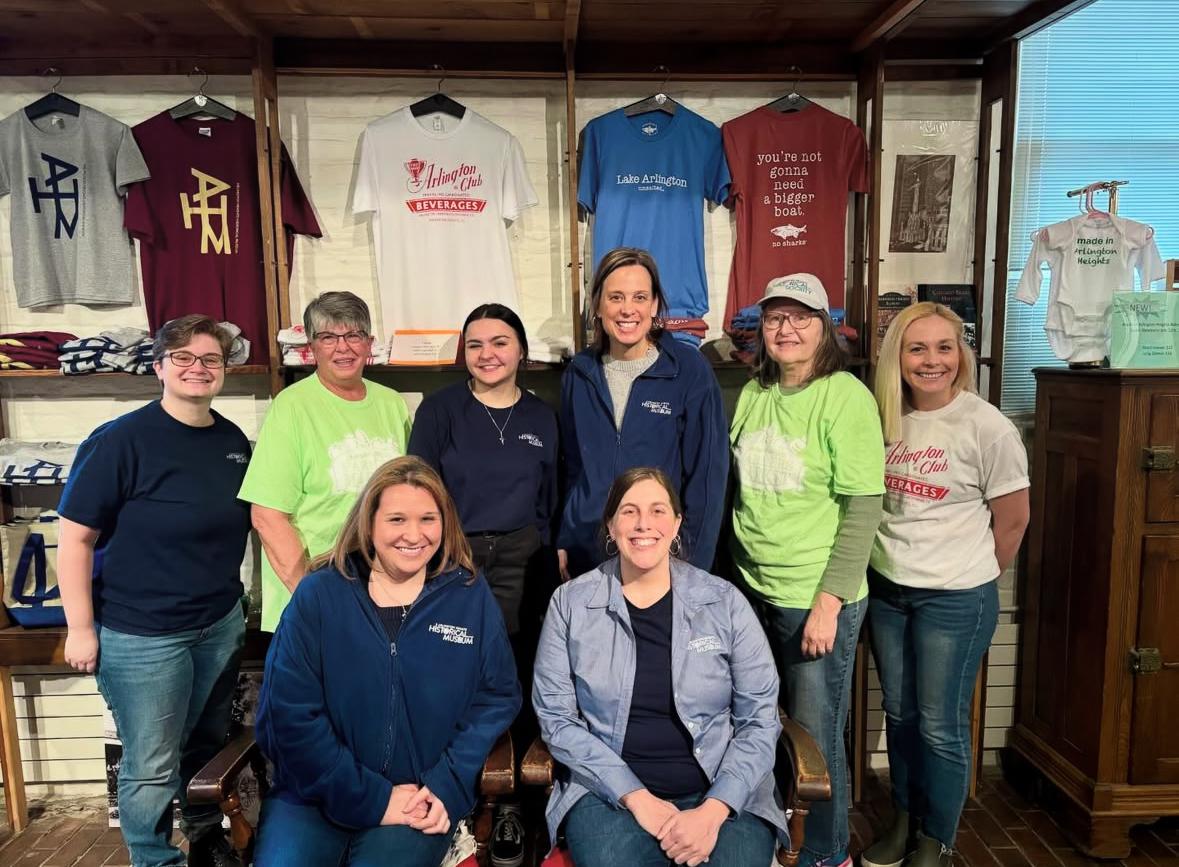
The museum remains’ a place for people to gather, take part in unique experiences, and learn about the flavor of local history (including Arlington Club Beverages). I’m excited to be a small part of its history.
| | |
Then and Now: Remembering The Vail Lounge
By Maggie Sraga
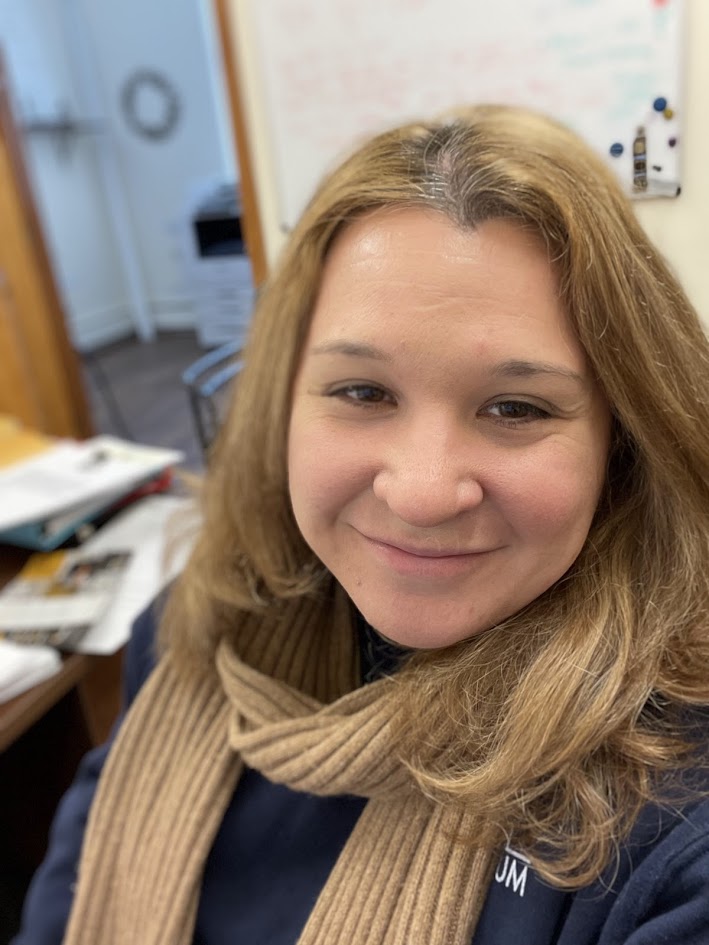
AHHS Operations Manager
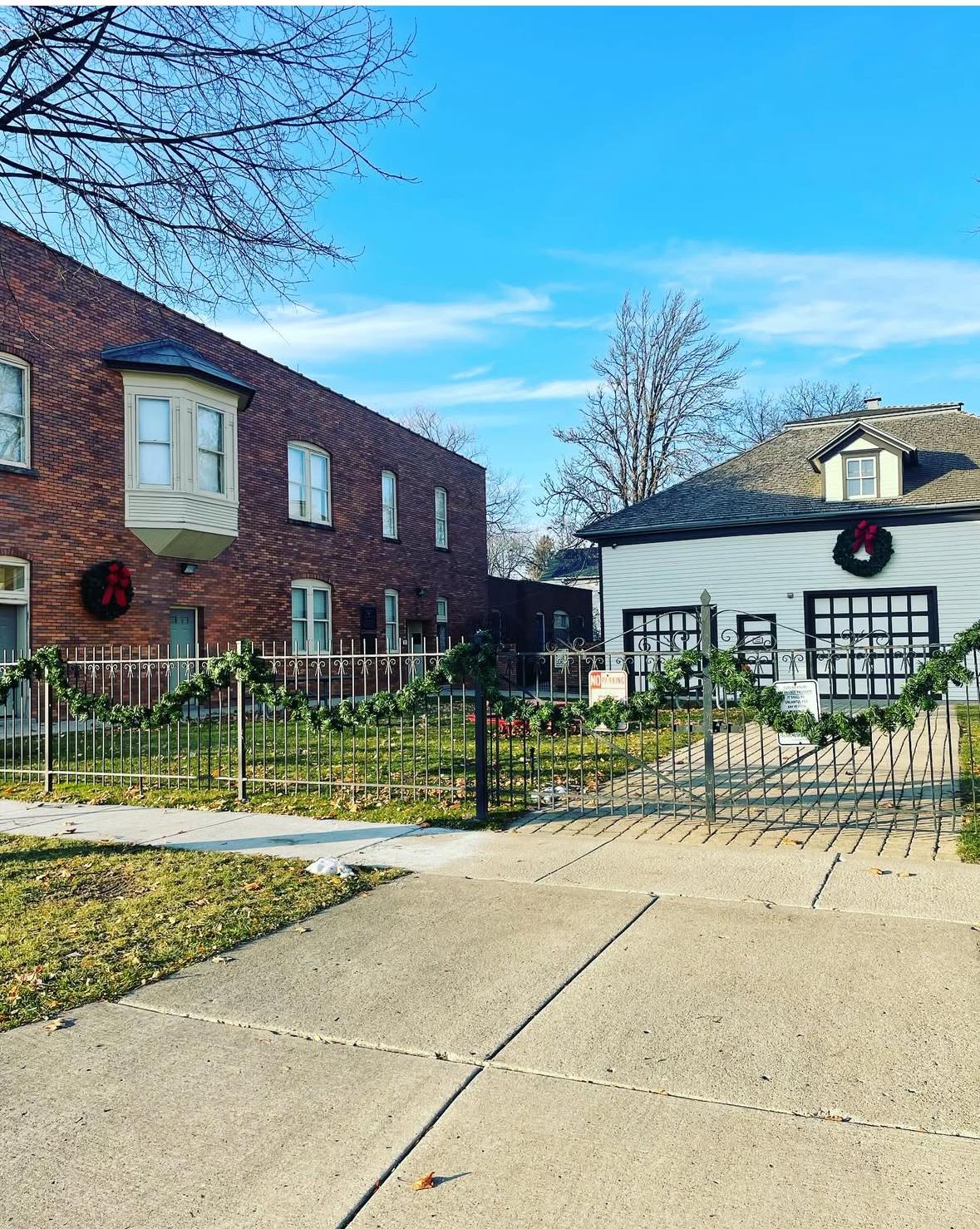
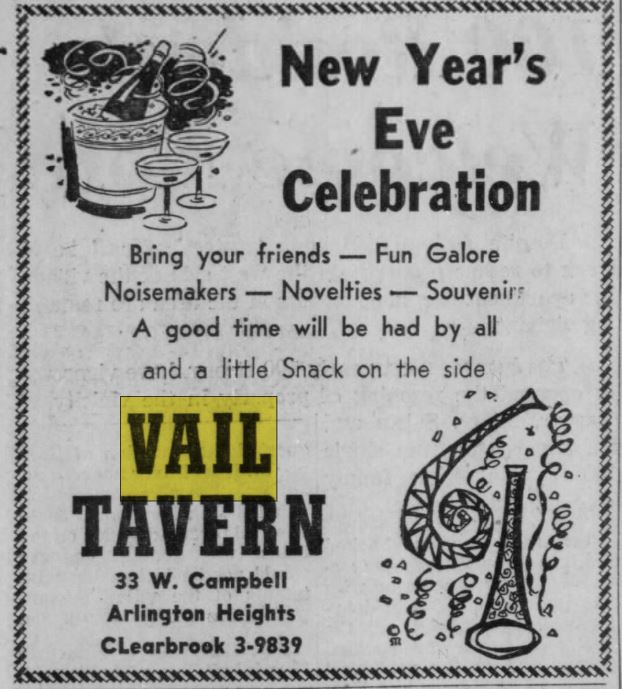
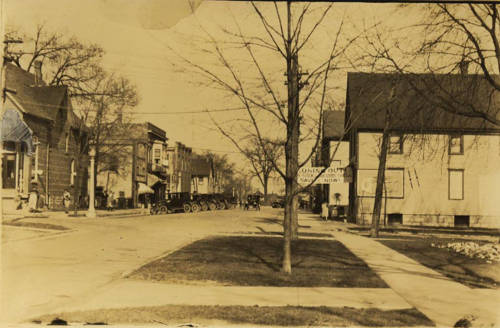
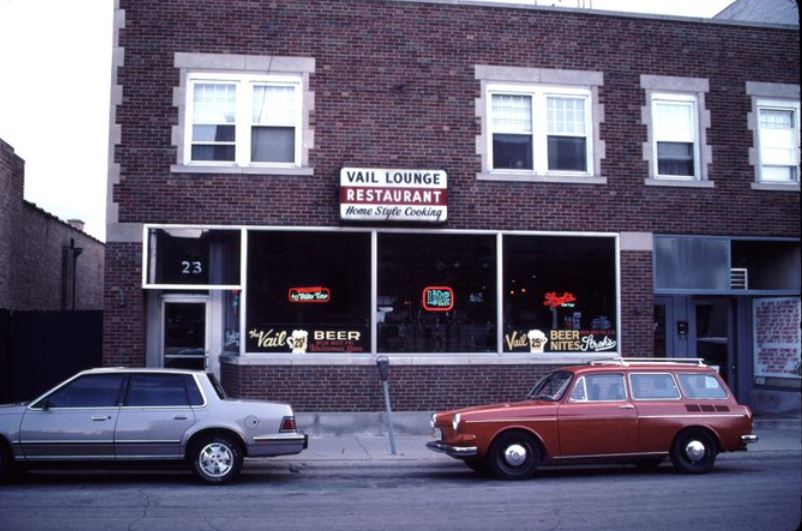
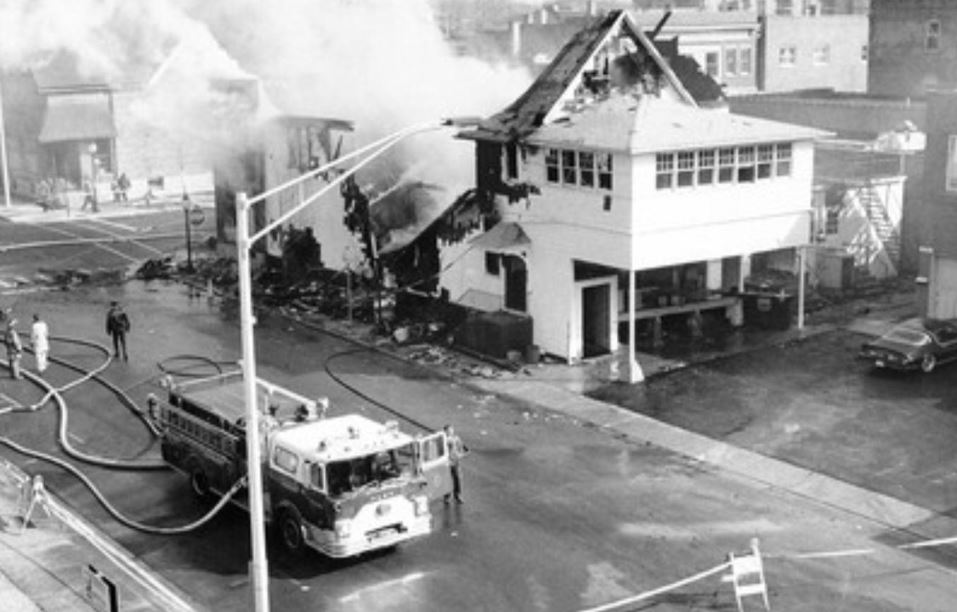
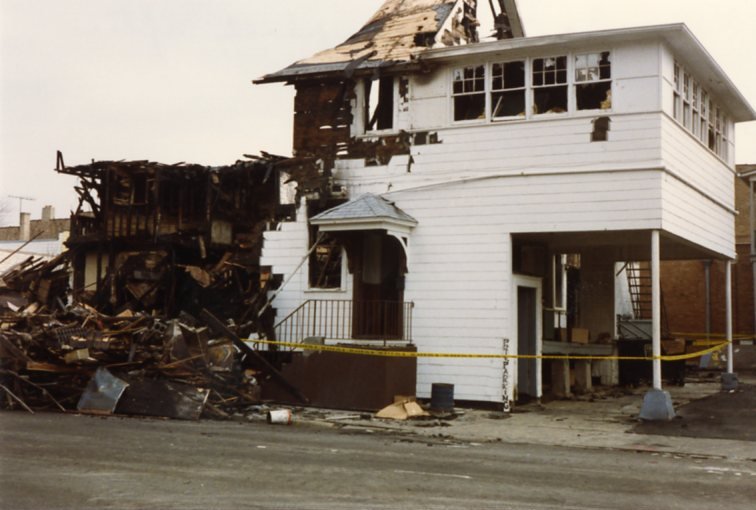
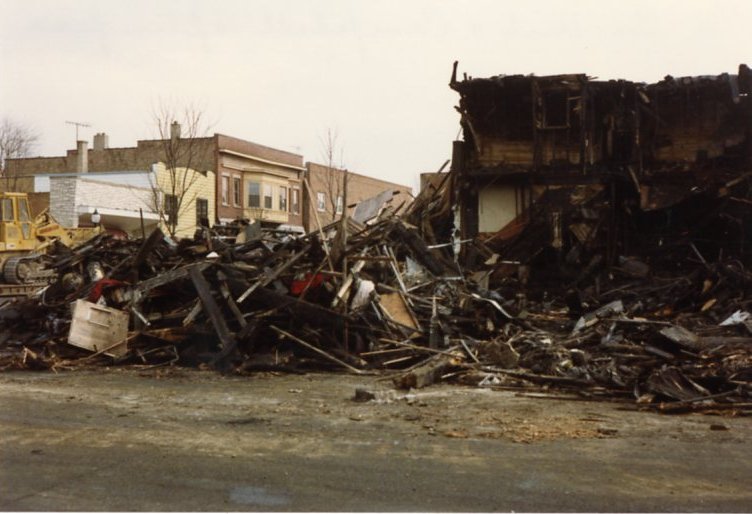
| | March 8, 2025 marks the 36 year anniversary of the Vail Lounge fire. The Vail Lounge, a cherished establishment in Arlington Heights, was tragically consumed by fire on March 8, 1988. This incident remains a significant event in the town's history, marking a day of profound loss for the community. The Vail Lounge, also referred by many as the Vail Tavern, was located at 33 W. Campbell on the southeast corner of Campbell and Vail. | |
| |
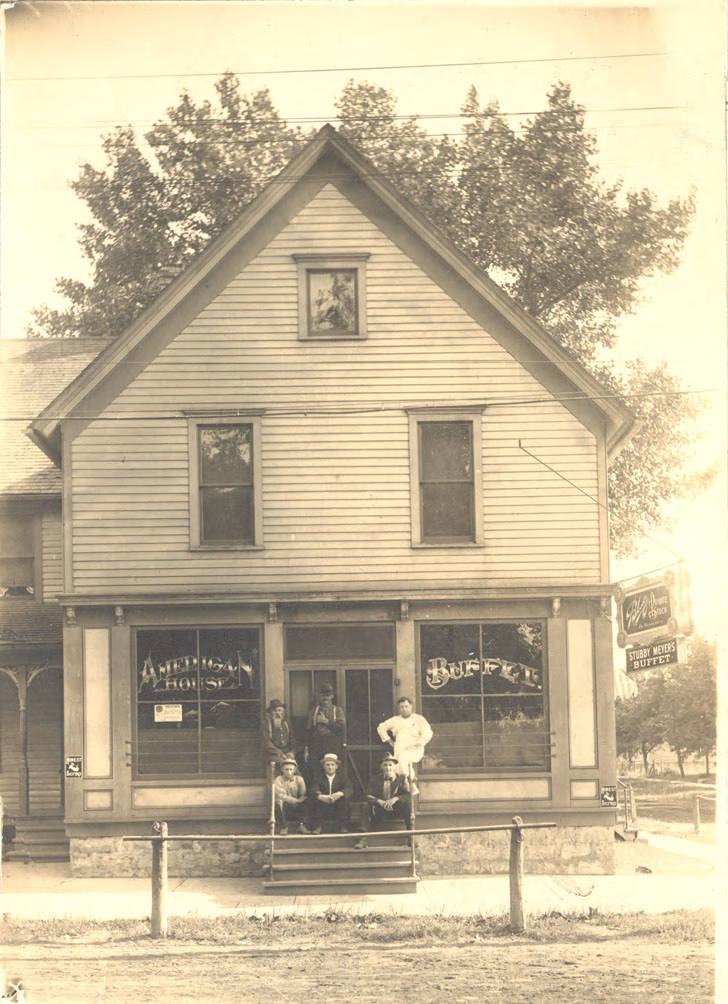
The American House 1900-1910
In 1899, Peter Busch built a new hostelry and saloon in Arlington Heights that he named “The American House. Located at 33 West Campbell Street, it was one of the prominent business places of the town in 1903. Peter was known all over the countryside for his hospitality, accommodations, wines and liquors. Peter Busch owned the American House until 1910. The tavern was then owned by Charles Shane from 1910 to 1912.
| | | |
| |
The Vail Tavern
1912-1988
W. G. Meyer purchased the tavern in 1912. At that point, the name was changed to The Vail Tavern and owned by Louis Sadecky from 1917 to 1932; Vincent Sadecky from 1932 to 1954; Tony Frigo from 1954 to 1966; and William Andreis from 1966 until March 8, 1988, when a huge fire burned the building to the ground.
| | | |
On March 8, 1988 a fire started in the early morning hours. The cause of the fire is still unknown to this day. In addition to destroying two shops,81-year old Joseph Dzeiedzic, was killed in the fire. He lived alone in a second-floor apartment above the tavern. Many regular customers called it a home away from home, and came to mourn the loss of the Vail Lounge. | | | |
| |
1999-Present Day
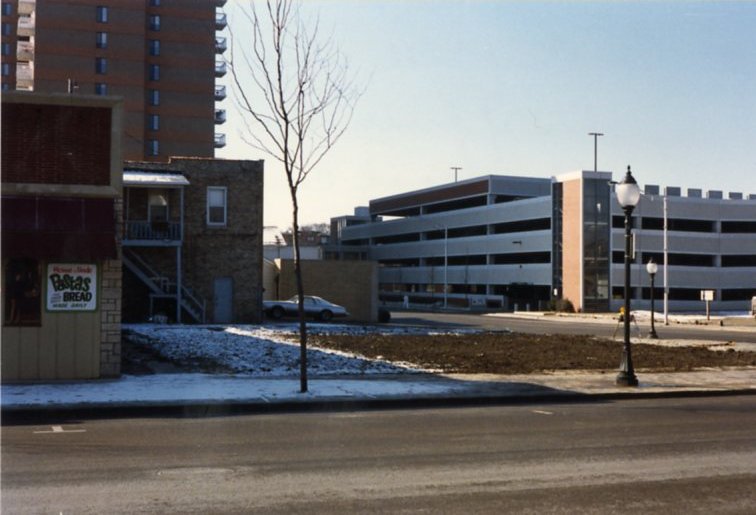
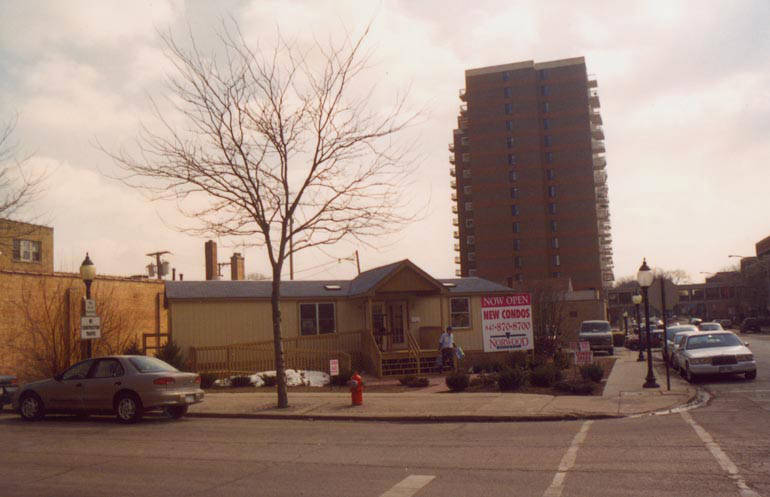
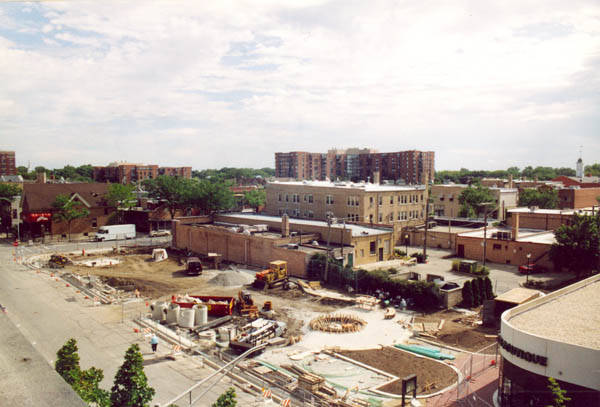
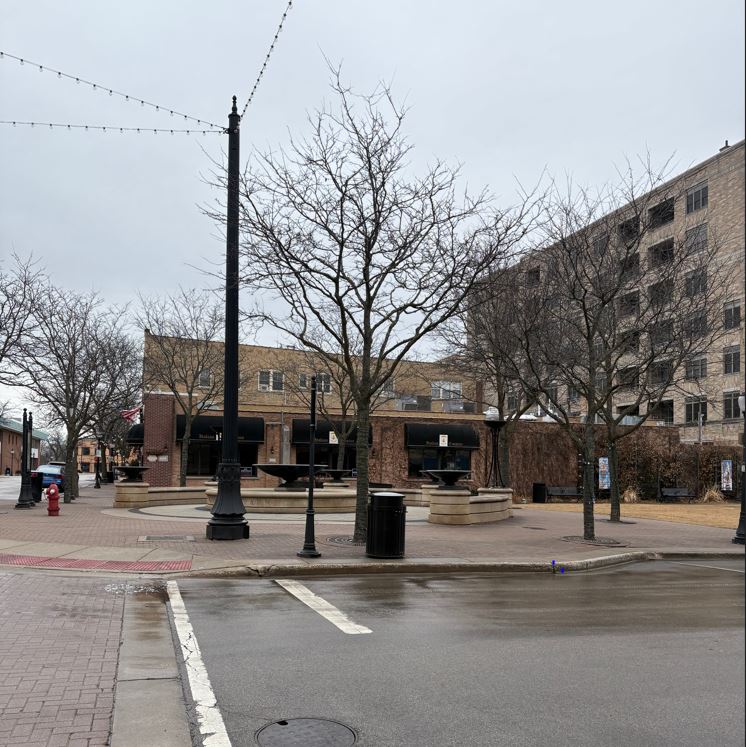
After the fire, the land sat vacant for many year. In 1999, the vacant lot was used as a model and sales office for condominiums in the Village Green complex. The Village of Arlington Heights purchased the land and in 2005 it became Harmony Park. Today, Harmony Park is the heart of downtown Arlington Heights and host the Sounds of Summer concert series.
| | | |
Get Involved With The Society!
| | |
JOIN OUR BOARD
The Arlington Heights Historical Society is an active board, fundraising to support the Museum and provide events, programs, and care of the collections.
We are looking for board members to join our team! Our board is broken into our Building and Grounds Committee, Collections Committee, Programing and Fundraising Committee, Membership Committee, and Farmers Market Committee.
Join us at our upcoming board meeting. Monthly meetings are held at 7pm on the third Thursday of every month at the Museum, 110 W. Fremont, Arlington Heights. Come see what we are all about! Board members do not need be Arlington Heights residents.
Upcoming Meetings:
- Thursday, March 20, April 17, May 15, and June 19
| | |
BECOME A MEMBER
Members of the Arlington Heights Historical Society provide ongoing support in persevering and presenting the history of Arlington Heights. In addition, members enjoy many valuable benefits, such as:
-
Free tour admission to our historical campus buildings and free four pack of Arlington Club Soda.
- Quarterly Member newspaper and up to date communications on Museum happenings.
- Discounts on purchases in the Museum Heritage Gallery gift shop and room rental fees for the Arlington Room.
- Reduced admission rates to family events, holiday celebrations, and historical programs.
- Invitations to special member events, receptions, and exhibit openings.
- Membership in Time Travelers program, includes discounts and benefits to over 300 museums nationwide.
| | |
VOLUNTEER WITH US
We are always looking for volunteers to help at our events, with our collections, or at the Farmers Market! Current volunteer opportunities include:
- Helping at Special Events
- Gift Shop Material Support
- Research and Writing for our Dunton Post
- Working With our Collections
- Volunteering at the Farmers Market Starting May 10
And Many More!
| |
Mayors of Arlington Heights
By Anna Stenzel
AHHM Volunteer
A Place to Advance and Assemble
In the 1880’s the people of the developing town sought a more unified structure designated for the needs of the growing acreage and population. On January 18, 1887 an election to determine incorporation. 126 to 34 resulted in the formal incorporation of Arlington Heights. As such, an election for village officials followed in April with the first trustees and clerk. No official president was elected at the time, so Guenther Schmidt was chosen as the first president, awaiting a formal election in 1888.
The first ordinances of this newly formed government sought to settle the decorousness throughout the town. These included appointing a Street Commissioner, Village Clerk, Constable, and Poundmaster, maintaining proper sidewalks and setting law standards regarding citizen behaviors. These newly established decrees set the tone for the growth and stability of the village
Our new government, though united, had inevitable minor modulations to practices. Voting was originally through individual ballots with a color specific to the slate at hand, this led to a public spectacle of voting lending itself to bribery as a practice. To discourage this, in 1891 Illinois adopted the Australian Ballot system where all candidates were on the same sheet. Another change came soon after in 1903 when terms went from one year to two years.
| |
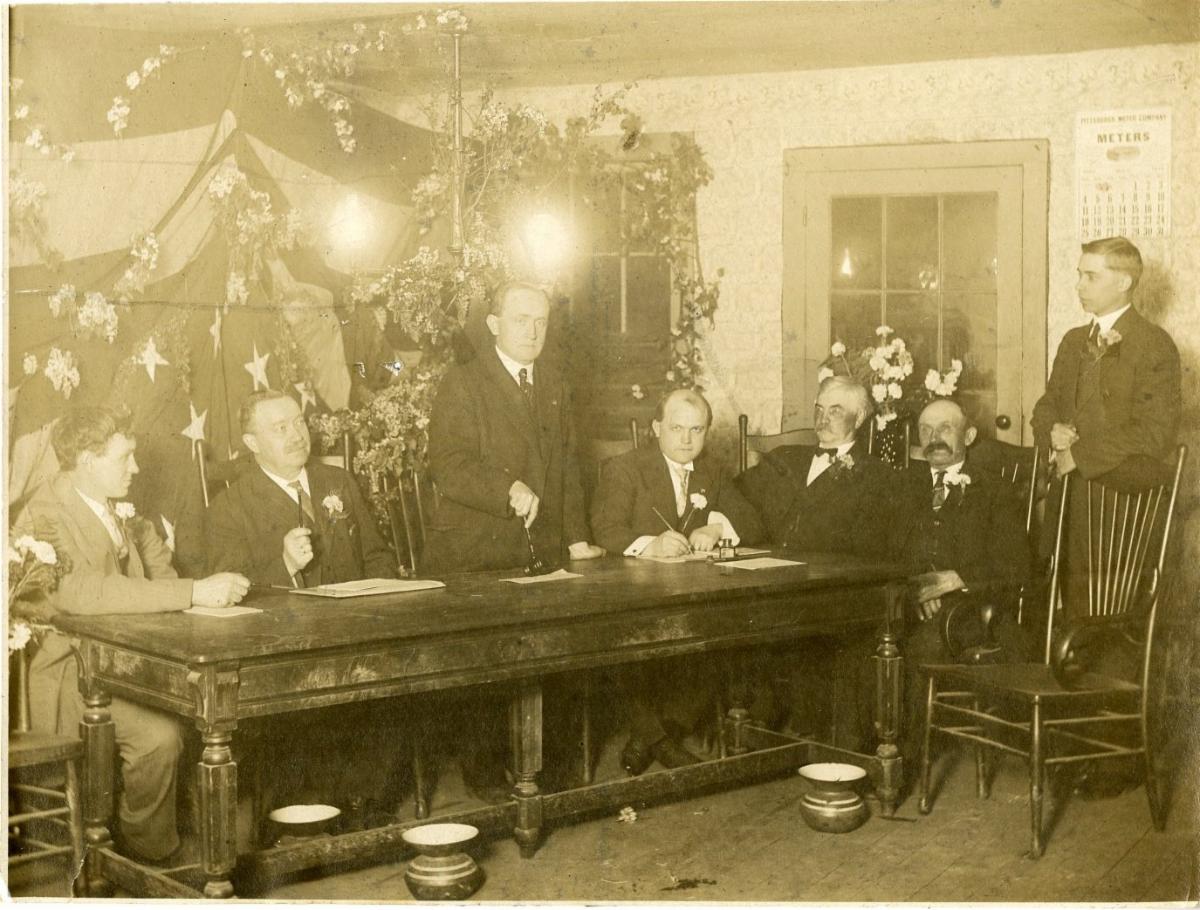
Arlington Heights Village Board, May 5, 1913 Left to right: Julius Flentie, William F. Meyer Sr., A. F. Volz ( mayor), George K. Volz, ,J. P. Hausam, Henry Horstman, Hugo Thal.
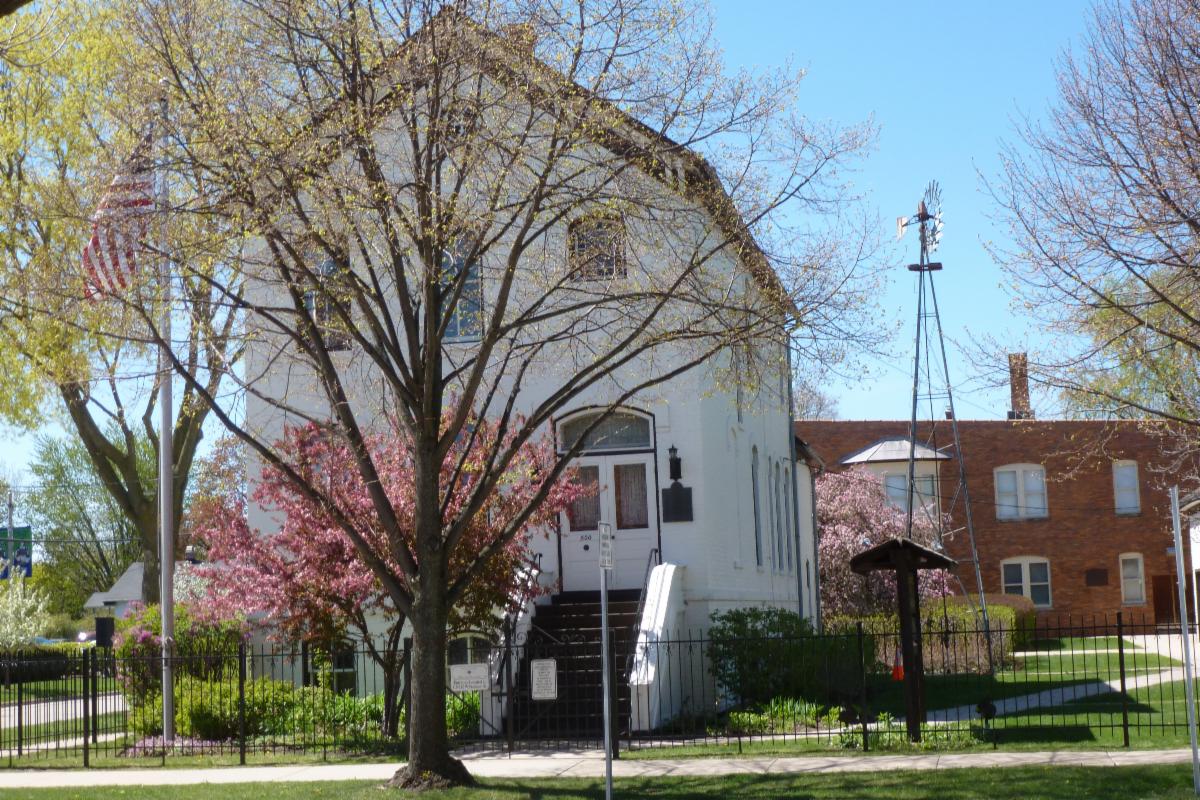
The Board met in Henry Luetge's former home, at the triangle of Vail Avenue and Wing Street, south of the railroad tracks. The house began as a store on South State Road (later Arlington Heights Road) in the early days of the village before the railroad. It was a long building when Mr. Luetge bought it and cut it into two parts. One part became this house. The structure was moved again in 1930 to 925 North Dunton and made into a residence once more. A new brick building was constructed in 1914 to house the Village Offices as well as the Police and Fire Departments.
| |
Mayors and Impacts
· 1887 – 1888: Guenther Schmidt
· 1888 – 1889: John E. Wood
· 1889 – 1891: J.B. Hawks
· 1891 – 1893: Charles Sigwalt: Successfully established the first Fire Department in 1894.
· 1893 – 1894: W. H. Sisson
· 1894 – 1897: Charles Sigwalt
· 1897 – 1899: F. W. Muller
· 1899 – 1905: Charles Sigwalt
· 1905 – 1907: Henry Klehm
· 1907 – 1909: Albert F. Volz: While in Illinois legislature, was a strong advocate for women’s suffrage in 1918 even wearing political clothing emphasizing his stance.
· 1909 – 1913: Peter F. Mors
· 1913 – 1915: Albert F. Volz
· 1915 – 1927: Peter F. Mors: United the politicized village with a “Welcome Home” parade for WWI soldiers.
· 1927 – 1941: Julius D. Flentie: Secured necessities to open Arlington Park, a staple of the village for decades to come.
· 1941 – 1957: Albert Goedke
· 1957 – 1960: Edward G. Carlisle: A force to obtain the new village hall on Dunton/Campbell.
· 1960 – 1961: Harold Carlson
· 1961 – 1969, 72: John Woods: Served while Arlington Heights doubled its population and valuation. Secured 4,000 acres for village expansion
· 1975 – 1989: James T. Ryan: Campaigned and brought Lake Michigan water to Arlington Heights. He also kick started tax distributions for our central business district. Fought for the vitalization of downtown Arlington Heights.
· 1989 – 1992: William Maki
· 1992: Michael Schroeder
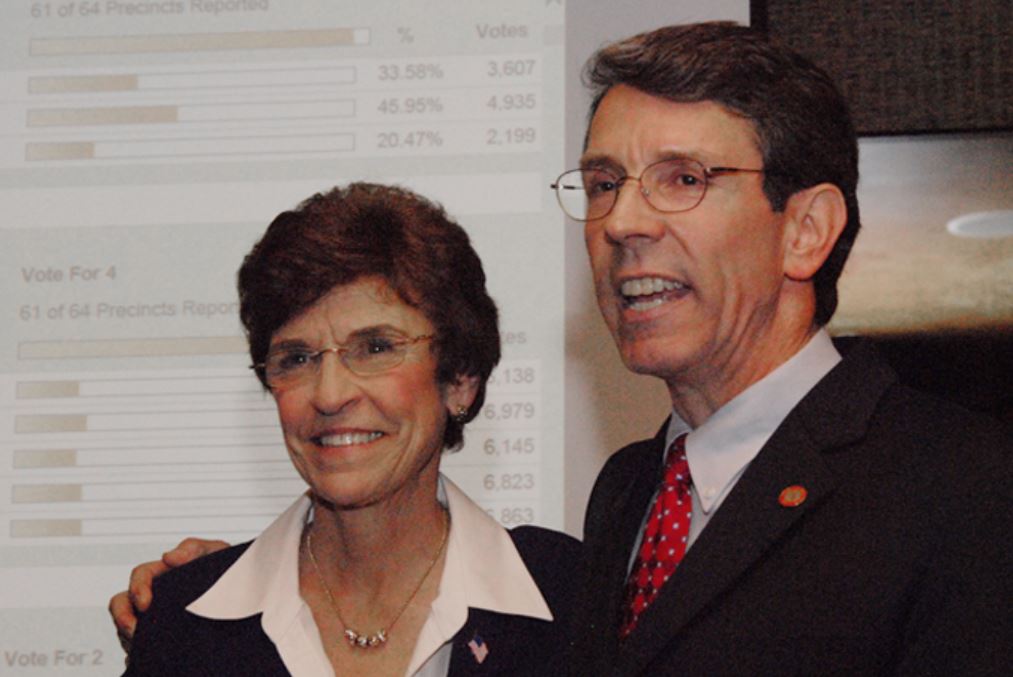
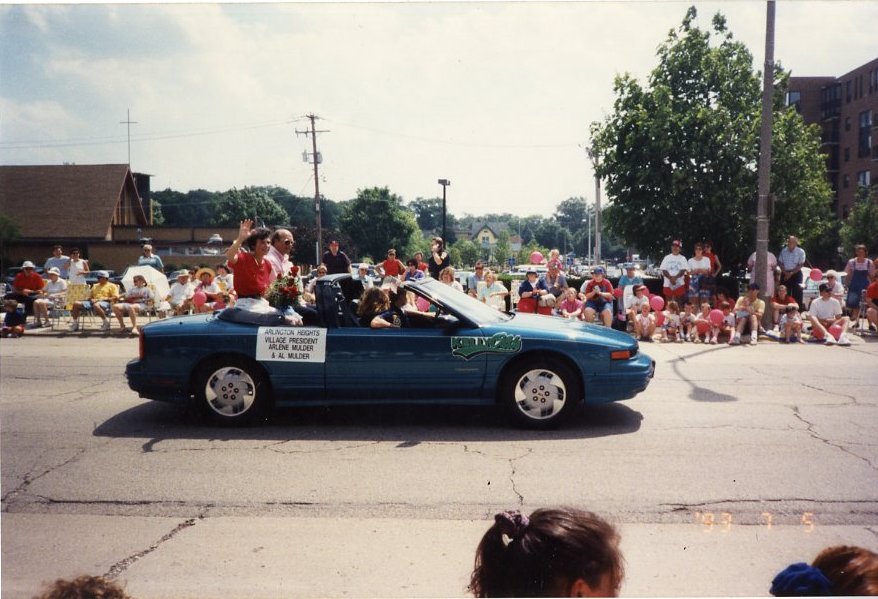
· 1993 – 2012: Arlene Mulder: Maintained village fiscally during the 2009 recession. Led renovations to rail transportation as part of bigger plan to transform downtown Arlington Heights. Arlene also Developed Metropolis, Village Green, and Arlington Town Square
·2013 – 2024: Tom Hayes: Mr Hayes worked through creating diversity conversations in the village, continued to support local business through Arlington Al Fresco when COVID-19 hit. Most recently, he recognition of Pride Month in Arlington Heights 2022.
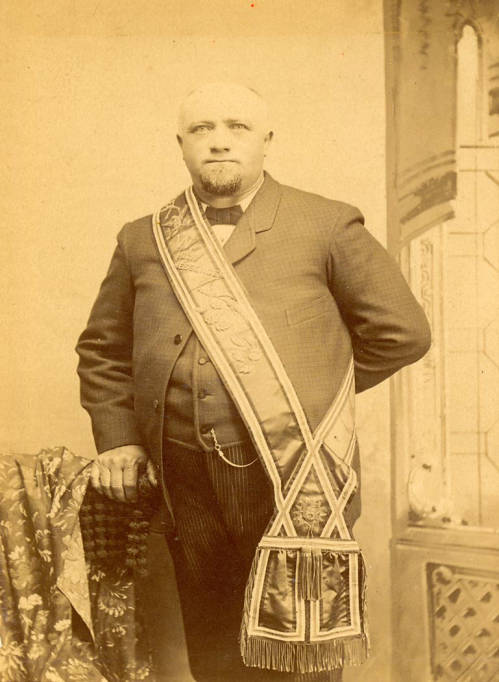
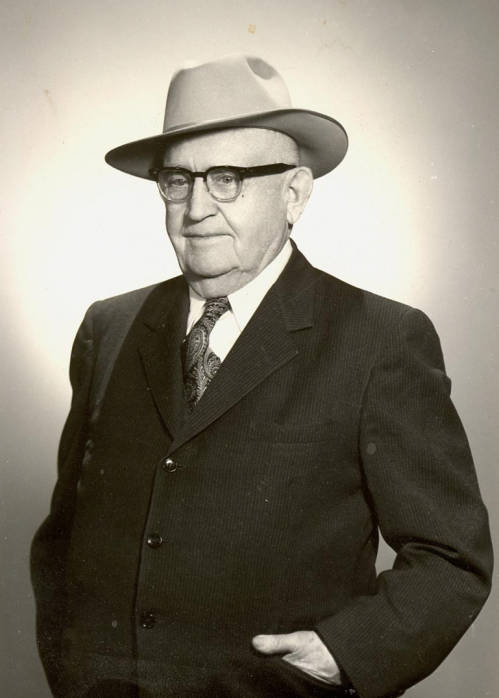
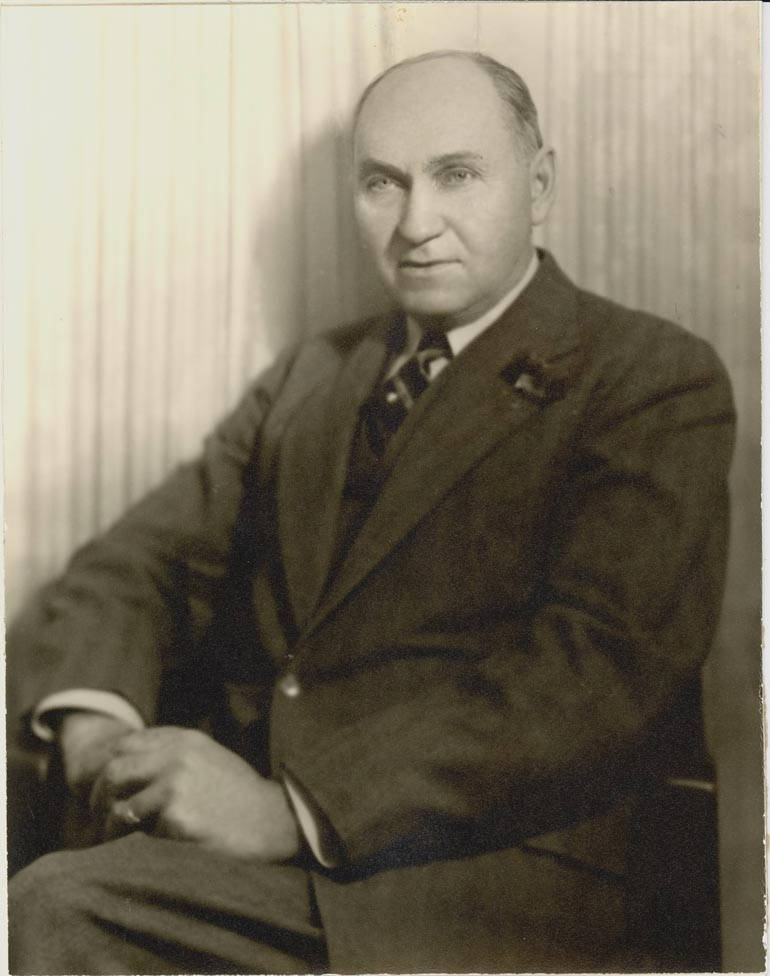
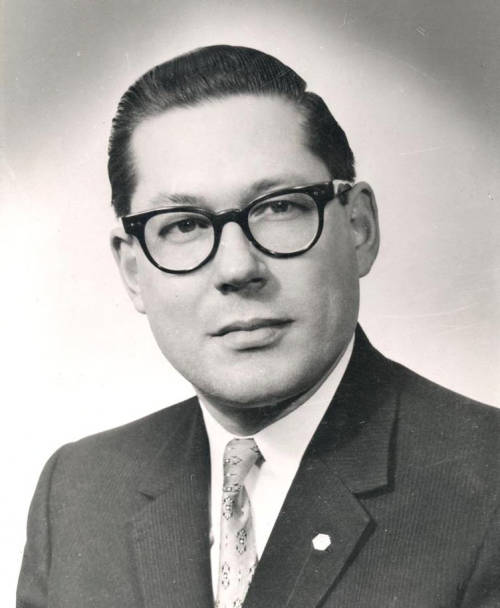
| | Guenther Schmidt served as the first Mayor of Arlington Heights in 1887. He served one year. He was chosen by the first elected Board of Trustees | Albert F Volz lived his whole life in Arlington Heights; he was the first charter member of the Arlington Heights Five Department in 1894. He served as a village trustee from 1899 to 1905 and in 1907 he was elected mayor a position he held for two terms" | Mayor Julius Flentie served 40 years with the Fire Department, the group that "ran the town" of Arlington Heights. During those 40 years he served on other committees and boards so much that The Herald credited him with 40 years of public service to the township, village, park district, and school board. He served as the town clerk, township collector, village trustee, mayor, park commissioner, school board member, and volunteer fireman | Mr. Woods was on the board of directors for Paddock Publications and was the former mayor of Arlington Heights. He served as mayor from 1961 to 1969. | Schroeder also was elected as a trustee to the Arlington Heights Village Board, a term that lasted from 1989 to 1992. From 1992 to 1993, he served as acting village president, finishing out the term of William Maki, who stepped down to be a Cook County Circuit Court judge. | | | |
The People Behind the Village
There is no need for a government unless there is a community to be supported through government. The people of Arlington Heights at the start of the new government structure were particularly concerned in order to further unite the community. There were several key spaces in which the citizens frequented and encouraged continued support of. Churches were fundamental third spaces that provided access to social clubs and activities, Meyer’s Hall hosted dance events as a more formal gathering for 50 cents, and public parks provided outdoor spaces. The villagers were either local farmers or commuters, and the latter was increasing as population grew. Needing a space to retreat locally or for women to gather was important for families and farmers while commuter friendly transportation was necessary for those going into Chicago. In order to get better infrastructure and establishment as a dot on the map of Cook County, a designated leadership was essential.
| |
Mayoral Role Today
Today, the mayor continues to evolve committees and commissions to further involve and improve the experience of villagers. The two decades between 1950 and 1970 saw an intense increase in village population, which formed the central tenants and ideals brought through to today’s village. The formation of a park district to continue providing programming for citizens in the early 1900s all the way to the promotion of local businesses with Arlington Al Fresco in 2020, our mayors strive to encourage the strength of “The City of Good Neighbors.”
| | | |
Recent Mayoral Impacts
Arlington Heights mayors have a long tradition of being visionaries for the potential of this community and its residents.
Continuing on John G. Woods ideas of expansion for business, former mayor Arlene Mulder kept her eyes set on the development of downtown Arlington Heights, even receiving “Excellence in Planning” award in 1999 and 2008, and later the 2010 Chaddick “Municipal Development Award.” These accolades recognize the evolution of the village as a hub for arts and community gathering. Her impacts on community have always led from a place of knowing what a true neighborly community looks like.
| | | |
Incumbent Mayor Tom Hayes continued mayor Mulder’s efforts as they spent 22 years on the board together prior to his inauguration. Mayor Hayes continued bringing improvements to the village with business expansion downtown, popular community events, and a consistent budget. These key accomplishments allowed for stability during COVID-19 pandemic which laid the groundwork for the growth of downtown thereafter, and the increasing emphasis on creating housing in Arlington Heights. Arlington Heights was even named as the “Best Place to Live” in the Daily Herald in 2022.
Mayor Hayes began his career with 22 years in active U.S. Army and the reserves, practiced as a trial attorney in toxic tort litigation, and served as a Village trustee from 1991-2013. Mayor Hayes began his first mayoral campaign with the intention of improving the economic state of the village which he held onto through the struggle of the pandemic.
| | The Arlington Heights Historical Society would like to thank Mayor Hayes for his continual support, involvement, and friendship to the Society over the years. | | |
One thing rings true with each new mayor, the community of Arlington Heights is a community built by its residents and for all future citizens.
Early election voting will take place at Village hall March 17th- 31st and via resident precincts on election day, April 1st. For more information visit the Village website.
| | |
Celebrating Women's History Month
March is Women's History Month. March is a time to honor the incredible women who have shaped history, challenged boundaries, and paved the way for future generations. As we move through March, let us take time to reflect on the powerful legacies of women who have who have made Arlington Heights what it is today. Below are the stoires of just some of those women.
| |
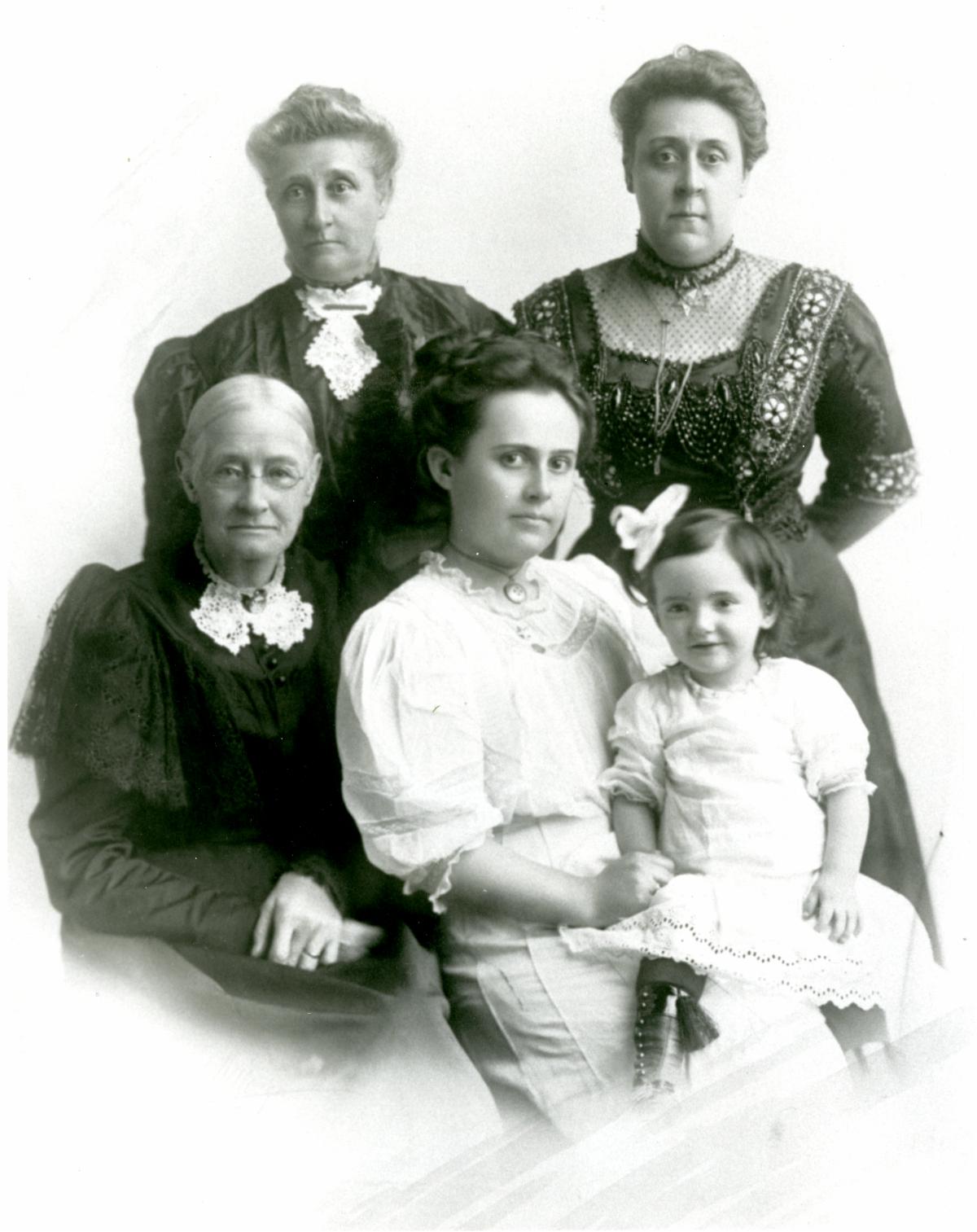
Pictured are five generations of the Kennicott family: front row, left to right: Mary Kennicott, Eva M. Little (great-granddaughter of Mary), Grace Little Herbst (daughter of Eva); back row, left to right: Eva K. Williams (Mary’s daughter), May Allison (Eva William’s daughter) | |
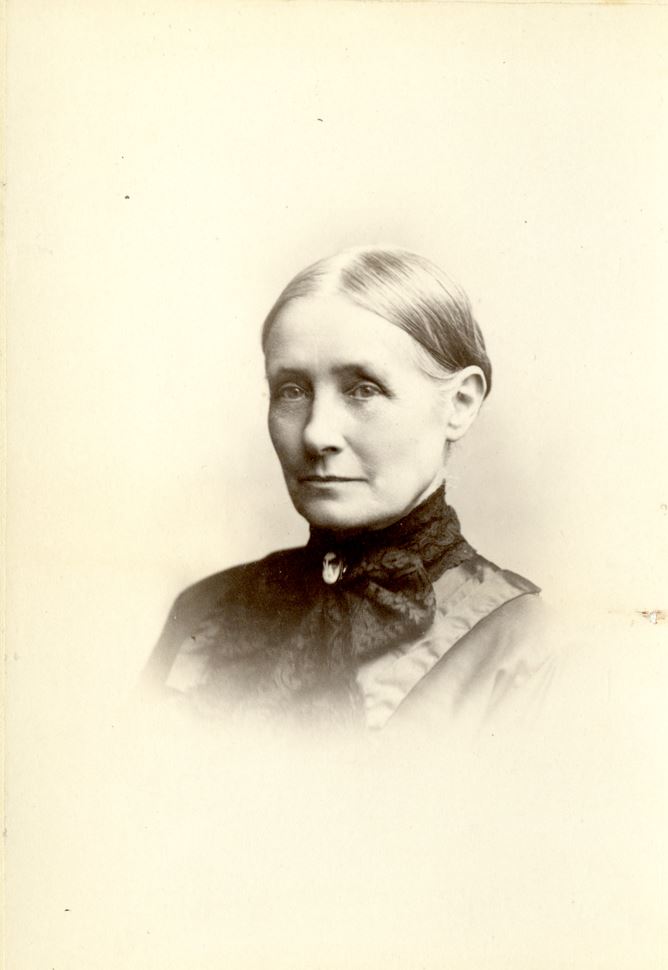
Mary Kennicott
For those of you who live in Arlington Heights “Kennicott” is probably a name you’ve heard many times. To begin our women’s history series we will take a look at Mary Kennicott, a woman who was so well-known and well-liked by the citizens of Arlington Heights that there was a parade in honor of her 100th birthday. She was not originally from Arlington Heights, she moved to the village in 1875 with her husband Joseph. She was an active member of the community until her later years when her health declined. Even after that, she still kept up to date on what was going on in Arlington Heights through her daughter. She passed away in 1921, just shy of her 101st birthday.
| | | |
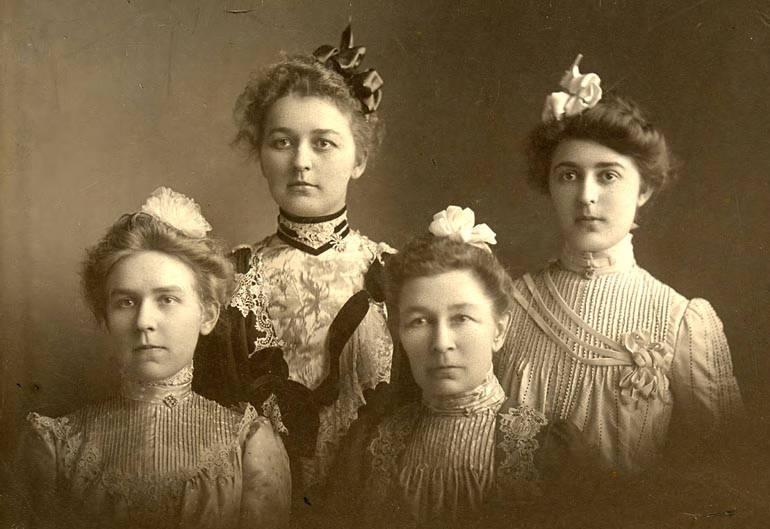
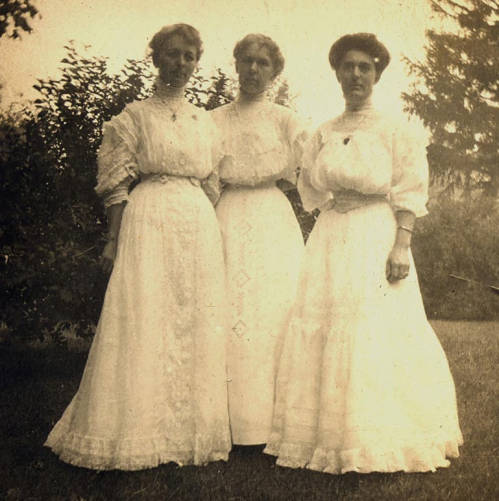
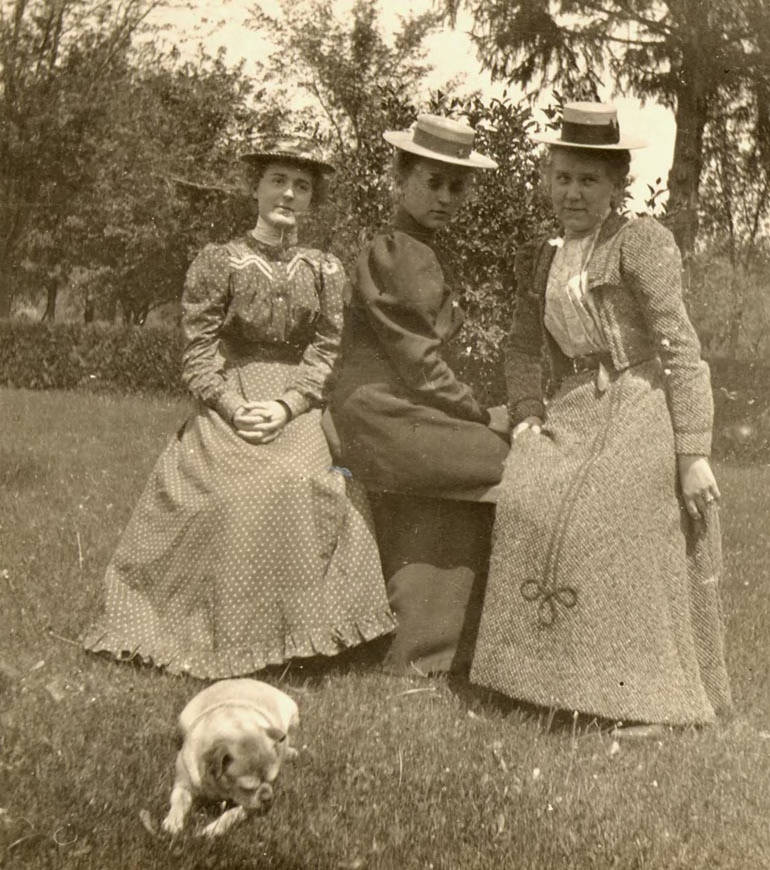
This is a formal photograph taken about 1910 of Elizabeth Sievert Muller (lower right of the picture), wife of F. W. Muller, and her daughters. The daughters left to right are: Mae (Marie C.), Minnie (Wilhelmina), Elizabeth, and Addie Adeline Augusta. | Pictured about 1906 are the Muller sisters: Minnie (Wilhelmina Emma) Muller Banta; Mae (Marie C.); and Addie (Adeline Augusta) Muller. | Pictured about 1910 are F. W. Muller's daughters: Addie, given name Adeline Augusta; Minnie, given name Wilhelmina Emma Banta; and Mae, given name Marie C. and Pug, the dog" | |
The Muller Women
Born in 1852 in Hanover, Elise Sievert immigrated to the United States with her parents in 1854. She married Fredrick “Pop” Muller in 1873, a little less than a year after their first meeting. She was interested in architecture and design and it is believed she had a hand in several of the design choices that visitors to the Muller House may spot during their tour.
Wilhelmina “Minnie” Banta (Muller) was the oldest of the Muller daughters. She married Nathanial Banta in 1901 and in 1908 they built what we refer to today as the Banta House. Minnie was very active in the Arlington Heights community. She led several committees at the First Presbyterian Church, and during WWI she was head of the Red Cross in Arlington Heights.
Marie “May” Muller was the third oldest Muller child and the second oldest daughter. She lived and taught in Chicago for a while after she left her parent's house.
Adeline “Addie” Muller was the youngest of the Muller children. She never married and lived in the Muller House until she sold it to the Arlington Heights Historical Society in 1967.
To learn more about the Muller family and to visit their homes, please join us on a tour on Saturdays at 10:30.
| | | |
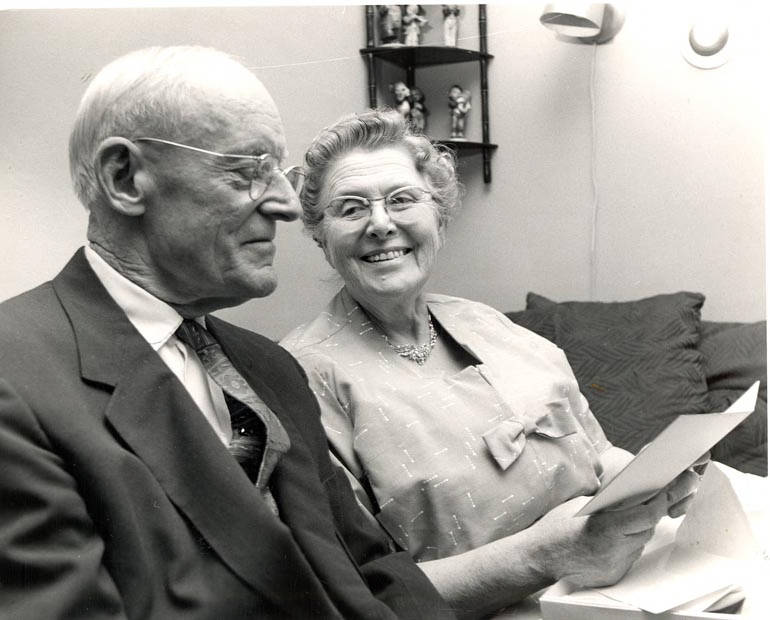
This 1962 photograph of Milton and Daisy Daniels was taken to commemorate their 50th wedding anniversary. | | |
Daisy Daniels
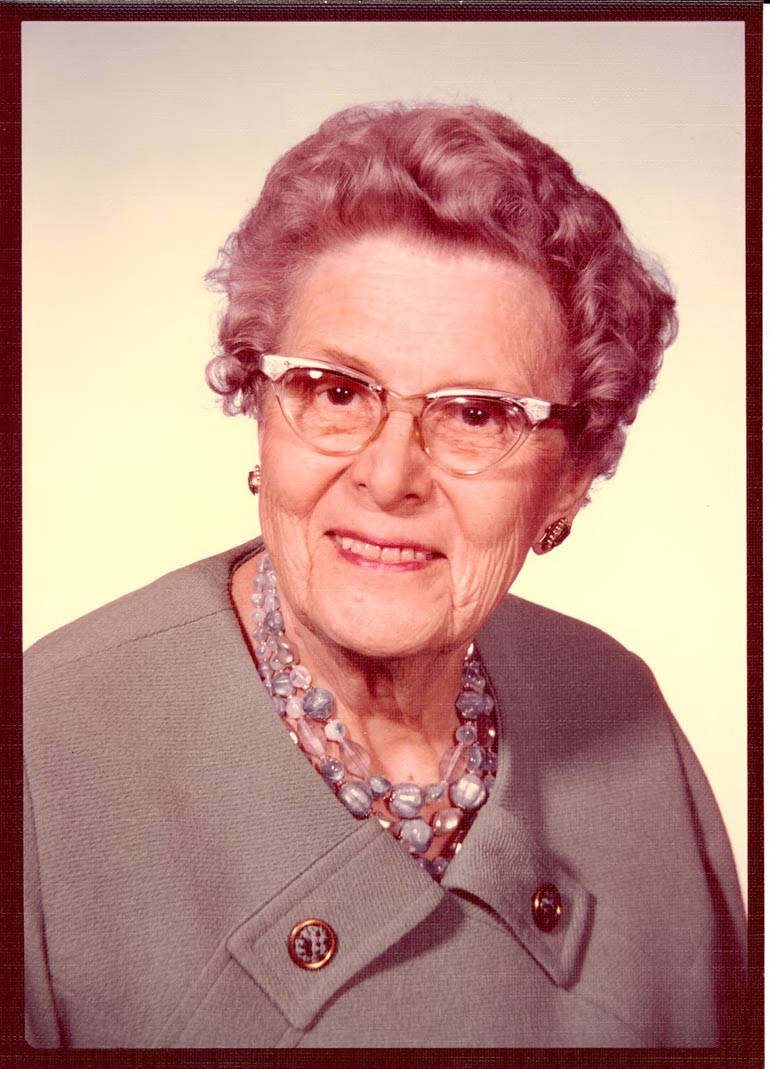
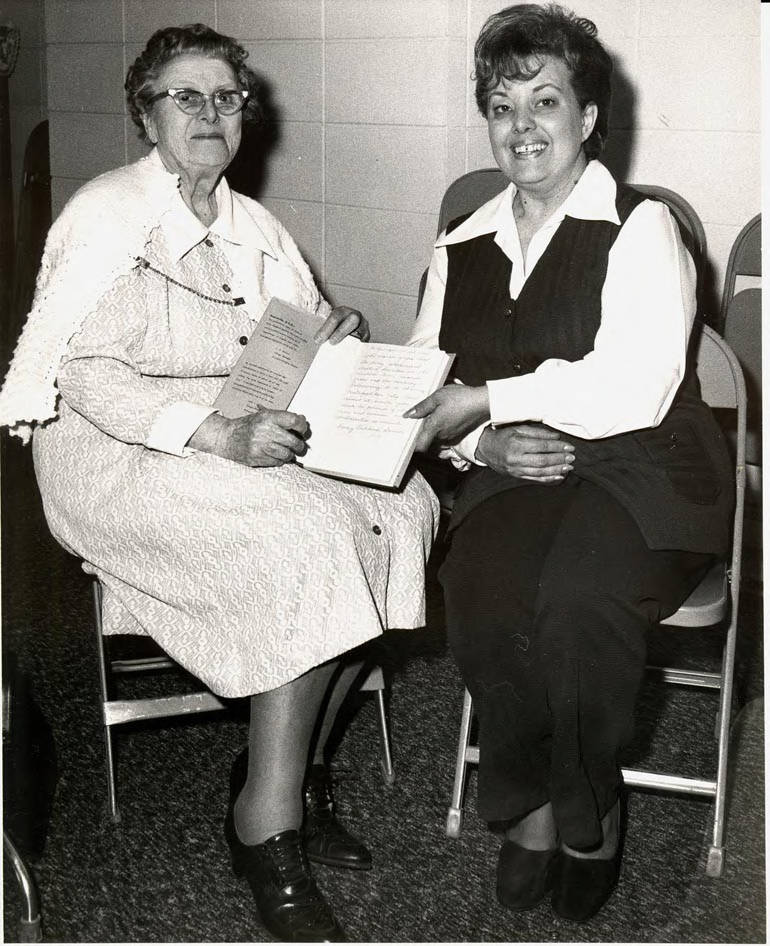
Here in Arlington Heights, women have played a vital role in our community from the beginning. And specifically here at the museum, women are instrumental to our history. One in particular is Daisy Daniels. You might recognize her as the author of Prairieville, USA, a book about the history of Arlington Heights. She was the first curator of the Arlington Heights Historical Museum and one of the founding members of the Historical Society. The original storage place for artifact collection was actually her basement! Daniels and the other early members of the society were not formally trained in artifact preservation, but they were passionate about the work they were doing and wanted to create something that future generations could learn from. And her work has inspired generations of people who have visited the museum she helped create.
| | | |
| | |
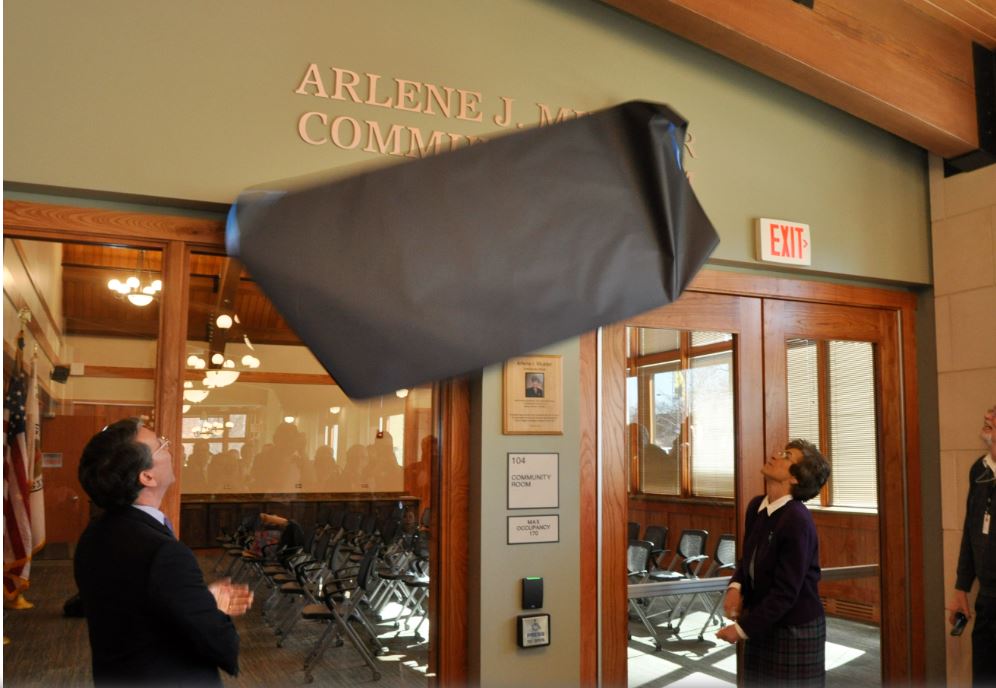
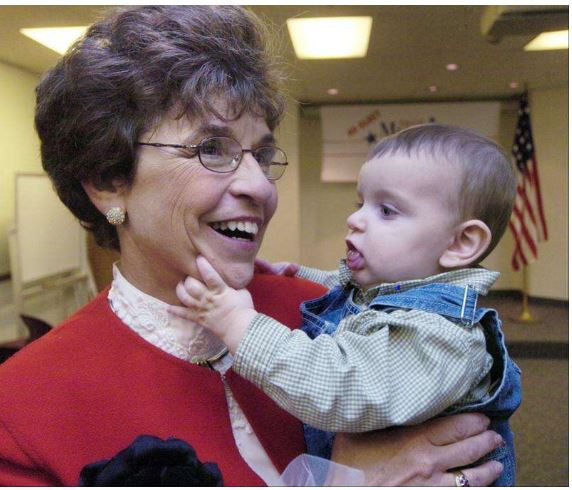
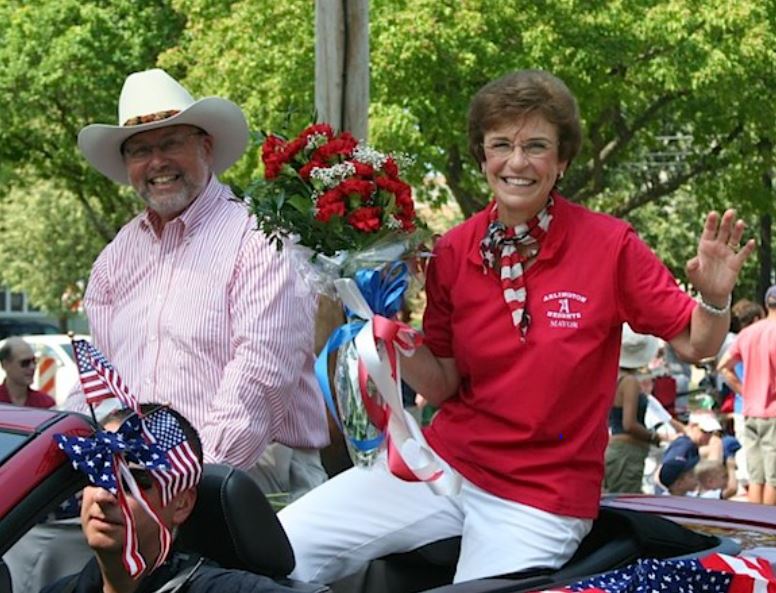
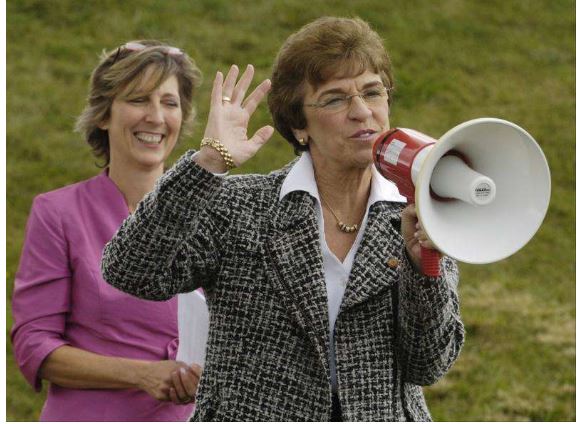
Arlene Mulder
Arlene Mulder served as mayor of Arlington Heights from 1993 to 2013, serving 5 consecutive terms. She was well-liked by residents of the village and did a lot to help both Arlington Heights and other communities in the area. Her work as mayor helped transform downtown Arlington Heights into what it is today. She also worked hard to bring people together and help strengthen relationships between the village government, the park district, the AH business community, and many others who have an interest in Arlington Heights. When she stepped down in 2013 she told the Daily Herald, “I hope they will say that I tried to do my very best. I'm not a miracle worker, but maybe that I was able to foster the spirit of cooperation and hopefully be a good neighbor.”
| | | | Happy International Women's Month from the Women of The Arlington Heights Historical Museum! | | 2025 Farmers Market Update | |
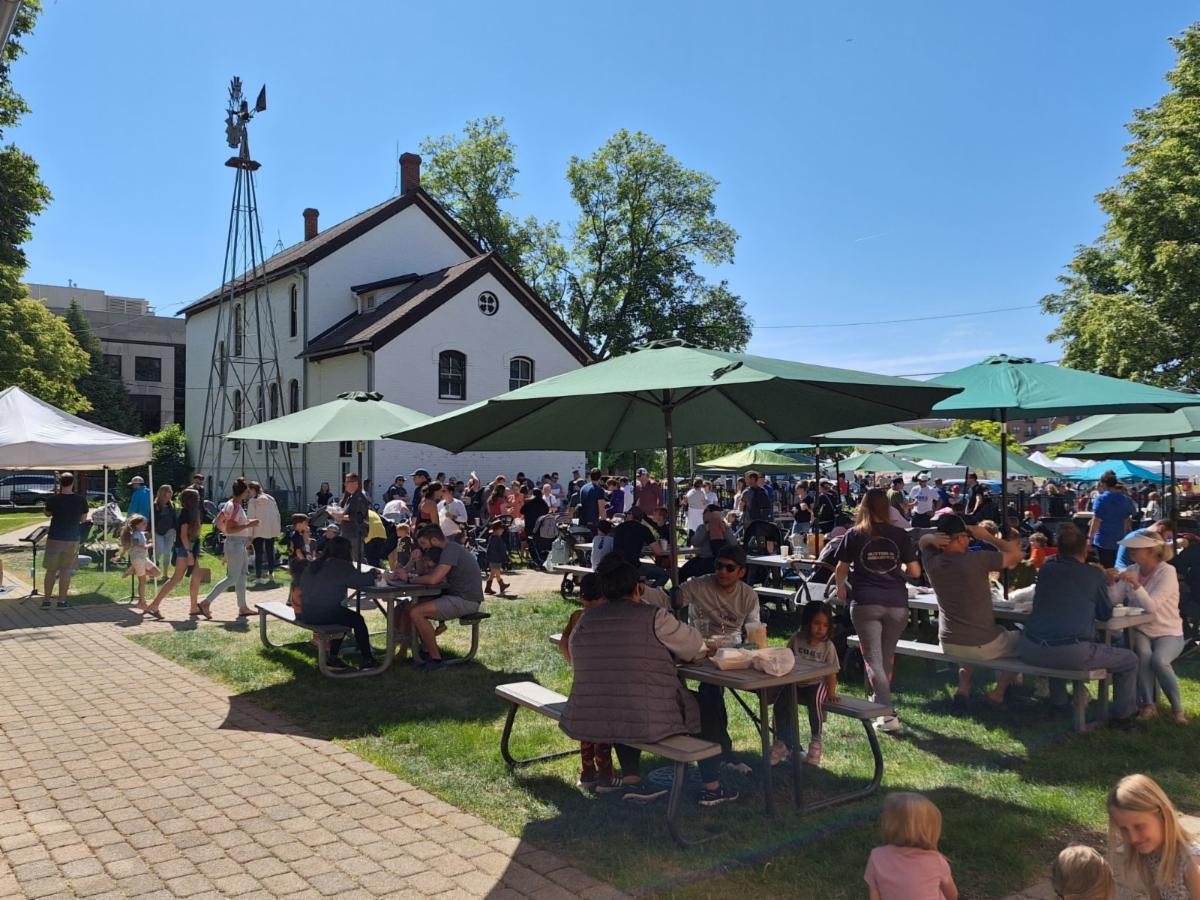
Mark your calendar! The Arlington Heights Farmers Market will be back on May 10, 2025. This year’s season will run May 10- October 11 from 8am- 12pm. The Farmers Market Committee has been working hard behind the scenes to bring you the best season yet. Make sure to follow our social media for important season updates and events.
See everyone on opening day!
If you are interested in joining our committee, please email manager.ahfarmersmarket@gmail.com
| | |
2025 Sponsorship Opportunities
AHHS is partnering with local businesses for Farmers Market Sponsorships. The Market reaches:
- 60,000+ visits over a 23 week period,
- 6,005+ social media followers, and
- 2,200+ weekly newsletter recipients
There are four levels ranging from $1,250 to $250 with varying degrees of benefits. We are currently looking for additional sponsors! For more information on sponsorship opportunities, please view our informational brochure below or email manager.ahfarmersmarket@gmai.com
| |
Volunteer Voice
Featuring John and Gloria Amling
| | |
This winter edition features volunteer John and Gloria Amling. The Amlings are no strangers to the Arlington Heights Historical Society and Farmers Market.
Gloria got involved with the AHHS after working with John Frieburg Jr. at Harris Bank in the early 2000's. They both served 2 board terms from 2012-2018. Gloria was both vice president and president and John served a treasurer. Since then, they have both stayed involved on various committees and are instrumental to the success of the Society. In 2022, Gloria was awarded the Heart of Gold Award from the village for her dedication to growing the Arlington Heights Farmers market.
| | |
Short bio:
Both of us were born and raised in the Northwest Suburbs and have lived in Arlington Heights for 40 years after spending time in Utah, Minnesota and California. We owned two bicycle shops, one in Arlington Heights. John ran the stores while Gloria was a banker for 30 years, including managing the Arlington Hts branches for Harris/BMO (where she worked with John Frieburg, one of the founders of the Historical Society) and Village Bank.
Hobbies:
Our hobbies were cycling and volunteering. We have loved living and being involved in this community and meeting and becoming friends with other volunteers.
Prized possession:
1966 Mustang convertible
Personal heros:
First, we were both lucky to be born into loving families with parents who taught us by example the good feelings that come with being involved and caring for others - definite hero material!
Also, we are always in awe of the many people who overcome adversity to change things for the better.
| | |
The Arlington Heights historical figure you would like to have a conversation with if they were still alive:
Gloria-It always amazes me that Klehm Nursery had its start in in the 1850’s with John Klehm. I think he’d be interesting to talk to.
John-Would be interesting to find out how Frank White managed to not only move to Arlington Heights in the 1880's but also become so involved as the first African American resident
.
Future Ambitions:
Gloria-Learn to play electric guitar like Nancy Wilson of Heart.
John-Put more miles on my bike exploring the backroads around Lake Geneva.
Why should one volunteer at the Arlington Heights museum and historical society?
Besides helping to discover and preserve the history of Arlington Heights, you meet and get to know the best people – other volunteers! Providing an event every Saturday during the Farmers Market season for over 2000 visitors with great farmers and vendors, and showcasing the museum grounds to visitors is icing on the cake!!
| |
Upcoming Events
Click below for a list of our upcoming events and programs!
| | A Deep Dive into the Dunton Post Archives | | |
Origins of Area Roads
By Margot Stimely, March 1993
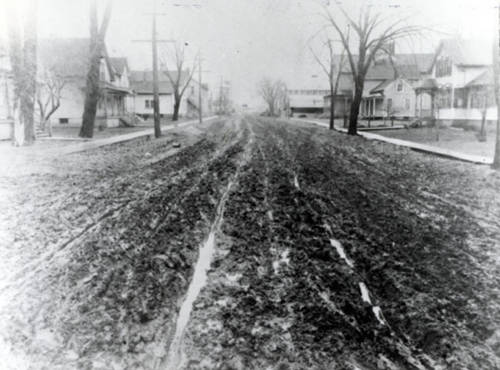
| | This photo of Arlington Heights Road (previously called State Road) was taken on January 30, 1916, looking north from Sigwalt Street. Beginning in 1913, county roads were covered with gravel and crushed stone and graded higher for drainage. In 1916, Arlington Heights decided to start a four-year project to pave Arlington Heights, Central and Rand Roads. | | |
Many of our major roads came into being when an early landowner laid out a trail from one settlement to another, clearing a path for his wagons or cattle. As the roads became more traveled, inns for the weary were established along the way at intervals of about one day’s distance. These trails followed lines of least resistance, skirting marshes, bogs, forests, deep-bedded streams, and hills too large to go over.
To get later Commissioners of Highways to build roads, twelve landowners with three miles of the proposed road had to sign a petition. The road was usually named for the first man to propose it, or for the family owning the land through which it ran such as Rohlwing, Tonne, Landmeier, Wilke, Busse, Cosman, Biesterfield, Kirchhof, and Higgins.
All able-bodied men, excepting “paupers, idiots, lunatics and such others exempt by law” paid a poll tax of $2.00, or had to work out the tax in actual labor.
Arlington Heights Road began as a wagon track across land taken up in 1834 by Joseph A. Barnes. Previously it was an Indian trail which detoured around a heavily wooded area, a swamp, a small lake and marshy places. It still follows these bends. The State legislature had authorized the road from Naper Settlement via Babcock’s Grove, Meachams’ Grove, Elk Grove and Buffalo Grove to Indian Creek (Half Day) in 1830. It was extended northward to Dunton village before 1846, when the railroad right-of-way was surveyed. It wasn’t until 1888 that the surface was graveled.
Rand Road was laid out in 1836 following an old military trail from Chicago to Fort Atkinson, Wisconsin, crossing the property of Socrates Rand at the Des Plaines River. It was first paved in 1918.
Milwaukee Road was an Indian trail known by Joliet and Marquette. It became a major stage route between Chicago and Milwaukee, and on up to Green Bay. An 1830 map shows the “Milwalky Trace”. It was first surveyed in 1835 as a post route under the War Department. Historical records show the first Wheeling Township settlers located along this mail route. It was later paved with wooden planks and became one of the state’s first toll roads. By 1849 it boasted ten miles of planking, to “Oak Ride”. By 1851 it extended as far as “Dutchman’s Point” – now Niles. Tolls charged were thirty-seven and one half cents for a four horse hitch – twenty-five cents for a two horse team. The intersection of Touhy and Milwaukee was known as Planck’s Point. Hickory Grove was just south of where the road crossed the Des Plaines River, once a portage between the Des Plaines and the Chicago rivers.
Army Trail Road, running from Lake Street in Addison through DuPage and Kane counties was also originally an Indian trail. Army regulars under General Winfield Scott widened the trail in
1832 to allow 50 heavy, broad-tired wagons to pass to Wisconsin to fight Chief Blackhawk and his warriors.
Northwest Highway was first discussed on December 20, 1918, when representatives from Arlington Heights, Palatine, Mount Prospect, Park Ridge, Barrington and Des Plaines met to consider a plan to connect all these communities. At that time there was no road between Des Plaines and Arlington Heights. To go from one to the other one had to use Rand Road to Foundry or Euclid and then go west into Arlington Heights. The Northwest Highway Improvement Association was organized in January, 1919 when Mr. William Edens (for whom the Edens expressway was named), then Vice-President of the Citizens National Bank was elected President, with Mr. Al Volz, secretary.
The road ran parallel to the railroad, and Mors Parkway through Arlington Heights. Construction was held up by citizens protesting the destruction of the large, fine Elms along the Parkway, but it was finally completed in 1924. It became part of Illinois Route 46, later changed to Route 14.
In 1928, the road was straightened east of State Road and widened to the west, taking almost all of Mors Parkway. In 1986 the highway was again widened and some of the curves straightened. It was at this time that the space between the tracks and the roadway was landscaped, with a clock tower and many trees near the Arlington train station, partially restoring the original Railway Parks.
| | We Want To Hear From You! | | |
The Arlington Heights Historical Society Board of Directors
President: Steve Froehlich
Vice President: Janet Landeweer
Treasurer: Peter Curtis
Secretary: Jamie
Derbick
Board Members:
Michael Weber
Patrick Boyce
Johnny Leeb
Operations Manger: Maggie Sraga
| |  | |
Let Us Know How We Are Doing!
Let us know how we’re doing! We want to hear your feedback about this edition, and we want to know about the type of content you want to see in the Dunton Post. Click below for a brief, 2-minute survey to help shape future issues. Thank you to everyone who took the time to complete this survey in the autumn issue. Your voice matters!
| |
Looking for Writers To Join Our Team!
Want to contribute to the Dunton Post? If you are interested in writing for the Dunton Post, please contact the Operations Manager, Maggie Sraga, at operationsmanager@ahpd.org.
| | | | | |