“The more varnish you put on,

the more the grain will express itself."

~ Charles Dickens


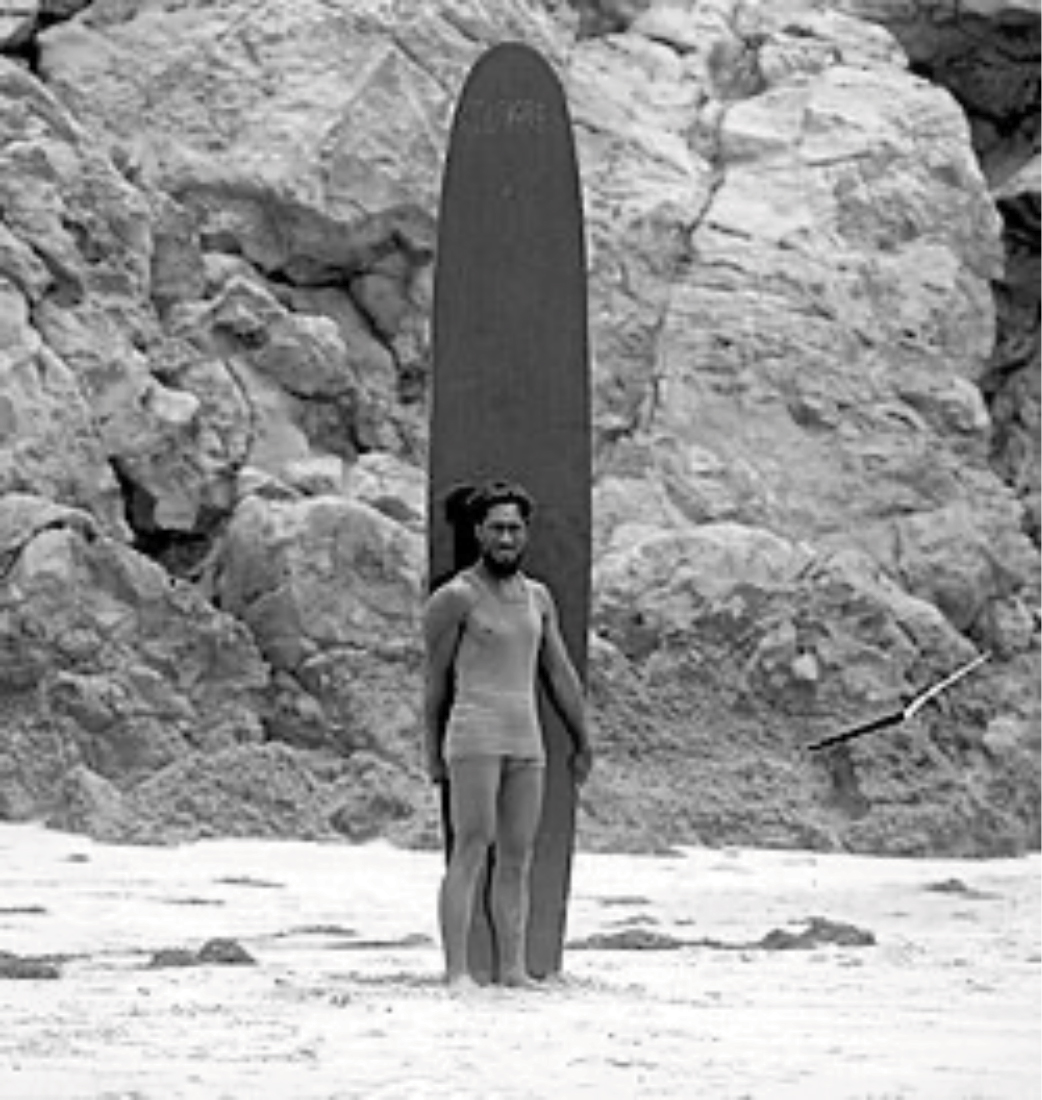
When the legendary Duke Kahanamoku caught his first wave, surfing was fun and hard. His 16-foot solid koa board weighed 114 pounds. Surfing's still fun. It's still hard, but it's not so heavy.

Solid hardwood surfboards evolved into balsa-core and then foam-core, fiberglass-skinned boards, but of late wood is making a comeback based on its good looks alone plus its flexibility, sustainability, and the engineering and skills that make hollow wooden boards light and nimble. Think airplane wing construction with lightweight internal frames of stringers and ribs inside a veneered shell.


Given Epifanes's century-old love affair with wood and the emergence of Grain Surfboards as a top-notch builder, bumping into each other was inevitable. That happened at the Mystic Wooden Boat Show.


Grain had a booth right next to ours. We'd been showing off our jet black '57 Chevy, the one we painted with Epi Poly-urethane and a roller. Grain's Mike LaVecchia joked about how cool one of their boards would look strapped on the roof. We were floored by Grain's craftsmanship.


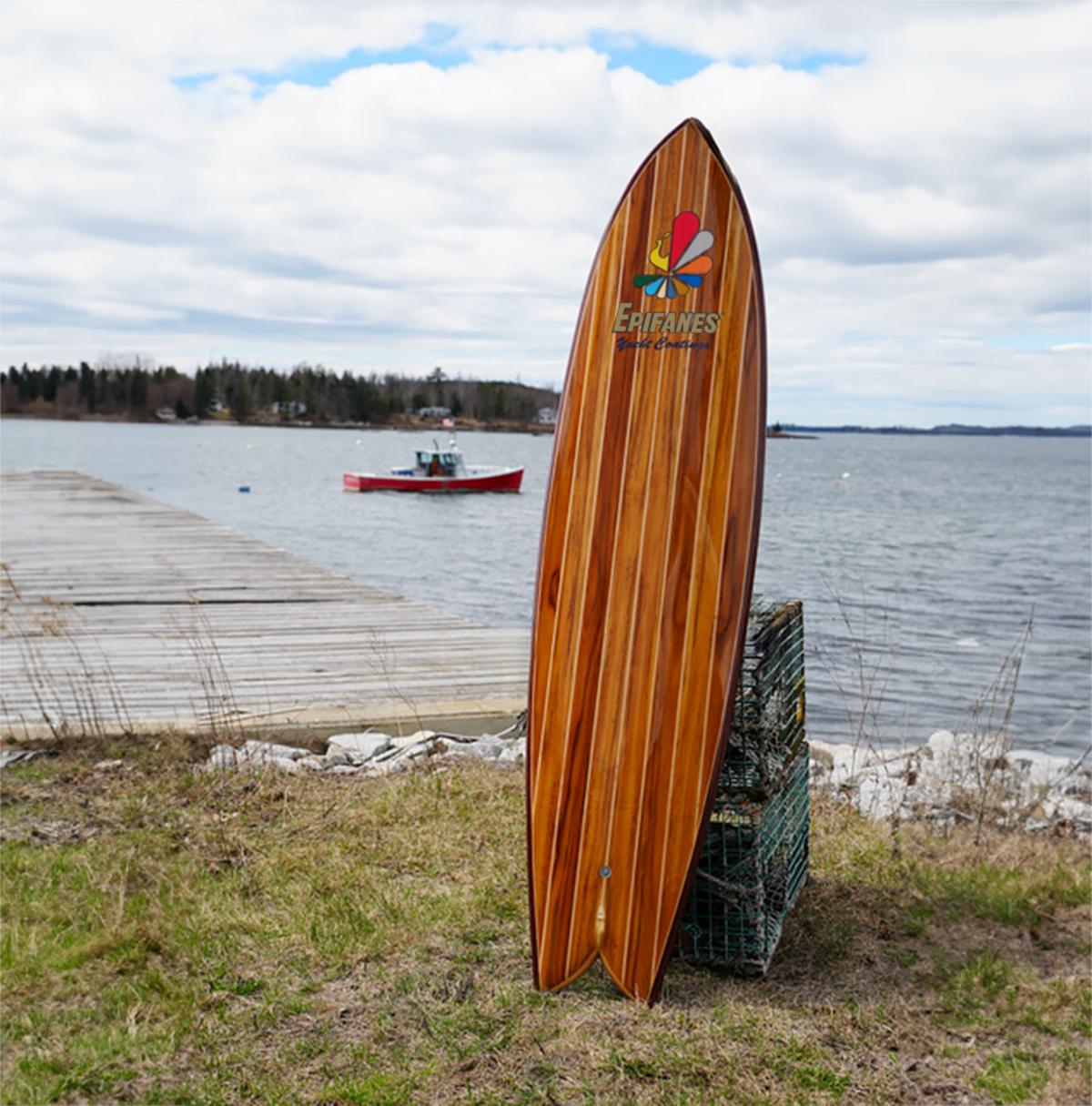
One idea led to another, and we agreed that a custom Grain surfboard and Epifanes Clear Varnish were made for each other. Bingo! Over the winter of '24 we kicked around some ideas and dropped into their shop in York, Maine to seal the deal.


Both of us wanted to push the envelope. Grain's go-to cedar approach is one key to keeping their boards light. Our boat building history opened the door for them to connect with Hawaii's hardwood traditions. The result: a hollow board featuring plantation-grown teak, Maine maple, and mahogany—a perfect canvas for our classic marine varnish. As Mike said, "This was a chance to push boundaries, experiment with materials, and create something truly unique—a board that embodied both our brands and a shared love for all things maritime."


The project was a true collaboration. Grain's builders got to experiment with new materials and techniques. We teamed up with the talented Korey Nolan of Hydrophile Surfcraft to design some epic mahogany and maple fins that perfectly match the board's beauty. The Epifanes crew varnished it all down to make it a true show-stopper: a head-turning 7'2" Shearwater that thrilled everyone involved in its creation. 


Part of the Grain philosophy is the belief that surfing a hand-built wooden surfboard is the ultimate experience a surfer can have. And as Mike describes it, "The rich, warm tones of these woods not only complement each other perfectly but also allude to the classic elegance of wooden boats that Epifanes has protected for over 120 years."


To say the least, we are stoked. Come share the stoke with us soon at a boat show near you. We'll have the board just in case we find the perfect wave.


Stirred Not Shaken,

Licensed to Thrill*


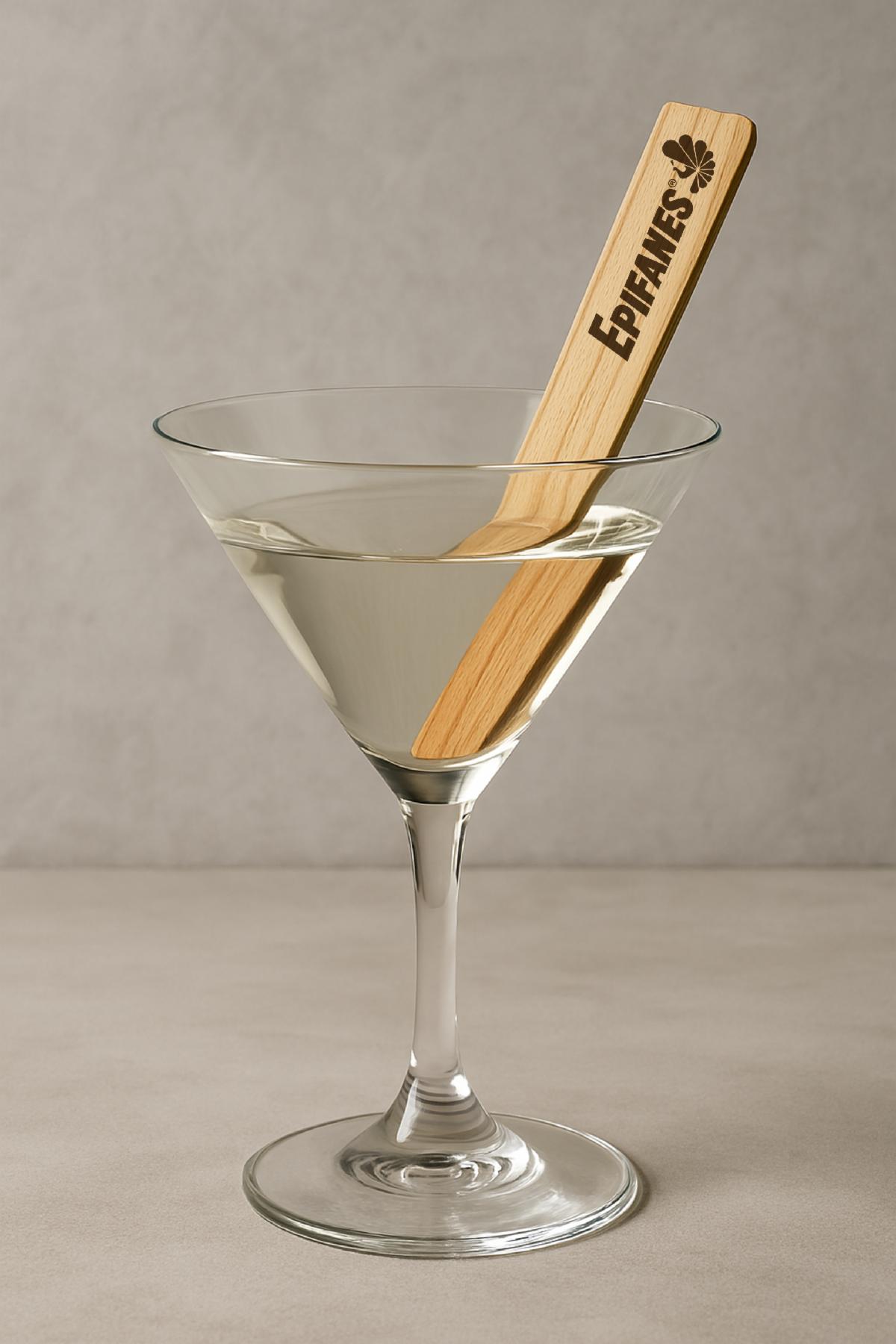
Contrary to 007's express, shaken-not-stirred instructions for a vodka martini, prepping paints and varnishes demands just the opposite. Shaking and even aggressive stirring can create air bubbles—murder on a brightwork finish. But careful stirring will produce a consistently smooth mixture. 


It's all in the wrist with a flat wooden stir stick. In addition to your patient stirring technique, gently stroke the sides, bottom, and beneath the lip of the can to ensure that all the solids and/or pigments are included in the mix. Some paints, whites in particular, need to be well stirred for several minutes to attain the proper shade of white. Two-component products require three stirring sessions. Stir each component separately. Then combine and spend time stirring them together for best results. Observe the initial reaction/induction time (read the can) of the mixed product before thinning (and stirring) or applying the 2-part paint. And then it's "cheers."


“Time spent with cats is never wasted.”

~ Sigmund Freud


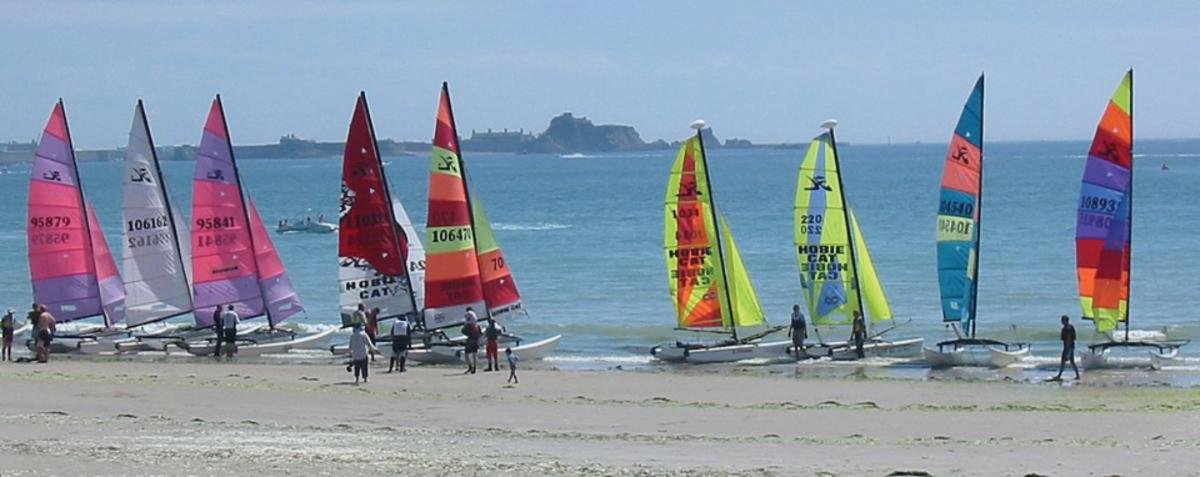
Heard of Hobie? Hobart "Hobie" Alter started shaping 9-foot balsawood surfboards in his father's garage for kicks. That was in 1950. Teaming up with chem guru Grubby Clark, he produced the first fiber glassed polyurethane foam boards in '58. Then "Gidget" hit the movie screens. The demand for boards exploded. In '64, Alter started Hobie Skateboards with Barron Hilton (Paris's grandfather). But his biggest splash was in the sailing world. Inspired by multihull prototypes—Malibu Outriggers, Aqua Cat 12s, PC-19/Pacific Catamarans—he developed the first Hobie Cat. Lighter, faster, with no-dagger-board beach-ability, the Hobie 14 debuted in '68. The Hobie 16 in '69. More than 135,000 Hobie 16s have been launched since. Inducted into the National Sailing Hall of Fame in 2011, Hobie said that all he did was "make people a toy and give them a game to play with it."


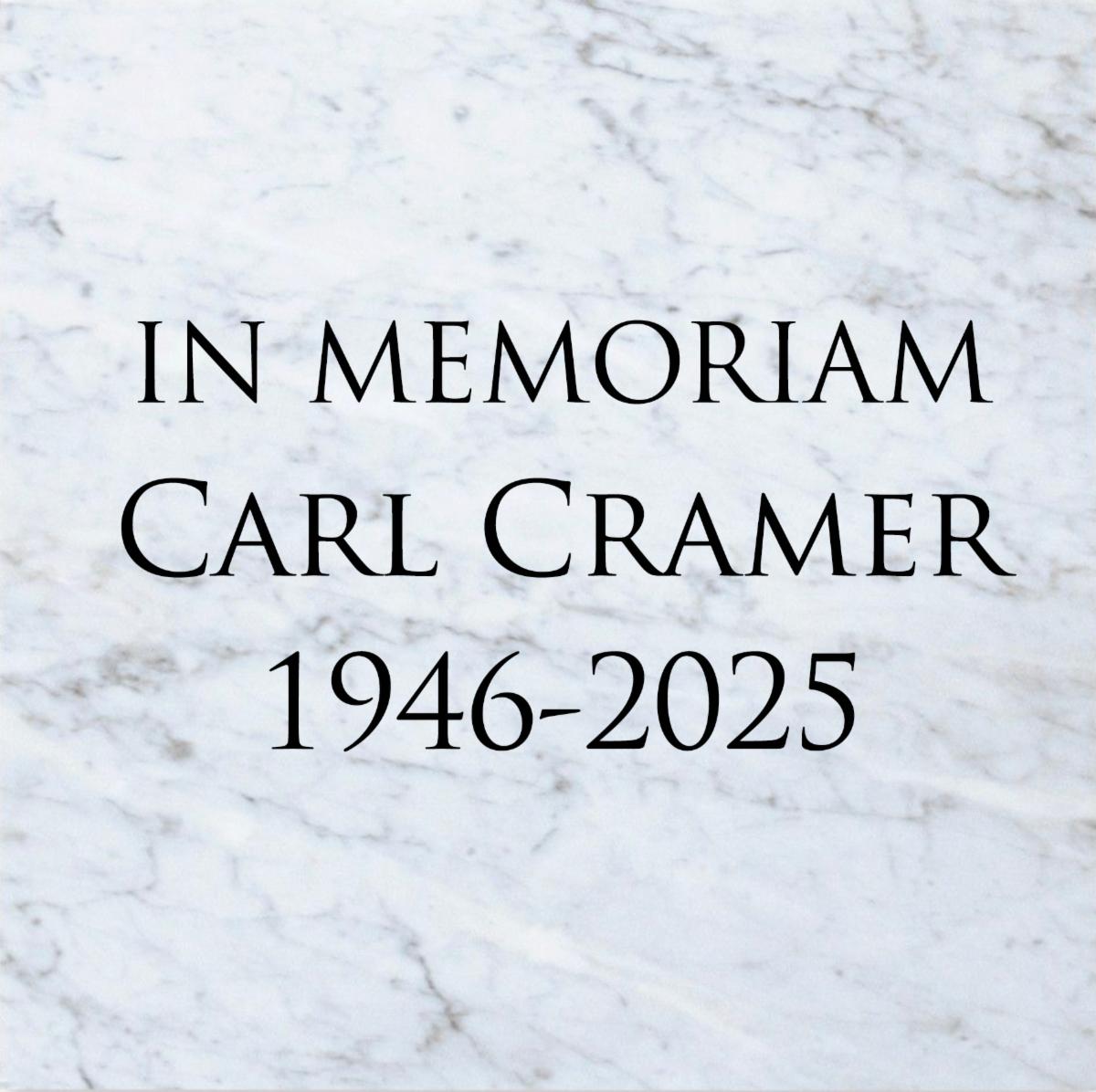
We are saddened to report the passing of our good and much-admired friend Carl Cramer. Carl was passionate about all aspects of the boating universe. A yacht designer, boatyard worker, bookstore owner, raconteur, sailor, writer—Carl plied his craft at Downeast Magazine, signed on at WoodenBoat in 1987, became its publisher in 1989, and launched Professional BoatBuilder that same year. He was a gentleman of style, charm, and grace, and we will miss him.

Thomaston, Maine • 207.354.0804 • epifanes.com

Facebook  Instagram