The Explorer: CoastX News
SEPTEMBER 2026
| | |
EXPERIENTIAL LEARNING
EXPLORATION & INNOVATION
Where Students Become Ocean Explorers, Innovators, and Creators! Immersive on-ocean programs in marine science, engineering, art, and entrepreneurship for middle and high school students.
CoastX was founded by entrepreneurs, scientists, engineers, artists, and educators who believe that immersive ocean experiences can spark life-changing confidence, curiosity, and opportunity in the next generation. We serve middle and high school students in Southern Maine and the Seacoast of NH. Susan Johnson, Executive Director
| |
RECORD BREAKING STUDENT IMPACT
SUMMER 2026
| | |
When the CoastX team worked on 2026 programming during the cold months of January and February we could picture the potential, even if we couldn't predict the exact outcome. Sitting here in September, we look back and realize that the hundreds of team hours, passion, design, ordering, and building translated into a record-breaking impact for students!
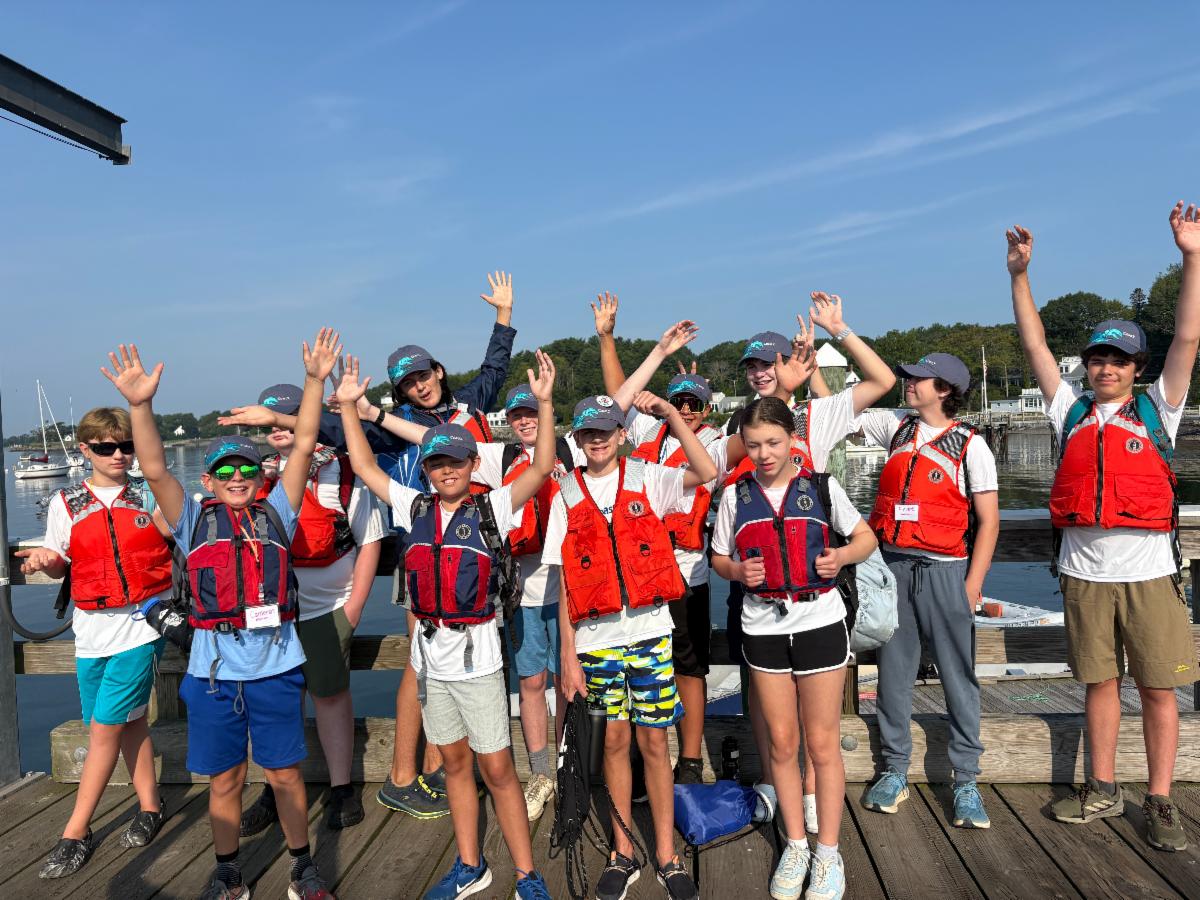
150+ students participated in CoastX programs during the Spring and Summer months, including school programs, two sessions of Blue Art, four sessions of Ocean Discovery/ROV, and the new two-week Ocean Engineering program. Middle and high school students from as close as Kittery Point, Maine, and as far away as San Antonio, Texas, embraced the opportunities and soared.
This summer, 36 of our students were female, fulfilling one of our missions: providing avenues for young females to explore ocean engineering, marine science, and marine-focused art. 30% of students received scholarships, exceeding our goal of at least 20% and helping ensure that financial circumstances do not limit students with the passion and desire to explore the ocean and all it offers.
Each session was intentionally small, averaging just 15 students, to allow for true hands-on, experiential learning and an extraordinary student-to-CoastX team member ratio of approximately 1.5 students per team member.
Surveys have confirmed what we witnessed and heard in the excited voices every day—on the boats, at Wood Island Life Saving Station, at UNH, and in the CoastX workshop at Traip Academy. Students were immensely excited and engaged, enjoying learning!
Overall Program Ratings
Parents rated their student’s overall experience 5 out of 5 for both Ocean Engineering and Blue Art, and 4.9 out of 5 for Ocean Discovery.
We are honored by these results, and the compliments belong to the entire CoastX team, our subject-matter experts, and the many volunteers who made this record-breaking summer possible.
| | |
“It was truly such an amazing experience and it really helped me develop an understanding of how the ocean works.”- Rylee (student), Lebanon, ME
“It was also awesome to see how life operates down there. Fish laying eggs in the eelgrass, snails in the kelp, and just the whole landscape was amazing to see too.”- Connor (student) Hampton, NH
“She had a wonderful experience and the program deepened her interest in marine science. It was good for her to see women working in the marine sciences. The program was truly a highlight of her summer!”- Margaret (Parent) Exeter, NH
“She loved learning new mediums in art and learning about how she can protect the hermit crabs by not taking shells from the beach.”- Nicole (parent) Exeter, NH
| | |
NEW Ocean Engineering Program:
Amazing Success
| |
What happens when you give 16 middle and high school students two weeks to build real ocean technology—and then send it into the Gulf of Maine?
They build. They program. They test. They deploy. And they succeed.
That was the challenge behind CoastX’s first Ocean Engineering Program. It was an intensive two-week experience that took students from a blank workbench to deploying their own working sensor buoys in the ocean and collecting data. It was such a unique program that there were even two students who moved to the Seacoast area with their families for two weeks to participate in the program... one from San Antonio, TX and the other from Hudson Valley, NY.
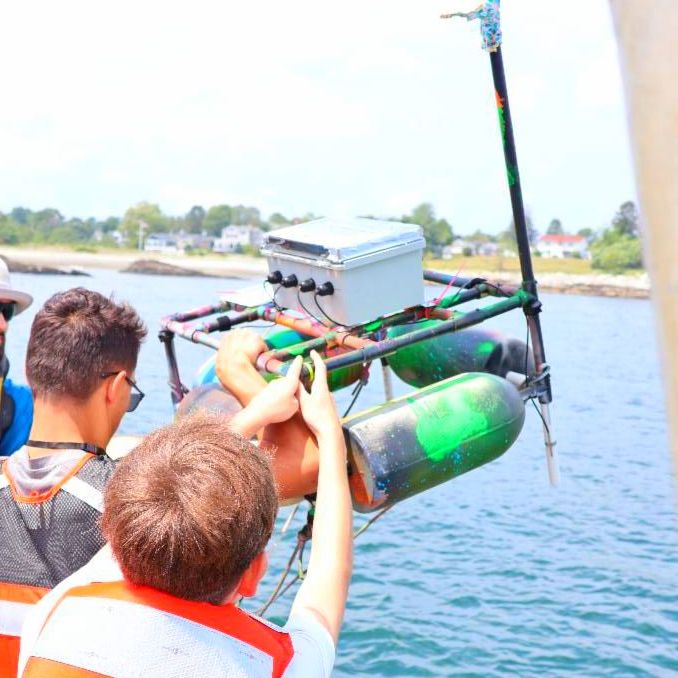
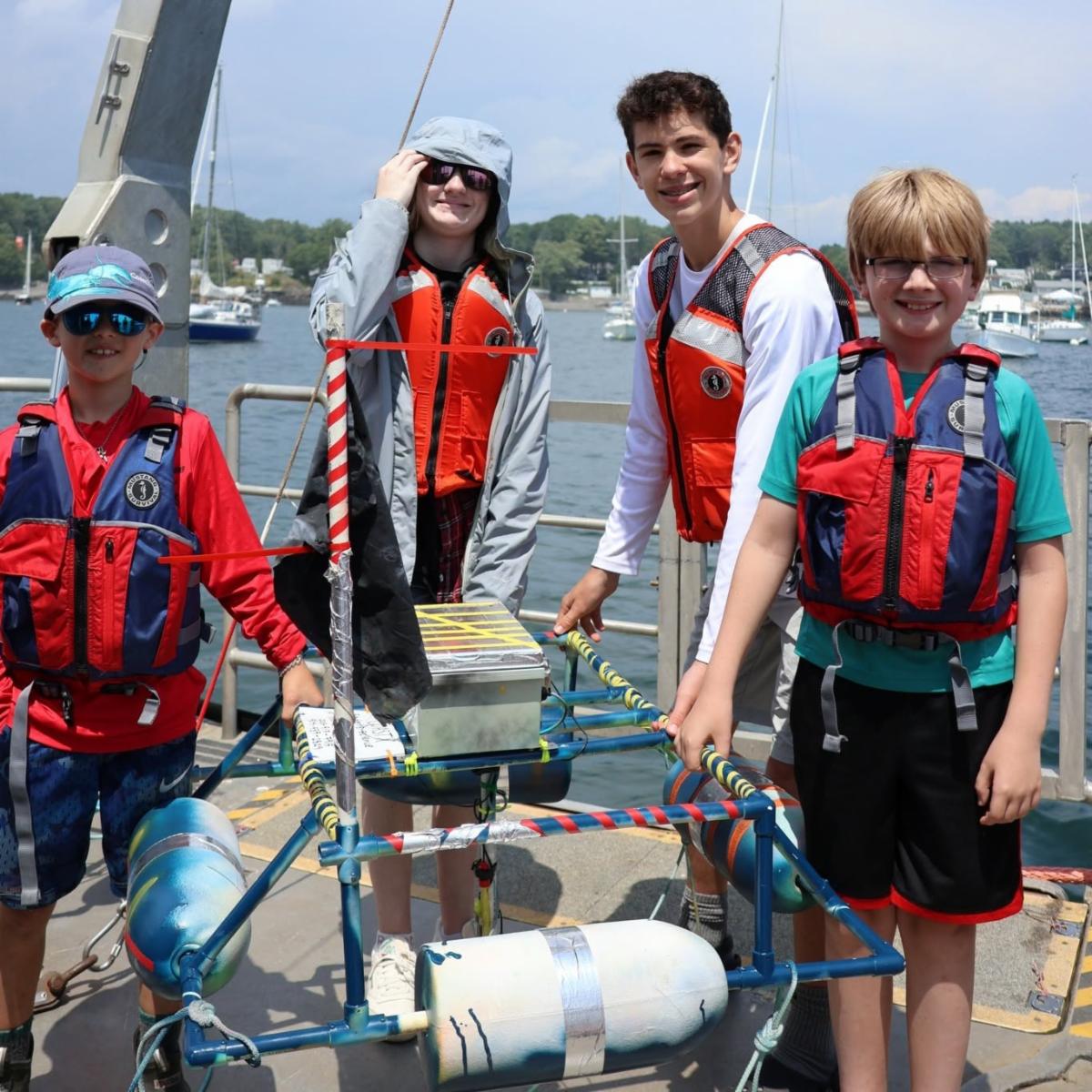
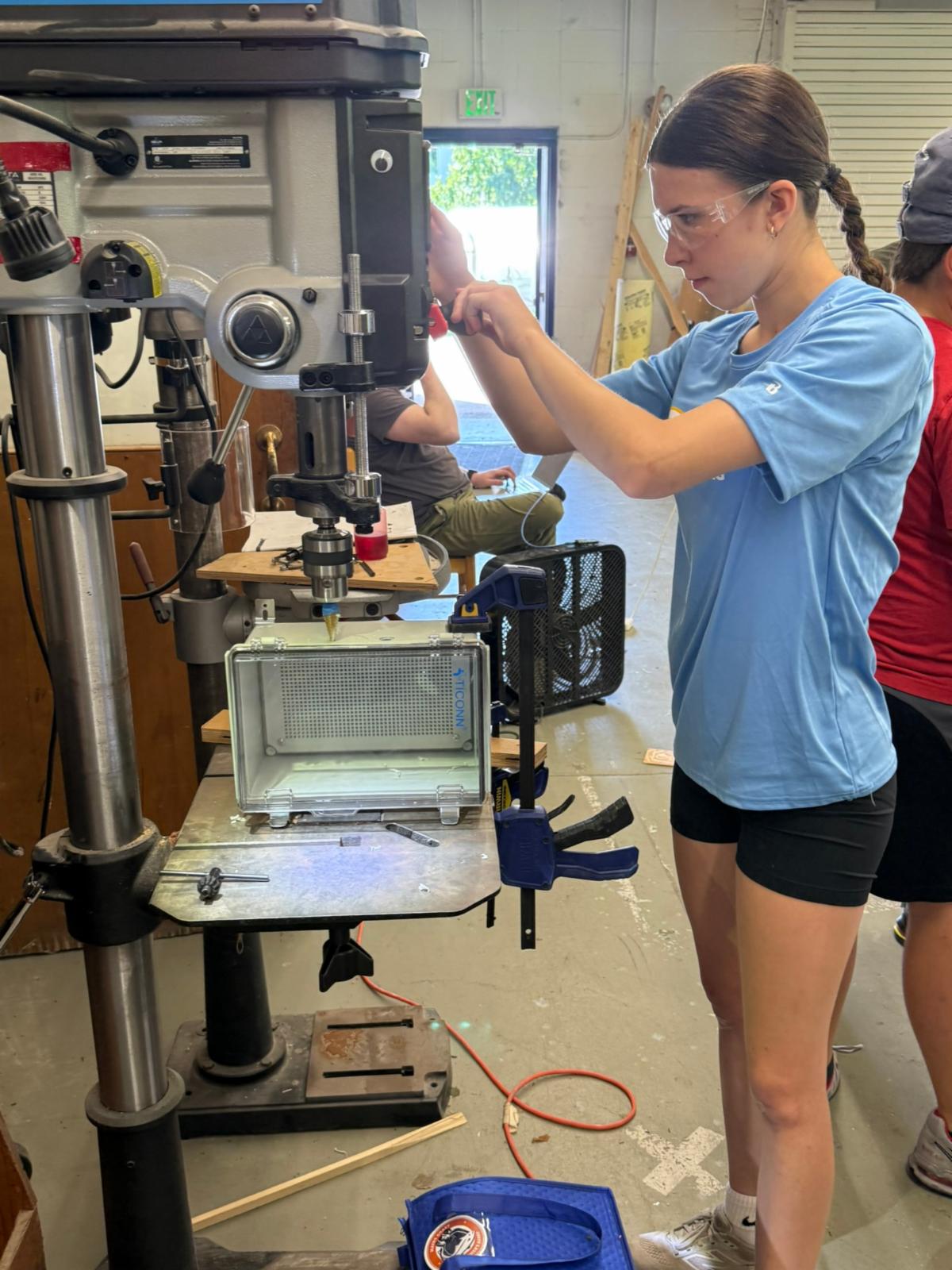
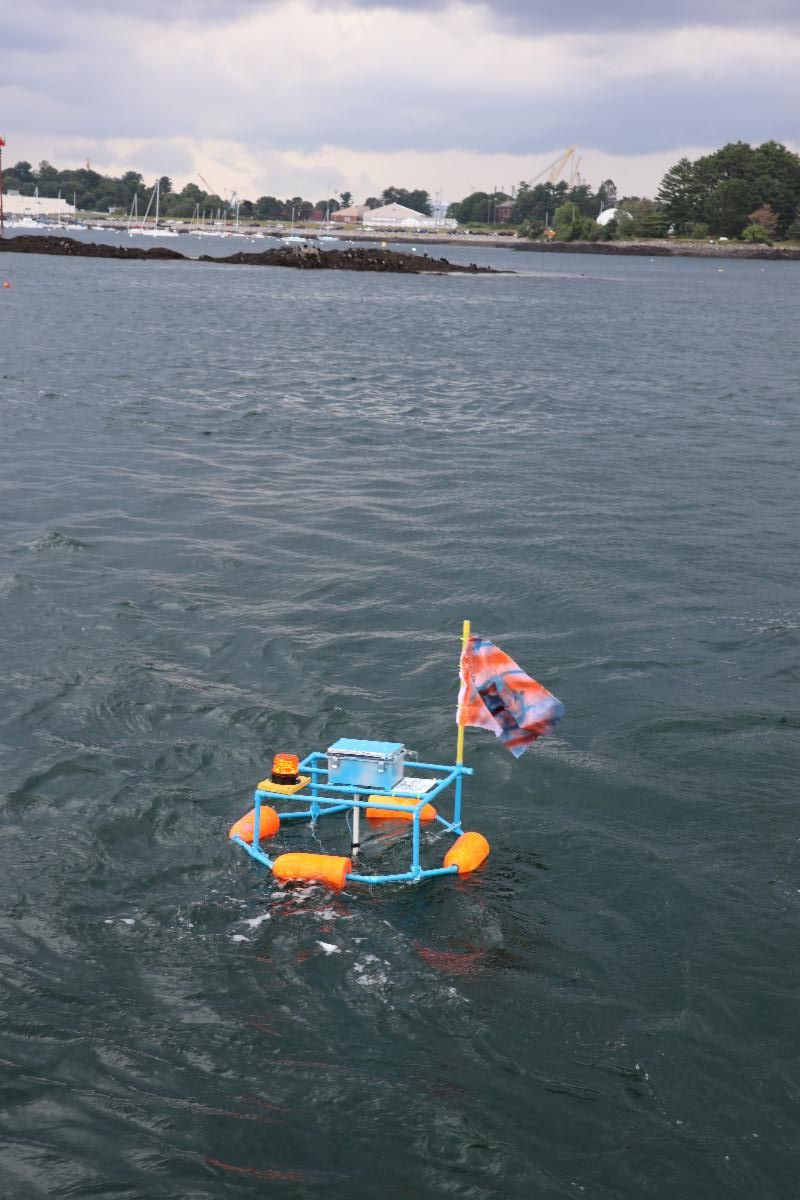
Working in four teams, students learned electronics, soldering, fabrication, 3D printing, coding, and Arduino board programming as they designed buoys capable of collecting real data on temperature, conductivity, pH, and dissolved oxygen. They built drop cameras, explored the ocean bottom with ROVs, and surveyed potential deployment locations aboard research vessels.
Then came the testing.
At UNH’s Center for Coastal and Ocean Mapping wave tank, students watched as waves crashed against the buoys they had spent days designing, building, rebuilding, and refining. All four survived.
Next stop:The ocean.
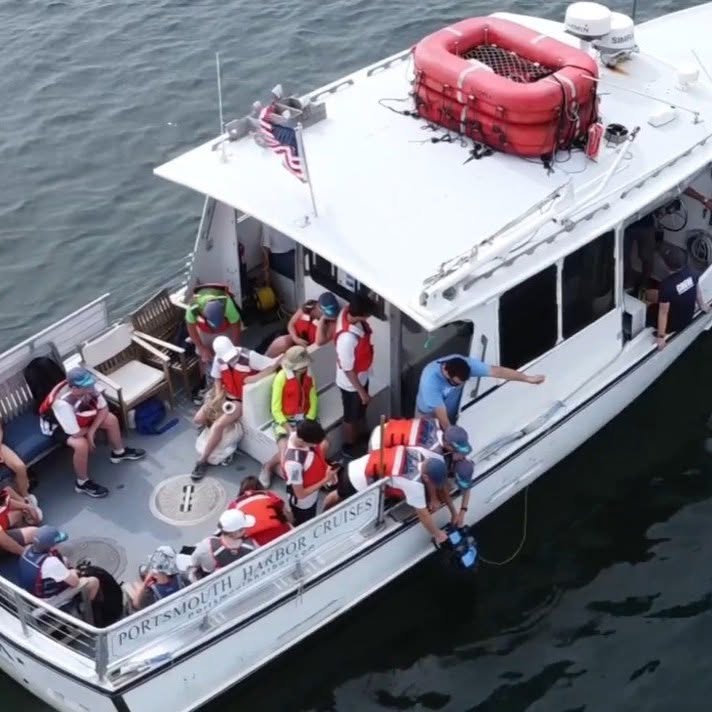
Aboard UNH’s R/V Challenger, cheers erupted as each team successfully deployed its buoy. Then an overnight storm raised a new question: Would they still be there?
The students returned aboard the R/V Gulf Surveyor. One by one, all four buoys were found and successfully retrieved.
On the final day, students analyzed their data and presented their work to more than 40 parents, friends, donors, and CoastX Board members.
Two weeks. Sixteen students. Four teams. Four working ocean sensor buoys. One extraordinary CoastX experience!
| | Ocean Discovery Week & Blue Art Program: Second Sessions | | | |
- ROVs below the surface.
- Paintbrushes on an island.
- Plankton under microscopes.
- Lobster traps coming over the rail.
This was CoastX summer learning in action.
Our second sessions of Ocean Discovery Week and Blue Art sent students out to experience the ocean from two very different perspectives—and every day brought something new.
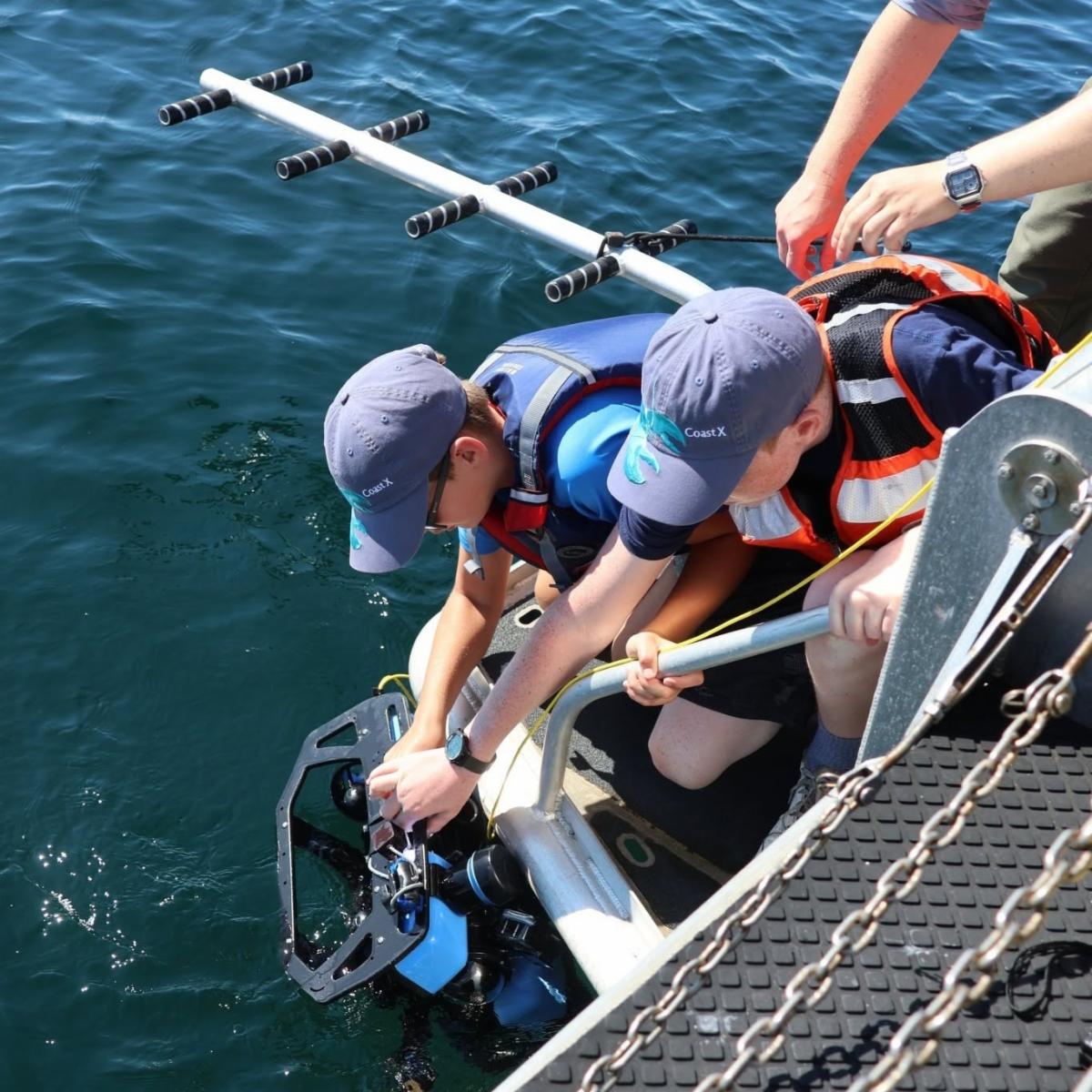
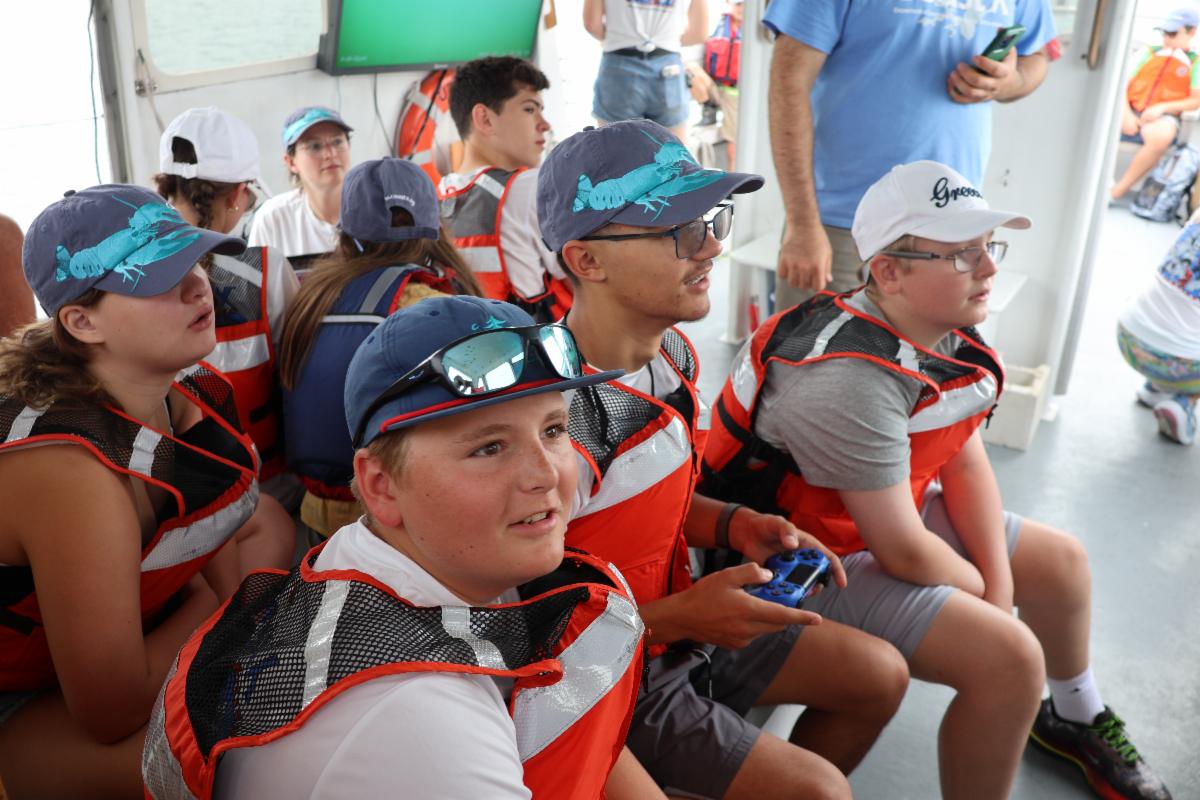
Ocean Discovery began at UNH’s Center for Coastal and Ocean Mapping, where students went through “ROV Pilot School” before taking their new skills onto the water. Soon they were piloting underwater robots through real lobster habitat, encountering lobsters, crabs, anemones and fish while seeing firsthand how sonar and ROV technology help us understand what lies beneath the surface.
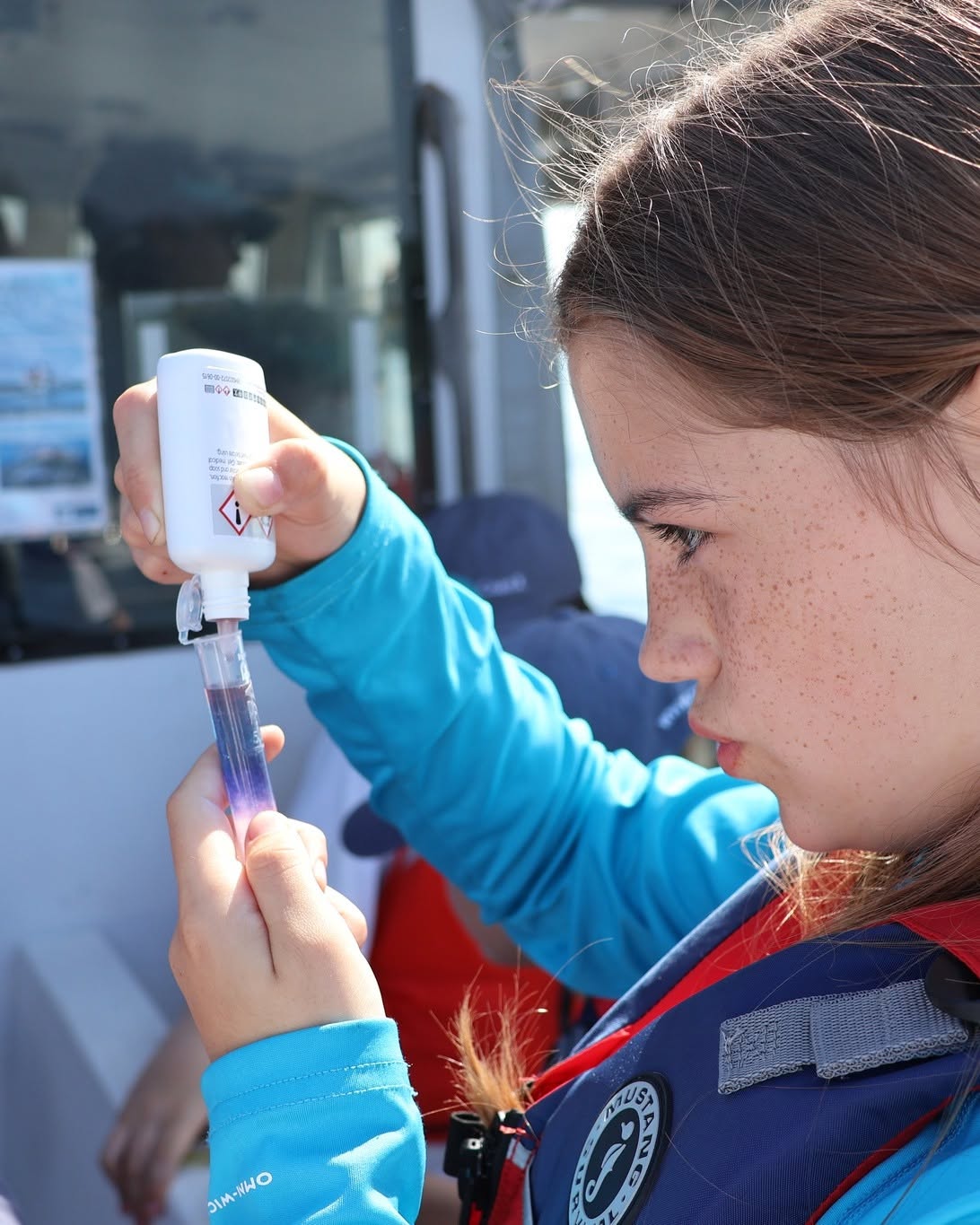
The discoveries kept coming. Students built plankton tows, tested water quality, examined seawater under microscopes and discovered an entire world of life invisible to the naked eye.
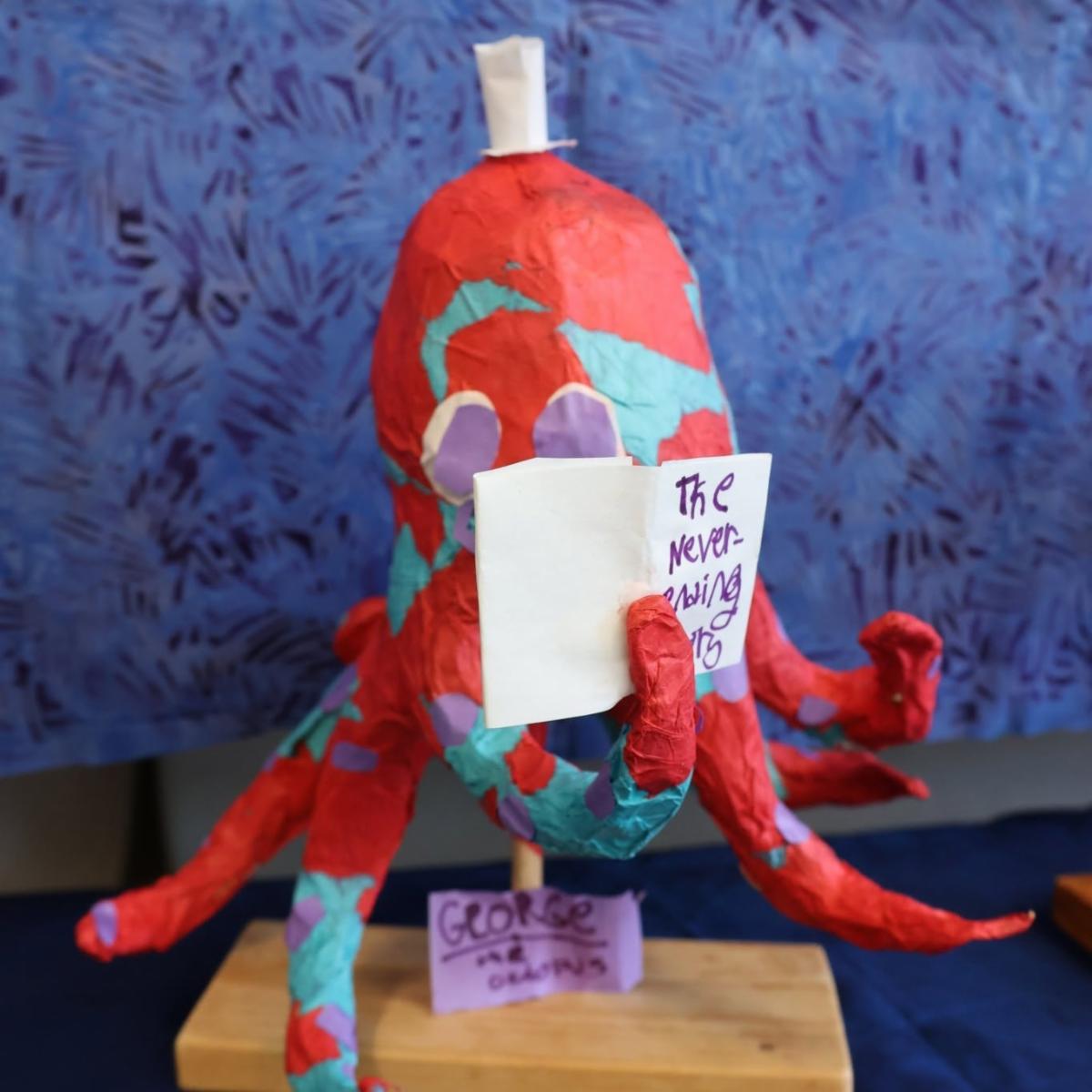
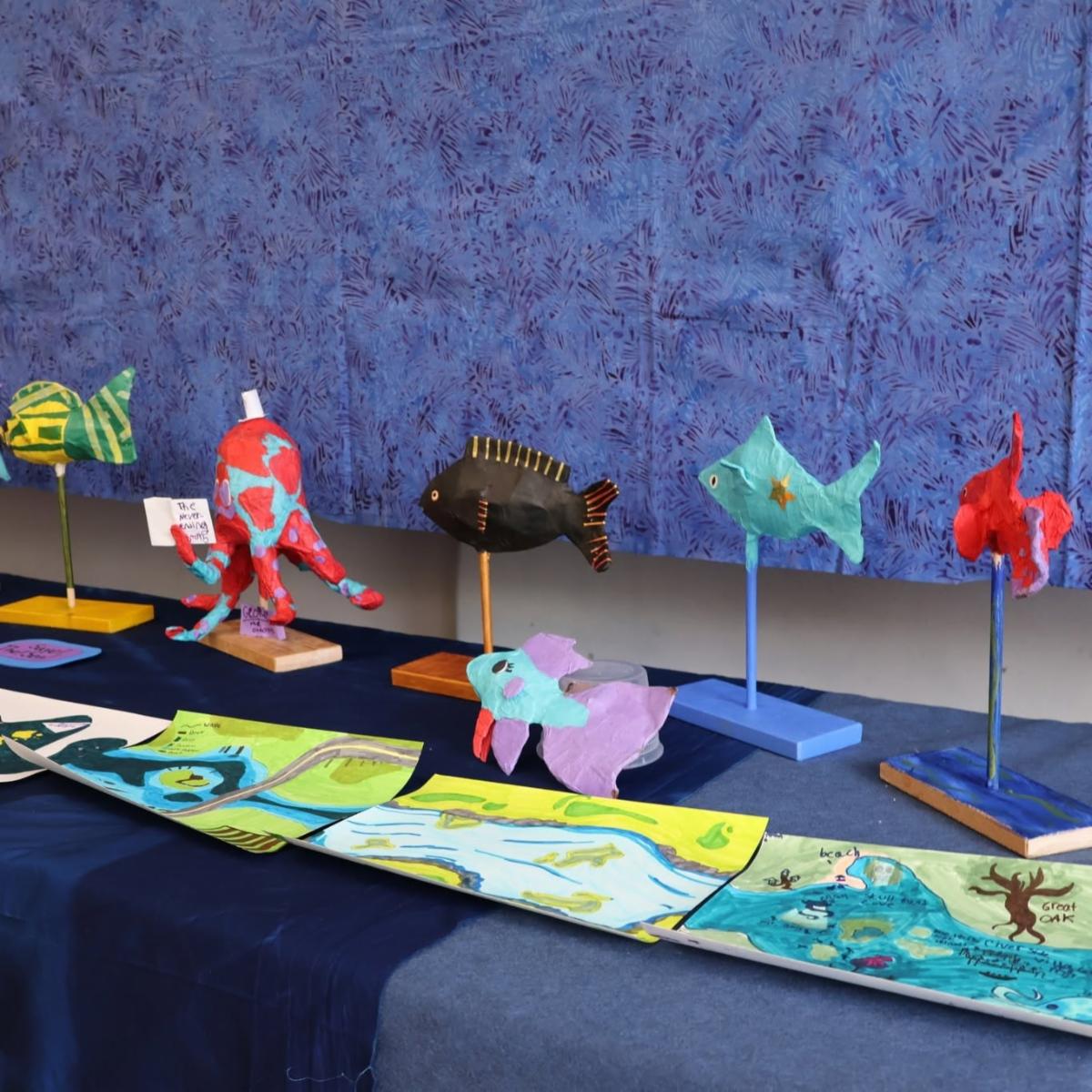
At the same time, our Blue Immersion students were experiencing the ocean through art. They sketched from the M/V Utopia, hauled lobster traps with artist and lobsterman Scott Heisey, explored the shoreline and spent three remarkable days as artists-in-residence at Wood Island Life Saving Station.
There, surrounded by ocean and history, students created alongside professional artists, explored tide pools, collected plankton and even piloted an ROV beneath the island’s dock before returning to the CoastX Studio to finish their portfolios.
Two programs. Boats, robots, microscopes, art, science and plenty of unexpected discoveries. Most importantly, students were not watching someone else explore the ocean—they were doing it themselves.
| |
Transformational $200,000 Gift to Support CoastX
Earlier this year, CoastX received one of the most significant gifts in our young organization’s history: a $200,000 commitment over two years from a Maine-based private foundation that has asked to remain anonymous.
This extraordinary investment is both meaningful financial support and a powerful vote of confidence in CoastX’s mission: inspiring middle and high school students through immersive experiences in marine science, engineering, art, innovation and entrepreneurship.
The impact will be felt directly by students.
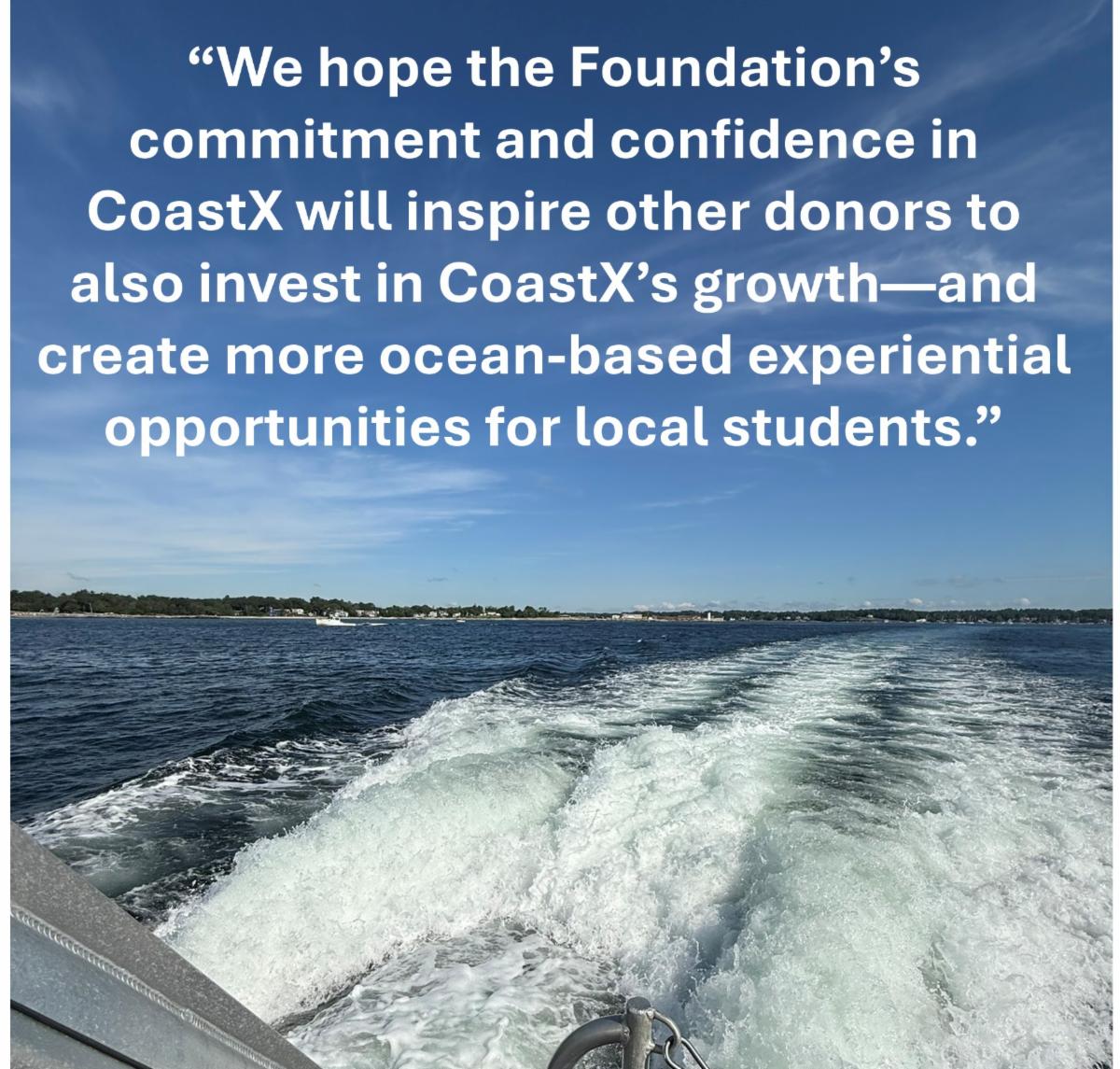
The Foundation said CoastX’s success in 2025 exceeded their expectations, making the decision to significantly increase their commitment an easy one. They also expressed hope that the Foundation’s confidence in CoastX will inspire other individuals, foundations, and corporate partners to invest in the organization’s continued growth and impact.
The funding will help CoastX expand scholarships so that a family’s financial circumstances do not prevent a student from participating. In 2026, donor support is already helping make programs such as Ocean Discovery, Blue Art and the two-week Ocean Engineering program accessible to more students. CoastX’s commitment is to continue increasing that access as the organization grows.
The gift will also provide important support for program development, equipment, boats and on-water experiences, and the scientists, engineers, artists, entrepreneurs and other professionals who help turn CoastX programs into experiences students simply cannot get in a traditional classroom.
Just as importantly, the two-year commitment gives CoastX the ability to invest in the organization behind those experiences. That includes growing professional staff capacity, strengthening year-round programming and building the infrastructure necessary to serve more students while maintaining the hands-on, highly personal experiences that define CoastX.
CoastX was created around a simple idea: put young people in real environments, give them real tools and real challenges, surround them with talented professionals, and let their curiosity take over.
This generous foundation has chosen to invest in that idea—and, most importantly, in the students who will carry their curiosity, confidence and connection to the ocean into the future.
We are deeply grateful for their trust in CoastX and excited about what their support will make possible over the next two years.
| | |
"In Our Neighborhood"
Two Lighthouses at the Gateway to the Piscataqua
| |
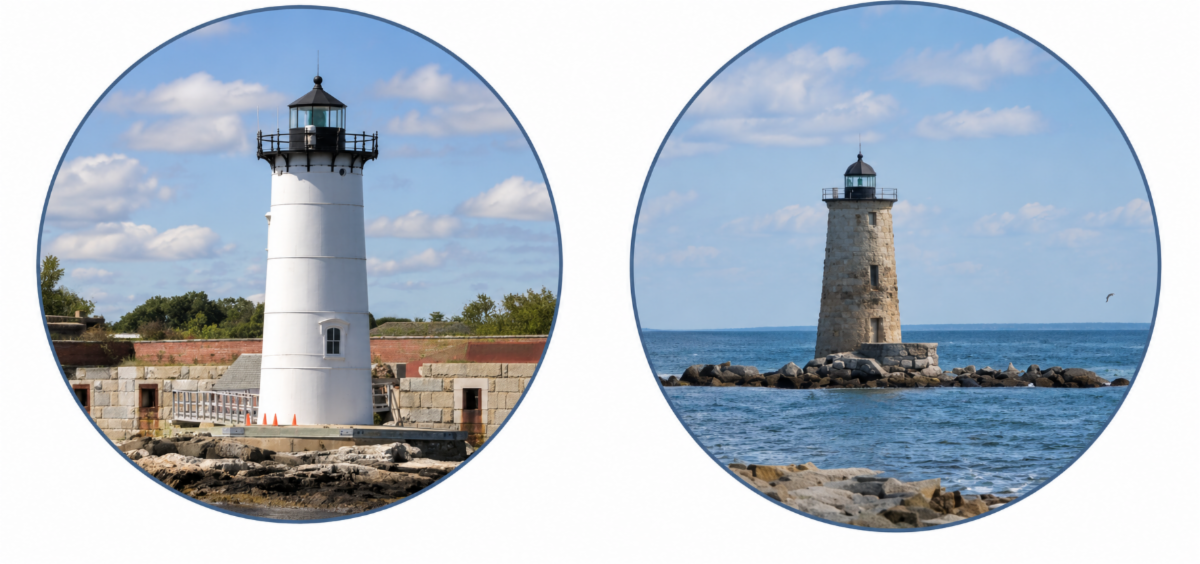
For generations, two distinctive lighthouses have marked the entrance where the Piscataqua River meets the Gulf of Maine: Portsmouth Harbor Lighthouse in New Castle, New Hampshire, and Whaleback Lighthouse off Kittery, Maine. Together, they are enduring symbols of the region's long relationship with the sea.
The older of the two light stations is Portsmouth Harbor Lighthouse, located beside Fort Constitution at the northeast end of Great Island in New Castle. The first lighthouse here was established in 1771, when Portsmouth was an important colonial seaport. It was the 10th of 11 light stations established in the American colonies before the Revolution and the first lighthouse in the colonies north of Boston. The present 48-foot cast-iron tower was erected in 1878.
The site also witnessed the approach of the American Revolution. In December 1774, Paul Revere rode from Boston to Portsmouth with a warning that British forces might reinforce nearby Fort William and Mary. Local colonists subsequently raided the fort and carried away military supplies. The episode, occurring months before Lexington and Concord, is remembered as one of New Hampshire's earliest acts of resistance to British authority.
Farther out in the harbor entrance stands Whaleback Lighthouse, dramatically positioned on a rocky ledge on the Maine side of the channel. A light station was established there in 1830, providing mariners with a much-needed marker at the exposed approach to Portsmouth Harbor. The massive granite lighthouse that stands there today was completed in 1872. Its interlocking granite construction was designed to withstand the powerful seas that can sweep across the ledge.
The two lights serve different but complementary purposes. Whaleback marks the seaward entrance to Portsmouth Harbor and the Piscataqua River, while Portsmouth Harbor Light helps mark the passage farther inside the harbor. Their locations reflect the importance—and difficulty—of navigating a river known for strong tidal currents and a harbor that has supported commerce, fishing, shipbuilding and naval activity for centuries.
That maritime importance continues today. The Portsmouth Naval Shipyard was established in 1800 on the Maine side of the Piscataqua and is recognized by the U.S. Navy as the nation's oldest continuously operating naval shipyard.
Today, both lighthouses remain important pieces of the working and historic Piscataqua waterfront. Portsmouth Harbor Lighthouse is owned by the U.S. Coast Guard, while Whaleback Lighthouse is owned by the American Lighthouse Foundation through its local chapter, Friends of Portsmouth Harbor Lighthouses, which works to preserve both historic sites.
More than landmarks, Portsmouth Harbor and Whaleback are reminders that the Piscataqua has always been a gateway—connecting river and ocean, Maine and New Hampshire, and generations of people whose lives and livelihoods have been shaped by the sea.
Sources for article: U.S. Naval History and Heritage Command. “Building the Navy’s Bases in World War II — Portsmouth Navy Yard. American Lighthouse Foundation. “Whaleback Light.” Friends of Portsmouth Harbor Lighthouses. “History of Whaleback Lighthouse. American Lighthouse Foundation. “Portsmouth Harbor Light.” Friends of Portsmouth Harbor Lighthouses. “History of Portsmouth Harbor Lighthouse.” photo credit: Portsmouth Harbor Cruises, CoastX
| | Thank You to Our Corporate Sponsors & Partners | | We’re incredibly honored by the enthusiastic response to our first summer of on-water programs! Thank you for your support—it’s deeply affirming to see our vision resonate so strongly with so many parents and their middle and high school students-- and our corporate sponsors and partners. | | |
|
Thank you for your interest in CoastX. We would enjoy sharing more about what we do, answering questions on our programs, and keeping you updated on upcoming programs and dates. Let us know if you would like to partner with CoastX.
info@CoastX.org
PO Box 244
Kittery Point, ME 03905
CoastX is an IRS-determined non-profit 501(C)(3), so your donations are tax deductible. EIN number is 99-2674132
|
| | | |