Dear Friends, 


In mid-June, the International Council of Religions for Peace will convene in Mauritius. This meeting comes at a critical time.


The world is experiencing an unprecedented surge in violence, with more active conflicts in the world today since the end of World War II. In this time, the moral leadership of religious leaders is more important than ever.


As we prepare for the meeting, I am pleased to share reports of impactful action being implemented across our movement. These efforts–from Myanmar to Burkina Faso, Colombia to Japan–inspire and give hope, making real our vision of Shared Sacred Flourishing.


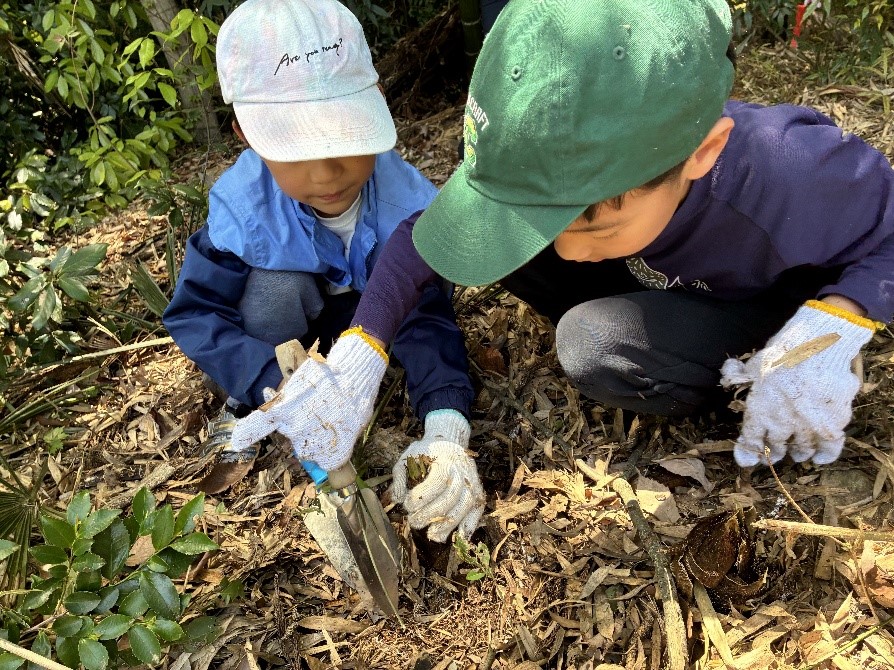
April marked the celebration of Earth Day—a day of recognition of our sacred Earth that we share and our collective duty to care for all life within it. A sustainable environment is a key priority for Religions for Peace, with unique and local initiatives being enacted across the movement in a global effort to care for our planet. 


However, environment and climate issues are not siloed: they are part of a polycrisis exacerbated by the rising conflict and violence today. Conflict destroys our common home, and even military activity that does not entail acts of war harms the environment.


We are sharing stories exploring how these global challenges are interconnected, and how we as members of spiritual, religious, and Indigenous communities can join hands and take steps to preserve the environment and heal the damage which has been done.


Though the challenges of our world can seem alarming and sobering, we look towards the future with hope and engagement—a hope which is represented by welcoming three new members to our International Youth Committee.


Religions for Peace hopes that spring brings a season of renewal and rebirth for each of you and for our earth.


In peace, 


Dr. Francis Kuria

Secretary General

Conflict–both Real and Imagined–is Driving Environmental Damage Around the World


The connections between conflict and the environment are many – direct and indirect – running in both directions. Conflict not only causes serious damage to the environment but is also caused by environmental stress, particularly global climate change that causes the movement of people. Beyond the tragic loss of life from conflict, its profound environmental impacts are scarring – and driving even greater advocacy to end conflict, particularly among religious leaders.

Religious Leaders Champion "Shared Sacred Flourishing" on Margins of UN Forum

On the margins of the 2026 Forum of the Countries of Latin America and the Caribbean on Sustainable Development, religious leaders and global development partners convened to move Religions for Peace’s transformative Shared Sacred Flourishing paradigm from academic discussion into the "streets" of practical labor.

Three New Youths Join the Religions for Peace International Youth Committee

Learn more about Jivahn Moradian, a young leader in the Zoroastrian community in New York City; Andrés Quevedo, a teacher of interreligious dialogue at St. Thomas University in Bogota; and Kensuke Osada, a staff member of Rissho Kosei-kai in Japan.

Across the Movement: New Efforts from Lebanon, Japan, Kenya, Religions for Peace Europe, and more


A round-up of developments from across the Religions for Peace movement.


In April 2020, Religions for Peace launched the Multi-religious Humanitarian Fund to support multi-religious efforts around COVID-19. Through this fund, seed funding was granted to projects in 21 countries across 5 regions.

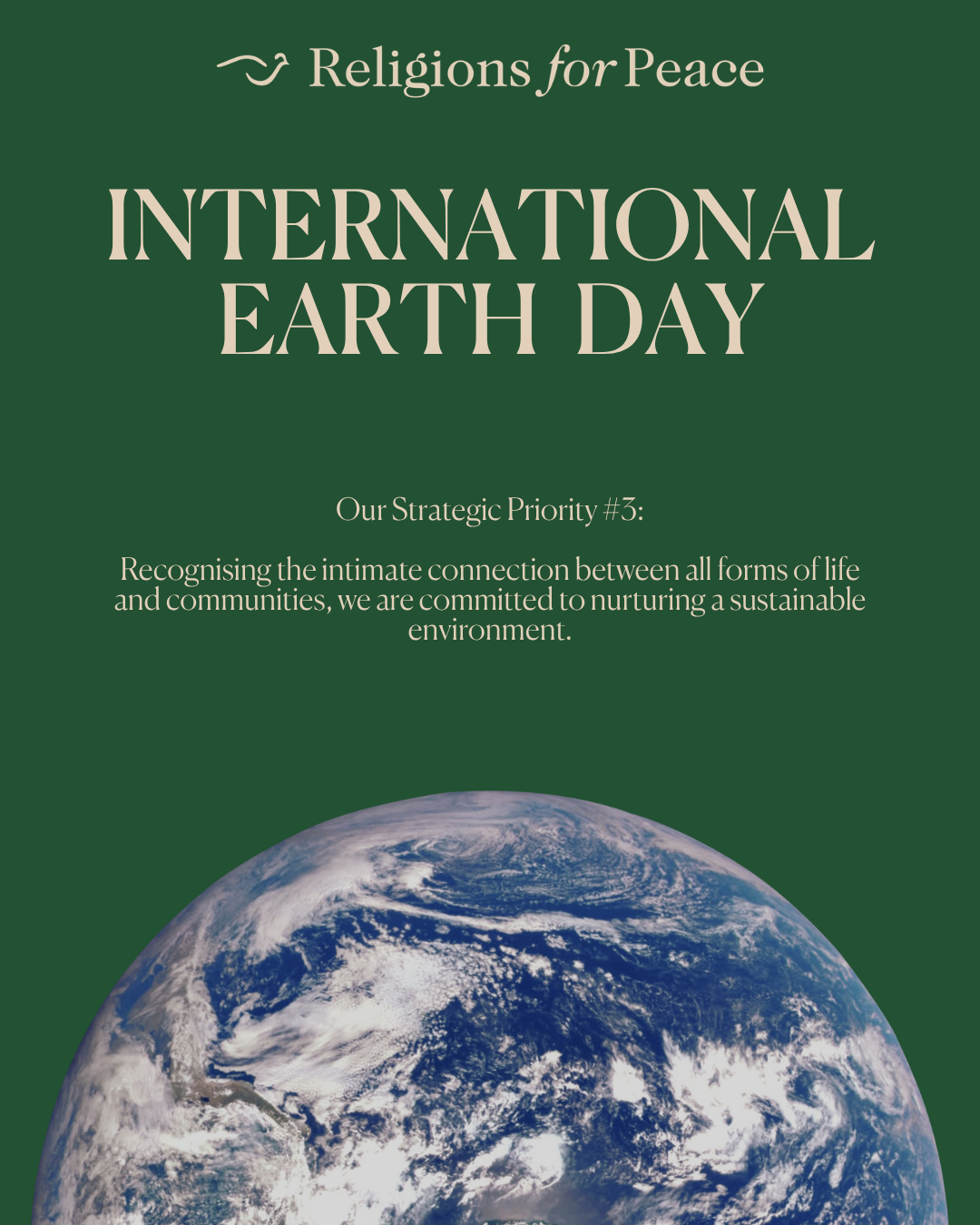
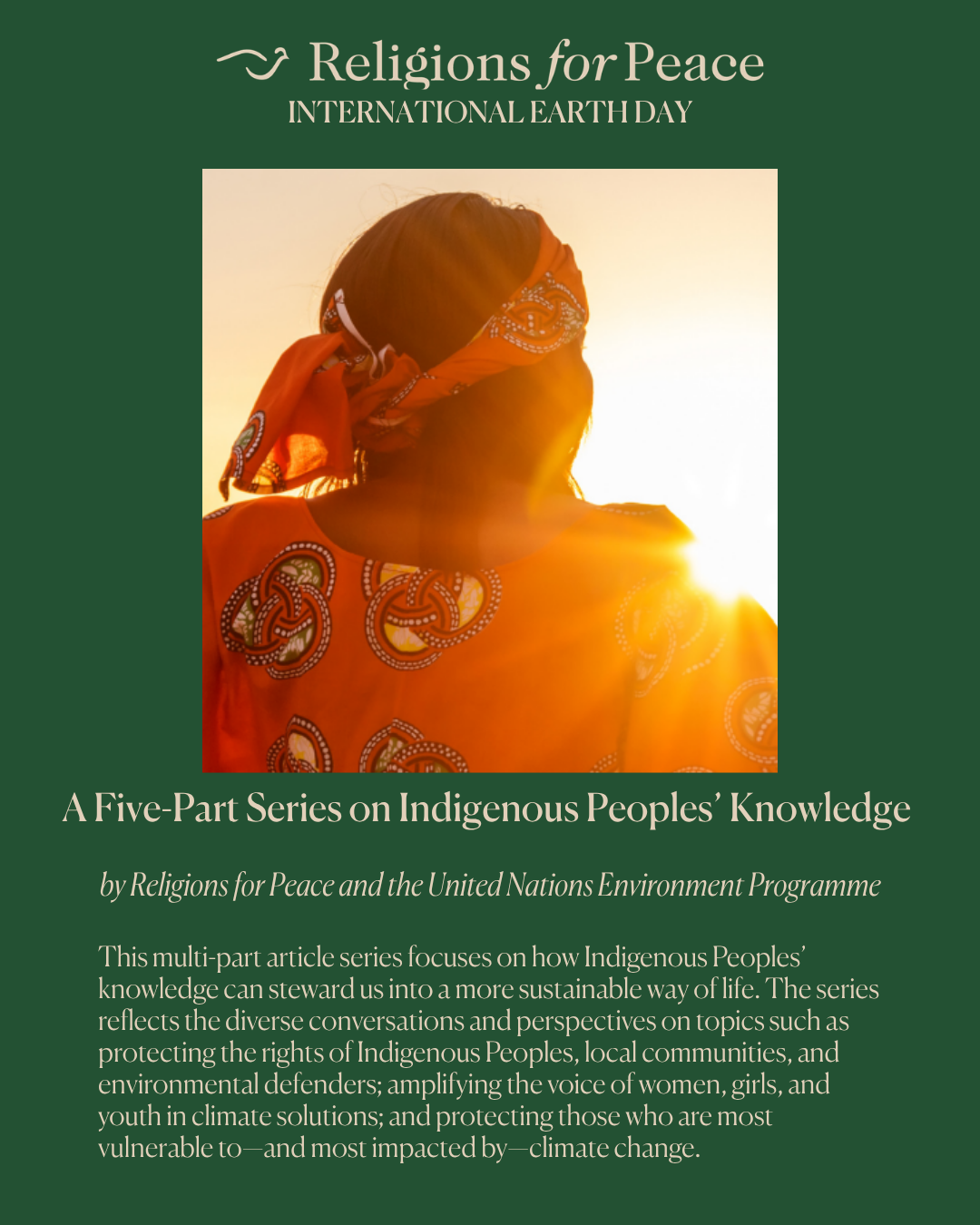
Earth Day

To celebrate Earth Day on 22 April, we highlighted our commitment to a sustainable environment as well as several initiatives on this strategic priority.

Join the conversation on social media:

Facebook  Instagram  X

Dr. Francis Kuria on Power and Shared Values in Religions

Over 150 Jewish Leaders Sign Letter Decrying Desecration of Jesus Statue in Lebanon

Religious Freedom Forum in Davao, Philippines, Takes Place During Temple Open-House Period

Protecting and Safeguarding our Children


The Interreligious Council of Kenya has published “Protecting and Safeguarding our Children: A handbook for faith leaders in Kenya,” with support from UNICEF. The set of handbooks includes one each for Hindu, Christian, and Muslim faith leaders. The handbook reflects builds on years of collaboration among faith communities, UNICEF and the Government of Kenya. It provides scripturally grounded guidance aligned with national and international child protection frameworks, affirming that protecting children from abuse, neglect, exploitation, violence, and harmful practices is both a legal obligation and a divine calling across all faiths.

2026 NPT Review Conference

The 2026 Review Conference of the Parties to the Treaty on the Non-Proliferation of Nuclear Weapons (NPT) is scheduled to take place over nearly a month, from 27 April to 22 May 2026, at the United Nations Headquarters in New York. The conference will be presided over by Ambassador Do Hung Viet, the Permanent Representative of Viet Nam to the United Nations.


International Council: Forging Pathways for Shared Sacred Flourishing

Mauritius, 23-25 June, 2026

On 23-25 June, Religions for Peace will convene a meeting of the International Council. This gathering aims to mobilize global faith leadership toward a “whole-of-society” approach, focusing on the intersection of human dignity and emerging challenges like artificial intelligence, climate change and debt relief, and institutional mistrust. By centering the relational well-being of humanity and the planet, the meeting aims to forge actionable pathways for peace and social cohesion.

Facebook  X  Instagram  LinkedIn

Religions for Peace International | 777 United Nations Plaza 5th Floor | New York, NY 10017 US

+1 212 687 2163 | www.rfp.org | info@rfp.org


You are receiving this email because you are subscribed to the Religions for Peace International mailing list.

Unsubscribe | Update Profile | Constant Contact Data Notice