|
Voter Suppression
A Journey Through History and Contemporary Strategies
| |
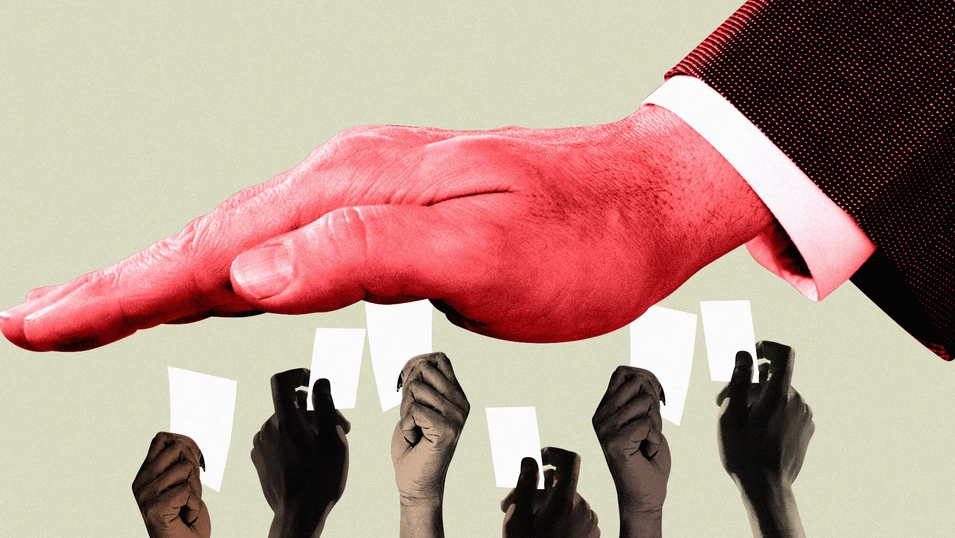
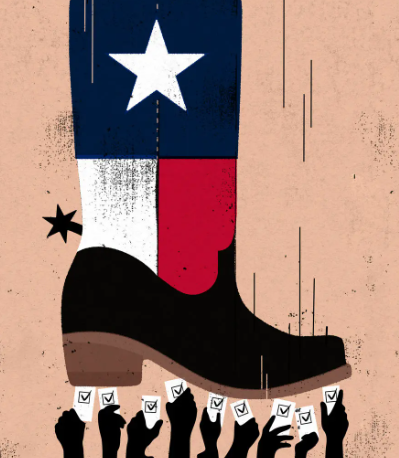
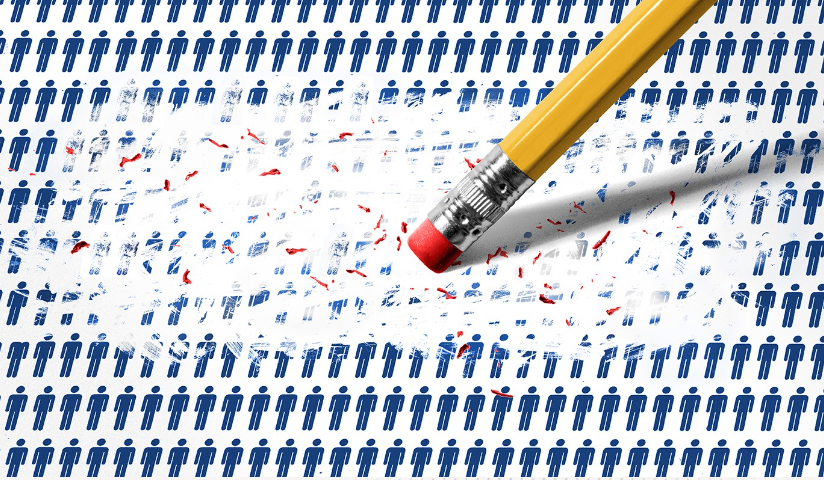
Voter suppression refers to tactics and strategies designed to prevent or discourage specific groups from voting, undermining the democratic process. Historically, methods like literacy tests, poll taxes, and intimidation were used to disenfranchise marginalized communities, particularly African Americans. Over time, legal victories such as the Voting Rights Act of 1965 aimed to eliminate these barriers, but voter suppression has evolved. Today, more subtle tactics like voter ID laws, purging voter rolls, limiting early voting, and gerrymandering are employed to restrict access to the ballot box. Understanding both the historical and contemporary forms of voter suppression is crucial to ensuring fair and equitable elections.
| |
Defining Voter Suppression
What it Means and How it Works
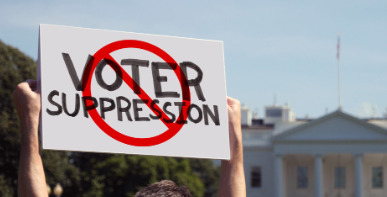
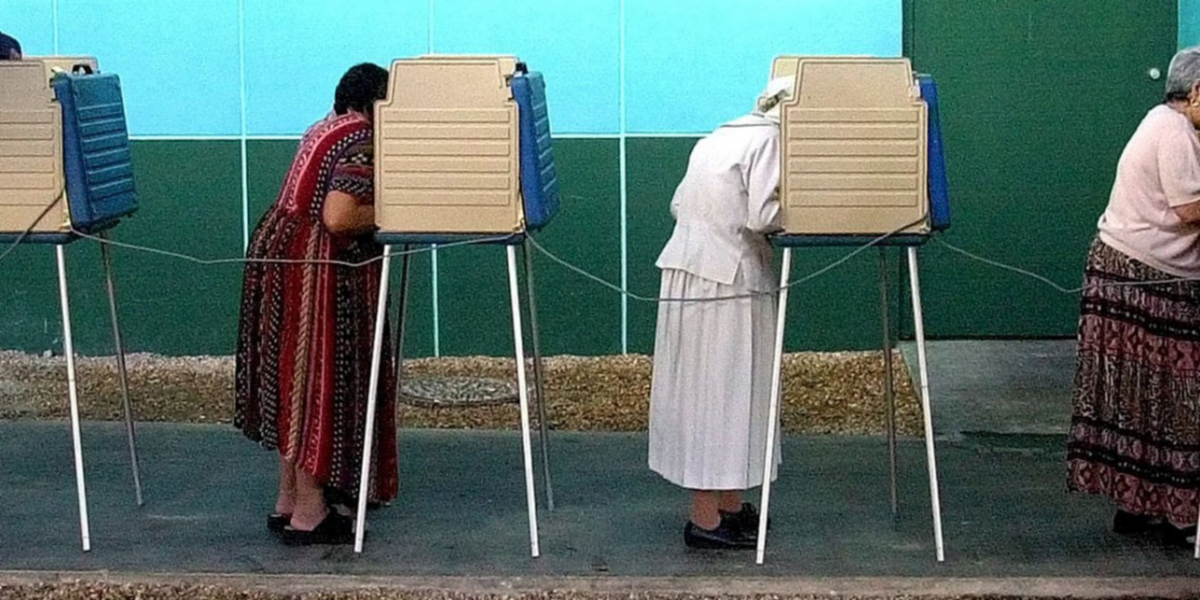
| Voter suppression refers to deliberate actions designed to prevent or hinder certain groups from exercising their right to vote. This can involve a range of tactics, from strict voter ID laws and voter roll purges to limiting polling locations and early voting periods. These measures often disproportionately affect marginalized communities, undermining the principle of equal access to the electoral process and threatening the integrity of democratic elections. | What is voter suppression? l ABC News | |
Voter suppression, in U.S. history and politics, any legal or extralegal measure or strategy whose purpose or practical effect is to reduce voting, or registering to vote, by members of a targeted racial group, political party, or religious community. The overwhelming majority of victims of voter suppression in the United States have been African Americans.
| |
Jim Crow and Voter Suppression
A Historical Overview of African American Disenfranchisement
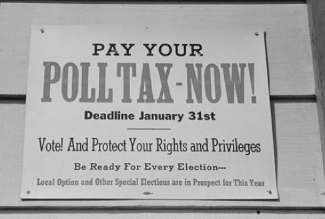
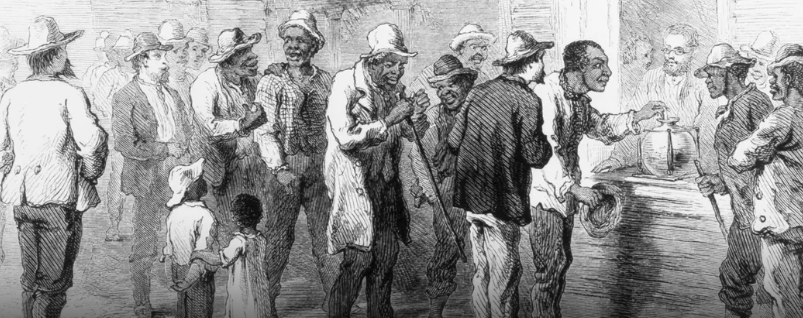
| During the Jim Crow era, voter suppression was institutionalized through laws designed to disenfranchise African Americans. These laws included literacy tests, poll taxes, and complex registration requirements, which effectively barred many Black citizens from voting. The intent was to undermine the political power of African Americans and maintain racial segregation. This period highlights how legal and systemic barriers were used to perpetuate racial inequality and suppress the voting rights of a significant portion of the population. | The Carnegie Corporation in New York Laws |
Voting Rights: A Short History
| 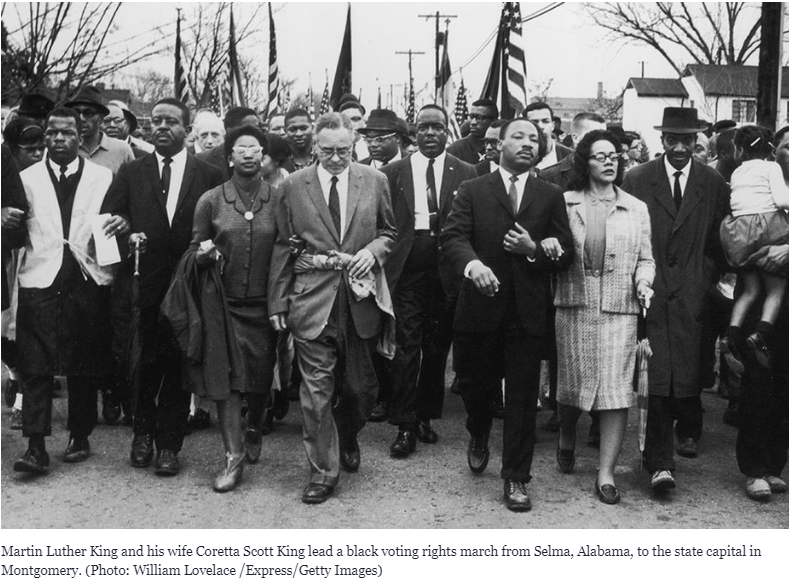 | |
Challenges to voting rights in this country, like the ones we've seen recently, are hardly a 21st-century invention. Entrenched groups have long tried to keep the vote out of the hands of the less powerful. Indeed, America began its great democratic experiment in the late 1700s by granting the right to vote to a narrow subset of society — white male landowners. Even as barriers to voting began receding in the ensuing decades, many Southern states erected new ones, such as poll taxes and literacy tests, aimed at keeping the vote out of the hands of African American men.
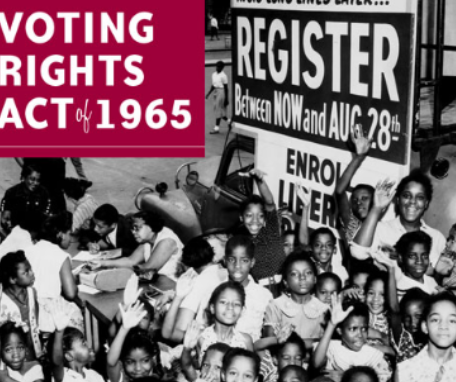
Over time, voting rights became a bipartisan priority as people worked at all levels to enact constitutional amendments and laws expanding access to the vote based on race and ethnicity, gender, disability, age and other factors. The landmark Voting Rights Act of 1965 passed by Congress took major steps to curtail voter suppression. Thus began a new era of push-and-pull on voting rights, with the voting age reduced to 18 from 21 and the enshrinement of voting protections for language minorities and people with disabilities.
| |
Science Direct Reports
February 2021
| America's first voter identification laws: The effects of personal registration and declining political party competition on presidential election turnout, 1880–1916 | 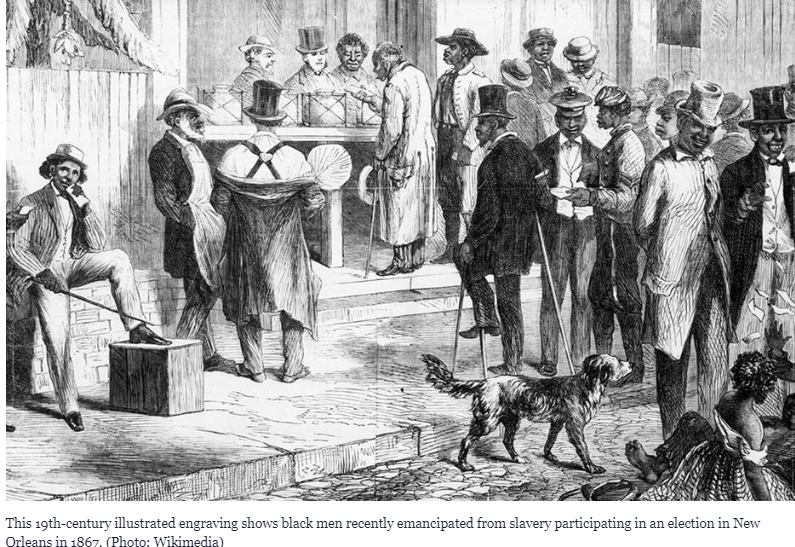 | Engaging a persistent puzzle on the decline in U.S turnout after 1896 from which the nation never recovered, this paper tests the impact of strict registration laws and declining electoral competition on turnout. This study uses an original dataset on nineteenth century voter registration laws for 1880–1916. I estimate a panel model with state and year fixed effects to test the hypothesis that the shift in electoral behavior was a function of registration reforms and competition. Findings show that turnout dropped by as much as 6 points because of personal registration laws, whereas competition increased turnout by up to 10 points. I also analyzed two case studies at the county level. The results indicate that when registration laws became increasingly stringent with stricter identification requirements, turnout dropped by as much as 19 points. Findings suggest that electoral competition could mitigate the suppressive effects of strict voting laws on turnout. | |
History Reports
August 8, 2023
| How Jim Crow‑Era Laws Suppressed the African American Vote for Generations | |
Following the ratification in 1870 of the 15th Amendment, which barred states from depriving citizens the right to vote based on race, southern states began enacting measures such as poll taxes, literacy tests, all-white primaries, felony disenfranchisement laws, grandfather clauses, fraud and intimidation to keep African Americans from the polls.
Focused on retaining white supremacy in the electoral process, legislators used loopholes in the 15th Amendment to implement a range of measures to disenfranchise Black voters without explicitly characterizing them on the basis of race.
| |
American Political Science Association Reports
May 1, 2017
| |
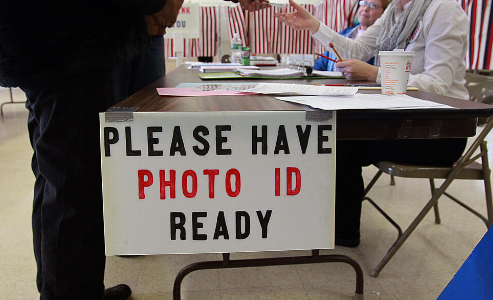
The issue before the U.S. Supreme Court Crawford case (Crawford v. Marion County Election Bd. 2008) was whether a law (Indiana Senate Enrolled Act No. 483) passed by the Indiana legislature requiring most voters to show a photo ID in order to cast a ballot violates the First and Fourth Amendments. Plaintiffs argued that it works an unfair ship on many people who do not have the government-is documents that count as a legitimate ID (Indiana Demo Party et al, 12-16).
| Whose Vote Counts, Explained | |
Defining Voter Rolls and Purges
What they mean and their impact
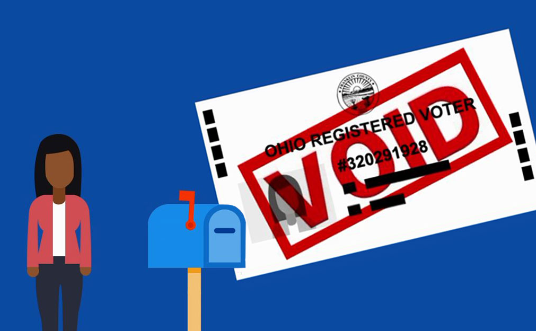
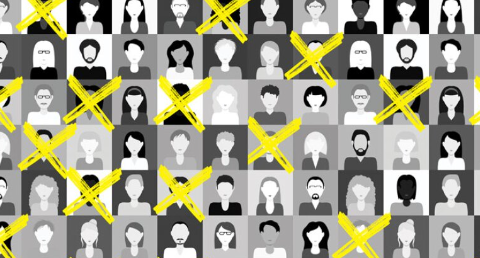
| Voter rolls are official lists of eligible voters maintained by election authorities. A voter purge refers to the process of removing individuals from these rolls, often due to reasons like non-voting or changes in address. While purges are intended to keep voter lists accurate, they can lead to disenfranchisement if conducted improperly, such as removing eligible voters who have not recently participated in elections or those who have not updated their address. This process can significantly impact voter turnout and access to the ballot. | |
Rock the Vote
September 22, 2022
| Voter Rolls and Voter Purging: An Explainer |  | |
What are voter rolls?
Voter rolls are voter registration lists – the list of actively registered voters who can vote in an upcoming election within a particular jurisdiction. The list of registered voters is incredibly important as it informs whether or not a voter can cast a ballot based on whether their name appears on the list. Voter rolls are maintained by local and state governments.
What are voter roll purges?
While there are best practices for list maintenance and the Electronic Registration Information Center (ERIC) opens a new window helps states utilize those best practices, voter purges are when states use flawed processes, such as irresponsible use of bad data or practices that confuse two voters as the same person if they share a name.
This results in the mass cancellation of the registrations of eligible voters, with little notice. Often, these voters only learn their registration was canceled when they try to go vote and they are either turned away or have to cast a provisional ballot.
| |
Contemporary Voter Suppression
The Impact of Roll Purges and Polling
Place Limitations
| |
Contemporary voter suppression often involves tactics like voter roll purges and the reduction of polling places. Roll purges, while intended to maintain accurate voter lists, can disenfranchise eligible voters if not carefully managed. Limited polling places further exacerbate this issue by creating long wait times and reducing access to voting, particularly in underserved communities. Together, these strategies hinder voter participation and undermine the accessibility of
the electoral process.
| |
Rock the Vote
September 22, 2022
| Mass Purges Are the New Voter Suppression | |
The United States still has one of the world’s most decentralized voter registration systems. We want voter rolls to be up-to-date and accurate. People move, die, change party identification, and so on. But election deniers exploit cracks in the county-by-county system. They challenge legitimate registrations, launch mass purges, and seek to weed the voter rolls of citizens they don’t like.
In fact, there’s new evidence that abusive mass voter purges will be a major weapon in the political battles of the coming months. If you can’t win citizens to your side, it appears, then try to prevent them from voting.
| |
Voting Rights Lab Reports
April 30, 2024
| |
New Laws Risk Purging Eligible Voters in Advance of This Year’s Elections
|  | |
In 49 of the 50 states, a person must be registered to vote in order to cast their ballot in this year’s elections. Each of these states performs regular voter list maintenance to ensure that their voter lists are up-to-date and accurate. With summer primaries fast approaching, the federal deadline for states to complete any program that systematically removes voters from the rolls is just around the corner in many states, including some critical swing states like Florida and Arizona.
There is no doubt that maintaining accurate voter lists is key to ensuring secure and smooth elections. But new legislation and litigation, often undertaken in the name of unfounded concerns about noncitizen voting, is forcing election administrations in some states to take aggressive tactics that risk purging eligible citizens from the rolls. This means that some eligible citizens who meet all necessary qualifications may find themselves unable to vote in the 2024 general election.
| |
Reuters Reports
November 1, 2022
| Click Image Below to View Felony Disenfranchisement Laws | |
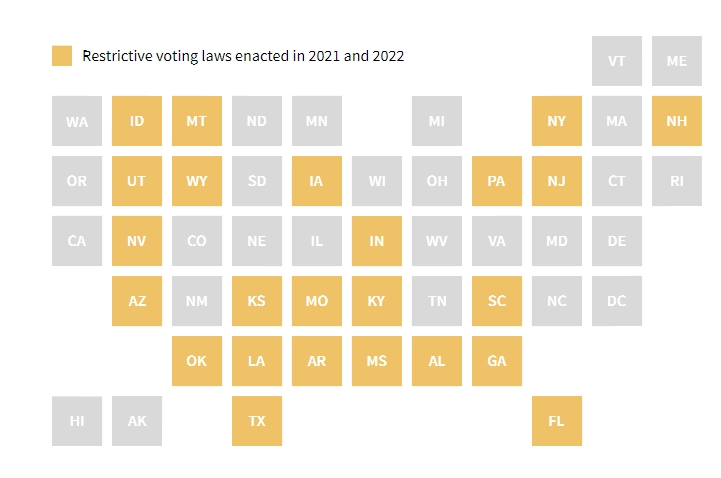
From voter ID requirements to limits on mail-in voting, new laws are fueling tensions between Republicans and Democrats ahead of the U.S. midterms.
Republicans, who have largely embraced former President Donald Trump's false claims of fraud in the 2020 election, say the measures are necessary to ensure election integrity. Democrats say they are aimed at making it harder for voters who traditionally back the Democratic Party to cast their votes.
| |
League of Women Voters Reports
July 19, 2023
| Common Voting Restrictions That Are More Harmful Than You Might Think | In 2023, at least 322 bills restricting voting access were introduced in state legislatures nationwide. As states continue to make voting harder, the League and other voting rights organizations remain committed to challenging these restrictions and supporting voters. Though many of these restrictions may appear simple and easy to comply with, they often have a huge impact on voters with disabilities, people of color, indigenous communities, students, young voters, and older adults. Four common voting restrictions — third-party ballot drop-off restrictions, early voting restrictions, ballot drop-box restrictions, and strict absentee ballot requirements — are particularly devastating. | |
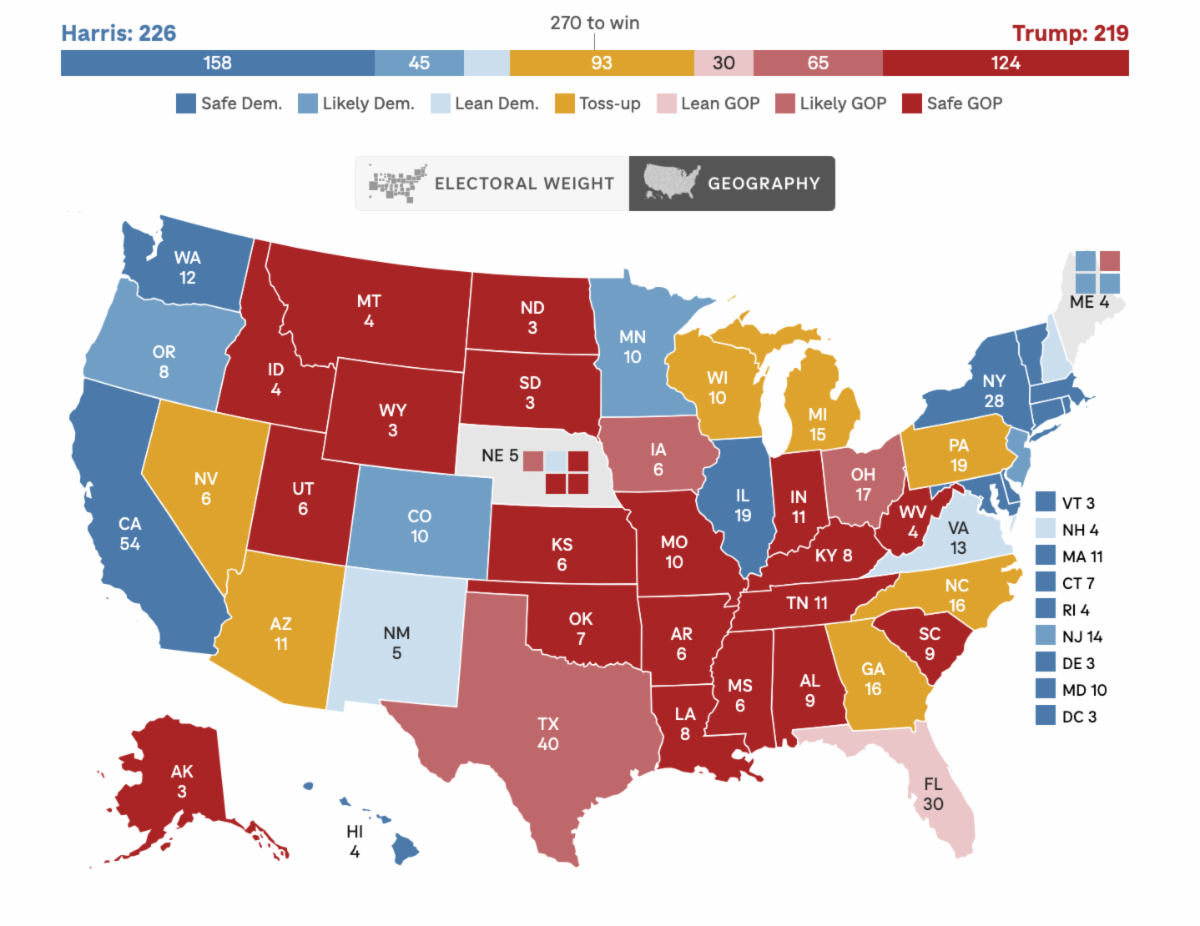
The 2024 Presidential Election
Click Image Below to View Latest Updates and Polling Trends in the 2024 Presidential Race
| |
Click Image Below to View the 2024 Presidential Election Interactive Map
| |
Rep. Ford Asks for Your Input
What Are Your Thoughts on Voter Suppression?
| Which modern tactic of voter suppression do you think is most effective at discouraging voter participation? | Please select the option that most accurately reflects your opinion and vote accordingly. | |
How should policymakers balance maintaining accurate voter rolls with avoiding disenfranchisement?
| Please select the option that most accurately reflects your opinion and vote accordingly. |
Click Image Below to Learn How to Register to Vote, Change Your Registration Name, and Change Your Registration Address
| Click the Image Below to Read Rep. Ford's Previous Special Editions in Preparation for Election Day | |
Click Image Below to Learn More About Federal Safety and Security Grants available to
NonProfit Organizations Statewide
| |
Click Image Below to Learn 10 Things You Should Know About Filing Unemployment Insurance
| Click Image Below to Learn About Cash, SNAP and Medical Assistance | Key Facts Every Illinoisan Should Know | |
Click Image Below to Read a List of Important Words Americans Should Know | |
|
Click Image Below to View Rep. Ford's Hot
Job of the Day!
| |
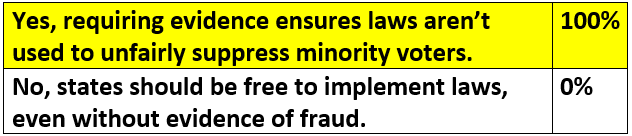
Should states be required to provide evidence of voter fraud before implementing laws that could disproportionately affect minority voters? | |
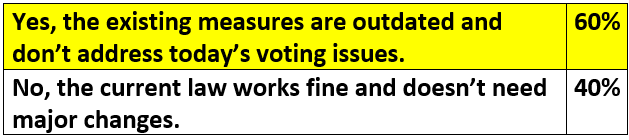
Is it important to update the Voting Rights Act to address current voting discrimination? | |
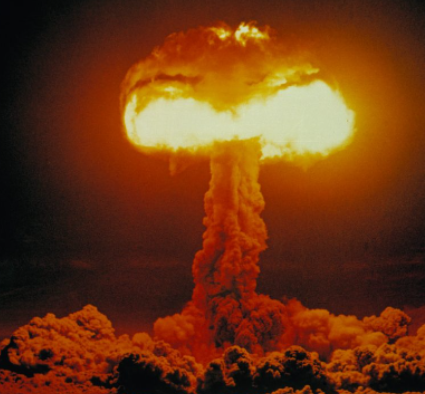
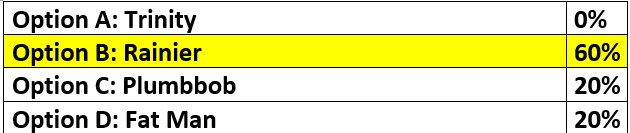
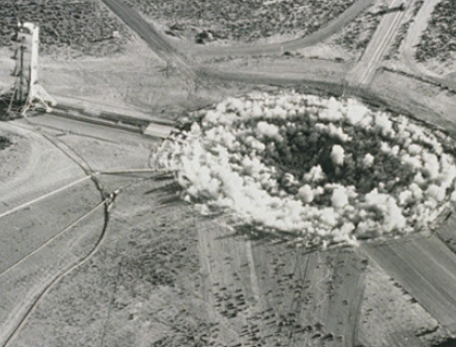
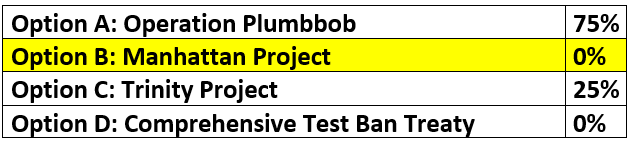
What was the name of the first fully contained underground nuclear test conducted by the United States? | |
|
Congratulations! If you've selected
option B, you've picked correctly.
| Which project was responsible for developing the world’s first nuclear weapon? | |
|
Congratulations! If you've selected
option B, you've picked correctly.
| |
Click Image Below to Learn More About Homeowners Assistance | |
On This Day in History
September 23, 1949
| |
History Reports
September 13, 1993
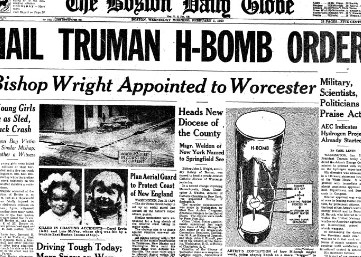
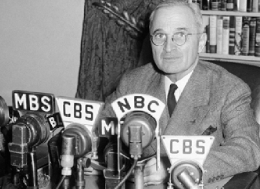
| President Truman announces Soviets have exploded a nuclear device | |
In a surprisingly low-key and carefully worded statement, President Harry S. Truman informs the American people that the Soviets have exploded a nuclear bomb. The Soviet accomplishment, years ahead of what was thought possible by most U.S. officials, caused a panic in the American government.
| 23rd September 1949: President Truman announces the USSR's first nuclear test | When did U.S. scientists detect seismic activity indicating a Soviet nuclear test? | |
What critical policy change did the National Security Council recommend after the Soviet nuclear test?
| Knowing History Spotlight Moment | |
Lead Story
Cold War
1949
President Truman announces Soviets have exploded a nuclear device
Art, Literature and Film History
1923
“The Prophet,” by Lebanese‑American poet‑philosopher Kahlil Gibran, is published
Sports
1992
Canadian woman breaks pro sports barrier
Exploration
1806
Lewis and Clark return to St. Louis
Inventions & Science
1846
Planet Neptune is discovered
Inventions & Science
1933
Standard Oil geologists arrive in Saudi Arabia
Sports
1908
Controversial call gives Cubs the pennant
U.S. Presidents
1944
FDR defends his dog in a speech
Crime
1981
A two‑month manhunt for a murdering writer comes to an end
American Revolution
1779
John Paul Jones wins in English waters
| |
|
The family unit is an indispensable part of human society. At its core, the family is composed of biological relatives like parents, siblings, grandparents, and cousins, as well as spouses, children, and in-laws. The social relationships, expectations, and dynamics between these relatives vary by time and place. Today, Americans are getting married later than ever, at around 28.
| |
|
Discover the Rewards
Benefits of Becoming a Computer Programme
| |
|
Click Video Below to Learn More
Being a Family Therapist
| |
|
Help is available; speak with someone today:
Suicide Prevention & Crisis Lifeline - Dial 988
| |
|
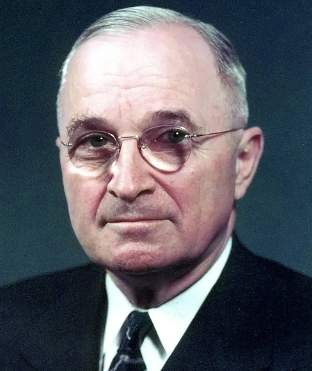
“Without a strong educational system democracy is crippled. Knowledge is not only key to power. It is the citadel of human freedom.”
-Harry S. Truman, 33rd U.S. President
| |
Employers
Learn How to Become a Family Therapist
| |
Click Below to View Today's Job Highlights | |
|
Insurance Company Financial Examiner Trainee Date: Sep 12, 2024
Location: Chicago, IL, US, 60603
Job Requisition ID: 41374
Agency: Department of Insurance
Closing Date/Time: 09/25/2024
Salary: $4,575 - $6,285 Anticipated Monthly
Salary-CBA language applies
Job Type: Salaried
Category: Full Time
County: Cook
Number of Vacancies: 8
Plan/BU: RC062
Click Here to Apply
Graphic Arts Designer
Date: Sep 13, 2024
Location: Springfield, IL, US, 62701
Job Requisition ID: 41526
Working Title : Graphic Arts Designer
Agency : Abraham Lincoln Presidential Library and Museum
Position Title: Graphic Arts Designer
Closing Date/Time: 09/26/2024
Salary: $4,766-6,632.00/Monthly (Anticipated Starting
Salary for Non-State Applicants: $4,766.00)
Job Type: Salaried Full Time
County: Sangamon
Number of Vacancies: 1
Click Here to Apply
Dispute Analyst (Executive I)Date: Sep 13, 2024
Location: Springfield, IL, US, 62704
Job Requisition ID: 41403
Agency: Department of Healthcare and Family Services
Posting ID: DF41403
BPIS: 09876
Group: CL (B-H)
Start Date: 9/13/2024
Closing Date: 09/27/2024
Salary: Starting salary $5,703 - $8,170 Monthly /
Anticipated starting salary non-state $5,703/month
Job Type: Salaried
Category: Full Time
County: Sangamon
Number of Vacancies: 1
Plan/BU: RC062
Click Here to Apply
Team Clerical
Date: Sep 13, 2024Location: Deerfield, IL, US, 60015
Job Requisition ID: 41013
Agency : Department of Children and Family Services
Title: Office Associate Opt. 2
Closing Date/Time: 09/27/2024
Salary: Anticipated Starting Salary $ 3,852 month;
Full Range $ 3,852-$ 5,046/Month
Job Type: Salaried
Category: Full Time
County: Cook
Number of Vacancies: 1
Click Here to Apply
| |
Click Image Below to View Jobs Based on Industry | |
Click Image Below to View
Federal, State and City Jobs
| | Eighth District Community | |
Explore Local Small Businesses Through the Eighth District Chamber of Commerce | |
|
Despite losing 9.1 million jobs in the first two quarters of 2020, small businesses job growth rebounded swiftly following the COVID-19 recession. In the four quarters following, small businesses have gained 5.5 million jobs, making up for 60 percent of the decline during the early pandemic.
Small businesses have generated 12.9 million net new jobs over the past 25 years, accounting for two out of every three jobs added to the economy. For more, read Advocacy’s latest fact sheet, “Small Business Job Creation”.
| Click Image to Connect with a local Chamber of Commerce and Explore Job Postings in the Eighth Legislative District | Ford's Upcoming Events and Community Events | |
Rep Ford's Special Edition Newsletters | |
Stay connected with Rep. Ford to stay up-to-date with the latest news and upcoming events! | | | | |