|
Growing Together:
Food, Family and Friends
In this issue, we explore foods and traditions around the family table in Ireland and beyond.
| | |
Julie Garden-Robinson, Ph.D., R.D., L.R.D., Food and Nutrition Specialist
Sean Brotherson, Ph.D., Family Science Specialist
| | |
EAT
Let’s celebrate learning about cultures during March, National Nutrition Month. How much do you know about your family’s heritage? You may be part Scandinavian, German, Irish, Hispanic, Asian, African or other. March is also Irish-American Heritage Month, with St. Patrick’s Day on March 17.
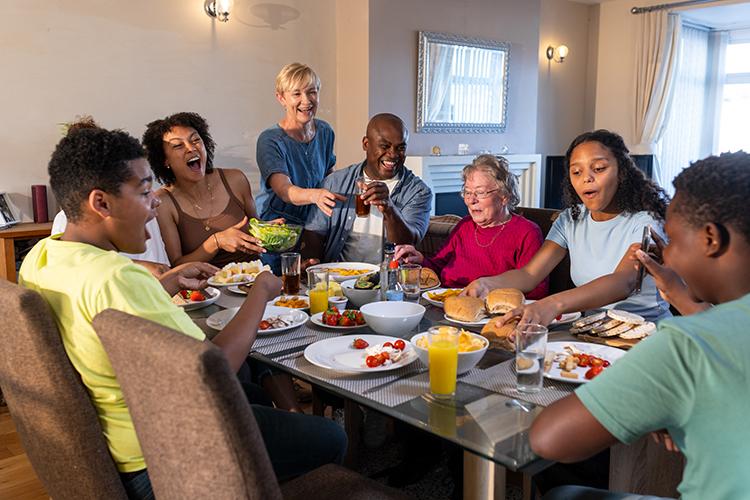
In Irish traditions, the dinner table was the heart of the home as a place for community, remembrance and folklore. The food was simple and hearty.
Whether you are Irish or not, try some Irish traditions with your family, then add some of your own traditions based on your heritage.
-
Pass food Irish-style: While not unique to Ireland, traditional etiquette in many Irish homes involved passing all dishes to the left.
-
Make a "clan cloth:" A special cloth representing your lineage can be placed on the family table. An Irish family tartan is usually a green, red and blue plaid fabric.
- What would your family clan cloth look like?
-
Share food with the "wee folk:" For fun, leave a small offering of food or drink on the table or near the hearth for the "wee folk" (fairies/spirits). This was a tradition in Irish homes to ensure good luck for the household.
| | |
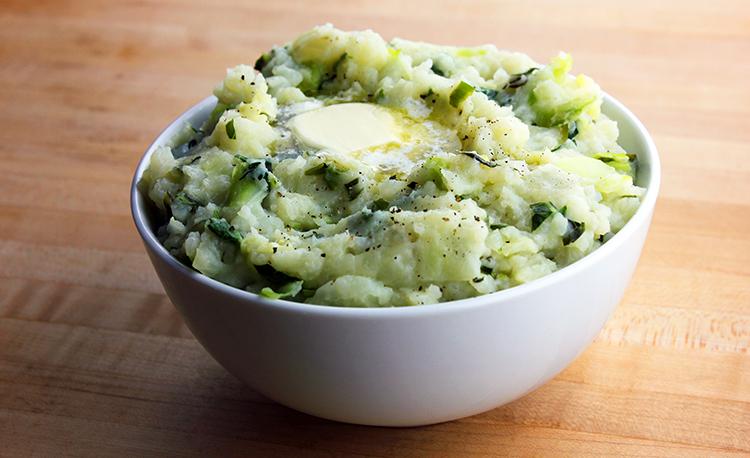
Potatoes were a staple in the Irish diet. Colcannon is a traditional dish using potatoes and cabbage. Serve it with some corned beef, ham or sausages (bangers) for a traditional meal. Or, make Irish few with Irish soda bread. How about shamrock-shaped sugar cookies for dessert?
Red Potatoes and Cabbage (Colcannon Mash)
1 pound red potatoes (about 3 to 4 cups chopped) or your preferred potatoes
1 tablespoon butter
½ cup onion (or scallions), chopped
6 cups green cabbage (about ½ head), thinly sliced
1 cup 1% or nonfat milk
1 teaspoon salt
¼ teaspoon black pepper
Rinse vegetables, then prepare as directed. Cut potatoes into quarters, then cook in boiling water until tender, about 15 to 20 minutes. While the potatoes are cooking, heat the butter in a large skillet. Add onion and cook until transparent, about 3 to 5 minutes. Add cabbage and cook until it begins to brown (4 to 6 minutes). Reduce heat tow. Add milk, salt and pepper. Cover and cook until cabbage is tender (6 to 8 minutes). Drain potatoes, then add the cabbage mixture to the potatoes. Mash with a potato masher or large fork to the desired texture. Serve.
Makes about six servings. Each 1-cup serving has 120 calories, 3 grams (g) fat, 4 g protein, 22 g carbohydrate, 4 g fiber and 500 milligrams sodium.
Recipe courtesy of Oregon State University.
|
| |
Connect
In the spirit of cultivating appreciation for your heritage during National Nutrition Month, let’s explore three strategies that you might use to celebrate food traditions in your heritage and connect with family members. These strategies can help you share “food memories” and also generate new family food traditions.
-
Share Favorite Family Meal Memories – A favorite question to ask about food and heritage is “What is a favorite memory of yours associated with a family meal?” Recalling your favorite family meal memories brings to mind such times as the weekly Sunday meal, family mealtimes during Thanksgiving or other holidays, or making a favorite recipe with a loved one.
-
Action Step – Schedule a family mealtime this month where each family member or friend present shares a favorite memory associated with a family meal and why it was memorable for them. Write it out or record it on a brief video and share it with others in person or via social media.
-
Prepare and Share a Favorite Family Recipe – In your family, perhaps there’s an old recipe for “Irish soda bread” or “Grandma’s Swedish meatballs.” Invite some family members or friends for “a walk down memory lane” as you prepare and share a family recipe from your family’s history or heritage.
-
Action Step - If possible, invite a “keeper” of the recipe to involve others in preparing the dish and passing along the secrets of the favorite family recipe.
-
Try Out a New Food Tradition or Adventure – Traditions are made to be updated and created anew. Maybe some families celebrate St. Patrick’s Day in March with a special meal or dish, but it might be a new adventure for you to try Irish food or dishes from other cultures, such as Thai, Mexican or Chinese foods. Quiz your family members and pick three or four cultures or countries with food options that you’d like to explore together.
-
Action Step – Select a new food option to try out as a family. You might order in from a Mediterranean restaurant, go for an outing to a new food place or gather the ingredients and experiment with making a dish from a culture you’d like to explore further.
Check out the free “Conversation Starters for Reminiscing” cards at the Family Table website.
| | |
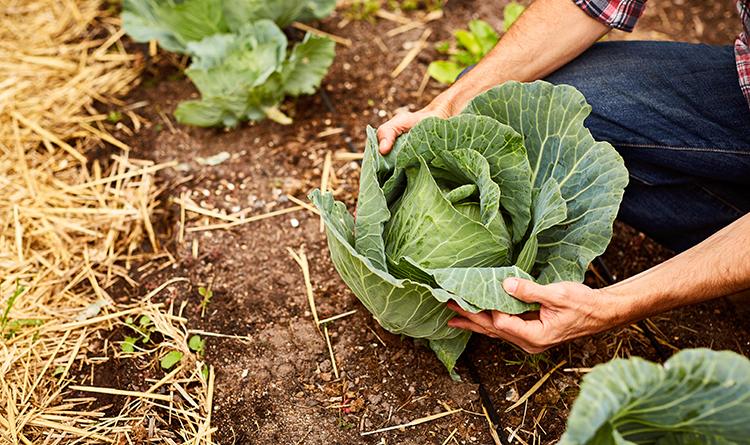
Consider growing your own garden — and the vegetables for Colcannon — starting in late spring. Potatoes can be grown in a 5-gallon bucket with drainage holes. Fill with a potting mix. Cabbage can add color and texture to a flower bed.
Visit www.ag.ndsu.edu/food to learn more about a wide range of vegetables from field to fork!
| | |
The NDSU Extension does not endorse commercial products or companies even though reference may be made to tradenames, trademarks or service names. NDSU encourages you to use and share this content, but please do so under the conditions of our Creative Commons license. You may copy, distribute, transmit and adapt this work as long as you give full attribution, don’t use the work for commercial purposes and share your resulting work similarly.
County commissions, North Dakota State University and U.S. Department of Agriculture cooperating. NDSU does not discriminate in its programs and activities on the basis of age, color, gender expression/identity, genetic information, marital status, national origin, participation in lawful off-campus activity, physical or mental disability, pregnancy, public assistance status, race, religion, sex, sexual orientation, spousal relationship to current employee, or veteran status, as applicable. Direct inquiries to Vice Provost for Title IX/ADA Coordinator, Old Main 201, NDSU Main Campus, 701-231-7708, ndsu.eoaa@ndsu.edu. This publication will be made available in alternative formats for people with disabilities upon request, 701-231-7881.
| | | | |