|
Growing Together:
Food, Family and Friends
This month, we explore creative food on a stick, games to enjoy on road trips and beverages to keep us cool.
| | Julie Garden-Robinson, Ph.D., R.D., L.R.D., Food and Nutrition Specialist | | |
EAT
July is National Picnic Month, so try taking food on the go. Be sure to pack your food in a cooler with ice. Avoid cross-contamination by keeping meat and poultry separate from ready-to-eat foods such as salads, breads and desserts. Use covered containers — or separate coolers — to optimize food safety.
See “Keep Food Safe During Summer Picnics” for more details.
Be creative in your food preparation. Try making kabobs for the grill, or maybe salads or snacks on a stick. Be careful with young children because some foods can be choking hazards. Also, be careful with the sharp wooden sticks you use.
For young children, cut small pieces and serve on a plate. Older children can help thread the kebobs, but be sure they wash their hands thoroughly before and after helping.
| | |
Be creative in your food preparation. Try making kabobs for the grill, or maybe salads or snacks on a stick. Be careful with young children because some foods can be choking hazards. Also, be careful with the sharp wooden sticks you use. For young children, cut small pieces and serve on a plate. Older children can help thread the kebobs, but be sure they wash their hands thoroughly before and after helping.
Grilled or oven-baked kebobs:
- Soak wooden kebob sticks in water for at least 30 minutes.
- Marinate meat (chicken or beef) for two or more hours. Many commercial marinades are available. See the marinade recipes at NDSU Extension.
- Cut the pieces of meat and veggies into uniform sizes (about 1 to 1 ½ inches).
- Drizzle with oil and sprinkle with spices such as rosemary or garlic powder.
- Grill about 10 minutes for beef or chicken skewers for 20 minutes or until cooked through. Or, cook for about 10 to 15 minutes in a 375 F oven
Salad or snack kebobs
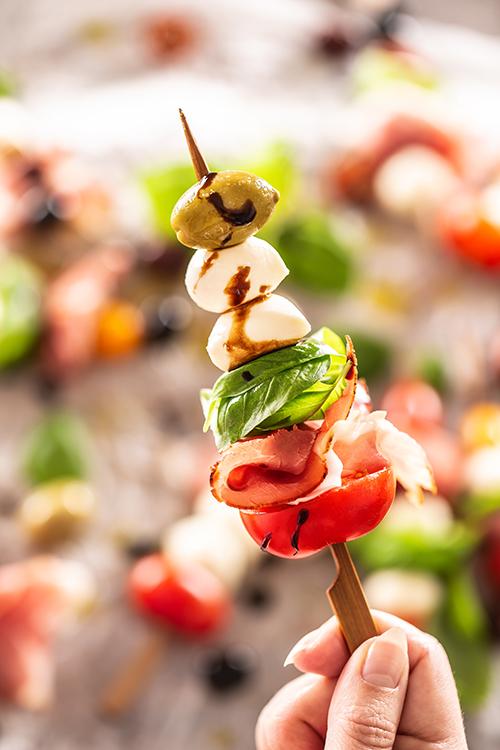
- Thread cherry or grape tomatoes, alternating with mozzarella cheese balls and basil leaves, for caprese salads on a stick.
- Make “charcuterie” on a stick by threading grapes, cheddar or mozzarella cheese cubes, strawberry pieces, sliced folded turkey, olives or other family favorites.
- Try “dessert on a stick” by alternating pineapple chunks, angel food cake squares, strawberry pieces, banana chunks and strawberry pieces. Drizzle with chocolate.
See the NDSU Extension recipes at www.ag.ndsu.edu/food
|
| |
Connect
Families, Food and Fun
Summer often means road trips to visit friends and relatives or explore the country. Sometimes riding in a vehicle can get a little “boring” after you have counted all the red (or blue or silver) cars and looked for license plates from various states. Unfortunately, kids might prefer plugging into a tablet, watching a movie in the vehicle or doing something that distracts them from appreciating the adventure.
- Before the trip, have them help plot out an itinerary of things to see along the way. Check out the visitors bureau website in the city or state you are visiting.
- Set limits on the technology they use (handheld games, cell phones, etc.). Maybe they get one hour to catch up with friends at a particular time during the day.
- Encourage older kids to keep a journal of their family vacation. If they lose interest in keeping a journal, tuck it away and share it with them when they are older.
- Try a family sing-along with their favorite music on a playlist.
- Connect with family conversations. Have kids ask you some questions about when you were younger. These are some ideas to get you started.
What’s your favorite family vacation? Why was it special?
What were the most popular toys when you were a young child?
What rules did your parents have for you?
| | |
Beverages can be expensive, and we are all advised to trim down the added sugars in the foods and beverages we eat. Adding some fruit amps up the flavor and even adds some nutrition with very few calories.
Flavor-infused Water
-
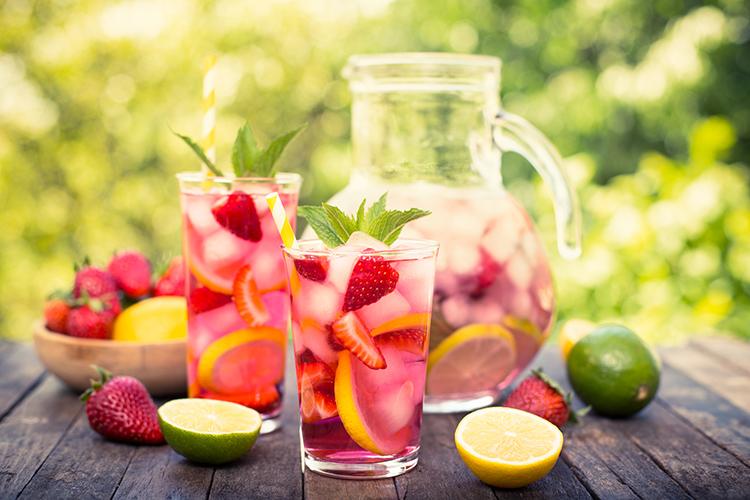
Choose a fruit, vegetable or herb (or a creative combination). These can include lemon, lime or orange slices, cucumbers, fresh or frozen strawberries or blueberries, mint leaves, basil leaves, or others.
-
If you are using fresh fruits, vegetables or herbs, be sure to rinse them carefully under cool, running water. When using citrus fruits, slice them thinly. Cut strawberries in half and leave other berries whole.
-
Fill a pitcher with cold water and ice. Place the pitcher in the refrigerator and allow to stand a few hours. Citrus fruits infuse flavors quickly, while berries need a few hours.
- Serve flavor-infused water instead of soft drinks or sweetened beverages. You can refill the pitcher with water at least one more time. Keep refrigerated and enjoy.
| | |
This project is supported by the Health Resources and Services Administration (HRSA) of the U.S. Department of Health and Human Services (HHS) grant, Maternal and Child Health Services. This information or content and conclusions are those of the author and should not be construed as the official position or policy of, nor should any endorsements be inferred by HRSA, HHS or the U.S. Government.
NDSU Extension does not endorse commercial products or companies even though reference may be made to tradenames, trademarks or service names.
North Dakota State University is an equal opportunity educator and employer. This work is supported by the U.S. Department of Agriculture’s National Institute of Food and Agriculture. Persons with disabilities who require alternative means of communication for program information (e.g., Braille, large print, audiotape, American Sign Language, etc.) should contact NDSU Extension at 701-231-1865.
| | | | |