ISSUE 106 October 2026


Extending Knowledge Changing Lives
 

Growing Together:

Food, Family and Friends


This month, we are focusing on budget-friendly food preparation and fun ways to connect in autumn.

Julie Garden-Robinson, Ph.D., R.D., L.R.D., Food and Nutrition Specialist


EAT 


What’s for dinner? Healthy meals on a budget


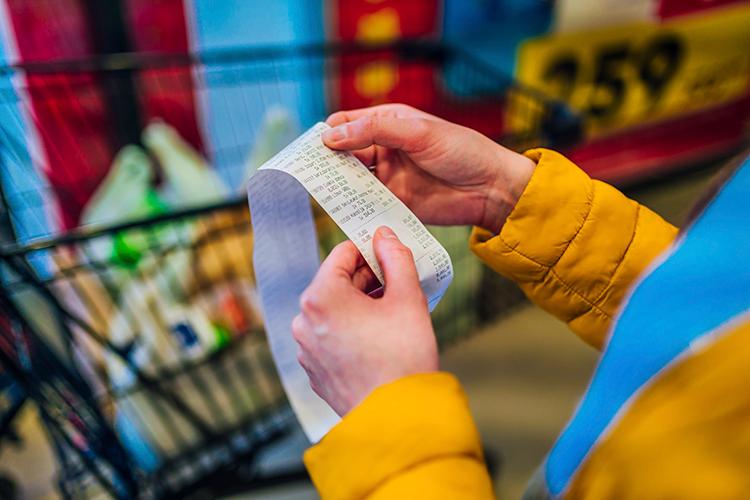
We all know that many foods have increased in price at the grocery store. Eating out costs even more. Is it possible to meet nutritional needs? The answer is “yes.”


Which of the following steps do you do?  


  • Set a goal to plan daily menus for a week at a time. Have family members help in the planning. Save your menu plans and reuse them.
    
  • Plan your menu based on what’s on sale at your local grocery store. Fruits and vegetables that are “in season” usually are less expensive and of better quality.
    
  •  Include a variety of colors and flavors in menus. Serving colorful carrots, sweet potatoes, corn or green beans as a side dish adds nutrition and makes a meal look more appealing.
    
  •  Vary the textures of meals. If you serve a meat such as roast beef or chicken, accompany it with soft mashed potatoes and a crisp vegetable salad. Serve crusty breads beside casseroles, stews and soups.
    
  • Try to fit in at least three whole-grain foods every day. Try whole-grain cereal for breakfast, a sandwich on whole-grain bread for lunch, or a whole-wheat pasta dish for dinner.
    
  • Serve milk with meals to help your family meet its calcium needs. Most people need at least three cups of milk per day.
    
  • When you add a “new recipe” to your menu, pair it with a recipe your family has tried and liked!
    
  • Share kitchen duties with others in the household. If you prepare the main entrée, have someone else make the side dishes, salad or dessert. Children can learn many skills by helping in the kitchen.


  • Think of leftovers as “planned-overs.” Use “planned-overs” to save time in the future. For example, make extra portions of meat and freeze them in recipe-size portions. Make a double batch of lasagna and freeze one for later. 
    
  • See www.ag.ndsu.edu/food to learn more about nutrition, food safety and health.

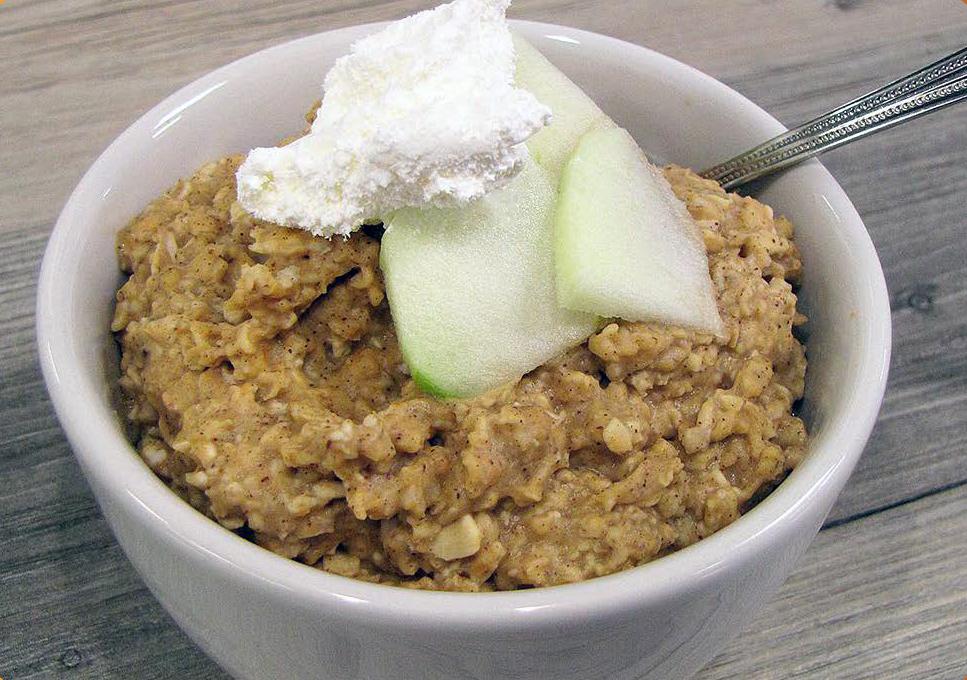
Pumpkin Pie Oatmeal


2 cups quick-cooking oats 

1¼ cups milk

¾ cup cooked pumpkin (canned or fresh)

1 tablespoon brown sugar

2 teaspoons pumpkin pie spice

Pinch of salt

Optional toppings (chopped walnuts, butterscotch or white chocolate chips, whipped topping)


In a microwave-safe bowl, whisk together all of the ingredients except for the optional toppings. Microwave on high for approximately two minutes, or until oatmeal reaches the desired consistency. For thinner oatmeal, add more milk; for thicker, add less milk. Allow to stand approximately one minute and serve hot. Top with desired toppings.


Makes four servings. Each serving (before optional toppings) has 210 calories, 4 grams (g) fat, 7 g protein, 37 g carbohydrate, 6 g fiber and 60 milligrams sodium.


See the NDSU Extension recipes at www.ag.ndsu.edu/food 


Connect


Fall is an excellent time for family connections, whether that means going for a family walk in the colorful leaves or preparing a fall-inspired meal. Here are a few ideas to get you started:

  • Go on a family walk and bring a fall picnic to enjoy along the way. See more about picnics in this handout. Whether it is spring or fall, food safety is important.
  • Rake leaves together as a family.
  • Name the different types of trees you see on your walk or in your yard. Explore why the leaves of trees change color in the fall in this interesting article on the Smithsonian website.
  • Visit a pumpkin patch. Sugar pumpkins are the type that work well in baking. They are small and round.
  • Plan two family meals that include squash or pumpkin. Invite kids in the kitchen to help with preparation of pumpkin bread from a freshly baked pumpkin. For inspiration, see the Field to Fork website and scroll to “squash.” Different types of winter squash can be substituted for each other. See Field to Fork: Pumpkins to learn how to prepare or preserve pumpkins. 
  • Try some conversation starters as you walk or cook.
    

*************************************************************************************

  • What’s your favorite thing about changing seasons?
    
  • What’s your favorite: apple or pumpkin dessert?
    
  • What’s your favorite fall soup? 
    
  • What is your favorite fall smell? Cinnamon, woodsmoke in a fire pit or crisp leaves?
    
  • What fall activity do you enjoy – or should we start doing? 


Savor the Savings

Be a creative cook and use what you have on hand. See our “Pinchin’ Pennie$ in the Kitchen” series of publications to learn how to invent a tasty casserole, soup, meal in a bowl and much more. Visit www.ag.ndsu.edu/food and click on “Food Preparation” then “Cooking on a Budget” to learn more. 


This project is supported by the Health Resources and Services Administration (HRSA) of the U.S. Department of Health and Human Services (HHS) grant, Maternal and Child Health Services. This information or content and conclusions are those of the author and should not be construed as the official position or policy of, nor should any endorsements be inferred by HRSA, HHS or the U.S. Government.


NDSU Extension does not endorse commercial products or companies even though reference may be made to tradenames, trademarks or service names.


North Dakota State University is an equal opportunity educator and employer. This work is supported by the U.S. Department of Agriculture’s National Institute of Food and Agriculture. Persons with disabilities who require alternative means of communication for program information (e.g., Braille, large print, audiotape, American Sign Language, etc.) should contact NDSU Extension at 701-231-1865.