ISSUE 105 September 2026


Extending Knowledge Changing Lives
 

Growing Together:

Food, Family and Friends


This month, we are focusing on time-saving food preparation that could save money. Food away from home tends to be much more expensive. 

Julie Garden-Robinson, Ph.D., R.D., L.R.D., Food and Nutrition Specialist


Sean Brotherson,
Ph.D., Family Science Specialist


EAT 


Back-to-school time is busy for many families. Involve children in the planning, preparation and clean-up process. Meals made at home can save you money, be more nutritious, promote good communication and lead to better grades in school. 

  • Focus your meal preparation on one part of the meal. If the main course is time-consuming, fix a simple vegetable or salad as a side.
  • Use time-saving equipment such as pressure cookers and microwave ovens.
  • Use the one-pot or one-pan method to ease cleanup.
  • Try a slow cooker for easy preparation. Use liners to speed cleanup.
  • Try sheet-pan meals.
  • Try quick-cooking menu items such as fish, microwave-baked potatoes and vegetables.
  • See www.ag.ndsu.edu/food and go to “Meal Preparation” and “Now You’re Cookin’” for many tips about managing your time in the kitchen, and “Pinchin’ Pennie$ in the Kitchen” for budget-stretching ideas.

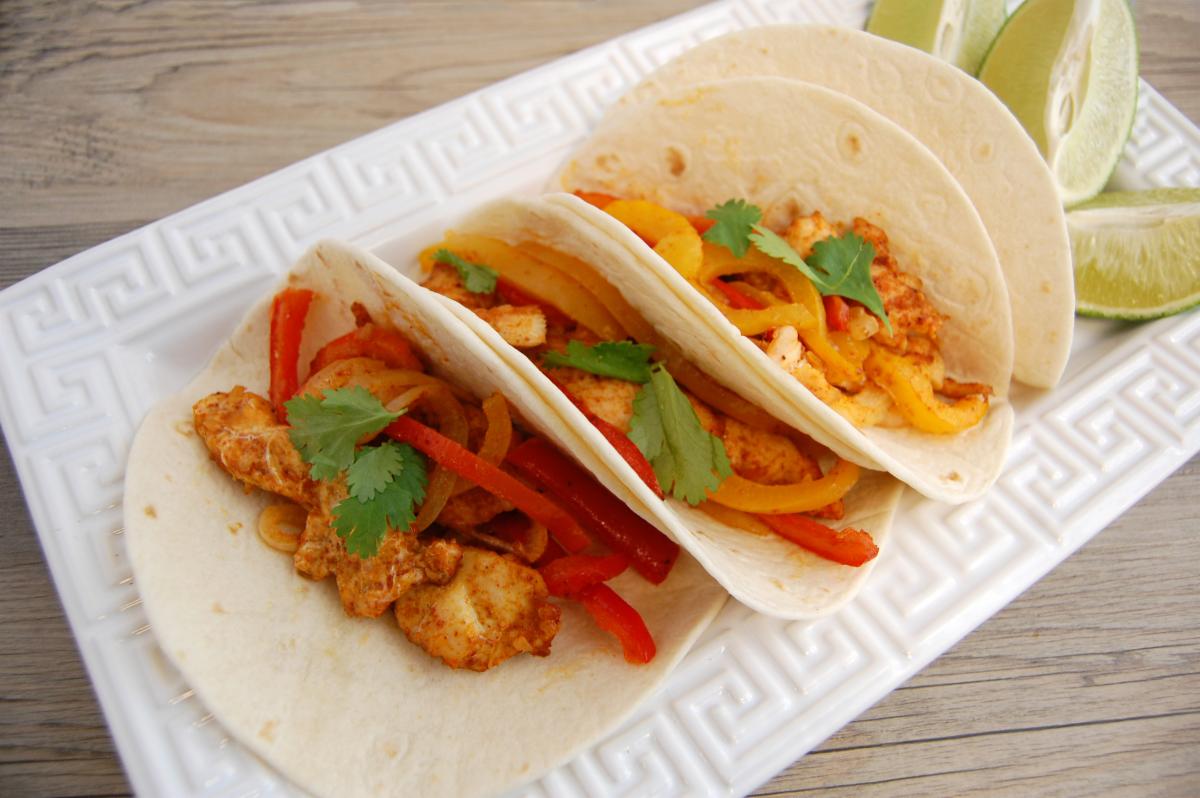
Sheet Pan Beef Sirloin or Chicken Fajitas


1 ½ pounds sirloin steak or boneless, skinless chicken breasts, cut into ½- inch strips

2 red bell peppers, sliced into strips

1 green bell pepper, sliced into strips

1 onion, sliced into strips

1 packet reduced-sodium taco seasoning

3 tablespoons olive or canola oil

1 lime

10 (6-inch) whole-wheat tortillas

Optional toppings: shredded cheese, salsa, sour cream, avocado slices


Preheat oven to 425 F and prepare a rimmed baking sheet by lining with parchment paper or aluminum foil sprayed with nonstick cooking spray. Prepare ingredients as directed. Place the steak or chicken, bell peppers and onion in a large bowl. Sprinkle with taco seasoning and drizzle with oil. Toss until evenly coated. Spread the mixture in an even layer on a baking sheet. Bake for 20 to 25 minutes or until the meat is fully cooked. Chicken should reach a minimum internal temperature of 165 F. Beef should reach a safe internal temperature based on the desired degree of doneness. Squeeze lime juice over the mixture and serve with whole-wheat tortillas and optional toppings.


Makes 10 servings (one fajita per serving). When prepared with chicken and no added toppings, each fajita has 240 calories, 8 grams (g) fat, 20 g protein, 27 g carbohydrate, 3.5 g fiber and 290 milligrams sodium.


Makes 10 servings (one fajita per serving). When prepared with beef and no added toppings, each fajita has 260 calories, 9 grams (g) fat, 19 g protein, 25 g carbohydrate, 4 g fiber and 290 milligrams sodium.


See the NDSU Extension recipes at www.ag.ndsu.edu/food 


Connect


With the fall season coming around, children start back to school, and the family schedule usually gets a little busier. Kids may have music practice, lessons, sports or other activities that require their time. Here are three strategies to help your family maintain connections and reduce the stress of busy schedules:

  • Take back your family time – It’s easy for families to slide into a routine where you are on everyone else’s schedule — the school, the sports team and so on. Instead, take back your family time by prioritizing family time and activities over other events. Being busy is not a substitute for being connected. Reserve at least one weeknight each week for family time with no or limited outside interruptions. Make that family time special with a fun and creative meal to focus on your family connections. 
    
  • Keep kid activities limited – Children are growing and need opportunities to learn and interact, but too much is too much — don’t let them get overwhelmed. Sit down with your kids and decide on one to two meaningful activities for them to engage in weekly, but be cautious about adding more. Find what most interests your child. It might be a chess club, a swimming team, the theatre or something else. Communicate with the adults who lead any such activities, and negotiate how to facilitate your child’s involvement while also keeping their time commitments limited. Schedule family meals to include your child rather than letting outside activities rule the meal schedule. 
    
  • Family meal theme night – Family meals are more likely to happen when you have a regular “theme night” for family members to focus on. “Pizza Party Night” or “Taco Tuesday” are classic examples. Going into the fall, quiz your family members to find a time each week that you can all gather for meals and a theme for the week. Maybe it’s a weekly “BBQ on the Grill” meal or a soup and salad meal. Whatever you choose, let it be a time for intentional connection, family food and fun.  


Savor the Savings

If you find yourself reaching for “meal kits in a box” or frozen prepared meals, consider making your own foods from what you may already have on hand. 


  • See the “Pinchin’ Pennie$ in the Kitchen” handouts that let you know how to shop your pantry, fridge or freezer.
    
  • Shop in season. You may find apples, berries, melons and squash on sale at the grocery store. For delicious recipes, see NDSU Extension’s Field to Fork website to learn how to prepare fall’s bountiful produce.


This project is supported by the Health Resources and Services Administration (HRSA) of the U.S. Department of Health and Human Services (HHS) grant, Maternal and Child Health Services. This information or content and conclusions are those of the author and should not be construed as the official position or policy of, nor should any endorsements be inferred by HRSA, HHS or the U.S. Government.


NDSU Extension does not endorse commercial products or companies even though reference may be made to tradenames, trademarks or service names.


North Dakota State University is an equal opportunity educator and employer. This work is supported by the U.S. Department of Agriculture’s National Institute of Food and Agriculture. Persons with disabilities who require alternative means of communication for program information (e.g., Braille, large print, audiotape, American Sign Language, etc.) should contact NDSU Extension at 701-231-1865.