|
Last week, we finally did it.
We took the next step in stewarding the native prairie on the front twenty acres of the farm.
A scary step.
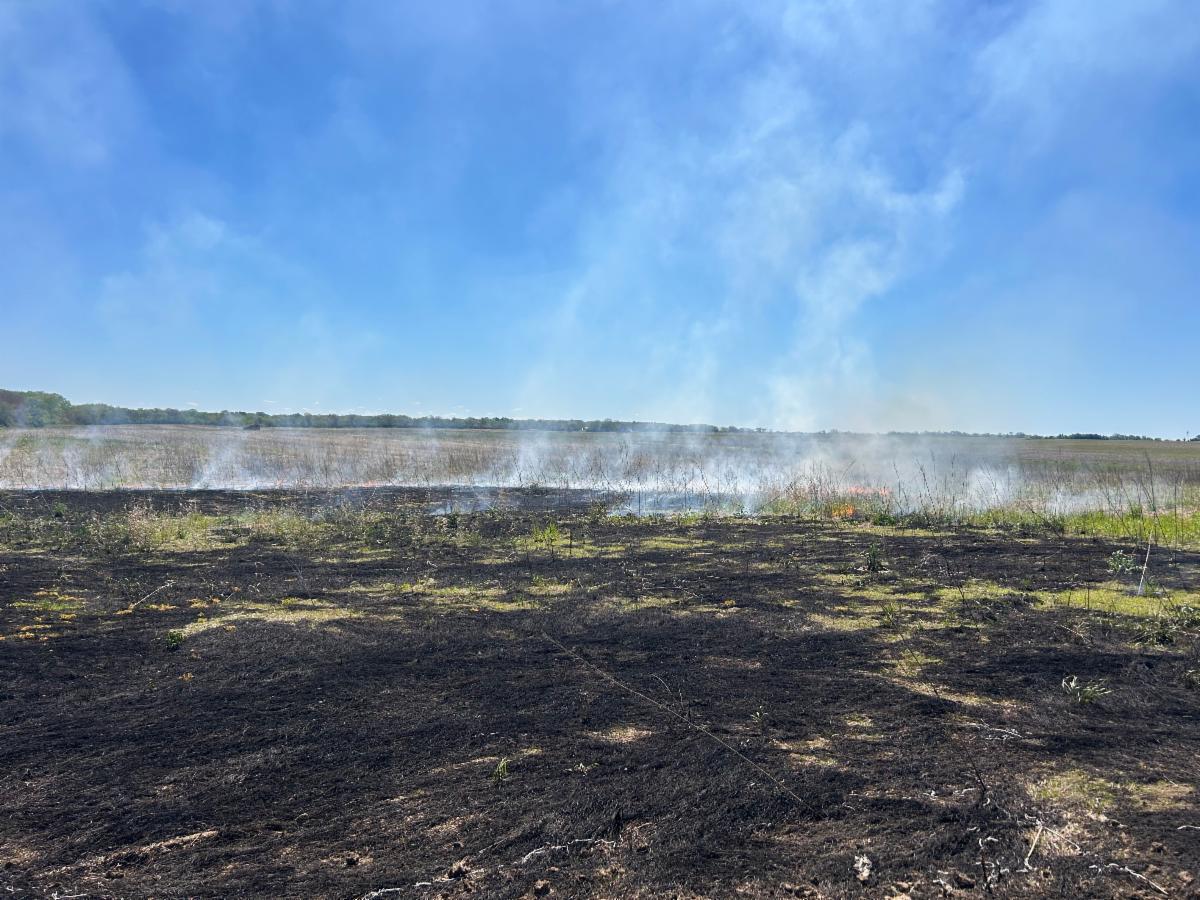
We set it ablaze and trusted the process.
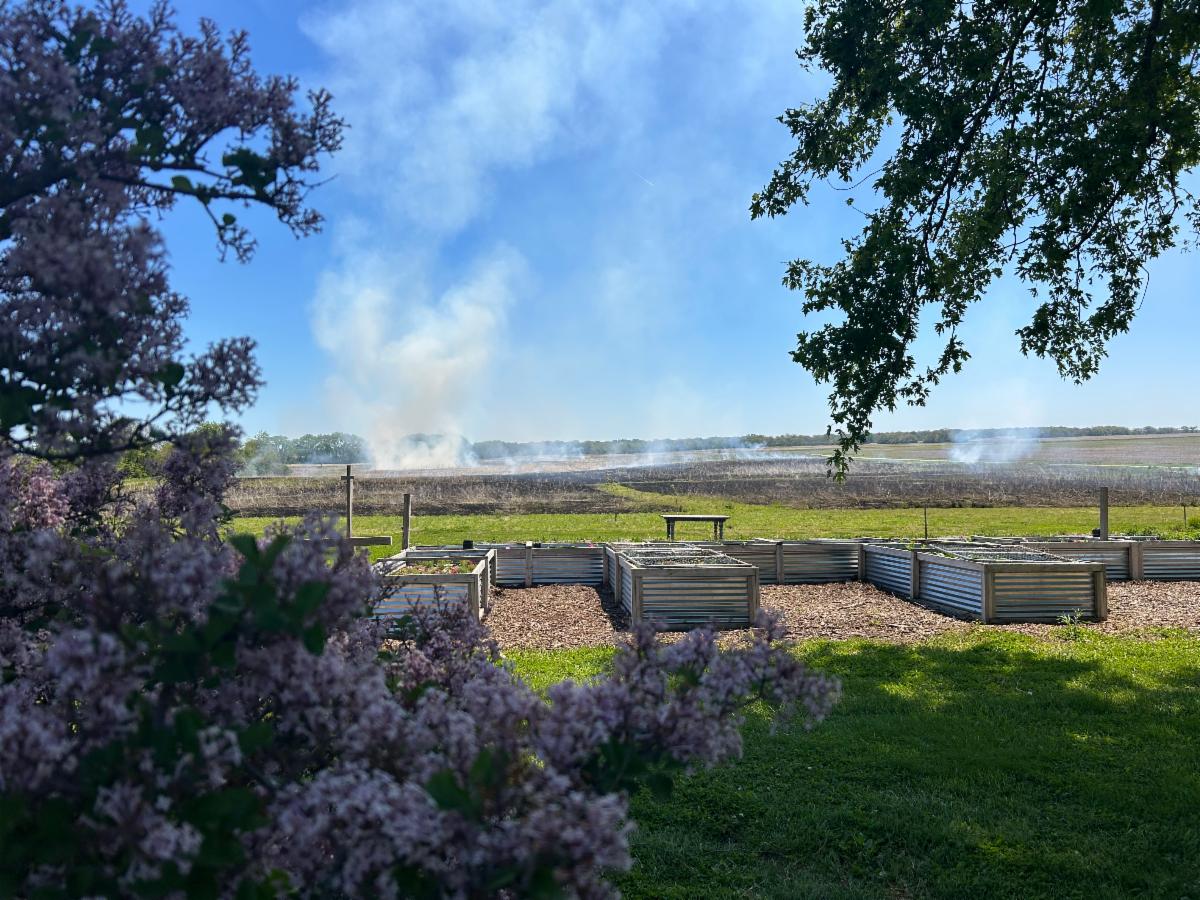
But this was not fire for destruction. It was a prescribed burn — or, as I like to think of it, a purposed burn — carefully planned for a day with the right conditions: gentle northeast winds, damp green ground after many cool and rainy days, and a tilled border Farmer Jones had cut to help protect the hedge of trees along the north side.
The fire had boundaries.
It was meant to stay where we placed it, burn what needed to be removed, and prepare the prairie for its next stage of fruitfulness and beauty.
Prairies are fire-adapted ecosystems. Historically, fire moved through them by lightning and through intentional Indigenous land stewardship. Over a very long time, native prairie grasses and flowers developed with fire as part of their rhythm.
Many prairie plants have deep, living root systems. The dried top growth may burn, but the strength of the plant remains underground. That is part of why prairie returns so vigorously after a burn. Fire clears away spent growth, returns nutrients to the soil, opens the ground to sunlight, discourages invasive and woody plants, and gives native grasses and wildflowers room to rise again.
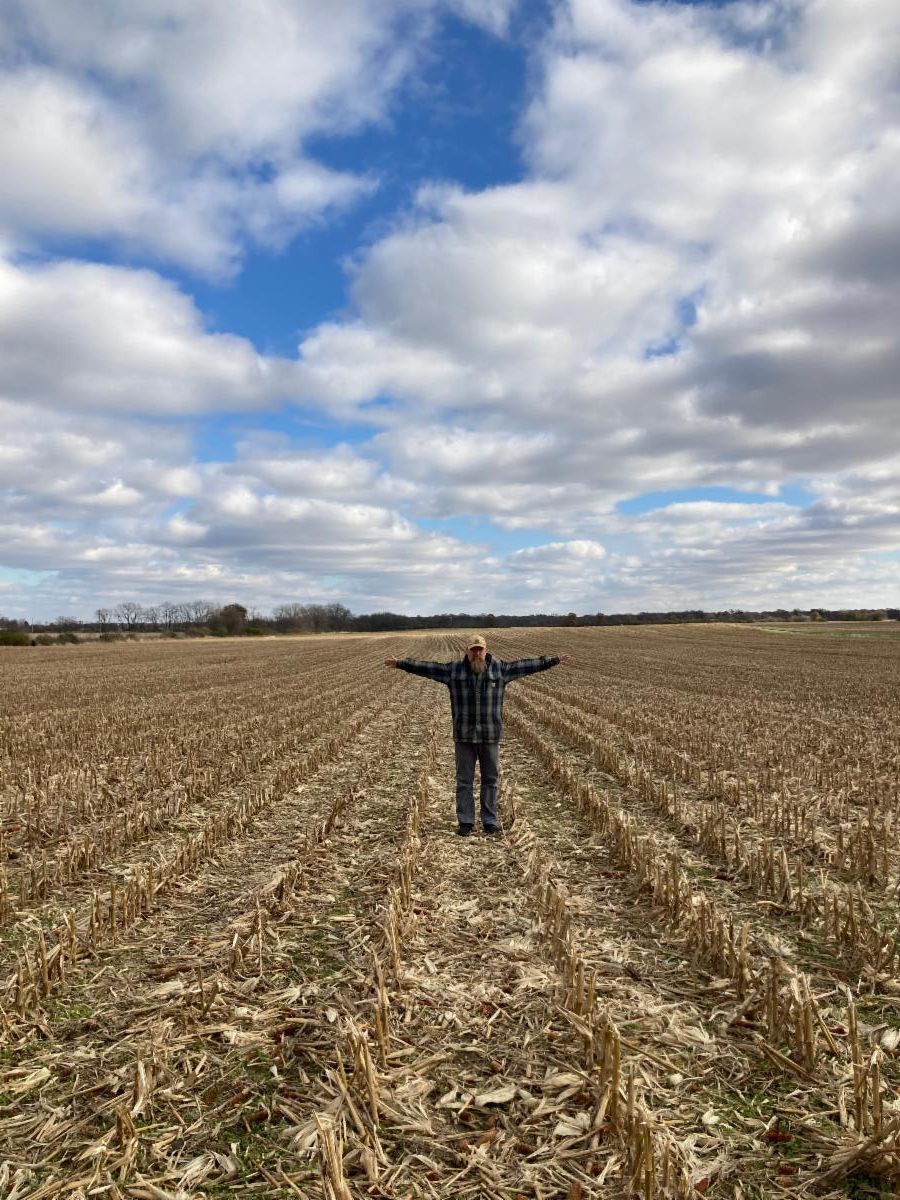
This land was once conventionally farmed. It had been worked hard, and by the time we came to it, the soil told that story. There was erosion, compaction, depleted organic matter, and a tiredness to the ground.
But we saw the potential.
| |
We saw an oasis. A fruitful space that could share its beauty. A place that could become alive and biodiverse — not by quick inputs and immediate outputs, but through patience, stewardship, and season after season of faithful care.
At first, we thought of it as restoration. But over time, we realized we were not simply trying to return the land to what it had been. We were participating in something deeper. Something forward-moving. Something regenerative.
Not just brought back. Made new.
The first year, we let the prairie lie fallow. The second year, we allowed wheat to grow there to help temper the spread of invasive plants. The third year, we worked with Millborn Seed in South Dakota to create a prairie mix that would reflect Illinois prairie before industrial agriculture changed so much of the landscape.
Then we planted it with what we had: our 60-inch Gator, a seed spreader, and a 60-inch drum roller.
Was that the most efficient way to plant twenty acres of prairie?
Absolutely not.
Did we have the heavy equipment for large-scale farming?
Also absolutely not.
But we had seed. We had hope. We had a way forward. So we did the next faithful thing.
| | |
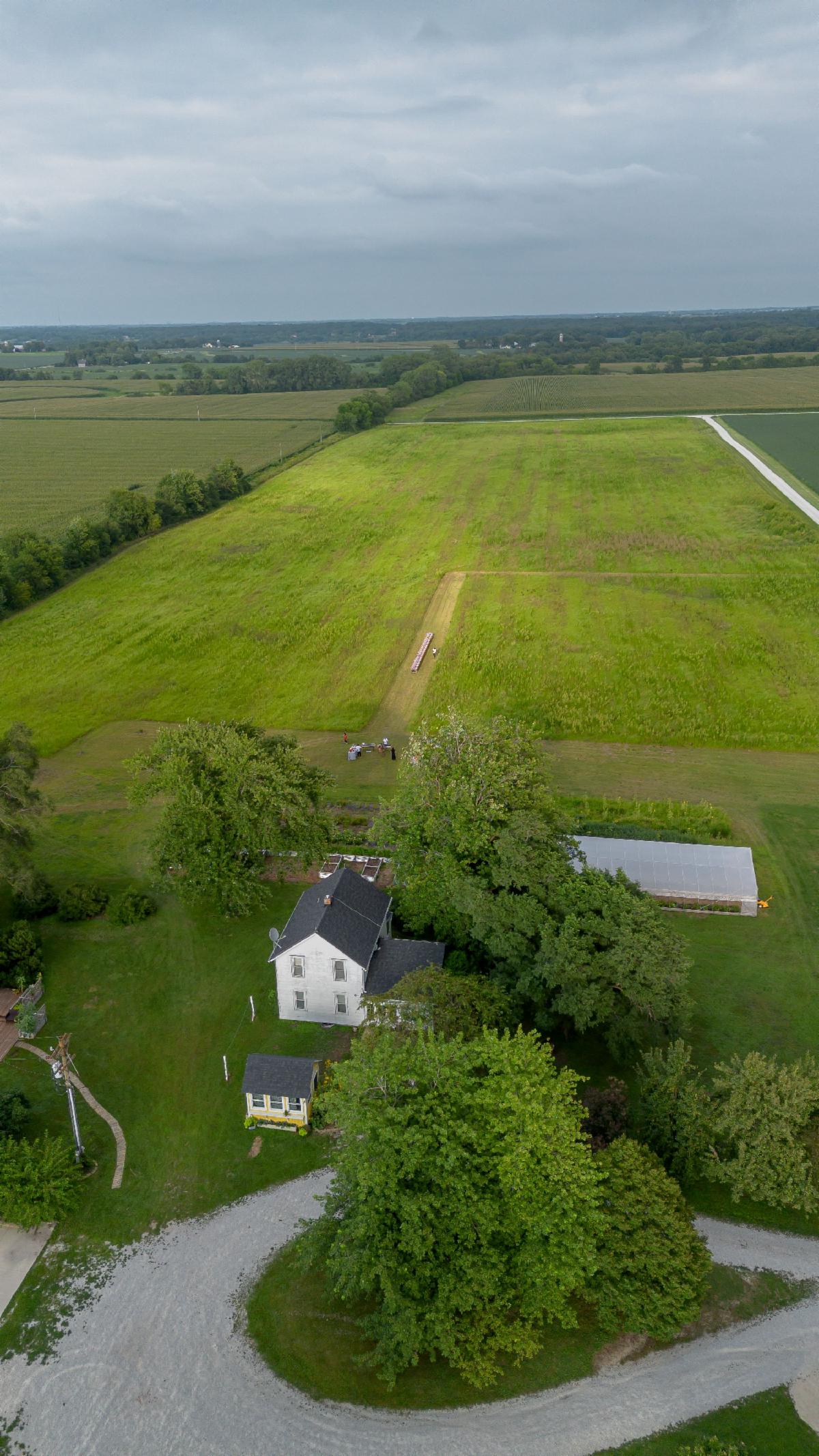
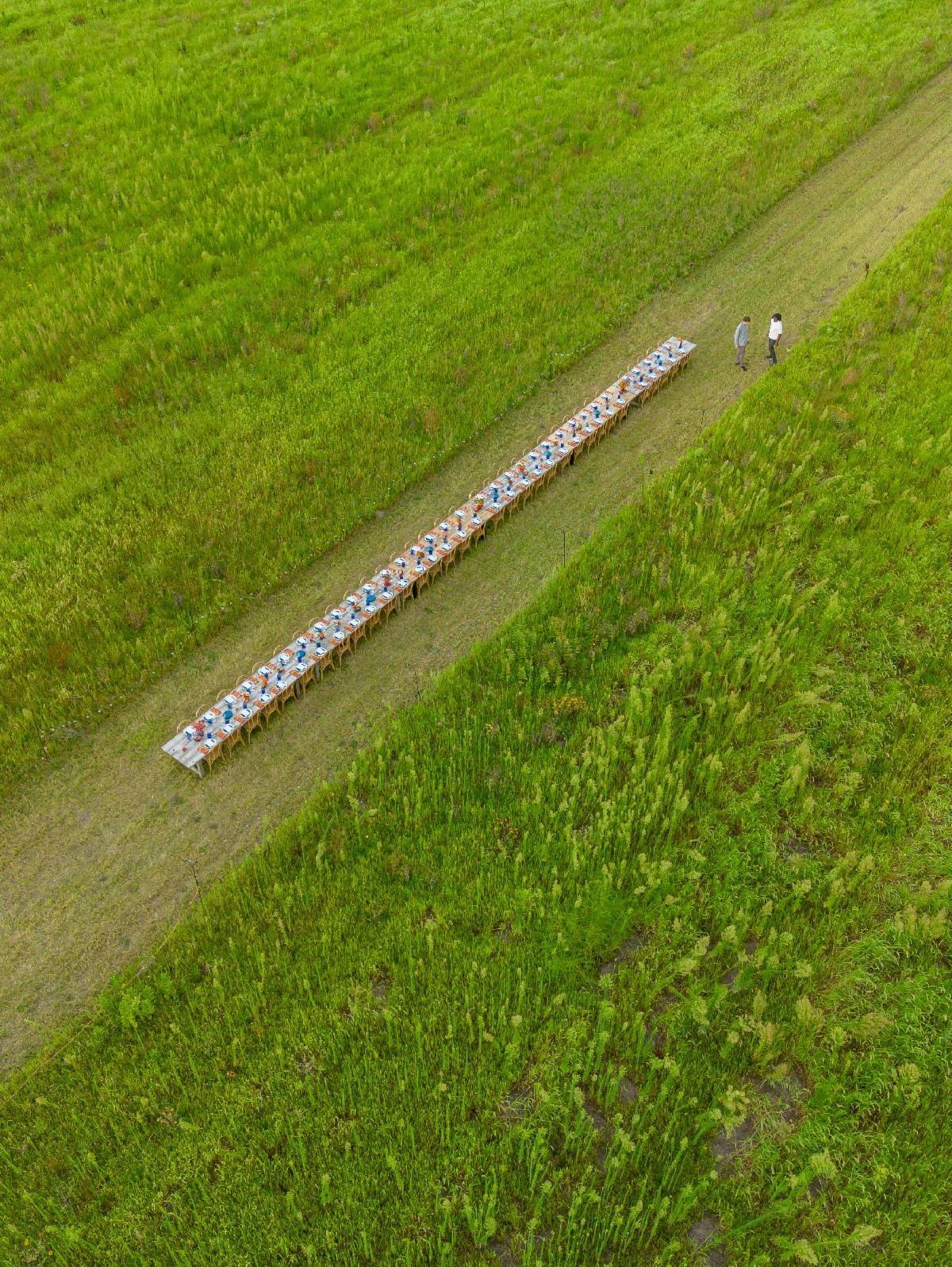
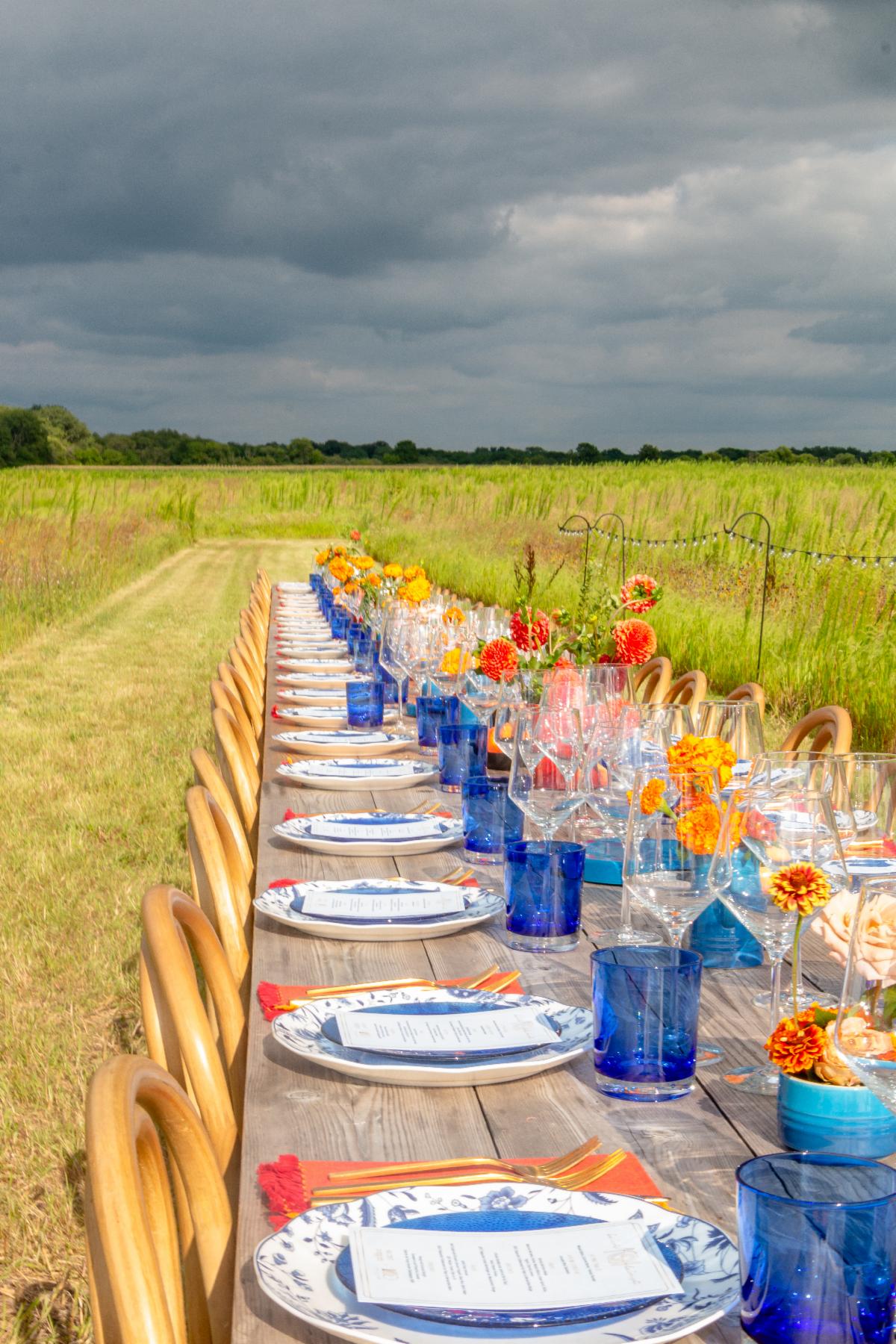
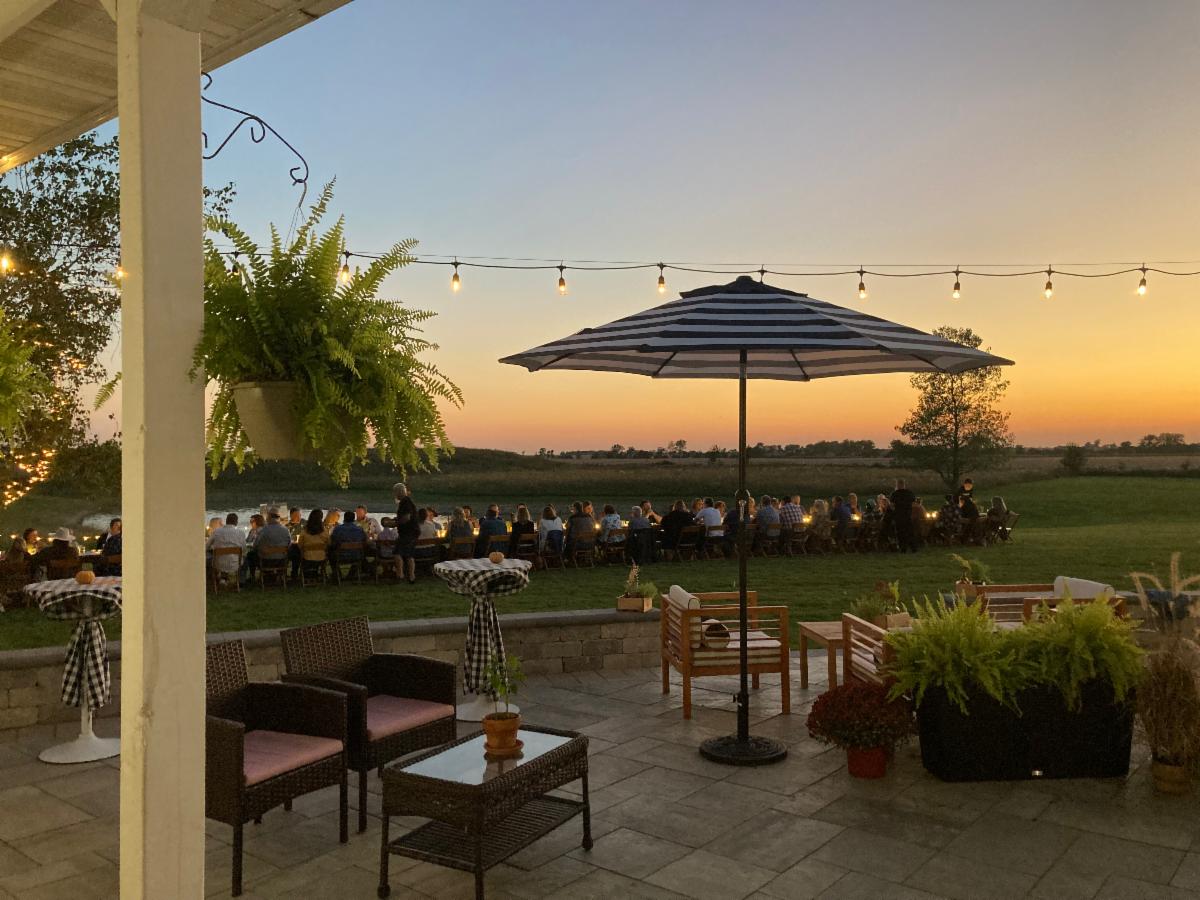
By August, the prairie looked breathtaking. So breathtaking, in fact, that Le Creuset and Secret Supper hosted Le Creuset’s 100th anniversary dinner right there in that field, with guests from around the globe. And for the first time in ten years, Farmer Jones and I sat together at our own table.
I remember looking out over that beginning prairie and thinking it was already as beautiful as it could possibly be. Native plants were rising. Wildflowers were blooming. Tall grasses were moving in the wind. Set against the acres of row-cropped monoculture surrounding us, it felt like a miracle.
It looked perfect to me.
I was satisfied with its first real growth.
But what looked beautiful was not yet mature.
If we want to steward this prairie well — if we want to support the kind of deep, complex, biodiverse ecosystem tallgrass prairie was created to be — then we cannot simply admire the first flush of growth and call the work complete.
Less than a small fraction of the Midwest’s original tallgrass prairie remains, making it one of the rarest and most endangered ecosystems in the world. The healthiest prairie remnants are not simple fields of pretty grass. They are incredibly complex communities filled with native grasses, flowering plants, insects, pollinators, birds, soil organisms, and deep-rooted species working together in ways we are still learning to understand.
And that kind of life requires stewardship.
We were so enamored with the prairie’s first growth that we left it alone longer than we should have. We missed the early pass we could have made with the brush hog. By late fall, fast-growing weeds, invasive plants, and even some of the tall grasses had created a heavy thatch. When it fell over in winter, the prairie began to smother itself.
The growth we had loved was beginning to hinder the growth still to come.
So we knew.
It was time for fire.
| | |
From our loving, adoring, deeply invested hearts — as the prairie’s greatest admirers — we had to burn it so it could become more of what it was intended to be:
greener,
richer,
deeper-rooted,
more colorful,
more fruitful,
more alive.
And I could not help but think about the fires that come into our own lives.
I want to be careful here, because suffering is tender ground. Not every fire is easy to understand. Not every loss can be tied up with a neat bow. We do not always get to see the purpose while the smoke is still rising.
But I do know this: God is not careless with His children.
When He allows refining, He is not aiming for our destruction. He is a Father. A Shepherd. A Keeper. He knows the boundary. He knows the wind. He knows what must be removed and what He intends to bring forth.
I watched the fire move across the prairie, burning the thatch, running right up to the edge we had prepared, and stopping where it was meant to stop.
We watched over it the entire time.
Our purpose was the prairie’s good.
And standing there, overlooking that blackened field, I thought about the things the Lord has allowed to burn away in my own life. Things I once thought I needed. Things I once called beautiful. Things that may have been growth for a season, but would have smothered what He was still forming if left untouched.
From where I stood, I could see it more clearly.
The fire was not the end of the story.
Within weeks, noticeable regrowth begins. The prairie starts again — not from nothing, but from deep roots already alive beneath the surface.
I cannot wait for you to walk it with me this season during our farm tours. We will spend time in this beautiful oasis, watching what the fire has made room for.
Come join us this season. Let your mind and heart slow down enough to hear what the land has to say.
There is life beneath the surface.
There is purpose in the clearing.
And sometimes, by grace, what looks burned over is only just beginning to become new.
Until Next Time,
-Mrs. Farmer Jones
Isaiah 43:1–2
Fear not, for I have redeemed you; I have called you by name, you are mine.
When you pass through the waters, I will be with you; and through the rivers, they shall not overwhelm you; when you walk through fire you shall not be burned, and the flame shall not consume you.
| | |
THE RHYTHM STARTS SOON
OPENING DAY: MAY 21
Opening Day is this Thursday, May 21, with live music by John Til and the first harvest-driven menu of the season.
On the menu:
The Opening Day Burger
Smoked beef burger, fried egg, pickled beets, basil and chive aioli, and melted Havarti cheese on a brioche bun.
Kale Pesto Pasta Bowl
Fresh greens, herbs, and early-season farm flavor in a hearty bowl.
Pasture-Raised Pork Tacos
With charred chimichurri.
Rhubarb + Strawberry Crumble
The first sweet-tart taste of the season.
Admission tickets available now • Food + drinks à la carte
Reserve here: THURSDAY HARVEST HANGS 2026
| | |
COME BACK TO THE TABLE
DINE ON THE LAND 2026
This season carries meaning in so many ways, and it is one we really do not want you to miss.
Dates are already filling quickly: June is almost full, July is sold out, and August and September are moving fast.
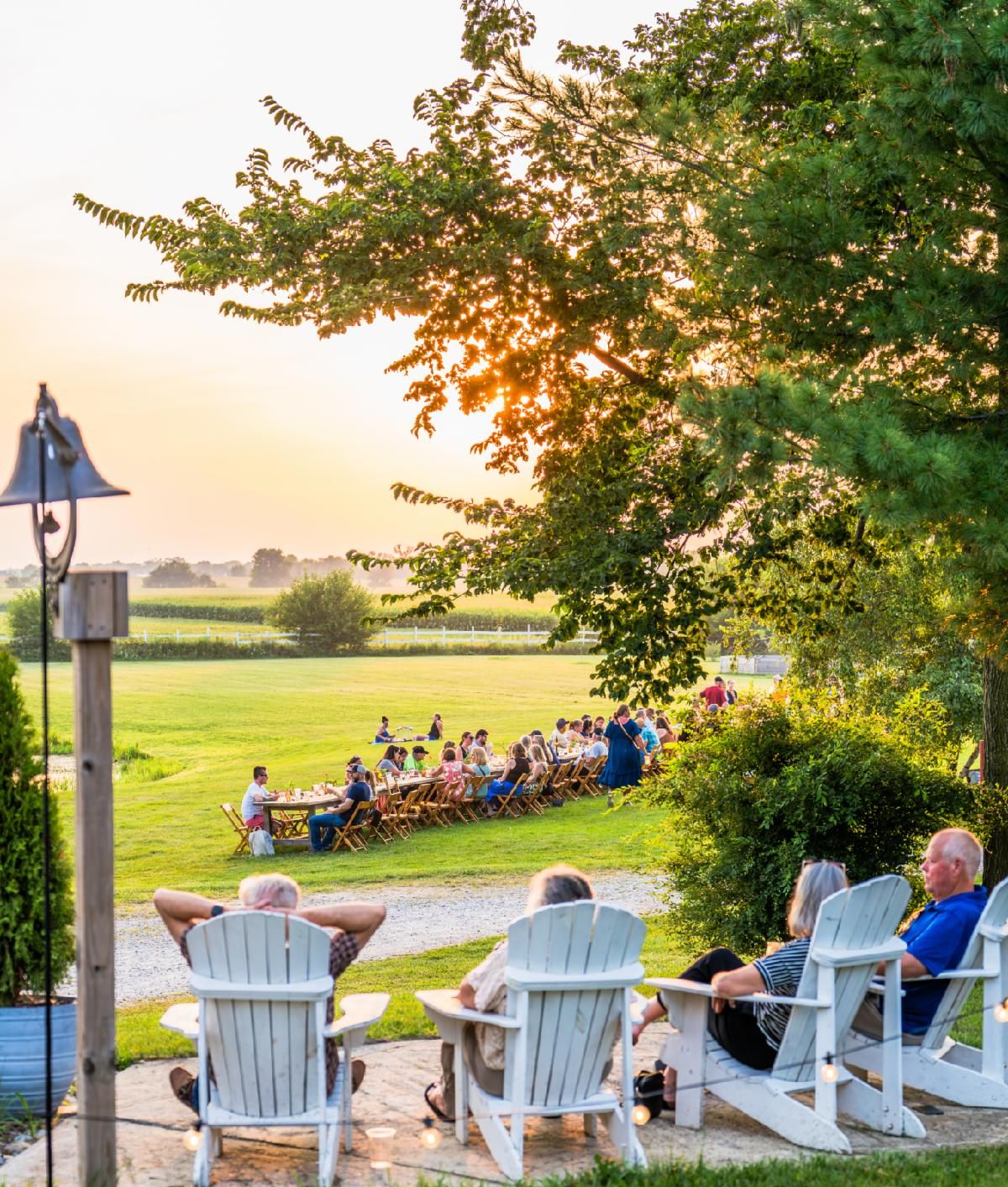
Come experience everything you have loved about a Locavore dinner — the long table, the fire, the food, the music, the land — and discover the ways we have grown over eleven seasons.
On Saturday, June 20, Locavore opens another year of Dine on the Land, our signature farm + table dinner series that has helped place Grant Park, Illinois on the culinary map.
This year brings one of our strongest chef lineups yet, with Michelin-starred talent, James Beard-recognized restaurants, Food Network champions, Jean Banchet-recognized chefs, MasterChef talent, acclaimed Chicago kitchens, and nationally traveling chefs joining us from coast to coast.
Pick your date. Choose the chef you cannot wait to meet. Tell your friends this is the year to visit us.
Go to LOCAVORE CHEF SERIES RESERVATIONS.
| | |
YOUTH SUMMER CAMPS
A REWILDING EXPERIENCE
TWO SESSIONS: JULY 20–22 & JULY 27–29
In a world that asks so much of our children — more noise, more screens, more pressure, more hurry — summer can become a needed invitation back to what is simple, steady, and real.
This summer, give your children something beautiful to look forward to — something rooted, restorative, and full of life.
Spots are open now for Youth Summer Camps and family gatherings on the farm. Register today.
| | Welcome to the many new friends who have joined us this month. I’m so grateful you’re here. These letters arrive as the rhythm of the farm allows — with reflections from the land, encouragement for the soul, and first news of the gatherings, meals, and experiences unfolding at Locavore. Goodness is meant to be shared. So we do. | | | | |