REMINDER: YOUR SUBMISSIONS ARE ENCOURAGED | | |
1. This week, I'm shining the Flock Spotlight on Jackie Vasquez Lapan, the mother of last week's Next Gen tennis star, Olivia.
2. In Tennis, The USTA hosts and sanctions tennis tournaments that allow amateur players to improve their game through level-based structured competition.
3. I am an enthusiast of marathons and triathlons, and I know many Flock readers are, too. This week, I would like to direct you to RunTri.com, where accomplished endurance athlete Raymond Britt has cataloged his experiences and thoughts on training for and competing in competitions worldwide.
4. Next, I have a Psychology post on the neuroscience behind procrastination and strategies to overcome it.
5. Passover begins Saturday at sundown. I want to wish all of my readers a happy passover! Chag Pesach Sameach!
6. In Wellness, I have some information on the benefits of visiting a local farmers market for grocery shopping.
7. In Around Town, I have a sampling of Tucson's farmers markets and a link to the USDA's Local Food Directories search tool, which will help you find a farmers market anywhere in the US.
8. In closing, I have a simple and healthy recipe for you to enjoy after a trip to the farmers market: Calabacitas, a traditionalMexican side dish suitable for Passover.
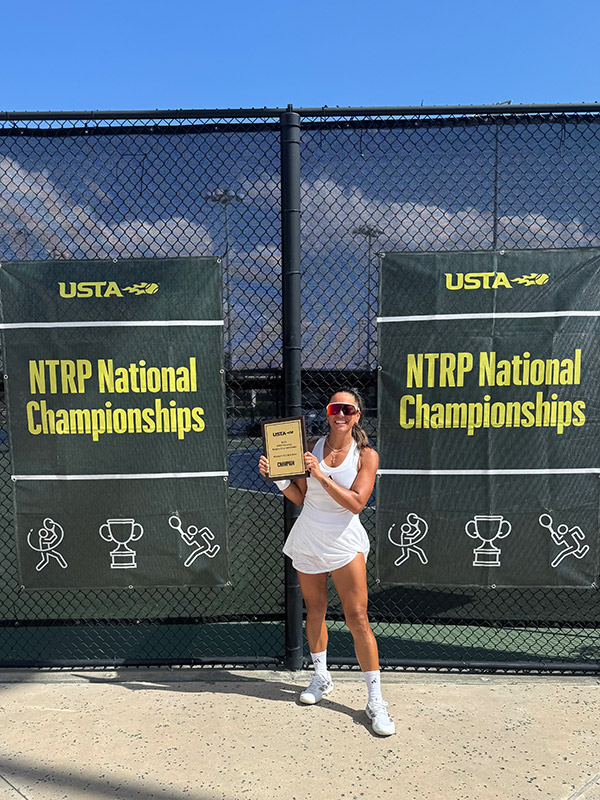
| | Now, to this week's Flock. | | 1. Flock Spotlight: Jackie Vasquez Lapan | | Last week, I featured the young rising tennis star Olivia Vasquez Theodorakis in the Flock's Next Gen section. This week, I am putting the Flock Spotlight on Olivia's mom, Jackie Vasquez Lapan. Jackie was an All-American collegiate athlete at Arizona State University, played for the Mexico women's national softball team, and completed the Boston Marathon. Jackie transitioned to tennis three years ago and has now won the Women's Singles 3.5 18+ Division at the USTA NTRP National Championship in Orlando, FL, where she competed against over 30 other athletes. When she is not excelling at athletics and being a great mom, Jackie focuses on helping others as the Lapan Sunshine Foundation's CEO, supporting students seeking academic and professional success. Is there nothing this mother can't do? She's doing Olivia and the rest of us proud! | |
2. Tennis: USTA NTRP Tournaments
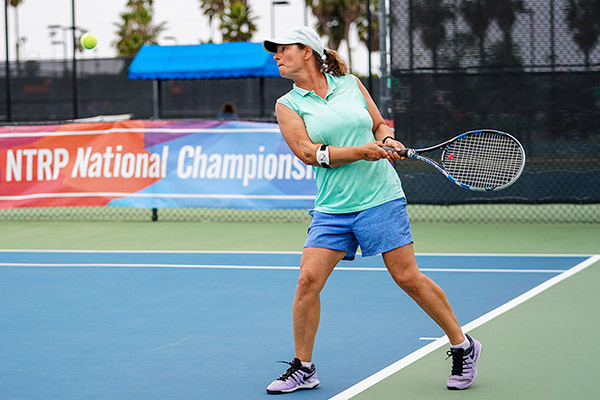
| | The United States Tennis Association (USTA) hosts and sanctions tennis tournaments throughout the US through its National Tennis Rating Program (NTRP). This program facilitates competition between age-group players of complementary skill levels, allowing players to hone their tennis skills through balanced competitive matches. I'll have updates on USTA NTRP tournaments in future issues of the Flock. | | Play Tennis: USTA Adult Tournaments | | |
Play Tennis: USTA Adult Tournaments
The USTA offers tournaments for every age and skill level, whether you are looking to play in your local community, travel the country to face the nation's best, or even looking to represent Team USA in a senior international competition. Tournament events are offered on clay, hard, and grass court surfaces.
Here’s a quick look at all the different ways that you can test your game and play USTA Adult Tennis Tournaments:
Tournaent Structure
All Adult tournaments are given a level from 1 to 7.Click here for an overview of the levels. As a USTA member, you can participate in any of these tournament levels as long as you meet the eligibility criteria of each tournament (i.e. age, NTRP, etc).
NTRP Tournaments
The National Tennis Rating Program (NTRP) is the official system for providing level-based competition for USTA Adult Leagues and NTRP Tournaments. The primary goal of NTRP is to help all tennis players enjoy the game by providing a method of classifying skill levels for more compatible matches and tournament play.
The rating categories are generalizations about skill levels. Players must have a USTA rating to enter sanctioned NTRP events, and they may "play up" in divisions .5 higher than their NTRP rating. Players are not permitted to play events below their rating or more than .5 above their rating.
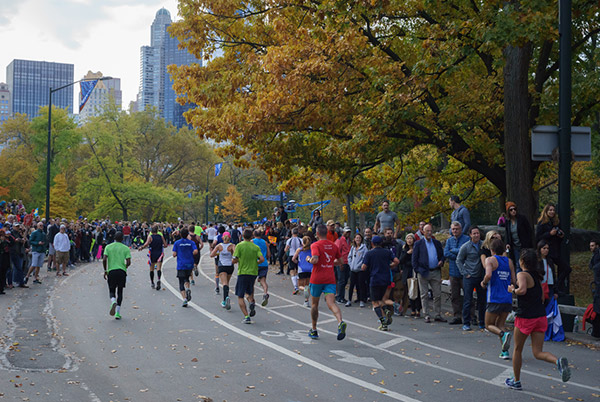
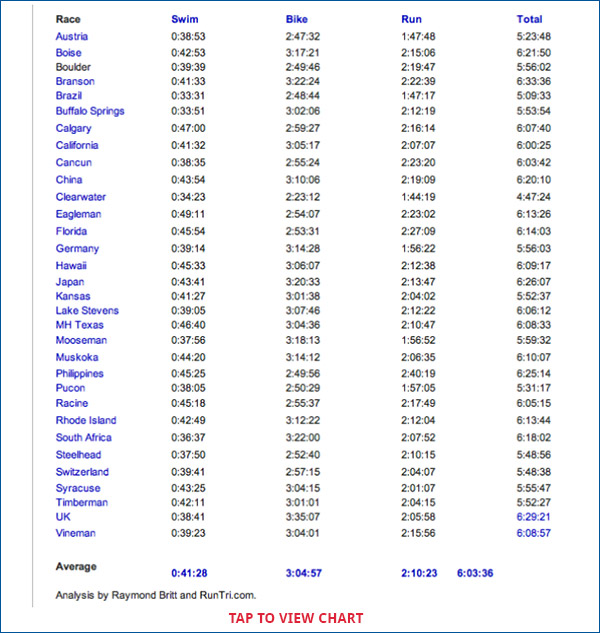
| | 3. Marathons & Triathlons: RunTri.com Website | | Raymond Britt is an endurance athlete and author of several books on training and competing in marathons and triathlons. He also maintains the RunTri.com website, where he shares his journey from a non-runner to having completed 85 official marathons and Ironman triathlons around the globe. The site includes detailed breakdowns of his personal training program and the results they've helped him achieve. There are also critiques, course notes, and comments on the overall experience of premier events like the Boston Marathon and the Ironman Kona. An item that I found of particular interest is this chart where he analyzes the hardest and easiest half ironman 70.3 triathlons: | | Half Ironman 70.3 Triathlon: Hardest Courses, Easiest Courses, and Details | | |
Top 5 Toughest Half Ironman 70.3 Races: Branson, UK, Japan, Philippines and Boise.
Toughest. The UK Ironman also ranks among the toughest Ironman distance races. Branson's challenging bike course left many short of energy on the run. Philippines triathletes fared well on the swim and bike, but the run -- the toughest of those we've ranked -- that landed it on this list. Both UK races -- 70.3 and Ironman -- rank as top 5 toughest.
Clearwater. The 70.3 World Championship in Clearwater has the fastest time, but we expect that, because of the world-class line-up of athletes racing there. Same is true with Ironman Kona; it ranks as fastest among the 25 Ironman races we've analyzed. For now, Clearwater is left out of the charts.
Fastest. Brazil, Austria and Pucon are clearly the fastest courses of this group. We're not sure what to make of Brazil's times; they might be too fast. Austria's rank is similar to the country's full Ironman distance race. Steelhead triathletes turned in very fast times this year, as did those in Kansas and Mooseman, making these the four fastest half Ironman courses.
In-Between. As for the rest, at 6+ hours, they all are proof that there is no such thing as an easy half ironman. Once you're on the course in any of these races, you're going to have the challenge of your lifetime, and the finish will be something to be proud of, forever.
| | 4. Psychology: Overcoming Procrastination | | Everyone has to deal with procrastination occasionally, especially if they've decided to attempt a monumental and daunting task, like training for their first marathon or triathlon. The following article examines the neuroscience of procrastination, why we procrastinate, and practical techniques to break through and overcome procrastination. | | The Neuroscience of Procrastination: What Happens in Your Brain? | | |
Procrastination is a universal human experience. From postponing a minor household task to delaying a critical project, nearly everyone has grappled with the puzzling act of putting things off. While we often blame procrastination on laziness or poor time management, the truth is far more complex. Procrastination is deeply rooted in the intricate workings of the brain, where emotional regulation, decision-making, and self-control intertwine in fascinating ways.
What Is Procrastination?
Procrastination is often misunderstood as mere laziness or poor time management, but it’s far more nuanced than that. At its core, procrastination is the voluntary delay of a planned action, even when you know that postponing it may lead to negative consequences, such as missed deadlines, increased stress, or diminished performance.
This behavior isn’t necessarily about avoiding work altogether but prioritizing short-term comfort over long-term goals. For example, instead of tackling a challenging project, you might find yourself scrolling social media, binge-watching videos, or engaging in less demanding tasks.
What intrigues procrastination is that it’s not just a productivity issue; it’s deeply rooted in emotions, habits, and cognitive processes. It involves a complex interplay between your brain’s emotional and rational centers. Often, people procrastinate to escape feelings of fear, anxiety, or self-doubt associated with a task, even though this avoidance ultimately makes the situation worse.
In essence, procrastination is a coping mechanism—a way to sidestep discomfort temporarily—but it comes at the cost of long-term well-being and success. Recognizing its underlying psychological and neurological roots is the first step toward overcoming it.
| |
5. Passover 2025: April 12 - April 20
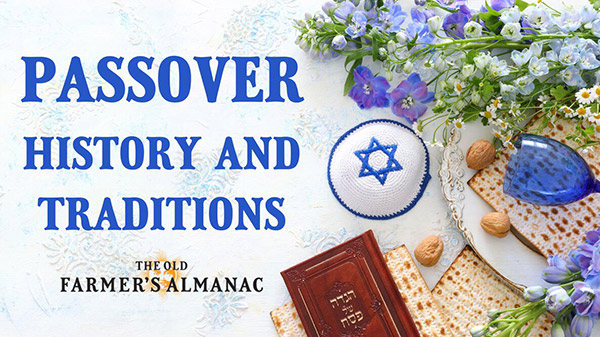
| | Passover begins at sundown on Saturday, April 12th, and runs until sundown on Easter Sunday, April 20th. The two holidays do not always overlap, but it is not uncommon. The following post from the April 7th, 2023, issue of the Flock looks at some of the history and traditions of Passover. | | Learn About the History of Passover and Its Traditions | | The holiday of Pesach, or Passover, is an annual weeklong festival commemorating the emancipation of Jewish peoples from slavery (in ancient Egypt). The Hebrew name, Pesach, means “to passover” because the plague in Egypt that killed all first-borns passed over the Israelites’ homes, sparing the lives of their children. | | The Passover Seder meal: Horseradish, wine, and unleavened bread | From: CNN, By: Lilit Marcus, April 2, 2025 | | |
Seder means “order” in Hebrew, and that should be the first clue that this traditional Passover meal has very special significance.
Passover (Pesach in Hebrew) is an annual holiday marking the story from the Book of Exodus when the Jews, led by Moses, fled captivity in Egypt.
The holiday itself lasts for seven days (in Israel) or eight days (everywhere else). While every family and community has its own special way of practicing the holiday, there are a few things you should see at just about any celebration.
When do you have a Seder?
Passover begins on the 14th day of the Jewish month of Nisan. This year, it begins on the evening of Saturday, April 12. Days are marked from sundown to sundown, meaning the holiday officially begins at sunset on the previous day.
This year, Passover is extra special because it begins as soon as Shabbat, the Sabbath day, ends. Shabbat is every week from Friday sundown to Saturday sundown, so observant Jews will go straight from their holiest day of the week into a holiday.
The most important tradition of Passover is the Seder meal.
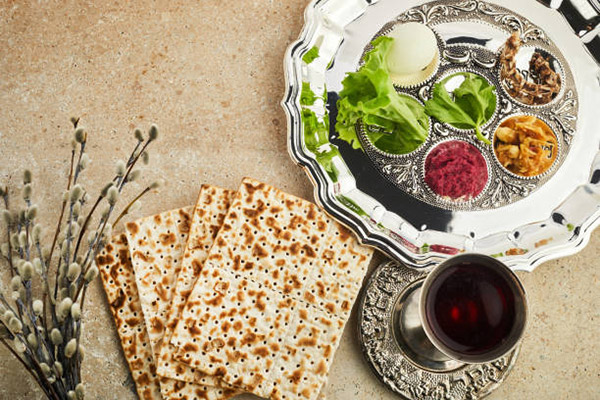
What goes on a seder plate?
There are six items present on a seder plate. They are:
- Karpas (a green vegetable, often parsley)
- Charoset (a sweet paste of fruits, honey, and/or nuts that represents mortar)
- Maror (something bitter, usually horseradish)
- Zaroa (a shank bone, which symbolizes the ancient practice of sacrificing a lamb)
- Chazeret (a second green, such as lettuce)
- An egg (typically hard-boiled)
Yes, a Seder is a meal, which means everybody gets a plate of food. But the Seder plate is a specific one just for Passover. It has special spots for each of the six foods listed above, plus some Hebrew writing, colorful painted designs or other decorations. This one will be held up and shown to everyone at the meal throughout the night.
| | How to Set the Seder Plate for Passover | |
6. Wellness: Farm Fresh for Healthy Eating
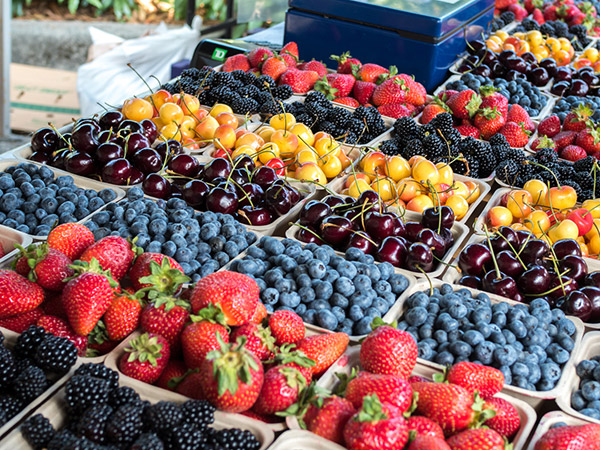
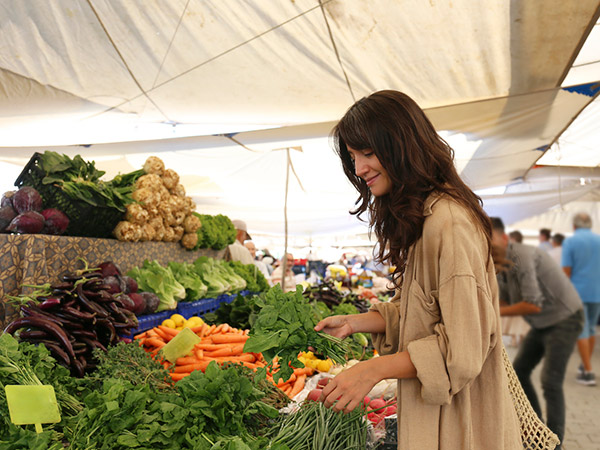
| | The Flock's go-to Nutritionist and Dietician, Kimberly Gomer, suggested I include some information on farmers markets this week since they are a good resource for finding fresh and nutritious groceries straight from the farm. Since I always listen to my readers, especially Kimberly, I'm including an article on the benefits of using your local farmers markets to promote healthy eating. You can find Kimberly's info in the "always here for you" section at the bottom of every Flock issue. | | Farmer’s Market Can Inspire You to Eat More Fruits & Vegetables | | |
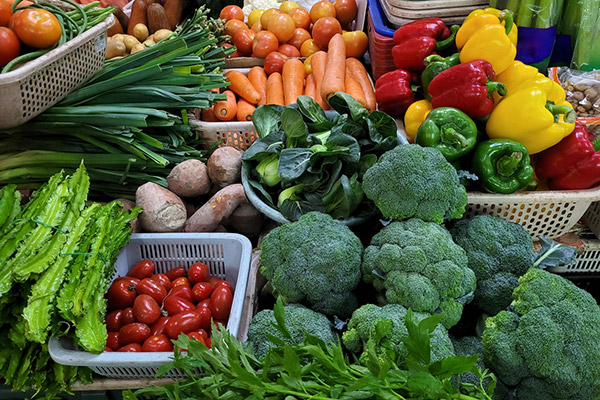
What’s your biggest obstacle to healthful eating? Perhaps you think fruits and vegetables are too expensive or just don’t like the way they taste. Your local farmers markets can help you overcome these barriers.In many cases, food at the farmers market is more affordable and tastes better than that at a commercial grocery store because it is locally grown and naturally ripened. Taste is a key deciding factor in our food choices and delicious, fresh produce can help us eat the recommended amounts of fruits and vegetables.
Talk to the Farmer
Farmers markets are wonderful places to find ideal specimens of your favorite summer foods such as tomatoes, berries, beets and herbs, but market-goers will find joy in discovering new foods as well. And when you encounter a new fruit variety or heirloom vegetable you’ve never seen before, you’re in the right place to find out more about it — you can ask the farmer who grew it! Ask them for recommendations on preparing and serving the food.
Talking to the farmers also is a great idea if your goal is to buy locally or organically grown foods. Some farmers say they use organic methods, but choose not to submit to the process required to legally use the term; some farmers use a mixture of organic and conventional methods; some farmers make absolutely no claim to being organic; and some small organic farmers are permitted to call themselves “organic” but are not “c
How to Shop
While many markets have sellers offering items such as free-range eggs, fresh breads and pastries, local honey, grass-fed beef and fresh-cut flowers, be sure to stock up on produce. Also, be mindful of food safety and pay attention to the vendors’ food safety practices as you shop. For example, all meat and dairy products should be in a cooler with ice.
There are a couple strategies to get the best results out of farmers markets depending on your purpose. If you want your pick of the most beautiful, photo-quality produce imaginable, you’ll need to arrive before the crowds. If you want deals, however, go ahead and sleep in. Sometimes sellers offer discounts for produce remaining at the end of the day.
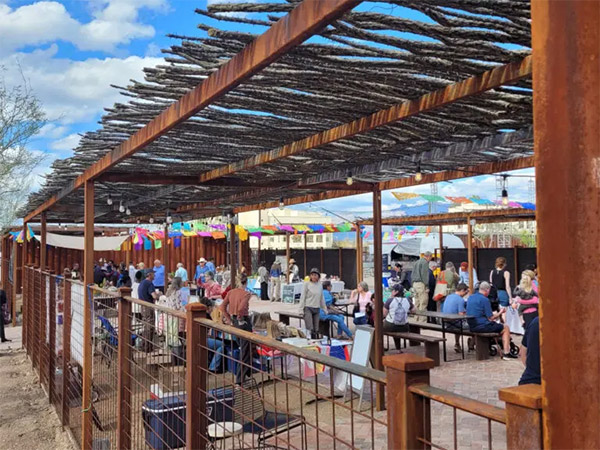
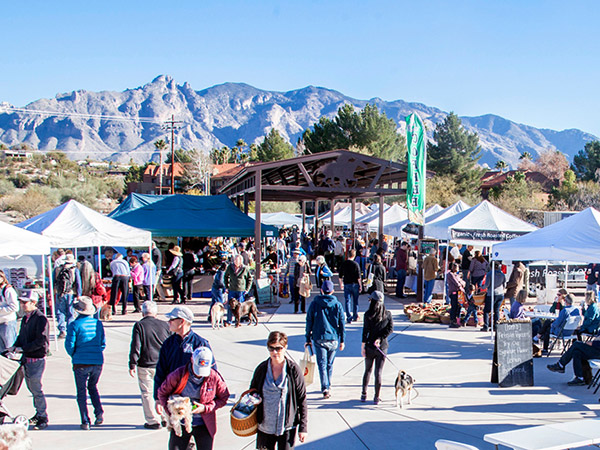
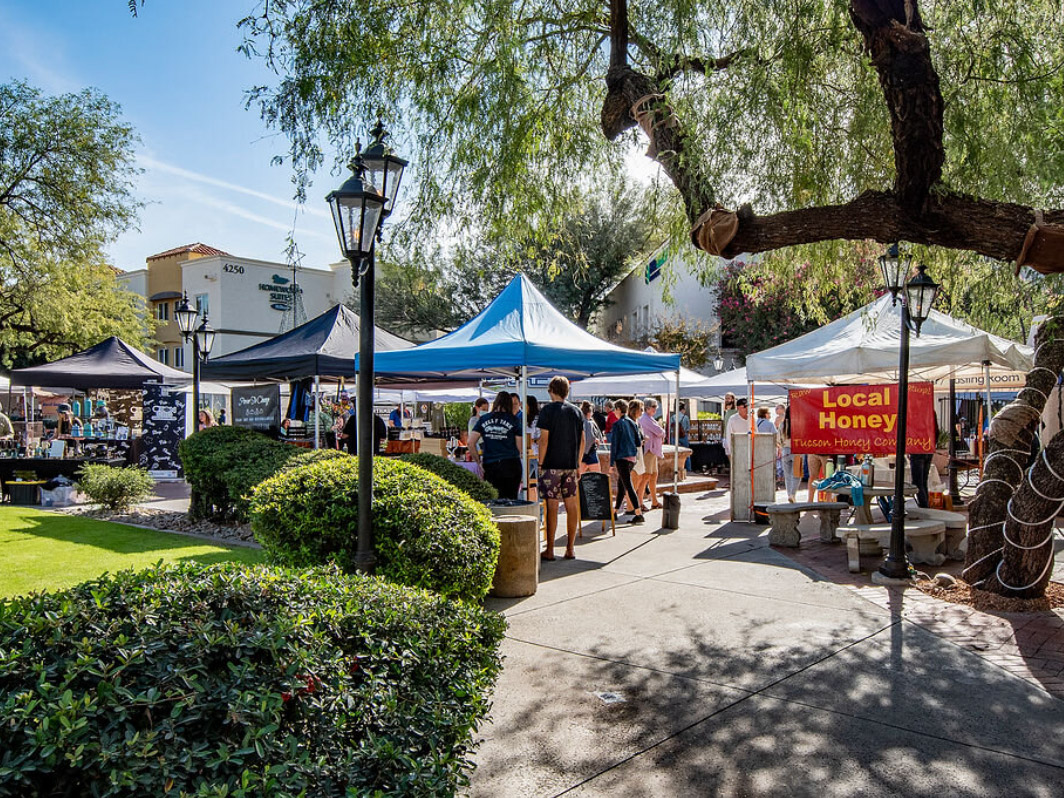
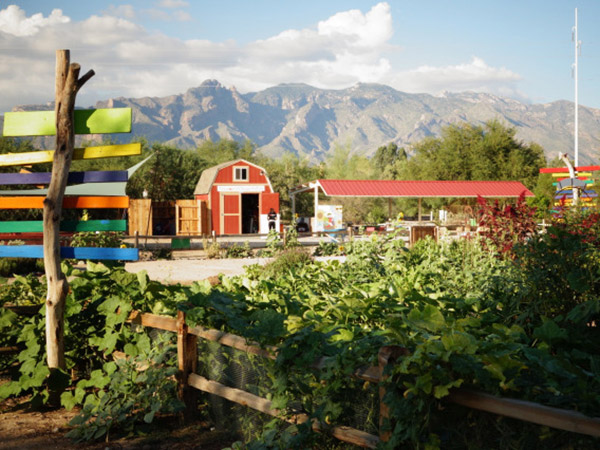
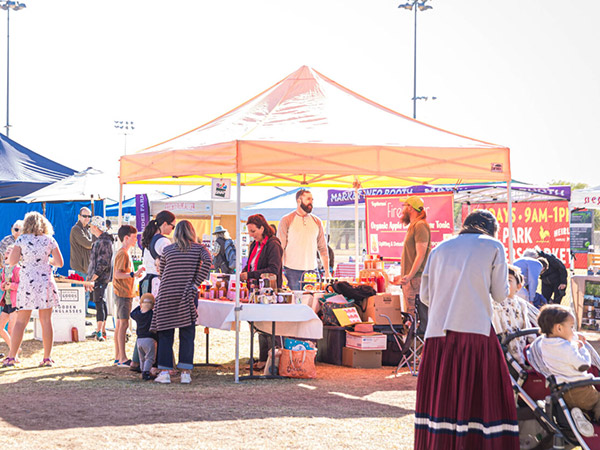
| | 7. Around Town: Tucson Farmers Markets | | The following is a sampling of some of the local farmers markets here in Tucson. After these listings, I'm including a link to the USDA's Local Food Directories search tool to help you find a farmers market anywhere in the US. | | Farmers Markets Around Tucson | | | | |
Santa Cruz River Farmers' Market
Thursdays
3:00 PM – 6:00 PM (Oct – Apr)
4:30 PM – 7:30 PM May – Sep)
Fresh fruits and vegetables grown locally in Southern Arizona without chemical pesticides.
Cooking demonstrations and food samples
Culturally relevant foods not available in grocery stores
visit website »
| | | | |
Heirloom Farmers Markets - Rillito Park
Open every SubdayFridays
8:00 AM – 12:00 PM (Apr –Sep)
9:00 AM – 1:00 PM (Oct – Mar)
Tucson’s largest year-round farmers market is located in the Southeast corner of Rillito Park, along the bike trail known as The Loop. The weekly Sunday Rillito Park Farmers Market hosts farmers, ranchers and artisan food purveyors featuring local produce and fresh cuisine.
visit website »
| | | | |
St. Phillips Plaza Market
Year-round
Sunday: 8:00 AM – 12:00 PM
Saturday:8:00 AM – 12:00 PM
Tucson's most iconic weekly open air market. We focus on uniquely Tucson local artists, makers, creators, and food businesses. Come wander under the towering Sycamores along winding cobblestone and enjoy scenic landscaping and beautiful fountains.
visit website »
| | | | |
Tucson Village Farm Midweek Market
Wednesdays: 4:00 PM – 6:00 PM
We sell TVF grown produce, farm-fresh soup, focaccia bread, chocolate chip cookies, pizza dough, and more. Our retail space will be open as well. We have items like TVF cookbooks, handmade soaps, chapsticks, screen printed shirts, and more! Every purchase supports us in our mission to provide health and agriculture education to Arizona youth.
visit website »
| | | | |
Heirloom Farmers Markets - Udall Park
Fridays
8:00 AM – 12:00 PM
The Udall Park Farmers Market brings the best of local food to Tucson’s east side, with over 40 vendors offering local and organic produce, farm-fresh eggs, Arizona grass-fed beef, local honey, fresh locally roasted coffee, baked goods, salsa, tortillas, freshly roasted vegetables, pet products, soaps and more.
visit website »
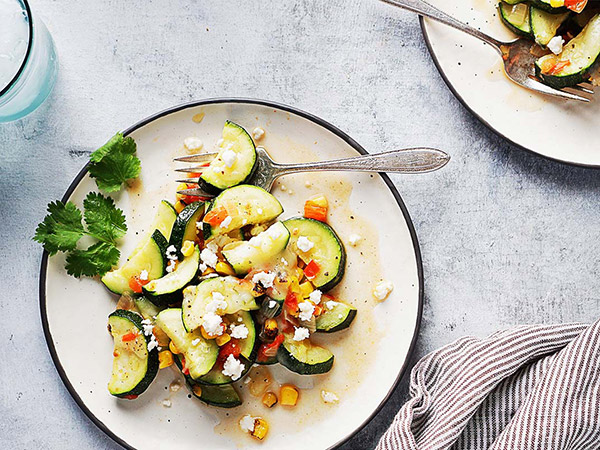
| | 8. Recipes: A Farm Fresh Side Dish | | Calabacitas translates to "little zucchini or little squash" in English. This dish is the perfect vegetable course to make after a trip to the farmers market. The simple recipe is easy to prepare and fresh ingredients will give it that extra snap that is sure to please. As a bonus, the list of ingredients makes this a suitable side dish for Passover. | | Calabacitas (Mexican Style Zucchini) | | |
Calabacitas are a delicious, healthy & easy zucchini side dish that’s typical in Mexican kitchens. Mexican zucchini are a traditional dish that brings families together at the table. This recipe is made with simple ingredients like corn, tomato, onions and cheese.
Ingredients
-
Calabacitas: You can use the green kind (like the one used in this recipe) or the lighter green ones that some people refer to Mexican squash. Yellow squash works perfect here as well.
-
Tomato: You can use roma tomatoes or regular as long as it’s ripe.
-
Onion: Use white, yellow or red onion. Whatever you have at hand.
-
Corn kernels: You can use frozen or fresh. I like to use the roasted kind but regular corn will work perfectly too.
- Butter
- Extra Virgin Olive Oil
- Kosher salt
- Black pepper
- 1/2 cup shredded Chihuahua or light mozzarella cheese (or any other melting cheese). I don’t add a lot of cheese to keep it on the lighter side. This quantity is enough to give it great flavor without overpowering the taste of the zucchini.
- 1/2 cup queso fresco or cotija cheese, crumbled (Mexican fresh cheese) (Optional)
How to make Calabacitas
- In a large skillet, heat the oil and butter over medium heat.
- Add the onion and cook about two minutes.
- Add the zucchini, tomato, corn salt & pepper. Mix all ingredients well.
- Cover, reduce heat to low, and simmer for 8 minutes. Remove from heat and sprinkle the mozzarella cheese.
- Replace the cover on the skillet and allow to sit until the cheese melts, 2 to 3 minutes.
- Serve warm and sprinkle with some of queso fresco
This vegetarian dish is so versatile that could also be served as tacos, on tostadas or fill your quesadillas with it!
| | |
credit: NASA, ESA,STSci, and hubble Space Telescope
Holiday wishes from the Hubble Space Telescope
| | These Flock regulars are always here for you: | | Don't Be Shy: Share Your Stories! | | I'm looking forward to sharing more of your personal stories - oral, written, or otherwise, as we enter our third year. I'd so love to present them to The Flock, hit a mailbox below to share your story. | | Subscriptions & Idea Submissions
Reminder: Your submissions are always welcomed. | | |
Feel free to forward this email to a friend. If this was forwarded to you and you would like to receive your very own Flock Newsletter, you can sign up here. If you have any questions or suggestions for future Flock resources, don't hesitate to contact me.
Your fan and friend,
Beth
| | | The information and materials contained or referenced in this newsletter are for informational purposes only and not intended to be a substitute for professional medical advice, diagnosis, or treatment. Always consult a physician or other qualified medical professional with any questions you may have regarding a medical condition or treatment and before beginning a new health care regimen. Do not disregard professional medical advice or delay seeking medical advice or care based on anything contained in this newsletter. | | | | |