REMINDER: YOUR SUBMISSIONS ARE ENCOURAGED | | |
1. This week, I'm starting off with a continuation of my Arctic travels with Part 2 of Where's Beth?, we've circumnavigated the Svaldbard archipelago and are heading west to Jan Mayen Island and the coasts of Greenland.
2. In Nature, I have an outline of the flora & fauna of the Arctic Desert ecoregion that I have been immersed in for much of the past two weeks
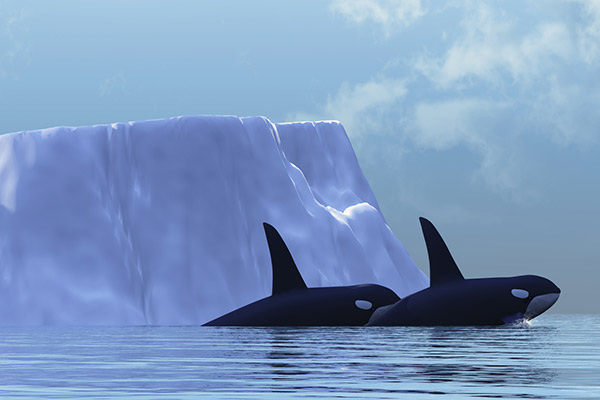
3. In the summertime, whales are a common sight in the Arctic Ocean. Surprisingly, there are only three species that stay in the Arctic year-round: belugas, narwhals, and bowhead whales.
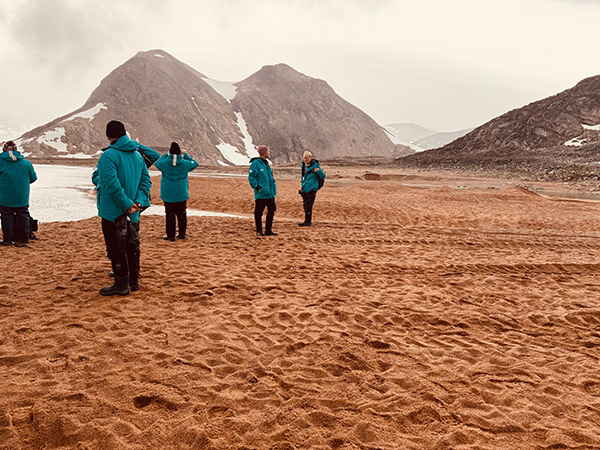
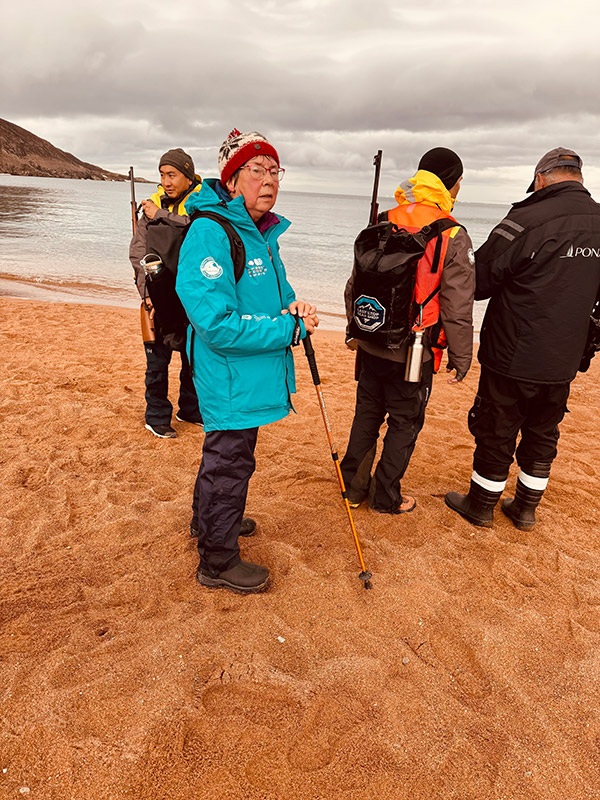
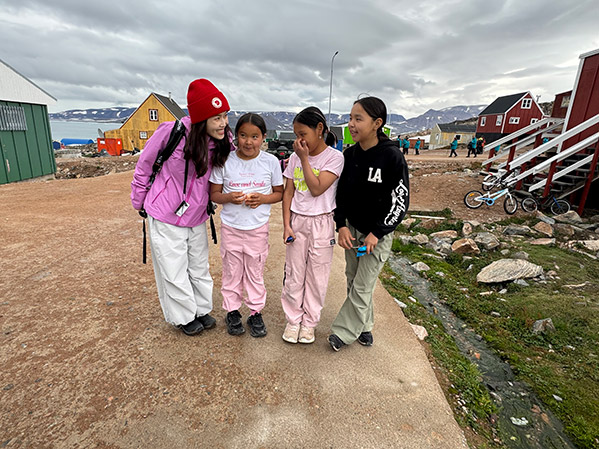
4. In Part 3 of Where's Beth?, it's time to get sailing again and head to coastal Greenland, where I'll visit some Inuit villages and keep my eyes out for polar bears.
5. In this week's installment of my series on classic cartoon characters, I have Walt Disney's first animated character, Oswald the Lucky Rabbit, who, through differences over compensation and rights to the character, led to the creation of Mickey Mouse and the Disney empire.
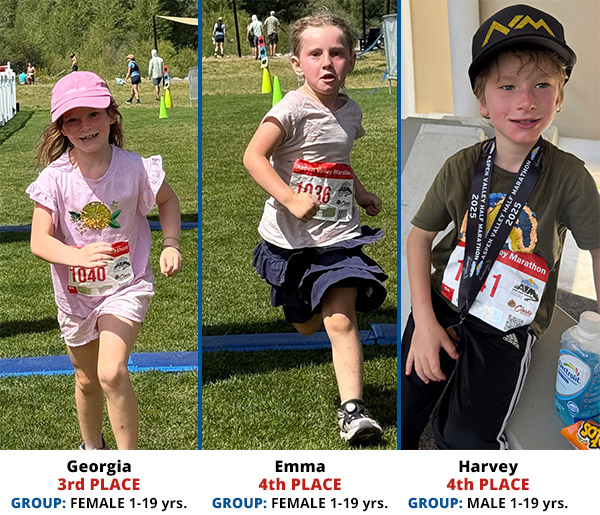
6. In Bragging Rights, I am putting the Flock Spotlight on the three children of the Aspen Valley Marathon, Half-Marathon, and 5K race director, Kat Adam's three young children, who all competed in the 5K race from last weekend's event and also all finished in the top 4 places in their age groups.
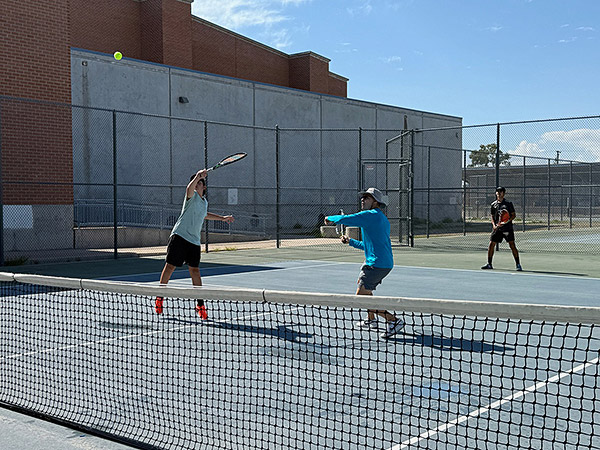
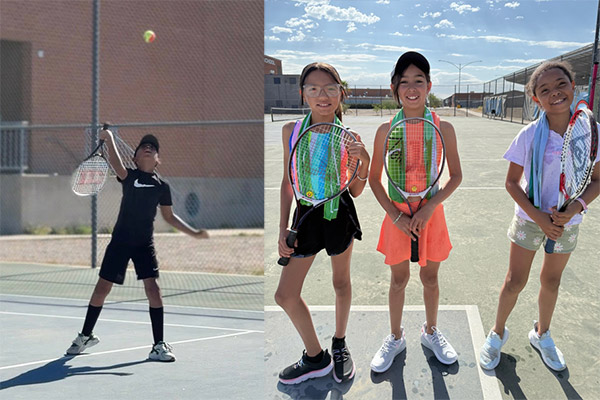
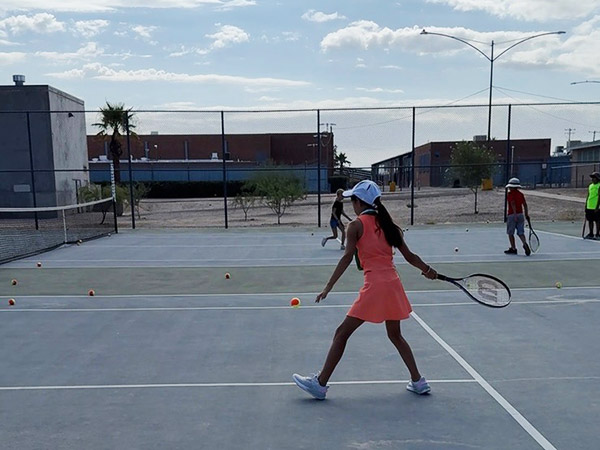
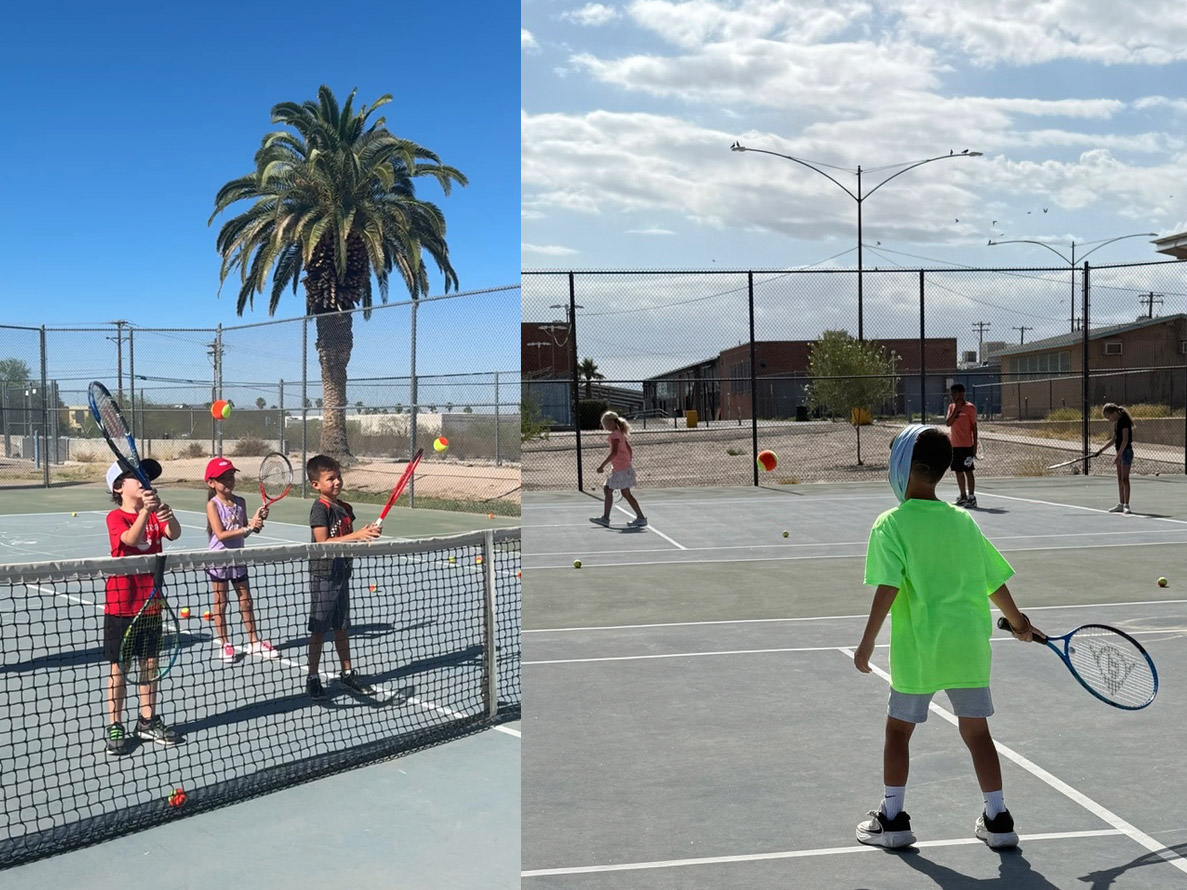
7. In Flock Friends, one of my favorite Tucson philanthropic organizations, the Tucson Community Tennis Program has shared some photos from this year's TCTP Summer Camp. I love seeing future Tennis stars developing a love for the sport.
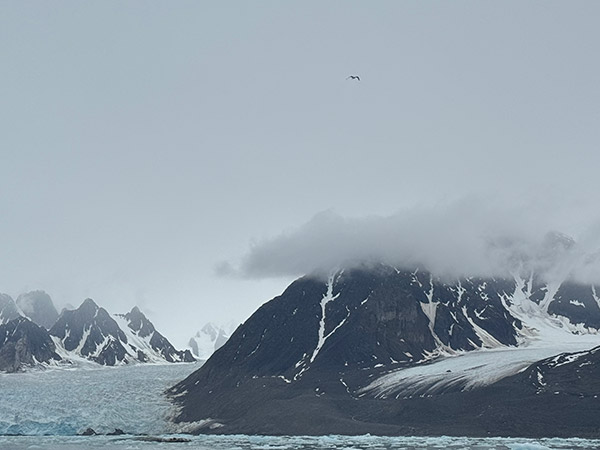
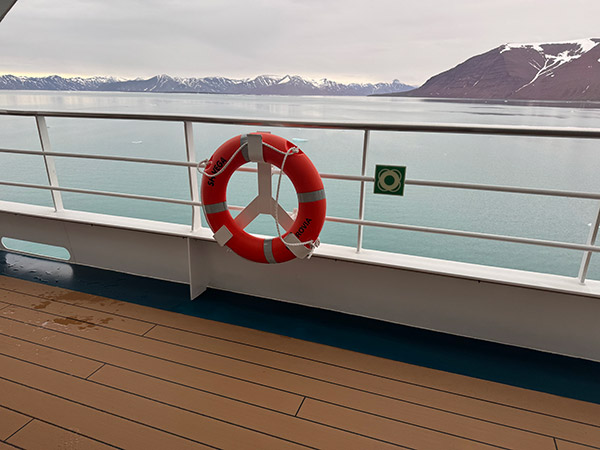
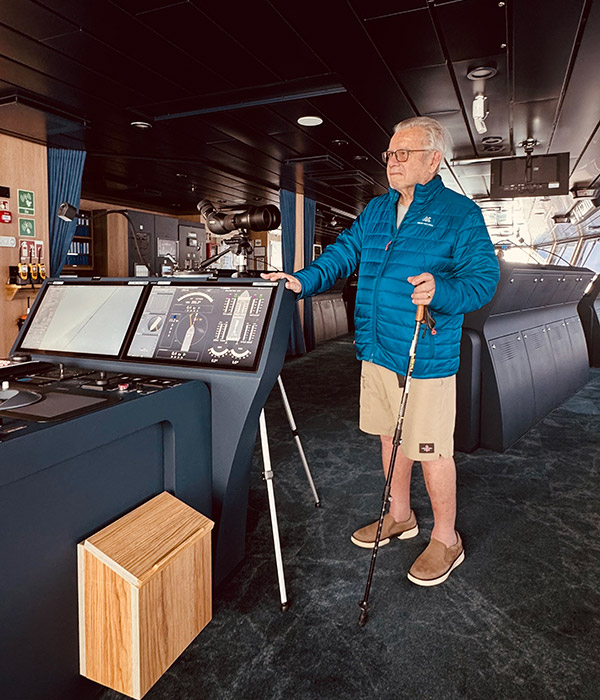
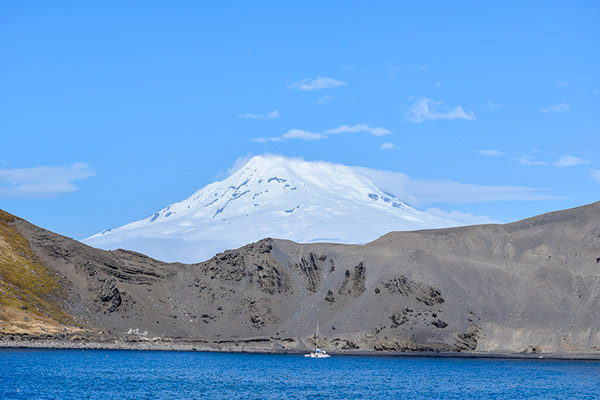
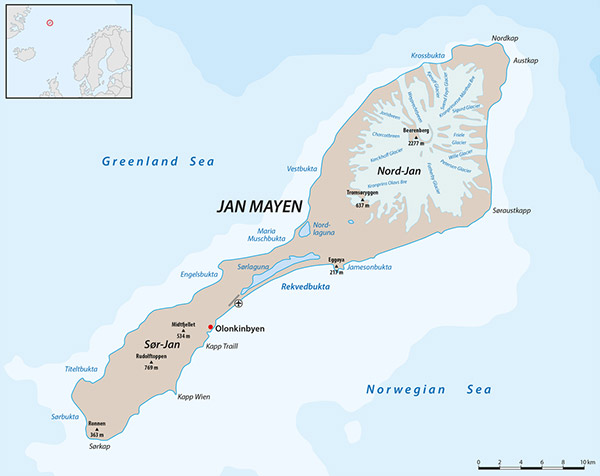
| | Now, to this week's Flock. | | 1. Where's Beth? Arctic Cruise - Part 2 | | We've completed our trip around the Svalbard archipelago and headed southwest to Kvalrossbukta Bay on the western coast of Jan Mayen Island, a seventeenth-century whaling outpost midway between the East Coast of Greenland and the Northwest Coast of Iceland, and the northernmost island on the Mid-Atlantic Ridge. | Leaving Svalbard, a remote expanse of quiet, rugged beauty. | | Michael tours the bridge as we set sail for Jan Mayen Island. | | The Beerenberg volcano on the northeastern tip of Jan Mayen island. | | The northeast part of the island, Nord-Jan, is home to Beerenberg, an active volcano that last erupted in 1985. It is the northernmost active volcano in the world and the highest peak in Norway's territories, standing at 2,277 meters (7,470 feet) above sea level. Beerenberg is covered with glaciers, while the southwest part of the island, called Sør-Jan, is flat and lacks glaciers. | | |
Jan Mayen Island History
For several decades after whalers discovered Jan Mayen, there was extensive whaling in the area. The Dutch set up bases on land where whale blubber could be melted, and hundreds of people participated in this activity at its peak. Hunting and processing occurred only during the summer. Still, in the winter of 1633-1634, seven men stayed there to guard the camp where Basque whalers had destroyed the abandoned Dutch bases the previous winter. However, they did not survive the winter, probably dying of scurvy. Around this time, hunting began to be reduced due to stress on stocks, and whaling completely stopped in 1642.
For over two centuries following the end of whaling, few people visited Jan Mayen. During the first International Polar Year (IPY) 1882-1883, an Austrian / Hungarian research expedition spent a year on Jan Mayen, mapping the island and studying its nature. This was the first winter camp since the seven Dutchmen carried their bones there.
Jan Mayen has been a nature reserve since 2010 with strict visitation regulations.
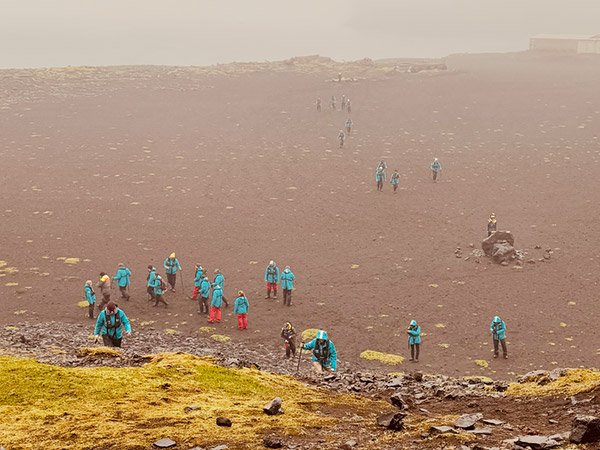
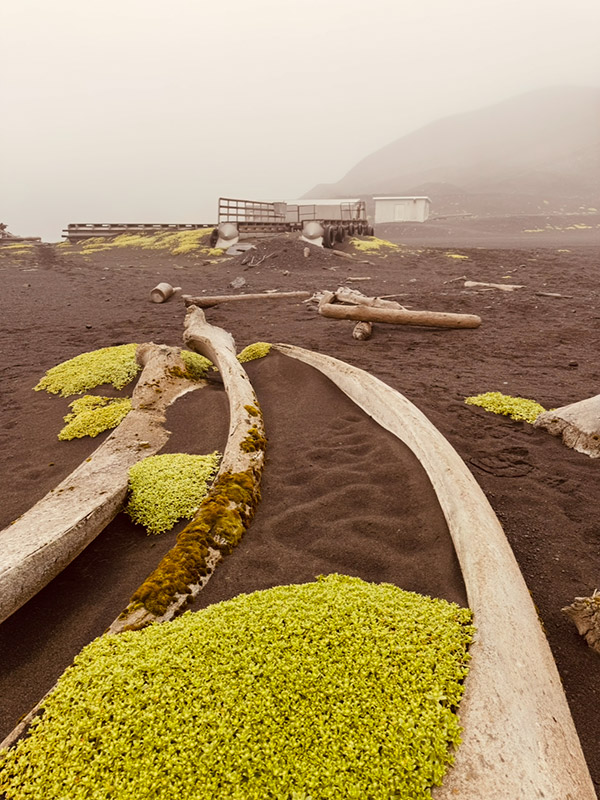
| | We got to hop in the Zodiacs again and take a field trip to one of the few permitted landing sites on the island, Kvalrossbukta Bay, the site of a seventeeth-century Dutch whaling station. | Moss Campion grows between whale bones at Kvalrossbukta Bay. | |
2. Nature: Flora & Fauna of the Arctic Desert ecoregion
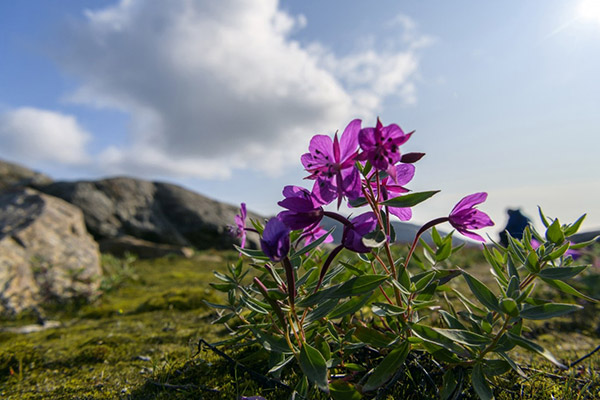
| | I've come from the hot Sonoran Desert, one of the most lush deserts on Earth, to a very different kind of desert, the cold, sparse Arctic Desert ecoregion. Many of the destinations on this cruise, including Svalbard, Jan Mayen Island, and some parts of Greenland, are part of the Arctic Desert. Aboard ship, I've attended lectures on the Flora of this region and I share that information below. | | | | |
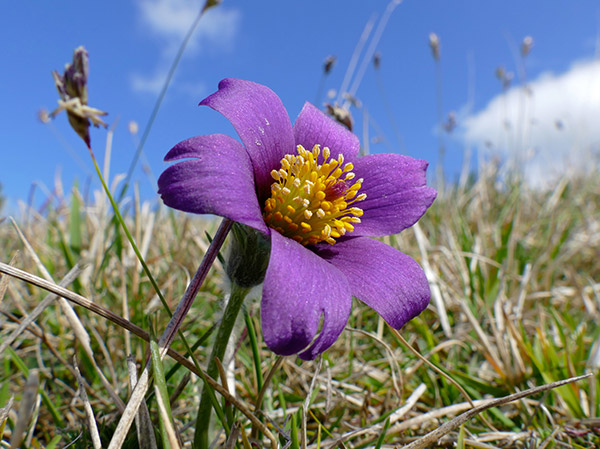
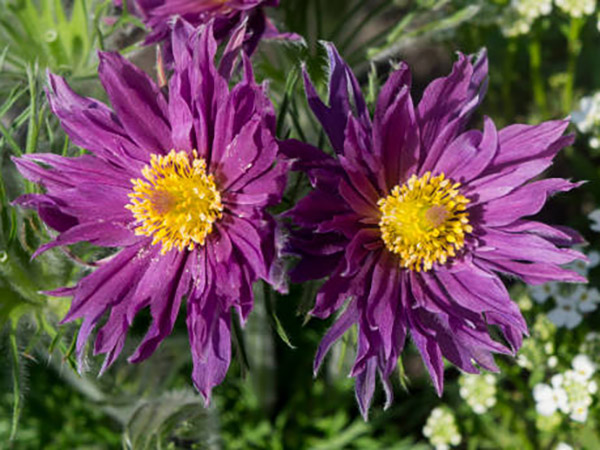
Pasque Flower
(Pulsatilla Vulgaris)
- Flowers in the Spring (Passover)
- Used by Arctic communities for medicines
Pulsatilla vulgaris, the pasqueflower, is a species of flowering plant belonging to the buttercup family, found locally on calcareous grassland in Europe, and widely cultivated in gardens. It was considered part of the genus Anemone, to which it is closely related.
| | | | |
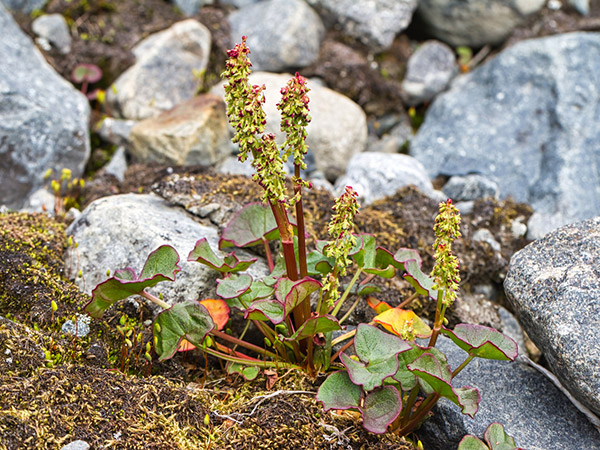
Mountain Sorrel
(Oxyria Digyna)
- Height of 10-30cm
- From the Greek meaning 'sour'
- Rich in Viamin C - scurvy treatment
Oxyria digyna is a species of flowering plant in the buckwheat family. It is native to arctic regions and mountainous parts of the Northern Hemisphere.
| | | | |
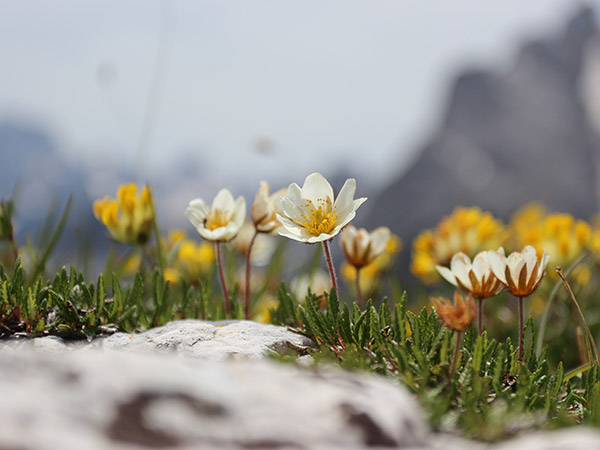
Mountain Avens
(Dryas Octopetala)
- National flower of Iceland
- Nitrogen fixation with symbiotic relationship
- Relatively easy to identify
Dryas octopetala, the mountain avens, eightpetal mountain-avens, white dryas or white dryad, is an Arctic–alpine flowering plant in the family Rosaceae. It is a small prostrate evergreen subshrub forming large colonies.
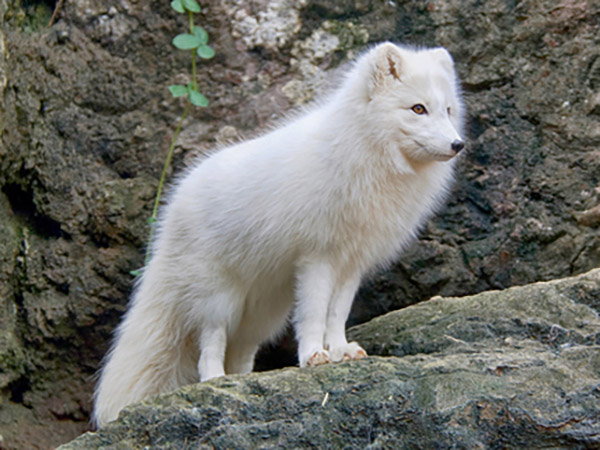
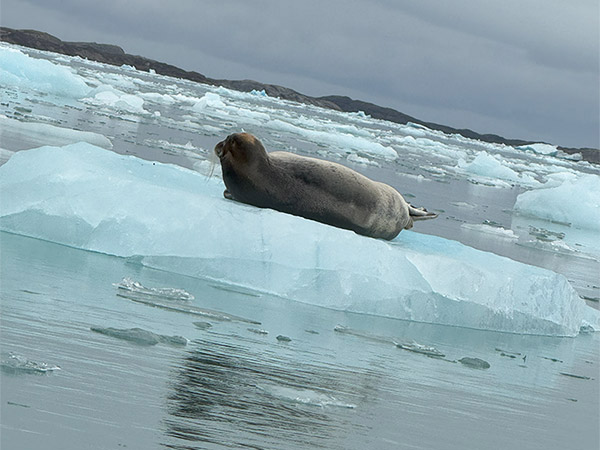
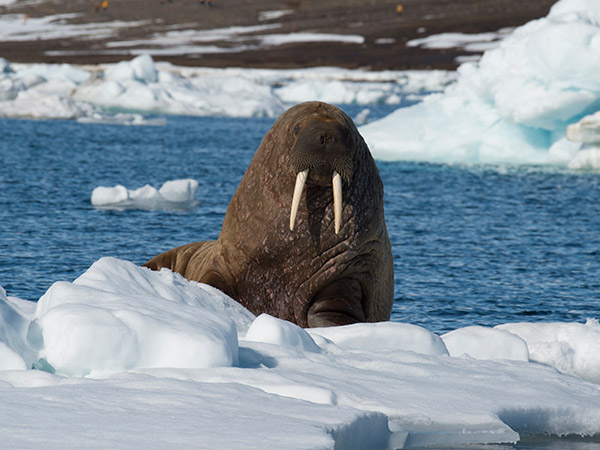
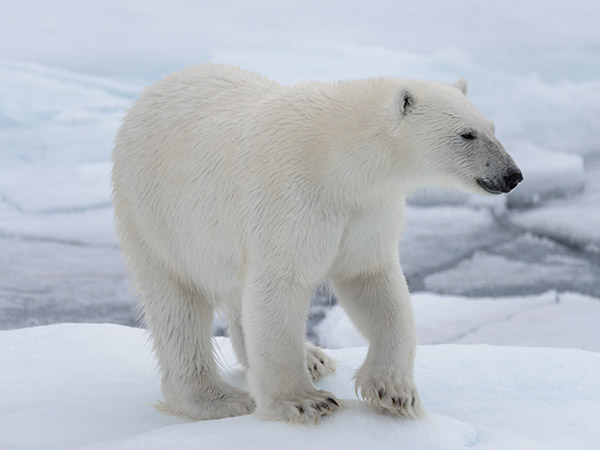
| | The islands we visit are inhabited by polar bears, arctic foxes, walruses, and seals. So far, I've been fortunate enough to see a couple of seals and a walrus, but not for the lack of looking, no polar bears or arctic foxes yet. | | | | |
Arctic Fox
The Arctic fox, also known as the white fox, polar fox, or snow fox, is a small species of fox native to the Arctic regions of the Northern Hemisphere and common throughout the Arctic tundra biome.
| | | | |
Harp Seal
The harp seal, also known as the saddleback seal or Greenland seal, is a species of earless seal, or true seal, native to the northernmost Atlantic Ocean and Arctic Ocean.
| | | | |
Walrus
The walrus is a large pinniped marine mammal with discontinuous distribution about the North Pole in the Arctic Ocean and subarctic seas of the Northern Hemisphere. It is the only extant species in the family Odobenidae and genus Odobenus.
| | | | |
Polar Bear
The apex predator of the Arctic, the polar bear is the largest extant species of bear and land carnivore by body mass, with adult males weighing 300–800 kg (660–1,760 lb).
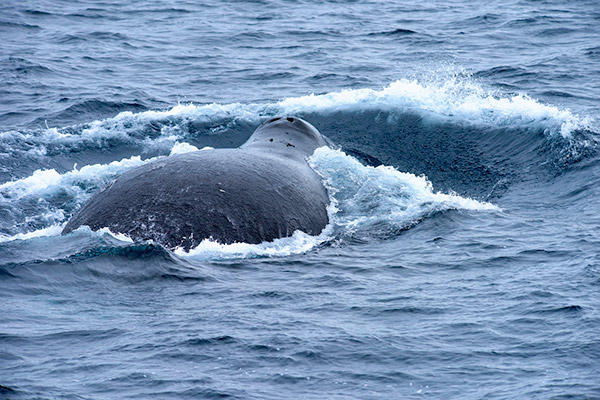
| | 3. Whales of the Arctic Ocean | | The Arctic Ocean is nutrient-rich and attracts many whales from warmer climates in the summer after the arctic ice pack breaks up. Earlier this week, I watched a fin whale, also known as the finback whale, pass by our ship. The fin whale is the second-longest whale in the oceans behind the blue whale. They are fast swimmers; he was moving so quickly through the water that we could barely keep up with him. He's not native to these waters; he is just a summer visitor like me. There are only a few whale species that make the Arctic Ocean their year-round home. | | Getting to know the Arctic’s whales | | When Arctic sea ice breaks up in spring, whales that winter in more southern areas—such as humpbacks, minkes and fins—migrate north to spend their summers there. Only three species call the Arctic home year-round: belugas, narwhals and bowhead whales. These whales have evolved to take advantage of sea ice and thrive in the Arctic’s frigid waters. But warming temperatures over the past decades have led to rapid sea ice declines and longer periods of open water in summer across much of the Arctic. These changes are bringing threats like oil and gas exploration and increased shipping. | | Bowhead whales: Giants of the Arctic | | |
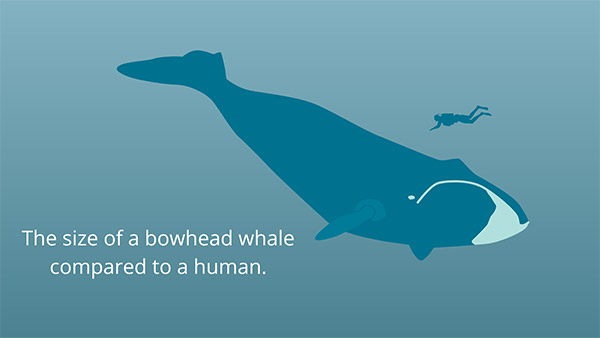
Bowhead whales, sometimes called Greenland whales, are found on both the Atlantic and Pacific sides of the Arctic. Their migrations are influenced by the melting and freezing of ice. These “giants of the Arctic” can reach more than 19 metres in length, and their large, reinforced skulls and powerful bodies enable them to break through sea ice up to 20 centimetres thick. As with narwhals and beluga whales, bowhead whales don’t have dorsal fins. This is thought to help them minimize the heat loss that could come from a protruding fin. But perhaps more importantly, it helps the whales manoeuvre in waters covered by heavy sea ice.
Believed to be among the longest-lived mammals on Earth, bowhead whales can live for up to 200 years. They filter their food through baleen, special bristle-like structures in their mouths, opening their jaws and straining plankton from the surface, water column or close to the sea floor.
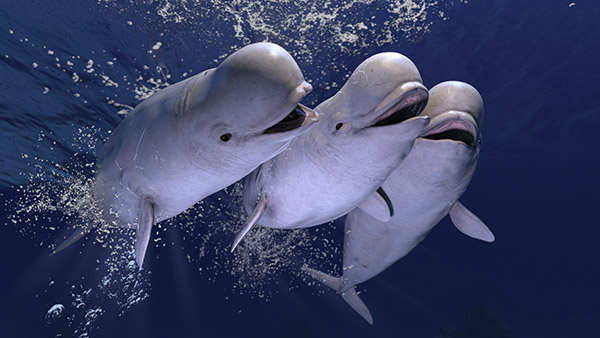
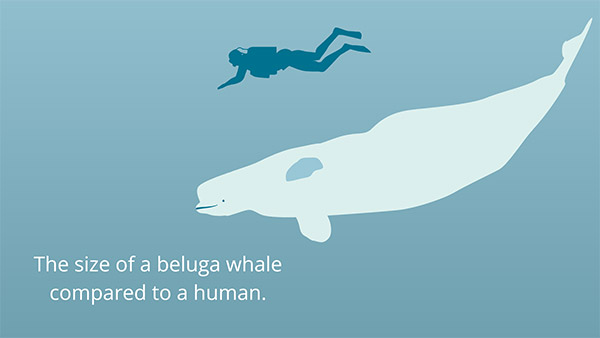
| Illustration: Ketill Berger, ketill.berger@filmoform.no / © WWF Global Arctic Programme | Beluga whales: Canaries of the sea | Belugas, or white whales, live primarily in areas with sea ice. They are extremely sociable mammals that typically live, hunt and migrate in small pods of two to 10 whales, though they may form herds of up to 2,000 individuals in summering areas. Many populations migrate between summer and winter habitats. In summer, belugas are also found near river mouths and may even venture upriver in search of food. They feed on a variety of fish species, such as salmon, herring, shrimp, Arctic cod, flounder, crabs and molluscs. | Illustration: Ketill Berger, ketill.berger@filmoform.no / © WWF Global Arctic Programme | Narwhal: Unicorns of the sea | |
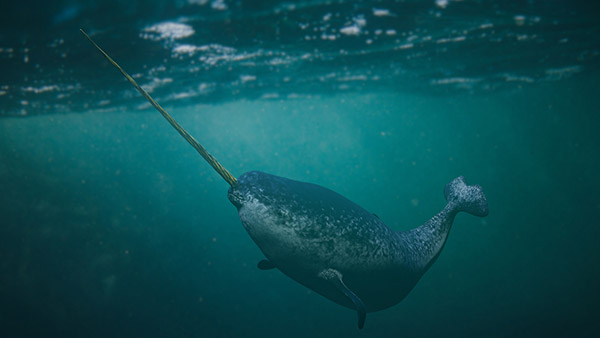
Narwhals live in the Arctic waters of Canada, Greenland, Norway and Russia. During the winter months, most of the world’s narwhals congregate in the icy areas between eastern Canada and western Greenland in Baffin Bay and the Davis Strait. Narwhals, like bowheads and belugas, will surface to breathe in “leads”—or cracks in sea ice—as well as breathing holes. They feed mainly on Greenland halibut along with other fish, squid and shrimp.
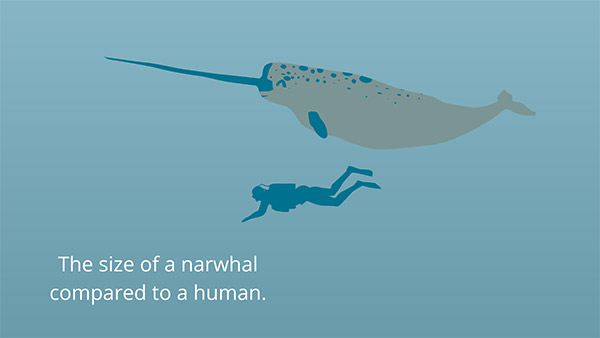
Nicknamed the “unicorn of the sea,” the narwhal is well-known for its long ivory tusk. This spiralled tusk—which is actually an enlarged left tooth—can reach up to 2.5 metres in length and has millions of nerve endings, which are thought to help the narwhal locate food.
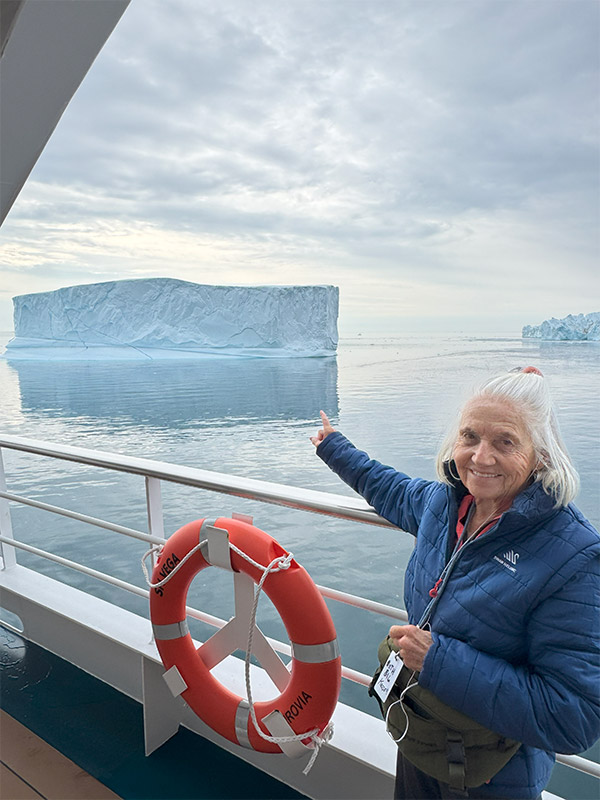
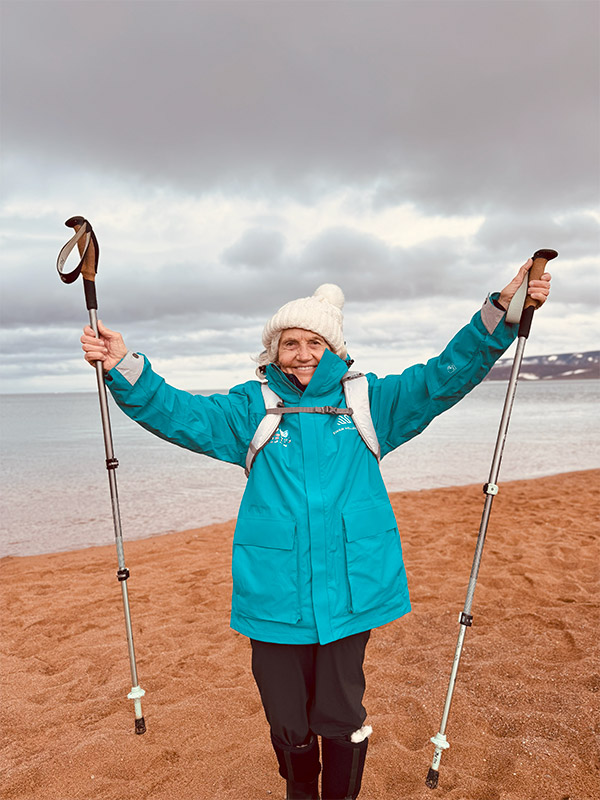
| Illustration: Ketill Berger, ketill.berger@filmoform.no / © WWF Global Arctic Programme | | 4. Where's Beth? Arctic Cruise - Part 3: On to Greenland | | We're sailing west again, through ice floes and past icebergs as big as our ship that can drift for years, headed to Greenland, where we'll explore the shores of the Sydskap headlands of the Scoresby Sound and visit the small Inuit villages. There, we'll meet the first people we've seen outside of the ship in a while. | | The SH Vega breaks through the ice floe as we head to the East Coast of Greenland. | | We got to take the Zodiacs to shore again and explore the Sydkap headlands at the entrance to Scoresby Sound. | | This is polar bear country, so this time our chaperones are armed. | | The villages here are very small, usually with a church and just a few houses, and the people you meet are great! | |
5. Cartoons: Oswald the Lucky Rabbit
| | |
Oswald the Lucky Rabbit was Walt Disney's first animated character. Disney created the character under contract for producer Charles Mintz, who later founded the Screen Gems Studio and Universal Pictures. Walt Disney described Oswald this way, "Hereafter we will aim to make Oswald a younger character, peppy, alert, saucy, and venturesome, keeping him also neat and trim" Oswald was one of the first animated characters to display a personality of his own exhibiting an animation style concept Walt Disney referred to as "personality animation" where the character defined by their acting rather than just through their design. In 1928, Universal Pictures took control of the character, leading Disney to create a new character, Mickey Mouse, whom he was determined to retain the rights to. Universal would retain the rights to Oswald until Disney Studios would reacquire them in 2006.
Disney Studios is currently working with writer, producer, and director Jon Favreau on a new animation/live-action hybrid Oswald series for Disney+.
| | From: Fandom - Disney Wiki | | |
Oswald the Lucky Rabbit (or simply Oswald) is an animated character created by Walt Disney and Ub Iwerks for Universal Pictures. First appearing in the short film Trolley Troubles on September 5, 1927, Oswald is notable for his ability to disassemble and reshape his body parts at will. He is credited for pioneering "personality animation", which refers to cartoon characters displaying identifiable emotion.[1] In Oswald's case, he was often depicted as haughty, feisty, and overzealous, which typically led to comical misadventures that put the rabbit's trademark luck to the test.
I'm krazier than a krazy kat, dippier than a dippy dog, laden with LUCK, gold, gelt, simoleons, for the guy who grabs me now for I'M THE CARTOON SENSATION OF THE YEAR!”
―Oswald, in a 1927 Film Daily advertisement
| | "Oswald the Lucky Rabbit" | Walt Disney Animation Studios | | |
Due to a financial falling out with producer Charles Mintz, Disney abandoned the Oswald series alongside Iwerks and a few other loyalists. Together, the remaining team would independently create Mickey Mouse, Oswald's successor. Oswald would remain with Universal, and continued to appear in short films through 1938 before fading into obscurity.
Disney and Iwerks would go on to develop a new cartoon in secret, starring a new character called Mickey Mouse. The first Mickey Mouse cartoon to be filmed was Plane Crazy in the summer of 1928, but it was produced as a silent film and held back from release. The first Mickey Mouse film with a synchronized soundtrack, Steamboat Willie, reached the screen that fall and became a major hit, eclipsing Oswald.
| | Mickey Mouse Steamboat Wille | |
6. Bragging Rights: Must Run in the Family
| | The Aspen Valley Marathon, Half-Marathon, and 5K has been the ultimate annual event for the Roaring Fork Valley running community for the past fifteen years. The marathon is now a Boston Marathon qualifier. This year's race was last weekend, and it was a great success. Kat Adams, owner of Fitzgerald Landscaping, in my opinion, the best landscaping company in Aspen, is the race director. This year, her three kids competed in the 5K race, and all finished near the top of their age groups. The athletic talent obviously runs in the family! | | Aspen Valley Marathon, Half-Marathon, and 5K | | 7. Flock Friends: Tucson Community Tennis Program | | |
Regular Flock readers should know that I am a big fan and supporter of the Tucson community Tennis Program and their mission to bring the sport of tennis to children in the Tucson Community through local schools providing physical activity and all of the valuable benefits the go along with organized athletics including: sportsmanship, strategic and tactical thinking, self confidence and self esteem. Last April, I included TCTP in my annual Summer Camp Guide. TCTP has shared with the Flock these photos of the kids having a blast and learning new skills from the 2025 TCTP Summer Camp.
Please submit photos that you would like included in the Flock using this link.
| | These Flock regulars are always here for you: | | Don't Be Shy: Share Your Stories! | | I'm looking forward to sharing more of your personal stories - oral, written, or otherwise, as we enter our third year. I'd so love to present them to The Flock, hit a mailbox below to share your story. | | Subscriptions & Idea Submissions
Reminder: Your submissions are always welcomed. | | |
Feel free to forward this email to a friend. If this was forwarded to you and you would like to receive your very own Flock Newsletter, you can sign up here. If you have any questions or suggestions for future Flock resources, don't hesitate to contact me.
Your fan and friend,
Beth
| | | The information and materials contained or referenced in this newsletter are for informational purposes only and not intended to be a substitute for professional medical advice, diagnosis, or treatment. Always consult a physician or other qualified medical professional with any questions you may have regarding a medical condition or treatment and before beginning a new health care regimen. Do not disregard professional medical advice or delay seeking medical advice or care based on anything contained in this newsletter. | | | | |