REMINDER: YOUR SUBMISSIONS ARE ENCOURAGED | | |
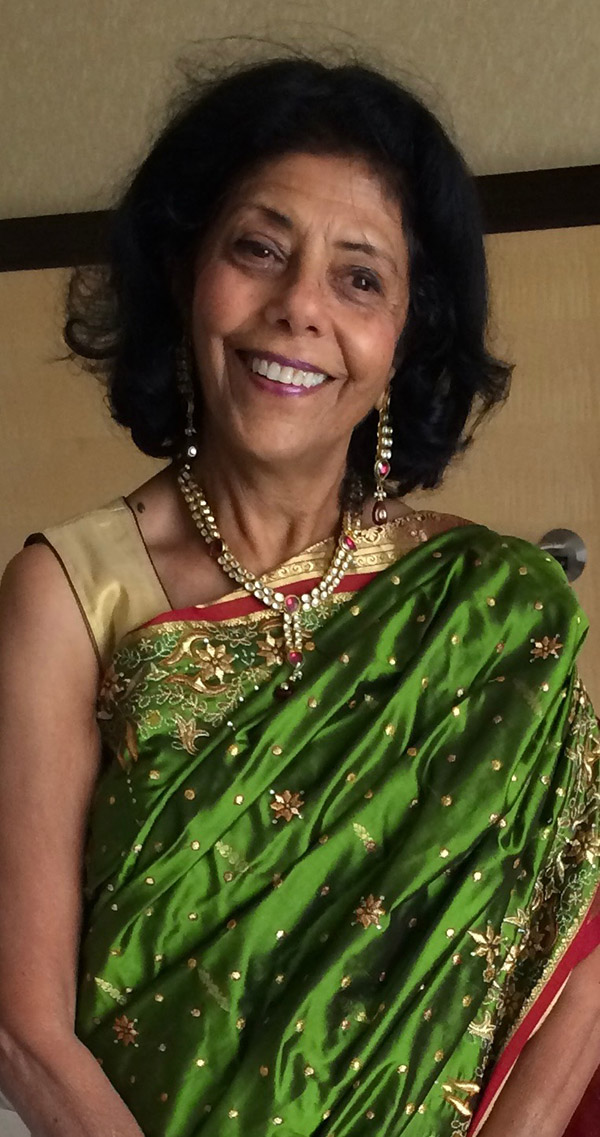
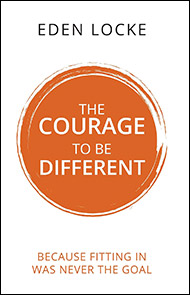
1. Bindu's Corner: Today's quotation from Bindu comes from The Courage to Be Different by psychologist and author Eden Locke.
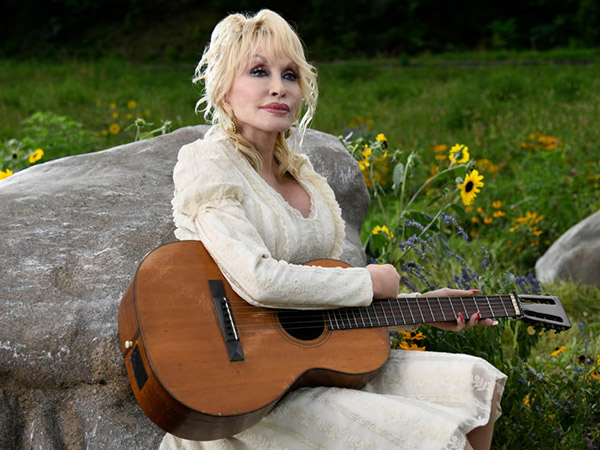
2. In Memoriam: I honor the memory of Dolly Parton, an exceptional person and entertainer who passed away this week.
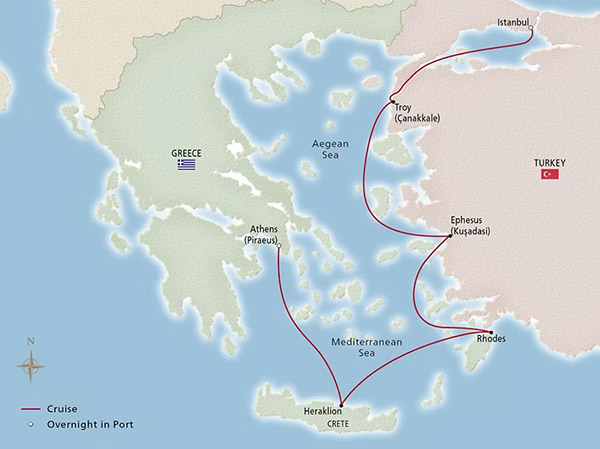
3. Flock Adventurers: I virtually tag along with Flock reader Lisa Martin as she wanders the Aegean Sea on a Viking cruise.
4. Geography: Lake Baikal in southern Siberia is the world's largest and oldest freshwater lake.
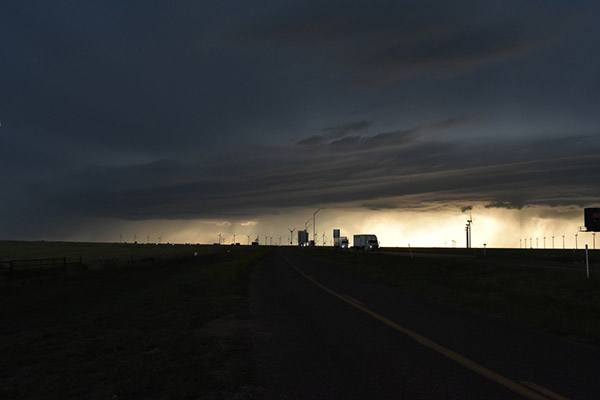
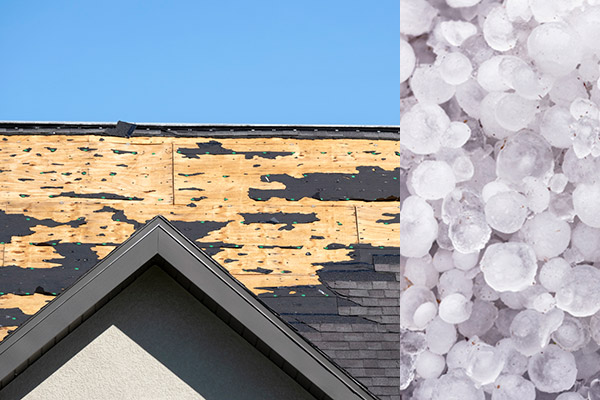
5. Weather: Meteorologists and storm chasers across the Great Plains are working to understand the crop-destroying hail that accompanies severe storms.
6. More Bears: Two new bear videos from Colorado, one testing the new trash bins at my home in Aspen.
7. Wellness: I have medical testing information from the most recent issues of Sensitive & Specific: The Testing Newsletter.
8. Book Corner: I began this week's Flock with a quotation Bindu sent me from Eden Locke's The Courage to Be Different, so I've included it in this week's Book Corner.
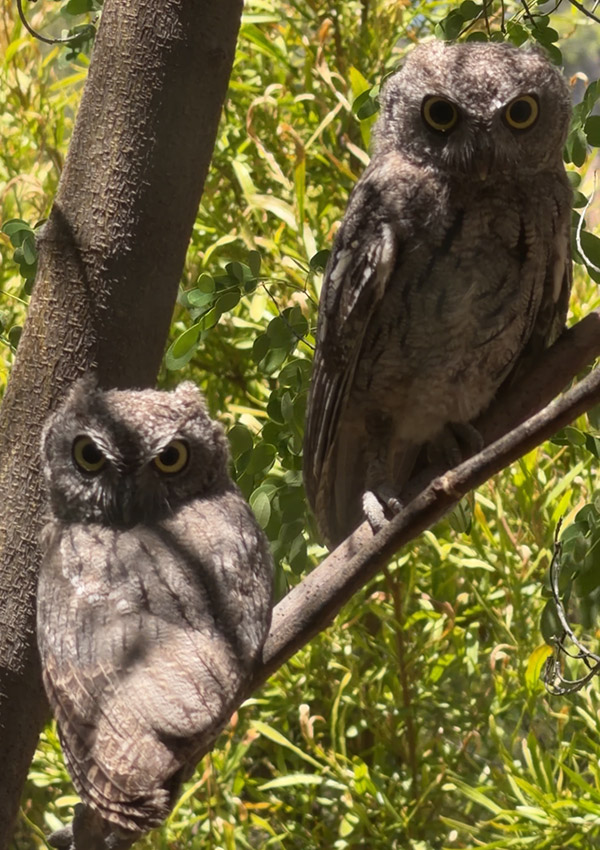
9. Backyard Update: I've had several wild visitors in my backyard in Tucson this summer: first, a family of screech owls moved in; this week, a wildcat decided to come by and hang out for a while.
| | Now, to this week's Flock. | | 1. Bindu's Corner: The Courage to be Different | | The quotation below comes from psychologist and author Eded Locke's book, The Courage to Be Different, the author's manifesto on recognizing self-worth and celebrating individualism, where she draws on her training as a psychologist and the insights of both modern and ancient philosophers. | | The Courage to be Different | | Insights from author/psychologist Eden Locke, philosopher Søren Kierkegaard, & Laozi. | | |
Most People live life as a kind of forgetfulness. They mistake the crowd for their own voice. But some people - a few - are haunted early by the knowledge that they’re not made to blend in. It isolates them. Until they understand that this feeling isn’t their exile - it’s their origin.
Kierkegaard Believes most people were living as edited versions of themselves - obedient to the crowd, allergic to depth, more interested in fitting in than becoming whole. That, he said, was the root of despair. Not failure, not sadness, but inauthenticity.
Wisdom of the Tao - In a time where speed and productivity are treated as virtues, stillness becomes a form of resistance. And more than that - it becomes a form of originality. Not the kind that seeks to stand out, but the kind that has never left. That was buried beneath performance and branding and hustle. The kind that returns when we become willing to wait.
This kind of originality is not trending. It does not demand a following. It does not fit the metrics of virality. But it endures. Like water. Like Tao. Like truth that doesn’t need to advertise itself.
— From the book: The Courage to be Different by Eden Locke
| |
2. In Memoriam: Dolly Parton, 1.19.1946 — 8.25.2026
| | The world lost a legend this week when Dolly Parton passed away. Always uncompromising in staying true to herself, she rose from poverty to achieve great success as an entertainer, businesswoman, and philanthropist. Under an outsized, glittering persona, she showed her true humility and care for others through her actions. | | Dolly Parton, country star, actor and philanthropist, dies aged 80 after cancer diagnosis | |
Songwriter of I Will Always Love You, Jolene and 9 to 5 invested millions in child literacy, Covid-19 vaccine development and other causes
| | From: The Guardian, By: Ben Beaumont-Thomas, August 25, 2026 | |
Dolly Parton, one of the greatest singer-songwriters in country music, who was also much cherished for her philanthropy, has died aged 80.
Her death was announced by nephew Brian Seaver on Instagram. “I have imagined the heaviness of this moment but haven’t truly felt it until now,” he said. “It is an honour, an honour that is mixed with absolute pride and great sadness.”
Parton’s team confirmed the singer died Tuesday “after bravely facing a brief battle with cancer.”
“Dolly departed her Earthly life today at the Vanderbilt-Ingram Cancer Center surrounded by loved ones,” the statement continued.
So gifted that she wrote two of the 20th century’s greatest songs – Jolene and I Will Always Love You – in a single day, Parton’s songwriting was characterised by its vivid storytelling, emotional acuity and melodic strength, all sung with strident clarity. From an eventual catalogue of hundreds of songs, she scored a record 25 US country No 1 singles and 47 albums in the country Top 10. She crossed over into the pop charts with 9 to 5, a US No 1 hit in 1980; balanced her music career with acclaimed acting, twice earning Golden Globe nominations for her roles; and donated more than 300m books to children through her Imagination Library literacy project.
| | Parton attends the opening of the Country Music Hall of Fame and the museum’s show, Dolly Parton: Journey of a Seeker, in 2025. | This was all done with considerable panache, rhinestoned glamour and towering hairdos, with her immortal assertion regarding her appearance – “it takes a lot of money to look this cheap” – the most quoted example of Parton’s ready wit. | | Could Only Happen In Ireland
Dolly Parton on vacation in Ireland ..walks into a pub in County Kerry and is asked to sing a song. What a beautiful lady. The guy on the guitar is Steve Cooney. I do believe the year was 1990. | | 3. Flock Adventurers: Lisa Martin | | A good friend and long-time Flock reader, Lisa Martin, has been sailing the Aegean Sea on a Viking Ancient Mediterranean Treasures cruise to celebrate her 60th birthday. She's been keeping me posted on the voyage and agreed to let me publish this travelogue and share some of the photos she's taken during her wanderings. | | Wandering the Aegean Sea with Lisa Martin | | Home port: Athens, Greece
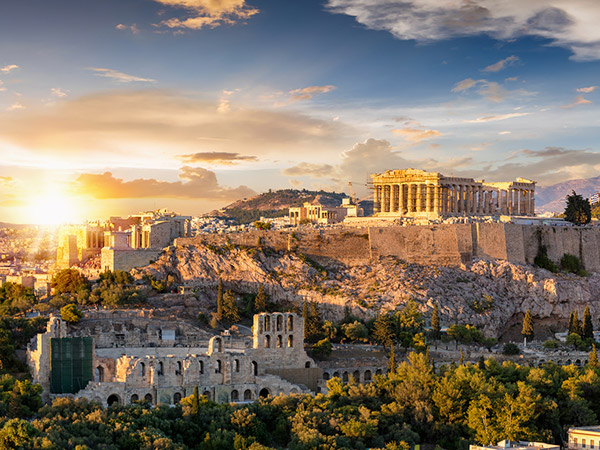
The journey begins at the Port of Piraeus in Athens, Greece, the cradle of Western civilization. | 1st port of call: Heraklion on the Island of Crete
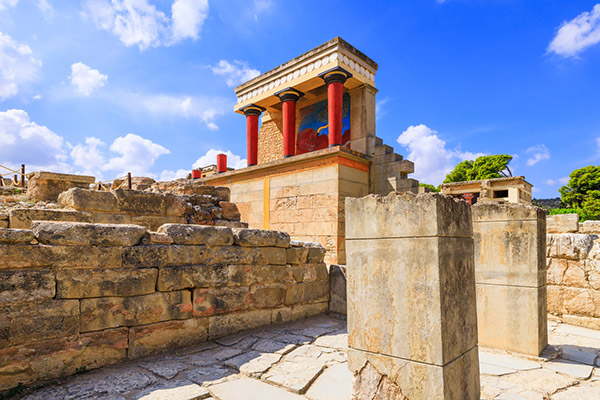
Ruins of the Knossos Palace, the political and cultural heart of the Bronze Age Minoan civilization, and the mythical home of the Minotaur and King Minos’s labyrinth. | | 2nd port of call: The City of Rhodes, Greece
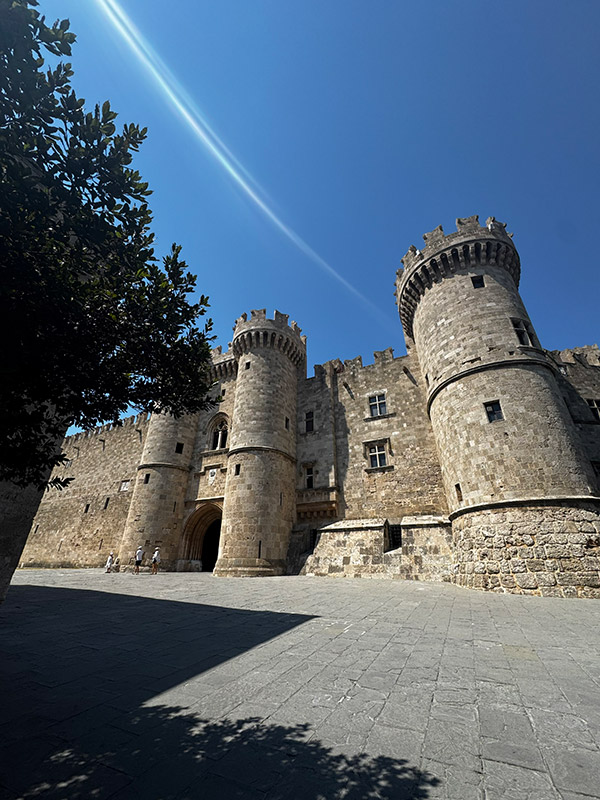
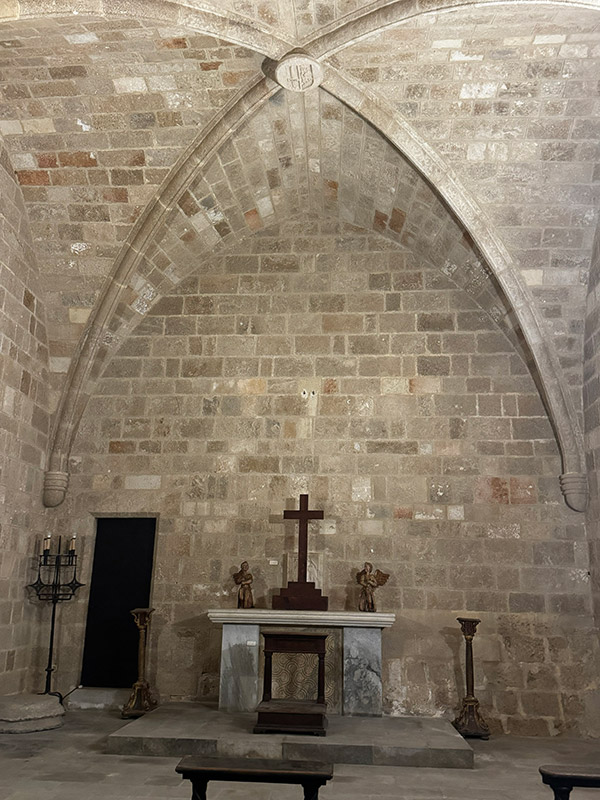
The Greek Island of Rhodes has a long history as an economic, maritime, and cultural center going back to Greece's Hellenistic period (323 - 30 BCE). The Palace of the Grand Master of the Knights of Rhodes, built in the 7th century as a Byzantine citadel and later used in the 14th century as headquarters for the Knights Hospitaller, is one of the few examples of Gothic architecture in Greece. Archaeologists believe the castle was built on the same spot where one of the Seven Wonders of the Ancient World, the Colossus of Rhodes, stood in Antiquity. | | The Palace Chapel
The chapel in the cellar vaults of the palace offers a quiet, reflective space amidst the heavy fortress walls. | | |
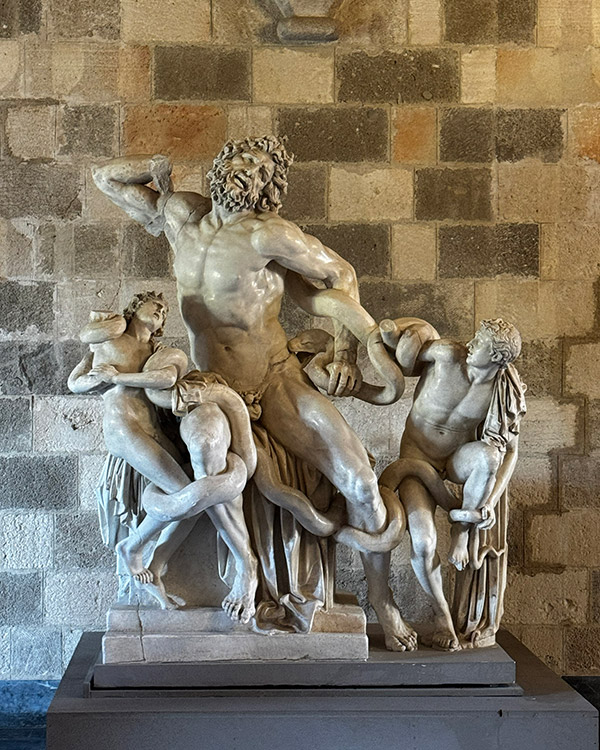
Laocoön and His Sons
The palace also houses a reproduction of an ancient masterpiece depicting a scene from the Roman poet Virgil's Aeneid, where the goddess Minerva punishes the Trojan priest Laocoön by sending a sea serpent to strangle him and his two sons for warning Troy not to accept the wooden horse from the Greeks. Workers found the original while digging in a vineyard on Rome's Esquiline Hill in 1506. After learning of the discovery, Pope Julius II sent court artists, including Michelangelo, to inspect the piece before purchasing it from the vineyard owner and placing it on public display in the Vatican, where it remains today. The statue is believed to have been carved from marble in the late 1st century BCE by Rhodian sculptors, Hagesandros, Athenedores, and Polydoros.
| | 3rd port of call: Ephesus, Turkey
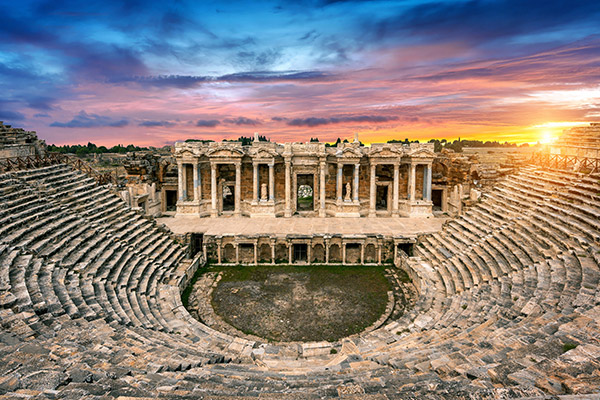
Once one of the ancient world's largest cities, Ephesus is now one of its best-preserved. The Great Theatre of Ephesus, shown above, seats 25,000 people and remains an active venue. When I visited Ephesus, I attended a symphonic concert under the stars there. Ephesus was also home to another of the Seven Wonders of the Ancient World, the Temple of Artemis, which was destroyed in the fifth century. | | 4th port of call: Troy in Canakkale Province, Turkey
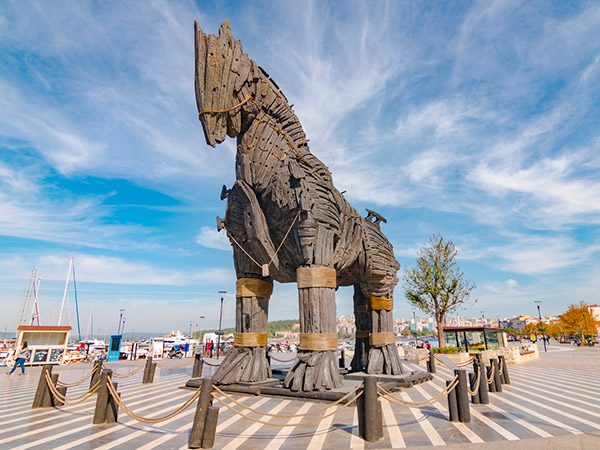
The city made famous by the Greek poet Homer through his epic poems, the Iliad and the Odyssey. | | Port of Disembarkation: Istanbul, Turkey
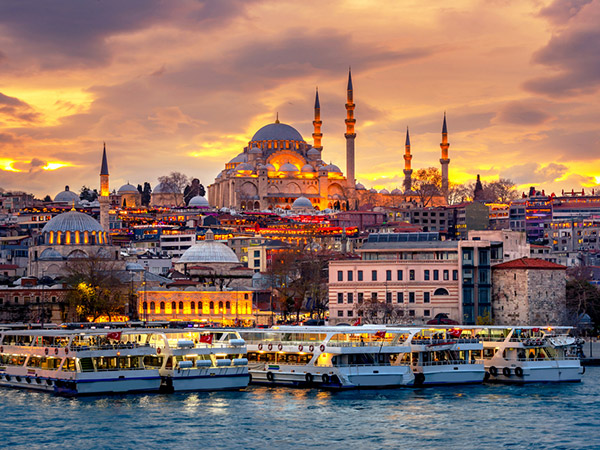
The journey concludes at the final port of call, Istanbul, a city with a rich history where Europe meets Asia and Western and Eastern cultures mingle | | 4. Geography: The Deepest Lakes | | At 2,442 feet, the average depth of Lake Baikal in Siberia is deeper than the deepest point of any lake in the U.S. The following article offers perspective on how the deepest lakes in the United States compare with the deepest and oldest lake in the world. | | How Deep Lake Baikal Is Compared To America's Deepest Lakes | | Lake Baikal is the deepest lake on Earth. It is nearly 3,500 feet deeper than the deepest lake in America. With a maximum depth of 5,315 feet, this Siberian lake is also the largest freshwater lake on Earth by water volume. In this story, we will examine the 4 deepest lakes in the U.S. We will see how they compare with Lake Baikal, starting in reverse order. | | Lake Superior
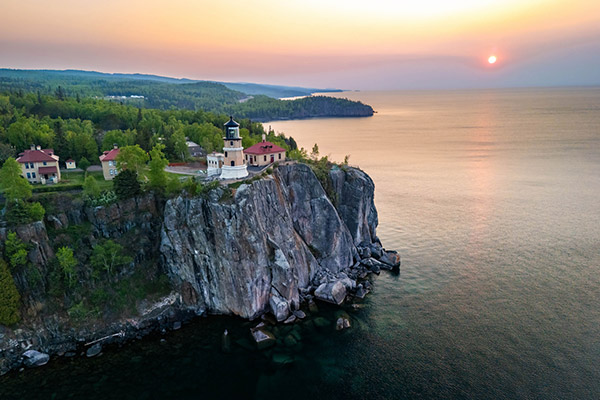
Lake Superior is the fourth deepest lake in the U.S. with a maximum depth of 1,332 feet and an average depth of 483 feet. It is the deepest of the Great Lakes and the largest freshwater lake on Earth by surface area at 31,700 square miles. | |
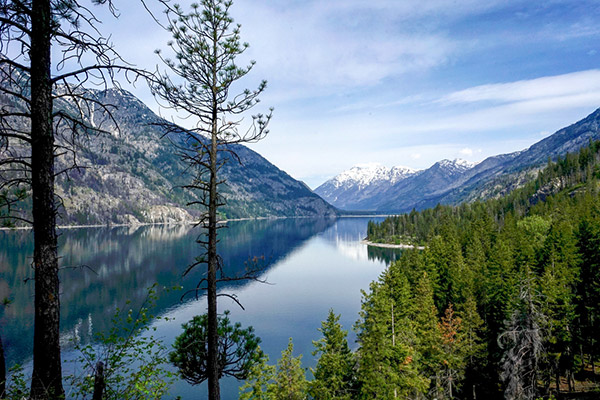
Lake Chelan
Lake Chelan has a maximum depth of 1,486 feet, around 150 feet deeper than Lake Superior, and an average depth of 474 feet. It sits in a valley in Washington, which was carved by a glacier and is fed by the Stehekin River. The lake sits in the North Cascade Range. From the isolated town of Stehekin, travelers often go out on the 17-mile Chelan Lakeshore Trail.
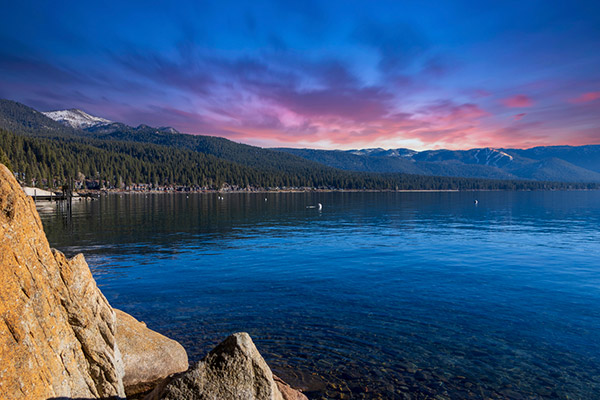
| Lake Tahoe
Lake Tahoe is the second deepest lake in the US with a maximum depth of 1,645 feet and an average depth of 1,000 feet. It sits on the border between California and Nevada and has a shoreline of 72 miles and a total surface area of 191 square miles. | |
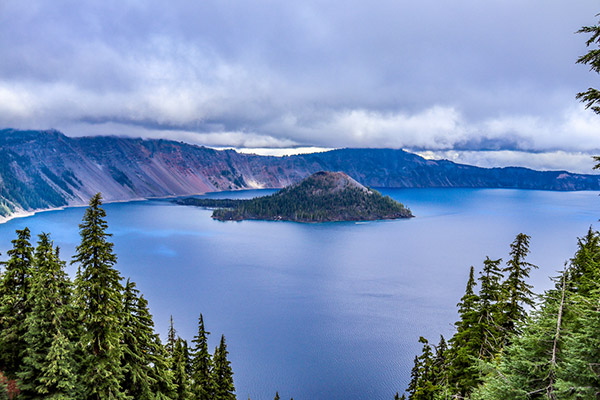
Crater Lake
Crater Lake is the deepest lake in the U.S., with a maximum depth of 1,949 feet and an average depth of 1,148 feet. Located in Oregon, it is so deep because it used to be a volcano. A major eruption 7,700 years ago caused Mount Mazama to collapse, forming a 0.8-mile-deep caldera. Over time, this caldera filled with snow and rain, gradually creating Crater Lake over a period of around 250 years.
The lake has no inlets or outlets, making it completely isolated from any source of water. Because of this isolation, the water is very clear and blue, with some areas having visibility up to 102 feet deep. Today, the lake is part of the Crater Lake National Park.
| |
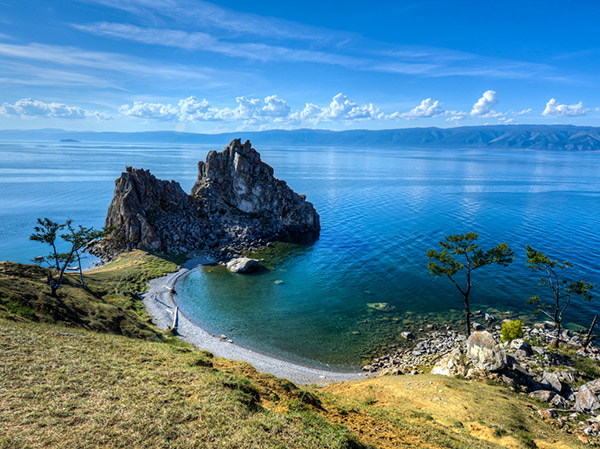
Lake Baikal
Lake Baikal is also the oldest freshwater lake on Earth, dating back 25 to 30 million years. It was formed by plate tectonics, where parts of the Earth's crust began to separate, forming a rift valley through which water flowed down. Due to its unique environment, there is wildlife that can only be found at Lake Baikal, such as golomyanka, which are pink fish that are eaten by seals. There are 56 identified species of fish that live in the lake, which support both recreational and commercial fishing operations.
Lake Baikal holds more freshwater than anywhere else
Lake Baikal holds 20% of the world's surface freshwater supply. By water volume, it is larger than all of the Great Lakes put together, which have a total water volume of 5,439 cubic miles, compared to Lake Baikal's 5,500 cubic miles. However, it is not as well known as other lakes due to its isolation and small population. Due to its long history and depth, it has been named a UNESCO World Heritage Site, alongside many world landmarks such as the Acropolis in Athens.
| Trivia:
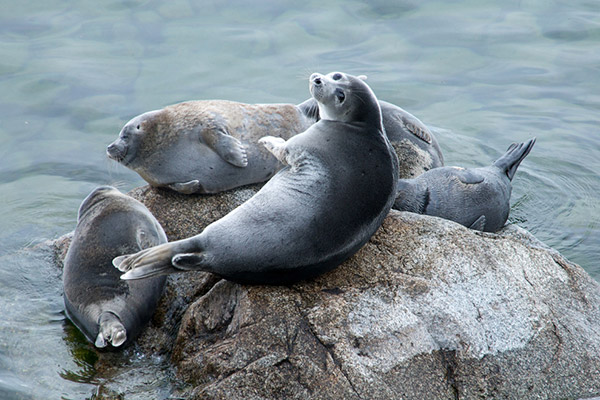
Lake Baikal has an exclusive native population of earless freshwater seals, known as the Lake Baikal seal (Pusa sibirica) or nerpa. | | As the overall climate warms, severe thunderstorms accompanied by tornadoes and hail are becoming more common across the Great Plains. Meteorologists are joining storm chasers in the field to get close to these storms and collect data to improve the accuracy of forecasting destructive hailstorms. | | Inside the United States’ Billion-Dollar Blind Spot | | Scientists have never quite understood how hail works. Meet the storm chasers trying to change that. | | |
The whistling starts before the impact. It is a haunting, high-pitched keening — the sound of jagged ice stones, aerodynamically imperfect, hurtling toward the earth at terminal velocity.
“It’s fascinatingly terrifying,” Dr. Sean Waugh said. We are barreling down an Oklahoma highway, chasing a rotation that looks like a bruised thumbprint against the horizon…
| | |
The Cost of Spherical Ice
For a century, the tornado has been the undisputed protagonist of the American storm. But while scientists have spent decades perfecting the ability to predict where a funnel will touch down, hail has remained a blind spot — one worth $1 billion a year.
Dr. Waugh’s primary mission at NOAA is tornado research, but his obsession is hail. Last year, he outfitted a research vehicle with a custom array of high-speed cameras and lights so bright they require eclipse glasses to approach. At the same time, researchers working as part of ICECHIP (the In-situ Collaborative Experiment for the Collection of Hail In the Plains) scoured the region with their own fleet of instruments as part of the largest hail research project in history.
| |
An Icy Harvest
“We were probably a week from harvesting,” Kenton Gossen said.
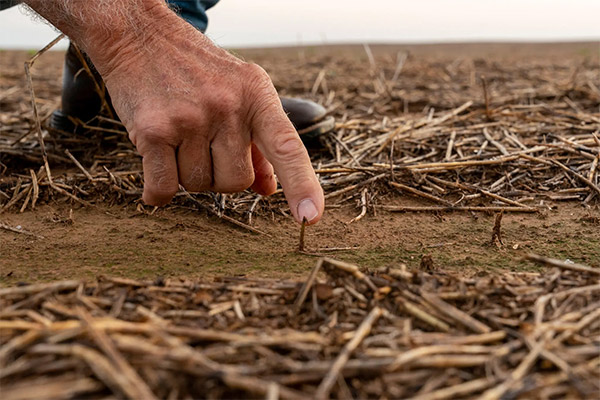
Standing on his family’s farmhouse in western Oklahoma, Mr. Gossen recalled a night last summer that felt like the end. At midnight, the sound of the storm forced him from his bed. He opened his front door to find the world turning white.
“It wasn’t just small pieces,” he said. “There were big pieces, little pieces in between. It hailed for 30 minutes straight.”
By dawn, the drifts of ice were still piled against his barn. Mr. Gossen and his brother drove in opposite directions, surveying miles of ruined wheat…
The storm destroyed 2,400 acres. Mr. Gossen had invested roughly $235 per acre into that crop. His insurance adjuster will pay about $100 per acre, he said. Still, he faced a $300,000 loss.
This is the macroeconomic reality of the American thunderstorm. Before the federal billion-dollar disaster tracking program was shuttered in 2025, it revealed a consistent grim trend: A single hour of hail over a midsize city can cause a billion dollars in damage.
“Hail is a growing driver of losses,” said Adam Smith, who ran the NOAA program for 15 years until it was dismantled by the Trump administration last year. Insurers now flag hail, not tornadoes, as the primary catalyst for the rising cost of living in the American heartland.
| |
6. More Bears: Bear Summer Continues
| | Here are two more bear videos to cap off this summer's bear activity in Colorado. | | |
Visitor at my Aspen House
It's a lot harder to get the prizes out of these new trash bins, but with a little time and patience, I'm sure he and his buddies will figure it out.
| | |
Bear Crossing
Here, a family of bears crosses the road near Glenwood Springs. I know the little guys are cute, but never approach a momma bear with her cubs. They are very protective.
| | 7. Wellness: Sensitive & Specific Newsletter | | The best tests may be the simplest ones | | |
Improving CKD diagnosis with inexpensive, consistent, targeted screening
Chronic kidney disease (CKD) is the ninth leading cause of death worldwide, and is projected to rise to number five by 2040. However, up to half of cases may remain undetected even in high-income countries — despite the availability of simple urine and blood tests. The situation is even worse in middle- and lower-income countries, as well as among women and people who aren’t white. This spring, the Lancet published a series of three research articles devoted to CKD, the first of which focuses on diagnosis.
COMMENTARY: In its mild to moderate stages, CKD is asymptomatic, but can be detected based on changes in the amount of protein in the urine. That doesn’t necessarily mean we need to screen absolutely everyone for the disease, the authors note, because we also know what the risk factors for CKD are. In addition to having a family history of kidney problems, they include a rogue’s gallery of modern-day chronic disease: diabetes, high blood pressure, obesity, and heart disease. Routinely testing folks with those issues — using inexpensive tests that we already have — could make a big difference, the authors note.
Looking for liver disease with an underutilized analyte
People with early liver disease are in a similar situation to those with early CKD — while they have no symptoms, a biomarker is silently rising in their bloodstreams. In their case, the warning sign is an increase in bile acids, which the liver produces to help digest fats, and which normally don’t show up much in blood. Unfortunately, a bile acid measurement isn’t included on most routine blood test panels for “healthy” folks.
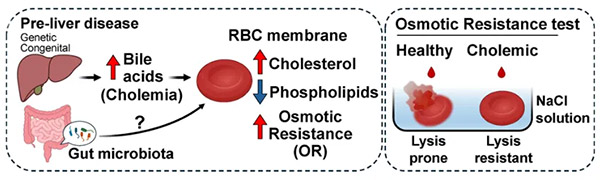
Research published earlier this month offered a simple way to determine whether bile acid levels in blood are too high — a condition known as cholemia. When red blood cells (RBCs) are exposed to these acids, their cell membranes get more rigid, which makes the cells less likely to burst.
The test measures how tough RBCs have become by exposing them to an NaCl solution, otherwise known as salt water. When the solution has less NaCl in it than the cells do, water rushes into the cells. (That’s good old osmosis at work.) Healthy cells burst when this happens. Cells that have been exposed to bile acids have tougher membranes, so they don’t. (See graphical abstract of the paper below.) And the higher the bile acid levels, the more rigid the cells become, so you can measure the level of cholemia by adjusting the amount of NaCl in the solution.
| | COMMENTARY: The liver disease paper is a proof of concept done in mice, so further research is needed to make sure human cells behave the same way. But given that roughly 25% of US adults have metabolic dysfunction-associated steatotic liver disease (MASLD), it would be good to have a simple, inexpensive test to find people whose livers are suffering in silence. | |
8. Book Corner: The Courage to Be Different
| | I began this week's Flock with a quotation from this book, so I wanted to include a link to it. | | The Courage To Be Different :
Because Fitting In Was Never The Goal | | Fitting in is exhausting. Being yourself? That’s where the real work begins. The Courage to Be Different is for the ones who’ve edited themselves for rooms that didn’t deserve them. It’s a call to unlearn the noise that says “blend in” and reawaken what makes you unmistakably you. Through reflection, small rebellion, and radical honesty, this book helps you stop apologizing for your instincts. You weren’t made to copy. You were made to crack open comfort zones and walk your own road. The goal isn’t to be liked. It’s to be real—and that takes courage. | |
9. Backyard Update: Another Wild Visitor
| | My backyard in Tucson has been a menagerie of wildlife this summer, first a family of screech owls moved in and this week, I had a visit from a wild cat. | | |
Backyard Visitor
This little visitor reminded me that Arizona's season opener is next week.
Bear Down Cats!
| | These Flock regulars are always here for you: | | Don't Be Shy: Share Your Stories! | | I'm looking forward to sharing more of your personal stories - oral, written, or otherwise, as we enter our third year. I'd so love to present them to The Flock, hit a mailbox below to share your story. | | Subscriptions & Idea Submissions
Reminder: Your submissions are always welcomed. | | |
Feel free to forward this email to a friend. If this was forwarded to you and you would like to receive your very own Flock Newsletter, you can sign up here. If you have any questions or suggestions for future Flock resources, don't hesitate to contact me.
Your fan and friend,
Beth
| | | The information and materials contained or referenced in this newsletter are for informational purposes only and not intended to be a substitute for professional medical advice, diagnosis, or treatment. Always consult a physician or other qualified medical professional with any questions you may have regarding a medical condition or treatment and before beginning a new health care regimen. Do not disregard professional medical advice or delay seeking medical advice or care based on anything contained in this newsletter. | | | | |