|
Overview for this week.
1. This week we welcome a rare spotless giraffe into our world.
2. Dr. Fox has graciously shared three videos from his July 29th Workshop with the Flock.
3. We have an article submitted by a Flock reader that outlines a museum presentation and PBS production on the delicate natural balance between horseshoe crabs and an Arctic bird species, the red knot.
4. We keep Hawaii and the people of Lahaina in our prayers and look at efforts to rescue the town's pets.
5. Disaster preparedness is on our minds, and we begin a new series on preparing for different natural disasters.
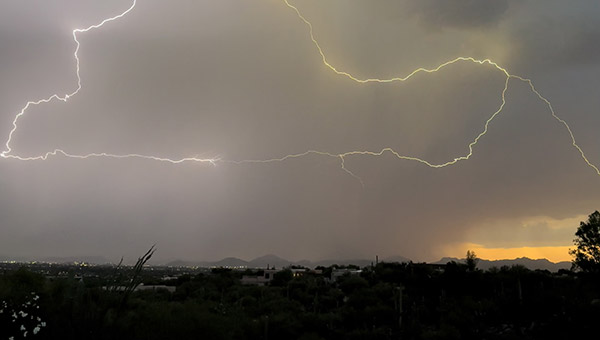
6. It has been a summer of storms and we'll help clarify the difference between hurricanes, cyclones, and typhoons.
7. August has one more supermoon, a rare 'Blue Moon' to see before the month is over.
8. Lego is introducing braille coded bricks as a tool to help vision-impaired kids and their educators.
9. We start a new series on The Chronicles of Narnia by C.S. Lewis in the Book Corner.
10. In Wellness we find two new free publications filled with healthy recipes at the local grocery.
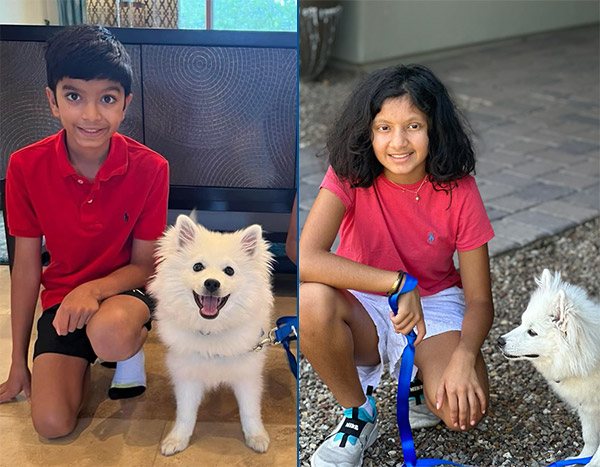
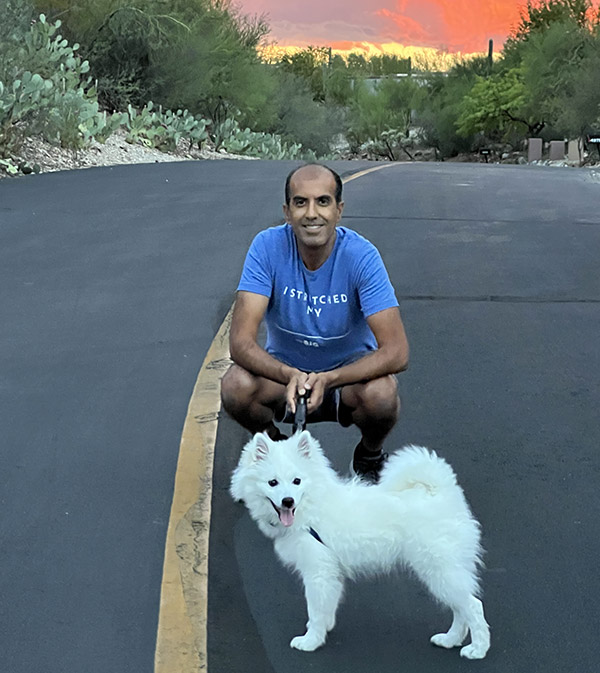
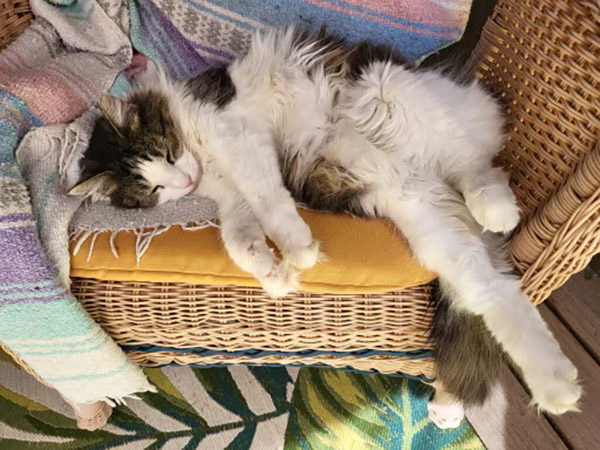
11. In the Pet's Corner we catch up with Zeus, aka Baby Truffle, and our favorite mouser, Fern.
Now, to this weeks Flock.
| |
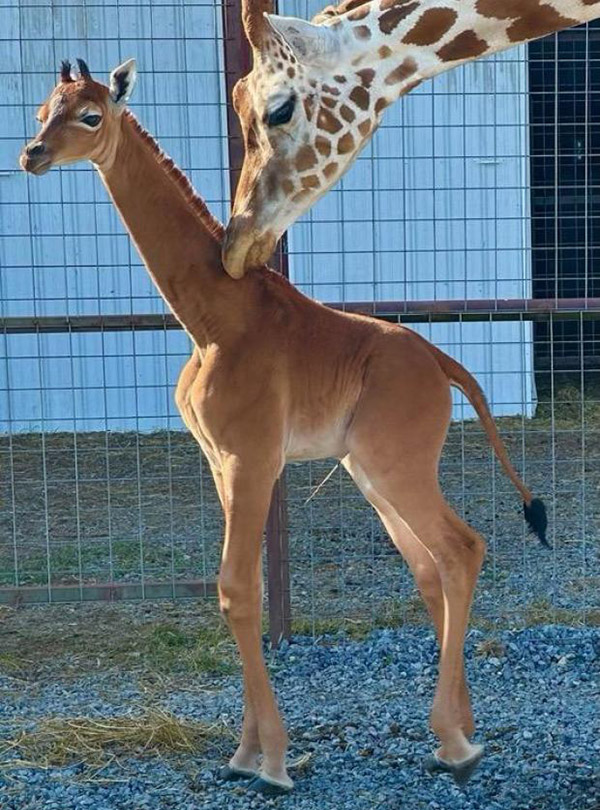
1. ZOOS: Rare Spotless Giraffe
| |
Tennessee zoo says it has welcomed a rare spotless giraffe | |
From: CBS News, By: Caiylin O'Kane, August 22, 2023 | |
|
A zoo in Tennessee says it has welcomed a rare giraffe that does not have any spots. The spotless giraffe was born at Brights Zoo in Limestone, Tennessee, on July 31 and the zoo says experts believe she is the only solid-colored reticulated giraffe on the planet.
On Sunday, the zoo announced a naming contest for the baby giraffe, which visitors can now see at the zoo.
In an email to CBS News, the zoo's director David Bright said the last recorded spotless giraffe was in 1972 in Tokyo. That giraffe, named Toshiko, was born at Ueno Zoo, according to archival photos.
| |
|
Reticulated giraffes are a species of giraffes with brown and orange spots. They are native to Africa and in 2018 were listed as endangered, according to the Giraffe Conservation Foundation.
The zoo is hoping the headline-making giraffe will bring attention to the challenges the species faces in the wild, the zoo said in a press release.
| |
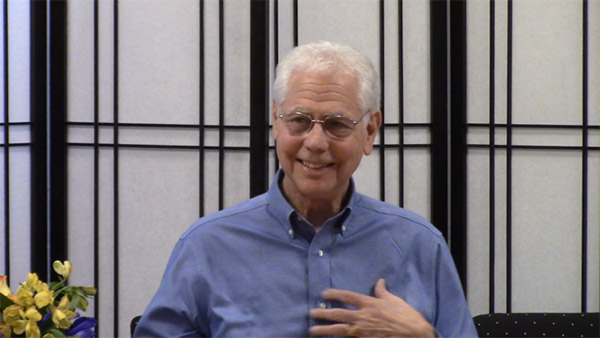
2. Hayward M. Fox, Ph.D. - Workshop Videos
| |
As promised, Dr. Fox has made video excerpts from his July 29th workshop available to the Flock. Below you can view three individual hour-long videos from his workshop. | |
Opening the Limitations of Our Personal Identity | |
A workshop presented br Hayward M. Fox, Ph.D. | |
|
Dr. Fox will be offering a series of online classes beginning in September. Every class will have a teaching, a discussion, and a guided meditation. You will receive a written synopsis of the teaching and a recording of the guided meditation to practice between classes.
To receive up-to-date class schedule and registration information, sign up to Dr. Fox's mailing list at the Institute of Personal and Transpersonal Knowledge here.
| |
3. READER SUBMISSION: Museum Exhibit Review | |
The following article was brought to our attention by one of our most loyal readers and contributors, Dino Deconcini, and written by Flock reader Joe Molina. If you would like to share an idea, story, or photos with the Flock for consideration, you may do so using this link. | |
The Cape Cod Museum of Natural History
Crash: A Tale of Two Species
| |
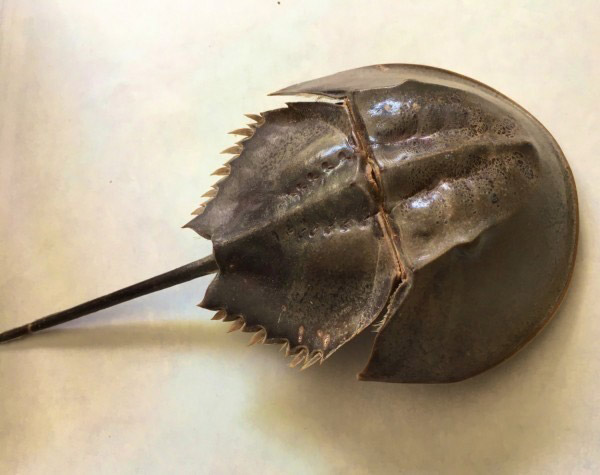
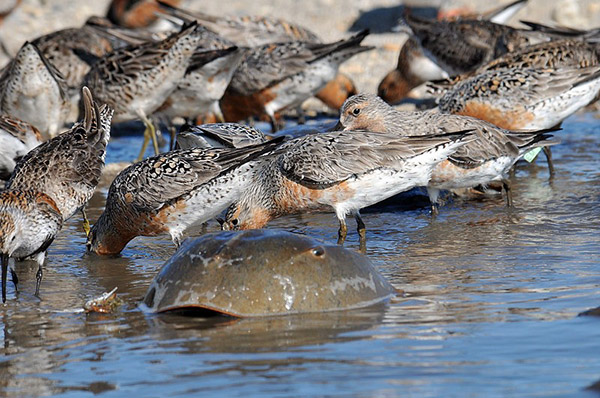
Monday, June 19,2023. The Cape Cod Museum of Natural History had a special program on the Horseshoe Crab. Lots of interesting information, a large variety of hard shells that are shed as the Horseshoe Crab grows were on display and live Horseshoe Crabs were at the museum. Despite their common name, horseshoe crabs are not really crabs (crustaceans), but are more closely related to spiders and scorpions. Fossil evidence confirms horseshoe crabs have been on earth for at least 445 million years, over 200 million years BEFORE dinosaurs. Horseshoe crabs went on to survive the extinction event that wiped dinosaurs from the planet 66 million years ago. As a keystone species, horseshoe crabs play a crucial role in maintaining the health of coastal ecosystems. There was also a special screening of a 2008 film, Crash: A Tale of Two Species.. (PBS NOVA). The film maker, Allison Argo, presented the film and later answered questions. Each year a small shorebird, the Red Knot, must make a 10,000-mile journey from the southern tip of South America to its nesting grounds in the Arctic – one of the longest migrations on earth. This pocket-sized long distance traveler times its migration precisely to coincide with the annual spawning of one of earth's most ancient creatures: the horseshoe crab. It's horseshoe crab eggs on the Delaware Bay that fuel the little bird’s epic journey to the Arctic. In the 1990s the fishing industry discovered that horseshoe crabs make good bait for eel and conch. As these industries boomed, horseshoe crabs were collected by the truckload...and red knot numbers started to crash. Thousands of endangered red knots stop in Delaware Bay to bulk up to prepare for the remainder of their migration. How much weight they gain is the difference between a successful brood or a total reproductive bust. | |
|
The story of the red knot and the horseshoe crab is a living example of how every species is interconnected – each one important, no matter how big or small. As the fate of two extraordinary creatures teeters on the edge, humankind must grapple with the economics and politics of extinction. The film was great.
Many other activities today. The museum collects eggs and grows them. You are able see each of the growth stages. After a few years the juvenile horseshoe crabs are released back into Cape Cod Bay. There are 4 different species of Horseshoe Crabs. The 3 species in Asia (Japan, China and India) are endangered. The 4th species ranges from Southern Maine to the Yucatán peninsula. Delaware Bay is the center of the population. In Massachusetts more steps are needed to protect the Horseshoe Crab.
Scientists at Mass Audubon’s Wellfleet Bay Wildlife Sanctuary have conducted annual surveys of horseshoe crabs for more than two decades. In recent years, they have found chronically depleted populations with highly skewed male-female ratios. Two irresponsible harvesting practices drive this frightening trend. First, commercial fishermen harvest more than 100,000 crabs each year to use as bait for whelk—a species that is already overfished in Massachusetts. Harvesting one depleted species to use as bait for another is the height of irresponsible overfishing. Mass Audubon calls for an end to this practice.
Biomedical industry practices add to the pressure from commercial bait fishing. By bleeding horseshoe crabs for a compound found in their blood to test drug purity, biomedical companies make millions by testing pharmaceutical products for bacteria. The industry claims this practice is humane, but studies have shown that up to 30% of crabs die after being bled.
Developing effective synthetic alternatives to the compound extracted from horseshoe crabs will be part of the solution to the problems created by biomedical harvests. In the meantime, however, the bleeding industry must be carefully regulated.
Recognizing the threats to horseshoe crabs, other states like Connecticut, Delaware, Maryland, New Jersey, and South Carolina have committed to strict regulations on harvesting female crabs or harvesting at all during the spawning season. These strong protections elsewhere on the Atlantic Coast are driving more harvesters to Massachusetts, making it even more crucial that we do our part in protecting this ancient species.
| |
4. MAUI WILDFIRE UPDATE: 'Ohana, Community and Family | |
Thank you, Flockers, for your prayers for the Maui communities. The people are already rebuilding and working together as one 'Ohana family. | |
ʻOhana Meaning and its Importance in Hawaii | |
|
You may recognize the word ʻohana from popular culture, such as the movie “Lilo and Stitch.” The characters in this animated children’s film repeatedly state that “ʻohana means family, and family means nobody gets left behind or forgotten.”
While this message may be very comforting on its own, ʻohana also comes with a deeper meaning in Native Hawaiian culture, an indigenous island culture with close ties to other Polynesian groups across the Pacific, including the Maori of New Zealand, Samoans, and Tongans.
If you are visiting Hawaii, you’ll find it helpful to learn as much as possible about the native culture of the islands that only became the 50th state in the United States as recently as 1959. Rather than being a relic of the past, this native Polynesian culture continues to thrive in today’s Hawaii.
| |
'Top Chef' star still feeding Lahaina community after losing restaurant | |
This is the true meaning of 'Ohana | |
|
Maui Humane Society is treating animals burned by the wildfires that torched parts of Maui last week.
Courtesy Maui Humane Society
| |
Over 130 shelter pets just boarded an emergency flight from Maui | |
From: Today, By: Jen Reeder, August 18, 2023 | |
|
An airplane just left Maui carrying very special passengers: 136 shelter dogs and cats.
The pets were being cared for by Maui Humane Society when wildfires erupted on the Hawaiian island last week and devastated the historic town of Lahaina. The island’s only open-admission animal shelter was full, so the team had put out a call for “SOS” fosters and reduced adoption fees as part of the national Clear the Shelters campaign.
| |
5. DISASTER PREPAREDNESS: Have a Plan for Natural Disasters | |
It is important to have a plan for dealing with natural disasters. The link below from the American Red Cross has all of the resources you will need to put a plan in place. They include easy to follow templates and practices to follow to keep you and your fanily safe in any type of natural disaster. | |
Disaster Preparedness from The American Red Cross | |
|
Make a Plan
Create and practice an emergency plan so your family will know what to do in a crisis.
Create Your Emergency Plan in Just 3 Steps
| | |
|
With your family or household members, discuss how to prepare and respond to the types of emergencies that are most likely to happen where you live, learn, work and play. | | |
|
Identify responsibilities for each member of your household and how you will work together as a team. | | |
|
Practice as many elements of your plan as possible. | |
6. SEVERE WEATHER: Hurricanes, Cyclones, and Typhoons | |
We have seen our fair share of severe weather this summer. Currently there are tropical storms threatening both the east and west coasts of the US. I remember my first hurricane experience and my first threat of possible tornados forming... very scary for me. We had candles, kerosine lamps and batteries. We locked the windows an brought the pets inside. My grandmother had a favorite canary, his cage was the first to come in from the porch. | |
Hurricanes, Cyclones, and Typhoons Explained
These giant, dangerous storms often cause substantial destruction.
| |
|
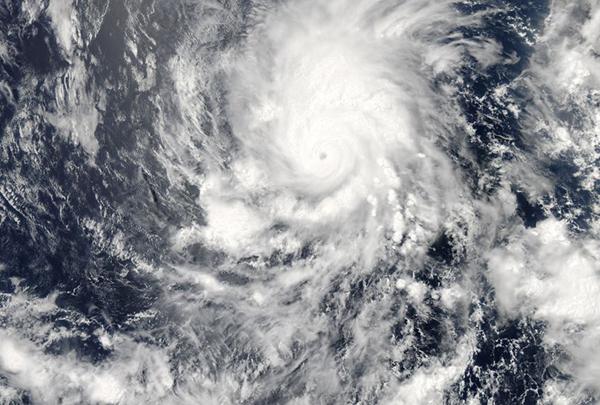
Centuries ago European explorers learned the indigenous word hurakan, signifying evil spirits and weather gods, to describe the storms that battered their ships in the Caribbean. Today, "hurricane" is one of three names for giant, spiraling tropical storms with winds of at least 119 kilometers (74 miles) an hour.
Called hurricanes when they develop over the North Atlantic, central North Pacific, and eastern North Pacific, these rotating storms are known as cyclones when they form over the South Pacific and Indian Ocean, and typhoons when they develop in the Northwest Pacific.
Whatever the moniker, tropical cyclones can annihilate coastal areas and cause massive death tolls. Rated on the five-point Saffir-Simpson scale based on wind speed, hurricanes are considered major when they reach category 3. A category 5 storm can deliver wind speeds of more than 253 kilometers (157 miles) an hour.
| |
Preparing for a Hurricane or Other Tropical Storm | |
|
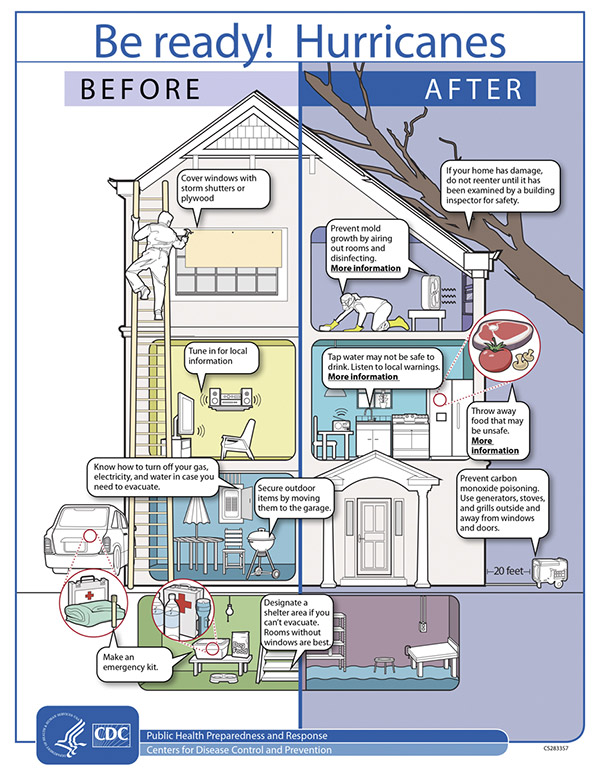
Make a Plan.
Hurricane season starts on May 15 in the north Pacific and June 1 in the Atlantic and the Caribbean. It ends on November 30. Before hurricane season each year, make sure you and your family are prepared by planning ahead.
- Write down emergency phone numbers and keep them on the refrigerator or near every phone in your house. Program them into your cell phone too.
- Prepare an emergency supply kit.
- Locate the nearest shelter and different routes you can take to get there from your home. If shelter locations in your area have not been identified, learn how to find them in the event of a storm.
- Pet owners: Pre-identify shelters, a pet-friendly hotel, or an out-of-town friend or relative where you can take your pets in an evacuation. Local animal shelters may be able to offer advice on what to do with your pets if you are asked to evacuate your home.
| |
7. THE HEAVENS: August's Moons | |
This month started with a Sturgeon supermoon on August 1st. The month will end with another supermoon on August 30th, a Blue Moon, the rare occurrence of having two full moons in one month. | |
Summer wraps up with largest supermoon of 2023, a 'Blue Moon' to add | |
From: mrt, By: Robin Bradshaw, August 22, 2023 | |
|
As summer wraps up, the end of August will set the night sky with the largest supermoon for 2023. Not only is this lunar event the closest moon to Earth this year she also takes the name as a Blue Moon, which occurs only every two to three years.Hence the phrase "once in a blue moon."
There are two definitions of blue moons. The more common definition is when two full moons, such as this month's blue moon, occur in the same month. The second definition of a blue moon relates to having an extra full moon during a season.
When a season has four full moons, the third full moon is also called a blue moon or a seasonal blue moon.
| |
8. KID'S/EDUCATOR'S CORNER: Lego Braille Bricks | |
From Lego's educational material for braille bricks | |
Lego to sell its braille bricks in stores | |
From: boingboing, By: Rob Beschizza, August 24, 2023 | |
Since it started developing the braille brick system, Lego hasn't been able to move without stepping on a request to make them available to consumers. | |
9. BOOK CORNER: The Chronicles of Narnia by C.S. Lewis | |
|
In this week's Book Corner, we are starting a new series where we will feature titles from The Chronicles of Narnia series by author C.S. Lewis each week. We will be presenting two titles each week in the order of their publication. Many people prefer to read them in this order, but some prefer to read them in their chronological order instead. More on that here. C.S. Lewis himself once said, "perhaps it does not matter very much in which order anyone reads them."
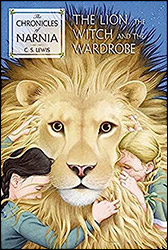
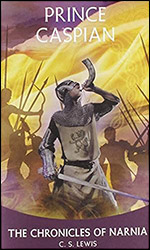
When I was teaching third grade in NYC, The Lion, the Witch and the Wardrobe was always a class favorite. Next in line was Prince Caspian. Don't hesitate to share these tales with your friends, adults too. I recommend family reading nights for all ages. It's a great family activity.
| |
|
The Lion, the Witch and the Wardrobe
By C. S. Lewis
Illustrated by Pauline Baynes
| |
The Lion, the Witch and the Wardrobe is a portal fantasy novel for children by C. S. Lewis, published by Geoffrey Bles in 1950. It is the first published and best known of seven novels in The Chronicles of Narnia. Among all the author's books, it is also the most widely held in libraries. | |
|
Prince Caspian
By C.S. Lewis
Illustrated by Pauline Baynes
| |
The Pevensie siblings travel back to Narnia to help a prince denied his rightful throne as he gathers an army in a desperate attempt to rid his land of a false king. But in the end, it is a battle of honor between two men alone that will decide the fate of an entire world. | |
10. WELLNESS: Free Healthy Recipes at Your Supermarket | |
|
I recently ran into a free quarterly publication featuring healthy recipes, Optimum Wellness, while shopping at a King Soopers in Colorado. It tuns out that this is a sister publication to Live Naturally, another quarterly magazine published and distributed by Kroger stores. Given the recent consolidation of supermarket chains around the country, you might want to keep an eye out for these publications at your local grocery.
You can also view current and past issues of both publications online.
| |
11. PET'S CORNER: Catching up with Zeus, aka Baby Truffle, & Fern | |
|
Zeus: he's got his forever home under his thumb.
Good job Zeus!
| |
Zeus out for an evening walk with dad. | |
Princess Fern relaxing on her favorite chair. | |
Don't Be Shy: Share Your Stories! | |
I'm looking forward to sharing more of your personal stories - oral, written, or otherwise, as we enter our second year. I'd so love to present them to The Flock, hit a mailbox below to share your story. | |
Subscriptions & Past Issues | |
Feel free to forward this email to a friend. If this was forwarded to you and you would like to receive your very own Flock Newsletter, you can sign up here. If you have any questions or suggestions for future flock resources, don't hesitate to contact me.
Your fan and friend,
Beth
| | |
The information and materials contained or referenced in this newsletter are for informational purposes only and not intended to be a substitute for professional medical advice, diagnosis, or treatment. Always consult a physician or other qualified medical professional with any questions you may have regarding a medical condition or treatment and before beginning a new health care regimen. Do not disregard professional medical advice or delay seeking medical advice or care based on anything contained in this newsletter. | | | | |