REACHING HIGH: Going back in recent time | |
I remember it well, the news with the photos of families retreating, no one was really ready. let's beware, we never know nature... How she surprises us. | |
|
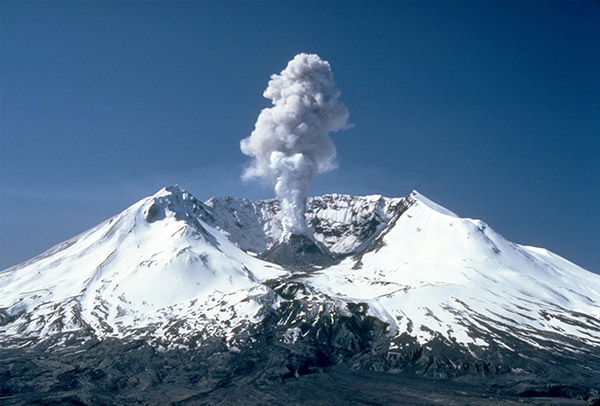
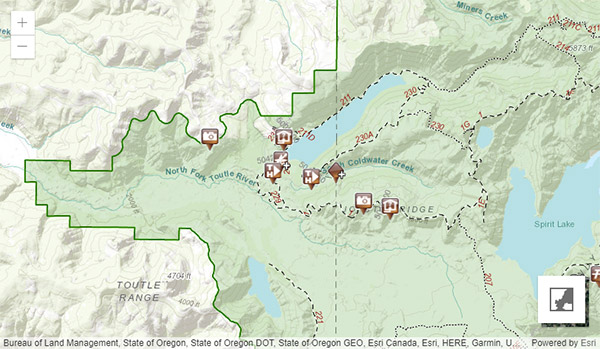
At 8:32 Sunday morning, May 18, 1980, Mount St. Helens erupted, shaken by an earthquake measuring 5.1 on the Richter scale, the north face of this tall symmetrical mountain collapsed in a massive rock debris avalanche. In a few moments this slab of rock and ice slammed into Spirit Lake, crossed a ridge 1,300 feet high, and roared 14 miles down the Toutle River.
The avalanche rapidly released pressurized gases within the volcano. A tremendous lateral explosion ripped through the avalanche and developed into a turbulent, stone-filled wind that swept over ridges and toppled trees. Nearly 150 square miles of forest was blown over or left dead and standing.
| |
At the same time a mushroom-shaped column of ash rose thousands of feet skyward and drifted downwind, turning day into night as dark, gray ash fell over eastern Washington and beyond. Wet, cement-like slurries of rock and mud scoured all sides of the volcano. Searing flows of pumice poured from the crater. The eruption lasted 9 hours, but Mount St. Helens and the surrounding landscape were dramatically changed within moments. | |
A vast, gray landscape lay where once the forested slopes of Mount St. Helens grew. In 1982 the President and Congress created the 110,000-acre National Volcanic Monument for research, recreation, and education. Inside the Monument, the environment is left to respond naturally to the disturbance. | |
WELLNESS: Beyond the Eruptions | |
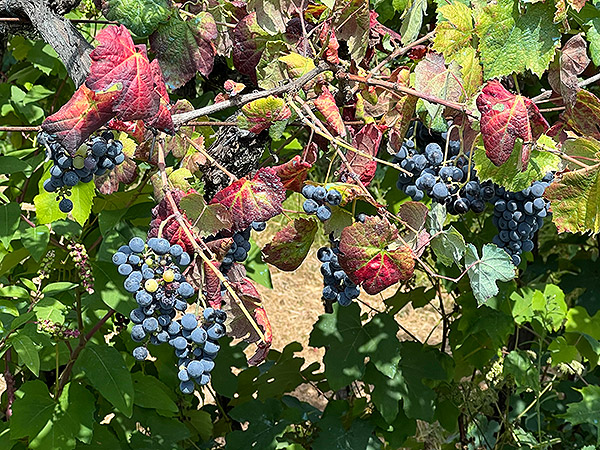
What happens when volcanic debris decomposes? It makes way for rich soil that supports the growth of vitamin rich produce: coffee, sugar cane, macadamia nuts, pineapples, bananas, avocados, lycées, apples, mangoes, poi, passion fruit, cacao trees, and more. One needs only to walk outside. Those living by the volcanic island shores need only to drop a fishing line or net into island bays or head out to sea for salmon, tuna, sea bass, flounder, and more. The cooler upper elevations support passion fruits, guava trees, and much more where small tropical birds such as parrots and parakeets play. It's also a good place to spot hard working worms, bugs, and beetles. All under your feet or in eye level view. | |
Why Do Some Producers Grow Coffee Near Active Volcanoes? | |
|
Across the world, volcanic soil is commonly viewed as being “more fertile” for growing crops, including coffee. But why is this?
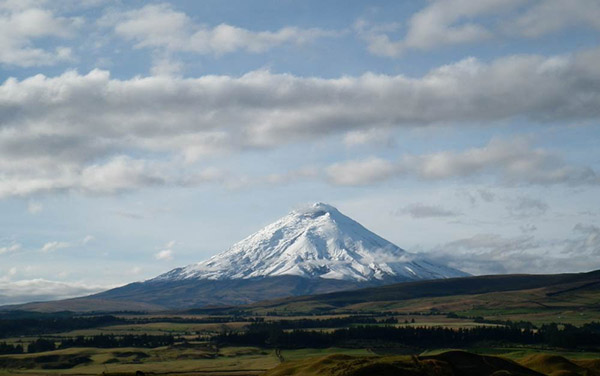
Around the world, more than 800 million people – almost 10% of the world’s population – live within 100 kilometres of the world’s 1,431 active volcanoes. While they have immense destructive power, active volcanoes also attract millions of tourists every year, and provide geothermal energy that can be harnessed to support local communities. Furthermore, volcanic material produced during eruptions can mix with the surrounding land to produce some of the world’s most fertile crop-growing soils.
Coffee plants, in particular, thrive in volcanic soil, which is characterised by a set of physical, chemical, and mineral properties that make it agriculturally superior to other soil types. However, the soil is only one part of the story; volcanic environments also provide other conditions for growing some of the world’s tastiest coffee.
Andisols: The Power of Volcanic Soil
The majority of volcanic soils are formed by “tephra”. Tephra is a mixture of volcanic particles (ash) and rocky fragments that are ejected from a volcano during an eruption, and then fall to the ground. Over time, tephra breaks down to produce what we call volcanic soil.
Most volcanic soils are known as Andisols or Andosols, which comes from the Japanese words anshokudo and ando, meaning “dark coloured soil”. Andisols are light and fluffy; they contain high proportions of silicate glass and have a tendency to accumulate organic matter.
| |
WELLNESS: Passion Fruit & Guyabano | |
|
What are the health benefits of passion fruit?
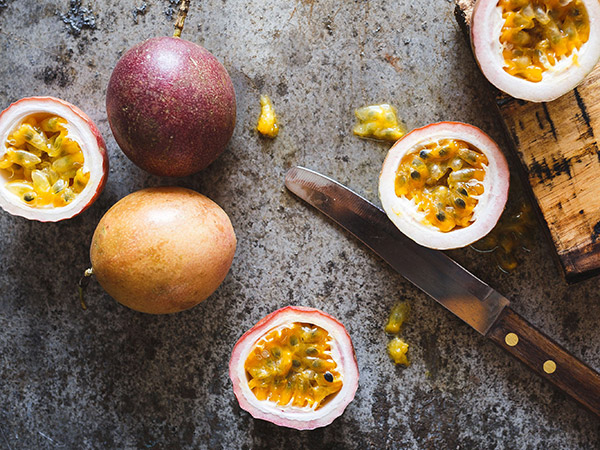
Passion fruit is an exotic purple fruit with a healthful nutritional profile and a range of health benefits.
| |
|
Passion fruit is a flowering tropical vine, known as Passiflora, that grows in warm climates such as South America, Australia, South Africa, and India.
A common species of passion fruit is passiflora edulis, but there are different species and it may sometimes be referred to as granadilla.
Passion fruit contains a soft pulp and lots of seeds inside a hard rind. People can eat the seeds and pulp, juice them, or add them to other juices.
Passion fruit has recently gained a lot of attention because it is a source of powerful antioxidants and may also have other health benefits.
This article looks at the nutritional profile and possible health benefits of passion fruit.
| |
|
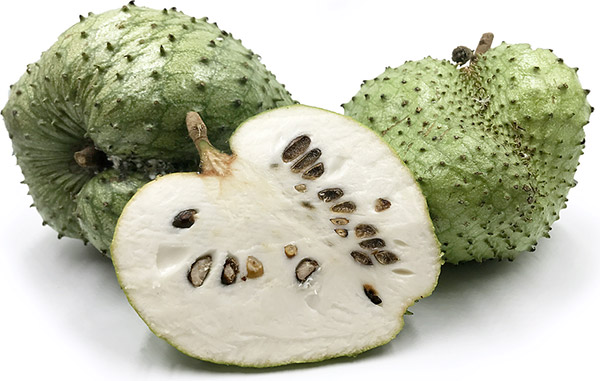
10 Health Benefits of Guyabano
Guyabano is highly rich in Vitamin C, Vitamin B6, Iron, Magnesium and Dietary Fiber. Health benefits of Guyabano includes strengthening immunity, prevents cancer, lower cholesterol level and Guyabano also good for Digestive health.
| |
|
Guyabano is a delicious fruit also known as Soursop cultivated in many regions throughout the world with numerous health advantages. The scientific name of Guyabano is Annona muricata. It belongs to the family Annonaceae. It is believed that this delicious fruit is native to the tropical regions of the Americas, but now it is also cultivated widely all over the world, such as Mexico, Colombia, Brazil, Peru, and Venezuela for domestic and commercial purpose.
Due to various types of Vitamin, Minerals and nutrients, present in the Guyabano it has lots of health benefits. Among that some of the health benefits of Guyabano include lowering cholesterol level, prevents Urinary Tract Infection, good for our skin health, improve sleep duration, contain antibacterial and antiviral properties, boost immune system, helps in weight loss, relief from leg cramps, improve cardiovascular health, prevent various types of cancer, prevent skin infection, improve digestive health, improve bone density, prevent various types of infection, improves brain function, prevent the risk of diabetes and detoxify the body.
| |
HAVING FUN: Kid's & Educator's Corner: The Pogo Stick | |
The pogo stick remained essentially unchanged for 80 years. Recently, three inventors have created powerful new gravity-defying machines that can leap over (small) buildings in a single bound. Illustration by Martin Ansin | |
Last week we took a look at the Hula Hoop, this week we're looking at a new take on the Pogo Stick. | |
|
How the Pogo Stick Leapt From Classic Toy to Extreme Sport
Three lone inventors took the gadget that had changed little since it was invented more than 80 years ago and transformed it into a gnarly, big air machine
| |
|
The pogo stick may never upend the wheel as a means of locomotion. But as inventions go, they share something: Once built, there wasn’t a whole lot anyone could seem to do to improve the basic design. In the more than eight decades since a Russian immigrant named George B. Hansburg introduced the pogo stick to America, the device had scarcely changed: a homely stilt with foot pegs and a steel coil spring that bopped riders a few inches off the ground. And bopped. And bopped. And bopped. Some kids fell off so many times they gave up, tossing the pogo next to the dinged hula hoops and unicycle deep in the garage. Others just outgrew it, gaining enough weight as teenagers to snap the stick or snuff the spring.
But not long ago, three inventors—toiling at home, unaware of one another’s existence—set out to reimagine the pogo. What was so sacred about that ungainly steel coil? they wondered. Why couldn’t you make a pogo stick brawny enough for a 250-pound adult? And why not vault riders a few feet, instead of measly inches? If athletes were pulling “big air” on skateboards, snowboards and BMX bikes, why couldn’t the pogo stick be just as, well, gnarly?
| |
PERFORMING ARTS: Budapest Opera | |
Here I am in the middle of Budapest headed to the opera house. This is where I'm hoping to go on Thursday for a dressed rehearsal of 'Les Contes D'Hoffmann', which I'll report back on later. The unfinished opera was the final work of the composer Jacques Offenbach and departs from his characteristic style of hilariously satirical operettas for a darker romantic theme accented with humor. | |
What makes the stories of E. T. A. Hoffmann so memorable is the spectacular combination of an unbridled imagination and actual social situations. In his unfinished final work, Offenbach departs from the style of his hilariously satirical operettas, which are full of the witty and mocking social criticism of his era. Naturally, this work is not devoid of humour either, but the poet’s romantic adventures are dominated by dark, sometimes fateful, chromatic nuances. Accompanying Hoffmann throughout his search for the absolute ideal of femininity and bringing him misery are four wicked characters, forcing him to constantly confront death even in his state of amorous intoxication. With these stories constituted of both the real world and a hair-raising imaginary one, the composer leads his listeners into a universe where the border between dreams and reality is easily blurred. | |
PERFORMING ARTS: Arizona Opera | |
|
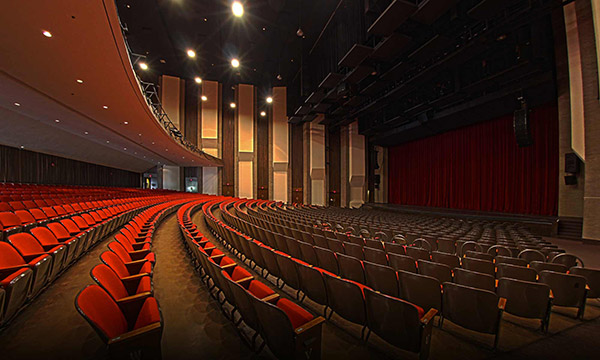
Arizona Opera, originally the Tucson Opera Company, was founded in 1971 by a dedicated group of opera enthusiasts. Its inaugural season featured two performances of Rossini’s The Barber of Seville in Tucson and by the 1976 – 1977 season Arizona Opera was performing complete seasons in both Tucson and Phoenix.
Since its inaugural year, Arizona Opera has produced over 200 fully-staged operas and concerts. The company’s artistic history is rich with a blend of opera’s traditional repertoire featuring baroque, bel canto, and verismo works, turn-of-the-century masterpieces, operettas, and American operas. Arizona Opera has also presented Wagner’s complete Ring Cycle twice, a feat that has only been accomplished in North America by four other companies.
| |
PERFORMING ARTS: Linda Collazo update. | |
Catching up with our very own rising opera star. For those in the east who might want to attend or follow Linda, her schedule is below. Also, she let me know that she is from the Bronx, not Brooklyn. | |
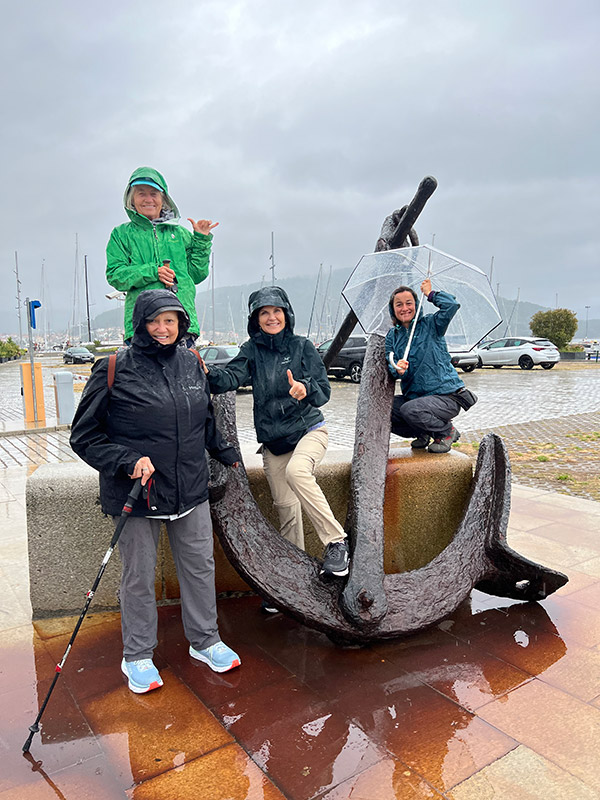
Can you identify this location? Send your guesses to The Flock and we'll let you know if you're correct next week. | |
|
“Failures birth good stories...
I've collected many...
Good tales”
Anonymous
| |
SUBSCRIPTIONS & PAST ISSUES | |
If you have friends that would like to subscribe to The Flock, or if a good friend forwarded this to you and you would like to subscribe, you can do so at the link below. | |
If you have questions related to autoimmunity or other health concerns, and you want my fingers to do the walking for you, don't hesitate to contact me by email or private text at 520-808-3699. | | |
|
Feel free to forward this email to a friend. If this was forwarded to you and you would like to receive your very own Flock Newsletter, you can sign up here. If you have any questions or suggestions for future flock resources, don't hesitate to contact me.
Your fan and friend,
Beth
| | |
The information and materials contained or referenced in this newsletter are for informational purposes only and not intended to be a substitute for professional medical advice, diagnosis, or treatment. Always consult a physician or other qualified medical professional with any questions you may have regarding a medical condition or treatment and before beginning a new health care regimen. Do not disregard professional medical advice or delay seeking medical advice or care based on anything contained in this newsletter. | | | | | |