REMINDER: YOUR SUBMISSIONS ARE ENCOURAGED | | I have had many requests from Flock readers to receive a text link to the newsletter each week, along with the email version. We are working on adding this functionality, but I don't have everyone's cell number to text. If you would like to receive a link to each new Flock by text, please send me your number by using the contact button below, and I'll add you to our text list. Be assured that your number will not be shared. | | |
1. I'm starting this week with some sad news for the triathlon community, with an In Memoriam for Ironman owner Valerie Silk, who passed away last Sunday at the age of 74.
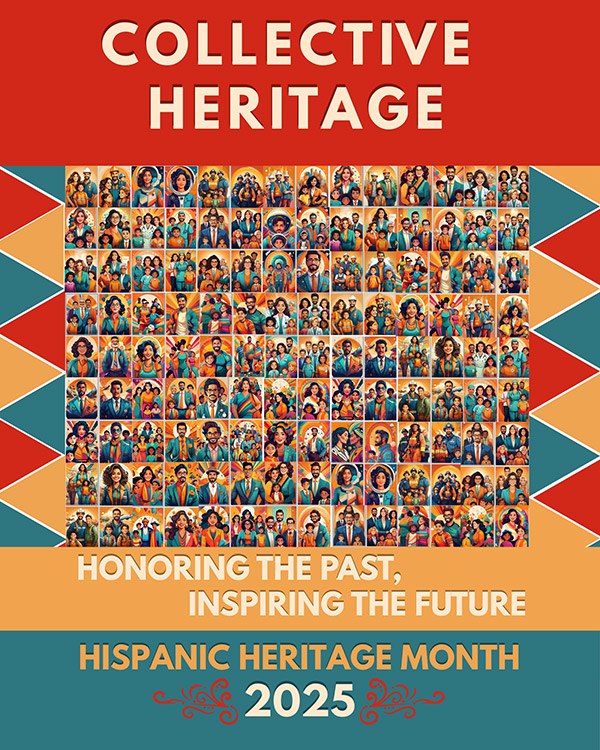
2. Monday is the start of National Hispanic Heritage Month, September 15th - October 15th. I will be covering a different government agency's contribution to the celebration each week during the month.
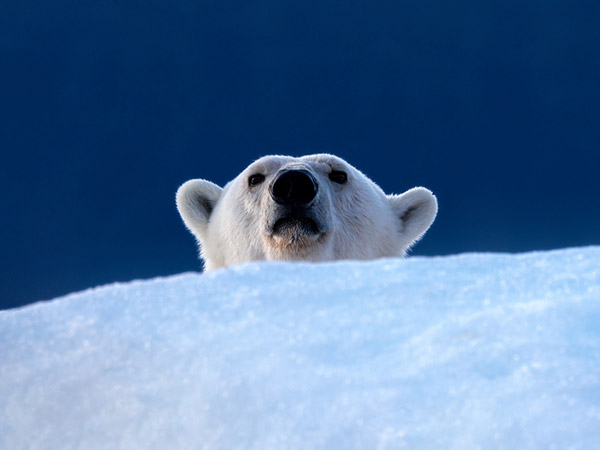
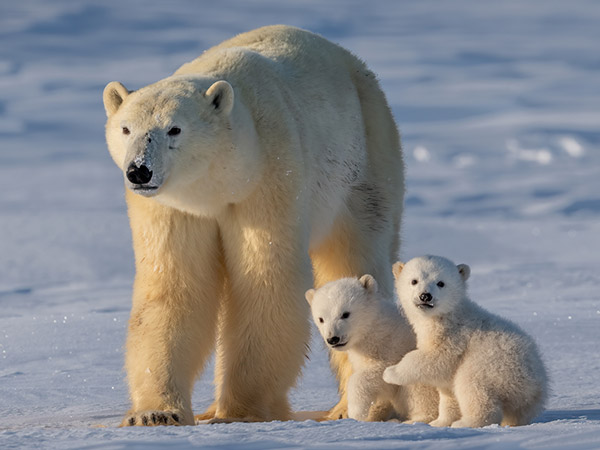
3. I'm dedicating a significant portion of this week's Flock to the apex species of the Arctic, the polar bear. They are certainly a large topic and I will have more to post about them in future issues of the Flock.
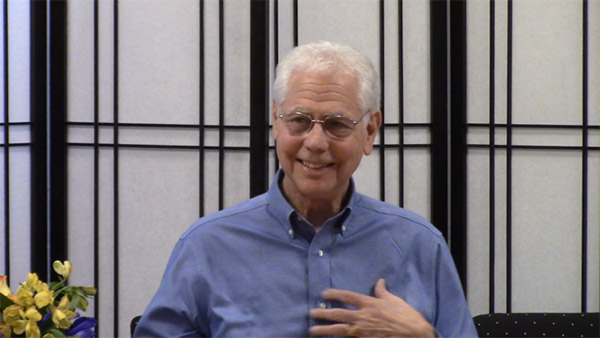
4. I have an update on Dr. Hayward M. Fox, who had a setback that led to another surgery since my last update. I'm happy to share that he is on the mend again and doing great!
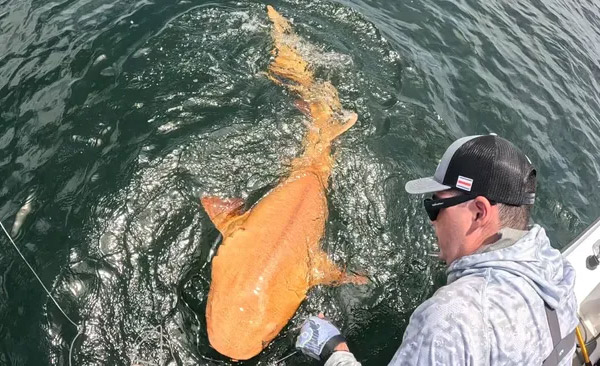
5. In Nature, A bright orange shark with two rare pigment conditions was caught in the Caribbean off the east coast of Costa Rica recently.
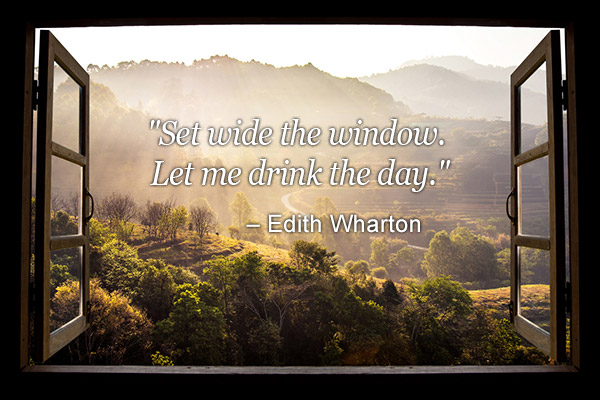
6. A long-time advisor and friend, Annharriet periodically sends me a curated collection of quotes that I always find wisdom and inspiration in. I'm sharing a selection with Flock readers this week.
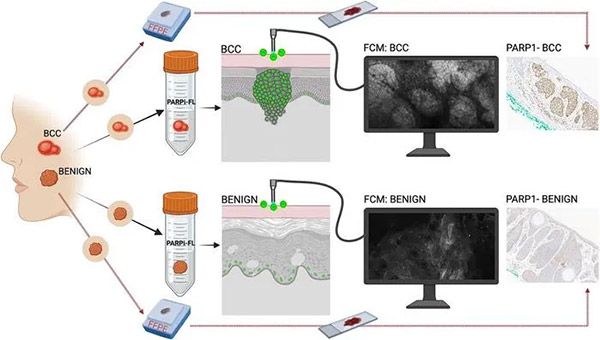
7. In Wellness, I have a new post from Mara G. Aspinall & Liz Ruark's Sensitive & Specific: The Testing Newsletter about a new diagnostic tool for detecting skin cancer.
8. As promised last week, I'm starting a new section called Bindu's Corner to conclude issues of the Flock with inspirational memes, thoughts, poems, and photos from Flock reader and contributor Bindu Shroff.
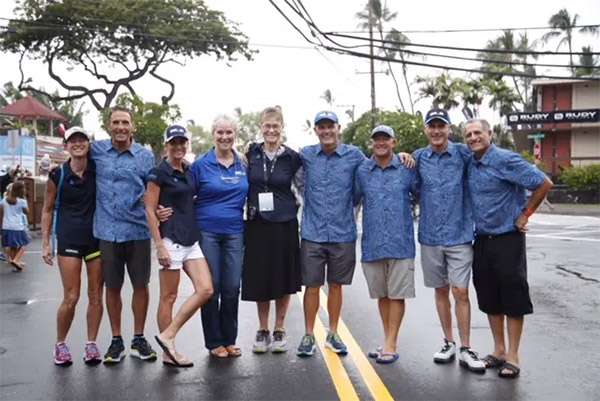
| | Now, to this week's Flock. | | 1. In Memoriam: Valerie Silk | | Valerie Silk, 4th from left, with fellow Ironman Hall of Famers at the 2017 Parade of Nations. photo: Bob Babbitt | | This past Sunday, September 7th, the triathlon community lost a legend when Valerie Silk passed away at the age of 74. In 1979, Ironman founder US Navy Commander John Collins turned over the directorship of the race to Valerie Silk's husband Hank Grundman. Valerie dedicated her exceptional organizational skills to directing the race and in 1981 moved it to its permanent home of Kailua-Kona on the Big Island. Although I didn't personally know Valerie well, she and the Ironman Triathlon she directed were a significant part of my husband Michael's and my athletic lives. I was an age group placer twice, and Michael is an eight-time finisher. Valerie was the one to greet you at the finish line to place a lei around your neck. The Godfather of triathlon, Bob Babbitt, penned the following tribute to Valerie for triathlete.com | |
Valerie Silk, Ironman Owner Who Put Race on Map, Dies at 74
Bob Babbitt remembers the trailblazing former Ironman owner who took a fringe event into the mainstream, forever altering the course of triathlon.
| | |
When Valerie Silk’s husband Hank decided to have their Nautilus Fitness Center sponsor the Ironman Triathlon on the island of Oahu, she thought he was certifiably crazy. In 1978 and 1979 the event only had 15 starters and 12 finishers. Even though the event would now be called the Nautilus Triathlon and the entry numbers had soared to 108 for 1980, who the hell cared about an event that showcased 140.6 miles of swim, bike, and run nonsense?
But Valerie was a quick study, and even though she had no interest in swim, bike, and run, she certainly was great at organization and making things better.
Val took on the Ironman full-time after that 1980 race and made it her own. The first thing she needed to do was to get the event off of Oahu so they could actually block off roads, create aid stations, and eliminate the need for support crews. She moved the event to the Big Island, surrounded herself with people who actually understood the sport, and then proceeded to make the Ironman into one of the best endurance sports properties on the planet.
Val was great because she knew what she didn’t know. When they were first designing the Ironman bike ride for Kona, she thought the Queen Highway was pretty dull and felt that the athletes would enjoy heading south toward the Volcano much more than riding north toward Hawi. People on the island who understood cycling insisted that heading toward the Volcano with tons of climbing and narrow roads would make the 112-mile ride take forever and would be dangerous. Val deferred to the folks who actually spent time riding their bikes and were the experts. She knew that definitely wasn’t her.
Val joined me on Competitor Radio to chat about her career and especially about the February 1982 race
| |
2. National Hispanic Heritage Month 2025
| | National Hispanic Heritage Month is observed yearly between September 15th and October 15th. This year's theme is Collective Heritage: Honoring the Past, Inspiring the Future. During the month, multiple government agencies including The Library of Congress, The National Archives, The National Gallery of Art, The United States Holocaust Memorial Museum, The Smithsonian, The National Park Service, and The National Endowment for the Arts participate in special events and exhibits to commemorate and honor the contributions Hispanic and Latino Americans have made to the American society and culture. I will be posting about one of these contributions each week during Hispanic Heritage Month. | | National Hispanic Heritage Month | | |
Hispanic Heritage Month is a month-long celebration of Hispanic and Latino history and culture. While we celebrate Hispanic and Latino communites beyond this month, from September 15 to October 15 we give extra recognition to the many contributions made to the history and culture of the United States, including important advocacy work, vibrant art, popular and traditional foods, and much more.
Hispanic Heritage Month provides an additional opportunity to explore the incredible impact Latinas and Latinos have had on the United States for generations. The Latino presence in America spans centuries, predating Spain’s colonization of what is now part of the United States, and they have been an integral part of shaping our nation since the Revolutionary War. Through the Treaty of Guadalupe Hidalgo and the Treaty of Paris that followed the Mexican-American and Spanish-American wars, the United States gained territories in the Southwest and Puerto Rico. This incorporated the people of this area into the United States and further expanded the presence of Hispanic Americans.
What is the difference between Hispanic and Latino?
Hispanic and Latino are the two most used terms to describe Americans with Latin American and Caribbean ancestry. You may often see these terms used interchangeably, but different people understand and use these terms differently. The National Museum of the American Latino uses the term “Latino” to describe the diverse residents of the United States with cultural or ancestral ties to Latin America or the Caribbean. For many, the term "Latino" also creates room for acknowledging Black, Indigenous, Asian, and other heritages on equal terms with European ancestry. The term “Hispanic” is used to signal a connection to Spain or the Spanish language.
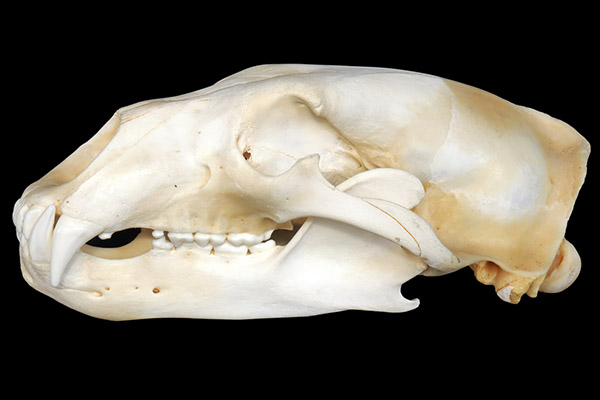
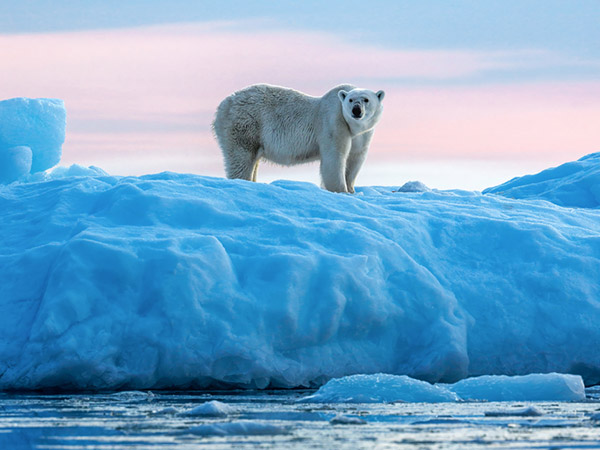
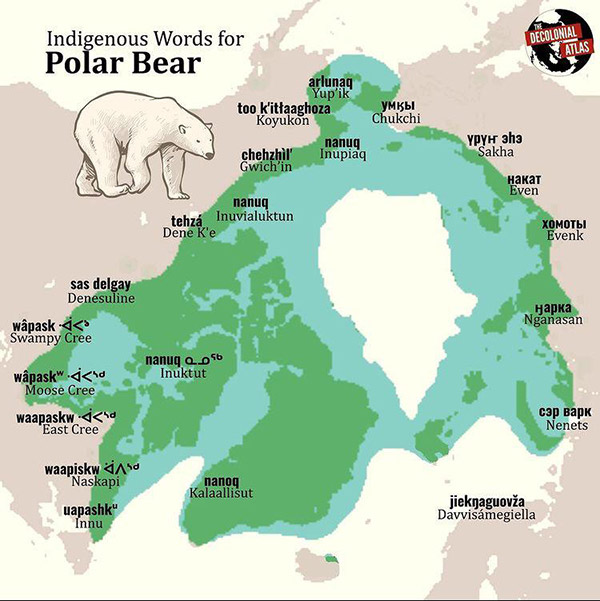
| | 3. Polar Bears of the Arctic | | I have a lot to cover in this, my first installment on polar bears. After seeing a polar bear off the coast of Greenland last month, I've developed a genuine interest in these magnificent animals that are such a dominant presence in the Arctic. Polar bears diverged from brown bears less than 500,000 years ago and developed into their own subspecies as they evolved and adapted to the Arctic environment over the eons. At various times throughout history, particularly during warming periods, polar bears and coastal brown bears interbred, or hybridized, with each other. Today, both species show genetic traces of the other. Polar bears patrol the Arctic land and icepack from Alaska east across northern Canada, Greenland, Norway, and into Russia. Native populations across the Arctic revere the polar bear, with many considering it a partner rather than a competitor in survival. They know the polar bear by many names. | | The Evolution of the Polar Bear | | |
The most recent estimate of when polar bears diverged from brown bears is less than 500,000 years ago, although scientists continue to research this question.
After beginning to branch off, the polar bear's ancestors went through a series of evolutionary changes in order to survive in the Arctic.
How have they adapted?
As time went on and the bears fanned out across the North, they became superbly adapted to a life of hunting seals and surviving extreme cold.
From top to bottom, their bodies are perfectly coordinated with the seasonal shifts in the Arctic. Their fur covers a thick layer of fat, their ears and tails are small to limit heat loss, and their paws allow them to tread on thin ice. You can learn more about polar bear characteristics here. One of the most remarkable adaptations is their ability to thrive on a fat-rich diet without heart damage.
Interestingly, the research shows that after brown bears and polar bears separated, there were periods when they came into contact again.
What’s in a name?
Indigenous people in the North have had their own names for polar bears in many languages and dialects for thousands of years.
Later, the bears acquired names from scientists and explorers, including “polar bear” and their Latin name: Ursus maritimus, or “sea bear.”
| | 100,000-year-old polar bear genome reveals ancient hybridization with brown bears | | |
An analysis of ancient DNA from a 100,000-year-old polar bear has revealed that extensive hybridization between polar bears and brown bears occurred during the last warm interglacial period in the Pleistocene, leaving a surprising amount of polar bear ancestry in the genomes of all living brown bears.
The study, led by scientists at the University of California, Santa Cruz, was published June 16 in Nature Ecology & Evolution. The researchers obtained ancient DNA from the skull of a juvenile polar bear that was found in 2009 on the coast of the Beaufort Sea in Arctic Alaska. Scientists nicknamed the bear ‘Bruno,’ although DNA analysis later showed it to be a female.
The availability of Bruno’s paleogenome has made it possible to detect an ancient admixture event that impacted all living brown bears,” said first author Ming-Shan Wang, a postdoctoral scientist in the UCSC Paleogenomics Lab…
Corresponding author Beth Shapiro, professor of ecology and evolutionary biology at UC Santa Cruz and an investigator at the Howard Hughes Medical Institute, said the team’s genomic analyses show that Bruno belonged to a polar bear population that was ancestral to living polar bears…
As a result of this ancient admixture, polar bear ancestry accounts for as much as 10% of the genomes of brown bears living today. “We never would have seen this without Bruno’s genome, because all living brown bears have that admixture as part of their genomes,” Shapiro said.
Although polar bears and brown bears are distinct species with striking differences in appearance, behavior, and habitats, they are closely related and can readily hybridize when their ranges overlap. Reports of hybrids have increased in recent years as the climate warms and disappearing sea ice forces polar bears onto Arctic coastal areas, while brown bears expand their range northward.
| | Polar bear ancestry traced back to one brown bear from Ireland | | From: Wired, By: Marc Brown, July 7, 2011 | | |
All living polar bears can trace their genetic lineage back to a single, female ancestor -- a brown bear from Ireland, who lived around 20,000 to 50,000 years ago.
Thanks to climate change in the North Atlantic ice sheets around the time of the last ice age, the two types of bears would have periodically overlapped. In Ireland, it appears that they interbred, leading to a hybridisation event that plopped maternal DNA from brown bears into polar bears.
This event probably led to a fixation of the modern polar bear's mitochondrial DNA, where a drastic reduction in genetic variation meant the entire gene pool was flooded with just one form of a particular gene, from just one female bear.
Researchers can figure this out thanks to that oh-so helpful mitochondrial DNA (mtDNA). This is a maternal part of the genome that is -- unlike most of the nuclear DNA -- passed down exclusively from the mother to her offspring. The sperm's tiny cache of mtDNA, on the other hand, is destroyed upon fertilisation.
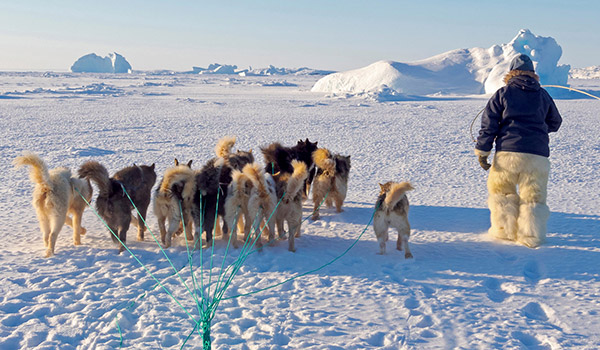
| | In Inuit religion, Nanook, in Inuktut; Nanuq, the polar bear was the master of bears, meaning he decided if hunters deserved success in finding and hunting bears and punished violations of taboos. | | Inuit people model their hunting strategies on the polar bear method of “still hunting.” They sometimes wear trousers made from polar bear fur, ensuring that their contact area with the ice is covered in a low-ice-adhesion material that is also optimal for noise reduction. credit: WWF Natural Habitat Adventures | | The Inuit believed that Nanook, the polar bear, was powerful and mighty, and they thought that he was "almost man." The Inuit hunters would worship this great bear because they believed that he decided if the hunters would be successful. “In the past, the Inuit ate polar bear meat and used the fur to make warm trousers for men and kamiks (soft boots) for women”. Respect was given to Nanook by the hunter hanging the bear's hide in a special section of his igloo, where it would stay for several days. They would also offer the bear's spirit weapons and other hunting tools if it was a male, and needle cases, scrapers (used to scrape the fat off hides) and knives if it was female. “Native people believed that polar bears allowed themselves to be killed in order to obtain the souls of the tools (tatkoit), which they would take with them into the hereafter. Legend says that if a dead polar bear was treated properly by the hunter, it would share the good news with other bears so they would be eager to be killed by him. Bears would stay away from hunters who failed to pay respect.” | | Learn Inuktitut: Polar Bear | CBC Kids | | 4. Dr. Hayward M. Fox Ph.D. Update | | Dr. Fox has been on the mend, but had a set back last week that led to a special surgery. Thanks to the miracles of modern medicine and the positive energy and prayers we all have been sending out for him, he's doing great and on the mend again! Below is the most recent post from Dr. Fox's blog at the Institute for Personal and Transpersonal Knowledge. | |
5. Nature: Orange Shark caught in the Caribbean
| | Nurse sharks are normally yellow to gray-brown, but this one was bright orange. photo credit: Garvin Watson and Parismina Domus Dei. Parismina Limón Bar, Costa Rica. | | This is something I've never seen before: two pigment conditions have caused this normally gray-brown nurse shark to turn orange. | |
Fishers discover first-of-its-kind bright orange shark with two rare conditions in Caribbean
Fishers caught a bright orange shark off Costa Rica that had albinism, alongside the species' first scientifically documented case of an extremely rare condition called xanthism.
| | |
A first-of-its-kind bright orange shark with white eyes has been caught and released in the Caribbean, a new study reveals.
The nurse shark (Ginglymostoma cirratum) had a mysterious condition called xanthism, or xanthochroism, which increases yellow pigmentation in the skin. Researchers have recorded xanthism in several animals, but this is the first definitive case of a nurse shark with the trait. The shark also appears to have albinism, making it even more unusual.
Sports fishers discovered the shark by chance off the east coast of Costa Rica in 2024. Garvin Watson, owner of the Parismina Domus Dei hotel in the village of Parismina, reeled in the shark, which was around 6.6 feet (2 meters) long and swimming 120 feet (37 m) below the surface.
| |
6. Quotes from Annharriet
| | It's been a while since I've posted quotes curated and sent to me by life coach, mindfulness consultant, and motivational speaker Annharriet Buck-Mcleod. May these help you get through the week as much as they help me. | | |
“I believe every day you should have at least one exquisite moment.”
– Audrey Hepburn
| | |
“Happiness shared is happiness doubled.”
– Swedish Proverb
| |
“I have chosen to be happy because it is good for my health.”
– Voltaire
| | |
“Nothing in the world is as contagious as laughter and good humor.”
– Charles Dickens
| |
“Happiness is the spiritual experience of living every minute with love,
grace and gratitude.”
– Denis Waitley
| |
7. Wellness: Sensitive & Specific Newsletter
| | It's been a while since I posted an article from Sensitive and Specific: The Testing Newsletter. I'm always so impressed by how Mara and Liz can explain complex testing techniques with a succinct clarity that makes them understandable to curious minds outside of the medical profession. In this article, they describe a new optical biopsy technique that does not require breaking the skin to diagnose basal cell skin cancer. Stay up on the latest testing methods in medicine by subscribing. | | Optical biopsy: a new standard for skin cancer? | | |
Skin cancer is the most common type of cancer there is, and basal cell carcinoma (BCC) is the most common type of skin cancer. Diagnosis requires a biopsy - for now. A new technique - something we’re calling an optical biopsy - may change that.
In an optical biopsy, clinicians apply a fluorescent contrast agent called PARPi-FL to the questionable area of skin and leave it there for two to five minutes. The contrast agent penetrates the skin, where cancerous cells take it up but normal cells don’t. Clinicians can then examine the skin with a fluorescent confocal microscope. If BCC is present, they can see it - all without breaking the skin. The technique has passed its early tests, but still needs to go through clinical trials in humans before it hits the clinic.
| Source: Manu Jain and Ashish Dhir, Memorial Sloan Kettering Center, NYC, USA | | 8. Bindu's Corner: First Post | | Welcome to the Flock's newest regular feature, Bindu's Corner, where my special spiritual friend Bindu Shroff will regularly share affirming and inspirational memes, thoughts, poems, and pictures. Bindu is the mother of two Flock regulars, Dr. Puneet Shroff ( dad to Eskie Zeus), and Dr. Divya Shroff, mother of Flock Friends Janaki & Nithya. Bindu travels between India, Tucson, Nashville, and Australia to keep in touch with family. I greatly look forward to what she shares with us here in this space. | | These Flock regulars are always here for you: | | Don't Be Shy: Share Your Stories! | | I'm looking forward to sharing more of your personal stories - oral, written, or otherwise, as we enter our third year. I'd so love to present them to The Flock, hit a mailbox below to share your story. | | Subscriptions & Idea Submissions
Reminder: Your submissions are always welcomed. | | |
Feel free to forward this email to a friend. If this was forwarded to you and you would like to receive your very own Flock Newsletter, you can sign up here. If you have any questions or suggestions for future Flock resources, don't hesitate to contact me.
Your fan and friend,
Beth
| | | The information and materials contained or referenced in this newsletter are for informational purposes only and not intended to be a substitute for professional medical advice, diagnosis, or treatment. Always consult a physician or other qualified medical professional with any questions you may have regarding a medical condition or treatment and before beginning a new health care regimen. Do not disregard professional medical advice or delay seeking medical advice or care based on anything contained in this newsletter. | | | | |