REMINDER: YOUR SUBMISSIONS ARE ENCOURAGED | | |
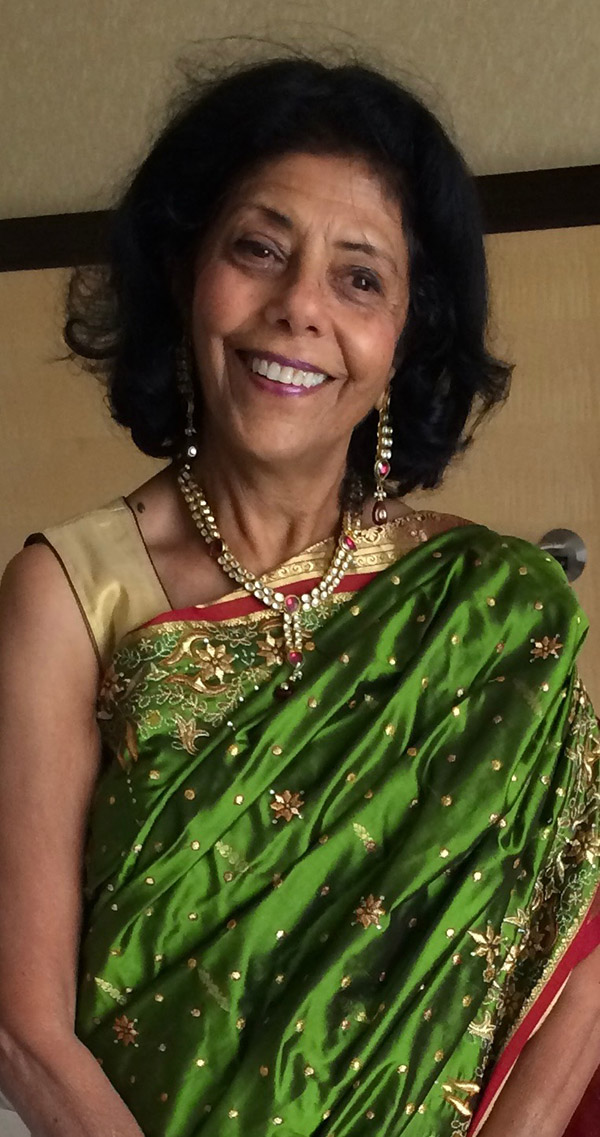
1. Bindu's Corner: Bindu starts us off this week with four states of the meditative mind leading to inner happiness.
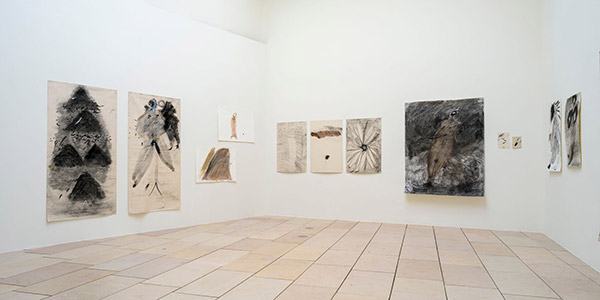
2. Museums: I have a follow up to last week's post about my visit to the Fondation Luis Vuitton and a second exhibit I happened into at the museum.
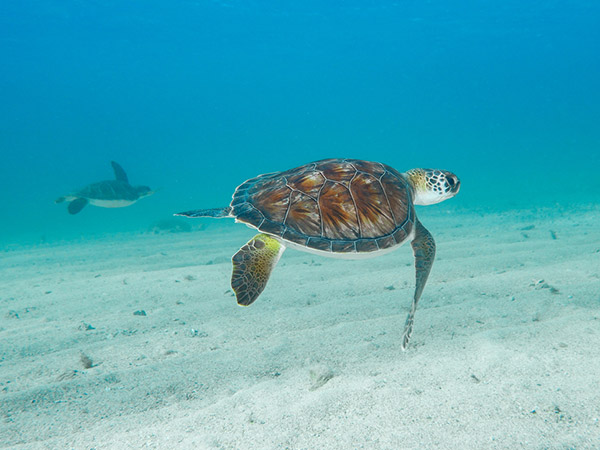
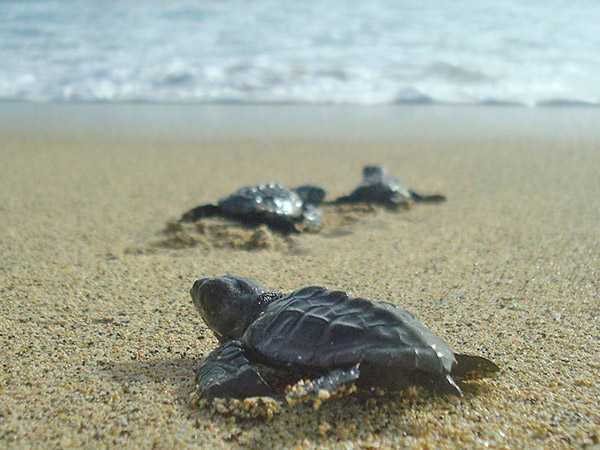
3. Conservation: A long-term conservation and research project has led to a dramatic recovery of the loggerhead sea turtle population in the Cabo Verde archipelago off the west coast of Africa.
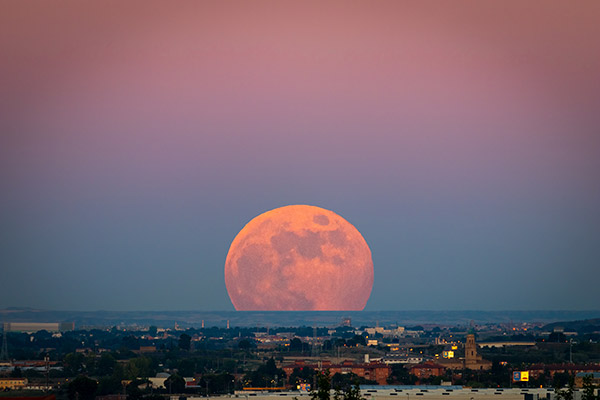
4. The Heavens: As the summer solstice has passed, the days are gradually getting shorter, and this Monday evening, the Strawberry Moon is on the rise.
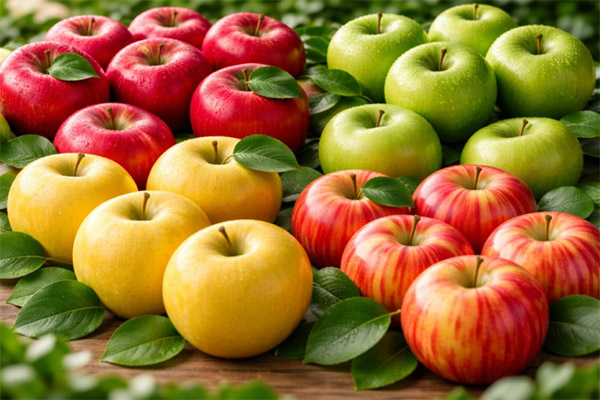
5.Nutrition: While all apples are healthy, there are nutritional differences between red, yellow, and green varieties.
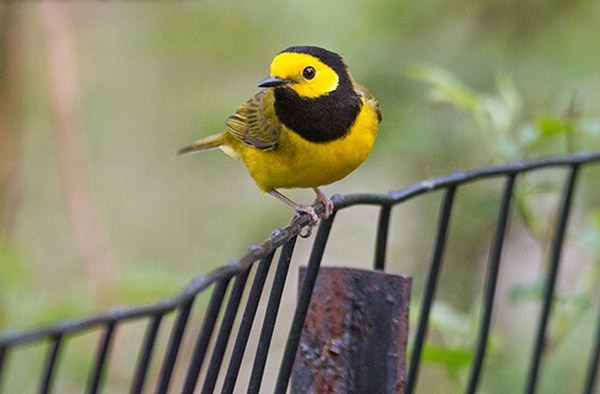
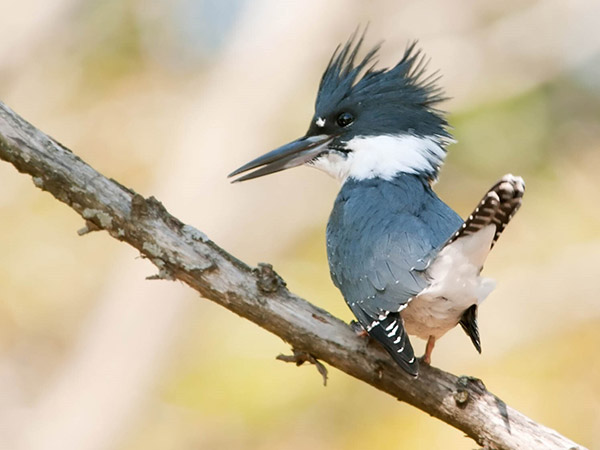
6. Birds: I have a big section on birding and birdwatching, including my own recent bird sighting in Tucson, an explanation of the difference between birdwatching and birding, the mental health benefits of birdwatching, and guides to birds of Central Park.
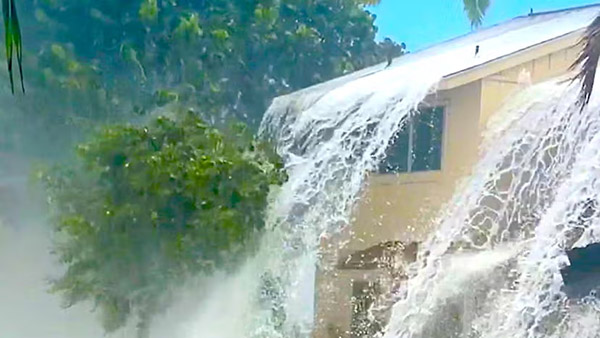
7. Weather: The high-surf conditions from Southern Ocean and South Pacific storms that all of the Hawaiian islands were warned about last week arrived over the weekend and battered the Keauhou-Kona Surf and Racquet Condominium complex on the Big Island.
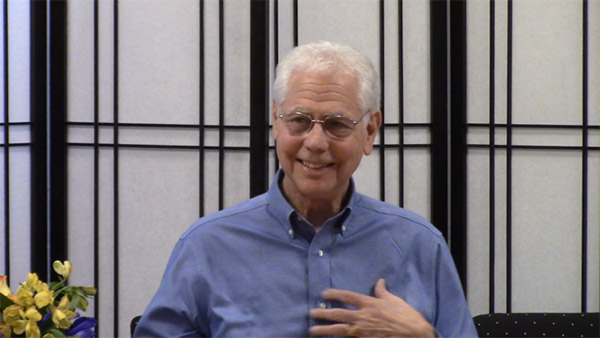
8. Hayward M. Fox, Ph.D.: This issue began with thoughts on meditation and finding inner happiness, and I would like to conclude it by recommending one of Dr. Fox's guided meditations.
| | Now, to this week's Flock. | | 1. Bindu's Corner: Inner Happiness | | Thank you, Bindu, for sharing these milestones on the path to enlightened consciousness. | | |
So many factors contribute to our happiness and general state of mind but given the fickleness of the external world, inner happiness is our only reliable source for a steady path through life.
-
From Ordinary Mind to Dharana: The normal state of mind flitters from one disorderly thought to another. In Dharana, the prelude to the meditative state, we gradually achieve one-pointedness and the first awakening of true knowledge about ourselves and the whole of existence.
-
Dhyana - Meditation: “I'm going to sit for meditation,” we tell ourselves, but what we're really doing is struggling to concentrate the mind. Reaching a state of meditation is quite rare. It's only when the mind succeeds in concentrating on an object unwaveringly that we enter meditation - an intensely peaceful state of being.
-
Samadhi: Rarer still than meditation is the superconscious state of Samadhi. In Samadhi, there is no 'distinction between meditator, meditation and the object of meditation - no awareness of the body or the external world. Sri Ramakrishna would frequently enter the state of Samadhi. A scientist devotee was stunned to see this and found Sri Ramakrishna's breathing had stopped, with no pulse or response when touching Sri Ramakrishna's eyeball, only to find him emerging soon, peaceful and full of wisdom.
-
Expanded Awareness: Without an expanded awareness, we remain conditioned to miserable joys and try to somehow extract joy from others. We can go into depression that way. If our mind is in the right state, we do not even need an object to give us joy.
| |
2. Museums: Fondation Luis Vuitton, Part 2
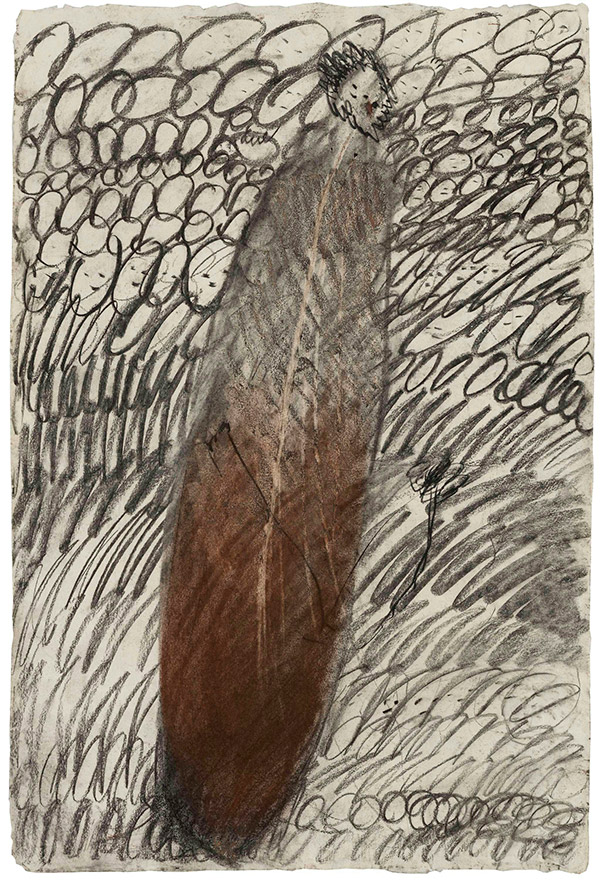
| | Last week I posted about the Alexander Calder exhibit at the Fondation Luis Vuitton. After strolling through that massive, multi-floor retrospective, I happened on the museum's small Open Space exhibit hall. The Open Space program aims to bring diversity to the museum by showcasing the work of individual international artist. During my visit, the program featured the drawings of Bordeaux-based Iranian artist Armineh Negahdari. | | Open Space #18 Armineh Negahdari | |
“What color is your sky today?”
As part of the Open Space program, the Fondation Louis Vuitton presents Armineh Negahdari’s (b. 1994, Iran) first solo exhibition in a French institution, on view in Gallery 8.
A graduate of the University of Tehran and the École Supérieure d’Art de Clermont-Ferrand, she is now based in Bordeaux, where she has developed a practice centered on drawing. For this exhibition, the artist presents a new body of drawings in various formats, produced over the past few months.
For Armineh Negahdari, drawing is more than a language; it is an experience – a way of life that responds to an urgency, an immediate necessity. She works without prior planning, immersed in an intense flow in which the hand – guided by intuition and hesitation – precedes the idea. The line emerges, driven by a physical commitment, generating images that are at once powerful and fragile, in pursuit of what she describes as “a physicality as credible as a body, as powerful as a mountain.”
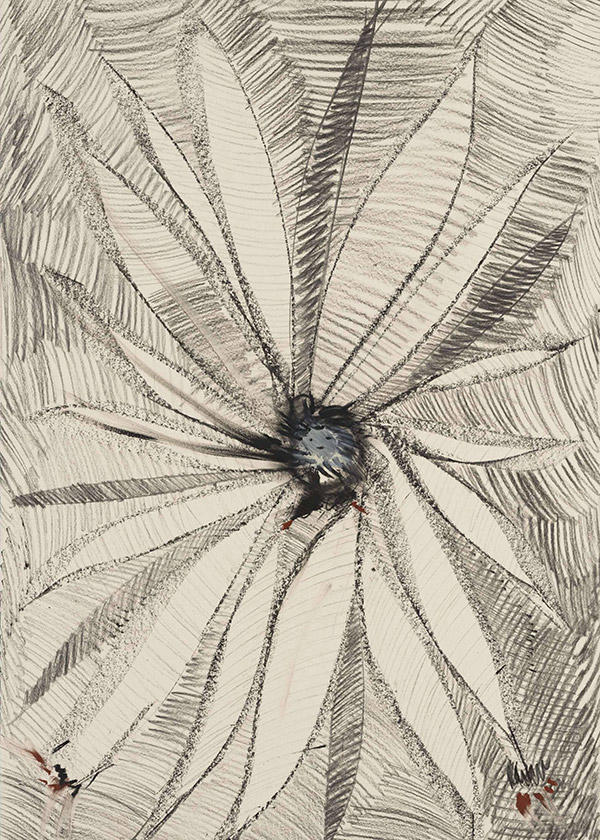
| | A l'aube, à l'abri d'une fleur, 2026 | | |
Each medium – paper, cardboard, canvas – becomes the site of tension between forces of oppression and resistance. Marks, repetitions, rubbings, and erasures register the energy of the gesture as vividly as the image itself. Charged with opposing forces, lines, strokes and dots – rendered in charcoal, oil pastel, graphite, or oil paint – are caught in motion, conveying a raw emotional intensity in which desire, vulnerability, and resistance surface.
Omnipresent, the human figure appears unstable and in flux – at times dislocated, at others occupying only a small portion of the sheet, leaving much of the surface blank. Armineh Negahdari’s silhouettes bear witness rather than narrate: ambiguous and charged with tension, they resist narrative resolution, poised between light and shadow.
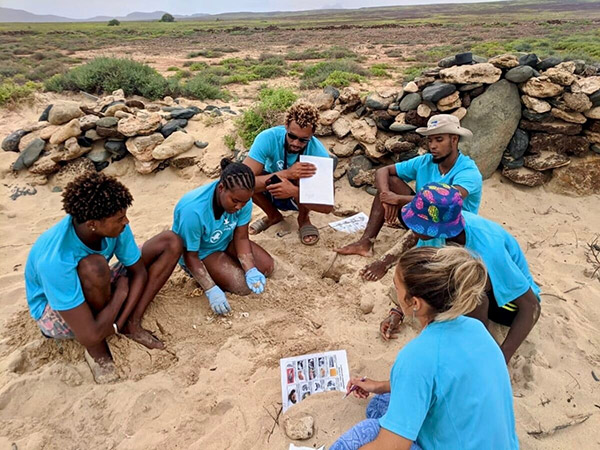
| | La chaîne du vent et de la pluie, 2025 | Wary of the certainty of words, the artist embraces a form of inexpressibility akin to poetry – not to illustrate, but to be experienced. Her images evoke emotion, conjuring visions in which shifting forms | | “pass from the human body to fruit, then to landscape, through animals. Everything can transform before our eyes: a head becomes a fig, a mountain turns into a breast, hands become wings that become flowers. Words alter images. If I had to choose, I would always favor the image.” | | While her work draws on multiple references, it remains firmly rooted in the present and in lived experience. | | Interview de Armineh Negahdari - Open Space #18 | | 3. Conservation: Loggerhead Sea Turtles | | The worldwide population of loggerhead sea turtles has dropped by 47% over the last thirty years. A long-term conservation effort and research project begun in 1998 on the Cabo Verde archipelago off the west coast of Africa, led by a local NGO and assisted by students and faculty from King Abdullah University of Science and Technology (KAUST) in Saudi Arabia has seen an 80-fold increase in the nesting population of loggerheads on Cabo Verde's third-largest island, Boa Vista, since the start of the project. | | Teeming with turtles: Cabo Verde island sees 80-fold increase in nesting loggerheads | | |
In 2018, night patrol teams on Boa Vista, the third-largest island in the Cabo Verde archipelago, started noticing a change along the beaches: The loggerhead turtles were arriving in significantly larger numbers than usual.
In previous years, each team, comprised of staff and volunteers from local conservation NGO Cabo Verde Natura 2000 (CVN2), encountered between five and 10 female turtles (Caretta caretta) a night. But now, the teams were each recording between 20 and 30 females a night. By 2021, that number had grown to between 30 and 40.
A recent study published in Biological Conservation confirms the upward trend: An 80-fold increase in the population of loggerheads nesting at three of Boa Vista’s beaches over 27 years, from 1998 to 2024. The authors of this first long-term study of Cabo Verde’s nesting loggerheads ascribe the remarkable trend to decades-long conservation efforts at the local and national level.
Loggerheads, which primarily inhabit temperate and subtropical regions of the Pacific, Atlantic and Indian oceans and the Mediterranean Sea, are long-lived, slow-maturing migratory animals. With a lifespan of 80 years or more, female loggerheads take decades to reach sexual maturity.
Relative to other global loggerhead nesting sites, the numbers at Boa Vista are striking. Whereas biologists have recorded up to 600 nests per kilometer (0.62 mile) at sites in the U.S. state of Florida and in Oman (the only other sites with more than 10,000 females nesting per year), the new study found that the three largest nesting sites at Boa Vista reached a whopping 22,000 nests per kilometer in 2021.
Since Boa Vista’s loggerhead nesters were first documented in 1997, according to the paper’s authors, activities including habitat protection, anti-poaching enforcement, hatchery programs and growing local engagement efforts like beach patrols and the rise of turtle watching have helped to protect nesting sites. Those activities, along with careful data collection by CVN2 and other local conservation groups, are now supporting loggerhead recovery in Cabo Verde.
| | |
Counting eggs and anticipating future threats
During the nesting months starting in June, CVN2 and a team of volunteers conduct nightly patrols to locate new nests, counting every egg in each clutch before erasing the female turtle’s tracks to avoid double-counting. By October, they return to the nests to see how many eggs have successfully hatched, adding to a data pool that has grown steadily since Spanish zoologist L.F. Lopez-Jurado founded the organization in 1998.
CVN2, staffed by 90% Cabo Verdeans, recognized that as an organization it lacked the capacity to analyze decades of nesting data. So in 2024, it approached the marine studies team from KAUST to collaborate.
| | |
According to Jeanette Wynecken, a biologist specializing in sea turtles at Florida Atlantic University who was not involved in the study, the research is significant for showing the impact of long-term conservation efforts on a loggerhead population.
“Since sea turtles are slow to age and late to mature, analysis over such a long period of time is essential to understanding the effect that conservation has on turtle populations, as turtles that were born at the start of the study only came of mating age around 2013-2014,” Wynecken told Mongabay.
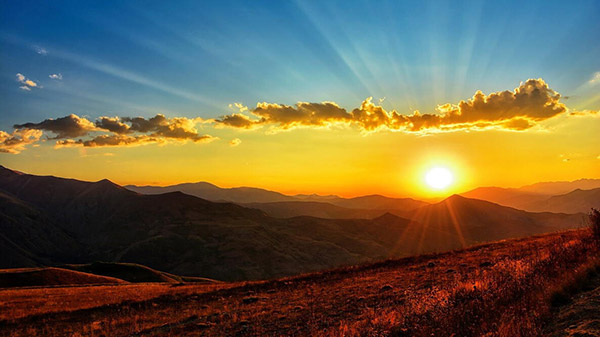
| | 4. The Heavens: Shorter Days, and a Strawberry Moon | | Now that we are past the summer solstice, days will gradually grow shorter throughout the summer. As we approach the autumnal equinox on September 22nd, the rate of change will increase. | | After the Summer Solstice, How Fast Are We Losing Daylight? | | |
Summer…bring it on! After the summer solstice (June 21, 2026), we start to lose daylight. How fast? Bob Berman talks about solstices and sunsets—and finding out how rapidly the times change where you live…
The Sun stands directly over the Tropic of Cancer, the most northerly Earthly place that ever sees an overhead Sun. Interestingly, “Cancer” isn’t really appropriate. True, it was the constellation the Sun hovered in front of on the day of the solstice back when early observers started paying attention to such things thousands of years ago. However, since then, Earth’s axis has wobbled around like a slowing top, which made the place the Sun occupies on the solstice change first to Gemini and then, in 1989, to Taurus the Bull, where it’ll remain for the next half millennium. Bottom line: The Sun should be labeled as hovering over the Tropic of Taurus!
No matter. The basic truth stands: Nowhere in the mainland U.S. or Europe does anyone live in the tropic of…whatever. So, no Americans except Hawaiians, who live south of that tropic line, can ever see the Sun straight overhead.
How Quickly We Lose Daylight
Ask friends what happens, and they’re likely to get it right, mostly. Longest day of the year—check. The shortest night of the year—check.
After the solstice, the days get progressively shorter throughout the summer into the fall. Yes, it starts to get dark earlier.
- Take Seattle again. By the fall equinox, or the first day of fall, on September 22, the sunrise is expected at just before 7 A.M., and sunset is expected to set after 7 P.M. Daylight will be 12 hours plus a few minutes.
Take a southern city; notice the difference!
- On the solstice, the sunrise in Miami, Florida, was at about 6:30 A.M., and the sunset was about 8:15 P.M. Daylight hours: about 13 hours, 45 minutes.
- On the fall equinox, sunrise will be approximately 7:10 A.M., and sunset at about 7:20 P.M. Daylight total: approximately 12 hours, 10 minutes.
We Lose Daylight Faster As We Near Equinox
Here’s something else interesting: After the solstice, we’ll start losing daylight, but the pace will happen much more slowly in the summer and start to speed up as we reach the autumnal equinox.
Sunrise and sunset times hold fairly steady for the 2 weeks bookending the solstice. But after that, sunrise times start to get later in the morning again very subtly, by only one minute or so each day. And sunsets after the solstice slowly become earlier in the evening. As the summer marches on, you’ll notice the length of the day starts to decrease more rapidly.
| | This Monday evening brings the first full moon of the summer, The Strawberry Moon. | | June's Strawberry Moon is unlike any other full moon. Here's why | Think all full moons look the same? June's Strawberry Moon rises and sets at extreme points, tracing an unusually low path across the Northern Hemisphere sky. | From: Space.com, By: Jamie Carter, June 25, 2026 | | |
The main attraction of June's Strawberry Moon is that it stays so low, as seen from the Northern Hemisphere. It appears at an extreme southeasterly point on the horizon and rises slowly, almost reluctant to leave the horizon. It doesn't climb sharply upward like a winter full moon. Instead, it drifts sideways through the southern sky, hanging low and heavy in warm evening haze. People who never normally notice the moon suddenly stop and stare — the surefire way of telling that a celestial event has crossed the threshold and become simply an event.
Last year's Strawberry Moon rose absurdly low because it was at a major lunar standstill, the peak of an 18.6-year cycle that changes how extreme the moon's rising and setting positions become. It reached its most southerly moonrise point since 2006, and we won't see another stretch quite like that again until the 2040s. I was at an outdoor concert at the time, and spent much of the set looking in the complete opposite direction from the stage. It just looked so odd rising behind my city in a position I had never seen it rise before. It was like being in an alternate reality. Few around me even noticed.
It won't rise quite as far in the southeast this year, but June's low-hanging moon always feels bigger emotionally, even when you know the moon illusion is mostly a trick of human perception.
You don't need to understand lunar cycles and celestial mechanics to appreciate the Strawberry Moon. You just need clear southeastern and then southern sightlines to watch it hug the horizon. However, I'm going to explain it anyway. The moon doesn't repeat the same apparent path through the sky every month. Its orbit is tilted about five degrees relative to the ecliptic — the apparent path of the sun through the sky — and those tilts combine and shift to create a cycle that repeats every 18.6 years…
The best way to experience the Strawberry Moon is to treat it less as an astronomical event and more as a landscape photograph. The moon itself changes surprisingly quickly during its rise. Scouting a location is important for the Strawberry Moon because it rises at its most extreme point. You need a clean southeastern horizon — a beach, an open field, a hilltop or even a long, straight road. Trees and buildings near the horizon matter. You can take a lot of the guesswork out by using Photo Ephemeris to show you exactly where the moon will rise from any location on Earth. That's important because it likely won't rise where you expect it to.
The sweet spot is during dusk, right around local moonrise time on June 29. That's when the moon still shares the sky with fading blue twilight, a far more dramatic sight than when it rises before or long after sunset.
| |
5. Nutrition: Apple Varieties
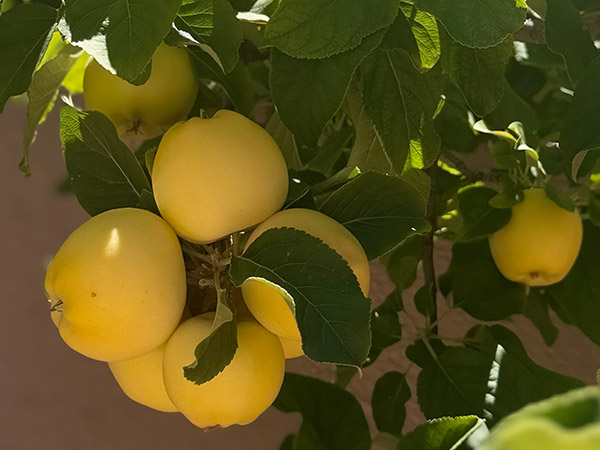
| | I have a Golden Delicious apple tree in my yard that is laden with fruit right now. This got me wondering if there were nutritional differences among the different apple varieties. All varieties are healthy, especially if you eat the skin, and that is where you will find nutritional differences: yellow and green apples have more vitamin A than red apples, and red apples have more polyphenols and beta-carotene than yellow ones. | | 4 Types of Apples You Should Include in Your Diet | | |
We’ve all heard it — “an apple a day keeps the doctor away.” But here’s the thing: not all apples are the same, and most of us are just grabbing whatever looks good at the store without really thinking about what we’re putting into our bodies.
Turns out, the types of apples you choose can actually make a difference in your health, your energy levels, and even how you enjoy your food.
Let’s break down four apples worth adding to your regular diet — and why each one deserves a spot in your fruit bowl.
| |
1. Red Apples (Red Delicious / Fuji)
Red apples are basically the poster child of the apple world — and for good reason. They’re sweet, satisfying, and packed with goodness that goes way beyond just taste.
What’s inside:
- Rich in anthocyanins — the pigments that give them that deep red colour and act as powerful antioxidants
- Good source of Vitamin C and dietary fibre
- Around 95 calories per medium apple
- High in quercetin, linked to reduced inflammation
2. Golden Apples (Golden Delicious)
Don’t let the understated look fool you — Golden Delicious apples are genuinely one of the most versatile and nutrient-rich options out there. They’re milder in taste, which makes them a favourite with kids and picky eaters alike.
What’s inside:
- High in Vitamin A and Vitamin C
- Contains boron, a mineral that supports bone health
- Roughly 80 calories per medium apple
- Good levels of potassium for heart health
3. Green Apples (Granny Smith)
If you’re watching your sugar intake or just want a sharper, more refreshing bite, green apples are your best friend. They’re tart, crisp, and honestly underrated in the health world.
What’s inside:
- Lower in sugar compared to most apple varieties
- Higher in fibre, supporting gut health and digestion
- Contains Vitamin K for blood clotting and bone support
- Around 80 calories per medium apple
- Rich in polyphenols that may help manage blood sugar levels
4. Royal Gala Apples
Royal Gala apples sit right in the sweet spot — not too sweet, not too tart, just pleasantly balanced. They’re one of the most popular apple varieties globally, and once you try one fresh, you’ll understand why.
What’s inside:
- Excellent source of dietary fibre (great for keeping you full longer)
- Packed with flavonoids that support cardiovascular health
- Around 77 calories per medium apple
- Contains iron and calcium in small but meaningful amounts
- High water content — naturally hydrating
| |
6. Birds: Birdwatching & Birding
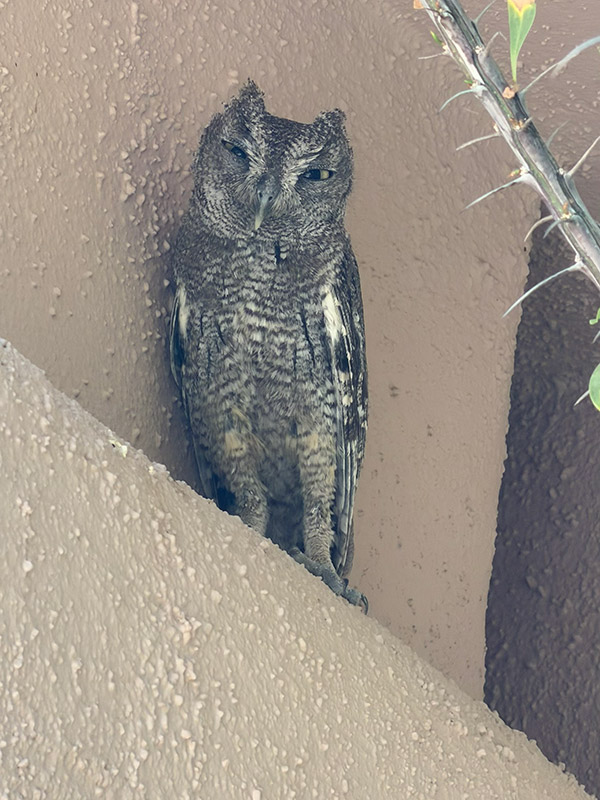
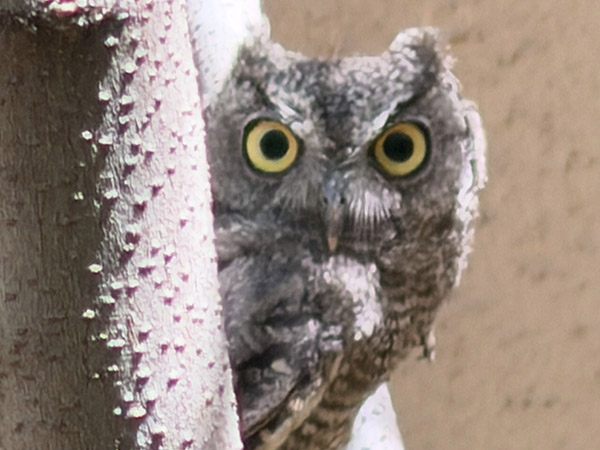
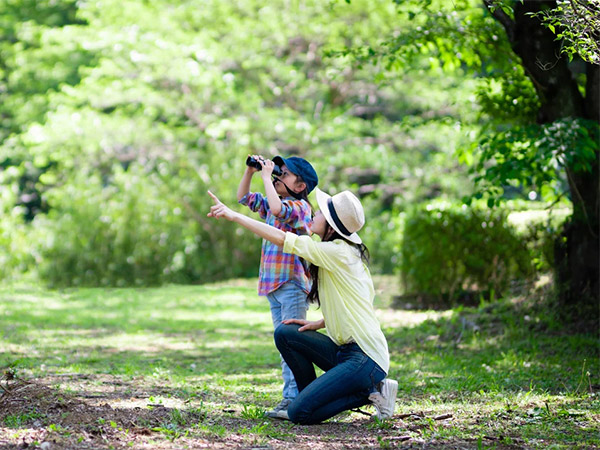
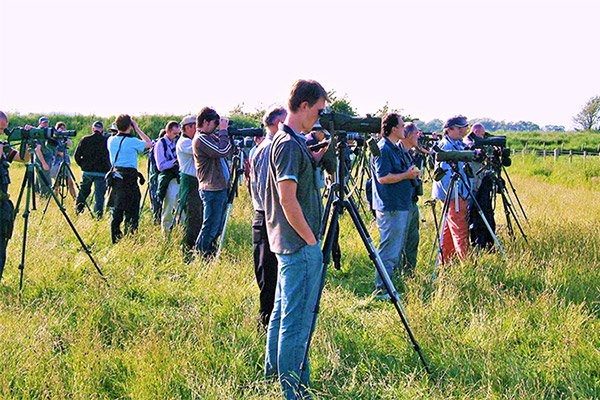
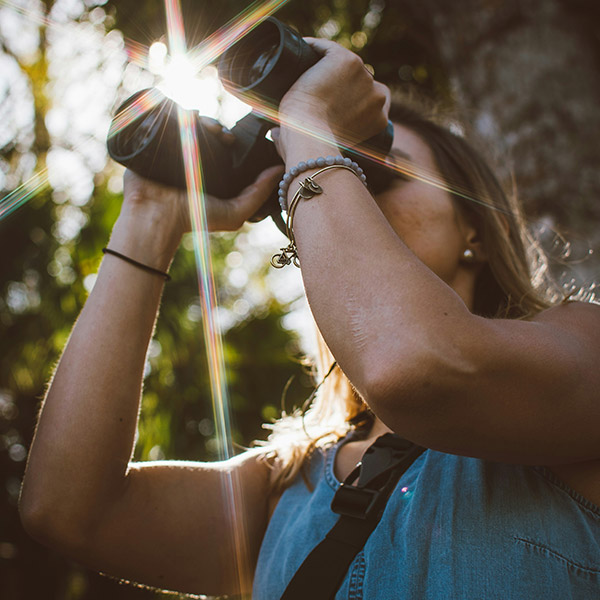
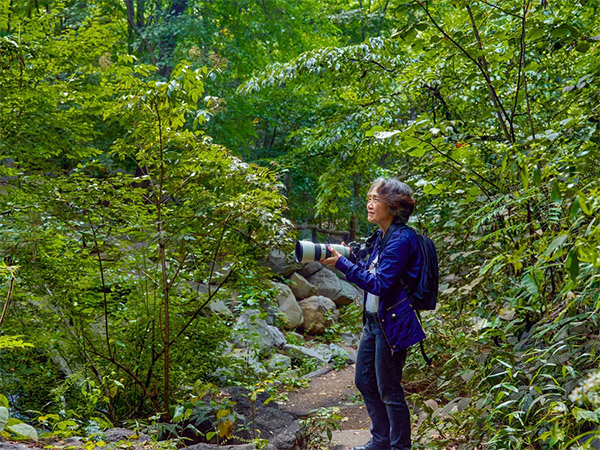
| | As I was planning to incorporate this section on birdwatching and birding into this week's newsletter, I had some visitors come to my home in Tucson to join the Flock. A small family of Western Screech-Owls decided to roost in the trees in my backyard. Here you can see Mom perched under the eave of my roof. And below, an owlet peeks out from the crook of a tree. | | Owlet resting in the crook of a hackberry tree. | | Virtually everybody watches birds at times, but not everybody is a birdwatcher. There is no clear definition of this term coined in 1901, but if you actually watch birds with some interest, whether serious or casual, you are a birdwatcher. Maybe you spend a minute looking our your kitchen window observing a flicker or robin probing the ground for insects while you sip your coffee. Perhaps you marvel at the pigeons nesting on the office building across from yours while you daydream and gaze at them from your cubicle. Or maybe you stroll through the woods alone or with a group of Auduboners, actually seeking out birds. You are all birdwatchers. You can spend a lot of time birdwatching, going on weekly hikes, or even travel the world on a birdwatching adventure. | | So what is the difference between a birdwatcher and a birder? It’s a matter of degree. Birders are more intense, more dedicated, more serious about the hobby and are sometimes offended by being called a birdwatcher, even though that’s what they really are. While birdwatchers own a cheap pair of binoculars and a beat-up bird field guide, birders tend to have several pairs of binoculars, including a very expensive one, plus a spotting scope. Birdwatchers may keep a list of the birds they have seen, but are not very diligent about it. Birders are obsessive about keeping a life list, and often maintain country lists, state lists, county lists, and even zoo and tv lists of the birds they have seen. Birdwatchers might spend a few hours in the field on a birdwatching day, while birders arise before dawn, bird all day, and look for owls at night. Every person who watches birds has his or her own style and dedication to the hobby. | | Birdwatching has been shown to have multiple benefits for both physical and mental health. | | Birding Your Way to Well-Being | | Four potential pathways from birding to mental health. | | |
Like many people during the height of the COVID pandemic, I discovered birding and have continued to grow my interest and enjoyment since 2020. Besides noticing mental health and mood benefits myself, others have regularly shared articles with me about the benefits of birding.
Most recently, conservation biologist Nils Peterson and colleagues (2024) conducted an experimental study in which college students were randomly assigned to a control condition (receiving no specific instructions), a nature-walk condition (instructed to take a specific walk through nature at least once a week), or a birdwatching condition (take the same walk and notice how many birds you see using a phone app). Students who noticed birds on their walk reported significant increases in positive emotion and significant decreases in distress compared to the other two conditions. These findings indicate that there’s something specific about looking for birds (or at least looking for elements in nature) that leads to mental health improvements.
As Peterson and colleagues note, demonstrating that birding enhances mental health does not tell us why birding has this effect—and determining the underlying reasons could help us identify ways to interact with birds (or other aspects of nature) that can heighten this positive impact. The authors refer to environmental psychologist Melissa Marselle and colleagues’ (2021) conceptual model of how biodiversity may benefit human health to identify potential explanations for their findings. Several of these potential mechanisms resonate with my own experience and I hope my sharing them may help you to find ways of enhancing your well-being.
Reducing Stress
Environments that are interesting, pleasant, and calming can reduce our physiological arousal, and also enhance positive emotions. Walking in an area with plants, flowers, trees, and water with a focus on looking for birds is very different from my typical daily environment and activities…
Restoring Attention
Our fast-paced, overstimulated daily lives challenge our attentional capacities. Many of us find ourselves easily distracted by external stimuli or by our own thoughts and feelings. Sustained attention is like strength in a muscle, with the same “use-it-or-lose-it” qualities. When we allow our attention to be continually pulled by internal or external stimuli, our attentional abilities weaken…
Transcendent Experiences
When I spend time watching birds flutter, fly, swoop, hop, eat, dive, and interact, I often experience a sense of awe, and a sense of humility. In his book, Awe: The New Science of Wonder and How it Can Transform Your Life, psychologist Dacher Keltner explains that awe can transform us by “quieting the nagging, self-critical, overbearing, status-conscious voice of our self, or ego, and empowering us to collaborate, to open our minds to wonders, and to see the deep patterns of life…”
Social Connectedness
Although birding can be a solitary activity, birders (even solo birders) often encounter one another. This has been an unexpected benefit for me and an unexpected joy. When a rare bird has been sighted at a place we often visit, we will typically run into several individuals, pairs, or groups of people in search of the same bird, and we’ll often greet and check in with each other about it. And when we run into someone on a path who has seen something interesting, they are always eager to tell us about it and tell us how to find the unusual bird they just saw…
| | Even in New York City, the most populous urban area in the United States you can enjoy birding and bird watching, and it's not all pigeons either. I've posted about the Red-tailed Hawks that have nested on a Fifth Avenue window pediment since the 1990s. New York is also home to the largest urban population of peregrine falcons in the world, and Central Park is a world-class birding destination. | | Central Park Conservancy Birdwatching Guide | | More than 210 bird species make an appearance in Central Park each year. Learn how to responsibly spot them! | | Located along the Atlantic Flyway, Central Park welcomes hundreds of species each year. Many live in the Park year-round, and others make an important stop here during their spring and fall migrations so they can find safe places to nest, as well as food in the form of seeds, berries, and insects. | | The Central Park Conservancy supports bird life in the Park by restoring, sustaining, and caring for the 100 acres of natural areas they depend on. Our highly trained Natural Areas team cultivates native plants, limits the use of machines (especially during migration), and carefully cares for trees and water bodies—all to help make Central Park an ideal home for winged creatures. | | |
Tips for Birdwatching in Central Park and Beyond:
Looking for birds is all about patience, luck, and movement. The best times to go birding are in the early morning and late afternoon, when birds are the most active.
- Bring a guide or download an app to your phone. (We recommend this one from the National Audubon Society.)
- Respect other birders, giving everyone space to enjoy this pastime.
- Let your eyes relax, and scan trees, shrubs, and bushes for movement.
- When you first spot movement, focus on it. Is it a bird? Bring your binoculars to your eyes without looking away.
- Make note of the bird's shape, bill, and markings. Note where they are seen (on the ground versus the top of a tree) and what they’re doing (feeding, pecking, or flying). Collect as many details as possible. You’ll use these details to search for the bird in your guide after the bird flies away.
- Don’t get too close or disturb a bird with callbacks, and always stay on designated trails and paths.
- Interested in bird photography? Explore the Audubon’s guide to ethical bird photography and videography.
| | Follow the link below to download The American Museum of Natural History's Kid's Guide to the Birds of Central Park | | 7. Weather: Hawaii High Surf Follow-up | | This is a follow-up on last weeks story about high surf warning fo all of the Hawaiian Islands.Long time local residents of Hawaii know better than to build their homes too close to the beach, and often wonder aloud why transplants would ever want to live so close to the water's edge. last weekends storm driven high surf dramatically made their case. as a wave broke over the top of a condominium complex in Keauhou-Kona on the big sland. I know this complex well, I've run and biked past it many times while training. | | Watch: Apocalyptic Waves Hammer Hawaii Beachfront Condos (Video) | | Long-period swell slams a vulnerable Hawaii condo complex, ripping shingles off roofs and sending whitewater surging through a heavily developed shoreline. | | From Surfer Magazine, By: Dashel Pierson, June 19, 2026 | | |
The South Pacific has been on a heater lately.
While the official start to summer is still a few days away, a series of powerful storms has sent long-period swell radiating across the ocean, lighting up famous surf zones from Tahiti to Hawaii to California. And while surfers have celebrated the run of waves, the swell has also delivered a reminder of the ocean’s destructive power.
A recent video from Hawaii captures that reality in dramatic fashion.
The footage shows a gigantic wave towering over a row of beachfront condos, momentarily appearing taller than the buildings themselves. As the wave detonates against the shoreline, whitewater surges across the coast, highlighting the increasingly fragile relationship between oceanfront development and a dynamic coastline.
The scene is both mesmerizing and unsettling.
For residents, it’s also familiar.
The stretch of shoreline – the Keauhou-Kona Surf and Racquet Condominium complex in Keauhou – featured in the video has repeatedly made headlines during major swell events. Over the years, large surf has battered seawalls, accelerated erosion, and threatened structures built just feet from the ocean. Each new pulse of swell seems to reignite concerns about the future of some of Hawaii’s most vulnerable oceanfront properties.
During this incident, the wave impact was enough to rip shingles off the rooftops. And it’s not the first time this has happened, as mentioned.
Back in 2022, during Hurricane Darby, a similar scene unfolded.
This latest event comes as elevated surf continues impacting coastlines throughout the Pacific. In California, the recent swell triggered severe beach erosion at locations including The Wedge and Crystal Cove, exposing buried infrastructure and toppling shoreline structures. Similar stories have emerged across Hawaii, where high surf and elevated water levels have eaten away at beaches and tested coastal defenses.
| Massive wave crashes over condo rooftop in Hawaii | |
8. Hayward M. Fox, Ph. D.: Guided Meditations
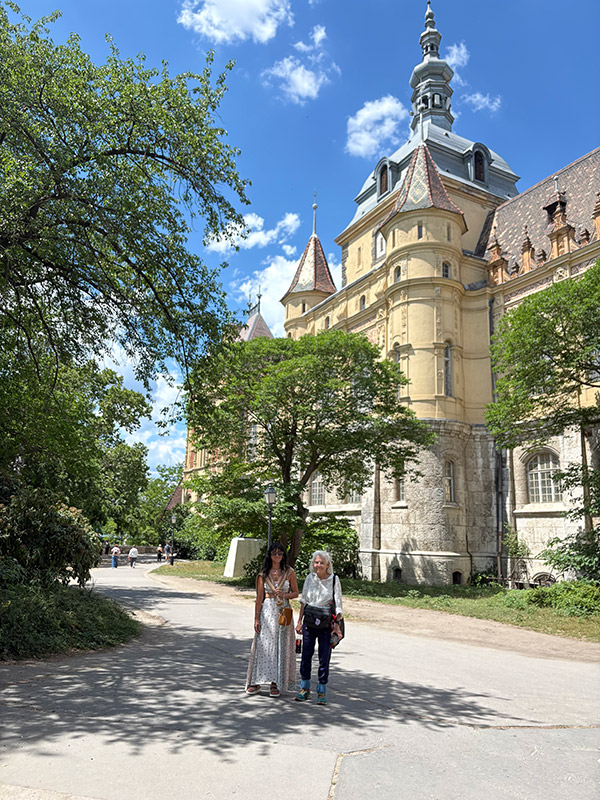
| | Please drop by Dr. Fox's website at the Institute of Personal and Transpersonal Knowledge and try a guided meditation this weekend. I can recommend his Clear Mind, Calm Body Meditation. | | Last month, my daughter Violet and I visited Vajdahunyad Castle in Budapest. The castle was built in the first decade of the 20th century as a replica of the Transylvanian fortress Corvin Castle, where the historical Dracula, Vlad the Impaler, was imprisoned. | | A mini statue of Hungarian-born actor Béla Lugosi in his iconic role as Dracula, by Budapest sculptor Mihály Kolodko, sits on a wall on the castle grounds. | | These Flock regulars are always here for you: | | Don't Be Shy: Share Your Stories! | | I'm looking forward to sharing more of your personal stories - oral, written, or otherwise, as we enter our third year. I'd so love to present them to The Flock, hit a mailbox below to share your story. | | Subscriptions & Idea Submissions
Reminder: Your submissions are always welcomed. | | |
Feel free to forward this email to a friend. If this was forwarded to you and you would like to receive your very own Flock Newsletter, you can sign up here. If you have any questions or suggestions for future Flock resources, don't hesitate to contact me.
Your fan and friend,
Beth
| | | The information and materials contained or referenced in this newsletter are for informational purposes only and not intended to be a substitute for professional medical advice, diagnosis, or treatment. Always consult a physician or other qualified medical professional with any questions you may have regarding a medical condition or treatment and before beginning a new health care regimen. Do not disregard professional medical advice or delay seeking medical advice or care based on anything contained in this newsletter. | | | | |