REMINDER: YOUR SUBMISSIONS ARE ENCOURAGED | | |
1. Bindu's Corner: This week, Bindu has brought us an aphorism that suggests we live our lives inspired by the lotus.
2. Religious Observances: I look at the Christian holidays and observances leading up to Easter Sunday.
3. The Heavens: This week I'm looking at solar phenomena that cause space weather events and the coming total lunar eclipse during the next full moon, March 3rd's Worm Moon.
4. The Next Gen: William George's shipping data analysis, which he performs in his role as Research Director for Import Genius, was recently cited in two articles uncovering nefarious actions by Russia.
5. Around Town: Tucson Botanical Gardens is having a special Porterville Family Fiesta at the end of the month as part of their 50th anniversary celebrations
6. Pet's Corner: Pet microchip registry Save This Life abruptly shut down last year, and its database correlating pet chips with pet owners is no longer accessible. Pet owners can have their vet or a shelter read their chip and confirm its registration, or re-register with another chip registry.
7. Winter Olympics: Team USA highlights from the second week of competition at Milan Cortina 2026, and the most recent medal count.
8. Video: I have a bonus video this week from Tai Jacober of a cowboy moving cattle in Colorado.
| | This week, I am again asking all Flock readers to please keep the prayers going for Nancy Guthrie and her safe return to the Guthrie family. | | Now, to this week's Flock. | | 1. Bindu's Corner: Be Like a Lotus | | Thank you, Bindu, for bringing us more wisdom to help guide us through our days. | | |
Be like a lotus
We can remain pure even when we are surrounded by negativity, anger, and ignorance.
Lotus arises from the mud in the pond
Lotus doesn’t fight the mud.
Lotus doesn’t complain about the water that feeds it.
Lotus doesn’t waste energy trying to change what surrounds it.
The lotus understands something most humans forget.
It does not rise despite the mud, it rises because of it.
The mud is not the enemy. Resistance is.
The lotus does not argue with darkness. It grows toward the light.
It does not absorb the dirt. It transforms it.
Don’t escape the world. Don’t let the world live inside you.
People will gossip.Situations will be unfair.
Life will place you in muddy waters again and again.
We have two choices: Sink into it, or grow through it.
The lotus does not ask, ‘Why is the pond so dirty?’
It asks, ‘How high can I rise?’
Be like the lotus.
Focus on your practice, your integrity, your inner clarity.
Rise quietly. Bloom without permission.
Let your peace be so strong that the mud cannot touch it.
Not everything around you needs your reaction.
Some things only need your transcendence.
| |
2. Religious Observances: Shrove Tuesday and Lent
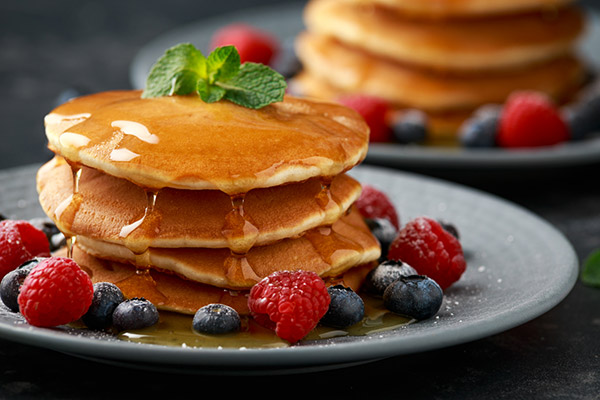
| | For Christians around the world, this past Tuesday, properly called Shrove Tuesday but also known as Fat Tuesday, Mardi Gras (French for Fat Tuesday), or Pancake Day, depending on where you are was the last day before the start of the 40-day Lenten fast, or "Lent", which began on Ash Wednesday and ends the evening before the Friday before Easter Sunday, Good Friday. | | |
Shrove Tuesday, the day immediately preceding Ash Wednesday, the beginning of Lent in Western Christian churches. It occurs between February 2 and March 9, depending on the date of Easter. Shrove, derived from shrive, refers to the confession of sins as a preparation for Lent, a usual practice in Europe in the Middle Ages. Although the day is still used for self-examination and introspection by many practicing Roman Catholics and other Christians, Shrove Tuesday eventually acquired the character of a more secular carnival or festival in many places. The day is culturally important in many areas.
In contemporary practice Shrove Tuesday is marked by festive meals, social gatherings, parades, and other public celebration, though customs vary by region. For example, in the Shrove Tuesday Carnival held in Binche, Belgium, revelers known as Gilles (after a clown-like stock character in commedia dell’arte named Gille) march through the town dressed in red, yellow, and black costumes and wax masks. Later they don ostrich-feather hats and throw oranges to onlookers. The Carnival of Binche was inscribed to UNESCO’s Representative List of the Intangible Cultural Heritage of Humanity in 2008…
Foods
Food has long been central to the day’s identity. As the final day before the austerity of the Lenten fast, Shrove Tuesday has many customs pertaining to food—in particular, sweet foods containing eggs, sugar, and fat, which were commonly forbidden during Lent and would otherwise go to waste in the six and a half weeks between Ash Wednesday and Easter. Pancakes are the traditional choice in a number of European countries; the day is known as Pancake Day or Pancake Tuesday in Ireland and in many Commonwealth countries. Similarly rich pre-Lenten treats include pa̡czki, fruit-filled deep-fried pastries similar to doughnuts that are enjoyed in Poland and in ethnic Polish communities in the United States. Savory pancakes, fritters, and crêpes are associated with the celebration in many countries.
| | An iconic part of Mardi Gras (“Fat Tuesday”) in New Orleans is the king cake, an iced ring-shaped pastry that is sprinkled with gold, green, and purple sugar and typically contains a plastic figurine representing the baby Jesus. Traditionally, the person who receives the piece of king cake containing the figurine is named “king” or “queen” of the Mardi Gras festivities and is obligated to host the next party of the season. | | What Is Shrove Tuesday? Pancake Day & Lent Explained | | |
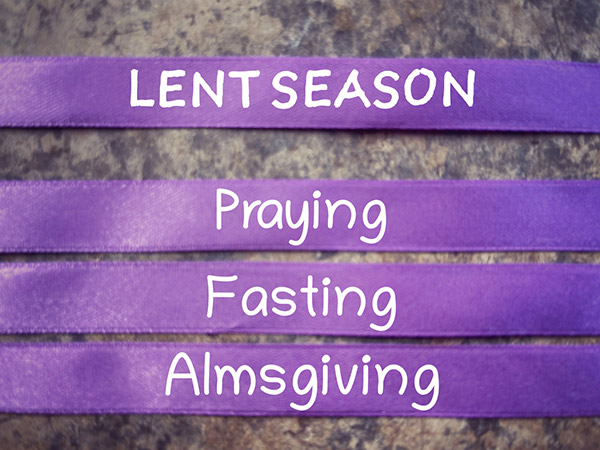
Millions of Christians worldwide observe Lent, a 40-day period of prayer, fasting, reflection and sacrifice leading up to Easter, widely considered the most important celebration on the Christian calendar. Beginning on Ash Wednesday, the Lenten period reflects the 40 days that, according to the Bible, Jesus Christ spent fasting in the wilderness before beginning his public ministry. The word “Lent” comes from the Old English word “lencten,” meaning spring.
Although the traditions and practices of Lent have evolved over time, the core ideas behind it have remained consistent for many centuries. Today, many Christians give up certain luxuries or habits, attend additional worship services and perform acts of charity and service during Lent. The period culminates in Holy Week, which includes Palm Sunday, Maundy Thursday, Good Friday and finally Easter Sunday, the celebration of Jesus’ resurrection from the dead.
| |
Ash Wednesday, Palm Sunday, Holy Week
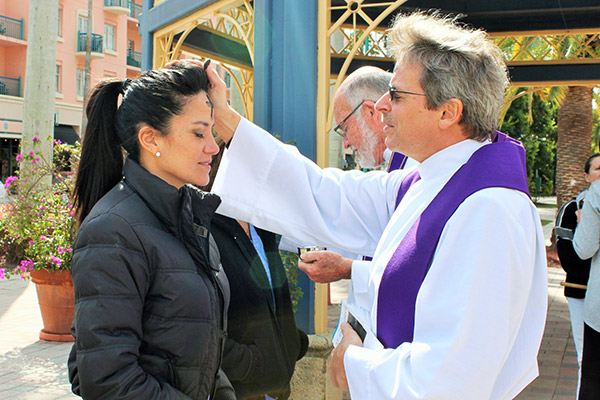
In the Western Christian tradition, Ash Wednesday marks the beginning of Lent and falls 46 days before Easter Sunday. The date changes each year because Easter is on the first Sunday following the first full moon after the spring equinox.
Palm Sunday, one week before Easter and the sixth Sunday of Lent, commemorates Jesus’ triumphant entry into Jerusalem, when he was greeted by crowds of people waving palm branches. The final week of Lent, beginning with Palm Sunday, is known as Holy Week. It includes Maundy Thursday (commemorating the Last Supper), Good Friday (marking Christ’s crucifixion) and Holy Saturday (the day Jesus lay in the tomb).
Although Lent technically ends at sundown on Maundy Thursday, also known as Holy Thursday, the Lenten season continues until Easter Sunday. At this point, the 50-day celebratory Easter season begins.
Eastern Orthodox Christians observe a different version of Lent, known as “Great Lent.” Because their churches calculate Easter using the Julian calendar, it often results in different dates for the Lenten season. Great Lent takes place over the six weeks before Palm Sunday, and fasting continues during the Holy Week of Orthodox Easter.
| | 3. The Heavens: The Sun and The Moon | | At the end of last month, I posted about an unusually strong geomagnetic storm that produced a northern lights display visible over much of North America, Europe, and Asia. This week I'm posting about the phenomena that cause these solar weather events. | | |
Coronal loops are ropey, curving strands of plasma that appear as arcs above the Sun's surface. Hot, dense plasma causes these loops to glow. The electrified plasma flows along the curving lines of powerful magnetic fields, giving the coronal loops their characteristic shape.
Coronal loops can extend upwards many thousands of kilometers above the Sun’s surface. Some loops are extremely hot, having temperatures well above a million degrees. The energy they give off is almost entirely ultraviolet rather than in the visible light spectrum, which means they can only be seen with the help of specialized equipment.
Coronal Loops, Coronal Holes, and Sunspots
Coronal loops are often associated with sunspots, which are places on the Sun's surface where powerful magnetic fields break through and extend up into the Sun's atmosphere. Coronal loops often appear to arc between pairs of sunspots with opposite magnetic poles. Coronal loops are more common around solar maximum, when the Sun is most active and there are many sunspots.
| | The dark blue area covering almost the entire upper left quadrant of the Sun is a giant coronal hole, captured by NASA’s Solar Dynamics Laboratory in June 2013. This coronal hole is about 400,000 miles wide — more than 50 times as wide as Earth. credit: NASA | |
During solar minimum, when the Sun is least active, another feature of the corona is apparent — dark patches called coronal holes. Coronal holes are openings in the Sun’s magnetic field where streams of high-speed solar wind rush out of the solar atmosphere. The plasma in these coronal hole regions is cooler and more dense than in other parts of the corona. Coronal holes appear dark in X-ray and ultraviolet images of the Sun, but they are invisible to the eye. Though scientists aren’t completely sure what causes coronal holes to form, there seems to be a connection between the location of sunspots on the solar surface and coronal holes in the Sun’s atmosphere. Perhaps when a sunspot fades away, a coronal hole is left behind.
Large coronal holes can cause geomagnetic storms to occur in Earth's magnetosphere and result in colorful displays of auroras in the skies near Earth's poles.
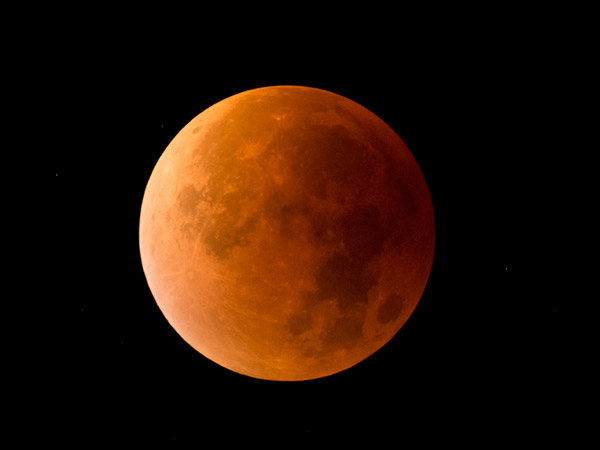
| For the second year in a row, March's full moon, the Worm moon, will also be a Blood Moon, appearing to turn deep red as it passes through the Earth's shadow during the total lunar eclipse that night. | |
Full Moon March 2026 – Worm Moon And Alternative Names
Why is March's full moon called the Full Worm Moon?
| | |
The March full Moon has one of the most unexpected names—the “Worm Moon.” Full Moon names often showcase seasonal highlights, such as May’s “Flower Moon” or September’s “Harvest Moon” or even animals common to each season, such as July’s “Buck Moon” or August’s “Sturgeon Moon.” But worms? Why do these invertebrates matter so much in March?
March 2026 Full Moon: Tuesday, March 3
Peak Illumination: 6:38 A.M. EDT
Why Is The March Full Moon The “Worm” Moon?
The “Worm Moon” got its name because in March the soil begins to warm and the very first signs of life begin to return as earthworms, beetle larvae, and grubs emerge from their winter dormancy. These invertebrates are some of the very earliest spring food sources for birds and animals, including bears, skunks, and other animals emerging from hibernation. The castings (vermicasts, waste from earthworms) left behind enrich the soil and make it possible to begin planting and gardening after winter’s end.
Unexpected March Full Moon Names
There are some even more unexpected names for this month’s full Moon than the “Worm Moon.” Because seasons and plant cycles are vastly different in the southern hemisphere, names south of the equator would naturally vary. “Corn Moon” and “Harvest Moon” are common names for the March full Moon in South Africa and other southern hemisphere regions.
The “Chaste Moon” is another unique option for the March full Moon. This name is used in neo-Pagan circles and refers to the purity of the season as life renews after winter. The “Chaste Moon” was also a common name in medieval English.
With so many options of what to call the March full Moon, there is a name to suit every culture, interest, and region as the Moon reaches its peak in the third month.
| | March 2026 Total Lunar Eclipse: Your Questions Answered | From: NASA, By: Caela Barry, January 29, 2029 | |
A total lunar eclipse will redden the Moon in the early morning hours of March 3, 2026. Here’s what you need to know.
Why is a lunar eclipse sometimes called a “blood Moon”?
During a total lunar eclipse, the Moon appears dark red or orange. This is because our planet blocks most of the Sun’s light from reaching the Moon, and the light that does reach the lunar surface is filtered through a thick slice of Earth’s atmosphere. It’s as if all of the world’s sunrises and sunsets are projected onto the Moon.
How can I observe the eclipse?
You can observe a lunar eclipse without any special equipment. All you need is a line of sight to the Moon! For a more dramatic observing experience, seek a dark environment away from bright lights. Binoculars or a telescope can also enhance your view.
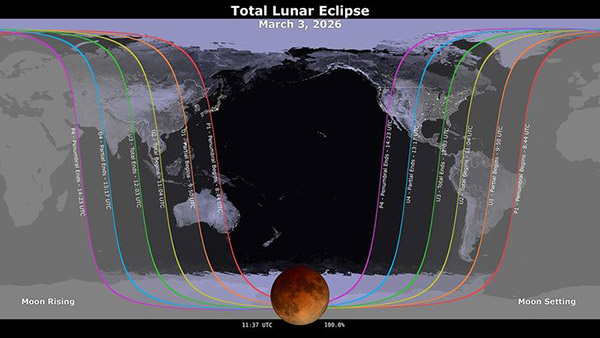
On March 3, totality will be visible in the evening from eastern Asia and Australia, throughout the night in the Pacific, and in the early morning in North and Central America and far western South America. The eclipse is partial in central Asia and much of South America. No eclipse is visible in Africa or Europe.
| | Map showing where the March 3, 2026 lunar eclipse is visible. Contours mark the edge of the visibility region at eclipse contact times, labeled in UTC. | | |
What else can I observe on the night of the eclipse?
As Earth's shadow dims the lunar surface, constellations may be easier to spot than they usually are during a full Moon. At the time of the eclipse, the Moon will be in the constellation Leo, under the lion's hind paws.
Several days later, on March 8, look for a “conjunction” of Venus and Saturn: from our perspective on Earth, these two planets will appear close to each other in the sky (though they’ll still be very distant from each other in space).
| | March 3, 2026 Total Lunar Eclipse: Telescopic View | | 4. The Next Gen: In the News with William George | | Here's an update on the Flock's favorite international shipping data analyst, Research Director for Import Genius William George, and the work he's been doing applying his expertise in tracking and analyzing shipping data to provide research support to investigative journalists. Williams work was recently cited in two articles in The Telegraph exposing Russia's efforts to expand its nuclear weapons capability and to circumvent international sanctions in an effort to provide financial aid to the Iranian regime. | |
How China is powering Putin’s deadliest new weapon
Beijing provides vital equipment as Russia accelerates production of missiles that can strike Europe in minutes
| | |
China is sending tools to help Russia build its nuclear-capable hypersonic missile that Vladimir Putin is using to threaten the West.
Russian troops fired the 8,000mph Oreshnik missile at the western Ukrainian city of Lviv, just 40 miles from Poland’s border, earlier this month.
The hypersonic ballistic missile, which has only been used twice in combat, can deploy six warheads mid-flight that strike different targets.
The Telegraph can reveal that specialised manufacturing machine tools from China are being used to build the warheads, which can be carried by missiles that are capable of striking Europe in less than 20 minutes…
China has sent billions of dollars’ worth of other components that Moscow needs for the assembly of its precision-guided weapons and jets, analysis shows.
These are components that Russia either cannot make at home or cannot produce at necessary volumes. All are on a list of 50 common high-priority goods that 39 countries, including the UK and US, have agreed to bar from export to Moscow.
China, however, never signed up to Western sanctions on Russia. It has supplied at least $4.9bn of microchips and memory boards, which power precision-guided weapons and Sukhoi fighter jets, according to Import Genius, a US trade data aggregator, for this investigation.
| |
Revealed: Russia’s secret $2.5bn cash shipments to Iran
Trainloads of banknotes are among Kremlin’s imaginative solutions to circumvent sanctions and keep ally afloat
| From: The Telegraph, By: Eric Williams, february 6, 2026 | |
Russia secretly shipped billions of dollars in cash to Iran to help prop up the regime, The Telegraph can reveal.
A state-owned Russian bank started deliveries totalling around $2.5bn (£1.9bn) to the Islamic Republic just days after Donald Trump imposed punishing sanctions on Tehran during his first term as US president.
Nearly five tonnes of banknotes were sent in 34 bulk shipments over a four-month period in 2018.
Each shipment – worth between $57m and $115m – was sent between Promsvyazbank, on Moscow’s Smirbovskaya Street, and Iran’s central bank on Tehran’s Mirdamad Boulevard, documents obtained by The Telegraph show.
The covert payments reveal a much deeper relationship between Russia and Iran than previously known, with Moscow and Tehran circumventing sanctions and traditional payment methods to keep the Iranian regime afloat…
The tonnes of cash from Promsvyazbank were delivered to the Islamic Republic’s central bank in Tehran, according to trade records shared with The Telegraph by ImportGenius, which compiles customs records it gathers from private sources. Both banks have been contacted for comment on the findings.
| |
5. Around Town: Tucson Botanical Gardens
| | The Tucson Botanical Gardens has been celebrating its 50th anniversary with special programs and events from October 2025 to May 2026. On the 28th of this month, they will be hosting a Porterville Family Fiesta, open to the public and Free with admission to the gardens. Porterville was the nickname of the home and gardens of the Porter family, who donated the Botanical Gardens site to the city of Tucson. | | Porterville Family Fiesta | February 28 @ 10:00 am – 1:00 pm | |
Bring the whole family to help us celebrate our 50th anniversary with this special event! We’ll trace our roots through hands-on botanical art projects from a bygone era and cooking demonstrations using fresh herbs and veggies from our Gardens – just like the Porter family did when they lived here in “Porterville” in the early 1900’s.
You’ll also get to step back in time with “living history” reenactments of the people who brought the Tucson Botanical Gardens to life. Join a docent-led Historical Tour to learn more about the Porter family and how we became the Tucson Botanical Gardens. Tours start at 10 am, departing from the Cattle Tank every half hour.
This event is free with Garden Admission. No registration required.
| |
6. Pet's Corner: Check Your Pet's Microchip
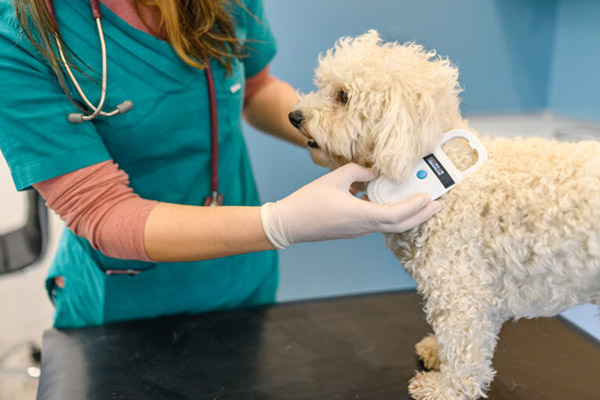
| | Microchipping is important for your pet's protection in case they wander off or get lost. Having your pet chipped provides you with peace of mind and ensures you will be reunited if your pet is lost. The chip itself contains only a number string, which is cataloged by registrars who maintain searchable databases that correlate the chip number with the pet owner's contact information. One of these microchip registrars, Save This Life, abruptly shut down and took its database offline, so the chips registered with it are no longer searchable. | | Microchip company closes unexpectedly: What it means for pet owners, veterinary practices | | |
Texas-based pet microchip service Save This Life closed abruptly this week. The move prompted veterinary practices and shelters across the country to post alerts on their social media platforms. Unfortunately, this caused further confusion and concern among pet owners. The company was also removed from AAHA’s popular Microchip Registry Lookup tool.
What’s at stake
Save This Life was one of the dozens of companies that participate in the AAHA Pet Recovery Service registry. The registry allows the lookup tool to search companies’ databases for registered chip numbers. The unexplained closure of the company means that pets who were registered with the provider no longer have their owners’ information attached to the chip’s identifier number.
AAHA posted on the lookup tool page that Save This Life chip information was disconnected from the registry database. AAHA advises pet owners to contact their veterinarian with any questions.
Next steps
Pet owners should take quick action to ensure their pet is registered with a legitimate provider in case their pet goes missing. The easiest way to do this is to recommend pet parents get their pet scanned at their local veterinary practice. Once that’s done, the number that comes up can be used on AAHA’s Microchip Registry Lookup tool. Many news articles about Save This Life’s closure have also linked to the registry. The tool can be used to search for and identify what company a pet’s microchip is registered with.
If practices know they have chipped patients with Save This Life chips, they can contact clients to let them know of the company’s status. They can also offer help registering with a new provider if necessary. At least one company, BuddyID, was temporarily offering free registration for pet owners impacted by the Save This Life closure.
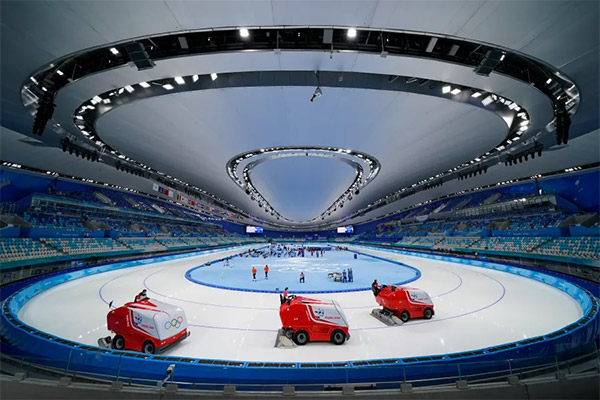
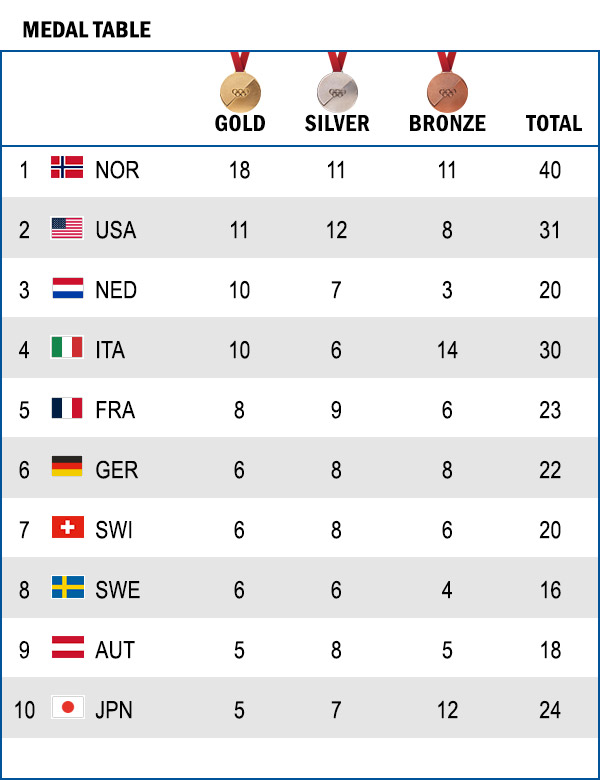
| | 7. Winter Olympics: Week Two Highlights | | Team USA continues to shine on the snow and ice at Milan Cortina 2026. Jordan Stoltz picked up his second speed skating gold in the men's 500m and took silver in the 1500m. Competing in her fifth Olympics at 41, Elana Meyers Taylor won her first gold medal in the women's monobob. Mikaela Shiffrin took her first medal of the games, winning gold in the slalom. Back on the ice, Alysa Liu took gold with a flawless performance in the women's single figure skating, and Team USA was unstoppable in women's hockey. Back in the snow, Aspen native Alex Ferreira took home agold in the men's freestyle skiing halfpipe. | | American Jordan Stolz speedskates to a third Olympic medal — silver this time | | From: NPR, By: Pien Huang | | |
21-year-old American speedskater Jordan Stolz won his third medal at the Milan Cortina Olympic Games Thursday. Stolz came in second, getting a silver medal in the 1500m — his hopes of winning four gold medals at these Winter Games foiled by a highly competitive field.
Stolz was OK with it. "Two gold medals in itself is already a huge accomplishment and silver is not bad," he says, "The pressure with expecting four gold medals — that's not something I was thinking about too much. I was just focusing on my race and what I can control."
| |
The first person she hugged was her nanny: The Olympic moment sparking a conversation about caregiving | From: yahoo! life, By: Kaitlin Reilly , February 20, 2026 | |
Bobsledder Elana Meyers Taylor is just one of many women speaking out about how their nannies help them achieve their dreams.
At the Olympic Games in Milan on Feb. 16, Team USA bobsledder Elana Meyers Taylor made history by taking home gold, becoming the most decorated Black athlete in Winter Games history. But the moment was special for another reason: Immediately after her win, Taylor ran to hug her nanny, Macy, who helps raise her two children with special needs.
“It took so many people to be here. It took so much work for everybody,” Taylor told the press after her win. “My husband. My kids. My nanny Macy. My nannies along the way. My parents. Everybody. I’m just so grateful right now.”
| U.S. star Mikaela Shiffrin wins gold in women's slalom, breaking Olympic medal drought | From: CBS News, By: Emily Mae Czachor, February 18, 2026 | |
Mikaela Shiffrin, the U.S. skiing star who's also her sport's most decorated athlete of all time, broke her medals drought at the 2026 Olympics on Wednesday, taking home the gold in the women's slalom.
The 30-year-old appeared stunned and visibly emotional over her triumph after completing a smooth second run in the slalom, which is her best event. She finished with a combined time of 1:39.10, beating Switzerland's Camille Rast, who held the second place position after two runs, by a substantial 1.5 seconds. Anna Swenn Larsson of Sweden positioned herself in third place.
| All Angles: Mikaela Shiffrin slays her demons at Milan Cortina Winter Olympics | NBC Sports | Alysa Liu's unlikely Olympic gold medal caps off a roller-coaster week in figure skating | From: ESPN, By:D'Arcy Maine, February 19, 2026 | |
Alysa Liu never set out to be an Olympic gold medalist.
When she returned to figure skating after a two-year hiatus, she wanted to show the world what she could do, her creativity and her art, and who she was as a person.
Anything beyond that was simply a bonus.
But while it might not have been her intention, Liu will leave Italy with not one, but two gold medals.
On Thursday, almost two weeks after helping lead the United States to glory in the team event, Liu -- the carefree California comeback kid with the bleached tree ring-inspired hair -- became in many ways the unlikeliest of Olympic champions in women's figure skating as she stunned with a flawless free skate performance and surged up the leaderboard to take over the lead.
| Every Angle: Alysa Liu's gold medal-winning free skate | Winter Olympics 2026 | NBC Sports | US women's hockey rally to win Olympic gold in OT thriller over Canada | From USA Today, By: Cndney Henderson, February 20, 2026 | |
The U.S. women’s national hockey team is golden once again.
Team USA has appeared in all but one gold medal match since women’s hockey made its Olympic debut at the 1998 Nagano Games — each time facing off against the Canadians — but the Americans have only walked away with two gold medals. Make that three.
Team USA defeated Canada 2-1 in overtime at the 2026 Winter Olympics on Thursday, Feb. 19 to capture gold, marking the Americans’ first Olympic gold medal since the 2018 Pyeongchang Games, which they won in a shootout.
This squad, which Hilary Knight dubbed "the best U.S. hockey team I've ever been a part of," went undefeated on its run to the 2026 gold medal, matching the 1998 U.S. Olympic champions.
| ‘Hotdog’ in the halfpipe! Alex Ferreira finally wins his Olympic gold | From: Associated Press, By: Eddie Pells, February 20, 2026 | |
The next time you see a senior citizen barreling down the mountain, maybe doing a double-cork while he’s at it, don’t think twice. That might just be your neighborhood’s friendly new Olympic champion.
Alex Ferreira, the freeskier known to don prosthetics to look 80 and turn into a character named “Hotdog Hans” when he’s not kicking butt in the halfpipe, added a gold medal Friday night to the silver and bronze he’d won at the last two games to “finish the rainbow,” as his mother said.
The 31-year-old, a longtime fixture on the slopes and in the schools and rec centers in Aspen, Colorado, also put America in the win column for the first time in two weeks of halfpipe, slopestyle and big air action at the Livigno Snow Park.
| The above chart is the medal count at the time of publication (February 21, 2026 -3:30p.m., EST). Tap below for the current official medal count from Olympics.com. | |
8. Video: Cowboy Moving Cattle
| | Cowboy moving cattle | Video credit Tai Jacober | | These Flock regulars are always here for you: | | Don't Be Shy: Share Your Stories! | | I'm looking forward to sharing more of your personal stories - oral, written, or otherwise, as we enter our third year. I'd so love to present them to The Flock, hit a mailbox below to share your story. | | Subscriptions & Idea Submissions
Reminder: Your submissions are always welcomed. | | |
Feel free to forward this email to a friend. If this was forwarded to you and you would like to receive your very own Flock Newsletter, you can sign up here. If you have any questions or suggestions for future Flock resources, don't hesitate to contact me.
Your fan and friend,
Beth
| | | The information and materials contained or referenced in this newsletter are for informational purposes only and not intended to be a substitute for professional medical advice, diagnosis, or treatment. Always consult a physician or other qualified medical professional with any questions you may have regarding a medical condition or treatment and before beginning a new health care regimen. Do not disregard professional medical advice or delay seeking medical advice or care based on anything contained in this newsletter. | | | | |