REMINDER: YOUR SUBMISSIONS ARE ENCOURAGED AND WELCOMED | |
|
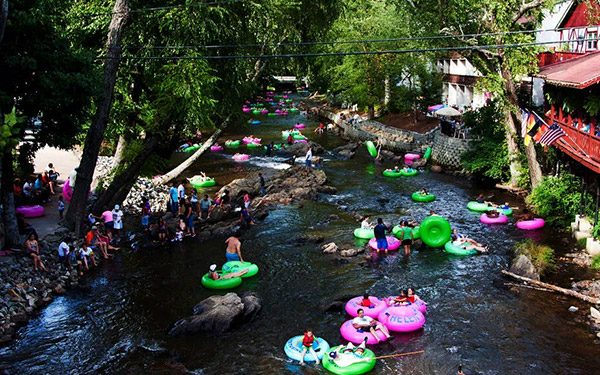
1. As we've reached the mid-point of summer, I have some convenient TimeOut city activity guides from around the country.
2. Calling all ageless writers, 2 to 102. In the Writer's Corner, I have a link to Poets & Writers Magazine's listings of current writing contests, grants & awards. From the original contributions sent to The Flock so far, this section is for you!.
3. In the new Quotes section, I'm sharing some insightful quotes my friend Ann Harriet shared with me. I hope you enjoy them too.
4. This is The Flock, so we cover Birds when we can. This week we have the story of a man in Cuba who rebuilt a habitat for the worlds tiniest bird, when he rebuilt his own.
5. In Trekking, we have some pointers on hiking downhill from Outside Magazine.
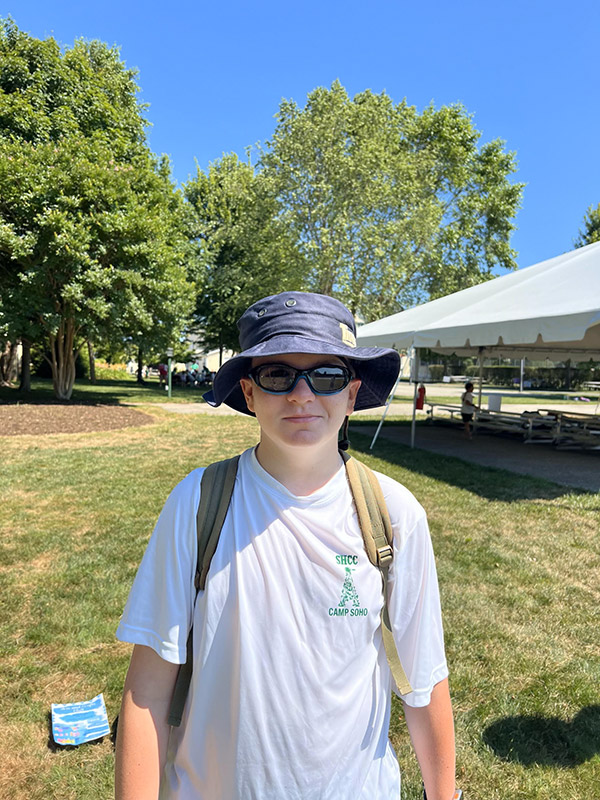
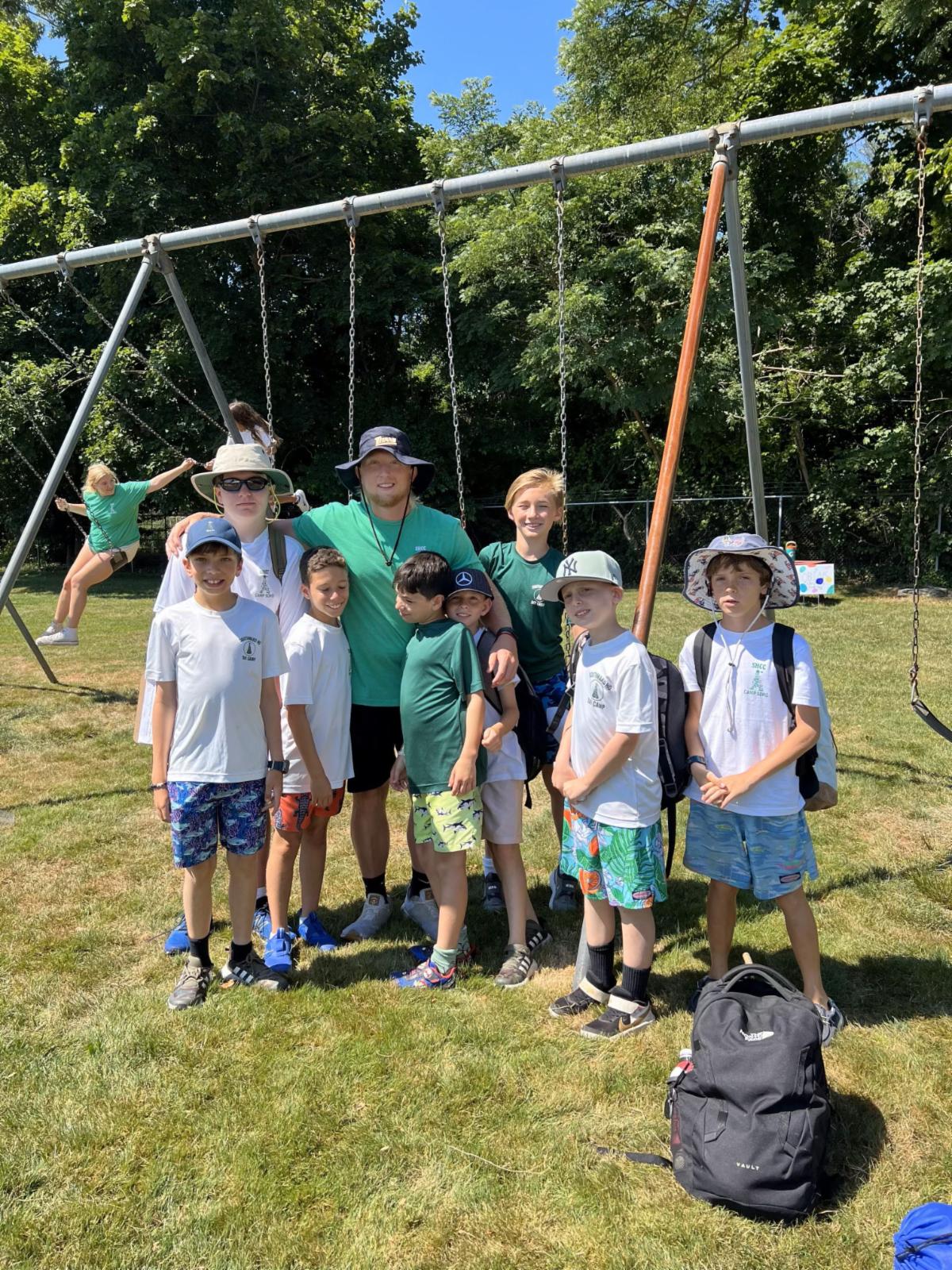
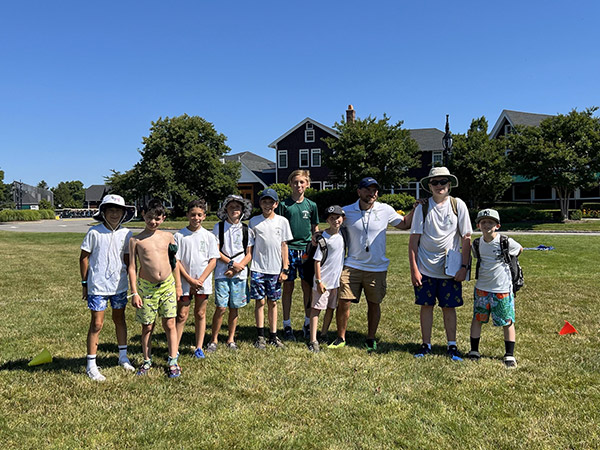
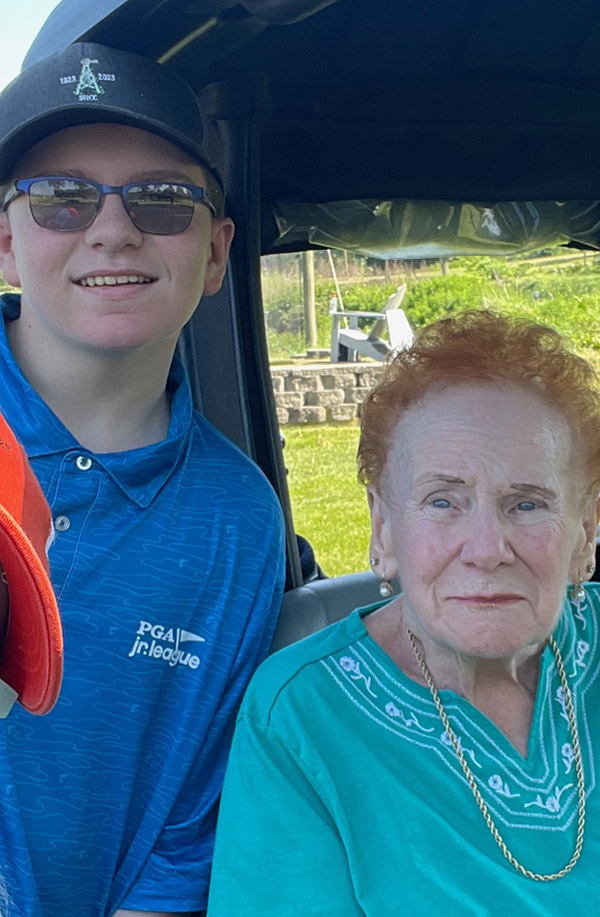
6. We're catching up with last year's Flock Student of the Year, Finley Henning in the Kid's Corner.
7. I came across a good resource for STEM content on NASA's website this week, and I'm sharing that in the Educator's Corner.
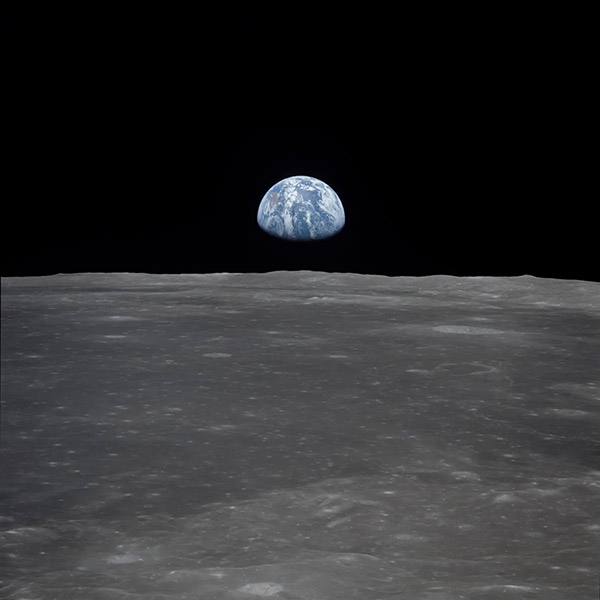
8. In this week's The Heavens we get a special Full Buck Moon that rises on the 55th anniversary of Neil Armstrong's first steps on the moon.
9. Next we look back at that moon landing 55 years ago, followed by some NASA trivia.
10. In closing, I have a couple of cinematic titles that make great summer movies and celebrate NASA's accomplishments in space.
| |
Now, to this week's Flock. | |
1. SUMMER TRIPS: Summer Fun Across the U.S. | |
Summer is halfway over. If you're bored and need something refreshing to do with the family, TimeOut.com has assembled activity guides for cities around the U.S. There's a good chance that you're not too far away to take an excursion to one of these destinations. Even if you live in one of these cities, I'm sure you'll find something new. | |
These cities have endless summer fun to be explored | |
2. WRITER'S CORNER: Writing Contests | |
Poets & Writers Magazine maintains a database of writing contests, grants and awards on their website. Cash prizes range from $1,000 to $35,000 for currently running contests, with entry fees ranging from $0 to $105. The magazine also maintains a calendar of contest submission deadlines to assist aspiring writers. I will highlight one current competition below. | |
Writing Contests, Grants & Awards | |
The Writing Contests, Grants & Awards database includes details about the creative writing contests—including poetry contests, short story competitions, essay contests, awards for novels, and more—that we’ve published in Poets & Writers Magazine during the past year. We carefully review the practices and policies of each contest before including it. Ours is the most trusted resource for legitimate writing contests available anywhere. | |
Banyan Review Poetry Prize | |
|
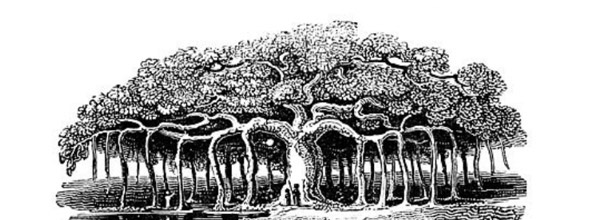
Calling all poets! The Banyan Review Poetry Prize is open for submissions this summer. The annual contest offers a $1,000 cash prize and publication in Banyan Review for a single poem. To be eligible, poems must be written in English, and translations are not accepted. The journal is "open to all aesthetics" and is looking for "well-crafted poetry on any topic."
Using only the online submission system, writers may submit up to five poems totaling no more than 15 pages with a $20 entry fee by September 1. Natasha Kane, the marketing and acquisitions editor at Trio House Press, will serve as the judge. Visit the website for complete guidelines.
The Banyan Review, an online literary and fine art journal, seeks to promote "poetry, art, and the natural world." Published two to three times a year, the journal includes works from writers at all stages in their careers, from emerging to established artists.
| |
3. QUOTES: Shared by a Friend. | |
The following quotes were sent to me by a longtime friend and source of inspiration, Ann Harriet Buck. She sends these to me periodically. They bring me calmness and help me to center myself. I am happy to pass them on and share them with you here. | |
|
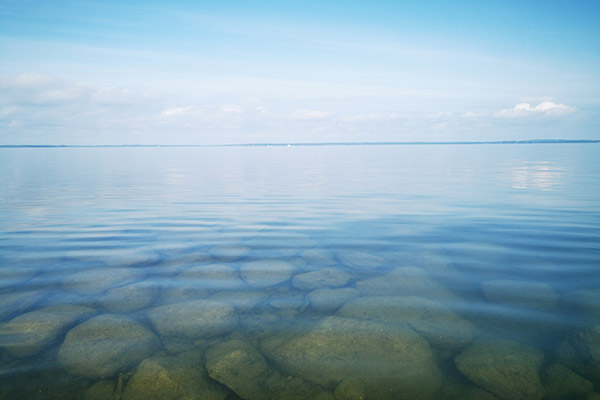
“The mind is like water. When it is turbulent, it’s difficult to see.
When it’s calm, everything becomes clear.”
— Prasad Mahes
| |
|
“Within you there is a stillness and a sanctuary to which you can retreat at any time and be yourself.”
—Hermann Hesse
| |
|
“Worry does not empty tomorrow of its sorrows. It empties today of its strength.”
—Corrie Ten Boom
| |
"The greatest weapon against stress is our ability to choose one thought over another"
— William James
| |
|
"Feelings come and go like clouds in a windy sky.
Conscious breathing is my anchor.”
—Thich Nhat Hanh
| |
4. BIRDS: The Bee Hummingbird | |
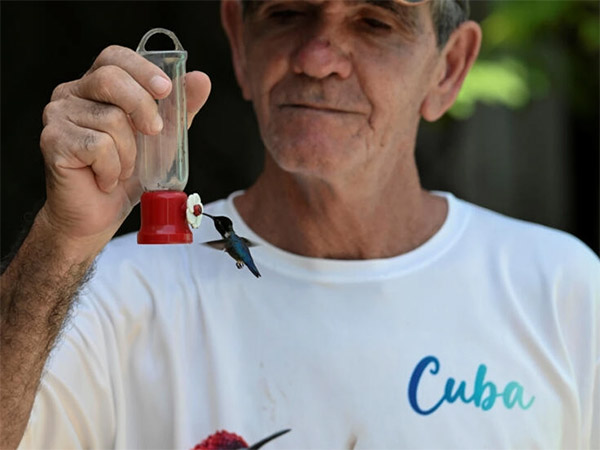
In 2001 Hurricane Michelle hit Cuba hard, it destroyed homes, crops, and the habitat of the world's tiniest bird, the bee hummingbird, which is only found in Cuba. With the loss of habitat, the bee hummingbird population suffered. After losing his home to the storm, Bernabe Hernandez rebuilt his home and planted a garden that would help the bee hummingbird recover. Bernabe's garden has since become a tourist destination and his home is now known as "The House of the Hummingbirds." | |
In Cuba, a haven for the world's tiniest bird | |
The wings of the world's tiniest birds are a near-invisible blur as they whizz around tourists visiting a private Cuban garden that has become a haven for the declining species. | |
|
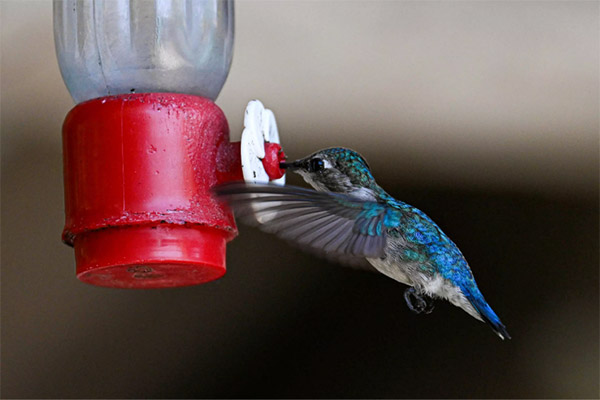
The bee hummingbird, which measures just five to six centimeters (two inches) long, is only found in Cuba. Its losses have been huge, with the International Union for Conservation of Nature (IUCN) saying it has disappeared from many areas due to deforestation.
But in Palpite, in the southwest of the country, Bernabe Hernandez, 75, has turned his garden into a paradise for the bitty bird.
"We never get tired of it. We always discover something new!" he said as he watched two of the hummingbirds (Mellisuga helenae) zip towards a hanging water bath.
Cubans call them "zunzuncito," a word evoking the sound of the buzzing of their tiny wings, which can flap up to 100 times a minute.
| |
A bee hummingbird (Mellisuga helenae) feeds at the House of Hummingbirds sanctuary in Palpite, Cuba | |
5. TREKKING: Tips for Better Descents
| |
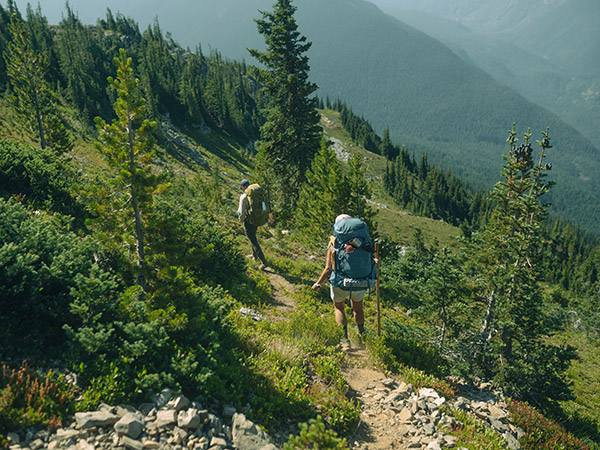
In the following article from Outside Magazine, author and hiking enthusiast Grayson Harver Currin describes his journey to improving his descending skills with considerable help from Mandie Majerus, a Washington State-based physical therapist with extensive experience in helping alpinists train and improve their technique. Here is a synopsis of the five tips for improved descending that they arrived at. | |
Want to Hike Downhill Pain-Free? Here Are Five Tips. | |
Descending a trail strains your muscles and ligaments. Our hiking columnist asked a physical therapist how to avoid aches and pains on your next downhill adventure. | From: Outside Magazine, By: Grayson Haver Currin, July 9, 2024 | |
|
Pay Attention to the Terrain
Unless you’re on an exposed ridge, there’s typically only so far you can fall while hiking upward. You stumble, maybe you skin your knee, and you get back up and press on. Falling while hiking down is, of course, an entirely different proposal, since the same gravitational forces that ostensibly make going down easier can also send you end over end or headlong into a tree...
Keep a Loose Body Posture
Majerus wants you to visualize a basketball player catching a pass and immediately shifting into the famous triple-threat stance. Their feet are shoulder-width apart, with their knees slightly bent, chest out, and their head up...
Plant Your Heels
If you’ve ever walked down a steep snow field, you’ve probably used the plunge step. That is, you sit back in your stride with a slightly wide stance and plant one heel in the snow; you settle in and then repeat with the opposite foot, your heel again cutting into the snow first. Walking down a steep hill sans snow? Do a less hyperbolic version of the same motion, bending your knees and leaning into your butt ever so slightly while leading with your heel...
Keep Your Weight Off of Your Hiking Poles
Remember your bent knees and planted heels, and keep your poles to your side or barely out front. Think of them a little bit like a backhoe’s stabilizers, appendages that keep the machine from tipping as it works...
Practice and Prepare
Last tip? Find ways to actually practice going downhill, whether that means having someone drop you at the top of progressively higher roads or simply as part of a long weekend hike...
| |
6. KID'S CORNER: Catching Up with Finley
| |
I first introduced you to this fine young man Finley Henning last December when I proclaimed him the 2023 Flock Student of the Year for because of his musicianship, golf prowess, academic achievement, and all the work he had done on his school's production of Elf Jr. | |
Hanging out at Southward Ho CC | |
7. EDUCATOR'S CORNER: NASA Learning STEM Resources
| |
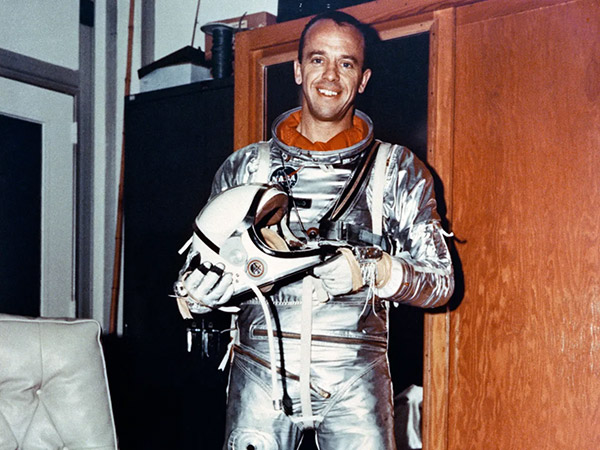
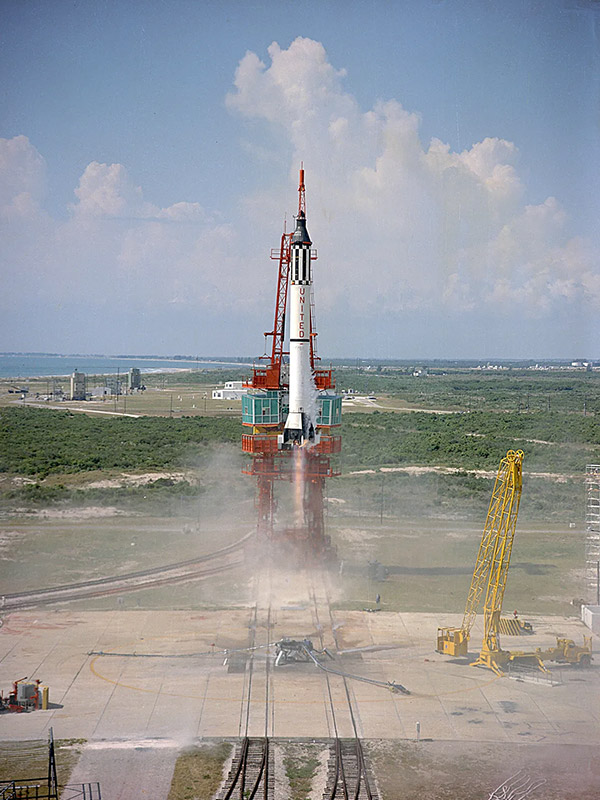
While I was preparing this week’s newsletter, I came across NASA's Learning Resources website. The site is packed with excellent STEM content for future scientists and organized by grade level. While I was there, I ran across this article aimed at students in grades K-4 about Astronaut Alan Shepard. Alan Shepard was born and raised in the same New England Town that I was – Derry, New Hampshire. In fact, my parents attended and graduated from the same High School as Alan. As a Navy test pilot, he joined NASA and was selected as one of the Mercury 7, the seven astronauts competing to be the first to man the Mercury spacecraft. Alan was selected and on May 5, 1961, he became the first American in space. Needless to say, he also became a local hero in Derry! | |
Who Was Alan Shepard? (Grades K-4) | |
|
Alan Shepard was the first American in space. He was one of NASA’s first seven astronauts. He also walked on the moon.
What Was Shepard’s Early Life Like?
Alan Shepard was born on Nov. 18, 1923. He worked on a ship during World War II. After the war, Shepard went back to school. He became a test pilot. Test pilots try out new aircraft. The pilots make sure the airplanes are safe. In April 1959, Shepard became an astronaut.
What Happened on Alan Shepard’s First Spaceflight?
On May 5, 1961, Alan Shepard became the first American in space. He flew on a Mercury spacecraft. There was just enough room for one person. He named his capsule Freedom 7. It launched on a Redstone rocket. The Army first used the Redstone as a missile. On this flight, Shepard did not orbit Earth. He flew 116 miles high. Then he came back down. The flight lasted about 15 ½ minutes. The mission was a success.
| |
|
What Happened on Alan Shepard’s Second Spaceflight?
Shepard’s second spaceflight was Apollo 14. This mission went to the moon. Shepard was the commander. Stuart Roosa and Edgar Mitchell were on Apollo 14, too. The Apollo spacecraft launched on a Saturn V rocket.
On Feb. 15, 1971, Shepard and Mitchell landed on the moon. Roosa stayed in the crew capsule. It stayed in orbit around the moon. Shepard and Mitchell went on two moonwalks. They collected more than 100 pounds of moon rocks. They did science experiments on the lunar surface. Shepard had some fun, too. He became the first person to hit a golf ball on the moon. It showed how far the ball would go in the moon’s lower gravity. So that was science, too.
| |
Alan Shepard Hits A Golf Ball on the Moon | |
8. THE HEAVENS: Spot the Teapot in Sagittarius
| |
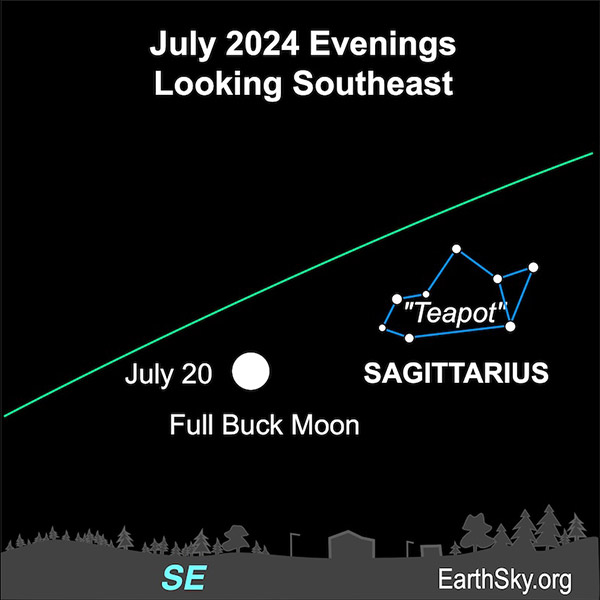
Saturday night, July 20th is a good opportunity to do a little star gazing and get a peek at the Teapot, an asterism in the constellation Sagittarius. An asterism is a collection of stars that form a recognizable pattern, sometimes within a constellation or combining stars from multiple constellations, but they are not official constellations themselves. The moon will be approaching its full phase but won't be officially full and at its brightest until the early hours of Sunday morning. While you're looking up at it Saturday night, take a moment to reflect on the incredible accomplishment made 55 years ago on July 20th, 1969, when Neil Armstrong became the first person to walk on the moon. | |
July 20-21 all night: Full moon near the Teapot | |
Overnight on July 20-21, 2024, look for the full Buck Moon. It’ll lie near the Teapot, an asterism in Sagittarius the Archer. The full moon will occur at 10:17 UTC (5:17 a.m. CDT) on July 21, 2024. You can catch the moon and the Teapot rising in the east at sunset, highest in the sky at midnight, and setting in the west at dawn. | |
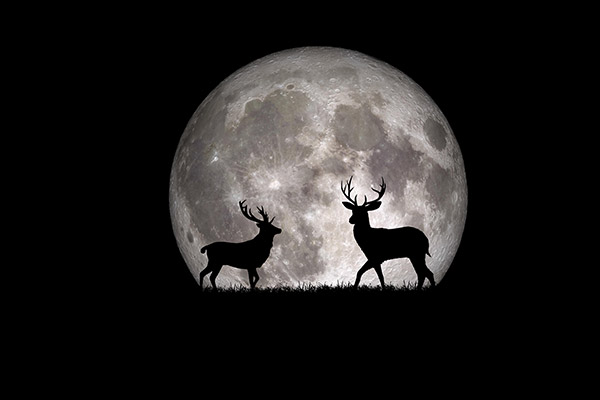
Behold the Full Buck Moon! | |
|
The Buck Moon
The full Moon in July is called the Buck Moon because the antlers of male deer (bucks) are in full-growth mode at this time. Bucks shed and regrow their antlers each year, producing a larger and more impressive set as the years go by.
| |
9. NASA: 55th Anniversary of the First Human on the Moon
| |
July 20, 1969: One Giant Leap For Mankind | |
|
July 1969. It’s a little over eight years since the flights of Gagarin and Shepard, followed quickly by President Kennedy’s challenge to put a man on the moon before the decade is out.
It is only seven months since NASA’s made a bold decision to send Apollo 8 all the way to the moon on the first manned flight of the massive Saturn V rocket.
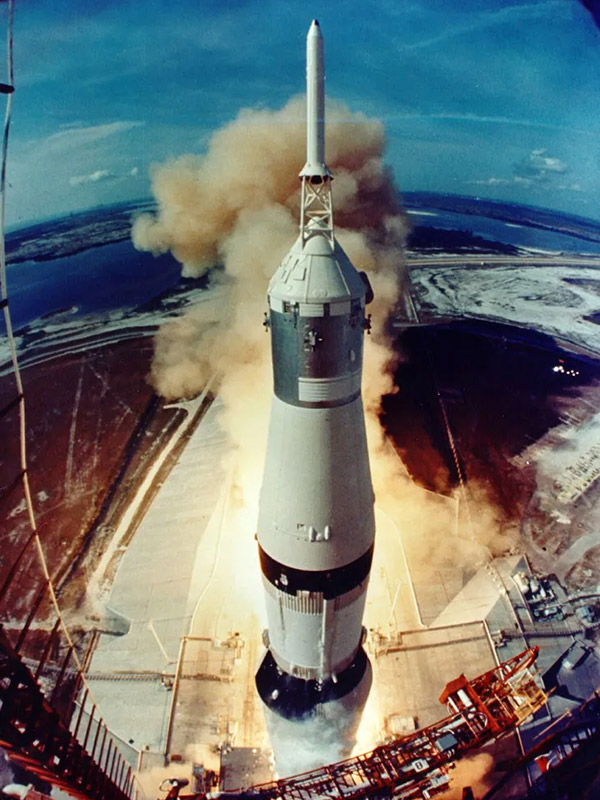
Now, on the morning of July 16, Apollo 11 astronauts Neil Armstrong, Buzz Aldrin and Michael Collins sit atop another Saturn V at Launch Complex 39A at the Kennedy Space Center. The three-stage 363-foot rocket will use its 7.5 million pounds of thrust to propel them into space and into history.
At 9:32 a.m. EDT, the engines fire and Apollo 11 clears the tower. About 12 minutes later, the crew is in Earth orbit.
After one and a half orbits, Apollo 11 gets a “go” for what mission controllers call “Translunar Injection” – in other words, it’s time to head for the moon. Three days later the crew is in lunar orbit. A day after that, Armstrong and Aldrin climb into the lunar module Eagle and begin the descent, while Collins orbits in the command module Columbia.
| |
Apollo 11 Moonwalk Montage | |
|
• Only one astronaut has landed on the moon, traveled to the International Space Station, and blasted into orbit on the space shuttle. On top of that, in 2022, he hitched a ride aboard the record-breaking flight of Artemis I, which traveled an astronomical 1.4 million miles.The astronaut? Snoopy. | Source
• Astronauts who were born in 47 states, Guam, and the District of Columbia have flown in space. No astronauts have yet flown in space who were born in Nevada, Vermont or Wyoming. | Source
• Ellison Onzuka of Kealakekua, Hawaii was the first Asian American and the first person of Japanese origin to reach space. He tragically lost his life on January 28, 1986, along with fellow crew members Dick Scobee, Michael J. Smith, Ronald McNair, Judith Resnik, Gregory Jarvis, and Christa McAulife when a fuel tank on the space shuttle Challenger ruptured. The Ellison S. Onizuka Space Center at Kona International Airport in Hawaii is dedicated to him. | Source
| |
10. CINEMA: NASA Themed movies
| |
The 1983 movie, The Right Stuff tells the story of the U.S. space program's development from the breaking of the sound barrier to selection of the Mercury 7 astronauts, from a group of test pilots with a more seat-of-the-pants approach than the program's more cautious engineers preferred. | |
The Right Stuff (1983) Official Trailer | |
In this true story of the Apollo 13 mission, NASA must devise a strategy to return Apollo 13 to Earth safely after the spacecraft undergoes massive internal damage putting the lives of the three astronauts on board in jeopardy. | |
Apollo 13 | Official Trailer | |
Fly Me to the Moon - Official Trailer | Fly Me to the Moon is just out with Scarlett Johansson and Channing Tatum. I can't wait to see it | |
These Flock regulars are always here for you: | |
In coming weeks: we'll be sharing more investigative articles from our roving reporter William George, original writing from Flock favorite Dino DeConcini, and an update on the Marolt brothers' coming expedition to Argentina. | |
Don't Be Shy: Share Your Stories! | |
I'm looking forward to sharing more of your personal stories - oral, written, or otherwise, as we enter our third year. I'd so love to present them to The Flock, hit a mailbox below to share your story. | |
Subscriptions & Idea Submissions
Reminder: Your submissions are always welcomed. | |
|
Feel free to forward this email to a friend. If this was forwarded to you and you would like to receive your very own Flock Newsletter, you can sign up here. If you have any questions or suggestions for future Flock resources, don't hesitate to contact me.
Your fan and friend,
Beth
| | |
The information and materials contained or referenced in this newsletter are for informational purposes only and not intended to be a substitute for professional medical advice, diagnosis, or treatment. Always consult a physician or other qualified medical professional with any questions you may have regarding a medical condition or treatment and before beginning a new health care regimen. Do not disregard professional medical advice or delay seeking medical advice or care based on anything contained in this newsletter. | | | | |