REMINDER: YOUR SUBMISSIONS ARE ENCOURAGED | | |
1. Bindu's Corner: This week, Bindu has gathered soulful quotes from spiritual and cultural leaders, including writers, activists, and one famous musician.
2. Writer's Corner: The Writers Studio offers online and, in specific cities, in-person writing courses in multiple genres taught by professional writers and experienced academics.
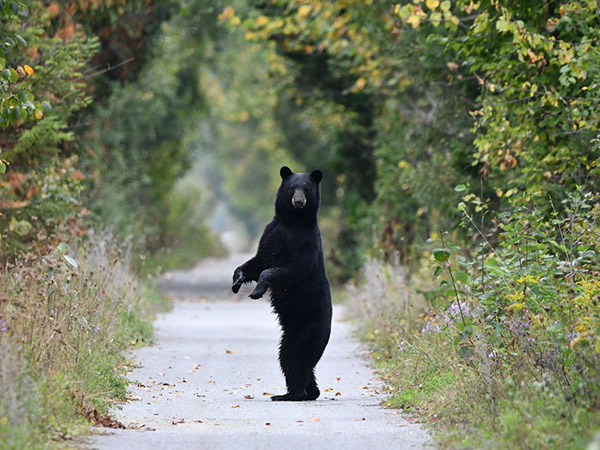
3. Nature: We've had lots of black bear activity in Aspen this summer; thankfully, we don't have grizzlies here. I wanted to cover the different types of bears around the world and where they live.
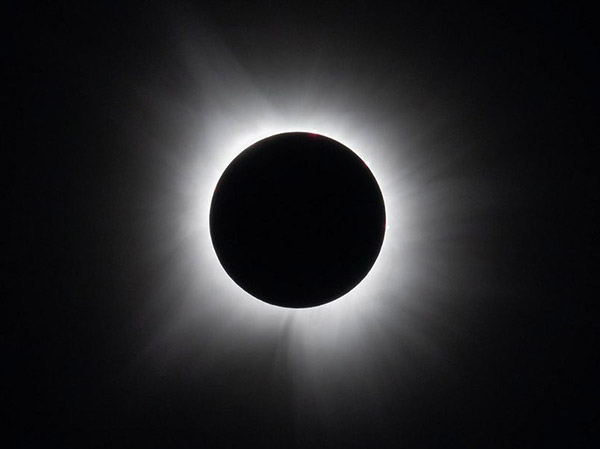
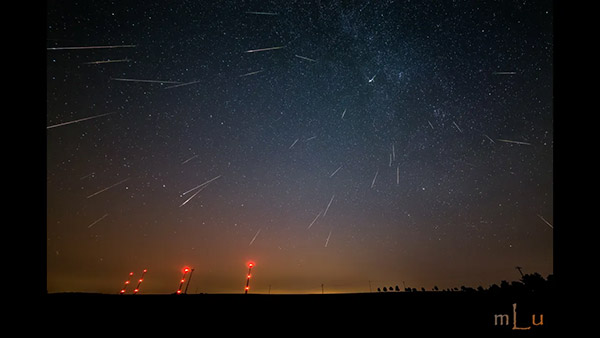
4. The Heavens: August will offer two spectacular astronomical events, both on the same day, August 12, 2026. The next solar eclipse will happen during the day, and that night the Perseid meteor shower will start to peak with up to 100 meteors per hour.
5. Wellness: The physical benefits of a regular walking routine are well documented; new research shows that aging fast walkers, dubbed super-movers, also see cognitive benefits.
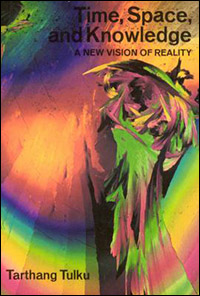
6. Book Corner: For this week's Book Corner, I'm featuring a book of philosophical inquiry rooted in Tibetan Buddhism that Dr. Fox will discuss on video in the next section.
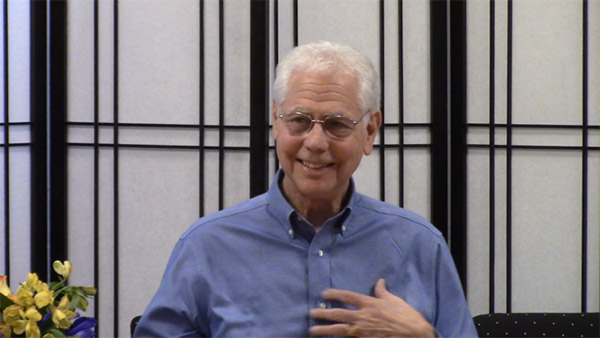
7. Hayward M. Fox, Ph.D.: Dr. Fox discusses his first read impressions and how to get the most out of the book featured in this week's Book Corner.
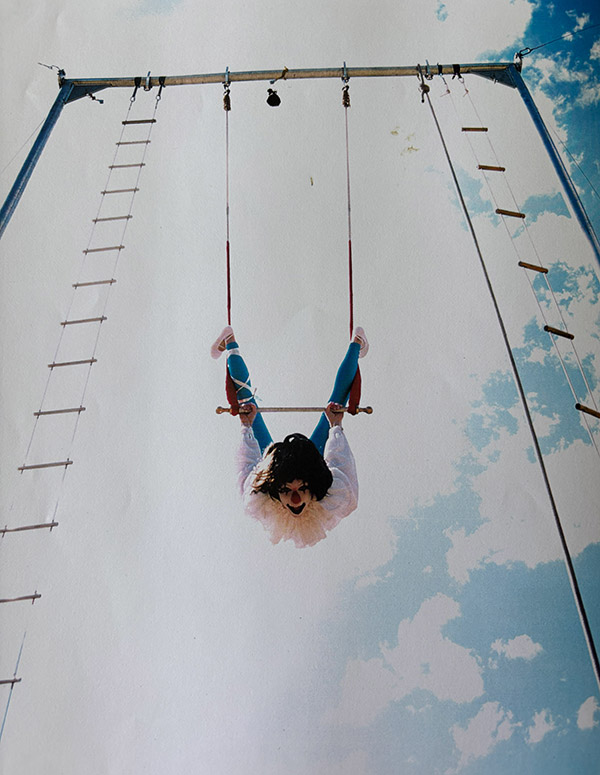
8. Coming Attraction: A preview of a large photo-essay that I'm preparing for a future Flock.
| | Now, to this week's Flock. | | 1. Bindu's Corner: Spiritual Masters | | Below are quotes from spiritual leaders, artists, and writers on matters of the soul. | | |
To those who have not realized the Self, as well as to those who have, the word 'I' refers to the body, but with this difference, that for those who have not realized the Self the 'I' is confined to the body whereas for those who have realized the Self within the body the 'I' shines as the limitless Self.
— Ramana Maharshi (Indian Hindu Sage, 1879-1950)
Through all ages, great saints have remained as living proof that this non-temporary, permanent state of God consciousness can be revived in all living souls.
— George Harrison (English Musician, The Beatles, 1943-2001)
It is better to experience than to be told. But it is wiser to learn from the great sacred-souls.”
— Lailah Gifty Akita (Ghanaian inspirational author, scientist, and founder of Smart Youth Volunteers Foundation, 1982 -present)
Sorrows gather around great souls as storms do around mountains; but, like them, they break the storm and purify the air of the plain beneath them.
—Jean Paul (Jean Paul Freidrich Ricter, German Romantic writer, 1763-1825)
A great soul serves everyone all the time. A great soul never dies. It brings us together again and again.
— Maya Angelou ( American poet, author, and activist, 1928-2014)
| |
2. Writer's Corner: The Writers Studio
| | The Writers Studio provides two-week-long creative writing courses in New York City, Terrytown, NY, San Francisco, CA, Tucson, AZ, and Rome, Italy. They also offer online courses available anywhere you have an internet connection. Many of the course instructors are published authors or have advanced experience in teaching writing and literature. Whether you want to hone your writing skills to become a professional author or improve your writing for your own personal fulfillment. Their courses can help you navigate the path to reach your goals. | | |
For over three decades The Writers Studio has been helping students become stronger, more resourceful writers — with more craft at their disposal, more knowledge of what makes a piece of creative writing satisfying to a reader, and more access to the full range of their emotions and imagination.
We have developed our own teaching method, which gives students the opportunity to “try on” many different narrative approaches. In the process of studying and trying out the techniques found in a wide array of published work, students end up discovering their own material and voice. They also find a supportive community of like-minded classmates. The school is flexible enough to meet the needs of students at all levels of experience and commitment. Students can take a single six-or eight-week workshop, or proceed through a series of increasingly challenging classes.
| | 3. Nature: Eight Types of Bears | | The local black bears that call the mountains around Aspen home have been pretty active this summer, causing minor mischief and even learning the trash pick-up schedules in different neighborhoods. We're getting even more bear-proof trash bins soon to help promote the peaceful coexistence of Colorado residents and bears. It's got me thinking about all of the types of bears and where they call home. | | Meet the Different Species of Bear: Powerful Predators | | |
Bears are among the most iconic wild animals on Earth. They inspire fear and respect because they have the means to tear you apart, but they are also gentle giants. From the icy ranges where polar bears live to the dense forests of Asia, these powerful yet often misunderstood creatures have fascinated humans for centuries.
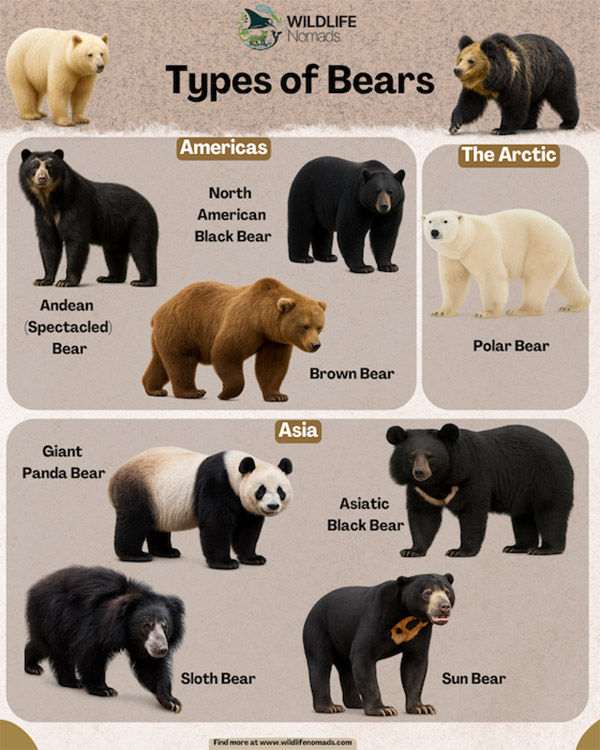
But how many types of bears are there? The bear family, Ursidae, includes eight offical recognized species spread across North America, South America, Europe, and Asia – but there are many other subspecies that may cause confusion. Each with its own adaptations, diets, and challenges. Let’s take a closer look at the different types of bears in the world, their habitats, and conservation status.
How Many Bear Species Are There?
The bear family, scientifically known as Ursidae, consists of eight species of bears distributed across four continents. These different species of bear have evolved over millions of years to occupy diverse ecological niches, from Arctic ice floes to tropical rainforests.
1. Brown bear (Ursus arctos)
2. Polar bear (Ursus maritimus)
3. American black bear (Ursus americanus)
4. Asiatic black bear (Ursus thibetanus)
5. Spectacled bear (Tremarctos ornatus)
6. Giant panda (Ailuropoda melanoleuca)
7. Sloth bear (Melursus ursinus)
8. Sun bear (Helarctos malayanus)
| |
4. The Heavens: August Solar Eclipse & Meteor Shower
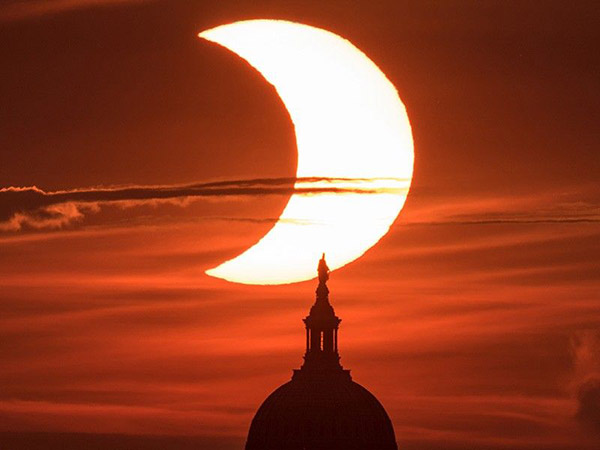
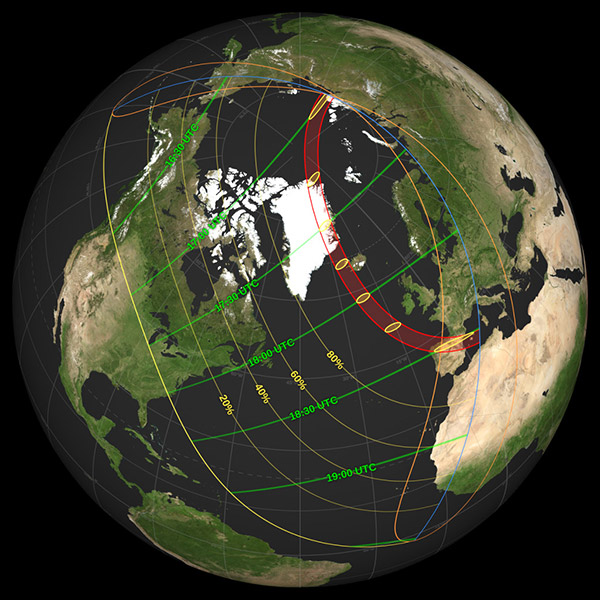
| | The next solar eclipse is coming up on Wednesday, August 12th. Parts of Greenland, Iceland, and Spain will see a full solar eclipse. Most of Europe, western Russia, and west Africa will see a partial eclipse. In North America, a partial solar eclipse will also be visible along the Canadian-US border and in the eastern US from New England south to North Carolina. Even if you are viewing a partial solar eclipse, it is still very important to wear certified eclipse glasses or use a pinhole projector to avoid serious vision damage while observing the eclipse. Later that evening, one of the most active meteor showers of the year, the Perseids, will start to peak with up to 100 meteors per hour. | | |
On Aug. 12, 2026, a total solar eclipse will sweep across Greenland, Iceland, northern Russia, the Atlantic Ocean, Spain, and a small corner of Portugal.
Many other places in the Northern Hemisphere will experience a partial solar eclipse that day, including parts of the northern U.S. (from Alaska to North Carolina), most of Canada, much of Europe, and northwestern Africa.
| | |
For many along the western part of the eclipse path (in mainland Europe and Africa), the Sun will set while it’s still partially eclipsed, creating an opportunity to see a sunset eclipse.
NASA will stream the eclipse live starting at 1:15 p.m. EDT on Aug. 12:
https://www.nasa.gov/live
Eclipse Map
This map shows where a solar eclipse will be visible on Aug. 12, 2026.
The red band that crosses Greenland, Iceland, and Spain shows where a total solar eclipse can be seen. Yellow curves across the map show where a partial eclipse will be visible, and percentages indicate the maximum area of the Sun covered by the Moon during the eclipse along those lines.
| | Credits: NASA's Scientific Visualization Studio | | The Perseid meteor shower 2026: How to watch | | |
When does the Perseid meteor shower peak?
The 2026 Perseid meteor shower peaks on the night between August 12 and August 13. The Perseids usually put on a good show and this year may produce 50 to 75 meteors per hour at a dark site.
From a dark sky location, you can expect to see an average of about 50 meteors per hour during the shower's peak activity, though that rate depends greatly on where you are in the northern or southern hemisphere. Peak rates can also be higher on some occasions due to a resonance with Jupiter. Use timeanddate.com to find ideal times and viewing directions for your location, or check out The American Meteor Society's page to learn more.
There will be a new Moon in the night sky during the peak of the 2026 Perseids, which should make for ideal conditions. The shower will also be present, though less active, during the several days before and after peak activity.
| |
5. Wellness: Super-Movers
| | In past issues of the Flock, I've posted about the physical health benefits of walking and rucking (walking with a weighted pack). Harvard Health recently published an article about new research showing that fast walkers, dubbed “super-movers,” also see a cognitive benefit as they age. | | Fast-walking "super-movers" may have sharper brains as they age | | From: Harvard Health, July 22, 2026 | |
Here’s some good news if you’re a fast walker — and an incentive to pick up the pace if you’re not: findings from a study published July 14, 2026, in Neurology suggest that older adults who maintain a brisk natural walking pace into their 80s and beyond may be protecting their brains.
Researchers analyzed data from five major aging studies involving nearly 4,000 older adults with an average age of about 84 (47% to 65% female, depending on the study), as well as from two smaller studies of adults 80 and older that used brain scans or examined brain tissue after death. The research team then separated out data from participants they dubbed “super-movers,” who walked faster than about 93% of their peers on timed walking tests.
The analysis yielded striking results. Compared with their slower-walking peers, super-movers were about 50% less likely to develop cognitive impairment over follow-up periods ranging from 3.4 to 5.4 years, and 60% less likely to report a diagnosis of Alzheimer’s disease or another dementia. Their memory and thinking skills also declined more slowly over time, as measured by memory recall, processing speed, and mental flexibility tests.
| | 6. Book Corner: Time, Space & Knowledge | | Time, Space & Knowledge is not an introductory philosophy book; it is a dense, advanced philosophical text. The reader should already have a competent familiarity with Buddhist concepts to get the most from this book. | | Time, Space & Knowledge:
A New Vision of Reality | | Time, Space, and Knowledge – A New Vision of Reality by Tarthang Tulku, introduces a new vision of reality based on fundamental elements of experience and free from any religious perspective. Inviting readers to look freshly at the fundamental principles that govern human experience, Time, Space, and Knowledge explores the possibility that our current understanding of reality represents only one particular "focal setting" on experience. As an alternative to the dichotomies of conventional thought, it offers a unified vision that unfolds from the interplay of space and time with knowledge and exhibits boundless creativity―the nexus of human freedom and opportunity. Thirty-five thought experiments transform inspiring theory into direct experience, revealing that time and space can manifest differently, with liberating and lasting implications for human consciousness. | |
7. Hayward M. Fox, Ph. D.: A video from Dr. Fox
| | Below is a video from the Institute of Personal and Transpersonal Knowledge video collection where Dr. Fox discusses his experience first reading Time, Space & Knowledge: A New Vision of Reality by Tarthang Tulku, and how to get the most out of reading the book. You may also like to visit Dr. Fox's YouTube channel for more videos, and don't forget to like and subscribe. | | How to read the first TSK book | | How to read the first TSK book | |
8. Coming Attraction: Next Week in the Flock
| | Coming Attraction: Next Week in the Flock
| | In a future issue of the Flock, I'm going to be featuring a photo-essay of a pair of the truly unique type of people you meet in Aspen: Kimothy Cross, a trapeze artist, stilt walker, and former professional circus clown, and her twin sister Tory, who grew up togrther in a circus family and traveled the world performing. | | |
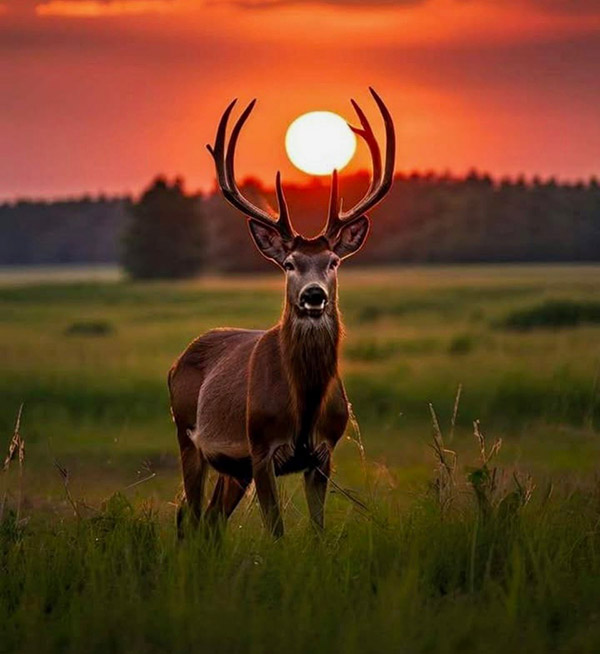
I hope you didn't miss Friday's Buck Moon
image courtesy of Dino DeConcini
| | These Flock regulars are always here for you: | | Don't Be Shy: Share Your Stories! | | I'm looking forward to sharing more of your personal stories - oral, written, or otherwise, as we enter our third year. I'd so love to present them to The Flock, hit a mailbox below to share your story. | | Subscriptions & Idea Submissions
Reminder: Your submissions are always welcomed. | | |
Feel free to forward this email to a friend. If this was forwarded to you and you would like to receive your very own Flock Newsletter, you can sign up here. If you have any questions or suggestions for future Flock resources, don't hesitate to contact me.
Your fan and friend,
Beth
| | | The information and materials contained or referenced in this newsletter are for informational purposes only and not intended to be a substitute for professional medical advice, diagnosis, or treatment. Always consult a physician or other qualified medical professional with any questions you may have regarding a medical condition or treatment and before beginning a new health care regimen. Do not disregard professional medical advice or delay seeking medical advice or care based on anything contained in this newsletter. | | | | |