|
1. Monday was Martin Luther King Jr. Day. I didn't want to let the week go by without mentioning it.
2. I'm resuming our series on the early history of the Middle East where we left off in December. This week We're looking at the Babylonian Empire in Mesopotamia.
3. I had an encounter with a rather muscle-bound coyote while walking my dogs K2 and Zuri in Colorado. I'm used to seeing much skinnier, almost anorexic, coyotes in Tucson. This guy was well fed. At first, I wasn't sure if it was a coyote or wolf, so I found an article to help you tell them apart.
4. Speaking of wolves, next Thursday, the 25th, is January's full moon, the Wolf Moon.
5. In Reaching High, I wanted to follow up on the winter Annapurna summit expedition we've been following. The expedition has been called off for now due to safety concerns.
6. Next, I wanted to catch up with two of our Next Genners William George and ZOE Crimmel.
7. The Make Elections Fair Arizona initiative has progressed to the petitions stage, and I wanted to let Flockers know that their signature could the initiative make it onto next year's ballot.
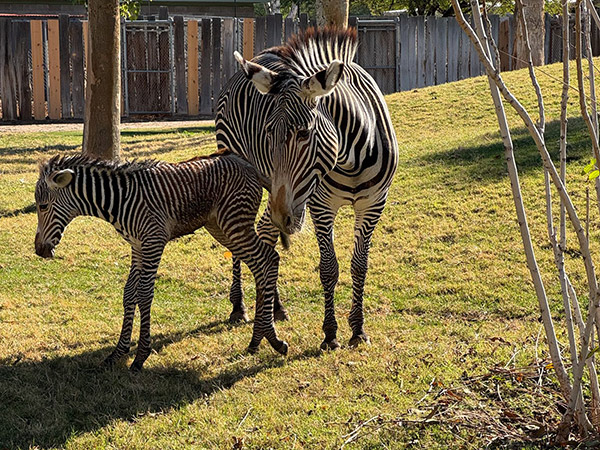
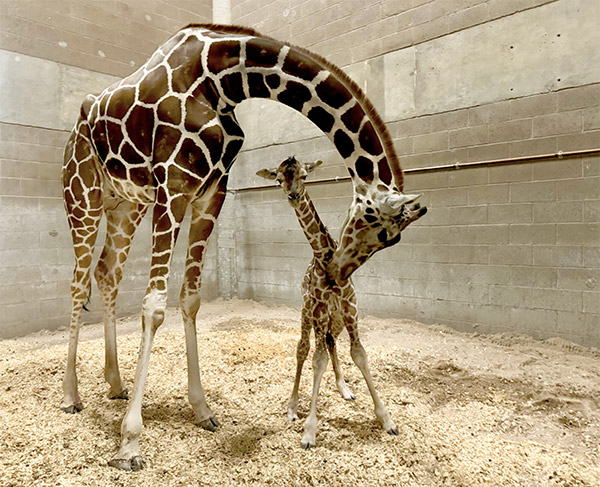
8. The Reid Park Zoo has had a busy winter with two new births, a Zebra foal on Christmas and a Giraffe calf last Monday.
9. I've wanted to cover the benefits of oil-free cooking for some time now. In this week's Wellness, I do.
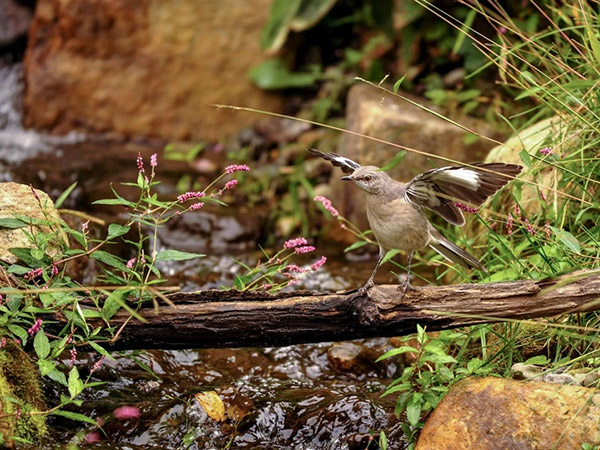
10. In Birds I found some fun facts about natures favorite mimic, the Northern Mockingbird.
11. In the Teacher's Corner I share some of the qualities that make a good teacher.
| |
Now, to this week's Flock. | |
1. HOLIDAYS : Martin Luther King Jr. Day
| |
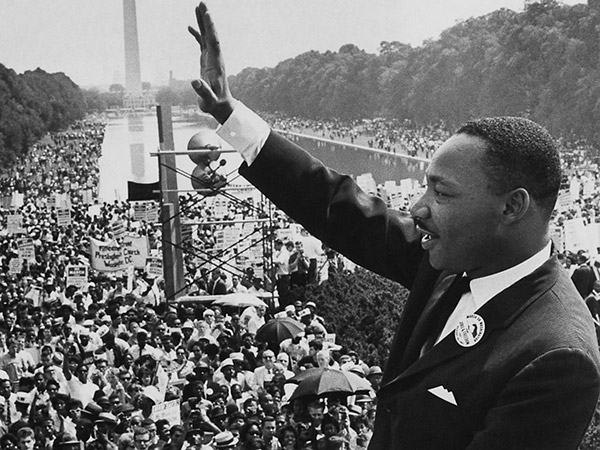
Martin Luther King Jr. Day was this last Monday. The official holiday is celebrated on the third Monday of January. This year that coincided with Dr. King's actual birthday, January 15. A dear friend of mine and Flock reader, Peter Siris, met Dr. King by chance shortly before he gave his famous "I have a Dream" speech and learned that he was going to deviate from the speech he had prepared for that day. The improvised speech that he gave on August 28, 1963, in front of the Lincoln Memorial became the defining moment of Dr. King's legacy and is considered as one of the great speeches in American History. We are happy to present the speech below. | |
"I Have a Dream" is a public speech that was delivered by American civil rights activist Martin Luther King Jr. during the March on Washington for Jobs and Freedom on August 28, 1963, in which he called for civil and economic rights and an end to racism in the United States. Delivered to over 250,000 civil rights supporters from the steps of the Lincoln Memorial in Washington, D.C., the speech was a defining moment of the civil rights movement and among the most iconic speeches in American history. | |
I Have a Dream speech by Martin Luther King Jr. | |
2. WORLD HISTORY: The Early History of the Middle East
| |
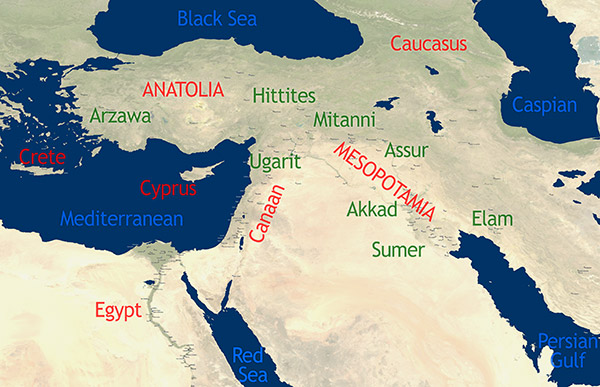
Back in December, we began a series on the early history of the Middle East. We covered the Sumerian and Akkadian Empires and looked at the land of Canaan in the first two installments. Then I got a little sidetracked with things like running a marathon and the winter holidays. This week we're returning to this series with a look at Ancient Mesopotamian and the rise of the Babylonian Empire. | |
|
After the fall of the Akkadian Empire, two new empires rose to power. They were the Babylonians in the south and the Assyrians to the north. The Babylonians were the first to form an empire that would encompass all of Mesopotamia.
Rise of the Babylonians and King Hammurabi
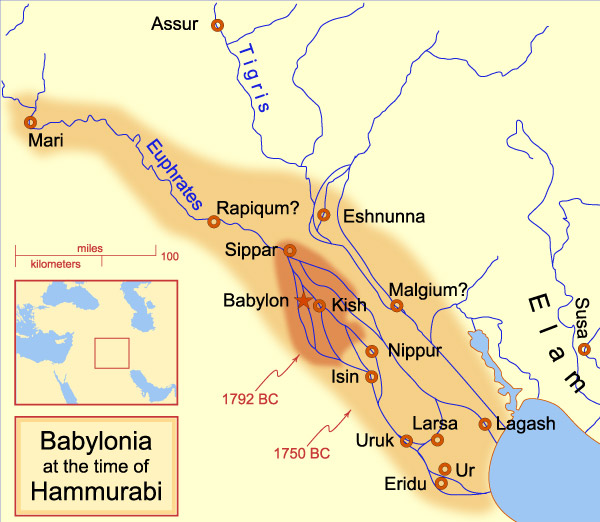
The city of Babylon had been a city-state in Mesopotamia for many years. After the fall of the Akkadian Empire, the city was taken over and settled by the Amorites. The city began its rise to power in 1792 BC when King Hammurabi took the throne. He was a powerful and capable leader who wanted to rule more than just the city of Babylon.
| |
|
Babylonian territory before (red) and after (orange) Hammurabi's reign
map: MapMaster
| |
|
The City of Babylon
Under Hammurabi's rule, the city of Babylon became the most powerful city in the world. Located on the banks of the Euphrates River, the city was a major trade hub bringing together new ideas and products. Babylon also became the largest city in the world at the time with as many as 200,000 people living there at its peak.
At the center of the city was a large temple called a ziggurat. This temple looked something like a pyramid with a flat top and archeologists think that it was 300 feet tall! There was a wide street leading from the gates to the center of the city. The city was also famous for its gardens, palaces, towers, and artwork. It would have been an amazing sight to see.
| |
|
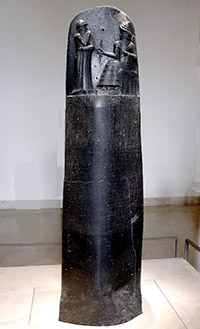
The Louvre stele
photo: Mbzt
| |
|
Hammurabi's Code
King Hammurabi established firm laws called Hammurabi's Code. This was the first time in history that the law was written down. It was recorded on clay tablets and tall pillars of stones called steles.
Hammurabi's code consisted of 282 laws. Many of them were quite specific, but were meant as guidelines to be used in similar circumstances. There were laws governing commerce such as wages, trade, rental rates, and the sale of slaves. There were laws governing criminal behavior describing the penalties for stealing or damaging property. There were even laws governing adoption, marriage, and divorce.
| |
3. NATURE: Coyote vs. Wolf
| |
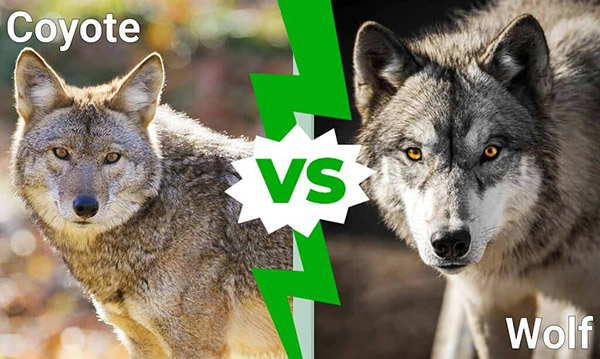
Recently, I ran into a rather muscle-bound coyote while taking my dogs K2 and Zuri for a walk in Colorado. For a minute in the dim evening light, I was worried that it might be a wolf, but it was just a coyote, and he was quickly on his way. The following article will help you tell the difference between a coyotes and wolves. | |
Coyote vs. Wolf:
The 6 Key DIfferences Explained
| |
From: AZ Animals, By: Heather Ross, October 10, 2023 | |
|
You saw a large, grey, furry animal streak across the road or down the forest path in front of you. Or, you heard eerie howls in the darkness. Was it a coyote? Was it a wolf?
Both canines hold special importance to legend and lore. Their presence symbolizes different elements like strength, wisdom, and foreboding peril. What is it about them that makes them beautiful and a little frightening at the same time?
Wolves and coyotes have many similarities, but there are evident differences when you compare them side by side. Keep reading to learn how to compare the face, silhouettes, and other differences between these two amazing animals.
Key Points:
- In general, wolves are larger than coyotes. The gray wolf can weigh from 70-150 pounds and has a length of 4.5 to 6.5 feet. The coyote weighs in at 15-50 pounds with a length of 3.5 to 4.5 feet.
- While gray wolves inhabit North America, Asia, and Europe, coyotes are only found in North America and Central America.
- The howling vocalizations of a coyote pack are often punctuated with barks, yaps, yips, and yodels. Wolves also bark but are known for their long, haunting howls, which are used as a way to communicate with other wolves.
| |
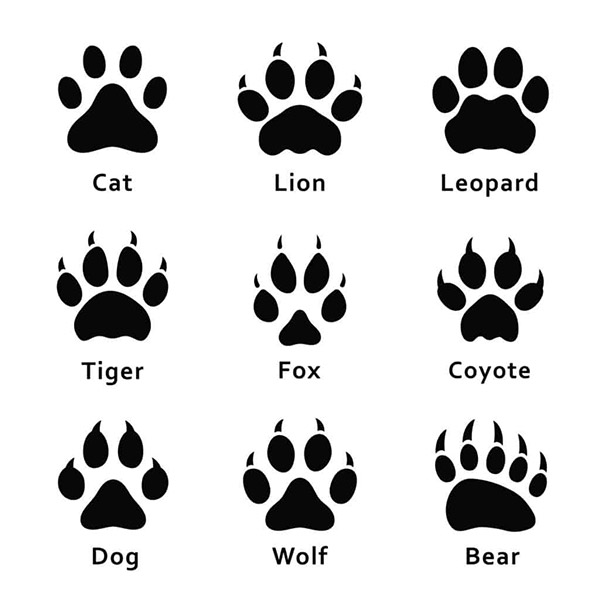
You can see that the wolf’s tracks are larger than a coyote’s in the above illustration | |
4. THE HEAVENS: The Wolf Moon
| |
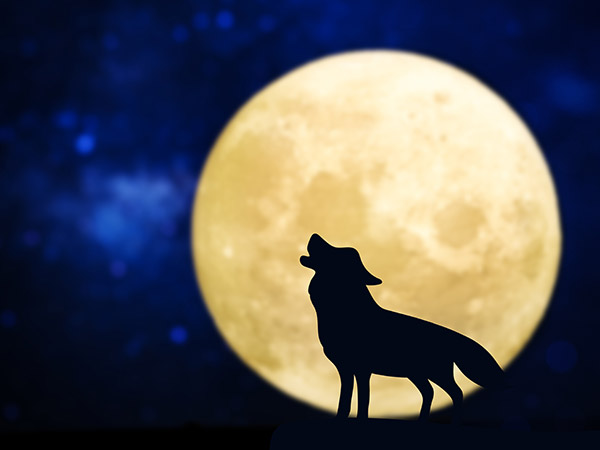
January's full moon, the Wolf Moon is coming up next week on the 25th. | |
Watch for January's Full Wolf Moon! | |
|
The full Wolf Moon rises on Thursday, January 25, 2024. What is a Wolf Moon? Here are the real meaning and origins of January’s full Moon—and when you can see this Moon at its brightest! Learn what’s special about the January full Moon!
January’s full Wolf Moon reaches peak illumination on Thursday, January 25, 2024, at 12:54 P.M. EST. At a full Moon, the Moon is located on the opposite side of the Earth to the Sun, so the face of the Moon facing towards the Earth will be entirely illuminated by the Sun’s rays. Look for the Moon to rise from the northeastern horizon around sunset that evening.
Why Is It Called the Full Wolf Moon?
The full Moon names used by The Old Farmer’s Almanac come from a number of places, including Native American, Colonial American, and European sources. Traditionally, each full Moon name was applied to the entire lunar month in which it occurred, not just to the full Moon itself.
The Wolf Moon
It’s thought that January’s full Moon came to be known as the Wolf Moon because wolves were more likely to be heard howling at this time. It was traditionally believed that wolves howled due to hunger during winter, but we know today that wolves howl for different reasons. Howling and other wolf vocalizations are used to define territory, locate pack members, reinforce social bonds, and coordinate hunting.
| |
5. REACHING HIGH: Annapurna Winter Expedition Update
| |
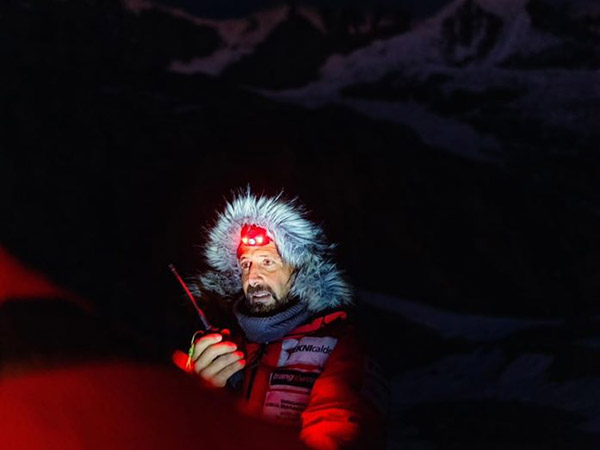
We've been following the Txikon team's winter attempt to summit Annapurna in the Himalayas. When we last checked in with them, they had moved gear to camp 3 and returned safely to base camp in preparation for the final summit attempt. Expedition leader, Alex Txikon has called off the final summit attempt in the interest of the team's safety. | |
Winter Annapurna Attempt Ends | |
|
Alex Txikon has called off his attempt on Winter Annapurna after losing a load of gear cached in Camp 3. The team had still seven weeks of winter left.
In a press release, Txikon said the mountain was in “exceptionally good, but at the same time committing and risky conditions” as the reason “to choose a guarantee of life and give up.”
“We have already taken too many risks…Perhaps I lack the hunger for the summit, having reached the summit of Manaslu a year ago,” Txikon admitted.
| |
This is a trek that I have done parts of. It is the trip of a lifetime. | |
Queen Creek engineer treks through Himalayas | |
|
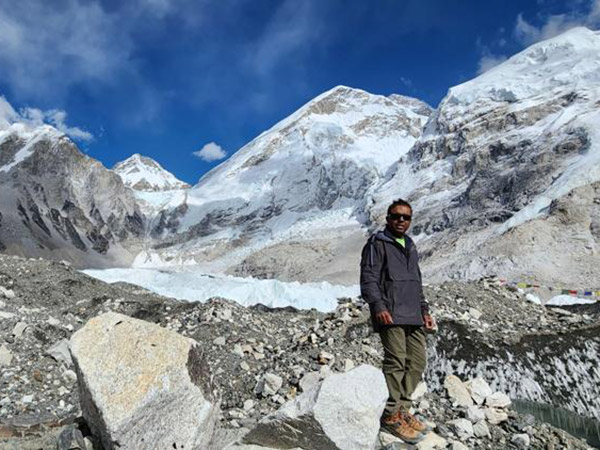
High-altitude climbing in the cold amid rocky terrain is not the stuff of dreams for most of us. But Gant Yasanayake of Queen Creek took it in his stride, literally, when he completed a trek in the Himalayas recently.
For the civil engineer with Sri Lankan roots, climbing to the Everest Base Camp in Nepal was a dream.
“I feel extremely happy and greatly satisfied about taking up the challenge and reaching the goal as I imagined, amidst so many roadblocks,” he said. “After coming back, nothing in my life around here seems difficult.”
| |
6. THE NEXT GEN: Updates on William George and Zoe Crimmel
| |
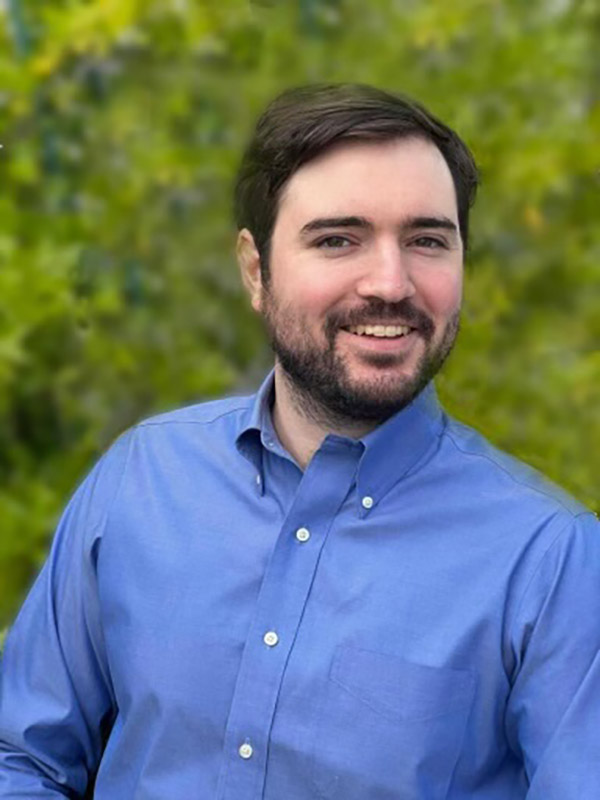
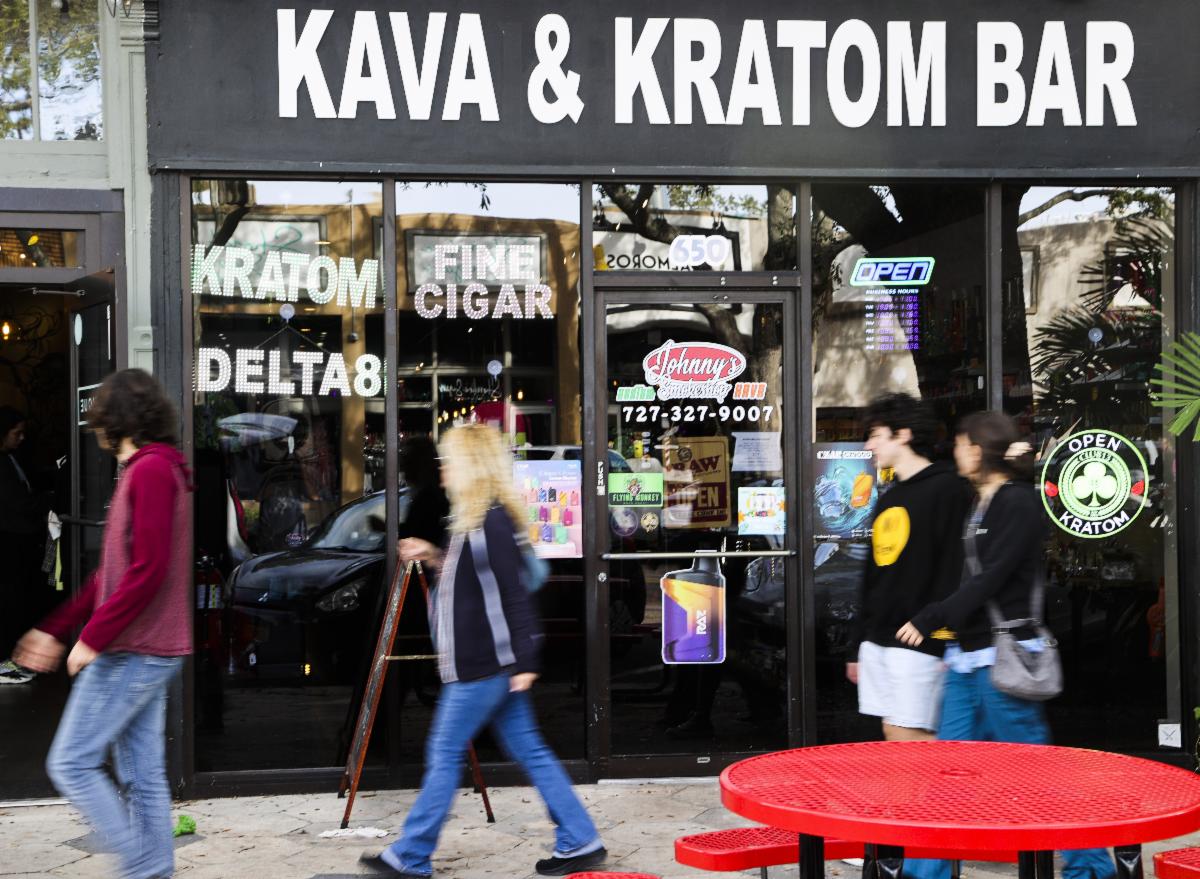
Last week, we looked at the research work that William George does at Import Genius and how it is used to assist investigative journalists and underpin their reporting. This week we would like to direct you to a four-part expose of the Kratom industry published in the Tampa bay Tribune that William's research contributed to. | |
DEADLY DOSE
Kratom’s path across the US is marked by deception and secrets
| |
From: Tampa Bay Times, By: Hannah Critchfield, Helen Freund and Lanfston Taylor, December 17, 2024 | |
|
The kratom trail spanned thousands of miles before it ended inside Jeremy Franka’s Broward County home.
Two bags of the substance were near the 35-year-old’s lifeless body in a backpack in his bedroom. One held 120 capsules of O.P.M.S. Silver, a popular kratom product that has been linked to multiple overdose deaths in Florida.
The other bag, with the same distinctive three-leaf emblem, was empty.
The trail starts in the verdant fields of Indonesia, where farmers pluck leaves from native evergreen trees. Once in the United States, kratom zigzags across the farmlands of the Deep South, through the plains of southeastern Colorado, to the sprawling suburbs of Atlanta — cloaked in secrecy at every turn. It can make nearly a dozen stops, where it is blended, cooked and packaged before powdered and potent versions land in gas stations, convenience stores and smoke shops.
By the time these products reach Florida consumers like Franka, suppliers and manufacturers have taken elaborate measures to evade regulators and avoid detection, a Tampa Bay Times investigation has found.
| |
When we last checked in on Zoe Crimmel's blog, Where in the World is Zoe, she had just accepted a "full ride" scholarship to Alcom State University in Lorman, Mississippi. In her latest post, Zoe shares her experiences going through orientation and adjusting to her new college life. | |
7. LOCAL SPOTLIGHT: Make Elections Fair Act
| |
We have followed Flock friend Sarah Smallhouse and her work with Make Elections Fair Arizona. The effort to bring open primaries to Arizona is progressing. The Make Elections Fair Act is a citizens’ initiative currently gathering signatures for the 2024 general election. If you are anArizona voter and get the chance to sign the petition, please do and we can all help to get The Make Elecions Fair Act on the next ballot. | |
Local opinion: Make Elections Fair Act merits your support | |
From: Tucson.com, By: Pat DeConcini, Ted Hinderaker, Si Schorr and Sarah Smallhouse, January 19, 2024 | |
|
By all accounts Arizona is set to be the eye of the 2024 election storm. Our state will play a key role in electing not only the next president and determine crucial down-ballot races but will also make critical decisions on citizen initiatives that make it to the ballot. Since statehood, the citizen initiative process has been a testament to Arizona’s independent spirit and commitment to the principles of direct democracy. It remains a cornerstone of Arizona’s democratic governance, empowering its citizens to actively participate in shaping the laws that govern our state. The Arizona Constitution enables ordinary citizens to directly propose, amend or repeal laws. The very first citizen initiative to pass after statehood in Arizona gave women the right to vote on Nov. 5, 1912.
The process begins with citizens drafting the proposed law. Next the organizers must file the initiative with the Office of the Secretary of State. Then, Legislative Council must review the measure to ensure that it meets all legal requirements. After the legal review is completed, supporters may begin circulating petitions containing the text of the initiative among the public. The proposal appears at the next general election if it receives the requisite number of required signatures. For proposals impacting state statutes 255,949 signatures are required and for constitutional measures 383,923 valid signatures are required to qualify for the ballot. The Secretary of State’s Office verifies the signatures to ensure they meet the criteria and certifies if the initiative qualifies to be placed before voters. The deadline to submit signatures is July 3, 2024.
| |
8. ZOOS: Reid Park Zoo Updates
| |
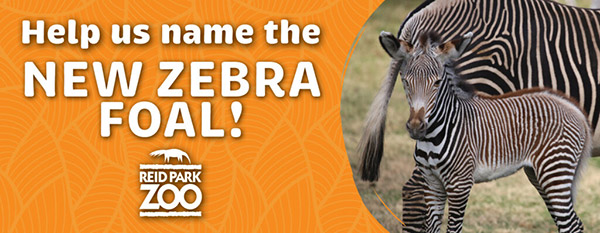
The Reid Park Zoo is asking for your help in nameing the new Zebra Foal born on Christmas Day. In addition to the new Zebra Foal, The Zoo's giraffe Penelope gave birth to a male calf on Martin Luther King Jr. Day. | |
Help Us Name the New Zebra Foal | |
|
Reid Park Zoo’s zebra foal needs a name! The Zoo’s hoofstock team has come up with the following options and is asking the public to select their favorite to help celebrate the energetic little zebra, who has been stealing hearts since her birth.
-
Tikiti – short for “Tikiti Maji,” which means “Watermelon” as Anna had cravings for watermelon during pregnancy.
-
Malaika – meaning “Angel,” in celebration of the foal’s birth on Christmas Day
-
Binti – meaning “Daughter,” as this is Anna’s first daughter
The names are all derived from Swahili, in acknowledgement of the native habitat of the endangered Grevy’s species.
Votes for the foal’s name can be submitted below. The poll will close on January 31 at 10 a.m., and Reid Park Zoo will announce the winner on the Zoo’s social media that afternoon in celebration of International Zebra Day.
The foal and her mother are both doing well and can be seen in the Zoo’s zebra habitat.
| |
Reid Park Zoo Welcomes Giraffe Calf Born on MLK Day | |
|
Penelope, Reid Park Zoo’s female giraffe, welcomed her first calf on the afternoon of Monday, January 15, 2024 — Martin Luther King Jr. Day.
Penelope, affectionately known as “Penny,” went into labor around noon Monday, and gave birth to a male calf several hours later. Both mom and baby are doing well. The calf is standing and nursing, and Penelope has been very attentive and nurturing to her newborn. The newcomer, who measured approximately 6 feet tall at birth, is the first giraffe born at Reid Park Zoo in nearly 24 years.
“We’re excited to be able to bring baby giraffes back to Tucson after such a long time, and inspire future generations to conserve these amazing animals,” said Adam Ramsey, Director of Animal Care.
| |
9. WELLNESS: Oil Free Cooking
| |
Health Benefits of Oil-Free Cooking | |
From: Saladmaster, By: Michaela Springman, May 20, 2022 | |
|
Oil is typically easy to cook with, and it's used in a wide variety of sweet and savory recipes. But is cooking with oil healthy for us? Have you ever wondered if it presents any risks?
It's completely acceptable to use oil every once in a while and consume it in small amounts. But if you're aiming to create a healthier diet and lifestyle, reducing your oil intake may be something to consider. An excellent way to do this is by seeking out delicious oil-free recipes.
In this handy guide to oil-free cooking, we discuss some of the health benefits of cooking without oil, general tips for oil-free cooking and baking and some tasty, easy recipes to make. We also provide helpful recommendations for effective cookware to help you craft these healthy dishes. Let's get started!
| |
10. BIRDS: Northern Mockingbird
| |
10 Fun Facts About the Northern Mockingbird
There's more to this flying copycat than meets the eye . . . or ear.
| |
From: Audobon, By: Natalie Wallington, October 30, 2019 | |
The Northern Mockingbird is one of North America’s most beloved mimics. The skilled singer has also become inextricable from American popular culture, providing inspiration for the fictional "Mockingjay" of the Hunger Games franchise to being a central theme in the iconic novel To Kill a Mockingbird. John James Audubon was a fan of the mocker as well. Here are some facts you might not have known about this American classic. | |
11. TEACHER'S CORNER: Qualities of a Good Teacher
| |
Qualities of a Good Teacher: The 14 Qualities That Top Our List | |
|
When you think back on your own education, there’s probably a teacher who stands out as an exceptional source of encouragement and inspiration. Maybe it was a college professor who inspired you to change your career field — or, maybe it was a kindergarten teacher whose simple acts of kindness made a positive difference in your childhood. But no matter what grade you were in or what subject you were studying, chances are your favorite teacher possessed many of the skills and characteristics that are featured on this list, which breaks down the qualities of a good teacher in detail.
What Makes a Good Teacher?
Whether they’re teaching advanced calculus or how to count to 10, effective teachers share certain universal traits in common. For example, all great educators have the ability to listen actively — not only to their students, but also to their colleagues, school administrators, and students’ family members.
We’ll talk more about active listening and why it matters below, along with several other traits that teachers should try to exemplify. While some are less tangible than others — and potentially, more challenging to cultivate — all of them are equally worthwhile for teachers to actively develop and practice. Read on as we break down more than a dozen of the most important traits for educators, including:
| |
- Active listening
- Adaptability
- Collaboration
- Creativity
- Empathy
- Engagement
| |
- Focus on growth
- Lifelong learning
- Patience
- Preparedness
- Respect
| |
Don't Be Shy: Share Your Stories! | |
I'm looking forward to sharing more of your personal stories - oral, written, or otherwise, as we enter our second year. I'd so love to present them to The Flock, hit a mailbox below to share your story. | |
Subscriptions & Idea Submissions | |
|
Feel free to forward this email to a friend. If this was forwarded to you and you would like to receive your very own Flock Newsletter, you can sign up here. If you have any questions or suggestions for future Flock resources, don't hesitate to contact me.
Your fan and friend,
Beth
| | |
The information and materials contained or referenced in this newsletter are for informational purposes only and not intended to be a substitute for professional medical advice, diagnosis, or treatment. Always consult a physician or other qualified medical professional with any questions you may have regarding a medical condition or treatment and before beginning a new health care regimen. Do not disregard professional medical advice or delay seeking medical advice or care based on anything contained in this newsletter. | | | | |