|
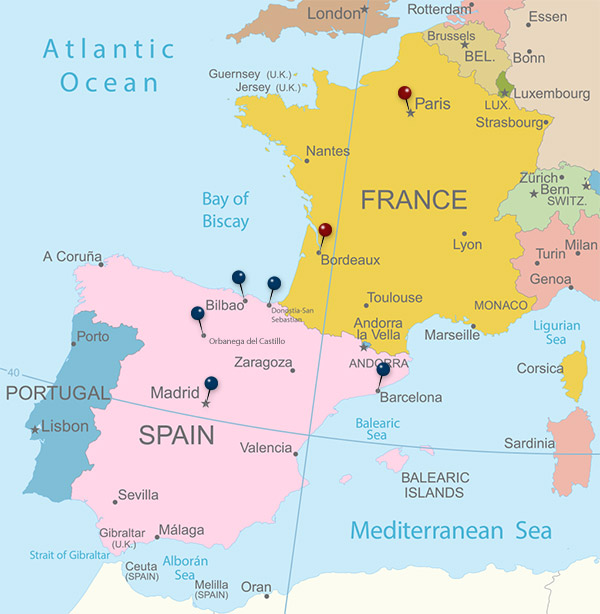
1. I'm starting out this week following good friends and Flock Adventurers, Jim and Angela Gannon on a travelogue through Spain and France. We look through their lens at some beautiful landscapes, historic locations, and iconic art and architecture.
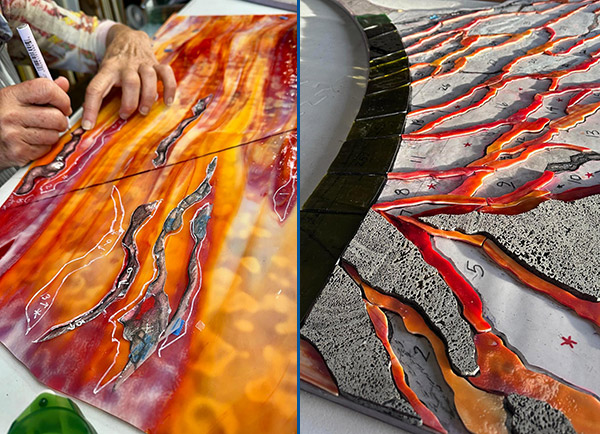
2. We are privileged to get another behind-the-scenes look at the progress my dear friend and "soul sister" Calley O'Neill has been making on the Pacific heritage Kona Airport Mural and the work required to produce such an intricate piece of art.
3. In the Family Corner I have some summer activities that will help the whole family get out of the house and enjoy the summer months.
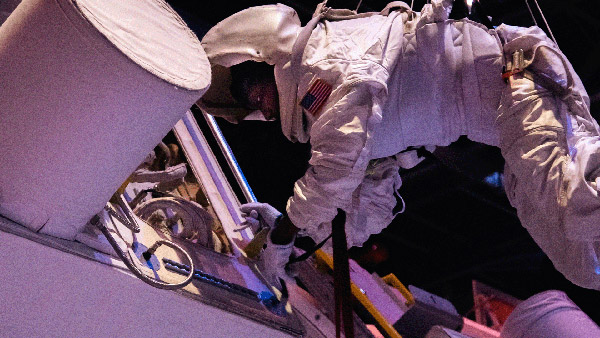
4. In the Kid's Corner we have STEM adventure at the U.S. Space & Rocket Center's Space Camps.
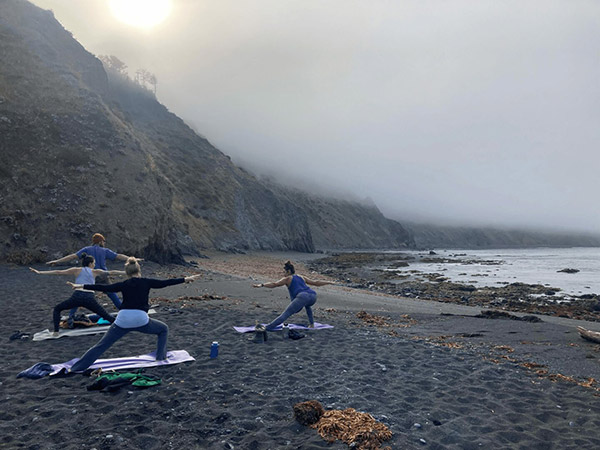
5. In The Next Gen I have another Flock alumni who is getting some media attention for the work she does, wilderness yoga instructor Tara Fulgenzi.
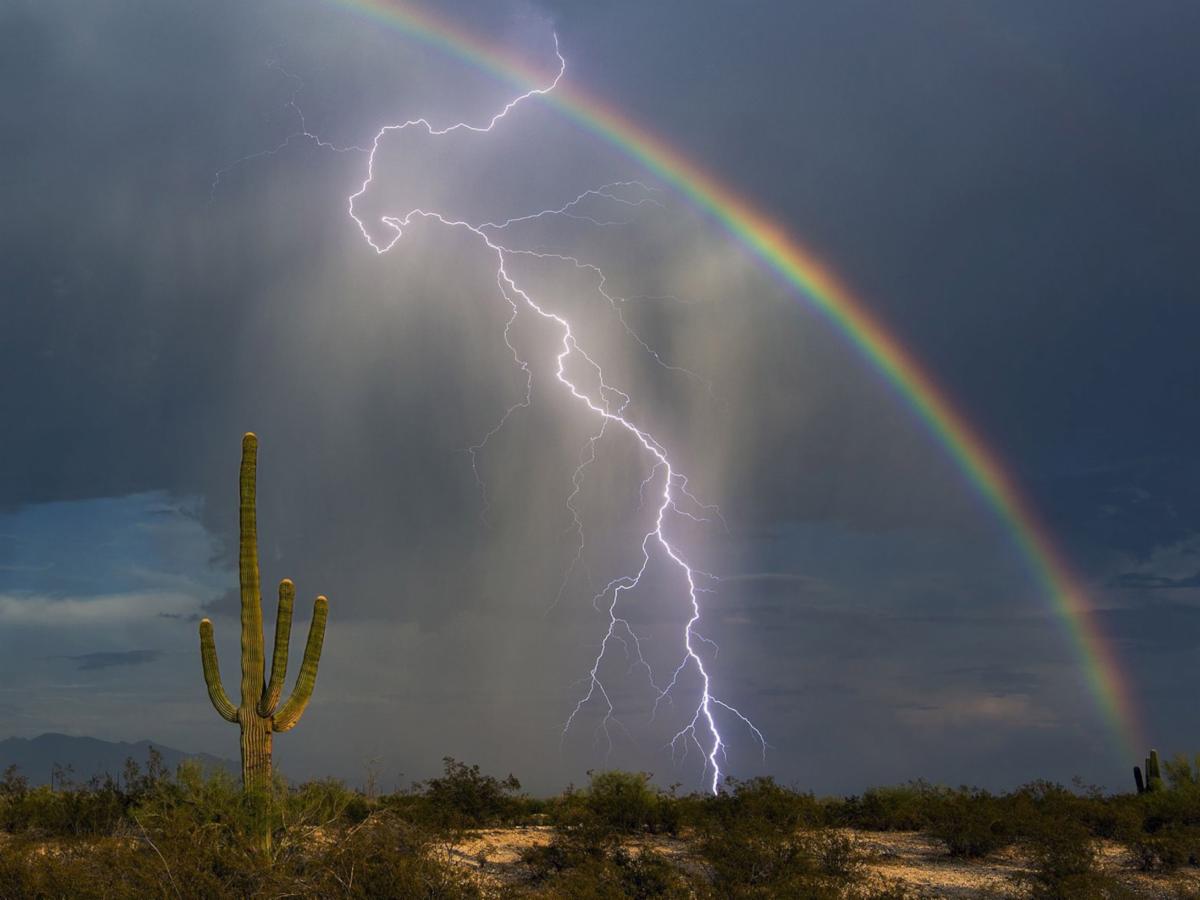
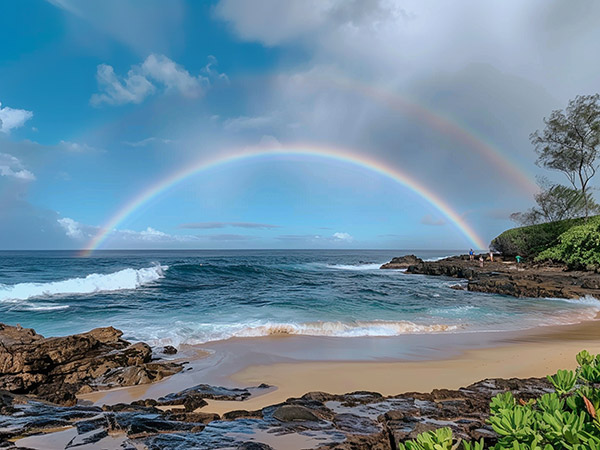
6. In Nature I have an explainer on science behind the double rainbows. Have you ever noticed when there is a doble rainbow that the order of the colors is always reversed in the second rainbow? Are there triple rainbows?Turns out, there are triples. Maybe we'll look at those next week.
7. Now that the monsoon has arrived in southern Arizona, a host of creepy crawly seasonal visitors have come along with it. We'll take a look at a couple of them.
| |
Now, to this week's Flock. | |
1. FLOCK ADVENTURERS: Spain & France with the Gannons
| |
A couple of weeks ago we caught up with Jim and Angela Gannon following their visit to Barcelona, Spain. This week I want to pop back in on these longtime Kailua Kona friends and gracious Flock contributors and share with you what they have shared with me as they continued their journey through Spain and France. I very much appreciate it when friends and readers contribute their stories to the Flock. Thank you, Jim and Angela! | |
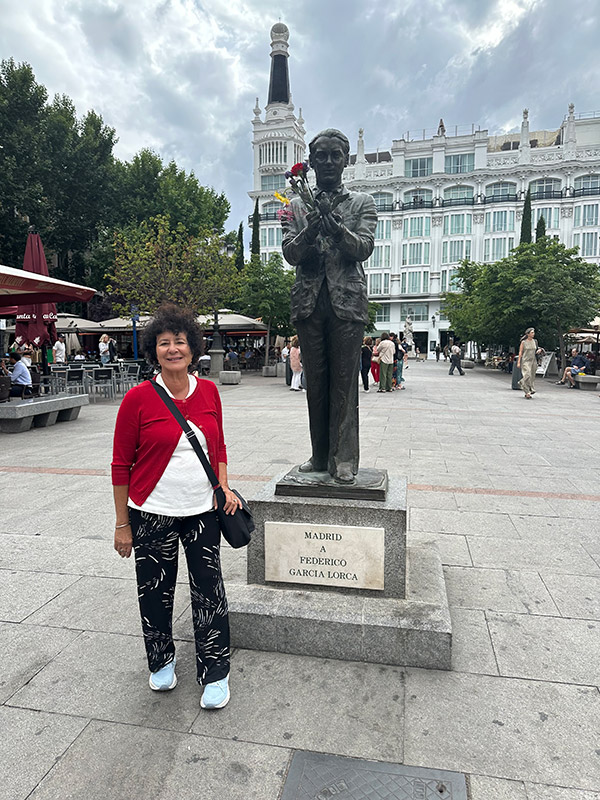
The statue of Spanish poet, playwright, and theatre director Federico Garcia Lorca in Madrid's Plaza de Santa Ana with the Riena Victoria hotel in the background. | |
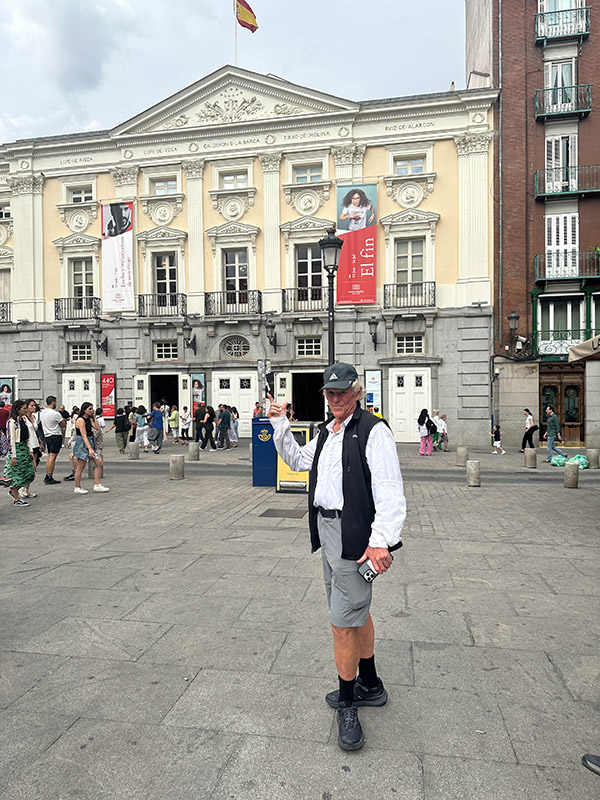
The Teatro Español, a public theatre administered by the government of Madrid. Its location in Plaza de Santa Ana has been used as a theatre going back to medieval times when an open-air theater occupied the site. The current theatre was completed in 1895. | |
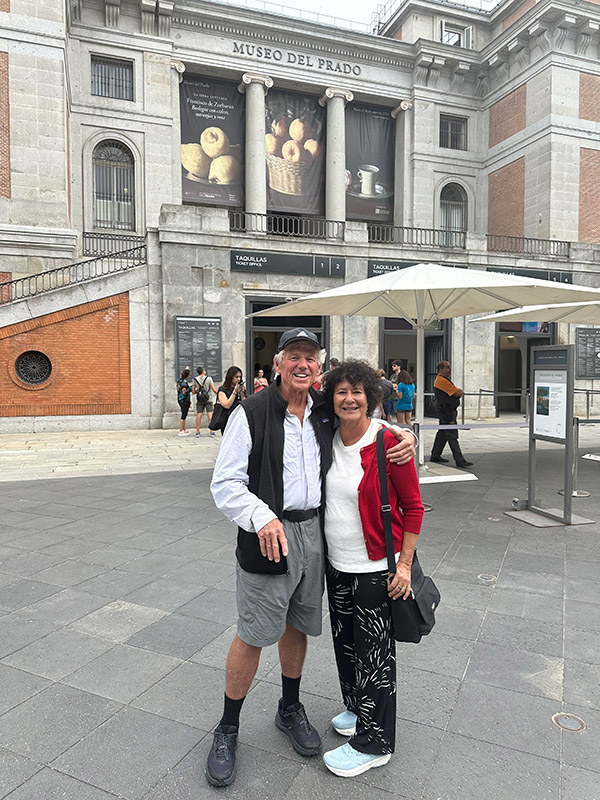
The Prado Museum which contains the most complete collection of the works of El Greco, Velázquez, and Francisco de Goya along with other Spanish and European artists. Pictured is the west side Goya entrance. | |
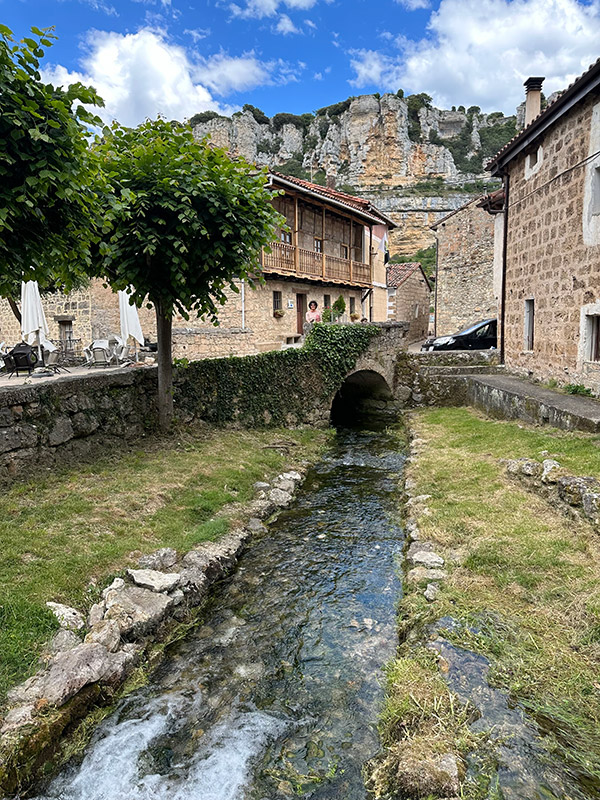
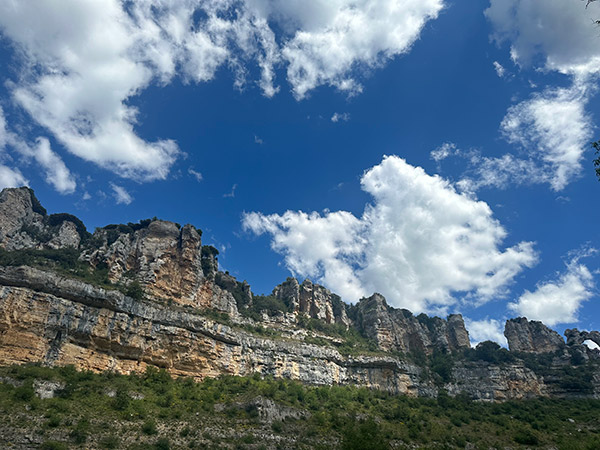
Orbaneja del Castillo, Spain | |
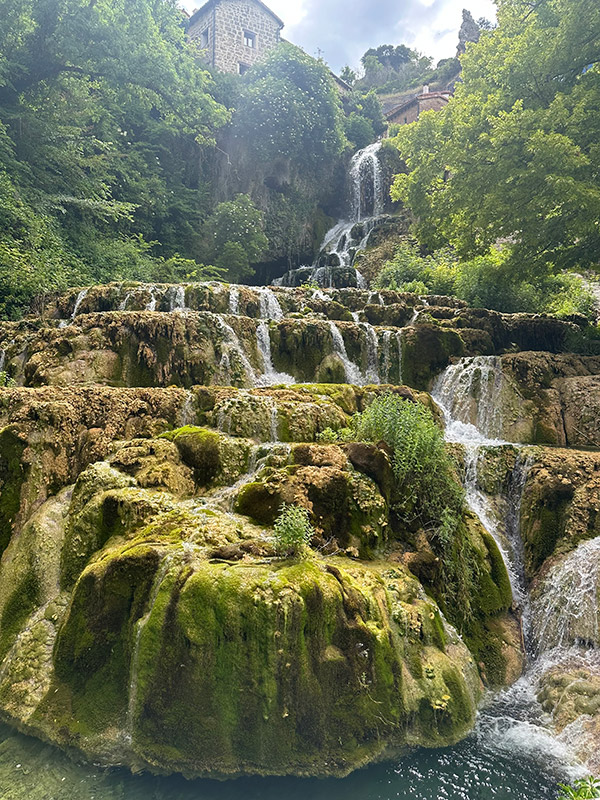
Orbaneja del Castillo is a medieval mountain-style village near the Ebro River in the Burgos province of Spain. The picuresque hamlet features a watrfall with natural stone terraces created by a water course that runs through the town. | |
Cascada de Orbaneja waterfall | |
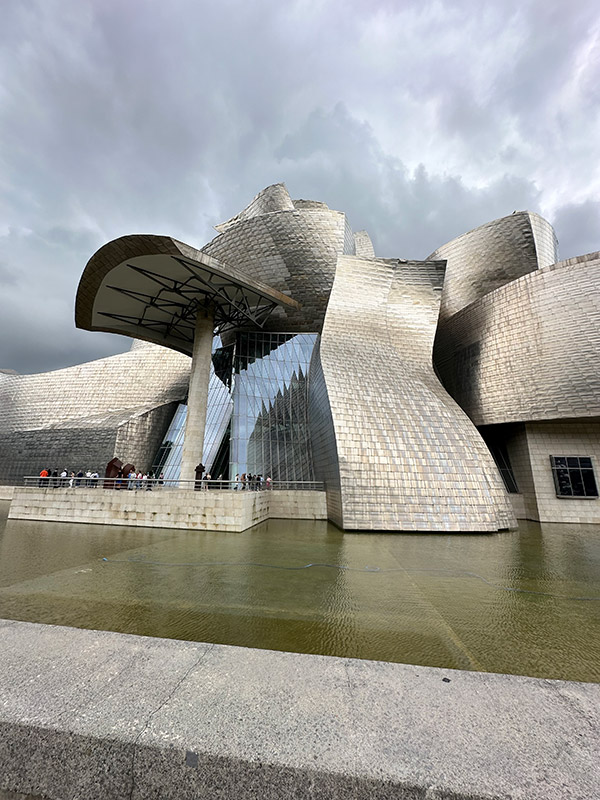
The Guggenheim Museum Bilboa houses a collection of modern and contemporary art. The building was designed by architect Frank Gehry and sits alongside the Nervion River. | |
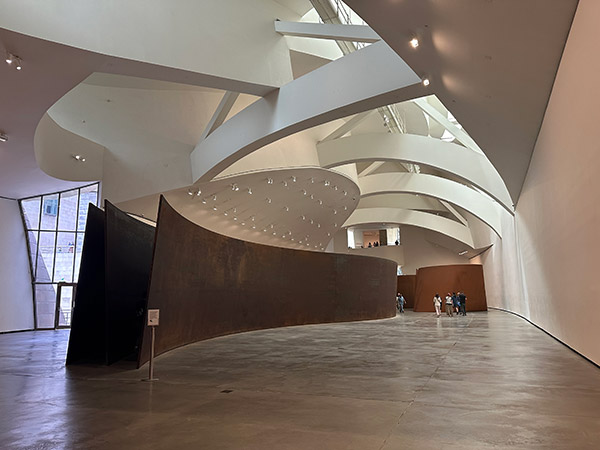
The interior of the Guggenheim Museum featuring The Matter of Time by Richard Serra | |
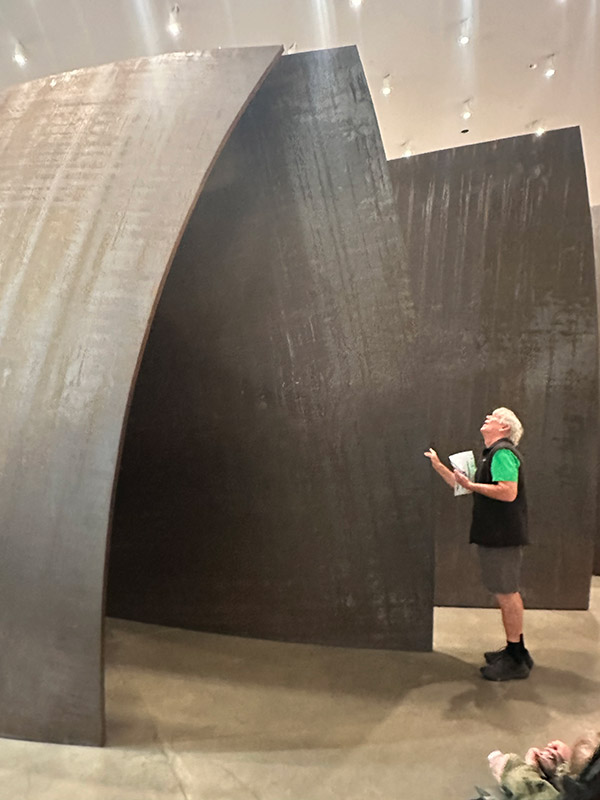
Jim inspects the Richard Serra sculpture | |
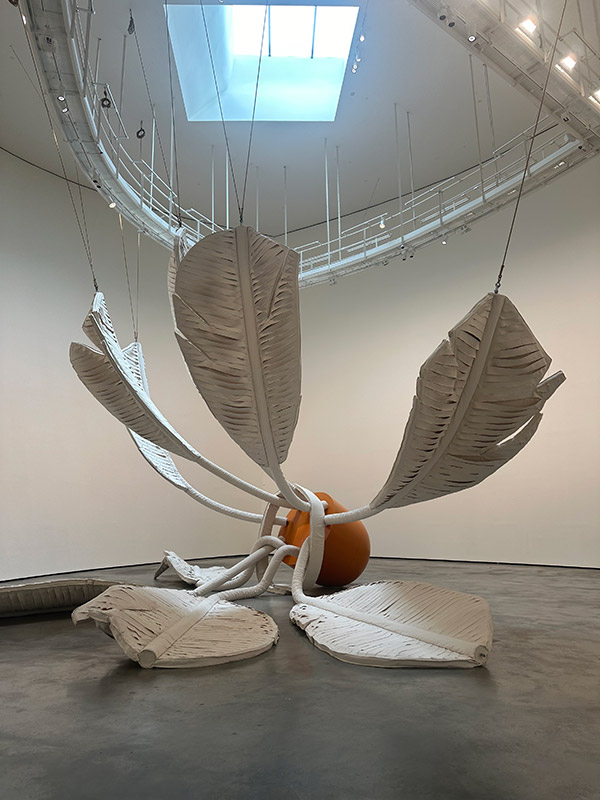
Soft Shuttlecock by Claes OLdenburg and Coosje Van Bruggen | |
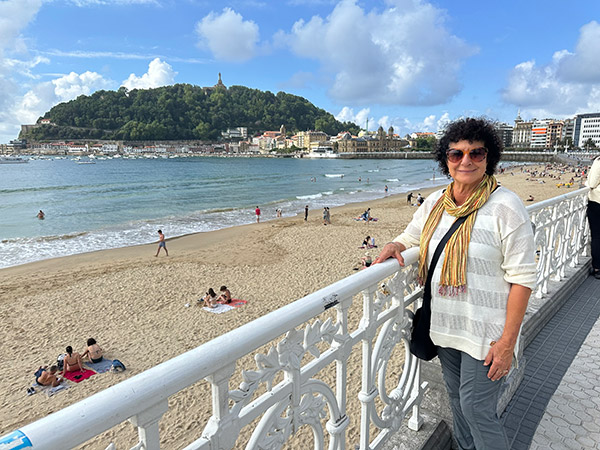
The La Concha beach in San Sebastion, Spain. | |
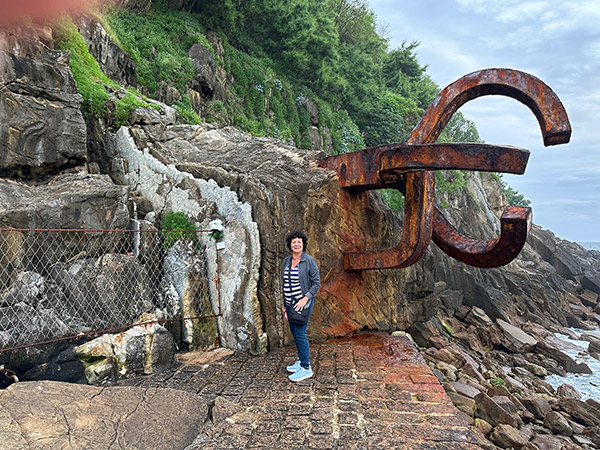
The Comb of the Wind, a collection of three sculptures by Eduardo Chillida and architect Luisa Peña Ganchegui located at the western end of La Concha Bay. | |
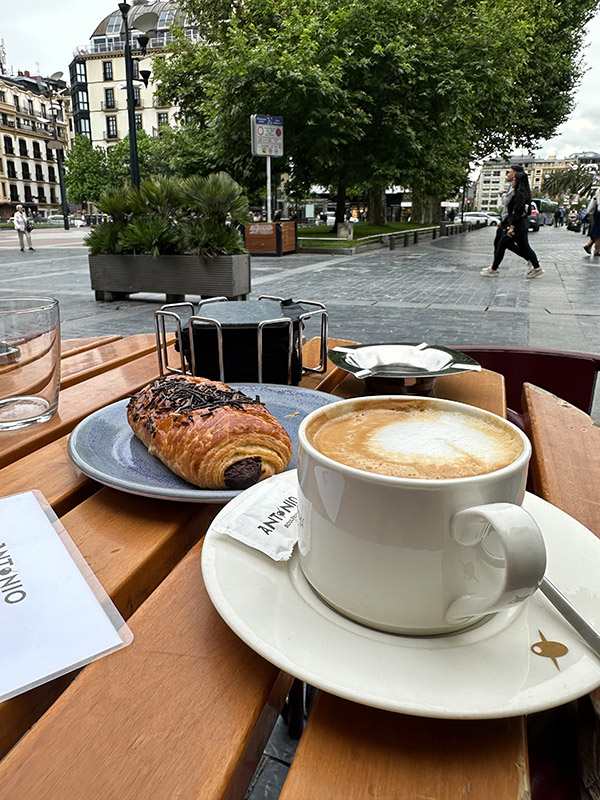
Cafe life in San Sebastion. | |
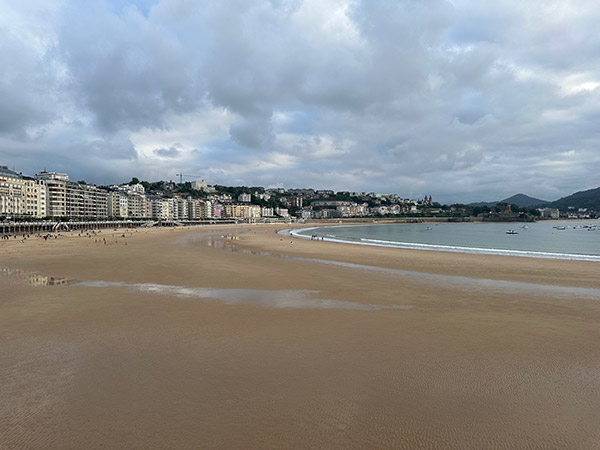
Looking back at San Sebastion from La Concha beach. | |
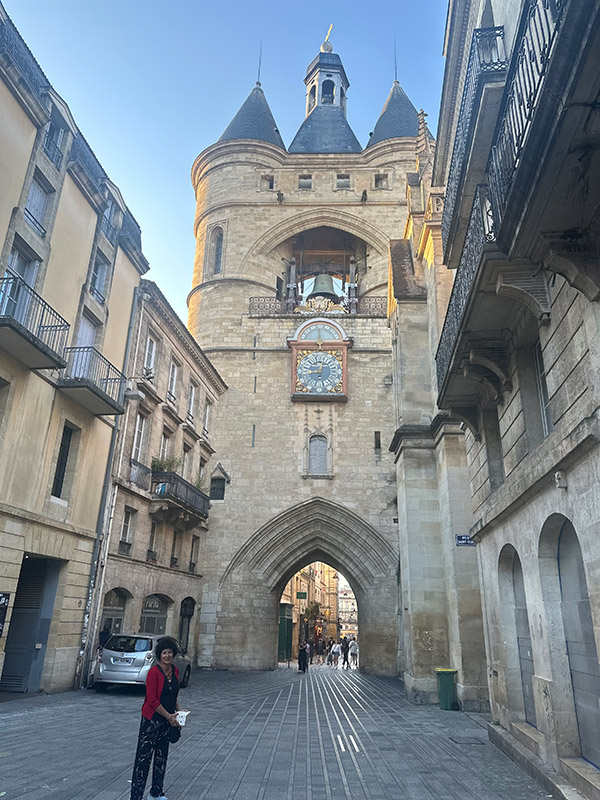
The Grosse Cloche de Bordeaux, one of the oldest belfries in France. The bell is rung six times a year for major celebrations and at noon on the first Sunday of each month. | |
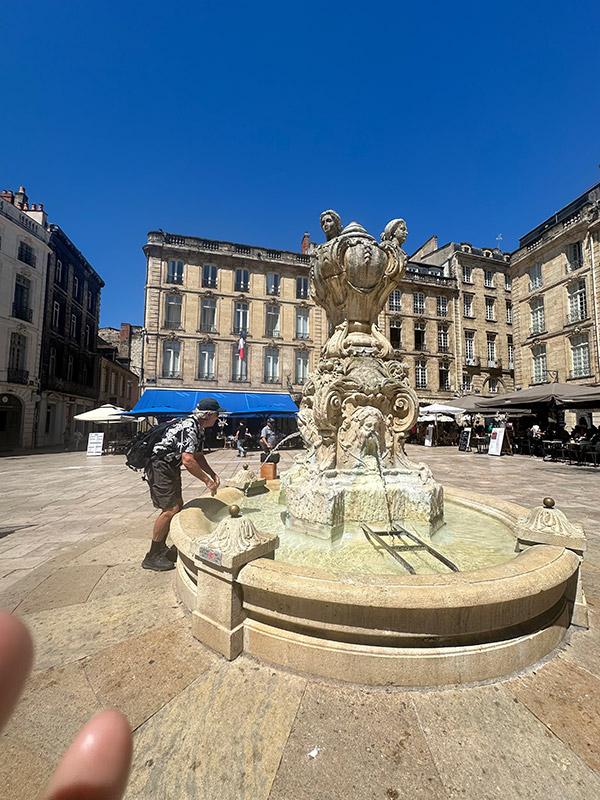
La Fontaine du Parliament in Parliament Square. The square was named after the old Parliament of Bordeaux which was active from 1451 to 1790. | |
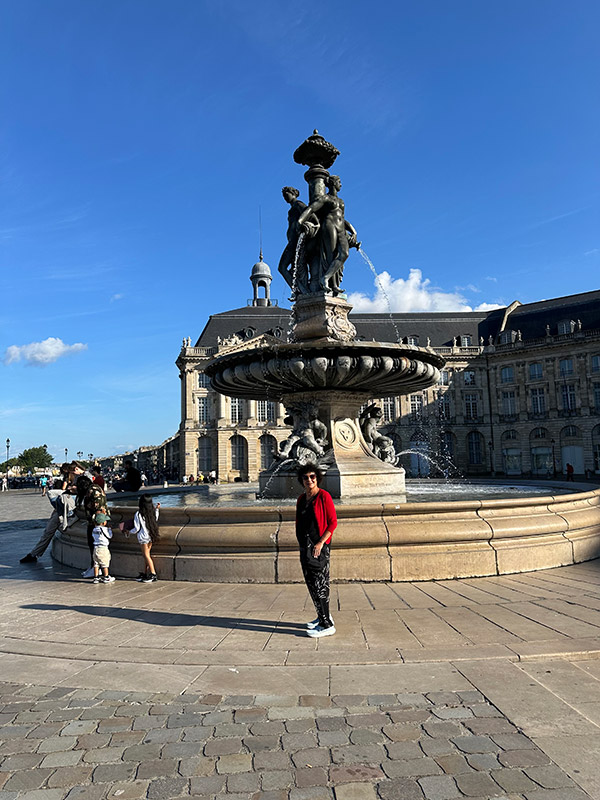
The Fountain of Three Graces in front of the Place de la Bourse. The three figures represent the three mythological daughters of Zeus: Aglaia (grace), Euphrosyne(beauty), and Thalia(mirth). | |
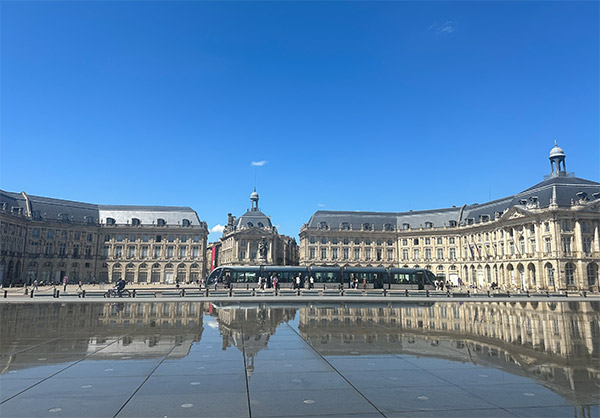
The Place de la Bourse us a UNESCO Heritage site built in th 18th century, during the reign of King Louis XV. The square features a modern Miroir d'Eau fountain that creates a mirror reflection of the Place de la Bourse and periodically sprays mists of water from the surface creating a cooling playground for children on hot summer days. | |
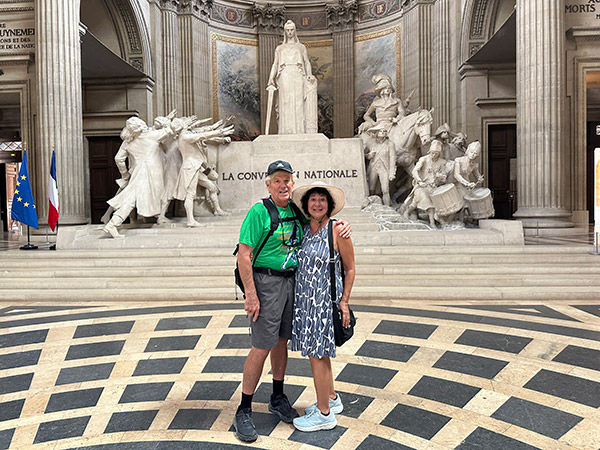
In front of To the Glory of the Revolution by artist François-Léon Sicard in the Paris Panthéon. The Panthéon was originally built as a church for Louis XV but was not completed until after the French Revolution when it would be repurposed as a mausoleum for distinguished French citizens. | |
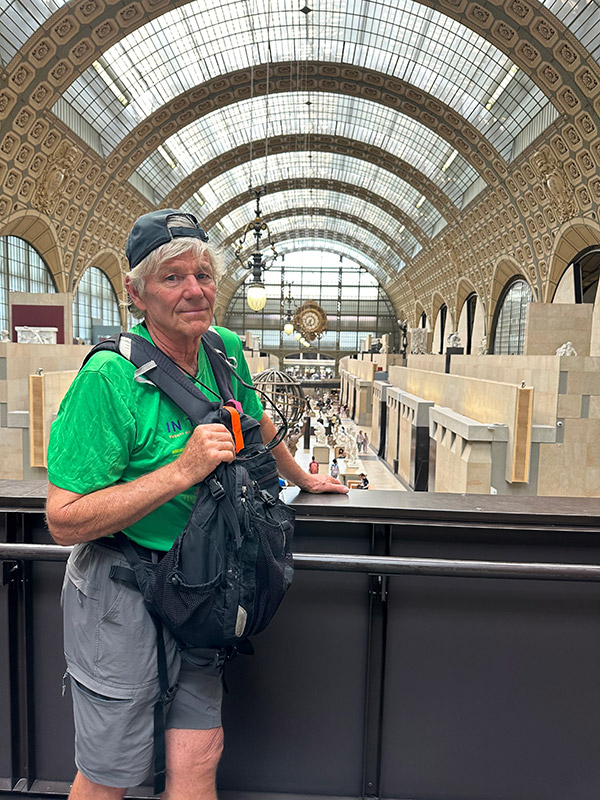
Inside the Musee dOrsay. The building was first built as a Beaux-Arts railway station at the end of the last century. The museum's collection concentrates on French art dating from 1848 to 1914. | |
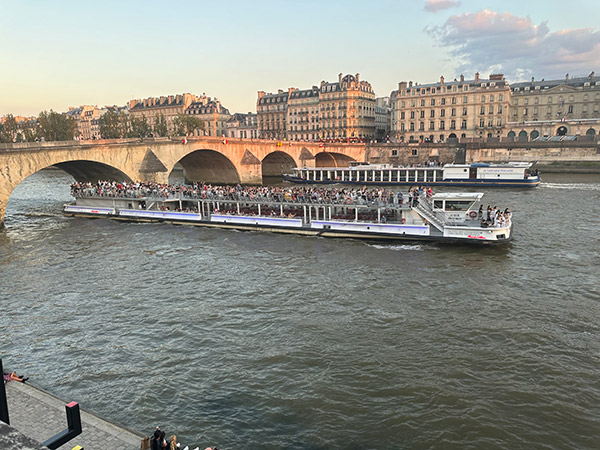
Tour boats on the Seine River. | |
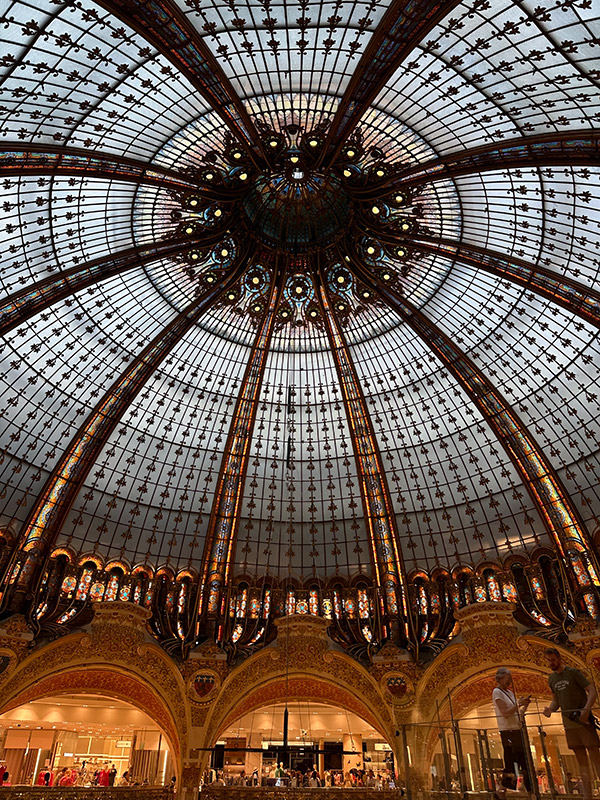
The Art Nouveau glass dome in the century-old Galeries Lafayette Hausemann department store. | |
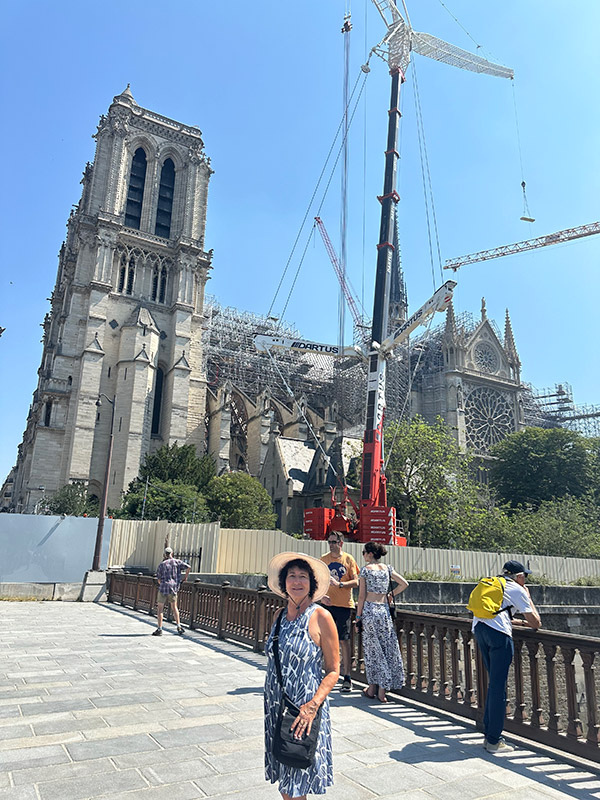
Restoration work on Notre Dame to repair damage from the 2019 fire. | |
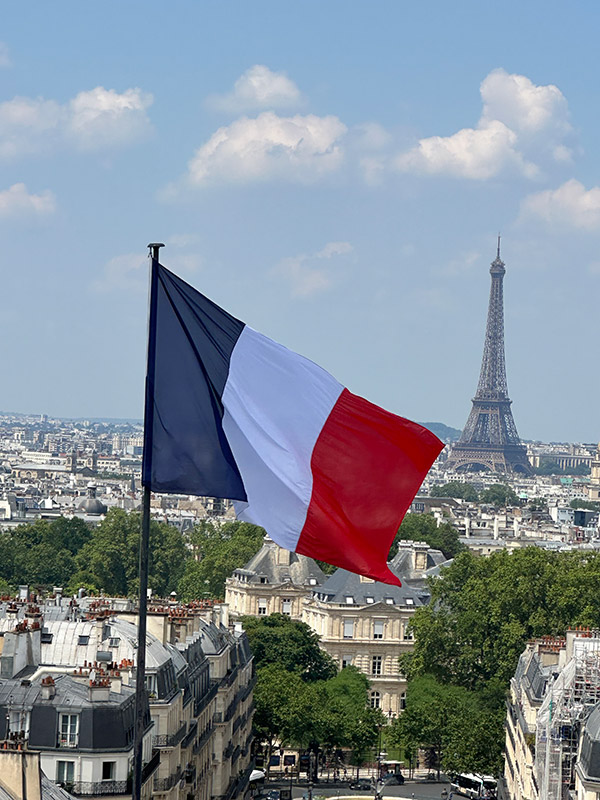
The Tricolore flies over the Paris skyline with the Eiffel tower in the background. | |
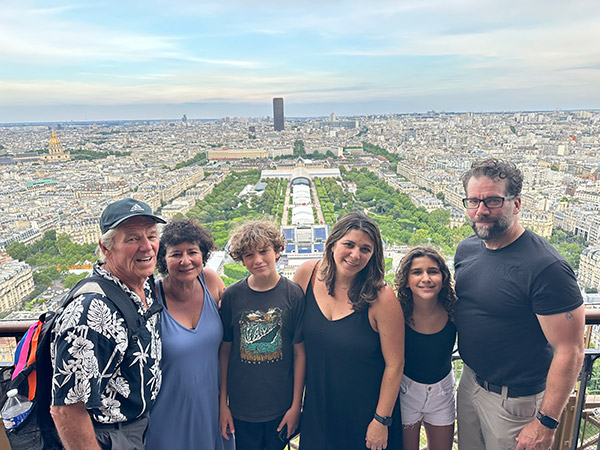
The Gannons from the observation deck of the Eiffel Tower. | |
2. ARTIST'S CORNER: Calley O'Neill - Kona Airport Mural News
| |
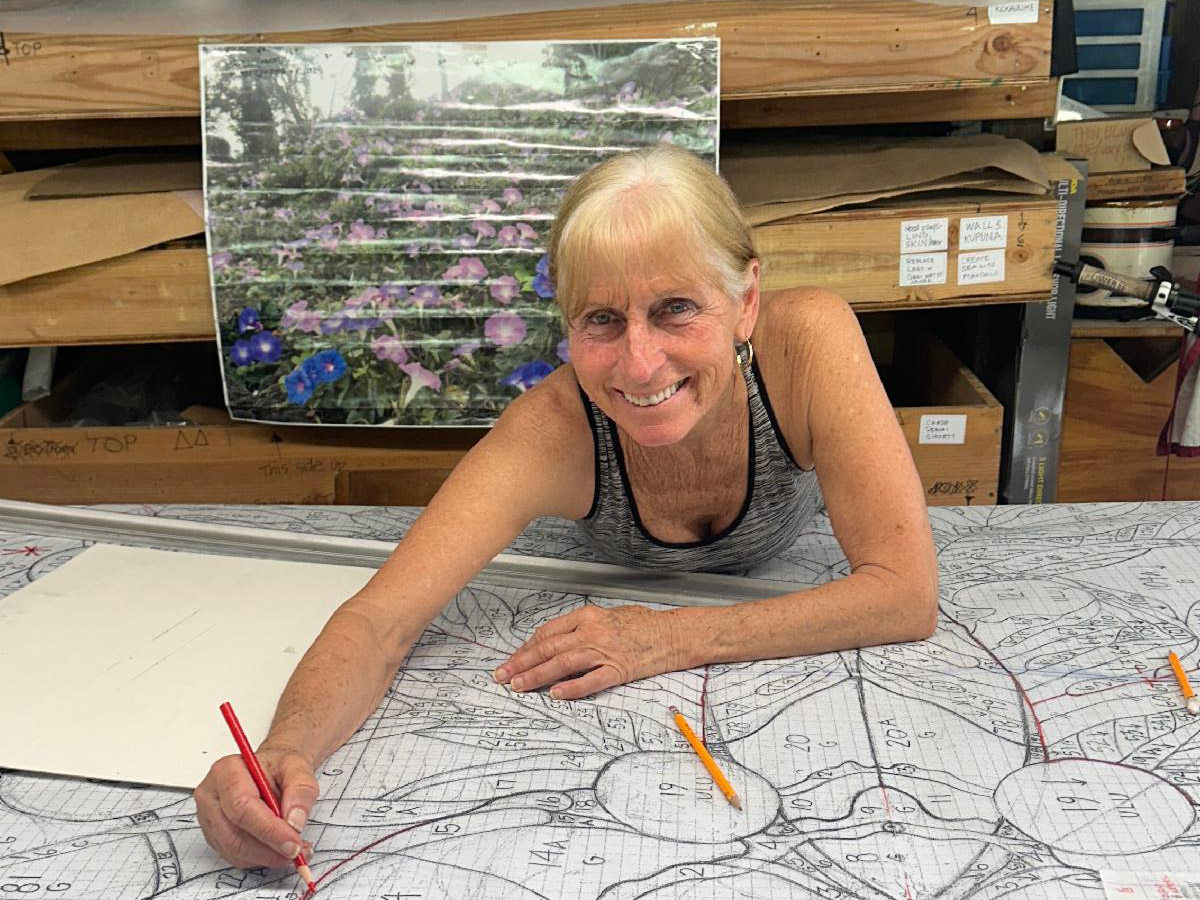
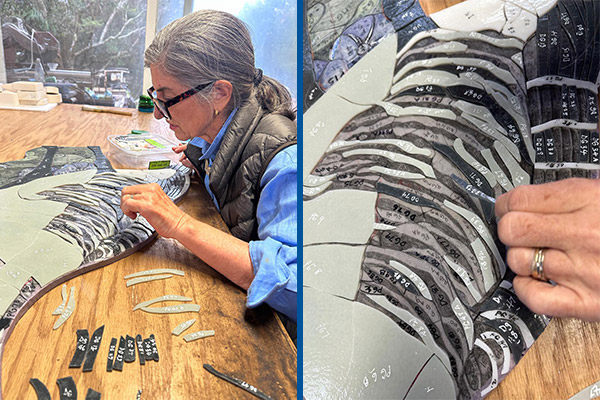
Artist Calley O'Neill has released another update through her newsletter on the 300-foot long Mālama'Āina Mural she has been creating for the Kona Airport in the Big Island of Hawai'i. If you've been through the airport recently and were hoping to see the mural progress that we last featured in February, I'm sure you were disappointed to not find the mural. Fear not, the mural is still there, it's just currently hidden behind a protective facade of plywood during the construction of a new covered walkway at the airport. Progress on its completion is being made at Callley's stained glass studio in Waimea. In her current newsletter, Calley shares an insiderss' peek into the meticulous planning, testing and detailed work that goes into such an intricate and massive artwork as this mural. | |
Art and Soul for the Earth from
the Big Island of Hawai'i
| |
|
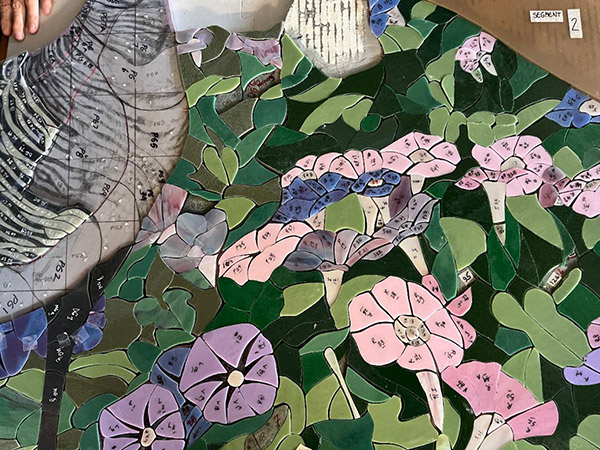
Our studio is abuzz working toward completion of Wall 1. Since our last update in December 2023, we've completed work on a complicated 10’ long Wall 2 Koali (Native Hawaiian Morning Glory) base featuring the spectacular Nene (Hawaiian Goose). We are making great progress on the Wall 1 Living Quilt Ulu Mandala, with its connection to the Earth through a flowing lava/root base.
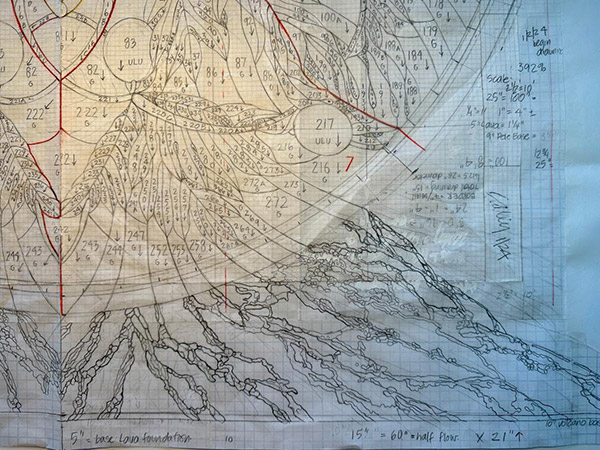
For three years, I could not imagine how to integrate Kumu Keala Ching’s vision of the Light at the Center of the Earth holding up the ulu mandala. How could I design hot lava flows in oranges and reds and have them harmonize with a gold and green ulu pattern? One day, looking through a series of photos of lava, I saw a photo of lava that looked like roots and saw lava flowing from the mandala. Later, I learned from Lanakila Manguail that ulu roots are indeed orange.
| |
Completion of Nene and Loali Base for Wall2 | |
Nene and Koali base coming together | |
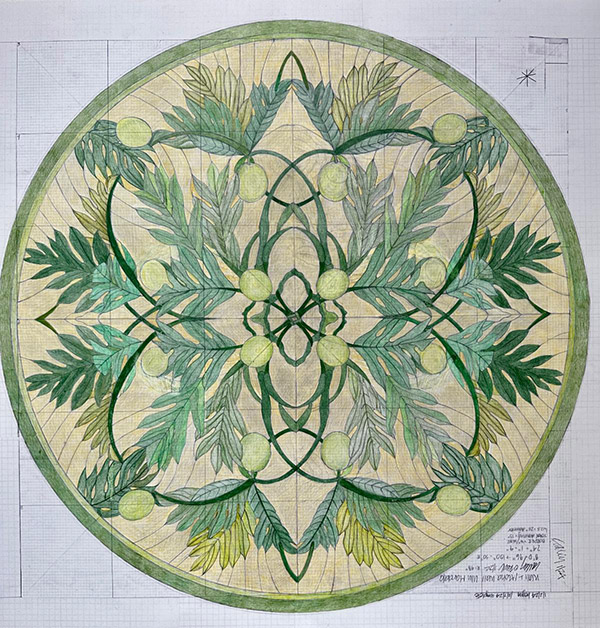
Wall1 - Ulu Living Quilt mandala | |
Coloring the cartoon before choosing glass is crucial to determine which shade of green to place where. Calley is always seeking balance and symmetry in choices of color, texture, and patterns in the glass. This print may be made available as a Patreon gift. | |
Calley’s original drawing of the Light at the Center of the Earth base is connected to the mandala by a glass border formed from firing and cutting recycled wine and sake bottles. Lamar scrubs the bottles, slumps them in the kiln, cuts, and fires them into plaques similar to The Thin Blue Line. | |
|
This glass is perfect for the lava flow.
The Lava is thicker than the glass for a dynamic relief.
| |
3. FAMILY CORNER: Summer Pastimes | |
Today has compiled a list of 30 family friendly activities to help keep kids and adults from getting bored over the summer months. Better yet, all the activities on the list are free. I've gone through the list and picked my top five and presented them below. | |
30 free summer activities that the whole family can enjoy all season long | |
In need of fun things to do with your kids once school's out?
Look no further. | |
From: Today, By: Shelby Deering June 22, 2023 | |
|
You were once a kid, so you know how it goes: You look forward to summer only to find that you’re bored — a lot. Your little ones are likely experiencing the same thing right about now. So, maybe they’re spending their days scrolling on their tablets and smartphones to pass the time, which of course isn’t the greatest way to make the most of summer.
Instead, propose some boredom-busting, fun summer activities that you can all do together as a family. And since summer can be an expensive season between road trips, hosting parties, and back-to-school shopping, your wallet can breathe easy since most of these activities are completely free.
| |
|
Bike somewhere new
Have some summertime fun on two wheels and head to a bike path your family hasn’t tried before. For a little splurge, stop for ice cream along the way, too.
Go stargazing
ind a spot that’s far away from city lights and streetlamps and do some stargazing. You can even download a free app that will identify the constellations in the sky. Be on the lookout for shooting stars, too.
Try birdwatching
Pull out the binoculars and go to a natural area to see birds. Use a free app or visit your local Audubon Society website to learn about regional bird varieties, then watch from a safe distance as your little ones see your feathered friends in flight.
Blow bubbles
Simple, timeless and even a bit magical, blowing bubbles is a quintessential thing to do during summer.
Take game night outside
Does your family love to play board games? Skip the dining room table and take your game night out on the patio for some friendly competition under the stars.
| |
4. KID'S CORNER: Space Camp | |
The U.S. Space & Rocket Center in Huntsville, Alabama offer's STEM adventures for students of all ages and academic levels, and even for adults who have always dreamed of training as an astronaut. You can still get on this summer's waiting list for some of their camps, but these programs tend to fill up quickly, so it's best to plan ahead. | |
Space Camp has been helping inspire the next generation of explorers for more than 42 years. This internationally known program with more than one million alumni is based on NASA astronaut training and focuses on teamwork and leadership skills. Launched in 1982, Space Camp has inspired and motivated young people from around the country, and later the world, with attendees from all 50 states, U.S. territories, and 150 foreign countries. We offer space, aviation and robotics camps to children between the ages of 9 to 18, adults of all ages, families, and educators | |
5. THE NEXT GEN: Catching up with Tara Fulgenzi
| |
We last checked in with sailor, botanist, and wilderness yoga instructor Tara Fulgenzi almost exactly one year ago. The Bold Journey website is currently running a feature on Tara and the expeditions she helps lead trough Gaia Outfitters. I've included an excerpt from her interview below | |
|
Your copy should address 3 key questions: Who am I writing for (audience)? Why should they care (benefit)? What do I want them to do (call-to-action)?
Create a great offer by adding words like "free," "personalized," "complimentary," or "customized." A sense of urgency often helps readers take action, so consider inserting phrases like "for a limited time only" or "only 7 remaining!"
| |
6. NATURE: Double Rainbows
| |
The Science Behind Fully Double Rainbows | |
|
Throughout history, mankind has interpreted the appearance of a rainbow in the sky as a good omen –– a sign that the storms have passed and better days are ahead; a bridge between the earthly realm and that of the heavens; or even a marker pointing to the location of a hidden pot of gold!
However you interpret the appearance of a rainbow, we now know that there is a scientific explanation for why it occurs in the first place. But if you’re especially lucky, you may have seen a fully double rainbow, where you get two rainbows for the price of one! Let’s take a look at the science behind these incredible optical phenomena!
What Causes Any Rainbow?
Before we explain the science of double rainbows, let’s review the science behind a single rainbow. A single rainbow is an optical illusion created by the reflection, refraction, and dispersion of light through the prism of a water drop.
When sunlight emerges through the clouds following a rainstorm, that light hits the water drops that are still floating or falling through the sky. Some of the sunlight is reflected right away, but some of it enters the water drop and as it does, it is refracted at the surface. When this light hits the back of the raindrop, it bounces back and once again leaves the raindrop. Only now, the light has been separated into its individual color frequencies. The result is a rainbow of color that exits the raindrop.
What is a Double Rainbow?
During a fully double rainbow, you will notice that one rainbow is noticeably brighter than the other. This brighter rainbow is called the primary rainbow. The primary rainbow, as we described above, is the result of light reflecting off of water drops once, then reflecting back out of the drop.
The second rainbow is called, you guessed it, the secondary rainbow. Secondary rainbows appear due to a phenomenon that is similar to the primary rainbow, with one big difference: the light that enters the raindrop and refracts at the surface does not escape after hitting the back of the raindrop. Instead, that light is refracted a second time, creating the secondary rainbow
The Differences Between Primary & Secondary Rainbows
There are a few key differences between primary and secondary rainbows. First, the colors of the secondary rainbow are inverted from the primary rainbow. That’s right: the colors of secondary rainbows are the opposite of primary rainbows, moving from violet, indigo, blue, green, yellow, orange, and red (VIBGYOR).
| |
7. MONSOON: Monsoon Insects
| |
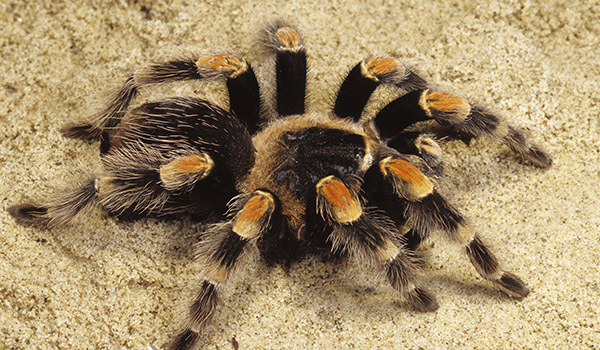
The Monsoon has arrived in southern Arizona. Each year when the Monsoon arrives it brings its own cadre of creepy crawlies with it. The following article catalogs these summer visitors. i'm going to highlight a couple of my favorites here. | |
Bug Bonanza: 7 Big, Colorful Critters to Try to Spot This Monsoon Season | |
|
With the summer monsoons bringing much-needed rain to the Old Pueblo, calls and identification requests are pouring into the University of Arizona Department of Entomology.
"And that's not surprising," said Gene Hall, who oversees the University of Arizona Insect Collection and provides insect and other arthropod identifications as part of the Cooperative Extension's Insect Diagnostics Clinic. "This is one of the first summers in probably three years that we've had a lot of good rain, and that means our bugs are out in big numbers."
Arizona is home to one of the most biologically diverse populations of insects in the country, according to Hall. In the university's 2 million-specimen collection, more than 20,000 species are from the Sonoran Desert.
"We're just fortunate to live in this area where we've got all this diversity and insect species that call southern Arizona home," said Hall. "A lot of people make the pilgrimage here during the summertime to look for certain insects, like the Rhinoceros Beetle or the Jewel Beetle, that can be found in the Sky Islands around Tucson. It's like bird-watching, but with bugs."
| | |
|
|
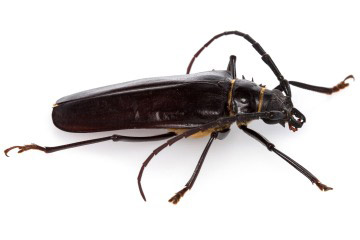
Palo Verde Root Borer Beetles
Due to their large size, palo verde root borers (Derobrachus hovorei) are one of the more noticeable insects during monsoon season, and they fly during the evening. The large grubs can take up to three years to develop underground, feeding on roots. They are frequently and erroneously blamed for killing palo verde trees. More than likely, the trees die or are damaged due to stress and other environmental factors. The gentle giant adult palo verde borers do not feed and only live for a few weeks – long enough to mate and continue the lineage of the species.
| |
|
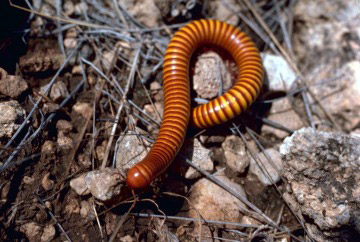
Desert Millipedes
The desert millipede (Orthoporus ornatus) is easily recognized by its gentle nature and long, cylindrical, reddish-brown body that can reach nearly half-a-foot in length. The majority of the body segments possess two pairs of walking legs as opposed to other arthropods that have one pair per segment. While harmless, they will curl up as a defensive mechanism and exude a foul-smelling dark liquid substance that can potentially irritate human skin.
| |
|
|
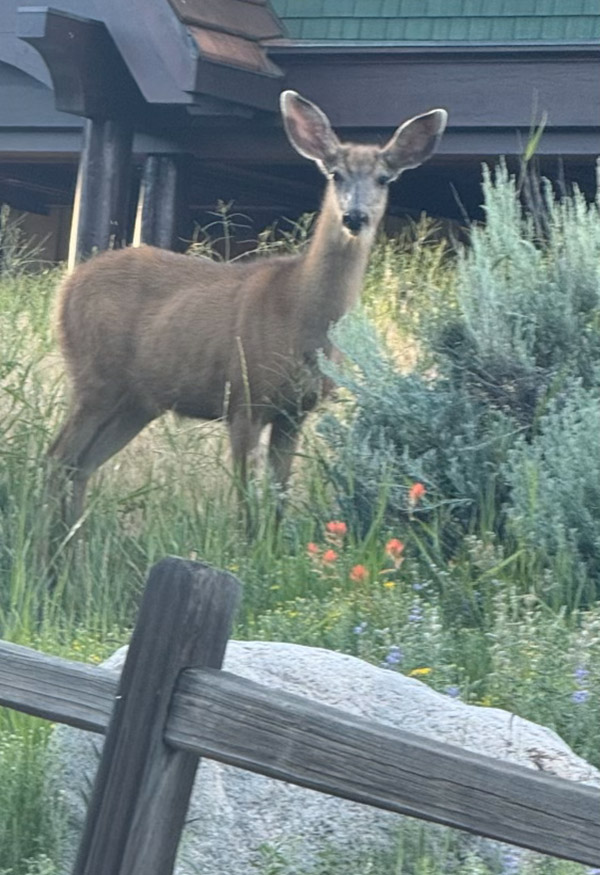
A little friend watching the world pass by
photo: Beth in Colorado
| |
|
These Flock regulars are always here for you:
-
Where in the World is Zoe Zoe is back in Colorado helping launch the 2024 early childhood, junior high, high school, and adult tennis programs with sister and mother Petra.
In coming weeks: we'll be sharing more investigative articles from our roving reporter William George, original writing from Flock favorite Dino DeConcini, and an update on the Marolt brothers' coming expedition to Argentina.
| |
Don't Be Shy: Share Your Stories! | |
I'm looking forward to sharing more of your personal stories - oral, written, or otherwise, as we enter our third year. I'd so love to present them to The Flock, hit a mailbox below to share your story. | |
Subscriptions & Idea Submissions | |
|
Feel free to forward this email to a friend. If this was forwarded to you and you would like to receive your very own Flock Newsletter, you can sign up here. If you have any questions or suggestions for future Flock resources, don't hesitate to contact me.
Your fan and friend,
Beth
| | |
The information and materials contained or referenced in this newsletter are for informational purposes only and not intended to be a substitute for professional medical advice, diagnosis, or treatment. Always consult a physician or other qualified medical professional with any questions you may have regarding a medical condition or treatment and before beginning a new health care regimen. Do not disregard professional medical advice or delay seeking medical advice or care based on anything contained in this newsletter. | | | | |