|
The Importance of Relationships in Building Community @ St. Cuthbert’s
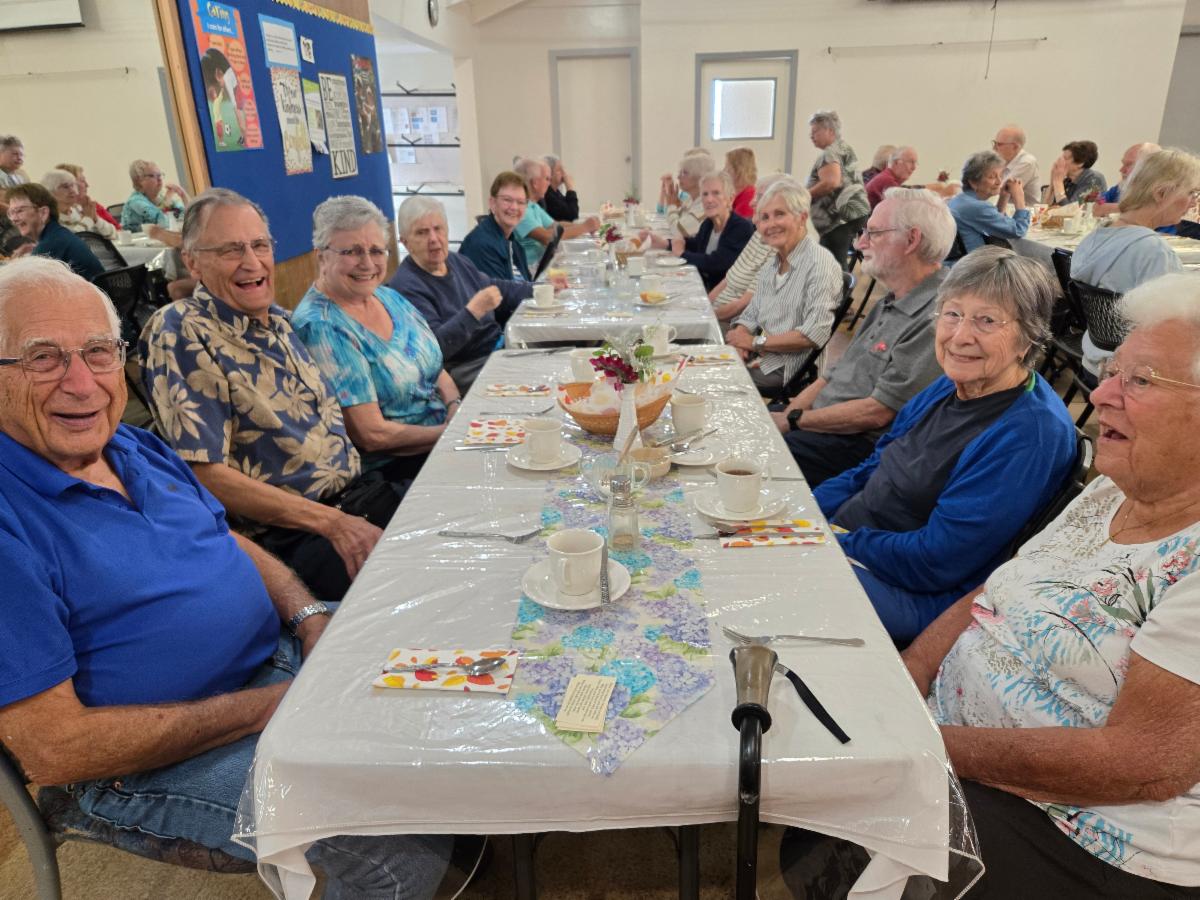
Have you ever wondered why people who come to St. Cuthbert’s stay for years? Well, it is one of the two most important values that St. Cuthbert’s holds dear: community and connection. Relationships are considered the central, energetic core of a community—often described as its “glue” or “soul”—because they transform a mere collection of individuals into a supportive, functioning, and resilient collective. Far from mere social connections, these bonds are essential for fostering trust, safety, and mutual support, which, in turn, drive collective action and individual well-being.
Here are why relationships are central to a community, based on research and community-building principles:
1. The Foundation of Trust and Collaboration
-
Creating “Glue”: Trusted relationships hold people together, especially when tackling difficult, long-term, or high-stakes community problems.
-
Enabling Action: Without strong, trust-based connections, cooperation is difficult; relationships provide the foundation for collective action, allowing groups to overcome obstacles.
-
Bridging Divides: Relationships with diverse individuals help build, foster, and sustain alliances across different cultures and backgrounds.
2. Promoting Safety and Well-being
-
Sense of Belonging: Fostering healthy relationships fulfills the innate, universal human need to belong, which is crucial for emotional and mental health.
-
Support System: A strong community acts as a safety net, providing practical and emotional support during difficult times, such as help with childcare, transport, or during times of sickness.
-
Health Benefits: High-quality relationships reduce stress and are linked to better physical health, lower rates of anxiety and depression, and longer life expectancy.
3. Driving Social Cohesion and Resilience
-
Interdependence: Relationships allow community members to feel that they are “stronger together,” which is critical for creating vibrant, inclusive, and supportive environments.
-
Shared Resilience: During crises or challenges, these bonds provide the solidarity needed to recover, acting as a buffer against trauma.
-
Social Capital: Healthy relationships generate “social capital,” which refers to the resources and support that enable communities to achieve goals that would be impossible for individuals acting alone.
4. Enabling Growth and Impact
-
Knowledge Sharing: Communities with strong relationships facilitate the exchange of ideas, expertise, and information.
-
“One-to-One” Connection: Community building happens on a one-to-one basis; people are more likely to get involved in initiatives because they have a personal relationship with someone already involved.
-
Meaningful Purpose: Relationships add richness to work and life, transforming tasks into shared endeavours.
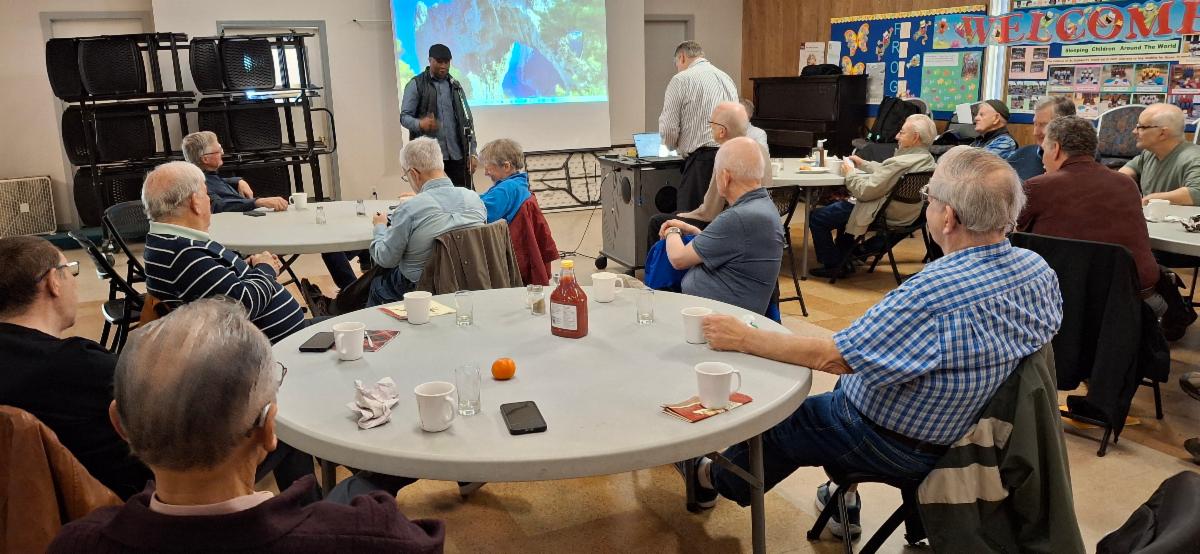
In essence, while structures, plans, and technologies are tools for community management, they cannot replace the foundational importance of human connections. That is why community and connections matter at St. Cuthbert’s, and this is also something we have been learning a lot about in our Lenten Series Studies. Without relationships, a community is often considered an empty shell ~ remember that this Lent and extend a hand, make a friend at St. Cuthbert’s this Lent.
Rev. Monte
|