|
Dear saints,
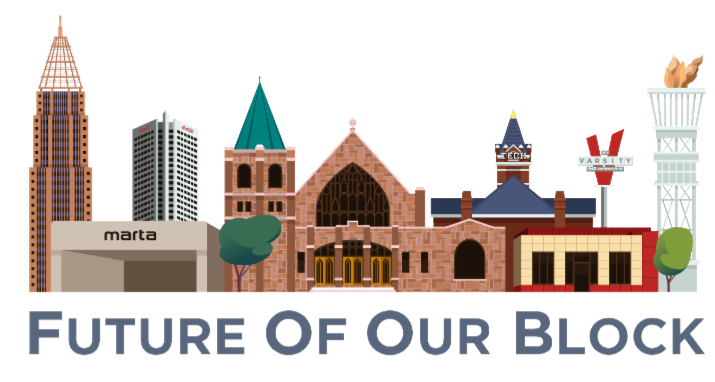
It’s finally here! This Sunday, May 4th, following the 9:00 a.m. service, we will share with the parish our master plan for All Saints’ city block. No doubt, the master plan will have things to say about our buildings and grounds, and there is a lot that is of incredible value about them in their own right. That said, the core focus of this years-long discernment process has not been bricks and mortar but people, the church, and the kind of future we feel called by God to step into.
Whither, then, the future?
The question of the church catholic’s future - the future of the universal church - has been on many people’s hearts and minds this past week with the passing of Pope Francis. The late Pope is supposed to have said something about the church as institution that reveals both his wicked sense of humor and the inherent resistance to change within an entity as large and old as the Roman Catholic Church. He said, "Reforming Rome is like cleaning the Sphinx of Egypt with a toothbrush.” The line actually comes from Xavier de Mérode, a 19th-century Belgian archbishop. Century to century, institutional change remains something that most churches in most places tend to be somewhat allergic to. Yet, my sense of the late pontiff is that the church as institution was never really his first priority. His interest was always primarily in the people. Pope Francis instinctively knew where his life as the Vicar of Christ lay. His first trip outside Rome back in 2013 was to the Italian island of Lampedusa in an effort to shine a light upon the plight of migrants crossing the Mediterranean and the many who died as a result. It was his practice on Maundy Thursday to visit those living in prison where on his first visit as pope he washed the feet of 12 prisoners - a new image of the twelve apostles of Christ. This pattern of stretching the bounds of who was counted in and who the church’s mission belonged to was the hallmark of his pontificate. When I think about the kind of church Pope Francis invited all Christians to imagine for the future, I think of a church not turned inward but one that has set its face toward the world with mercy and compassion in its heart.
When we think about it means for us to be good stewards of the future church in this place, I have always believed that we are called to articulate a vision for our buildings and grounds that facilitates that turn toward the world. Questions I would invite us to hold in our hearts as we each reflect on the specifics of the campus master plan following Sunday’s presentation have this turn to the world in mind. How does this vision for All Saints’ further our effort to be a church in and for this city? How might this vision draw people into and onto our block? What might this vision say to people about what it means to be a church in an increasingly secular age? How does this master plan speak of our values as environmental stewards, as people who love and walk alongside the marginalized, as people who prioritize the dignity of all? And how does this vision hold future saints on this block in its heart in terms of the vitality of our financial and parochial life, and as a vibrant block in this city?
I believe that a turn to the world in our vision for the future is utterly consistent with the story of this church. All Saints’ has turned outward to the world over and over again. As much as things change, the essence of who we are remains the same.
May the God who has called us to be Christ’s church in this place grant us the strength and courage to fulfill that calling for all the saints to come.
See you in church and online for the forum on Sunday.
Keep the faith!
|