Vol VIII, No 1 - January 20, 2026

FROM THE EDITOR

In the bleakest months of winter before any of the other flowers bloom, the Lenten roses, or hellebores, start to bud and flower. My mother loved these plants for this reason. They are elegant and hardy. They sprout through the ice and snow, leading the way and reminding us of the other blooms that spring will bring when winter is over.


Happy New Year to all of our GHF Community.


This month, our first article is by one of our Co-op parent volunteers, Nakkia Common, who shares the story of how her daughter, Khloe, found her voice through communicating via an Augmented and Alternative Communication (AAC) device and how Nakkia and Khloe have found their advocacy voices within the AAC community.


Last month, Nakkia invited Khloe's Speech Language Pathologist and Assistive Technology Specialist, Mickey Rosner CCC-SLP, ATP, to join her in speaking with the GHF Co-op and larger community about AAC communication. It was a wonderful presentation. Mickey and Nakkia also supported Khloe in writing her first advocacy letter to 911 Emergency Operators, explaining how to understand AAC users in emergencies.


One of my New Year's Resolutions is to include more youth writers in the Journey. We are thrilled to feature Khloe's advocacy letter in this issue, along with a creative short story by Sebastian Penley. Thank you to these young authors for sharing their work with us.


If you know any students who would like to submit their writing for consideration for publication, please reach out to me at marna.wohlfeld@ghflearners.org.


To learn more about supporting gifted writers, please save the date for our Gifted Conversations on February 7th. Suki Wessling, a writing instructor for gifted learners and our very own Board President, Kasi Peters, will discuss Kindling Sparks of Curiosity in gifted/2e youth.


Stay warm and look for the Lenten rose blooms.


-Marna


P.S. Big shout-out to my hometown team, the Indiana Hoosiers, for winning the national championship last night. We cheered for you before you hit the big stage, before anyone believed you could do it. We are thrilled that our underdogs brought home the final win!

Marna Walthall Wohlfeld is a mom of four, a former non-profit director and journalist, and now a doctoral student at Bridges Graduate School of Cognitive Diversity in Education. She has deschooled, unschooled, and homeschooled various kids at various stages. She hopes to use her graduate degree to support parents and caregivers of twice-exceptional children as they move through the journey of parenting their wonderfully complex kids. She also hopes to advocate for 2e students by creating greater understanding about the need for strength-based approaches and support for vulnerable nervous systems. Marna is a trained SENG facilitator and has completed training Levels 1 and 2 for PDA North America. She has presented at NAGC and WCGTC and has written for 2e News.

GHF CONVERSATIONS - FEB 7

The new year brings the opportunity to reassess our family’s approach to learning and create experiences that get everybody excited and thinking. Sound daunting? We're here to help, bringing you two powerhouse experts, GHF President Kasi Peters, M.Ed, and beloved author, Suki Wessling, to guide us in exploring interests and fanning the flames of curiosity from even the tiniest of sparks, LIVE and FREE in the GHF Forum, Saturday, February 7 - read more and RSVP through: https://www.ghflearners.org/ghf-live-events

Feature Article

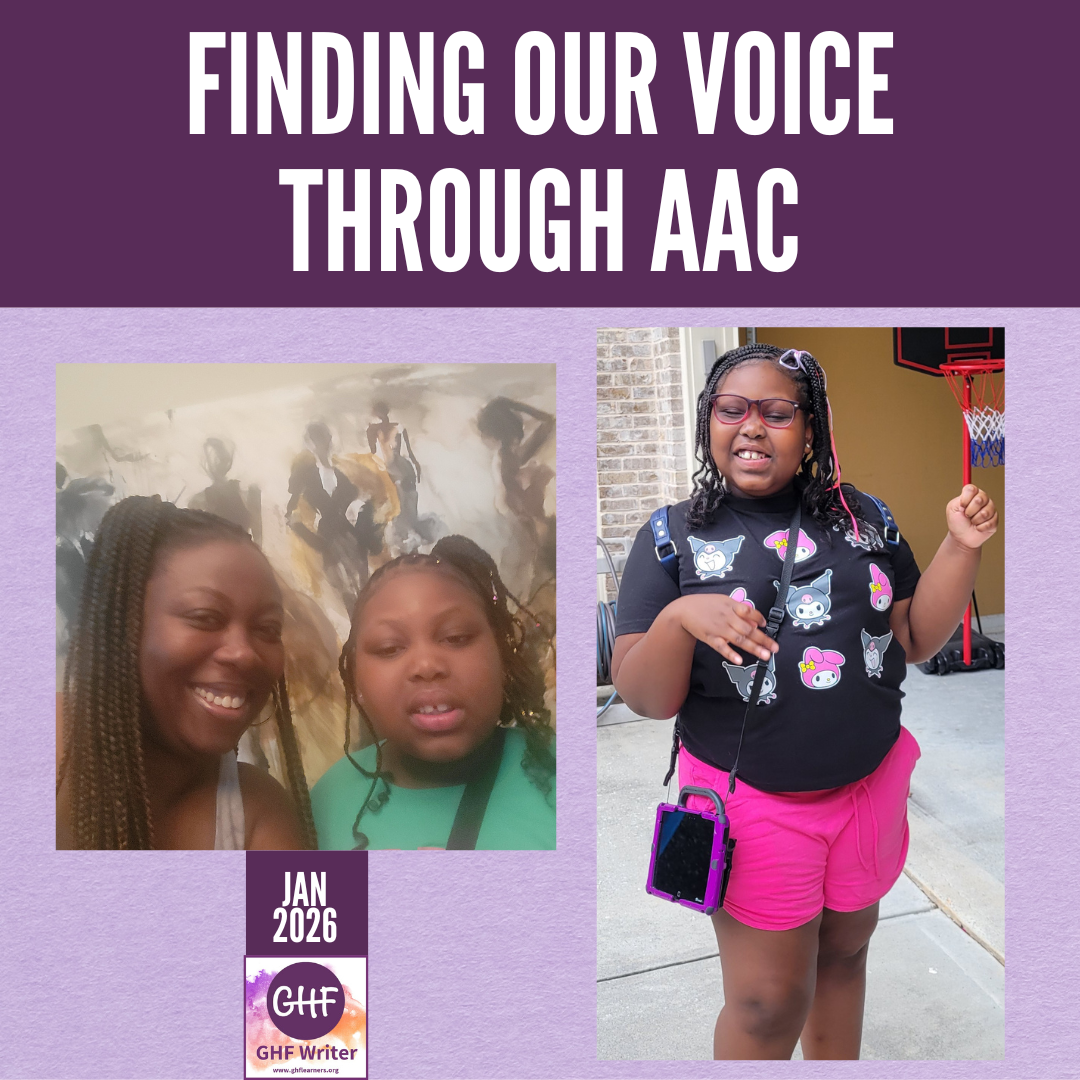
Finding Our Voice Through AAC

By Nakkia Common


My name is Nakkia, and I’m the proud parent of a bright, determined 10‑year‑old named Khloe. Many of you may know her smile before you know her words. Khloe has verbal apraxia, which means her brain knows exactly what she wants to say, but the pathway to speak those words out loud doesn’t always cooperate. But Khloe does communicate—beautifully, powerfully, and with intention—through her AAC (Augmentative and Alternative Communication) device.


Over the years, I’ve learned that communication isn’t about volume or fluency. It’s about connection. It’s about being understood. And for Khloe, her AAC device is not a crutch—it’s her voice. It’s how she jokes, advocates for herself, asks questions, and participates in the world around her.


What I want families, students, and educators to know is this: AAC isn’t a last resort. It’s a pathway to independence.


When Khloe types a message, she isn’t “using a device.” She’s speaking. She’s sharing her thoughts, her humor, her needs, and her dreams—like her goal of becoming a judge one day so she can help other kids.


She also uses her AAC device in ways many people don’t realize are possible. Khloe makes phone calls through a dedicated app on her cellphone, and she sends text messages too. Those calls and texts aren’t “workarounds”—they’re her voice reaching out into the world, connecting with people just like any other child her age.


One of the most transformative moments for us came when I simply started asking Khloe questions—real questions, meaningful questions, the kind of questions people often assume a nonverbal child can’t answer.


And she answered.

On her AAC device.

Clearly. Thoughtfully. Confidently.


That’s how we discovered she is twice‑exceptional (2E)—a gifted learner with a disability.


Not because a test told us.

Not because someone predicted it.

But because she finally had a way to show what she knows.


For so long, people equated “nonverbal” with “not smart,” and no one bothered to ask her what she understood, what she liked, what she wondered about. But now I know better. Now I ask her anything—and she answers. She has a voice and a way to let the world see her brilliance.


Recently, Khloe took an even bigger step: She wrote her own letter—using her AAC device—to our state representative, our governor, and our senators. In her own words, she asked them to help make the world safer and more accessible for kids who communicate differently. She told them what she needs, what other AAC users need, and why their voices matter.


Our advocacy has also expanded to emergency communication. We are working to ensure that 911 operators are trained to recognize and support AAC communication during emergencies. Too often, AAC users are misunderstood on emergency calls. Pauses, robotic voices, or slow responses can be mistaken for prank calls or confusion. For a child like Khloe, that misunderstanding could delay help when she needs it most.


So we’ve begun partnering with local emergency communication centers to raise awareness, share real examples, and encourage training that prepares operators to communicate effectively with AAC users. It’s a small step with potentially life‑saving impact, and it’s one more way we’re working to make the world safer and more inclusive.


My hope in sharing our story is that it encourages you to see AAC users not as children who “can’t talk,” but as children who do talk—just in a different way. When we honor that difference, we open doors to confidence, belonging, and opportunity.


Thank you for being part of a community that believes every child deserves to be heard. Khloe’s voice matters. So does every student. And together, we can build a world where all forms of communication are welcomed and respected.


Thanks,

Nakkia Common


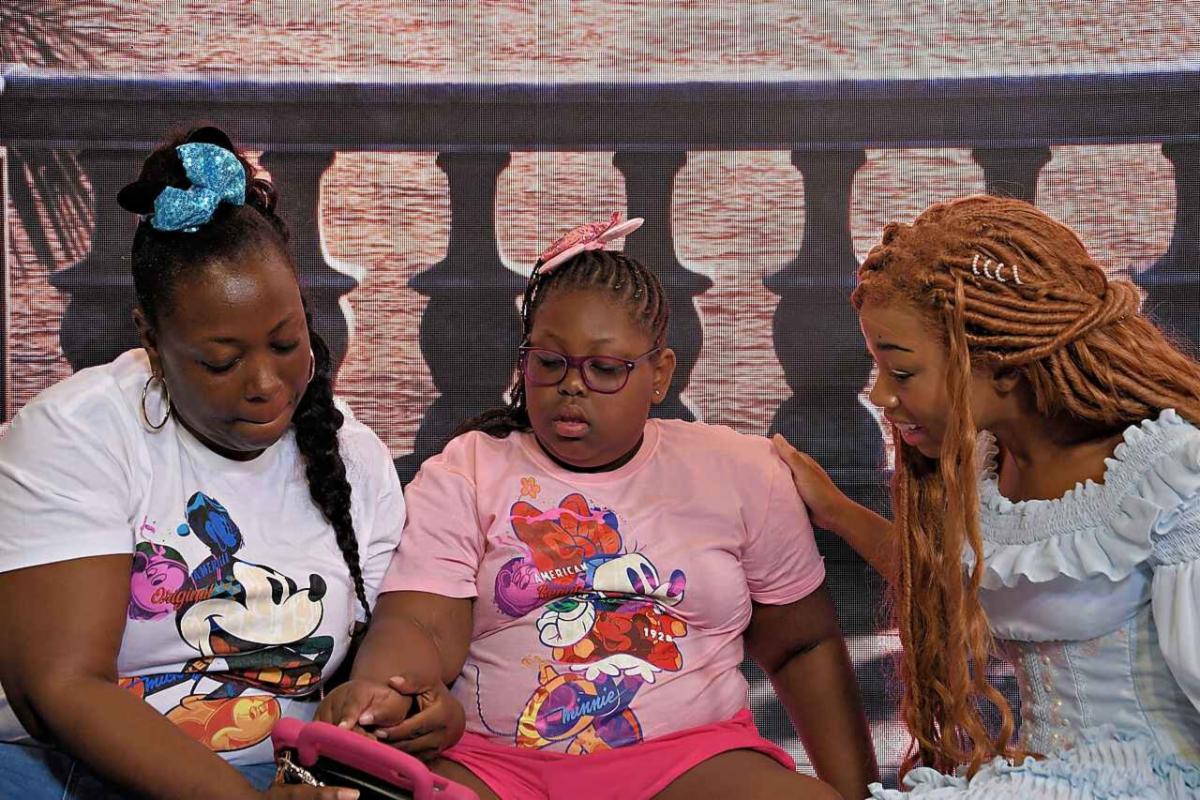
Khloe communicates with Ariel through her AAC device at Disney.

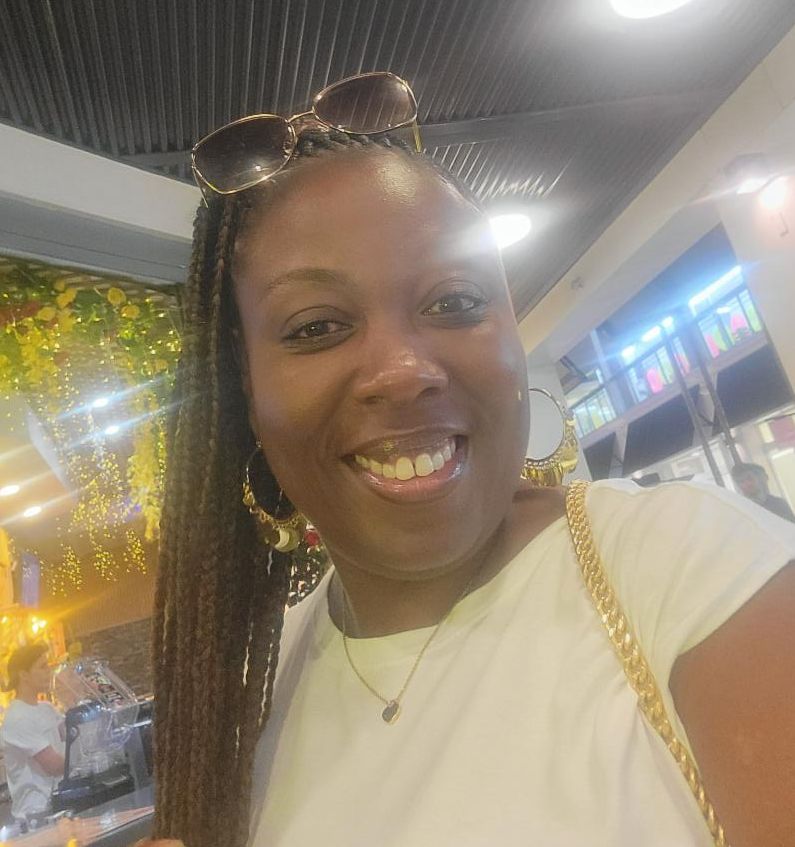
Nakkia Common is a dedicated mother to a twice‑exceptional daughter, Khloe, whose brilliance and AAC journey shape every part of her life. An IT professional and advocate, she uses her technical expertise to help Khloe get the most out of her AAC device, ensuring her voice is heard clearly and confidently. As her daughter’s homeschool teacher and biggest supporter, Nakkia blends technology, empathy, and determination to create opportunities that honor Khloe’s strengths and potential.

STUDENT-LED ADVOCACY

911 Operator Advocacy Letter for AAC Users

By Khloe Common (Age 10)


Hello,


My name is Khloe Common, and I am writing to you about emergency responses using

an AAC device. AAC device stands for Augmentative Alternative Communication. I use

it to communicate because I have limited words vocally. All 911 operators need training

when receiving calls from AAC device users.


I want to share an example from my own experience. I live with just my mother, and we

made a mock call to 911 for practice using my AAC device. The emergency response

operators were nice, but they asked too many questions. I am learning about my device,

and answering a lot of questions is hard for me. They can limit their questions to be

more efficient by asking closed‑ended questions. Most AAC device users can easily

answer closed‑ended questions. This is one of many reasons why training is vital for

911 operators.


AAC users may be nonverbal or have speech impairments. Without training, 911

Operators might hang up, not recognize synthetic voices, or ask inefficient questions.

This creates confusion and delays help. Emergency communication must be inclusive.

Just as operators receive training to support other disabilities, they should also be

equipped to help AAC users. Doing so ensures all members of the community can be

helped during emergencies.


I suggest that 911 operators are trained to help AAC device users during emergency

calls.


Thank you for reading my email and for caring about making emergency responses

better for everyone.


Sincerely,

Khloe Common

STUDENT FEATURE

The MedivaSeries I

The Frog Pond

By Sebastian Penley


It was silent in Sebastian's home. 


Sebastian's parents had gone to dinner, and he and his brother were home alone. He giggled and took his medivipad and turned it on. He was winning some games of Medivalosaken on Medivalox on his medivipad (a rock slate that you can play medivalo games on), on his medivasofa. Medivalo games were so fun for Sebastian because he could just have the thrill of running around, growing a garden, doing parkour, and so much more! He likes to be challenged by doing hard experiences on Medivalox on his medivipad. 


Sebastian heard the medivadoorbell, and he quickly put the medivipad away where it always was. 


Sebastian's parents opened the door to him sitting on his medivasofa. They looked to their left, and what they saw made them frown. They investigated the space around the medivipad and saw that the medivipad was a little bit misplaced and angled the wrong way, then checked a medivipicture on their mediviphone that they took before they left. The rule was that he could only play after the frogs in the pond next to his house croaked (About 5:00 p.m.). His parents yelled at him because it wasn't 5 p.m. yet, and he was playing Medivalox.  


Sebastian just smirked.


"I didn't give you the privilege to play Medivalox! The neighbors even have said that they will see you playing Medvialo games when they go for their walks over there by the frogs' pond hours before the frogs croak! They recommended that we make you do things that aren't Medivalo games, and we try, but you won't listen!" 


Sebastian stomped his foot, and his parents said that he was grounded for a week. His parents put his medivipad in a high cabinet.


"You can't play any more Medivalox until we say otherwise."


Two days later, Sebastian was sitting down with two wooden blocks.


"Blah blah blah, I'm bored," Sebastian said, banging them together. "This is so stupid. I just want to play some medivalo games." 


Sebastian decided that two stupid inanimate wooden blocks would not be any fun. 


Sebastian had an idea. He walked into his parents' bedroom with scissors and glue. He walked into their closet, cut up their clothes, and glued them together to make a costume, but he still wasn't satisfied at all. He stomped out of the closet, slammed the door, and left his parents' bedroom. Sebastian just got a genius idea. He was going to play Mediva’Grow A Garden, In Real Life. He walked outside to his parents' garden and ripped out all the growing plants. He replanted them his way (him just throwing them on the ground where he wanted them, instead of actually planting them back into the ground), but it was still stupidly boring. He walked to his front door, when he got an idea. He spammed the medivadoorbell as fast as he possibly could.


"I can get faster," he thought. Sebastian spammed the medivadoorbell with both pointer fingers as fast as he could. 


Sebastian was still bored. He decided to tap it to the rhythm of his favorite song, but he was still bored. He decided that trying to separate the front door from its hinges was probably fun, but he just ended up with no fun and a broken door.


"Oh. My. Gosh. WHY ISN'T ANYTHING FUN WITHOUT MEDIVALO GAMES?!" Sebastian said, throwing the door on the ground. He wanted to have fun without medivalo games, but it was like they were torturing him, because the only thing fun was medivalo games.


Sebastian COULD NOT LIVE without his medivipad. He was going to die to lack of medivalo games. He needed to get it back, so he searched.

Gabriel, Sebastian's big brother, who was vacuuming, walked into the kitchen and saw Sebastian.


"I wouldn't do that if I were you," Gabriel said.


"Whatever," Sebastian said, rolling his eyes.


Sebastian crawled up onto the countertop, opened a cabinet, and found the amazing contraption. Sebastian cackled and walked over to his medivasofa and started playing some more Medivalox. Sebastian's parents walked into the house. They saw Sebastian playing Medivalox when he was grounded.


"YOU WEREN'T SUPPOSED TO PLAY MEDIVALOX!!" Sebastian's parents yelled. They were red in the face.


"But I wanted to!" Sebastian responded.


"I DON'T CARE IF YOU WANTED TO!! I DIDN'T GIVE YOU THE PRIVILEGE TO PLAY MEDIVALOX!!" Sebastian's parents said, snatching the medivipad from him. They threw the medivipad away right in front of him after smashing it to pieces, so he couldn't dig in the trash and get it back.


"I've told you that playing medivalo games when you're not supposed to doesn't help you at all. You affected your life and you just hurt yourself," Gabriel said from the medivasofa, on his phone.


"But UGHHHH! Nothing is fun without medivalo games!" Sebastian responded.


Sebastian ignored Gabriel, and for months, block banging after costume making after garden wrecking after doorbell spamming after door breaking (and lots of boredom), Sebastian found himself lying on the ground of his bathroom, after trying to stick his hand all the way down the hole of his toilet through the pipe into the sewer, completely out of ideas. He stared at the rock ceiling in tears. Overcome by both sadness and the stench that covered both of his arms (yes, he tried it with both arms), Sebastian realized he needed to come up with an idea.


"I need a medivipad," Sebastian thought.


Sebastian realized something.


He realized that his parents would know if he bought a new medivipad, so the only way to play Medivalox was to have his parents let him get a new medivipad, which meant he would have to do something really good, so his parents would approve. He knew he had to be honest.


Sebastian decided to listen to Gabriel. He did all his responsibilities, then did chores, earned his allowance, and eventually, he had enough money to buy himself a new medivipad with his parents' approval! It took until their pig doubled in size (about half a year). 


A month after he bought the medivipad, Sebastian was doing his things, when he saw the medivipad. He badly wanted to check out the new update of Mediva'Grow A Garden, so he reached for the medivipad, before the frogs had croaked. 


He grasped the medivipad. He reached for the power button. After pressing the power button, it would be game over if he got caught. His finger felt the button. He slowly pushed down. 


He felt the outside button top on the medivicase touch the button. He was going to press it. He pushed down, looked away when he heard the click of a button, and his finger could press no further. He looked at the screen, and it gleamed bright as it always had. He pushed the home button, and his finger levitated over the Medivalox button. He pressed down.


He looked away and then looked back at the screen, but it was off. His parents walked into the room just seconds later. 


"How did it turn off?"' Sebastian wondered. He looked up and saw his big brother Gabriel's finger on the power button. He had saved him. Gabriel walked away, and Sebastian set the medivipad down and continued doing his chores. Sebastian smiled as the frogs croaked.


A year after his parents threw away his medivipad, Sebastian was chilling on his medivasofa, playing Medivalox. His parents walked into the room, but Sebastian didn't run. He didn't even flinch. His parents said hello to him and just walked into the living room. The frogs had croaked already.

Sebastian Penley is a free-spirited 12-year-old homeschool student from Bloomington, IN. If you ask Sebastian what he wants to be when he grows up, he will give you a list of about 12 different careers he plans to take on. His favorite school subjects are math, science, computer science, writing/storytelling, finance, and music. Sebastian has a very tender heart when it comes to animals, both living and stuffed. In his free time, Sebastian enjoys rock climbing, jiu-jitsu, chess puzzles, and composing music.  

GHF Press Featured Title

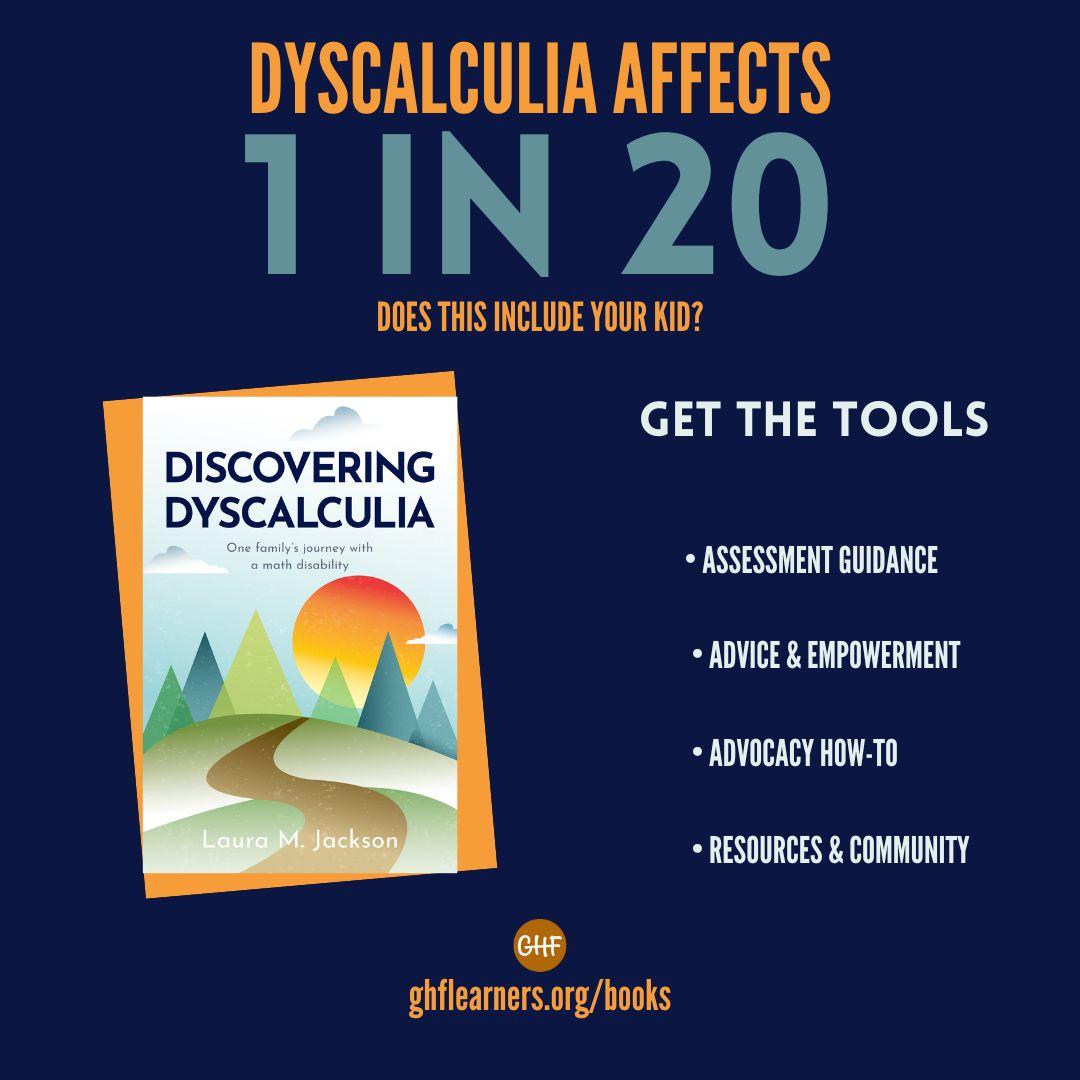
Dyscalculia impacts about 1 in every 20 children and adults, yet it is not widely recognized or understood. This math learning disability not only affects individuals in educational settings but also impacts their everyday life when it comes to handling money, telling time, measuring quantities, and performing basic calculations.


In this thoughtful and personal narrative, Laura M. Jackson writes about her child’s struggle with numbers, their shared discovery of dyscalculia, and she and her husband’s journey supporting their daughter in school and in life.


https://www.ghflearners.org/books

GHF® FORUM
A Supportive Community for Gifted Learners
Come join us in the GHF Forum, our online community where we share all of our services and resources.
FREE ACCESS to:
  • Discussion groups
  • Parenting Gifted
  • Professionals
  • Parenting 2e
  • Homeschoolers
  • Live Gifted Home Ed Conference
  • Live GHF Conversations Mini-Cons
  • Live Monthly GHF Expert Series
  • DIY Education Homeschooling Parent Course

UPGRADE to GHF Choices Membership:
  • GHF Expert Series Library
  • GHF Member Discounts
  • Forever Access to Gifted Home Ed Conference & Conversations Recordings
GHF PRESIDENT'S CLUB
 
For those of you who can give at least $500 we have created a special recognition program where you will be listed on the GHF website and in our monthly newsletter, The GHF Journey, as valued members of the community. Donations may be kept anonymous.


ABOUT GHF
MISSION
To empower every gifted family to make strategic, proactive, and intentional educational choices.
VISION
A diverse world of multi-generational families, educators, and professionals supporting each other through community, education, and creating content relating to gifted home education.
#GIFTEDHOMEED
Empowering gifted families to make strategic, proactive, and intentional educational choices.
VALUES
GHF values the uniqueness and humanity of each person in our community. We treat each other with love and kindness and particularly abhor bullying and negativity of any kind. We accept that it is our job to examine each day with a fresh perspective and continue to improve the organization to pursue our mission.
GHF is a 501c3 organization. Please consider supporting our community with your most generous gift today. For more information on our organization, please feel free to contact us. Thank you!
Facebook  Instagram  Pinterest