Vol VI, No 1 - January 16, 2024 | |
|
We made it! We survived the holidays. Now what? January brings post holiday fatigue along with a collective push to set new goals, create new plans. We hit snooze and pull the covers over our heads then get that nagging feeling that maybe it's time for an overhaul.
Do we go back to doing what we were doing or do we move toward a fresh outlook? Do we even have the energy to make any changes? Short answer: No. Long answer: Maybe, if doing what we've been doing is not giving us the results we want.
As parents and caregivers of G/2e kids, these questions often revolve around our kids. For many of us, we assess and reassess whether our children are in the right learning environments and what we can do to better support them. If any of you are in the position of sending your kids back to school this month with concerns that they are struggling, read on for Lisa Jobe's tips on how to advocate for positive changes to your kids' schooling. An educational advocate and gifted expert, Lisa offers bullet points on how to work with your child's teacher and school to focus on your learner's strengths and support their challenges.
In our February issue, Lisa will offer a follow-up article with advice on what to do if you are considering moving to a different learning environment such as homeschool. Stay tuned for Lisa's advice on how to make that decision and how to manage the transition.
After reading these nuggets of wisdom, immediately return to your warm covers or your cozy couch by the fireplace. It's only January. No need to rush things. You have time to figure everything out. In the meantime, keep hygge1 and carry on.
-
Hygge: a concept of creating cozy and convivial atmospheres that promote wellbeing (used in Denmark and Norway)
-- Marna
| |
|
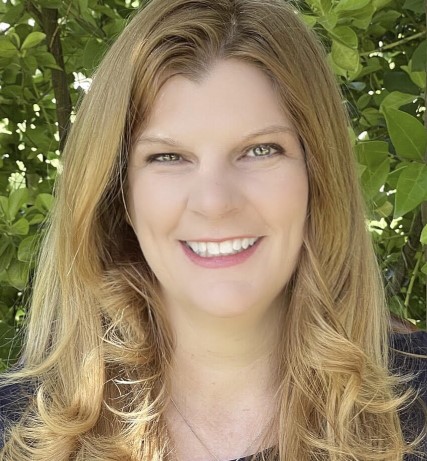
Marna Walthall Wohlfeld is a mom of four, a former non-profit director and journalist, and now a doctoral student at Bridges Graduate School of Cognitive Diversity in Education. She has deschooled, unschooled, and homeschooled various kids at various stages. She loves learning about and championing kids' unique brains and learning styles. She hopes to use her graduate degree to support parents and caregivers of twice-exceptional children as they move through the journey of parenting their wonderfully complex kids. She also hopes to advocate for 2e students by creating greater understanding about the need for strength-based approaches and support for vulnerable nervous systems in education and life. Marna is a trained SENG facilitator. She has presented at NAGC and WCGTC and has written for 2e News.
| |
 | |
Searching for The Proverbial Unicorn:
The Ideal Learning Environment for Our Exceptional Learners
Part 1: Advocating within the Current Learning Environment
by Lisa Jobe
Welcome to the new year! While we endeavor to keep our holiday cheer as we return to our routines, many parents and children feel it dissipating as school begins again. Some of us may see continued frustration from learners who are chronically bored and under-stimulated. Others hurt for our children who are lonely and desperate to connect with peers. Many parents also feel roadblocked with insufficient accommodations for children struggling with executive function challenges or twice exceptionalities that makes their current learning situation difficult. Our children need and deserve learning environments that enable them to soar in their strengths, nurture their interests and creativity, support their social and emotional needs, and engage their love of learning. This is a tall order that necessitates a strong partnership between parents and teachers.
At this half-way point in the school year, no matter what school environment our children are currently in, many of us wonder if there is more that we should be doing or asking from their educators, or if we should start considering alternative options for next year. There are many school choices available for families today, including public, private, magnet, charter, microschools, co-ops, and online classes, just to name a few. Surely, we hope, we might eventually find the ideal learning environment for our exceptional learners.
Yet, the reality is that a large percentage of gifted and 2e learners switch environments in search of a better fit several times before graduation. I had a well-planned roadmap for my own children, or so I thought. Instead, their transcripts reflect a variety of public and private schools, charters, microschools, co-ops, homeschool, and early college. I’ve come to realize that we’re not alone; an informal poll in my Facebook community reflects that most of my gifted/2e friends’ children have also changed learning environments numerous times. Research bears similar conclusions. In one study of gifted autistic learners, 10 of 13 children transitioned schools, looking for more.1 In another study of 2e students, all 12 of them left their schools hoping to find better fits elsewhere, with a total of 44 school transitions among the students.2
Before considering withdrawing your student from their current situation, it may be an opportune time to revisit opportunities for effective advocacy where they are. Are there aspects that are working well for your child, such as a peer who shares their passion in marine science, a teacher who opens their classroom to provide a quiet space at lunch, or an after-school club they particularly enjoy? Perhaps there are opportunities that have not yet been fully explored, such as unit compacting, providing additional time for challenging activities, or acceleration? Or, is it possible that further assessments might be beneficial before considering new options?
School advocacy takes significant research, perseverance, and patience. As a parent advocate, I often see parents facing roadblocks when schools focus on challenges rather than strengths, oppose acceleration, and fail to fulfill their “child find” obligations to identify and serve gifted students who may also have learning challenges. How can we open more doors for our children? Following is an advocacy check list based on my experiences as a parent of G/2e children and as an educational advocate working with many families who have been in this situation.
-
It is important for parents to foster a positive working partnership with school staff. Educators truly believe they are the learned experts in what is educationally best for children, and pushing against that mindset can be counterproductive to a parents’ objectives. It is ideal to build positive relationships, keep the focus on your child’s strengths, and offer solutions that the teacher or school could reasonably accommodate or pursue.
-
Rather than sending long frustrated parent emails, schedule time to meet directly with your child’s teacher and, if appropriate, invite the gifted and/or special education coordinators. With a proactive approach, there may be new opportunities that open.
-
Prepare a detailed “wish list” based on what your child actually needs to thrive. Consider what is practical for the teacher to implement in their busy classroom. This is a wonderful opportunity to develop self-advocacy skills with your learner by seeking their input. Would your child benefit from higher-level alternative reading choices or writing projects focused on their special interests? What would that necessitate from your teacher? Predict any foreseeable hurdles and have ready solutions available for consideration. Some solutions may be easily attainable requests. Other requests might necessitate involving additional school staff.
-
Next, prepare a full profile of your child to share in your advocacy meeting, including both assessments and grades that the teacher will already be considering, as well as strengths, interests, and notable skill sets that you observe outside of school. If your child is highly motivated in certain learning situations, or conversely needs support in other areas, share that with your teacher, who may not be aware of your child’s unique interests or exceptionality. Teachers generally welcome more ways to connect with their students and to make learning more personally meaningful.
-
Do your research, and respectfully share information that can be useful in context. Teachers, even those with gifted certifications, often have little training in the unique needs of our learners and truly believe that their programs are sufficient. Gifted pedagogy and research is continually evolving, as are protections for 2e learners. If you are seeking acceleration, consider reviewing and sharing A Nation Empowered and the Iowa Acceleration Scale. Acceleration is widely proven beneficial to our children’s long-term academic, social, and emotional successes, yet some schools are still reluctant. If you are seeking a 2e assessment, you may want to review legal guidance on how the “child find” requirements of the IDEA pertain to gifted learners. Contrary to what some schools are telling parents, high achievement does not negate their obligations to assess for suspected disabilities.
-
Review any district policies on gifted programming, acceleration, dual enrollment, and any other options you may be requesting. Many educators are unaware of their district’s specific identification, programming, and acceleration policies. These can provide roadmaps for your conversations. You may also need to consider whether to challenge any policy hurdles pertinent to your learner.
-
Inviting a parent advocate to help prepare and be present in the advocacy meeting can be very useful. Advocates are generally gifted/2e specialists who provide parents with information, guidance, and support throughout the advocacy process and help parents prepare for the meeting. They generally take a backseat supportive role at the meeting, helping to reduce parent-teacher tension and providing input grounded in law or best practices. They communicate in a collaborative manner to lessen the risk that stakeholders will feel undermined. Parents are permitted by law to bring parent advocates to their child’s IEP meetings, and advocates are also commonly invited to gifted advocacy meetings. Advocates should have current knowledge of laws, policies, and best practices in gifted education and twice exceptionality, as well as experience in mediation and collaborative outcomes. Referrals can often be found in gifted parent communities.
-
Finally, for our own peace of mind, parents need to recognize the limits of accommodating unique learners in the busy classroom model, even in the most supportive of schools. Sometimes, despite a school’s gifted focus or a teacher’s supportive efforts, it just isn’t the ideal environment for our unique learners. Many environments have eliminated gifted programs, or don’t have flexibility built in for learners who need more than what their established programs can offer. Considering changing school environments can create anxiety, but often results in a positive experience, and need not be a permanent move.
Every learning environment has pros and cons for our exceptional learners. It is important for families to frequently reassess school options as we support our children’s academic, social, and emotional wellbeing. Continued advocacy is one of the greatest gifts parents provide to our exceptional children, both within and beyond their education.
Notes
-
Lisa DaVie Rubenstein, Natalie Schelling, Susan M. Wilczynski, and Elizabeth N. Hooks. “Lived Experiences of Parents of Gifted Students With Autism Spectrum Disorder: The Struggle to Find Appropriate Educational Experiences.” Gifted Child Quarterly 59, no. 4 (2015): 283-298. https://doi.org/10.1177/0016986215592193
-
Marcy Dann, “A Case Study of Parent Experiences and Reactions to the Assessment Processes of Their 2e Children” (EdD diss., Bridges Graduate School for Cognitive Diversity in Education, 2022), 110.
Stay tuned for Part 2 of this series. Next month, Lisa will offer tips for deciding when the time is right for a change in learning environment, such as a move to homeschooling, along with strategies to ease that transition.
| | |
|
|
Lisa Jobe is a national gifted consultant and parent advocate specializing in providing support for profoundly gifted/2e learners and their families. Lisa pivoted from her corporate law career to homeschool her profoundly gifted sons, and has now devoted the past 16 years to teaching and advocating for the gifted community. She has served on numerous boards and advisory groups, including here at GHF as a board member and Director of the Virtual Co-Op.
Lisa is co-founder of Sequoia Gifted and Creative LLC, which serves gifted and twice-exceptional families nationally with individualized learning and advocacy support. She is also a doctoral student at Bridges Graduate School, studying cognitive diversity in education. Lisa has several areas of passion, including individualized learning, strengths-based education, creativity, and acceleration advocacy. Please feel free to reach out to her at lisa.sequoiagifted@gmail.com.
| |
|
Parents today lead busy lives and it’s difficult to “get it all done.” Gayle and Lin have created a guide encouraging parents to strengthen their connection with their youngsters using shared reading time. This book provides a selection of carefully curated picture books that can be used by parents to address important issues with their children, such as worry, perfectionism, and managing “big feelings.” Gayle and Lin also provide expert advice to gently guide parent-child conversations using simple, science-backed methods, including ways to help your child develop empathy, self-regulation, and self-acceptance. All of this is artfully accomplished as the authors share both research-based strategies and their own parenting experiences to bring out the very best in children using a strength-based approach.
Purchase Using Picture Books to Help Little Ones Learn About Themselves here.
| |
A Supportive Community for Gifted Learners | |
Come join us in the GHF Forum, our online community where we share all of our services and resources. | |
FREE ACCESS to:
- Discussion groups
- Parenting Gifted
- Professionals
- Parenting 2e
- Homeschoolers
- Live Gifted Home Ed Conference
- Live GHF Conversations Mini-Cons
- Live Monthly GHF Expert Series
- DIY Education Homeschooling Parent Course
UPGRADE to GHF Choices Membership:
- GHF Expert Series Library
- GHF Member Discounts
- Forever Access to Gifted Home Ed Conference & Conversations Recordings
| |
|
For those of you who can give at least $500 we have created a special recognition program where you will be listed on the GHF website and in our monthly newsletter, The GHF Journey, as valued members of the community. Donations may be kept anonymous.
- Tricia Delles, CPA
- Catherine Gruener, M.A., M.A., LCPC, LCMHC, NCC, BC-TMH, Gruener Consulting LLC
- Rosemary Guillette
- Kelly Hayes, Wonder Homeschool Center
- Dr. Melanie Hayes, Big Minds Unschool
- Jen Merrill, Laughing at Chaos
- Heidi Molbak, Seed Starter Educational Consulting
- Dan Peters, Summit Center
- Kasi and Rob Peters
- Magalie Pinney, State Street’s Do More Grant
- Deborah Reber, Tilt Parenting
- Elizabeth Ringlee, The Champion Project
- Jade Ann Rivera
- Lin Lim-Goh, The Quark Collaboration
- Debbie Steinberg-Kuntz, Bright and Quirky
| |
MISSION
To empower every gifted family to make strategic, proactive, and intentional educational choices.
VISION
A diverse world of multi-generational families, educators, and professionals supporting each other through community, education, and creating content relating to gifted home education.
#GIFTEDHOMEED
Empowering gifted families to make strategic, proactive, and intentional educational choices.
VALUES
GHF values the uniqueness and humanity of each person in our community. We treat each other with love and kindness and particularly abhor bullying and negativity of any kind. We accept that it is our job to examine each day with a fresh perspective and continue to improve the organization to pursue our mission.
| |
GHF is a 501c3 organization. Please consider supporting our community with your most generous gift today. For more information on our organization, please feel free to contact us. Thank you!
| | | | |