Vol VII, No 11 - November 11, 2025 | | |
In this month of Thanksgiving, we are thinking of all of the things and people for whom we are grateful. The GHF Board shares this message in memory of Dr. Jim Delisle:
"GHF mourns the loss of a kind, funny, and brilliant human. Dr. Jim Delisle has influenced the gifted community in memorable and lasting ways. He made us better advocates for unique learners and will be greatly missed. We are grateful that he left behind his many books and articles so that we have the gift of his words and wisdom to help us carry on his legacy of advocacy for gifted learners and their families."
GHF is grateful to all who have dedicated themselves to embracing gifted learners, championing their needs, and working to create more positive environments in which to learn and grow.
This month, in our feature article, author, educator, and radio host Suki Wessling shares tips for homeschooling parents and any adult who would like to nurture writing in children and young people. She will also lead a parent workshop through GHF in January on supporting young people's writing.
I particularly like Suki's advice of building writing into activities young people enjoy. One of my kids has gone into Minecraft to "write a book" inside a realm in which they were playing. Another became enthralled with typing on a real typewriter, so we sourced one at a local antique store. The sound and feel of the keys, and the look of the words printed on the paper, were very gratifying and inspired many poems and stories.
GHF is grateful for all of you. Thank you for being part of this community.
-Marna
| | |
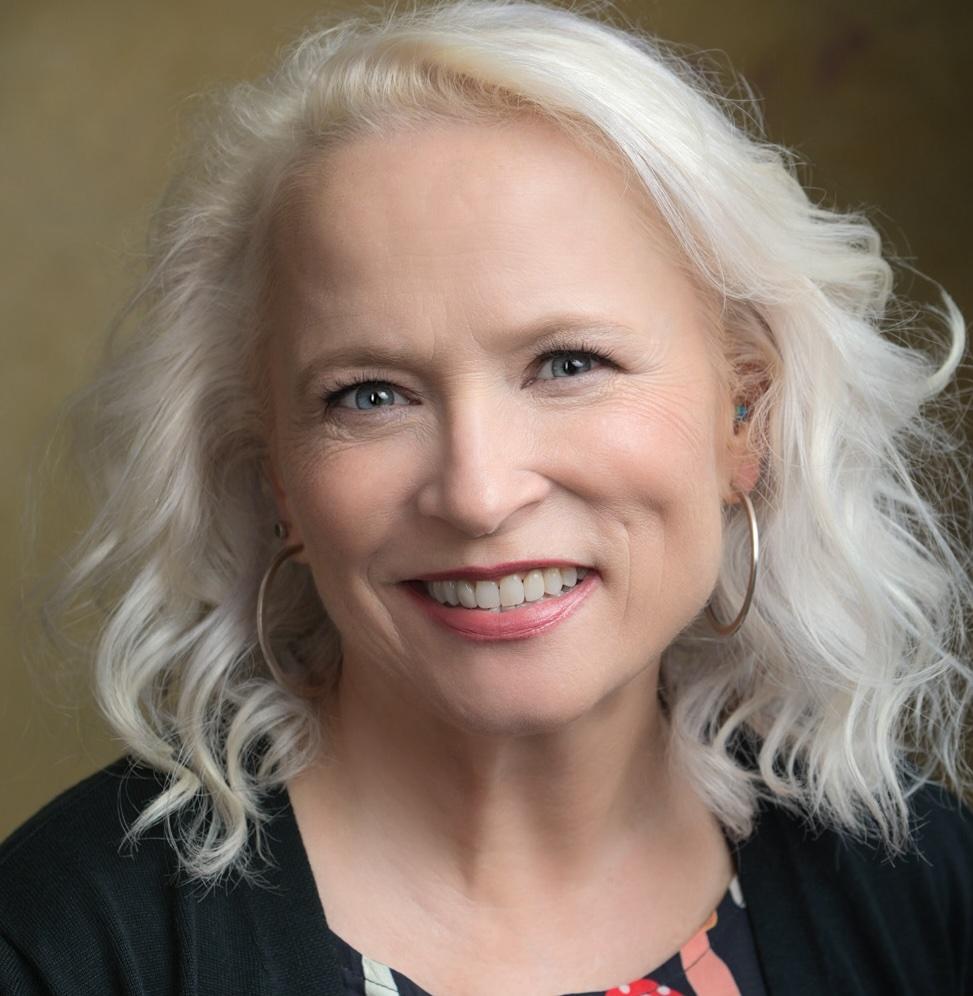
Marna Walthall Wohlfeld is a mom of four, a former non-profit director and journalist, and now a doctoral student at Bridges Graduate School of Cognitive Diversity in Education. She has deschooled, unschooled, and homeschooled various kids at various stages. She loves learning about and championing kids' unique brains and learning styles. She hopes to use her graduate degree to support parents and caregivers of twice-exceptional children as they move through the journey of parenting their wonderfully complex kids. She also hopes to advocate for 2e students by creating greater understanding about the need for strength-based approaches and support for vulnerable nervous systems in education and life. Marna is a trained SENG facilitator and has completed training Levels 1 and 2 for PDA North America. She has presented at NAGC and WCGTC and has written for 2e News.
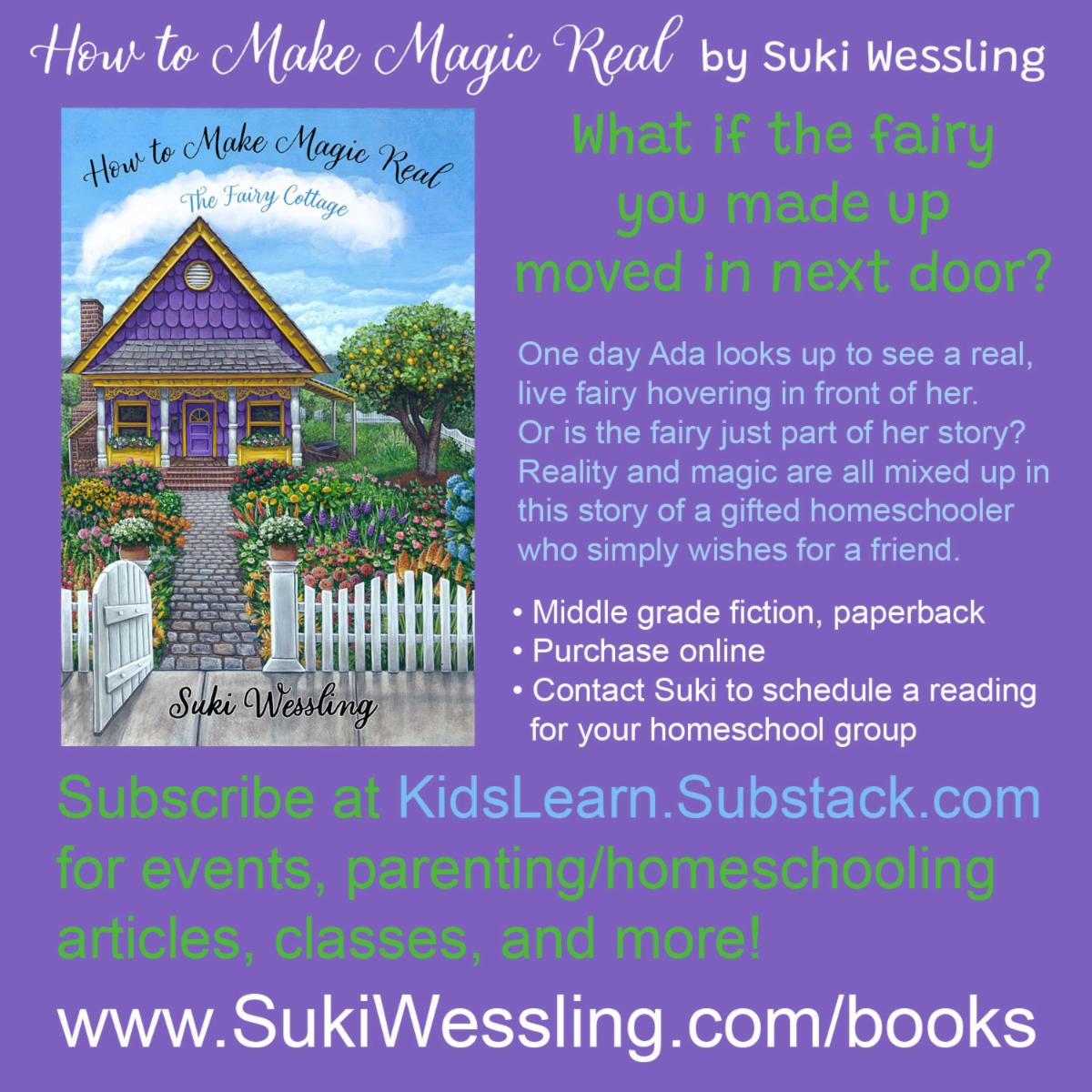
| | How to Make Magic Real - Book | | Now available: How to Make Magic Real, a middle-grade novel by Suki Wessling. 11-year-old Ada has moved across the country with her mom, and she doesn't know any homeschoolers. One day, she wishes for a friend, and the wish is granted...maybe. Either Ada has made up a story or a real fairy godmother has moved in next door. Reality and magic are all mixed up in this story of loss, wishes, friendship, and recovery. | |
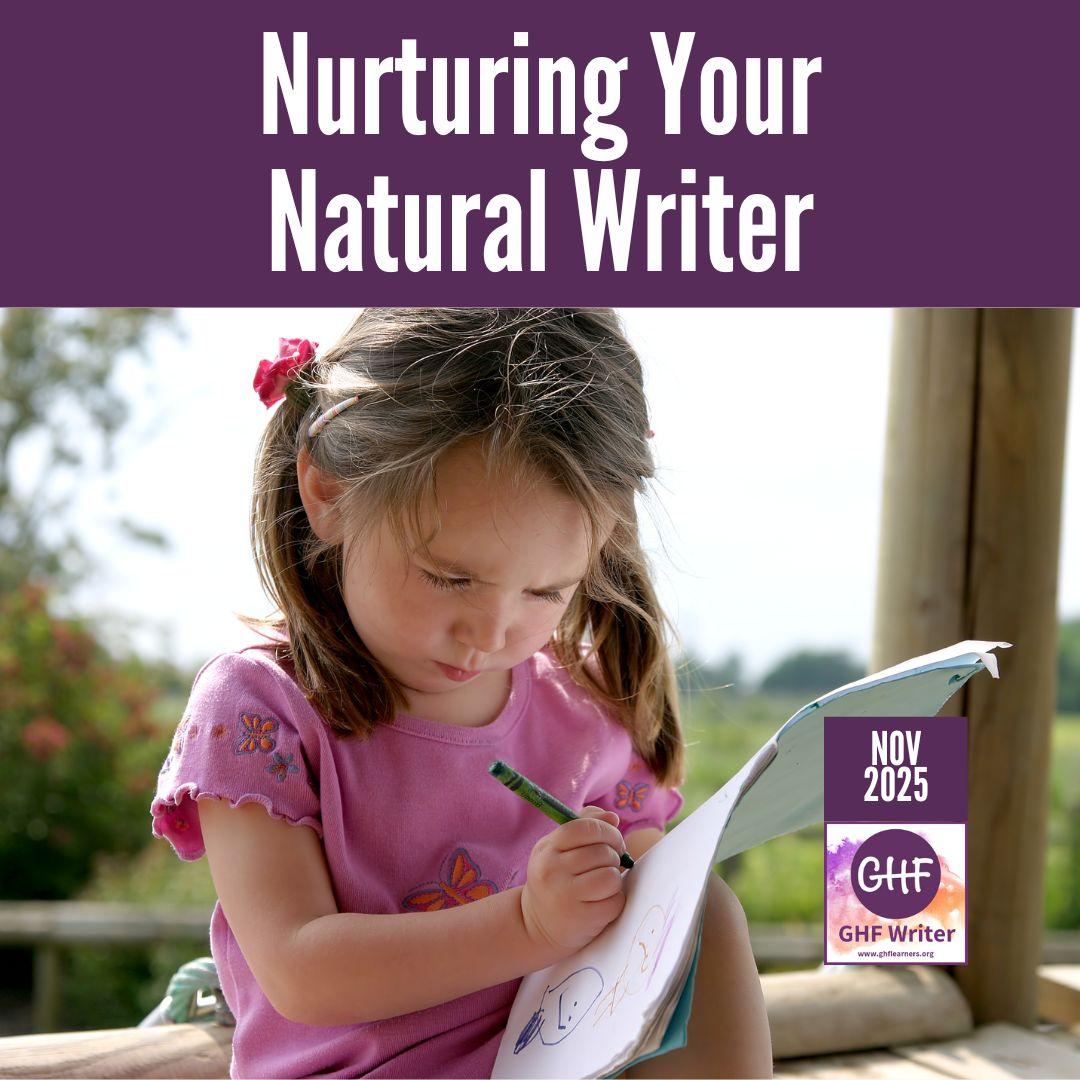
Nurturing Your Natural Writer
By Suki Wessling
Since 1990 my day job has been teaching people to write, first at colleges, then in homeschool clubs, and from 2013 to the present, at Athena’s Advanced Academy. In that time, I’ve worked with a lot of writers who came to me with only a small piece of their lives. Teaching intersects with students’ lives in brief bursts, so we have little knowledge of how the rest of their experiences feed into their learning.
But I’ve had an intimate relationship with my own children since before birth, so I could see their writing develop, change, retreat, and grow with their life experiences. Teaching them has given me a deeper understanding of what I call “writing from the soul.”
More than any other academic skill, writing exposes the student’s inner life; their joys and passions, for sure, but also their anxieties and shortcomings. Young writers instinctively understand the importance of writing. They don’t need to be told that literacy is the foundation underlying all modern human innovations. They also don’t need to be told that people will judge the worth of their ideas through reading their writing. That understanding is a huge burden for a kid to carry.
As parents, it’s our job to support our children as they become the people they will be, helping them nurture their passions and address their challenges. And in most academic areas, parents can feel pretty confident that life has given them the knowledge and skills they need to help, whether they can provide the support themselves or need to find a professional to help out.
But while writing appears to be an academic discipline, parenting plays a huge role in nurturing future writers. Here are some ideas gleaned from my own experiences with my kids and also from noticing other parents’ interactions with theirs.
Talking
There would be no writing without human speech, of course. But certain types of speech encourage the sorts of thought processes and linguistic development that underpin solid writing.
- Minimize unidirectional speech: Yes, we do have to command our children sometimes, but natural writers grow up in households where conversation flows both ways. Try to emphasize back-and-forth, asking your child questions and making observations that inspire deeper exploration.
- Narrate your thought processes: From before your children can talk, verbalizing how you get from A to B is immensely helpful. For example, even your answer to a simple yes-or-no question from your child has a thought process behind it. “Can I have another cookie?” “Hm, let’s look at that: It’s 3 o’clock and I’m making your favorite meal for dinner, so I think it’s a good idea to skip it so you have plenty of room for pasta.”
- Play with language: Language can be serious, but it’s also very fun. And the more fun it feels to your child, the more relaxed they will be when they start to write. Enjoy wordplay. Make up silly rhymes. Tell ridiculous stories about the tree in your front yard. Play word-based board games.
Connecting
Writing is connected with everything we do. Always look for ways to connect your activities with writing.
- Communicate with others: Letters to grandparents are always a great way to get kids to write about their experiences and passions. (This includes emails or text messages—don’t judge digital communication as less valuable!)
- Bring a notebook everywhere you go: Normalize documenting activities and random weird thoughts. If your kids enjoy crafts, create handmade notebooks for a personal touch.
- Connect writing with socializing: Encourage writing-based fun when kids are together. Remember passing notes in class when you were a kid? That was a healthy and fun way to improve your communication skills!
Supporting
Almost universally, children develop their speaking skills well before they develop their writing skills. If we expect them to write as well as they speak, they’ll fail from the outset. Here are some ways you can support them when they start writing.
- Take dictation: As long as they need it, be your child’s secretary or use dictation tools. Remember to separate handwriting skills from writing skills. Handwriting is a motor skill and has nothing to do with self-expression. Turning thoughts into text is a cognitive skill that shouldn't be slowed down by motor skills.
- Free choice: Early writing should always be free choice. Never, ever assign a writing subject unless your child really thrives on assignments. If your child doesn’t freely come up with topics for themselves, see if you can build writing into activities they enjoy. Don’t push!
- No editing: Young children do not need to be told what’s “wrong” with their writing—from an adult perspective, many things are wrong! They will naturally learn to express themselves better if you simply praise what they do well and ask them questions to encourage clarity.
Modeling
Finally, don’t cut down your own writing skills (or any of your skills) in front of your kids. You can be honest—“Hey, I struggle with spelling, too!”—but don’t demean yourself. Your kids will reflect that back on themselves. Tell them when you’ve written something you are proud of; when appropriate, share it. Let them see you using the written word to communicate. Make your writing a healthy and happy part of their childhood.
Learning through enjoyment
Brain research has made clear what generations of sports coaches have known by instinct: Make it fun, and kids will perform better. Remember that if you make writing a chore to be dreaded, you may be setting your child on a lifelong path of writing difficulties. Your child doesn’t have to be forced to write a five-paragraph essay when they’d rather write about fairies—there is always time to learn academic writing once they need it in their lives. Value what your child values, and you will see them blossom on the page.
| | | | |
Suki Wessling is a writer, educator, and radio host who lives on the Central Coast of California. She writes fiction and nonfiction for adults and children, and hosts podcasts for adults and children. Her new book, How to Make Magic Real, features a gifted homeschooler who may (or may not!) have conjured a fairy through her writing. Learn more at www.SukiWessling.com.
| | GHF CO-OP SPRING '26 REGISTRATION | | |
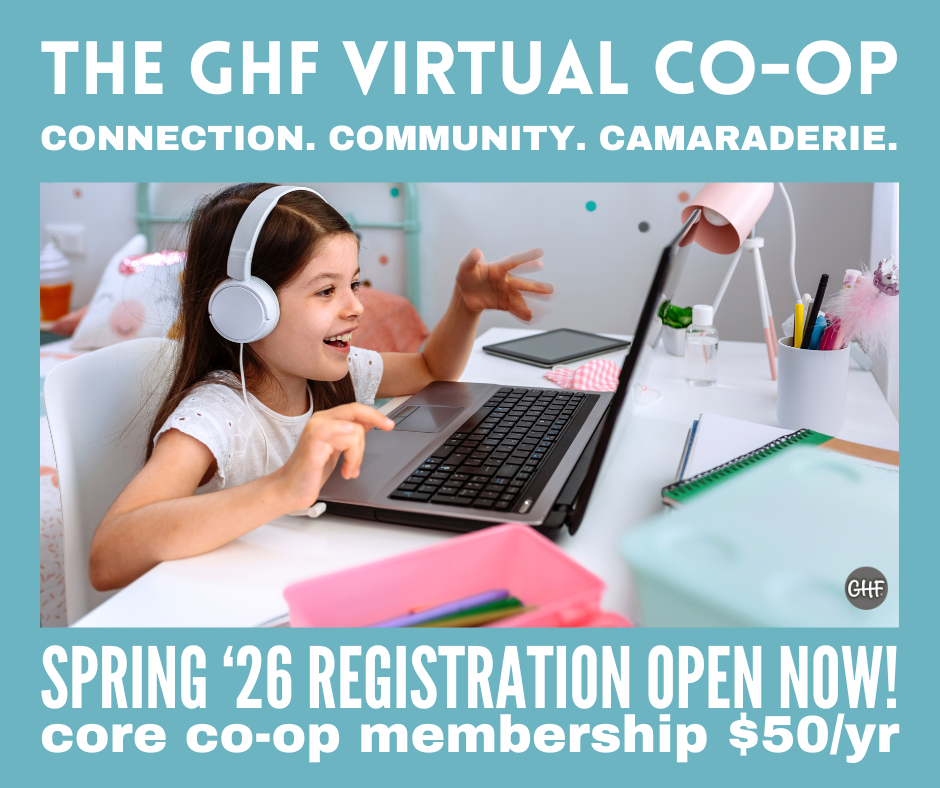
Curious about GHF Virtual Co-Op? We’re opening up registration for Winter/Spring Semester earlier this year to give you plenty of time to learn what makes our Co-Op such a joy for its families, and how you can be part of our community-first collective.
What does “community first” mean? It’s how we describe the dynamic of coming together to take the time to get to know and trust each other, so we can then create tailored classes, experiences and connections that serve everyone’s current passions and needs!
Read all about it and don’t hesitate to reach out with questions - we’re excited to welcome you: https://www.ghflearners.org/virtual-coop-about
| | |
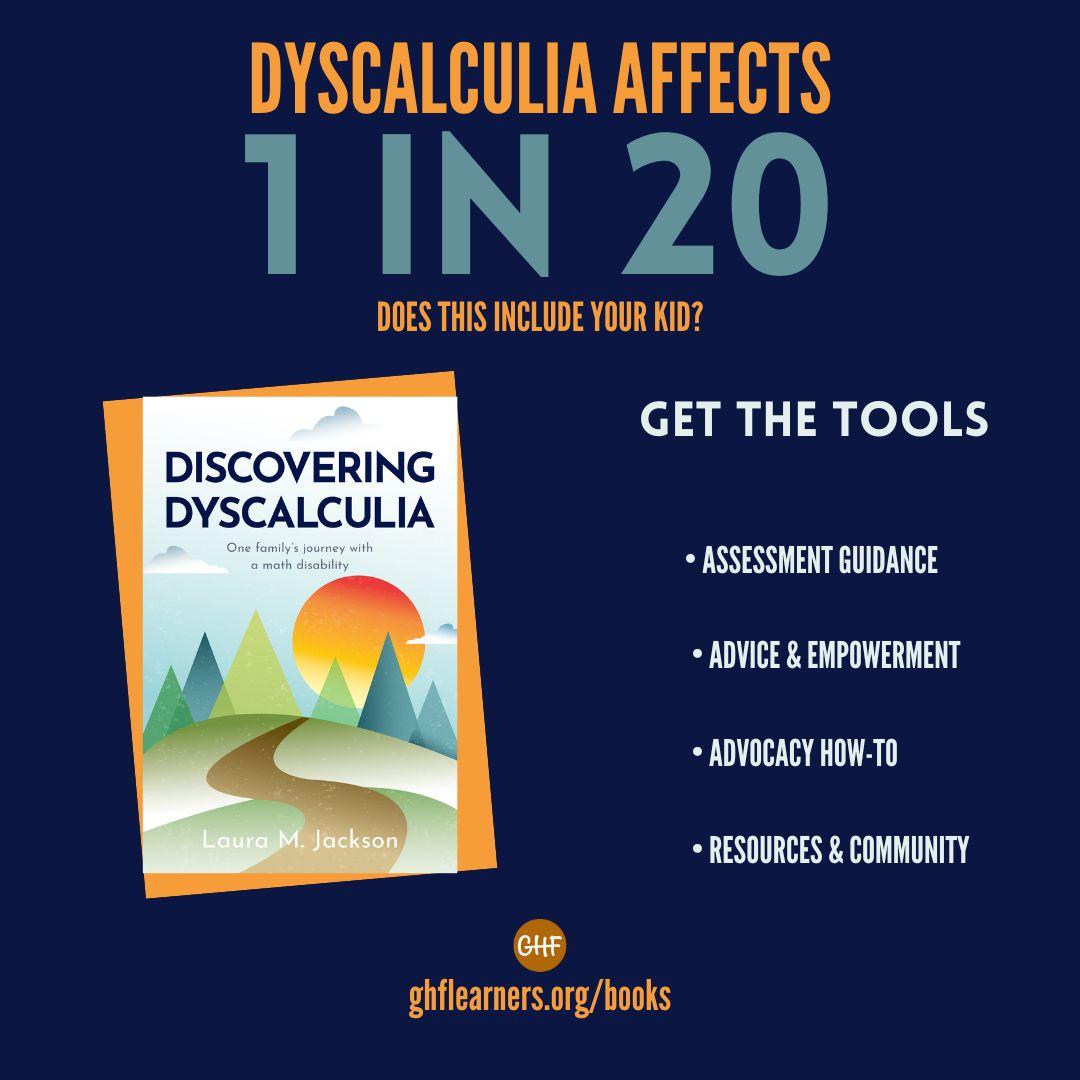
Dyscalculia impacts about 1 in every 20 children and adults, yet it is not widely recognized or understood. This math learning disability not only affects individuals in educational settings but also impacts their everyday life when it comes to handling money, telling time, measuring quantities, and performing basic calculations.
In this thoughtful and personal narrative, Laura M. Jackson writes about her child’s struggle with numbers, their shared discovery of dyscalculia, and she and her husband’s journey supporting their daughter in school and in life.
https://www.ghflearners.org/books
| | A Supportive Community for Gifted Learners | | Come join us in the GHF Forum, our online community where we share all of our services and resources. | |
FREE ACCESS to:
- Discussion groups
- Parenting Gifted
- Professionals
- Parenting 2e
- Homeschoolers
- Live Gifted Home Ed Conference
- Live GHF Conversations Mini-Cons
- Live Monthly GHF Expert Series
- DIY Education Homeschooling Parent Course
UPGRADE to GHF Choices Membership:
- GHF Expert Series Library
- GHF Member Discounts
- Forever Access to Gifted Home Ed Conference & Conversations Recordings
| | |
For those of you who can give at least $500 we have created a special recognition program where you will be listed on the GHF website and in our monthly newsletter, The GHF Journey, as valued members of the community. Donations may be kept anonymous.
- Tricia Delles, CPA
- Catherine Gruener, M.A., M.A., LCPC, LCMHC, NCC, BC-TMH, Gruener Consulting LLC
- Rosemary Guillette
- Kelly Hayes, Wonder Homeschool Center
- Dr. Melanie Hayes, Big Minds Unschool
- Jen Merrill, Laughing at Chaos
- Heidi Molbak, Seed Starter Educational Consulting
- Dan Peters, Summit Center
- Kasi and Rob Peters
- Magalie Pinney, State Street’s Do More Grant
- Deborah Reber, Tilt Parenting
- Elizabeth Ringlee, The Champion Project
- Jade Ann Rivera
- Lin Lim-Goh, The Quark Collaboration
- Debbie Steinberg-Kuntz, Bright and Quirky
| |
MISSION
To empower every gifted family to make strategic, proactive, and intentional educational choices.
VISION
A diverse world of multi-generational families, educators, and professionals supporting each other through community, education, and creating content relating to gifted home education.
#GIFTEDHOMEED
Empowering gifted families to make strategic, proactive, and intentional educational choices.
VALUES
GHF values the uniqueness and humanity of each person in our community. We treat each other with love and kindness and particularly abhor bullying and negativity of any kind. We accept that it is our job to examine each day with a fresh perspective and continue to improve the organization to pursue our mission.
| |
GHF is a 501c3 organization. Please consider supporting our community with your most generous gift today. For more information on our organization, please feel free to contact us. Thank you!
| | | | |