Vol VII, No 7 - July 22, 2025

FROM THE EDITOR

Temps are rising along with the challenges of keeping kids engaged and regulated over the summer months while also keeping your cool.


"Let your kids get bored," they say. "Let your kids take time to discover their interests," they say. I don't know about you, but this doesn't always end in creative, safe pursuits at my house. During Covid lock-down, one of my kids got bored and decided to tie bedsheets together and rappel out of the second-story window of my four-year-old twins' room with a bed post as the only anchor. Luckily, one of the other kids had the foresight to tip me off about the extreme sport challenge that was underway and I was able to jump in and prevent potential injury. There's a reason I often refer to parenting gifted/2e kids as "Extreme Parenting."


Thank goodness our summers now involve a lot of energy expenditure in swimming pools and lakes, or I might be the one trying to rappel out of the window.


For caregivers of gifted / 2e kids, juggling the challenges of redirecting boundless energy into safe and healthy pursuits, co-regulating sensitive nervous systems, and trying to meet our children's needs as well as our own, increases our risk of burnout. In this month's feature article, Drs. Gelston and Arnstein present a two-step system caregivers can use to prevent parental burnout and maximize connection, flexibility, and co-regulation. Read below to learn more and to access a handy graphic that summarizes the concepts.


Also, for parents of 2e children who are interested in providing feedback that will contribute to future programming aimed at supporting neurodivergent families, please consider completing this survey from Debbie Reber of Tilt Parenting, a long-time partner of GHF.


Stay cool and just keep swimming,

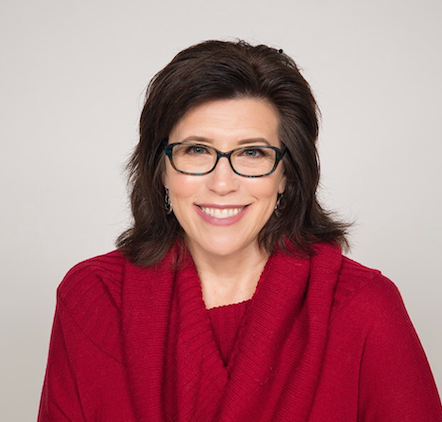
Marna

Marna Walthall Wohlfeld is a mom of four, a former non-profit director and journalist, and now a doctoral student at Bridges Graduate School of Cognitive Diversity in Education. She has deschooled, unschooled, and homeschooled various kids at various stages. She loves learning about and championing kids' unique brains and learning styles. She hopes to use her graduate degree to support parents and caregivers of twice-exceptional children as they move through the journey of parenting their wonderfully complex kids. She also hopes to advocate for 2e students by creating greater understanding about the need for strength-based approaches and support for vulnerable nervous systems in education and life. Marna is a trained SENG facilitator and has completed training Levels 1 and 2 for PDA North America. She has presented at NAGC and WCGTC and has written for 2e News.


NeuroD Is Me™ – For Gifted & Twice-Exceptional Families


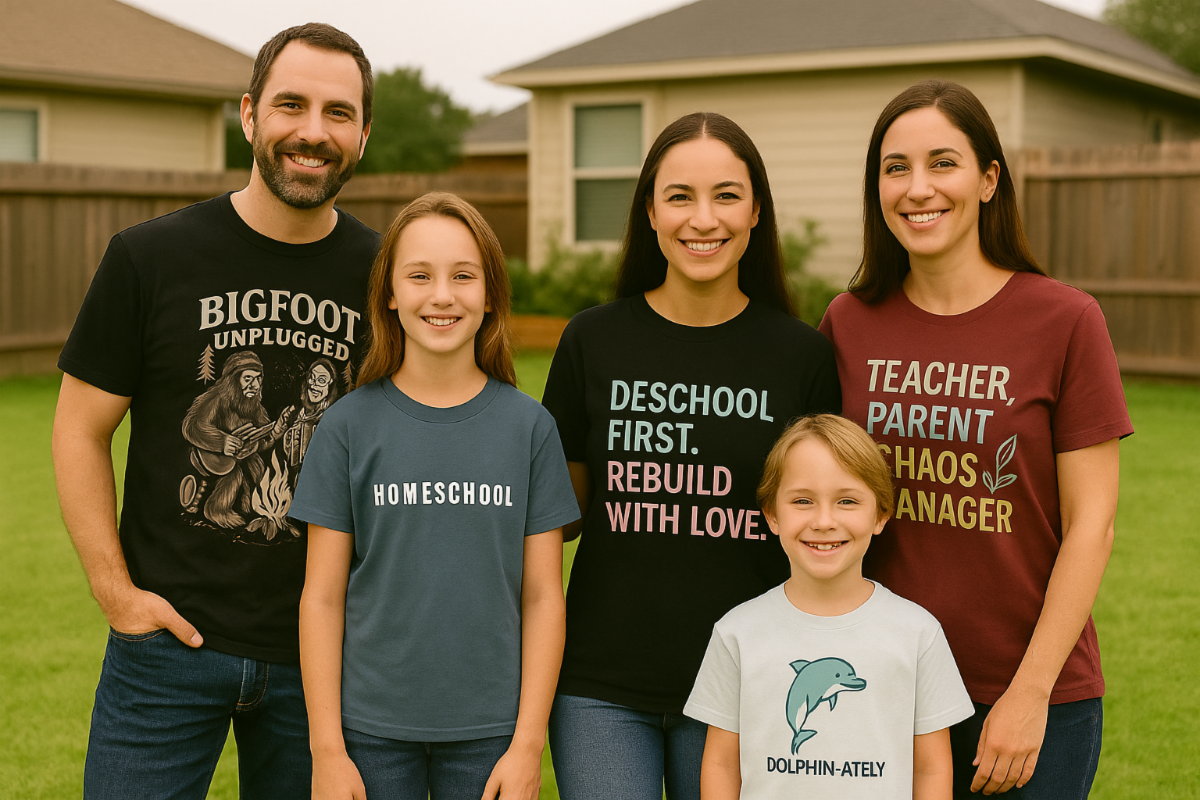
Backyard moments, built for how you feel. 

Our tees and sweatshirts are crafted with soft, breathable fabrics and sensory-considerate designs—perfect for every neurodivergent family member.


Get 20% off your order with code GHFLOVE20 at checkout! neurodisme.com

Because comfort shouldn’t be a compromise.

Feature 

State-Based Planning: Preventing Parental Burnout

By Barry Gelston, Ed.D., and Karen Arnstein, Ed.D.


As educators and researchers who also parent twice-exceptional and gifted learners, we’ve felt the pressure summer brings. For families with neurodivergent children—whether homeschooling year-round or taking a break from school routines—summer can carry a heavy emotional load. There’s the hope of deeper connection, the dream of progress, and the silent pressure to “make it count.” And then, there’s reality.


Parents often find themselves juggling the intensive needs of their children with their own depleted resilience, especially after a long year of caregiving, advocating, and planning. In our work with families through the Spiral Adaptation Lens, we’ve seen how state-based planning can reduce that burnout and make summer feel more human.


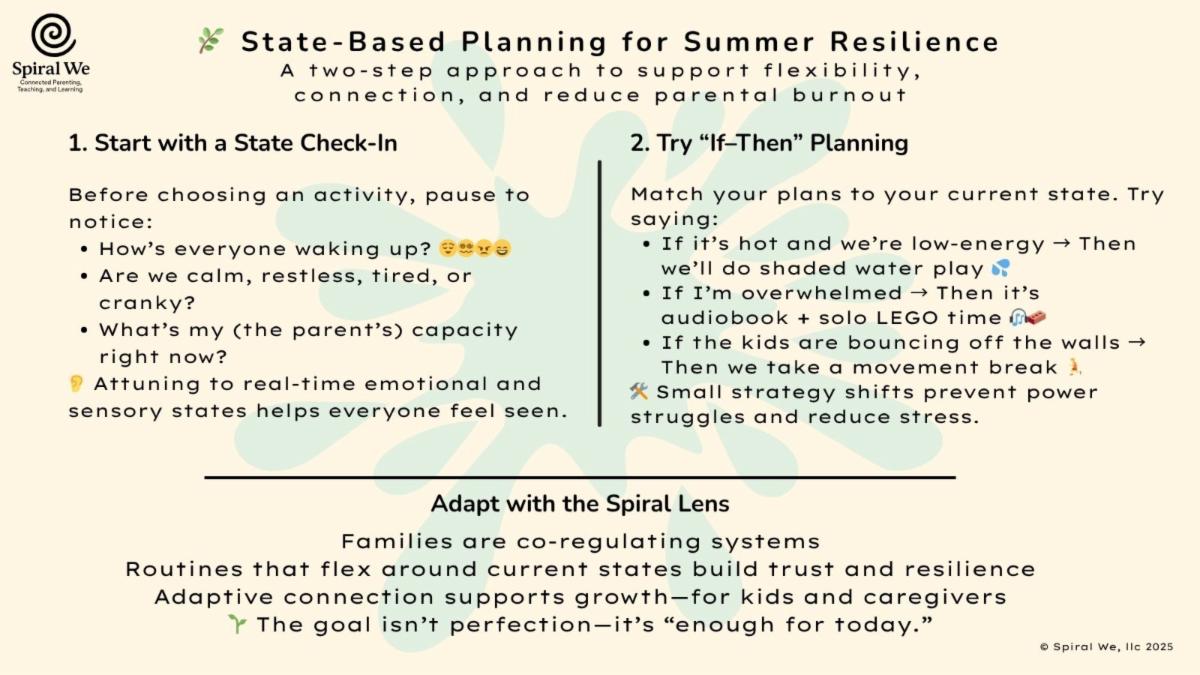
Start With a State Check-In


Before you reach for a summer schedule or Pinterest activity list, try asking: What state are we in today?


This is a gentle pause, not a diagnostic. You might ask:


  • Are we starting the day calm, cranky, tired, or silly?
  • How’s everyone’s body feeling—antsy, sluggish, regulated?
  • As the adult, what’s my capacity right now?


These questions invite adaptive connection. They help you attune to the emotional and sensory states shaping the day, instead of pushing against them.


Try “If-Then” Planning


Once you’ve checked in, you can co-create flexible “if-then” plans with your kids. For example:


  • If the weather is scorching and we’re under-resourced, then we’ll stay cool with water play or indoor fort building.
  • If I (the parent) am on edge, then we’ll do quiet parallel play so I can recharge nearby.
  • If the kids are bouncing off the walls, then we’ll take a spontaneous hike or set up an obstacle course.


These tiny agreements help reduce power struggles and sensory mismatches. They also model self-awareness and collaborative problem-solving—skills that matter more than any enrichment packet.


Why This Matters


The Spiral Adaptation Lens invites us to see families as co-regulating systems. When we shape routines around real-time states—rather than static expectations—we build resilience. Children learn that their needs matter and that safe adults adjust. Parents reclaim space to breathe, notice, and respond with care.


State-based planning isn’t about lowering standards. It’s about right-sizing your day so that everyone’s nervous system can stay in range. Especially for families navigating asynchronous development or intense giftedness, this approach offers dignity, flexibility, and sanity.


You don’t need a perfect summer plan. You just need a way to notice what’s true in the moment—and a toolkit to meet it with enoughness.


We’d love to hear how state-based planning is unfolding in your home this summer—what’s working, what’s messy, and what’s surprising.


🗨️ Join the conversation in the GHF forum and connect with other parents exploring this approach.


To learn more about the Spiral Adaptation Lens and our ongoing work, we invite you to subscribe to our Substack: spiralwe.substack.com

___________________________________________


Our Approach to AI at Spiral We

At Spiral We, we use AI as a collaborative drafting tool—not a substitute for human insight. All content is reviewed and authored by our team, guided by our values of developmental integrity, adaptive connection, and strength-based practice. Ziv, our assistant, supports clarity and accessibility across diverse neurotypes. We welcome transparency about how each piece is created.

Barry Gelston, Ed.D. is an educator, researcher, and advocate for neurodivergent and twice-exceptional learners. He is the creator of the Spiral Adaptation Lens and serves as President Emeritus of GHF: Gifted Homeschoolers Forum. Barry co-directs Spiral We, where he supports families and educators in building strength-based, developmentally aligned learning environments.


Karen Arnstein, Ed.D., is a developmental learning specialist, researcher, and co-founder of Spiral We. She brings expertise in twice-exceptionality, neurodiversity, and positive disintegration theory, with a focus on family systems and adaptive growth. Karen’s work centers the lived experience of complex learners and the adults who care for them.


GHF Press Featured Title

Parents today lead busy lives and it’s difficult to “get it all done.” Gayle and Lin have created a guide encouraging parents to strengthen their connection with their youngsters using shared reading time. This book provides a selection of carefully curated picture books that can be used by parents to address important issues with their children, such as worry, perfectionism, and managing “big feelings.” Gayle and Lin also provide expert advice to gently guide parent-child conversations using simple, science-backed methods, including ways to help your child develop empathy, self-regulation, and self-acceptance. All of this is artfully accomplished as the authors share both research-based strategies and their own parenting experiences to bring out the very best in children using a strength-based approach.

Purchase Using Picture Books to Help Little Ones Learn About Themselves here.

GHF® FORUM
A Supportive Community for Gifted Learners
Come join us in the GHF Forum, our online community where we share all of our services and resources.
FREE ACCESS to:
  • Discussion groups
  • Parenting Gifted
  • Professionals
  • Parenting 2e
  • Homeschoolers
  • Live Gifted Home Ed Conference
  • Live GHF Conversations Mini-Cons
  • Live Monthly GHF Expert Series
  • DIY Education Homeschooling Parent Course

UPGRADE to GHF Choices Membership:
  • GHF Expert Series Library
  • GHF Member Discounts
  • Forever Access to Gifted Home Ed Conference & Conversations Recordings
GHF PRESIDENT'S CLUB
 
For those of you who can give at least $500 we have created a special recognition program where you will be listed on the GHF website and in our monthly newsletter, The GHF Journey, as valued members of the community. Donations may be kept anonymous.


ABOUT GHF
MISSION
To empower every gifted family to make strategic, proactive, and intentional educational choices.
VISION
A diverse world of multi-generational families, educators, and professionals supporting each other through community, education, and creating content relating to gifted home education.
#GIFTEDHOMEED
Empowering gifted families to make strategic, proactive, and intentional educational choices.
VALUES
GHF values the uniqueness and humanity of each person in our community. We treat each other with love and kindness and particularly abhor bullying and negativity of any kind. We accept that it is our job to examine each day with a fresh perspective and continue to improve the organization to pursue our mission.
GHF is a 501c3 organization. Please consider supporting our community with your most generous gift today. For more information on our organization, please feel free to contact us. Thank you!
Facebook  Instagram  Pinterest