|
Master Gardeners of Greene County
“Helping Others Learn to Grow”
The Gardeners Edge
November 2026
| | |
Our Mission
To provide horticultural information and training to the gardening public based on proven research specific to the local climate, soils and plants, consistent with the "Policies and Procedures for the Missouri Master Gardener Program".
| | |
In This Issue.....
Don't Put Away The Hose Just Yet
Set The Table For Winter Birds
Did You Know?
A Garden Worth Looking At All Winter
Winterizing Garden Tools
What Is This?
Learn to Grow Series: A Year In The Life Of A Beehive
And More...
| |
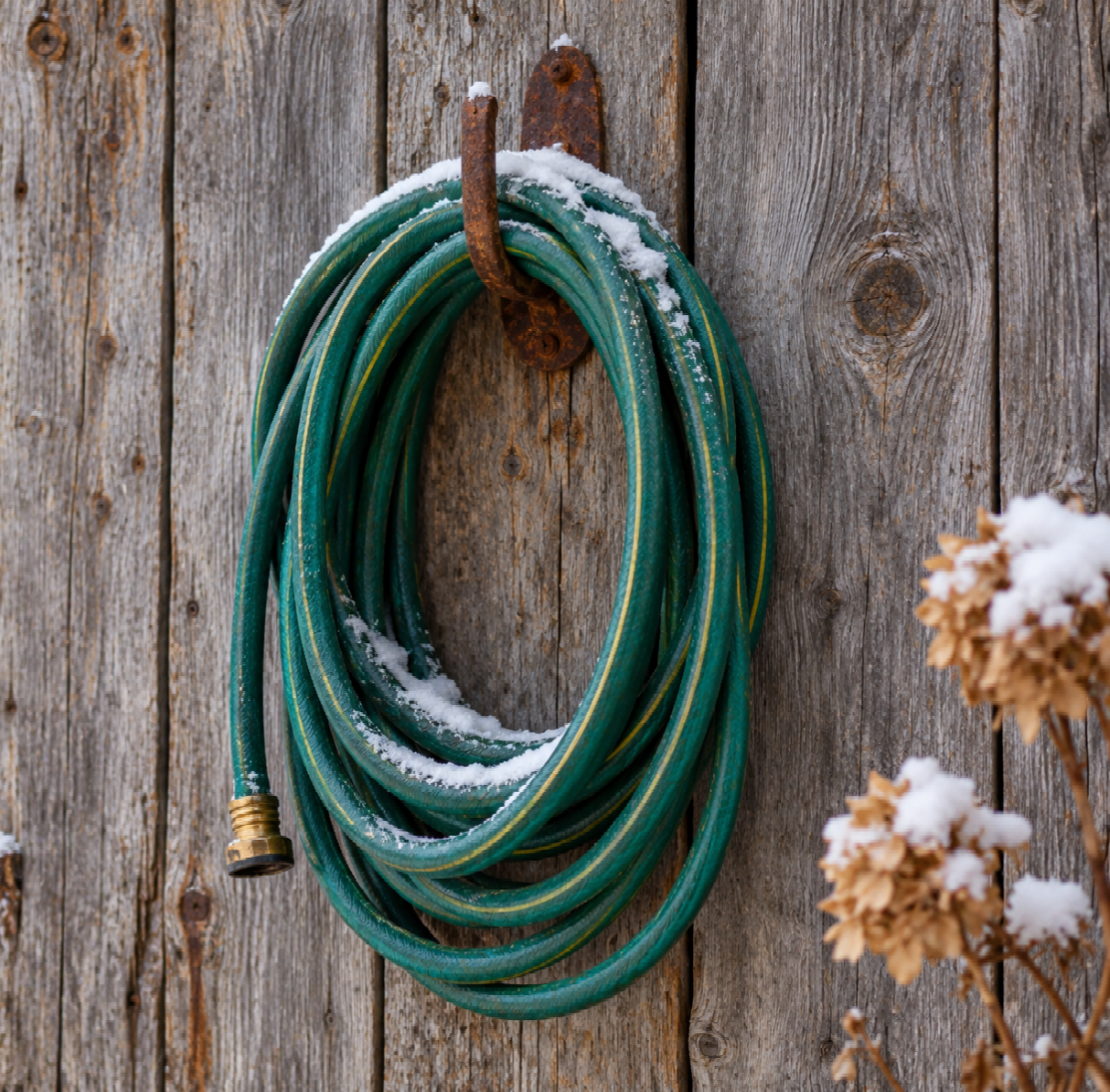
Don’t Put Away The Hose Just Yet
By November, most of the garden may be settling in for winter, but evergreens are still losing moisture through their needles and leaves. If fall has been dry, giving evergreens—and especially newly planted trees and shrubs—a good drink before the ground freezes can help prevent winter injury.
Evergreens such as arborvitae, boxwood, hollies and other broad-leaved evergreens can be particularly vulnerable to winter desiccation, sometimes called winter burn. This happens when foliage loses moisture during cold, dry or windy weather but roots cannot replace it because the soil is dry or frozen. The damage often doesn't become obvious until late winter or spring, when foliage turns brown or scorched.
Check the soil several inches below the surface rather than judging by appearance alone. If the soil is dry and the ground isn't frozen, water slowly and deeply around the root zone. Newly planted trees and shrubs deserve extra attention because their root systems are not yet well established.
Once consistently cold weather arrives and the soil freezes, it's finally time to coil up that hose. Until then, a little late-season watering can be one of the simplest ways to send landscape plants into winter in good condition.
Garden Tip: Don't forget evergreens growing under roof overhangs. They may receive much less rainfall than you think.
| |
Set the Table
For Winter Birds
As flowers fade and insects become less plentiful, a backyard bird feeder can bring plenty of life and color to the November garden.
One of the easiest foods to offer is black oil sunflower seed, which appeals to many common backyard birds. Adding other foods and feeder styles can attract an even greater variety of visitors. Place feeders where you can enjoy watching the activity but where birds also have nearby trees or shrubs for shelter and cover.
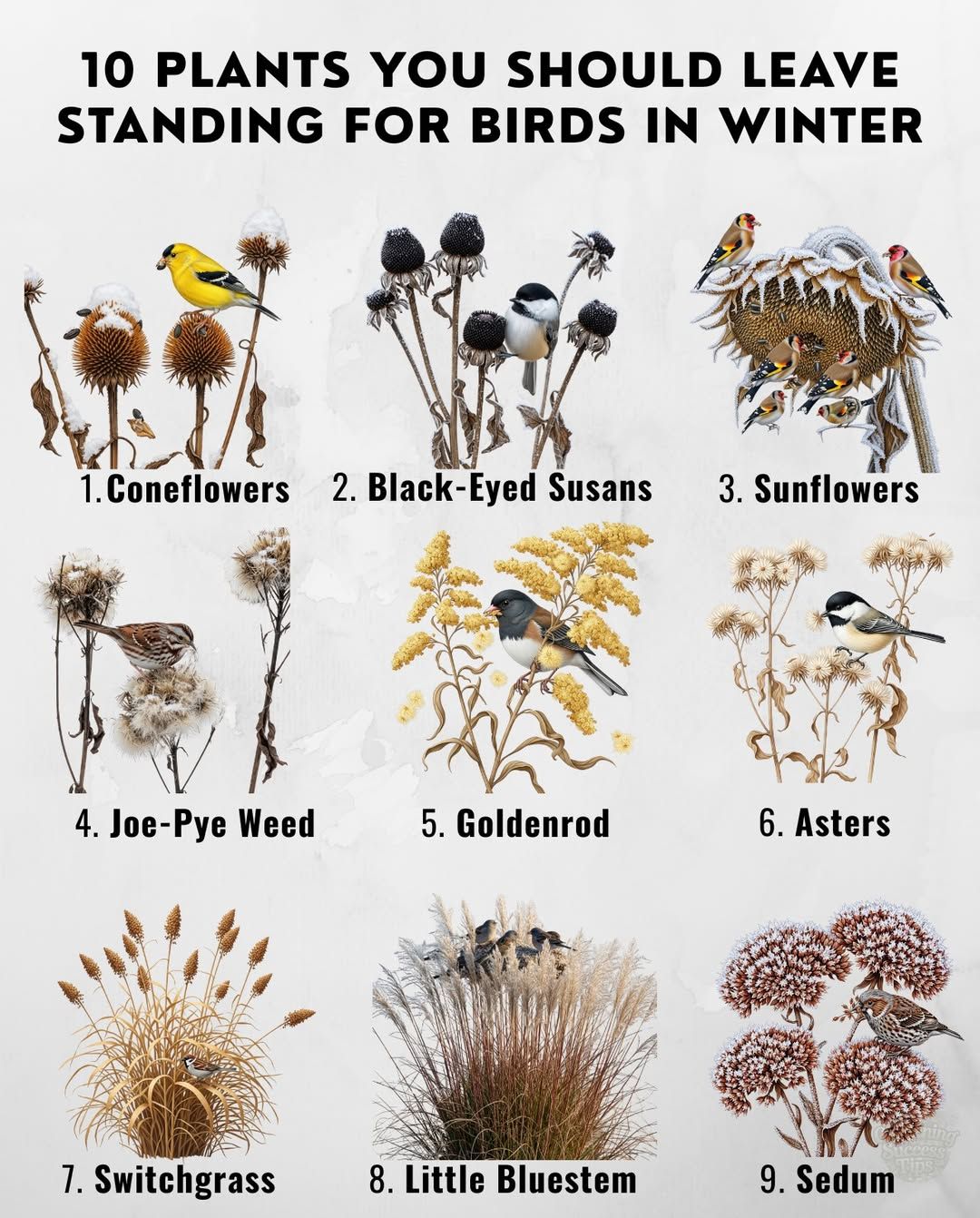
Don't overlook the garden itself as a food source. Seed heads, berries and fruits left on appropriate plants can provide natural food, while evergreens and dense shrubs offer valuable winter shelter. Leaving sturdy stems and ornamental grasses standing also adds winter interest to the landscape while providing habitat.
If you begin feeding birds during fall or winter, University of Missouri Extension recommends continuing the feeding program through spring. And don't forget water: birds need a reliable source of clean water in winter just as they do in summer.
A garden may look quiet in November, but add a feeder and give it a little time. You may discover that winter is one of the best seasons for watching who's visiting your backyard.
| | |
Did You Know?
Fallen leaves are more than garden debris—they’re winter habitat.
A layer of leaves beneath trees and in garden beds provides shelter for overwintering insects, including some butterflies and moths, while slowly breaking down and returning organic matter to the soil. Instead of removing every leaf this fall, consider leaving some in garden beds or around trees and shrubs. Shredded leaves can also be used as mulch where a tidier appearance is desired.
| |
A Garden Worth
Looking At All Winter
When the flowers disappear and the leaves fall, the bones of a garden finally get their chance to shine. November is a perfect time to look at your landscape and ask a simple question: What will be interesting here in January?
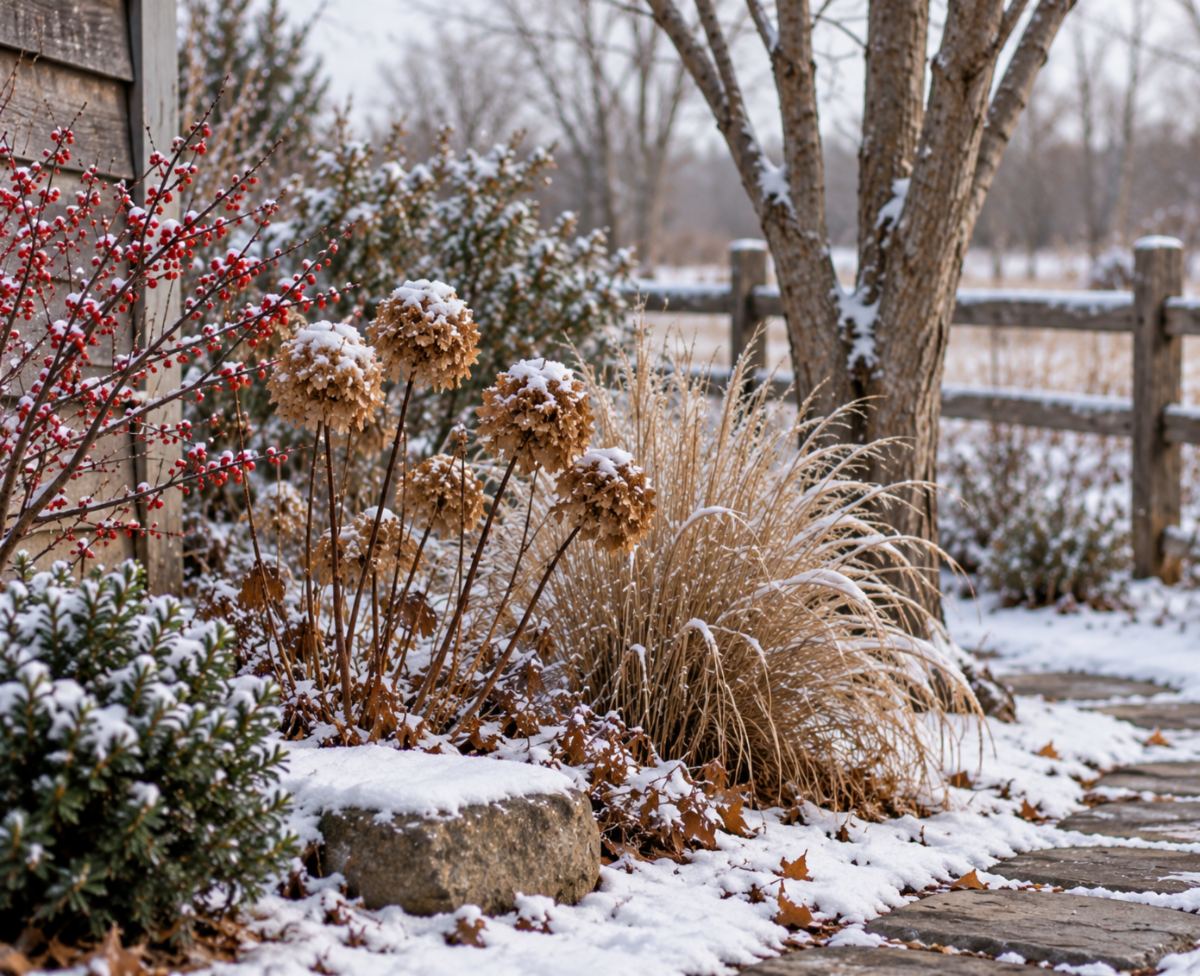
Winter interest can come from many sources. Evergreens provide dependable color, while trees and shrubs with attractive bark, colorful stems, berries or interesting branching patterns add character after leaves are gone. Ornamental grasses and sturdy perennial seed heads can provide texture and movement, especially when touched by frost or snow.
There is no need to cut every perennial to the ground in fall. Healthy ornamental grasses and sturdy perennials can often remain standing through winter and be cut back in late winter before new growth begins. Besides adding visual interest, leaving some plant material in place can provide food and shelter for wildlife.
Take a walk around your yard this month and notice where the landscape feels especially bare. Those empty spots can become a planting plan for next year. A well-designed garden doesn't have to stop being interesting when the growing season ends.
Garden Tip: Take a few photos of your landscape in November and again in January. They'll help you identify exactly where a little evergreen color, interesting bark or winter structure could make the biggest difference.
| |
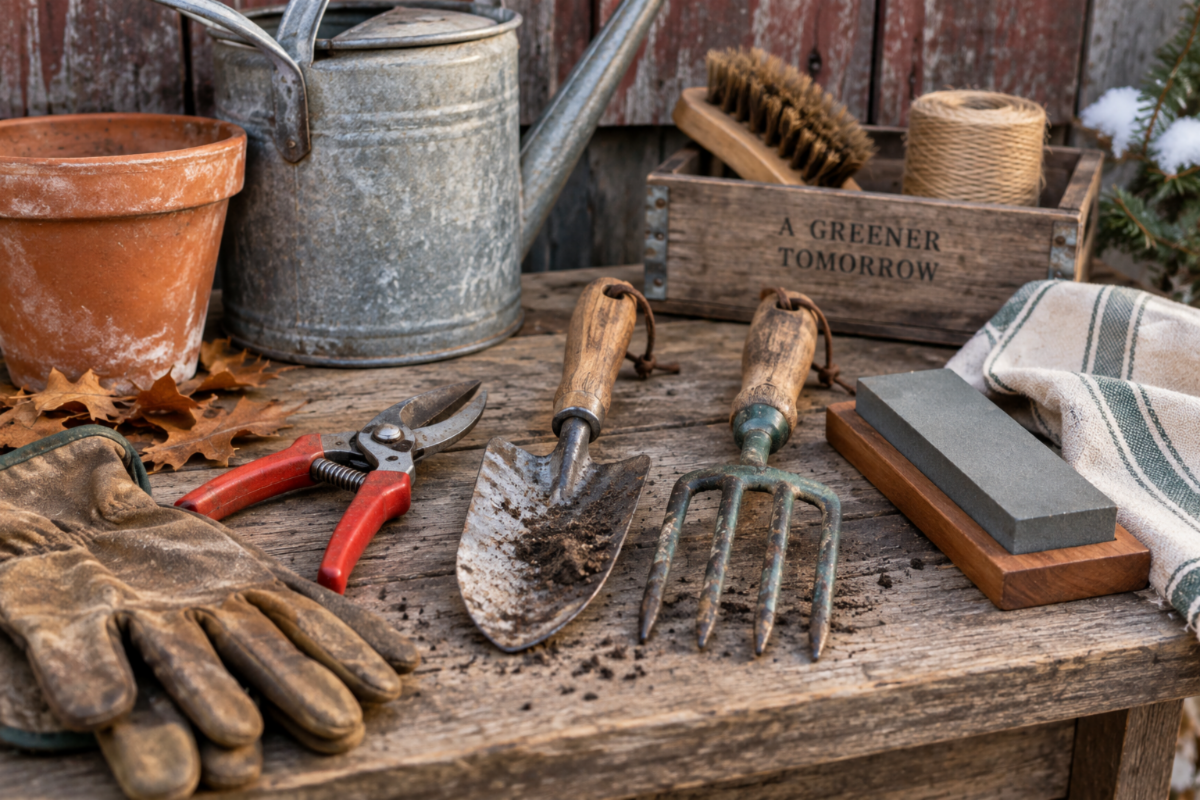
Winterizing Garden Tools
Your garden tools worked hard this year. Before sending them to the shed or garage for a long winter's nap, give them a little attention now and they'll be ready to go when spring arrives.
Start by removing soil and plant debris from shovels, hoes, trowels and other hand tools. Clean metal surfaces thoroughly, allow them to dry, and apply a light coating of oil to help prevent rust. This is also a good time to sharpen pruners, loppers and other cutting tools so you aren't tackling that chore on the first beautiful gardening day next spring.
Drain garden hoses and store them where they won't be damaged by freezing temperatures. Irrigation systems and lines should also be drained as appropriate.
Power equipment deserves attention, too. Mowers, tillers and other gasoline-powered garden equipment should be winterized according to the manufacturer's instructions. Different engines have different storage requirements, so the owner's manual—not gardening folklore—is the best guide.
Finally, take a quick inventory. Replace worn gloves, mark tools that need repair and make a note of anything you'll need before spring.
A half hour spent caring for tools on a chilly November afternoon can save time, money and aggravation when gardening season returns.
| | |
Ready To Test Your Soil?
To prepare a sample, collect soil from five or six areas at a depth of six to seven inches and combine approximately two cups of dry soil for testing.
Greene County Master Gardeners accept soil samples Thursdays from
10:00 a.m.– 4:00 p.m. at the Springfield Botanical Center. Basic soil testing is performed by the MU Soil Lab and costs $30 per sample. Results include fertilizer and lime recommendations.
Questions? Call the Master Gardener Horticulture Hotline at 417-874-2963.
| | |
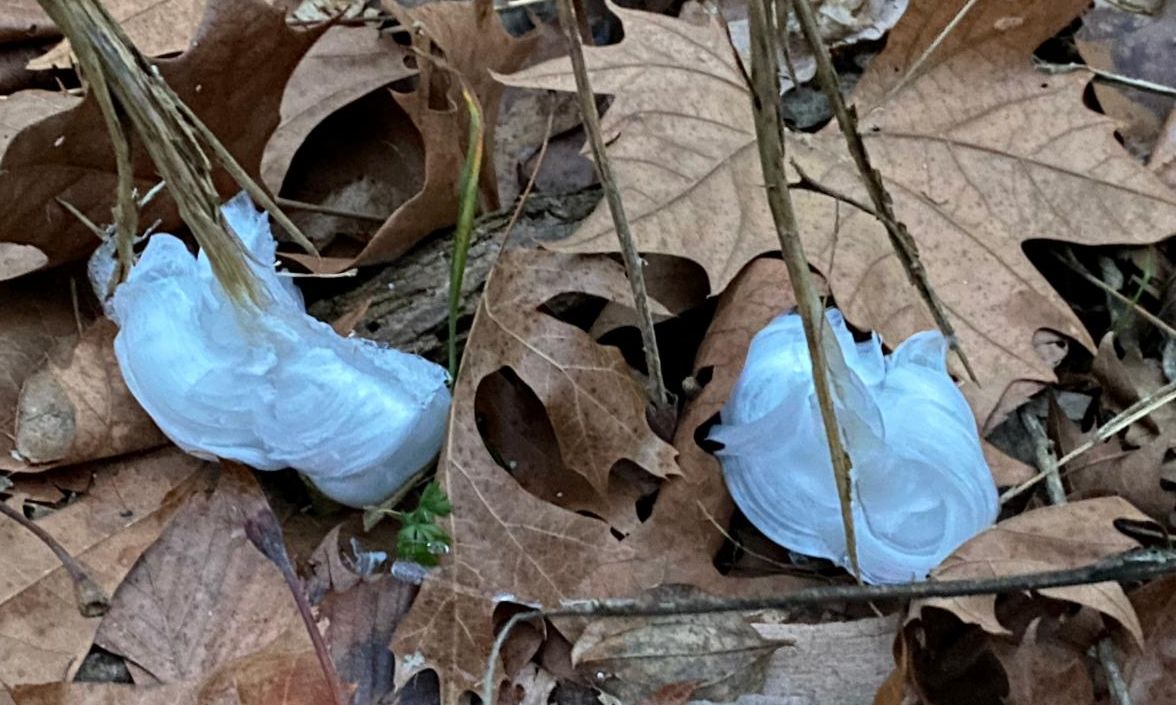
What is This?
It’s a frost flower!
Frost flowers aren’t flowers at all—they’re delicate formations of ice that can appear around the stems of certain plants during the first hard freezes of late fall. As water moves through the stem and freezes upon contact with cold air, it is pushed through tiny cracks, creating thin ribbons and curls of ice.
In Missouri, frost flowers are often associated with native plants such as white crownbeard (Verbesina virginica), wingstem (Verbesina alternifolia), and dittany (Cunila origanoides). Not every plant produces them—the structure of the stem and the right combination of freezing air temperatures and unfrozen ground are important.
Look closely when you’re outside early on a cold November morning. Frost flowers are beautiful—but fleeting. Once the sun warms them, they’re gone.
| | |
Gardening By Month - November
- Roses should be winterized after a heavy frost. Place a 6-10 inch layer of mulch over the plant. Prune sparingly, just enough to shorten overly long canes. Climbing roses should not be pruned at this time.
- If a plant has fungal issues on the foliage, be sure to properly dispose of the plant material to reduce overwintering fungi. Do not add diseased plant material to a compost pile.
- Till edible garden beds to expose any pests to the winter cold.
- Ensure all spoiled, mummified, and fallen fruit is cleaned up.
- By the end of November or early December, paperwhite narcissus and amaryllis bulbs can be forced indoors. No chilling period is required. Simply pot up the bulbs and water sparingly until growth begins. They should begin blooming in 4-6 weeks.
Courtesy of Missouri Botanical Garden
| | |
Monthly Garden Tip
By Isaac Walker,
Greene County Master Gardener
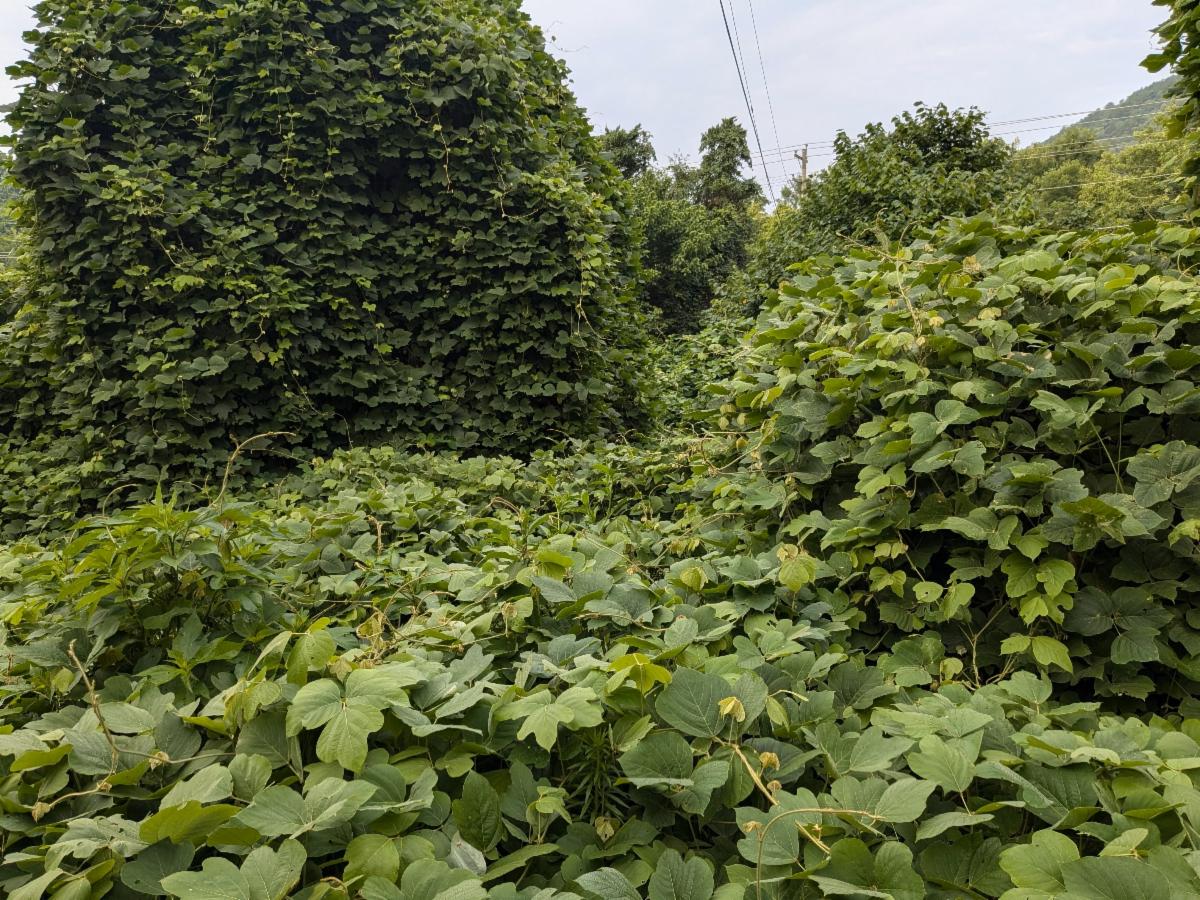
Kudzu
Here in Springfield, Missouri, Kudzu is not a prominent issue, but if you drive just an hour or two south, you will start to see the vine everywhere. Especially in the American South, Kudzu is one of the most prolific invasive species, as well as being one of the most damaging. Its vining habit combined with rapid growth allows it to choke out not only low-lying foliage but also entire forested habitats.
Introduced in the late 1800s, Kudzu was brought over from East Asia and was marketed as a way to prevent soil erosion, shade houses, and provide a high-protein food source for livestock. The US government endorsed the introduction of this new plant, funding the dispersion of roughly 85 million kudzu seeds throughout the states. Unfortunately, the vine was too successful and quickly grew out of control. Estimates say that Kudzu has spread over 300 million hectares (~7.5 million acres) and continues to expand at a rate of several thousand hectares per year. It has substantial negative economic impact as well. Overall forest productivity is reduced by Kudzu, with a total yearly cost of between 100 and 500 million dollars. Additionally, electric companies spend approximately 1.5 million dollars per year on repairing damage to electric lines caused by Kudzu.
For invaded areas, there are a few different control options. First, for milder infestations, herbicides, grazing, or mowing can be effectively employed. For larger and older populations, the only truly effective method to eradicate the plant is through herbicide treatment. It is recommended to do a controlled burn to kill off younger plants and then apply the herbicide to kill the root systems of well-established plants.
| | |
Ask A Master Gardener
By Helen Vanella, Greene County Master Gardener
Each week, a Greene County Master Gardener answers gardening questions from local readers in the Sunday edition of the Springfield News-Leader. Below are two recent questions and answers selected for this month’s newsletter. Have a gardening question of your own? Contact the Master Gardener Horticulture Hotline at 417-874-2963 for research-based help from a certified Master Gardener.
Burning bush is so pretty in the fall, but I am told these are invasive and should not be planted. Is this true? What can I plant instead?
Yes, Burning Bush (Euonymus alatus), which is from Asia, is invasive in at least 20 states, including Missouri, which has escaped cultivation and crowding out native plants in many areas. In fact, future sales of this shrub have been recently banned in Missouri with the passage of Senate Bill 105, allowing phase-out sales of current stock until January 1, 2029. The shrub really offers little in the way of landscaping interest with no showy spring flowers and is green most of the year, offering the beautiful red leaves for only a couple of weeks in the fall. There are many native alternatives which offer the red color in the fall but also support wildlife in many ways. The natives are also a good choice for landscaping. Some native alternatives include Arrowwood Viburnum, Rusty or Southern Nannyberry Viburnum, Sweet Spire, Eastern Wahoo, Strawberry Bush, Black Chokeberry, and native Honeysuckle. All of these have much to offer, spring blooms, lovely red color in the fall, and provide food and other benefits for various types of wildlife.
Why has Burning Bush become such a problem? Birds eat the berries and spread the seeds far and wide into natural areas and proceed to crowd out native plant populations, while providing little to nothing for the ecosystem. Some will say that they’ve never seen this spread in their area, but the problem is more widely spread than many realize. This invasive shrub forms dense thickets when left unchecked in the woods but does not provide anything in return. The shrub has very low nutritional value; fruit provides little fat content to feed the birds, and leaves support almost no native insects.
What is chaos gardening? What are the pros and cons of this method?
Chaos gardening is a low maintenance gardening method that involves mixing several different types of seeds (flower, vegetables, herbs) together and sowing randomly over the soil with no definite plans, no rows, and no strict rules at all. On the upside, this is a low maintenance method which boosts biodiversity and copies a more natural environment. It is cost efficient because it can use up a variety of seeds, but you can expect lower crop yields and lower germination rates with the scattering of the seeds. There will also be an increased risk of pest damage and plant diseases. The area will also be much harder to maintain. Low maintenance gardening does not mean no maintenance; some regular work will be required to keep weeds from taking over. Lastly, the untamed look may not be acceptable to some neighbors or align with community rules and standards. I have not tried this method with a wide variety of seeds but have done a similar mixing and sowing with flower seeds which was interesting. If this method seems doable, you could try a small area first.
| |
From The Garden
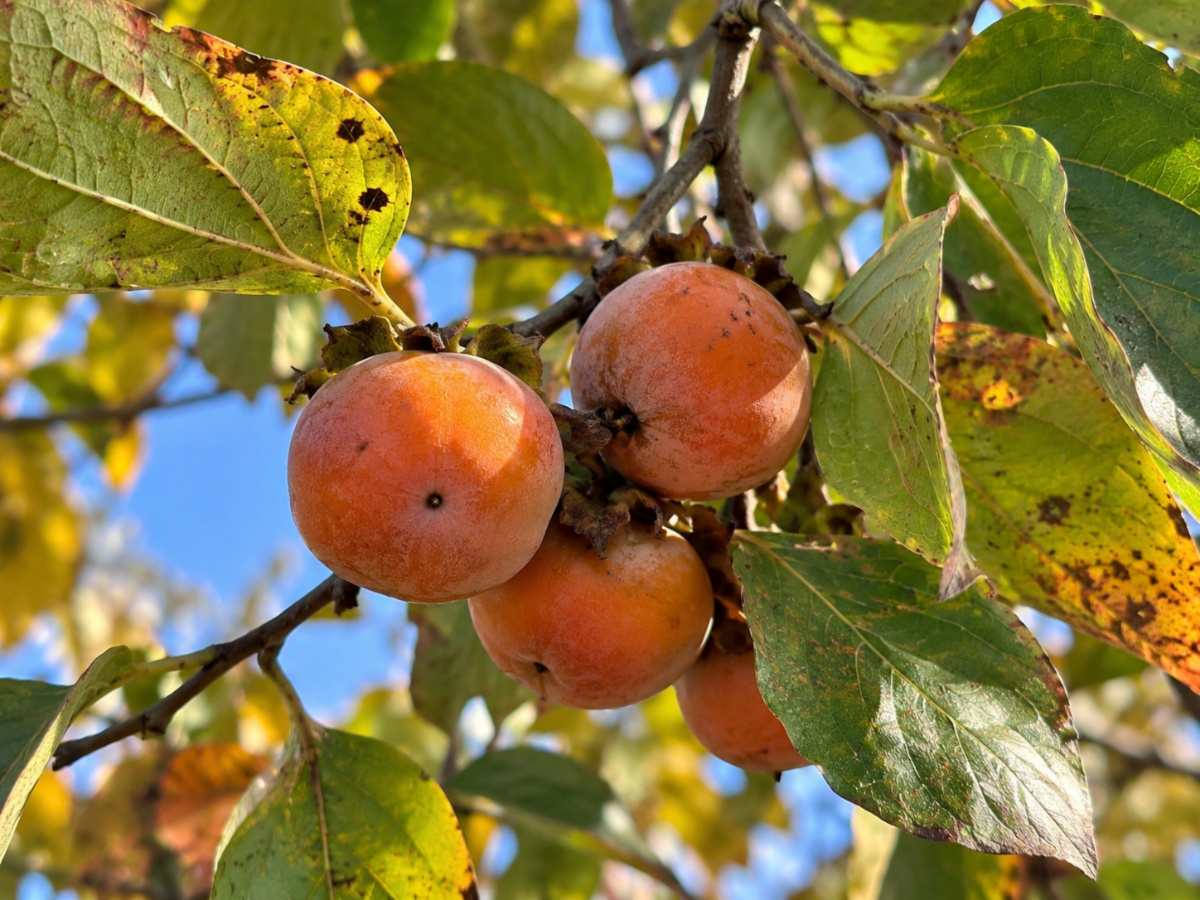
Persimmon Pudding
For generations, American persimmons (Diospyros virginiana) have provided one of the last wild harvests of fall. The fruit usually ripens around the time of the first frost, when it becomes soft, sweet and ready for picking. An easy—and traditional—way to harvest ripe persimmons is simply to gather the soft fruit after it falls from the tree. Don't be tempted by firm, underripe fruit: its high tannin content produces the famous persimmon “pucker.”
Once collected, press the ripe fruit through a colander or sieve to separate the smooth orange pulp from the seeds and skin. Then it's ready for one of the most traditional ways to enjoy Missouri's native persimmon: persimmon pudding.
Ingredients
- 2 cups ripe persimmon pulp
- 2 cups sugar
- 1¾ cups all-purpose flour
- 1 teaspoon baking powder
- 3 eggs
- 4 tablespoons butter
- 1 teaspoon baking soda
- ½ cup buttermilk
- 1¾ cups milk or cream
- 1 teaspoon cinnamon
- 2 additional tablespoons persimmon pulp
Directions
Heat oven to 350°F. Lightly grease a 9 x 13 baking pan. Combine the 2 cups persimmon pulp, sugar and eggs. Stir the baking soda into the buttermilk and add it to the persimmon mixture.
Melt the butter and add the melted butter to the batter. Combine the flour and baking powder, then add the dry ingredients alternately with the milk or cream. Stir in the cinnamon and fold in the remaining 2 tablespoons of persimmon pulp.
Pour into the prepared pan and bake for 55–60 minutes, taking care not to overbake. Serve warm or at room temperature, with whipped cream if desired.
Recipe adapted from a persimmon pudding recipe shared by MU Extension; originally from the Indiana Nut Growers Cookbook.
From the Garden will take a winter break and return when the garden begins producing again next spring.
| | |
Master Gardener Classes and Events
Learn to Grow: A Year In The Life Of A Beehive
Saturday November 14, 9:00 a.m.
Have you ever wondered what really goes on inside a beehive? Now is your chance to find out. Master Gardener and veteran beekeeper Caroline Griesemer will talk us through what the bees are up to throughout the year.
This free one-hour course will be held in the Springfield Botanical Center meeting room located at Nathanael Greene/Close Memorial Park, 2400 South Scenic, Springfield. No registration is required.
| | |
Gardening Questions?
From November 1 to March 1, Greene County Master Gardeners operate a horticulture hotline 10am - 4pm every Thursday. Certified Master Gardeners are available to answer all of your gardening related questions and to take soil samples for testing.
If calling the hotline at other times, please leave a voicemail and a Master Gardener will get back with you. The Gardening Hotline phone number is 417-874-2963.
Readers statewide can also pose questions to Greene County Master Gardeners by completing an Ask A Master Gardener form or by sending an email. Please include your contact information with your questions.
| | |
Need a Speaker for a Meeting or Group?
Master Gardeners of Greene County are available at this time to speak to garden clubs, civic organizations, schools and other groups on a wide variety of topics within the world of gardening, horticulture, landscaping and the environment.
Contact us for more information.
| | |
Springfield-Greene County Botanical Center
2400 S. Scenic Ave.
Springfield, MO 65807
|
|
| | | |