|
Dear fellow members of Harvard’s Jewish community,
I hope my message finds you, and those you love, well.
The two most cherished Jewish holidays - Yom Kippur and Passover - crisply contrast in their visions of Jewish community. On Yom Kippur we gather by the hundreds - in synagogues and theaters and rented halls - to be moved by a liturgy that plumbs the depths of our individual souls. Our intuitions are those of our Rabbis of blessed memory, who drew again and again on the proverb, “The King’s glory is in the multitude of people” (Proverbs 14:28): amidst, and only amidst, a large multitude can the transcendence of the day of atonement lodge itself in our minds and our hearts.
Passover is something of the opposite, “A lamb for each household, a lamb for each family” (Exodus 12:3). On Saturday night we will reenact the Exodus not only through foods and songs and stories, but also by recreating its social groupings: an entire nation, united around countless tables in countless homes. We became a nation, paradoxically, not as an undifferentiated mass of individuals, but as a constellation of families - and it is as a constellation of families that we raise another generation of children to proudly bear the memory of the mighty hand that delivered us from Egypt.
The ethos of Passover does not end with the holiday - because it expresses a truth about the bonds that matter, the ones that deepen and sweeten our lives. For nearly everyone I know, it is not the hundreds of casual acquaintances that we treasure from college, but the handful of life-long friends. While there is great pride in being a member of the Harvard community, there is vastly greater significance in the hundreds of hours hanging out with blockmates, the spring breaks with friends, and the late nights studying and arguing with intellectual soulmates. For so many of us, it is a half-dozen or dozen life-long friends who become the greatest gift of a Harvard education.
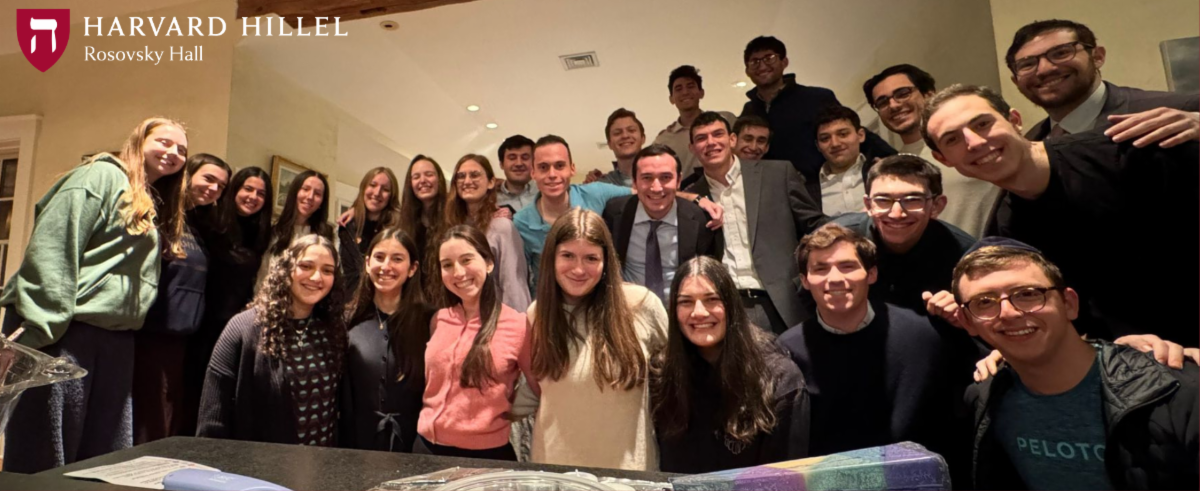
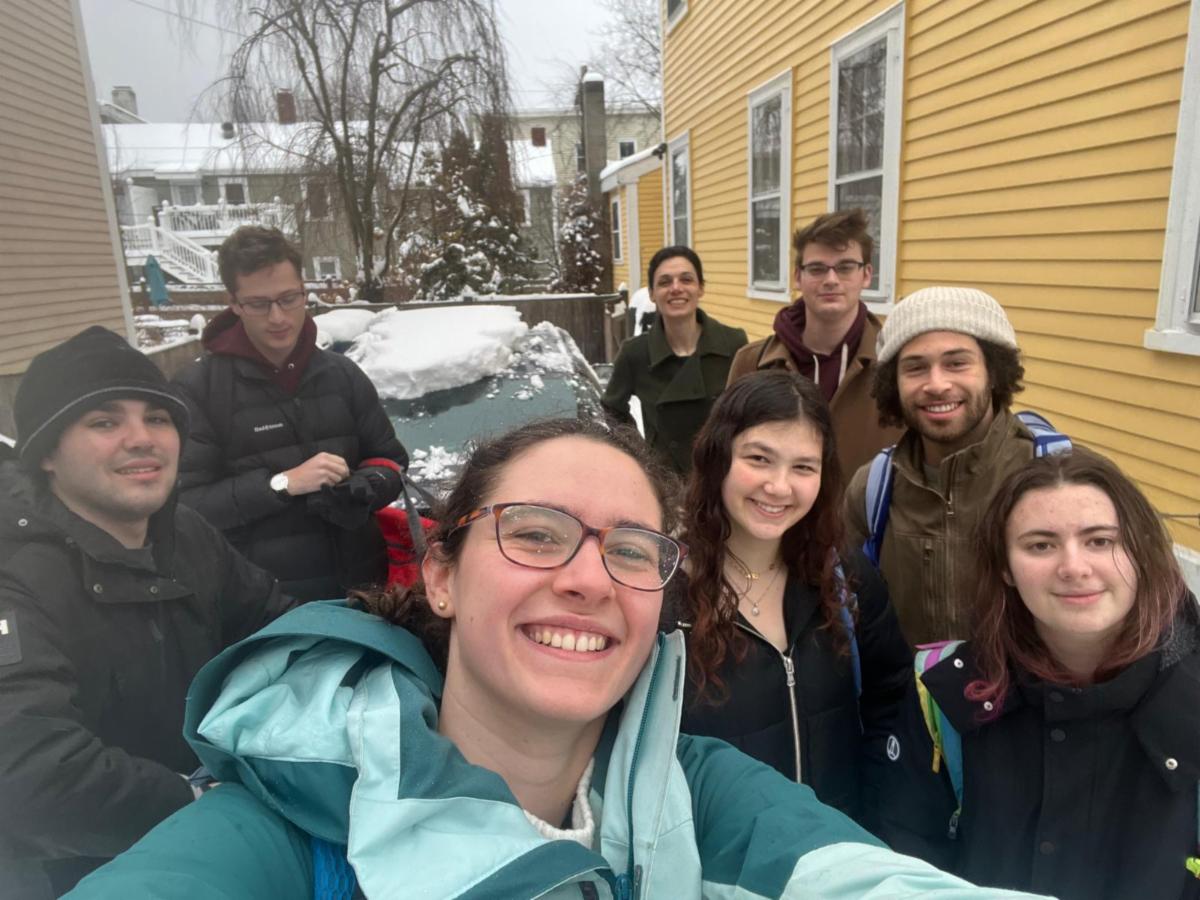
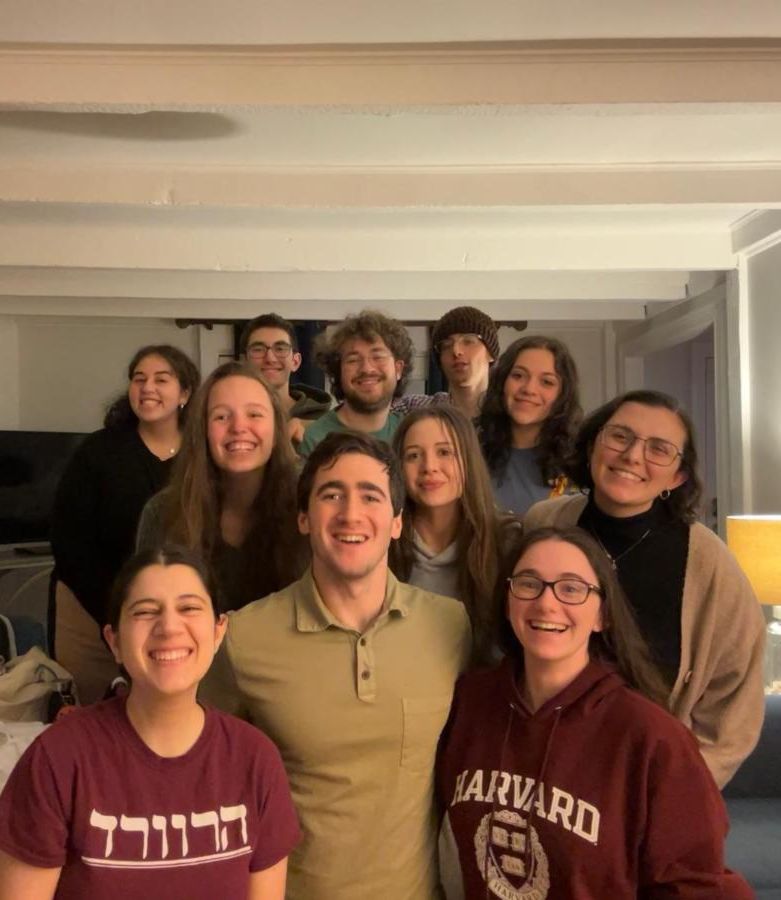
That spirit is alive and well in Harvard’s Jewish community - not just on Passover, but throughout the year. In February each of the three minyanim - Reform, Conservative, and Orthodox - created a retreat for its members, crafting the small, intimate spaces where life-long friendships take root and flourish. As you read about each below, I hope you’ll see that Hillel is more than a building, more than just Shabbat dinners or even conversations - Hillel is an ethos of connection and care, the material out of which students create Jewish communities of meaning with and for one another.
|