|
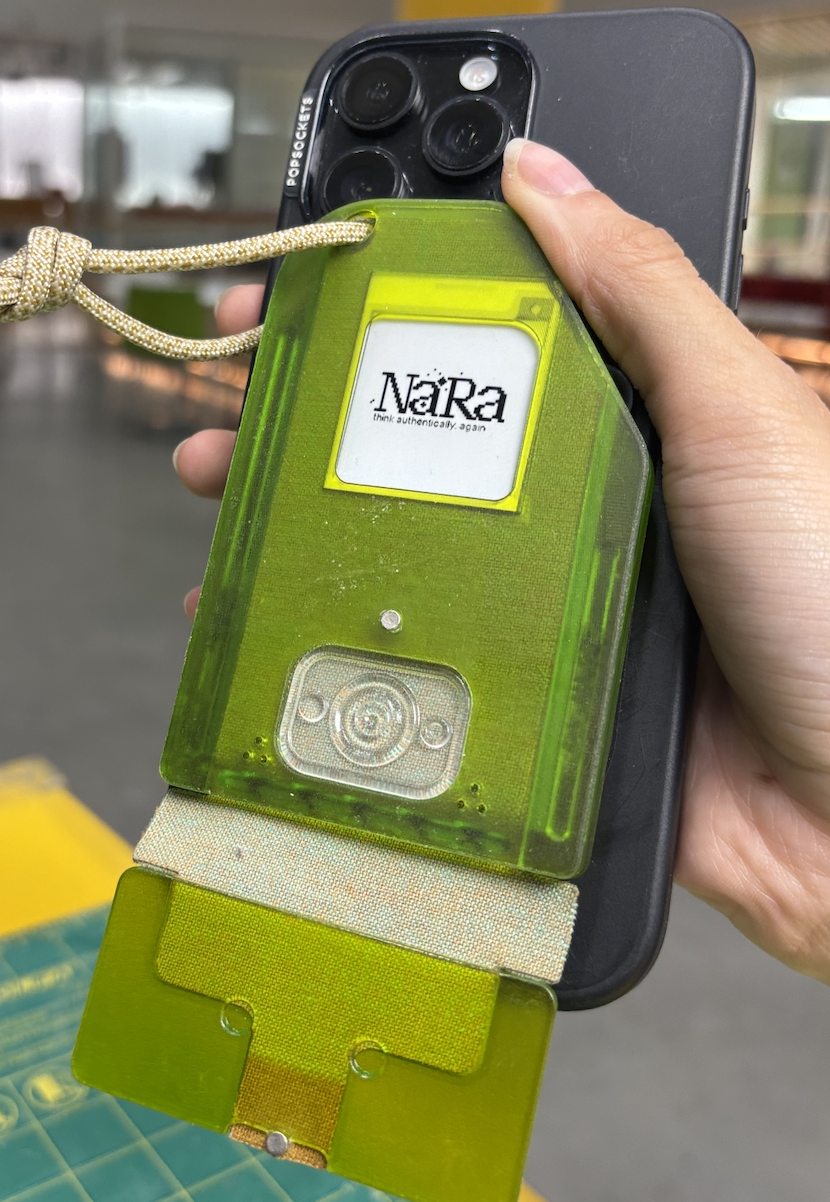
NaRa (short for narrative) is a research project at Harvard University that explores what AI might look like when it behaves less like an authoritative answer engine and more like a carefully restrained self-reflection object—one that supports people in thinking without taking ownership of their thoughts.
The project began with a concern about how young people (18 - 25) increasingly turn to conversational AI for questions that are not merely informational: Should I leave this relationship? Am I making the right choice? What does this situation say about me? In these sensitive moments, answers can become a form of cognitive and emotional offloading.
On top of that, the popular LLM interfaces we mainly engage with today have been designed to be reassuring to the user as a baseline feature. Data shows that AI endorses the users' positions 49% more often than humans.
NaRa does not ask users to choose between using AI and rejecting it.The problem is not that AI may be wrong. It is that a confident response can prematurely close down ambiguity, reduce critical reflection, and weaken the user’s sense of authorship over decisions that should remain personally theirs.
|