What on-line meetings are missing

On-line meetings are fine for conveying information but are somehow flat. Video chats and conferences are missing some of the essence, the joys and the frustrations, of why we like to go to meetings and socialize. There are no smells. Sound is hollow and sometimes garbled. You can only see people's faces and shoulders, and it is hard to decode the actual mood of the meeting. The emotions are missing.


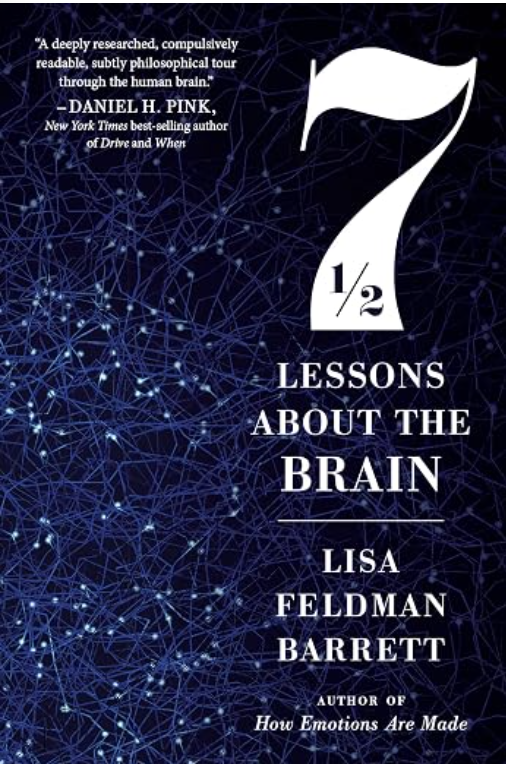
If you have the feeling that emotions are missing, you might enjoy reading Lisa Feldman Barrett’s books, How Emotions are Made: The Secret Life of the Brain and Seven and a Half Lessons About the Brain. Her books can help us understand what's missing in on-line meetings..

 How emotions are made

Lisa Barrett specializes in the science of mood, and her work debunks many previously-held theories. For example, according to Dr. Barrett, separation of the rational and the emotional brain is a fictional theory, originating with Plato.


Barrett argues that emotions are "constructed" based on our individual experiences. There are no universal body changes consistent with the experience of an emotional state. Studies demonstrate that none of the three commonly believed predictors of emotion – facial expression, physical change (such as heart rate and blood pressure), and brain circuity – can be “read” with greater than 35% accuracy. For example, smiles and scowls are both “meaningless” communicators of mood. When test subjects are asked to assess a facial expression, the ecstatic eye squint of eating chocolate is often read as anger. Smiles can as easily be symptoms of social anxiety as of positive mood.

Investing in Body Budgets

Dr. Barrett introduces the concept of “body budget”, the resources needed to meet the body’s needs. Our emotions and behaviors can contribute to, or deplete, our “body budgets”. Because we are a social species, humans have the power to regulate one another’s body budgets by making “deposits” and “withdrawals”. When relationships are harmonious, trust is established that has numerous positive effects on our body budgets including living longer, being less likely to get sick, and being more likely to get better when we are sick. Trustful interactions with co-workers have less burden on body budgets, saving resources that can be invested in new ideas.


Humans are unique in the animal kingdom in the importance of words and language in regulating our body budgets. Kind words can calm you. A hateful word from a bully may cause your brain to predict threat and flood your bloodstream with hormones, squandering precious resources from your body budget. Barrett describes a dramatic example of the power of words. Sending a text saying “I love you” can sooth, comfort and replenish the body budget of her friend in Belgium.

More resources for problem-solving

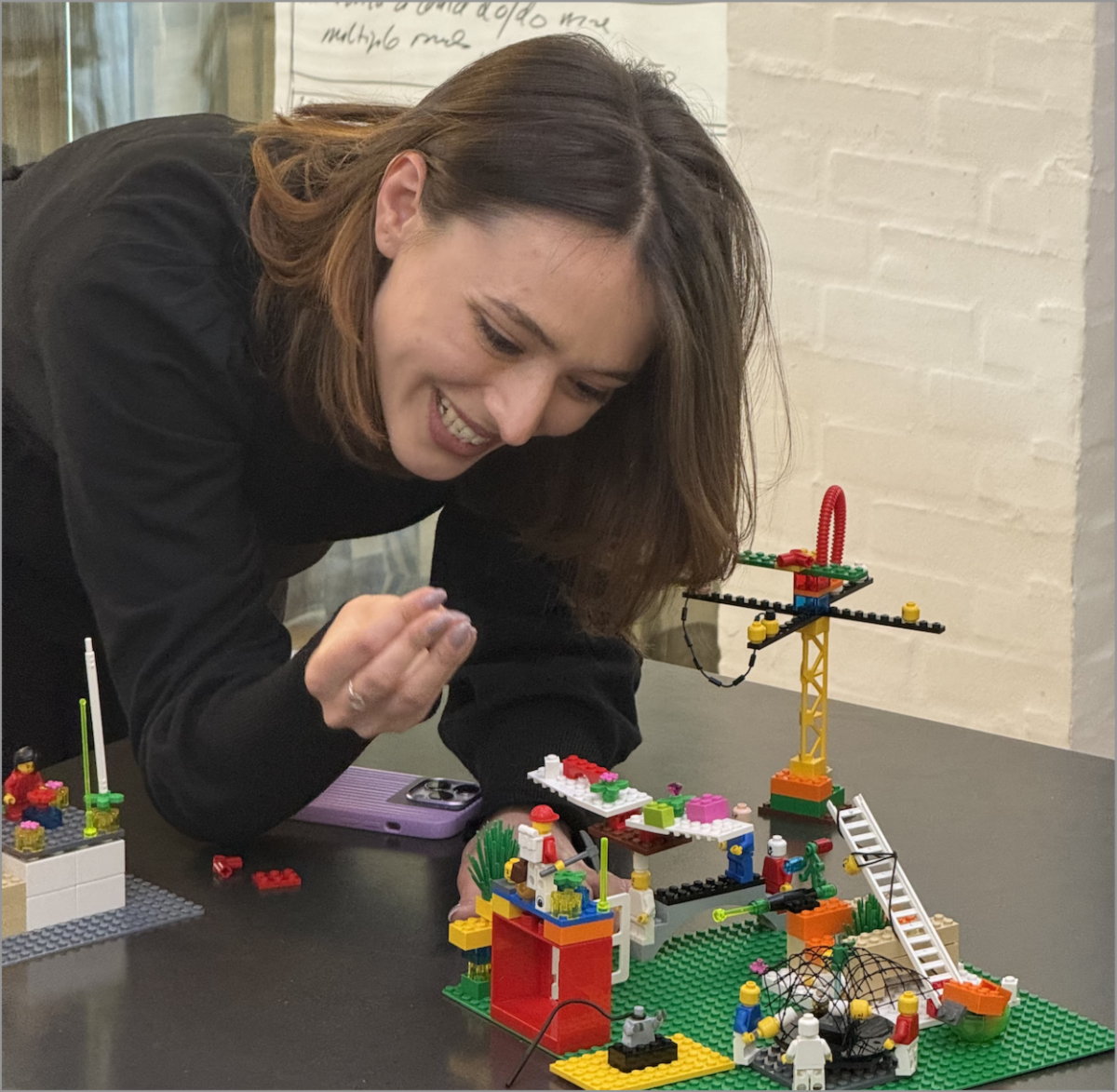
On-line meetings can drain people’s body budgets, whereas LEGO SERIOUS PLAY can make deposits in face-to-face meeting situations. This means more harmonious and trustful relations and more resources for new ideas and solving actual problems. This is possible because workshop participants can put their emotions and moods into words by creating new visual stimuli and new metaphors. For example, through the language of the LEGO brick, you might see and describe yourself as a creating an emotional home for colleagues or build and see your work as a garden of resources. Describing ourselves and our work in new ways reframes the future, both for ourselves and for others.

Best Regards


Rasmussen Consulting specializes in using LEGO SERIOUS PLAY to effectively harvest an organization's collective intelligence to build a better business. We are also the leading organization for training and certifying facilitators in the LEGO SERIOUS PLAY method. You can view our training schedule at www.rasmussenconsulting.dk.