Volume 59 ~ December 17, 2025 | | The Good Stuff in Child Welfare | | |
Welcome to The Good Stuff in Child Welfare!
At the Field Center for Children’s Policy, Practice & Research, we acknowledge the often heart-wrenching and distressing narratives that dominate the child welfare landscape, leaving us deeply moved and impassioned. However, amidst these challenging stories, there exists a wealth of inspiring achievements and uplifting initiatives occurring nationwide at every level of practice. To highlight and celebrate these positive developments, we are delighted to present this monthly newsletter, dedicated exclusively to showcasing “The Good Stuff” within the expansive field of child welfare. This month, we highlight innovation from governments, nonprofits, businesses, and advocates. We hope this read gives you a few moments of hopefulness and a sense of possibility.
If there's something you'd like to see here, shoot us an email. Know someone who could use a little Good Stuff in Child Welfare? Send them a copy! We hope you love it as much as we do.
| | New Playbook Creates Roadmap to Improved Services for Young People Who Experience Foster Care | |
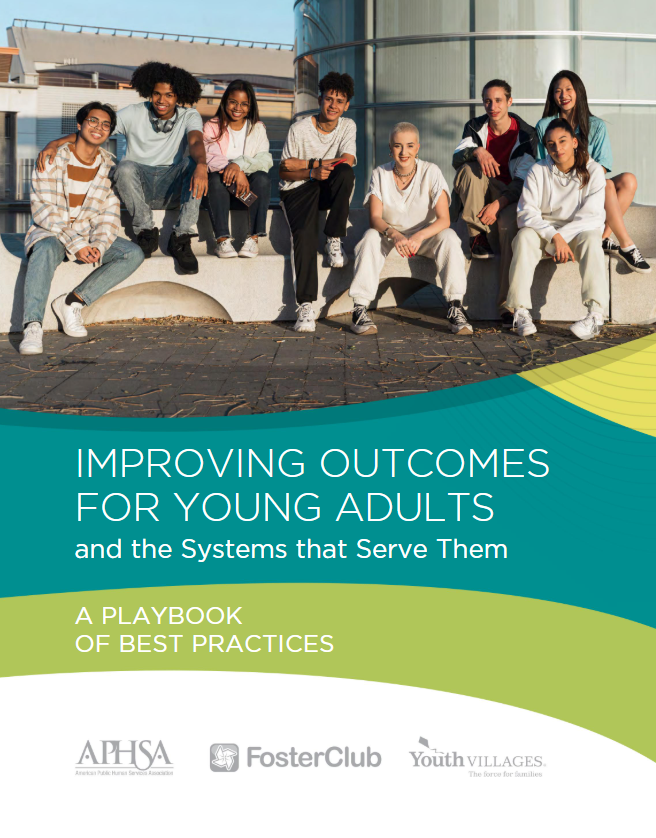
The National Collaborative for Transition-Age Youth, formed by APHSA (American Public Human Services Association), FosterClub, and Youth Villages, has released a new playbook designed to improve services for young people aging out of foster care. Developed with input from youth, child welfare leaders, and policymakers, the resource offers 35 recommendations, nearly 100 examples of innovative practices, and tools for accountability. It focuses on critical areas such as housing, health, education, employment, and permanency, while outlining eight priorities including expanding extended foster care, increasing Chafee funding, and co-designing systems with youth. Each year, about 16,000 young people leave foster care without permanent families, facing heightened risks of homelessness and instability. The playbook aims to equip leaders with actionable strategies to ensure these young adults transition into adulthood with stability, opportunity, and confidence.
Link to Full Article
| | Families Providing Foster Care Can Get a Free Membership at this Museum | |
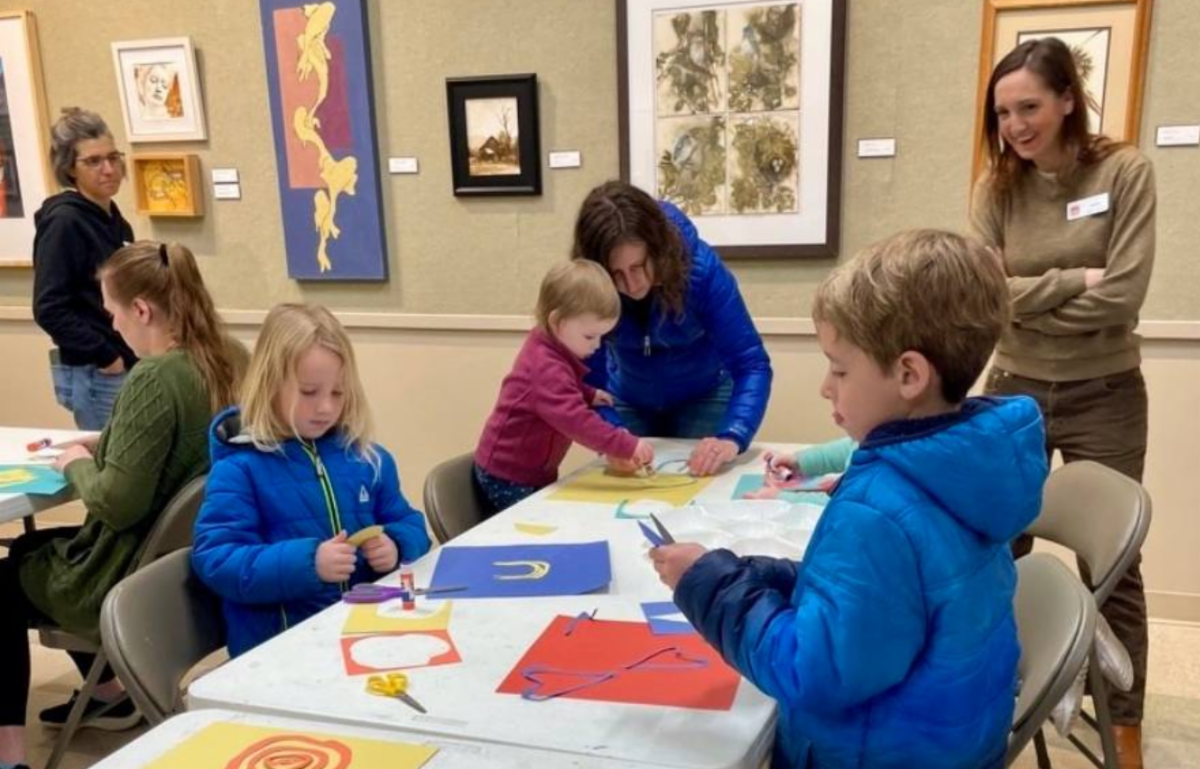
The Art Museum of Eastern Idaho in Idaho Falls launched a new initiative called Foster the ARTs in November, offering free memberships to families providing foster care. The program was created by development director Amy Thompson, a former foster parent, who saw firsthand how exposure to the arts helped children heal and open up. Membership benefits include free admission, discounts on classes and workshops, and invitations to special events. Thompson shared a powerful example of a withdrawn child who became animated and curious when learning about a sculpture, showing how art can spark communication and confidence. The museum hopes the program will give youth in foster care meaningful opportunities to experience the transformative power of the arts while also supporting foster families.
Link to Full Article
| | ‘Making Their Dreams Come True’: Tuition Waiver Program Helps Dozens of Former Delaware Foster Kids Attend College | |
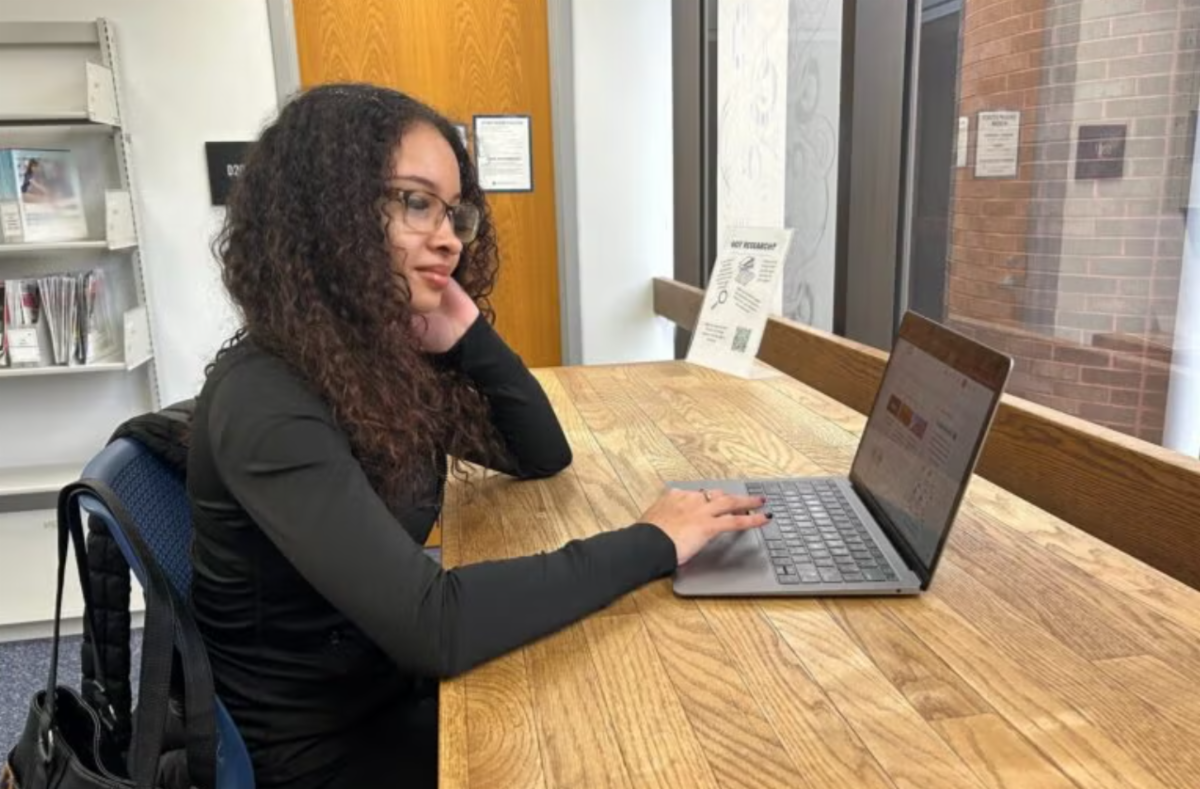
In 2021, Delaware state lawmakers passed the Fostering Independence Through Education Tuition Waiver, intended to assist youth formerly in foster care with pursuing higher education. Sophia Saikin, director of youth advancement services for the state Office of the Child Advocate found that youth in foster care expressed a desire to go to college but when “they were looking at how expensive school was, it was just too much.” Thus, the program was designed to cover all tuition and room and board expenses, thereby removing the financial barrier for students trying to access higher education. The article highlights the experiences of two students who credit their educational accomplishments to the program. So far, 40 students have enrolled in college with the support of this program, and five students have already graduated.
Link to Full Article
| | South Florida Nonprofit Helps Foster Care Youth Succeed | | |
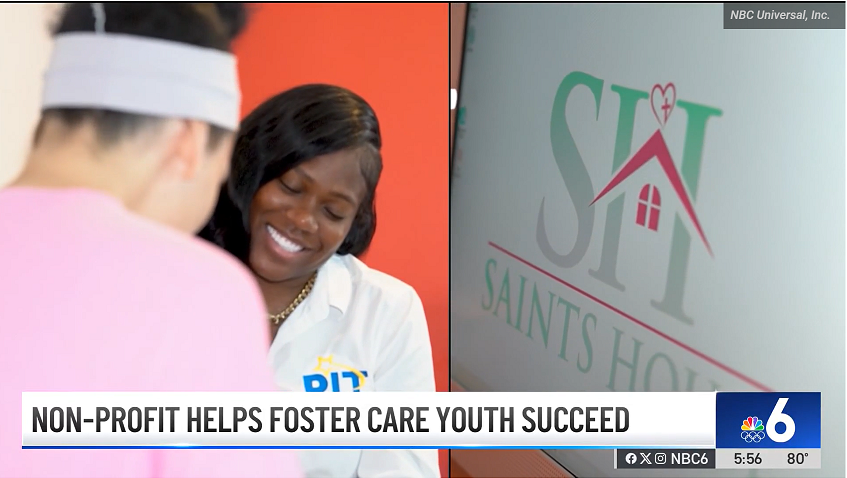
When aging out of foster care, young people often lack adequate support and have difficulties transitioning to adulthood. Organizations like Saints House in Miami, FL aim to address this gap in resources. Youth formerly in foster care are provided with housing, coaching, and other resources to support them as they pursue their goals for adulthood. Adri Matias, a program alumni of Saints House reported, “Being from the foster care system, I knew that once I got out, I was going to have so many odds stacked against me.” With support from this non-profit, Adri was able to enroll in college and now serves as a peer mentor for other youth who were in foster care and wish to attend college. The non-profit was recently awarded $75,000 from NBC6 and Telemundo 51, supporting construction on a new home to continue to reach more young adults.
Link to Full Article
| | Popular La La Land Coffee Shop Runs Program That Helps Youth Aging Out of Foster Care | | |
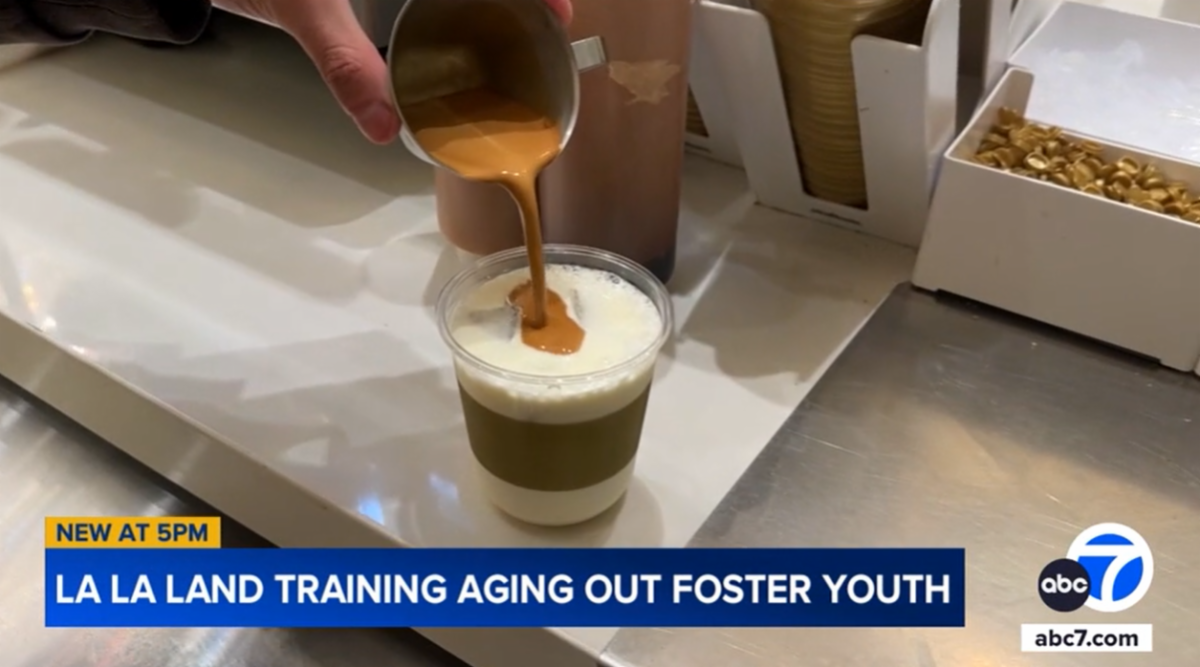
La La Land Kind Cafe, a popular coffee shop in Los Angeles, is running a program to help youth aging out of foster care. Their 12-week paid internship program offers meaningful guidance as participants transition into adulthood. Each week, interns learn new job-related skills while also receiving mentorship on their personal journey, from navigating housing and accessing therapy to getting help with schooling. The program supports participants in securing employment, whether at one of La La Land’s cafes or in other industries that align with their interests and goals. Over 100 participants have graduated from the program, and its success has inspired larger companies, including Walmart, to adopt similar social-responsibility models.
Link Link to Full Article
| | Multisystemic Therapy Program Launches in Williamson County | |
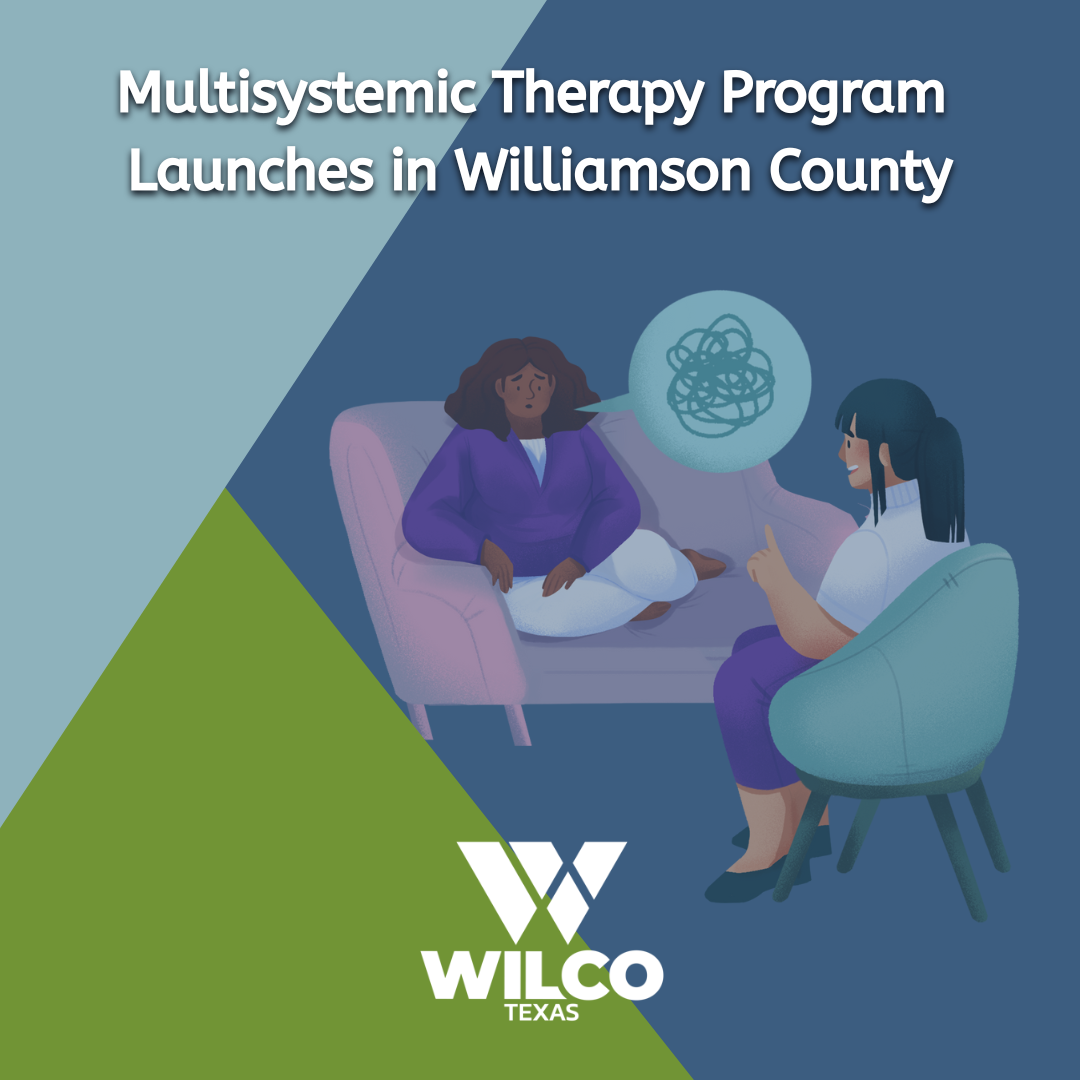
With $1.2 million in funding approved by the Texas Legislature, Williamson County, TX, is expanding Multisystemic Therapy (MST), an intensive, family-centered treatment model. MST is an intervention that delivers therapy to youth at risk of entering the juvenile justice or child welfare systems. Therapists provide support directly in home, school, and community settings instead of removing youth from their homes. Research has shown that MST leads to strong, lasting outcomes for youth, including reduced arrest rates and fewer out-of-home placements. This expansion will provide Williamson County families with the support they need to address challenges early, help youth thrive, and strengthen family stability.
Link to Full Article
| | The Field Center team would like to thank the staff and students who brought this newsletter together. Specifically, we recognize our Fall 2025 students Saadhya Bahudodda, Cheri Mitchell, and Jasleen Virk for their contributions in providing readers with this uplifting content. Many thanks to our Associate Director Sarah Wasch for editing and our Managing Faculty Director Dr. Johanna Greeson for her idea to curate the “good news stories” happening in child welfare! | | | | |