Volume 61 ~ February 18, 2026 | | The Good Stuff in Child Welfare | | |
Welcome to The Good Stuff in Child Welfare!
At the Field Center for Children’s Policy, Practice & Research, we acknowledge the often heart-wrenching and distressing narratives that dominate the child welfare landscape, leaving us deeply moved and impassioned. However, amidst these challenging stories, there exists a wealth of inspiring achievements and uplifting initiatives occurring nationwide at every level of practice. To highlight and celebrate these positive developments, we are delighted to present this monthly newsletter, dedicated exclusively to showcasing “The Good Stuff” within the expansive field of child welfare. This month, stories from states all across the nation show us how creative ideas support communities. We hope this read gives you a few moments of hopefulness and a sense of possibility.
If there's something you'd like to see here, shoot us an email. Know someone who could use a little Good Stuff in Child Welfare? Send them a copy! We hope you love it as much as we do.
| | Formal Dress Sale Supports Local Foster Youth | |
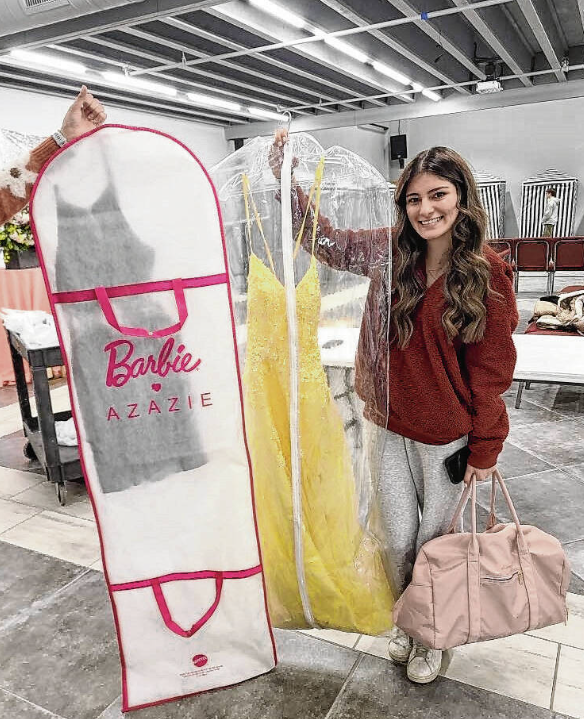
The Isaiah 117 House in Indianapolis, IN hosted its annual prom dress sale fundraiser last month, allowing shoppers to find elegant, donated formal wear and accessories through a “pay-what-you-can” system, making formal events affordable for the community. Every dollar raised goes directly to supporting children entering the foster care system, who are served by the Isaiah 117 House. The House provides a comforting, home-like environment, complete with volunteers and essential supplies, for children awaiting placement, acting as an alternative to the Department of Child Services office. The organization, which opened its Indianapolis location in August 2023, is seeing high demand for its services. The fundraiser helps cover the approximately $300 spent on each child. Last year, the boutique-style sale raised around $2,800.
Link to Full Article
| | Organization Builds Bridge for People Aging Out of Foster Care | |
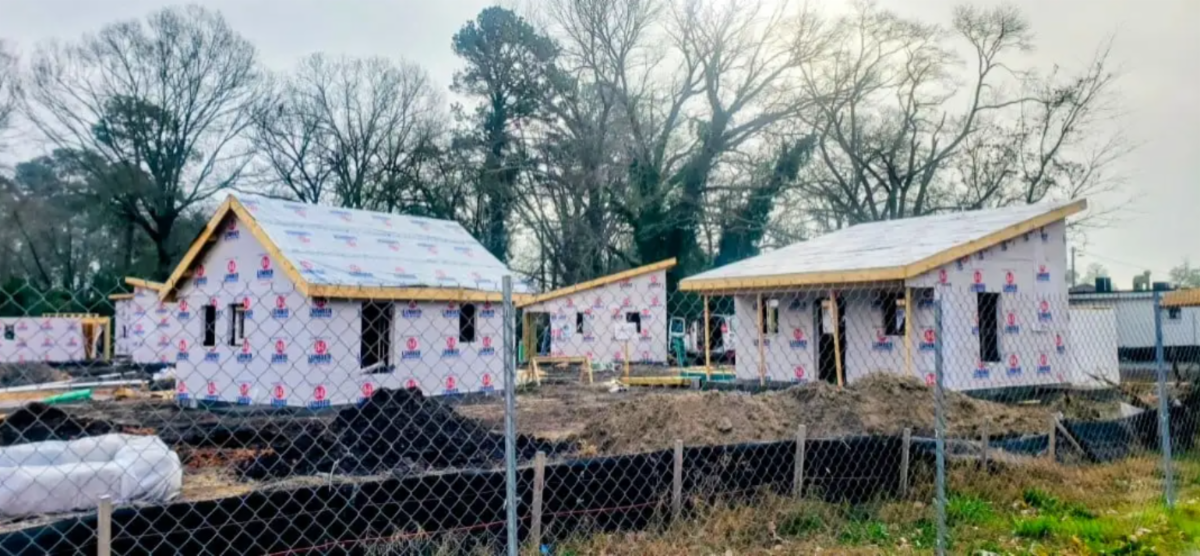
Bridge Builder Communities, an Augusta, GA-based nonprofit, is addressing the critical lack of support for youth aging out of foster care. In partnership with Bill Beazley Homes, the organization is building a tiny-home community for young adults ages 18 to 25 who have exited the foster care system. Co-founder ShDonna Drumgoole, a licensed clinical mental health therapist, highlights that these young people, who number 600 to 700 annually in Georgia, often lose vital supports and face homelessness and poor outcomes when expected to “adult” without stable housing or life skills. The tiny-home village offers single-occupancy homes combined with intensive, trauma-informed wraparound services, including individualized success planning and support from a dedicated success manager, to ensure the young adults feel respected and genuinely welcomed into the community.
Link to Full Article
| | CASO Makes Move to Better Serve Foster Kids | |
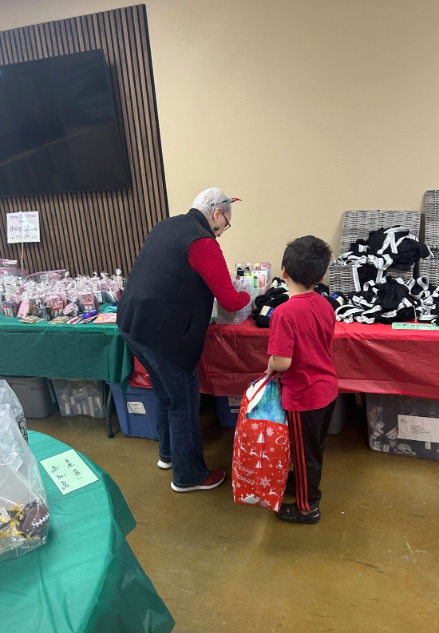
Come AlongSide Others (CASO), a North Dakota non-profit organization supporting children in foster care, is expanding their community outreach via the acquisition of a new building. This new location will increase service provision to youth in care, primarily via temporary housing, care supplies, and space to interact with their families. The building has a two-bedroom apartment where children can stay while they await foster care placement. The CASO closet provides children with clothing items, blankets, shoes, hygiene supplies and toys, along with a suitcase to carry their belongings in. Furthermore, there is a space for family visitation, ensuring that children are able to maintain their bonds with their biological family while in foster care, in turn supporting reunification. CASO utilizes a trauma-informed approach, understanding that a safe space for youth in foster care is essential for overall well-being.
Link to Full Article
| | 3-Person Christian Nonprofit Serves Hundreds of Foster Kids Each Year in Idaho and Washington | | |
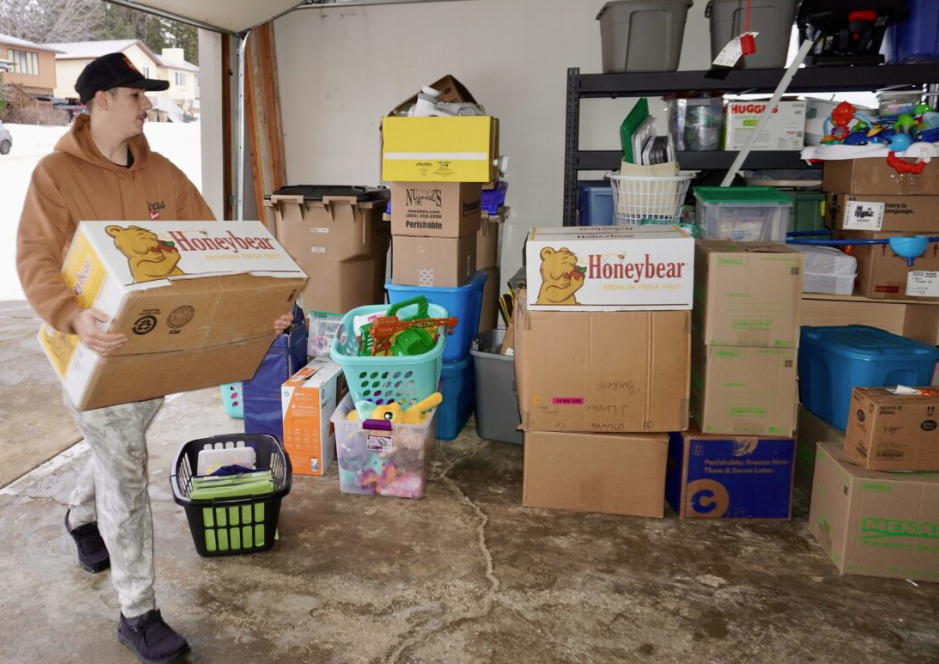
Homes of Hope is a non-profit organization in Idaho that provides physical resources and counseling services to foster families in the Pacific Northwest. The organization’s Director of Counseling and Services, Cheryl Allman, noted that around 50% of foster parents only last about one year in the system, often due to the lack of support they face while caring for children in foster care. With Homes of Hope, the goal is to reduce that turnover and ensure long term care. The organization hosts a “Hope Room”, which provides families with items such as home furnishings, car seats, clothing, diapers and more depending on their needs. Additionally, given the non-profit's rural setting, most clients do not have easy access to counselors and therapists. Homes of Hope aims to reduce this disparity by providing counseling services to both foster parents and children in foster care.
Link to Full Article
| | New Grant Expands Legal Support for Kinship Caregivers Across the Lowcountry | | |
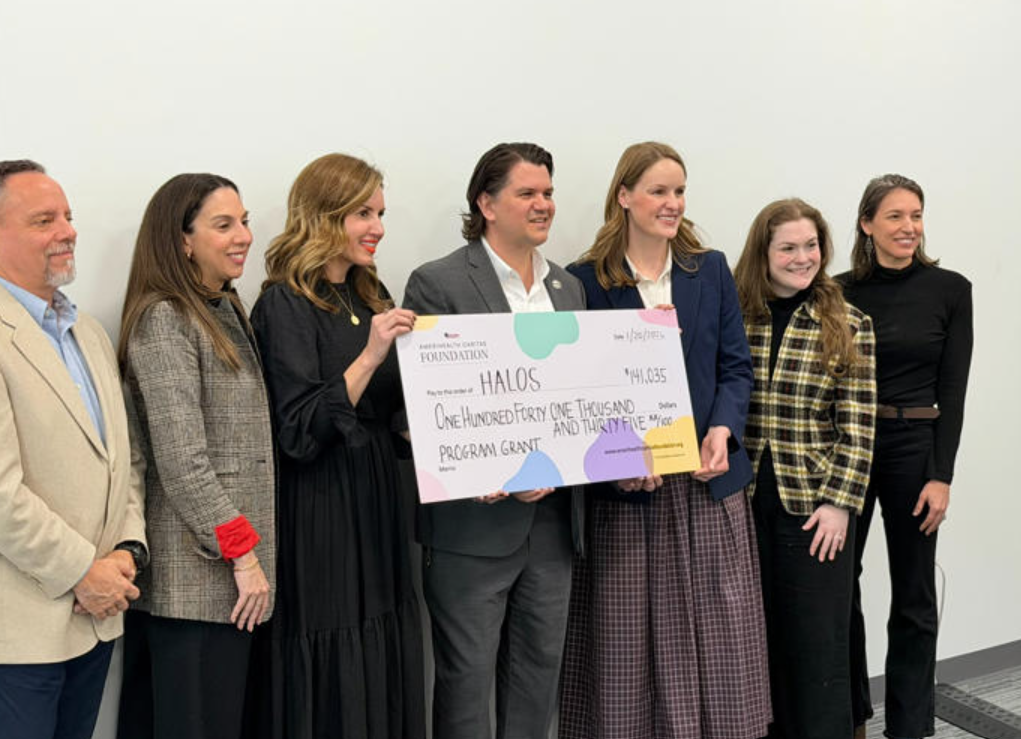
The AmeriHealth Caritas Foundation awarded a $141,035 grant to Helping and Lending Outreach and Support (HALOS) to help strengthen their legal assistance and system navigation services for kinship caregivers across 10 counties in the Lowcountry of South Carolina. The kinship caregivers of over 57,000 children outside of formal foster care in South Carolina often have questions about custody, guardianship, and what is going to happen once they bring a child fully into their home. However, they frequently lack access to legal advice and support available to licensed foster parents. This new funding will help HALOS partner with Charleston Legal Access to provide consistent, high-quality legal guidance and help navigate custody, guardianship, healthcare, and education issues.
Link to Full Article
| | Women Who Aged Out of Foster Care Find Employment, Resources, and Friendship at Wake Forest Nonprofit | |
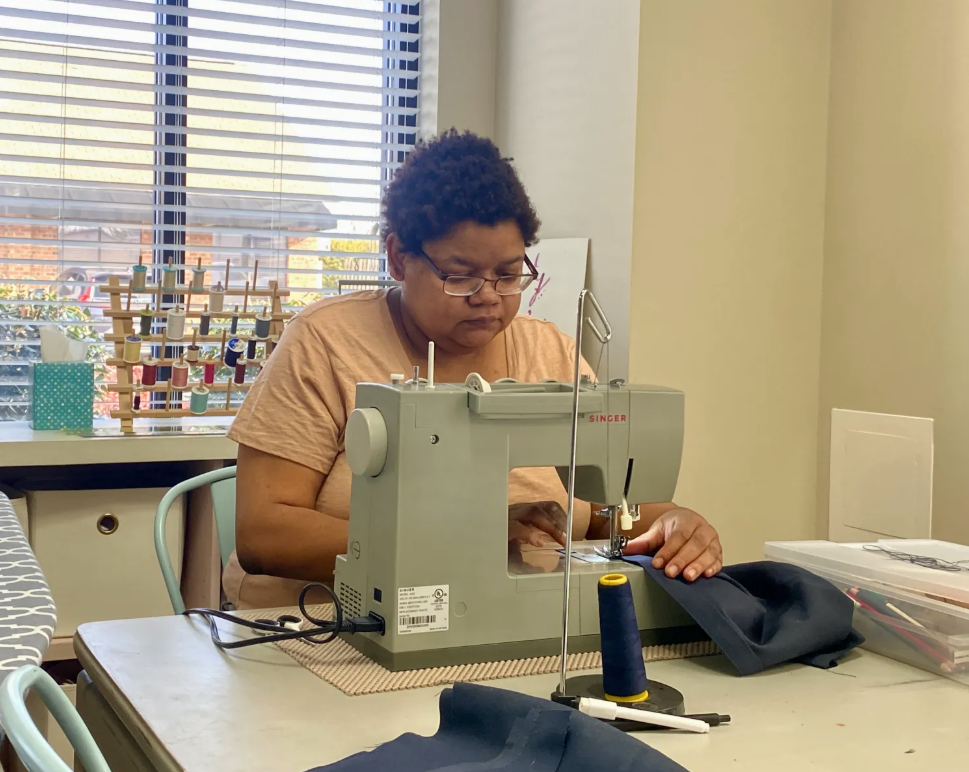
Hope + Vine, a faith-based, trauma-informed non-profit in Wake Forest, NC, is helping women who have aged out of the foster care system find employment, stability, and community. Many young adults leave foster care without a reliable support system, facing housing insecurity, financial hardship, and isolation. Hope + Vine employs these youth as artisans who create and sell handmade bags, jewelry, and inspirational items. The organization’s work extends beyond providing an income source; it also provides youth with mental health care, transportation, and mentorship. The women cultivate a support network through the connections they make at work, gaining friendships, encouragement, and a trusted circle of mentors they can rely on for everyday guidance and emotional support. The artisans hope that their products inspire other youth in foster care to feel empowered as they build their own futures.
Link to Full Article
| | The Field Center team would like to thank the staff and students who brought this newsletter together. Specifically, we recognize our Spring 2026 students Saadhya Bahudodda, Cheri Mitchell, and Jasleen Virk for their contributions in providing readers with this uplifting content. Many thanks to our Associate Director Sarah Wasch for editing and our Managing Faculty Director Dr. Johanna Greeson for her idea to curate the “good news stories” happening in child welfare! | | | | |